
United Kingdom
Private Parking Fine Appeal: POPLA, IAS Rules Explained
Independently fact-checked against primary sources (last audited September 29, 2026). · Law checked current as of September 29, 2026. · 4 primary sources cited on this page. How we verify our legal content
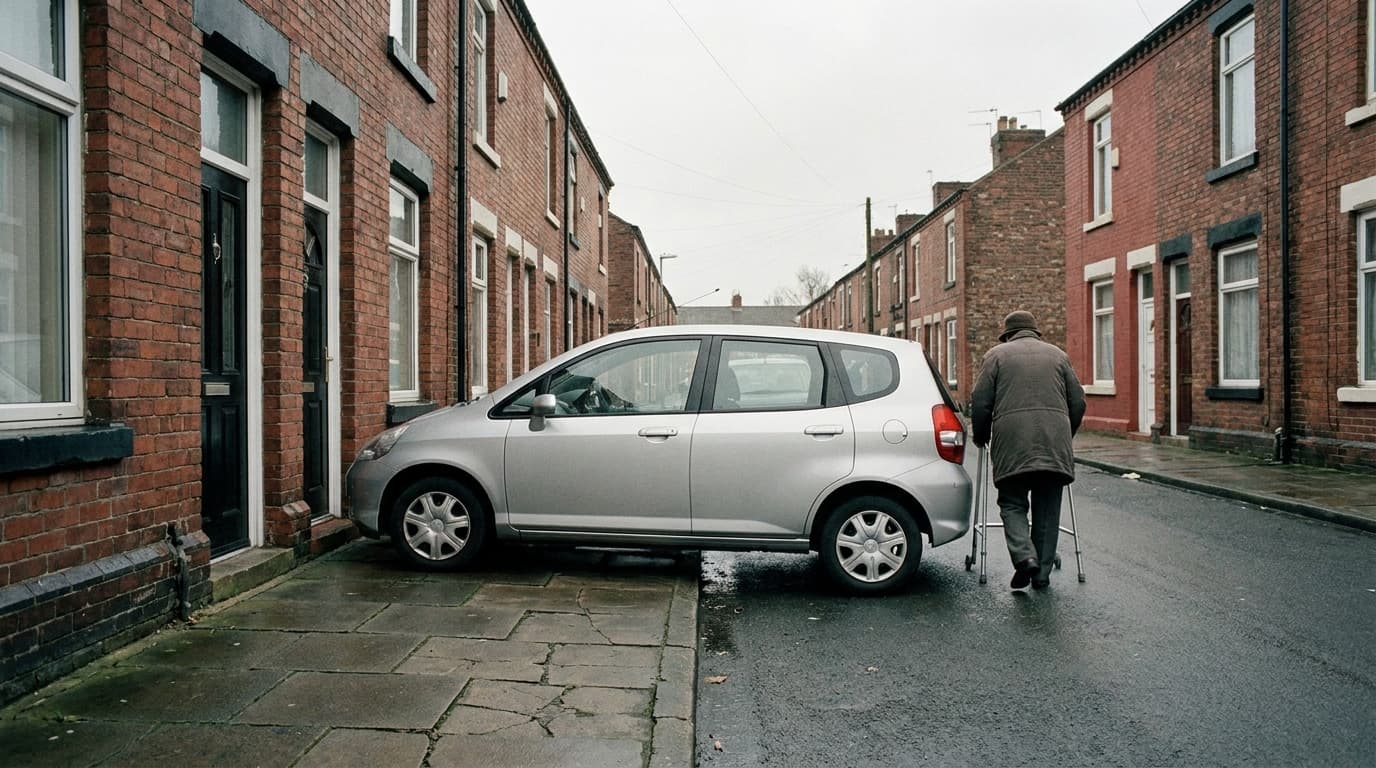
A parking charge on private land, such as a supermarket or retail car park, is a contractual charge rather than a council fine. You can appeal it for free, first to the operator, then to an independent adjudicator, before paying anything.
Private parking charges vs council PCNs
A charge issued on private land, such as a supermarket, retail park, hospital or airport car park, works differently from a council Penalty Charge Notice (PCN). A council PCN is a statutory civil penalty issued under specific legislation for a parking contravention on the public highway or council-controlled land. A private parking charge is not a fine at all in the legal sense. It's a contractual charge, based on the idea that by parking on the land you accepted the terms displayed on the signage, and the charge is what the operator says you owe for breaching them.
That distinction matters because it changes which rules, which appeals body, and which regulator applies. If your notice came from a council, or refers to a civil enforcement officer and a right of appeal to a tribunal, see our separate guide to appealing a council PCN instead. This page covers charges from private operators on private land.
Who can issue a private parking charge, and how they trace you
Reputable private parking operators are members of one of two accredited trade associations: the British Parking Association (BPA) or the International Parking Community (IPC). This membership matters for a practical reason. To get your name and address from the DVLA using only your vehicle registration, an operator must belong to an accredited trade association operating under the DVLA's data-release framework. An operator with no such accreditation has no lawful route to your details through the DVLA.
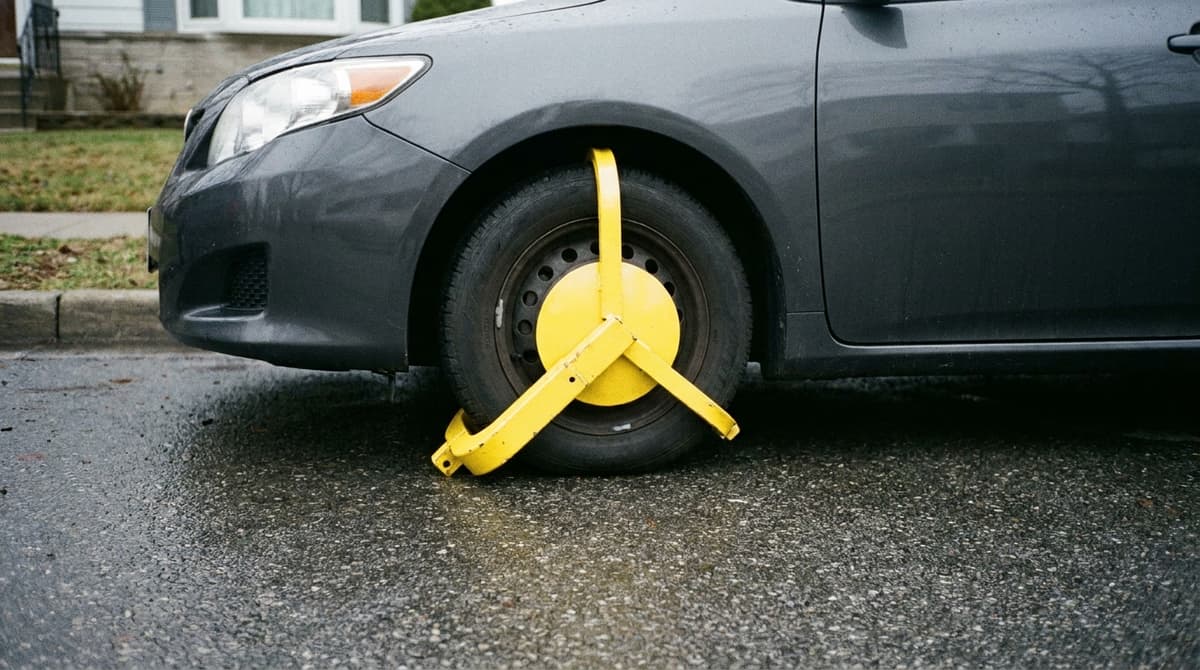
Separately, the Protection of Freedoms Act 2012 sets out the conditions an operator must meet to pursue the registered keeper, rather than only the driver, for a parking charge. This includes serving a compliant notice within strict time limits and using the wording set out in Schedule 4 of the Act. If an operator's notice is late, incorrectly worded, or otherwise falls short of these conditions, keeper liability may not have transferred at all, which is itself a valid ground of appeal, separate from any argument about the parking itself. Schedule 4 extends to England and Wales only, so in Scotland and Northern Ireland an operator cannot rely on it to hold the registered keeper liable in place of the driver.
Grounds to appeal a private parking charge
There is no fixed list of acceptable grounds, but appeals commonly succeed on one or more of the following:
- Signage. The terms, the charge amount, and the fact that a charge could apply were not clearly and prominently displayed where you could reasonably be expected to see them before parking.
- Grace period. The operator didn't allow the grace period required by the Code, either to decide whether to stay after arriving or to leave after your session ended.
- Genuine mistake. For example, a payment was made but not correctly registered, a vehicle registration was mistyped in a pay-and-display machine or app, or a machine or app malfunctioned.
- Disproportionate charge. The amount demanded is out of proportion to any loss the landowner actually suffered from the contravention.
- Keeper liability not established. The operator failed to meet the Protection of Freedoms Act 2012 conditions needed to pursue the registered keeper rather than the driver. This applies in England and Wales, the only nations the Act's keeper-liability scheme covers.
- Permission to park. You had a valid permit, blue badge, pre-booking, or other authorisation that the operator failed to account for.
Not every case fits neatly into one of these, and a genuinely disputed case with money at stake, especially one heading toward county court, is a matter for a solicitor rather than general guidance.
How to appeal, step by step
- Identify the operator and its scheme. Check the charge notice for the operator's name, then confirm whether they're a BPA or IPC member. This tells you whether an unsuccessful appeal would go to POPLA or the IAS.
- Gather your evidence. Date-stamped photos of the signage (including any that was missing, obscured, or hard to read), your payment receipt or app confirmation, any relevant permit, and a note of your actual arrival and departure times.
- Appeal to the operator first, in writing. This is free and is usually required before you can escalate. Set out your grounds clearly, attach your evidence, and keep a copy of everything you send.
- Escalate to the independent appeals service if rejected. Use the POPLA or IAS reference code the operator is required to give you when it turns down your appeal. This stage is also free and is decided by an adjudicator independent of the operator.
- Wait for the decision. It's binding on the operator: if you win, they cannot pursue the charge further. It isn't binding on you, so if you lose you still keep other options, though further action from the operator at that point would usually mean the county court.
- Don't ignore the charge while a genuine appeal is open. You're not required to pay while your appeal or independent review is in progress, but keep records of every step in case the operator disputes that you appealed at all.
The Single Code of Practice: the original protections and the 2025 camera amendment
A new industry-wide Single Code of Practice was published jointly by the BPA and the IPC in June 2024. Since January 2025 it has been overseen by the Private Parking Scrutiny and Advisory Panel, which the BPA and IPC created. It took effect on 1 October 2024 and introduced several changes designed to standardise how private parking charges are set and enforced:

- A £100 cap on most parking charges, with only a small number of specific situations falling outside the general cap.
- A minimum 40% discount for paying within 14 days of the charge being issued.
- A mandatory grace period, requiring operators to give drivers reasonable time both to decide whether to stay after arriving and to leave once their session has ended.
- A £70 cap on debt-recovery and escalation fees added if a charge goes unpaid. The government questioned this cap in 2025 and it may change, so treat it as under review rather than fixed, but it has not been scrapped.
These rules applied from 1 October 2024 at existing car parks as well as new ones. Only signage and related clauses at existing sites were given a transition period, ending on 31 December 2026, the date by which every part of the Code applies at every site.
A reissued version 1.1 of the Code took effect on 17 February 2025. It added a new exemption for car parks managed by camera or automatic number plate recognition (ANPR) systems: no parking charge may be pursued where payment for the full period of parking was made before the vehicle left. The exemption covers only the timing of payment. It does not cover underpaying, a major error keying in the registration, or parking in a bay the vehicle was not permitted to use.
It's worth being precise about what "the Code" means here, because there are two. The one described above is an industry code, produced by the trade bodies themselves. There is a separate government statutory code of practice, provided for under the Parking (Code of Practice) Act 2019, which would have put a single set of rules on a legal footing overseen by a government-appointed regulator. That statutory code was laid before Parliament in February 2022 but withdrawn in June 2022, pending a review of proposed charge and fee levels, and it still hasn't come into force. The Government consulted on a replacement statutory code in 2025 and has said it intends to publish a new Private Parking Code of Practice in autumn 2026, so this page is worth revisiting once that happens. So as things stand, the rules actually binding on operators today are the industry Single Code of Practice, not a statutory one.
What POPLA and the IAS actually decide
POPLA (Parking on Private Land Appeals) is the free, independent appeals service for parking charges issued by BPA members. The IAS (Independent Appeals Service) plays the equivalent role for IPC members. Both work the same basic way: once the operator has rejected your initial appeal, you have a limited window to escalate to whichever service applies, submit your evidence, and receive a decision from an adjudicator who has no relationship with the operator.
Their decision resolves the dispute from the operator's side. A decision in your favour means the operator must cancel the charge and cannot pursue it again. A decision against you doesn't compel you to pay on the spot, but it does mean the informal appeals route has been exhausted, and if the operator pursues the charge further, the next stage would ordinarily be the county court rather than another round of appeal.
Related pages
If you've received a council Penalty Charge Notice rather than a private parking charge, see our guide to appealing a council PCN, which covers the separate Traffic Penalty Tribunal and London Tribunals process. Our Dartford Crossing charge guide explains what to do about a Dart Charge penalty notice, a different regime again. For how endorsements and licence points work more generally, see our penalty points guide. For the full picture of UK driving law, visit the driving laws hub, or the United Kingdom hub for our wider coverage of UK law.

This page is for general information only and does not constitute legal advice. If you're disputing a significant private parking charge, facing court action, or unsure whether you're liable as the registered keeper rather than the driver, get advice from a qualified solicitor about your specific circumstances.
Frequently Asked Questions
Is a private parking charge the same as a council parking fine?
No. A private parking charge is a contractual charge for breaching the terms of parking on private land, not a statutory penalty. A council Penalty Charge Notice is a separate civil fine issued under different rules, covered on our council PCN appeal page.
Do I have to pay a private parking charge while I'm appealing?
No. You can appeal for free before paying, first to the operator and then, if they reject it, to POPLA or the IAS. You shouldn't need to pay simply to have your appeal considered.
What's the difference between POPLA and the IAS?
POPLA handles appeals against operators who belong to the British Parking Association, while the IAS handles appeals against operators who belong to the International Parking Community. Which one applies depends on which trade body issued the operator its accreditation.
Is the appeals service's decision final?
It's binding on the operator, so a decision in your favour means the charge must be cancelled. It isn't binding on you, so if you lose you still have options, though further action from the operator would usually then move to the county court.
How much can a private parking charge legally be?
Under the industry Single Code of Practice, in force since 1 October 2024, most charges are capped at £100, with a minimum 40% discount if you pay within 14 days. A small number of specific situations can fall outside the general cap. Version 1.1 of the Code, effective 17 February 2025, added an exemption at camera or ANPR managed car parks where the full tariff is paid before the vehicle leaves.
Can a parking company get my name and address from the DVLA?
Only if it belongs to an accredited trade association, currently the BPA or the IPC. Even then, separate conditions under the Protection of Freedoms Act 2012 govern whether the registered keeper, rather than only the driver, can be held liable for the charge. That keeper-liability scheme applies in England and Wales only, not in Scotland or Northern Ireland.
Is there a government-run parking code I should know about instead?
Not yet. A statutory government code of practice under the Parking (Code of Practice) Act 2019 was laid before Parliament in 2022 but withdrawn the same year pending a review of charge and fee levels, and it still hasn't come into force. The Government consulted on a replacement in 2025 and has said it intends to publish a new statutory code in autumn 2026. The rules that currently apply are the industry Single Code of Practice, not a statutory one.
What are common reasons a private parking appeal succeeds?
Frequent successful grounds include unclear or missing signage, the required grace period not being observed, a genuine payment or system error, and a failure by the operator to properly establish keeper liability under the Protection of Freedoms Act 2012, which applies in England and Wales.
Updates
Clarified that Protection of Freedoms Act keeper liability applies only in England and Wales, corrected the Single Code of Practice start (it applied at all car parks from 1 October 2024, with only existing-site signage given until 31 December 2026), corrected the description of the version 1.1 camera car park exemption and the oversight panel date, and replaced two dead links.
Independently fact-checked against the cited primary sources; governing law re-checked for recent changes
Single Code of Practice version 1.1 took effect, adding an exemption at car parks managed by camera or ANPR systems: no parking charge may be pursued where the full tariff was paid before the vehicle left the car park.
Industry Single Code of Practice, published jointly by the BPA and IPC in June 2024, took effect, introducing a £100 charge cap, a minimum 40% early-payment discount, a mandatory grace period, and a £70 debt-recovery fee cap (currently under government review). Only signage and related clauses at existing sites have a transition period, ending on 31 December 2026.
Sources and References
- gov.uk: Private parking code of practice(gov.uk).gov
- BPA and IPC: The private parking sector Single Code of Practice, version 1.1 (17 February 2025), incl. transition table and Annex F.1(j)(www.britishparking.co.uk)
- POPLA: appeal a parking charge (BPA operators)(popla.co.uk)
- IAS: Independent Appeals Service (IPC operators)(theias.org)
- gov.uk: Challenging a parking ticket (private tickets: appeal to POPLA or the IAS)(gov.uk).gov
- Protection of Freedoms Act 2012, Schedule 4 (keeper liability; extends to England and Wales only)(legislation.gov.uk).gov
- Parking (Code of Practice) Act 2019(legislation.gov.uk).gov