
United Kingdom
Speed Awareness Course UK: Eligibility, Cost & Rules
Independently fact-checked against primary sources (last audited September 29, 2026). · 3 primary sources cited on this page. How we verify our legal content
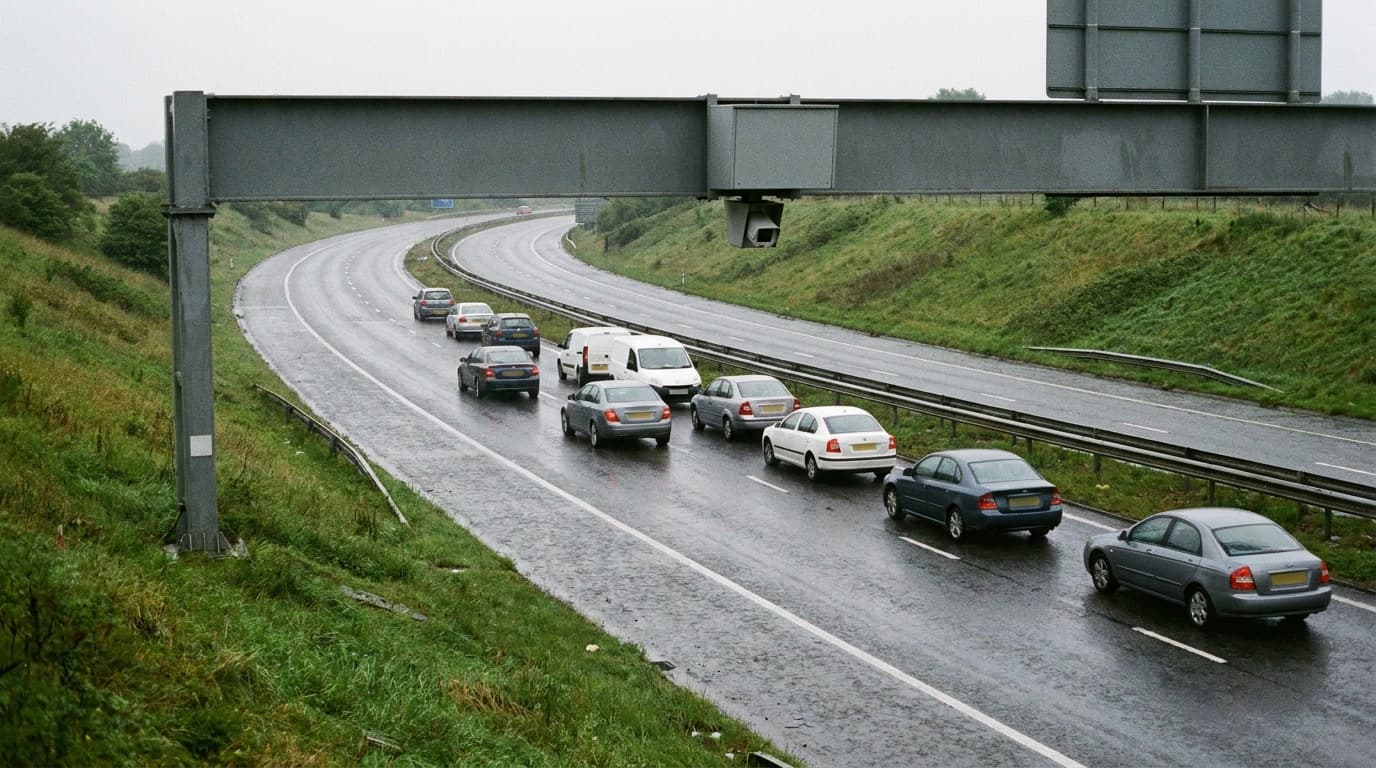
You are usually eligible for a speed awareness course if your recorded speed falls within the police offer band (for example 35 to 42 mph in a 30 mph limit) and you have not attended one in the previous 3 years, and completing it means no penalty points and no conviction for that offence. The course is offered only at the discretion of the police force that detected the offence, never as of right, it is not available in Scotland, and you pay the provider's fee yourself (for example £90 in Essex or £84.70 in Northern Ireland).
What Is a Speed Awareness Course?
The National Speed Awareness Course is an educational course offered as an alternative to a fixed penalty notice (FPN) and licence endorsement for lower-level speeding offences. It is not a legal right and not a punishment in its own right. The police force that detected the offence decides, case by case, whether to offer it instead of the standard fixed penalty (£100 and 3 points in England and Wales; in Northern Ireland, £60 plus a £5 offender levy for drivers aged 18 and over, and 3 points) or referring the matter towards court.
If your case does go to court rather than being offered a course, our speeding fine calculator estimates the fine band and penalty points a magistrates' court can impose.
Courses run within the National Driver Offender Retraining Scheme (NDORS), which gives forces across England, Wales and Northern Ireland a broadly consistent programme delivered through accredited local providers, even though each force retains its own decision on whether to make the offer. Scotland has no speed awareness course. The Lord Advocate agreed in principle in January 2019 to road traffic diversionary courses, including speed awareness courses, but Transport Scotland's 2024/25 progress report says direct police offer of the full range of these courses has yet to be achieved. The diversionary course in use in Scotland is the Driver and Rider Improvement Scheme, which the Crown Office (COPFS), not the police, can offer as an alternative to prosecution for careless driving. A driver caught speeding in Scotland receives the fixed penalty and points, or a court referral, with no course option.
How You're Offered a Course
If a safety camera or officer records you speeding at a level within the local force's offer range, you will usually first receive a Notice of Intended Prosecution (NIP) asking who was driving. Alongside or shortly after that notice, you may receive a letter or an online reference inviting you to book a speed awareness course instead of accepting a fixed penalty.
The offer comes from the police force that detected the offence. Guidance from the National Police Chiefs' Council (NPCC) sets national thresholds so that forces deal with speeding consistently: in a 30 mph limit, for example, the course band is 35 to 42 mph, and in a 70 mph limit it is 79 to 86 mph. The offer is still at the enforcing force's discretion, so a speed within the band does not guarantee one. You cannot request a course if the force has already decided a fixed penalty or court referral is the right response.
Am I Eligible?
Eligibility is set by the offering police force, but the two core conditions that apply nationally are:

- No course in the last 3 years. You are generally only eligible if you have not attended a speed awareness course in the previous 3 years. That bar applies to the same course: a past speed awareness course does not by itself rule out the separate motorway course offered for variable speed limits.
- Speed within the offer range. Your recorded speed must fall within the band the force is willing to offer a course for, generally the lower end of speeding above the limit, set by National Police Chiefs' Council guidance for each speed limit (35 to 42 mph in a 30 mph limit, for example).
- Force and case discretion. Even meeting both conditions does not guarantee an offer. Forces can exclude higher speeds, certain roads, or drivers with other current matters pending, and can choose a fixed penalty or court referral instead.
If you are not offered a course, or decline one, the case proceeds down the standard penalty points route: a fixed penalty of £100 and 3 points in England and Wales (in Northern Ireland, a £60 Conditional Offer of Fixed Penalty plus a £5 offender levy for drivers aged 18 and over, and 3 points) for straightforward cases, or a court hearing where the speeding fine bands apply. Our speeding fine calculator estimates what a court-handled case could look like if you are weighing that against the course fee.
Course Cost and Length
GOV.UK does not publish a single national price for the course. The fee is set by the course provider and varies: for example, in September 2026 the Essex provider listed by UKROEd charged £90, and PSNI put the Northern Ireland fee at £84.70. You pay this fee yourself when you book; it is separate from, and not the same as, a fine.
Courses usually run as a single session, delivered either online or in person at a local venue, and typically take a few hours to complete. The exact format and duration depend on which provider is running the course in your area.
Booking Your Course
You book through the official national booking service, reached via GOV.UK, using the reference and personal details from your offer letter. Your offer letter will set a deadline for booking and for completing the course, so check it as soon as it arrives rather than leaving it until close to the cut-off.
What Completing the Course Means
If you complete the course, you get no penalty points and no conviction for that speeding offence. It is treated as a completed alternative to prosecution, not a lesser punishment on your licence record.

What Happens If You Decline or Don't Complete It
If you decline the offer, miss the booking or completion deadline in your letter, or otherwise don't finish the course, the police can withdraw the offer. The case then goes back down the standard route: a fixed penalty notice with 3 points, or referral to court, where the case is dealt with under the ordinary speeding fine bands and penalty point rules under the Road Traffic Offenders Act 1988. There is no automatic right to a course, however low the recorded speed; whether to offer one is a matter for the enforcing force.
Effect on Your Licence and Insurance
A completed speed awareness course does not add points to your licence and does not create a conviction for that offence, so it will not show up as an endorsement if you or anyone else checks your driving licence points with the DVLA. That is the main practical difference from accepting the fixed penalty, which does add 3 points that count towards the 12-point totting-up disqualification threshold.
Insurers are a separate matter. Many now ask directly, when you take out or renew a policy, whether you have completed a driving course such as a speed awareness course within a set period. Always answer these questions honestly. It will not raise your points count, but withholding an answer an insurer asked for can affect a later claim.
Related UK Driving Guides
For the wider picture on speeding enforcement in the UK, see the UK Driving Laws hub and the United Kingdom country hub. For what happens if a course isn't offered or you decline one, see speeding fines in the UK and penalty points explained. To see what is currently on your licence, use how to check your driving licence points.

This page is for general information only and is not legal advice. Whether a speed awareness course is offered, and on what terms, is decided by the police force handling your case. If you are facing a driving ban, court proceedings, or a dispute over an offence, speak to a solicitor.
Frequently Asked Questions
What is a speed awareness course?
It's an educational course some police forces offer instead of a fixed penalty notice and points for lower-level speeding. Completing it means no penalty points and no conviction for that offence.
Am I entitled to be offered a speed awareness course?
No. It is offered entirely at the discretion of the police force that detected the offence, based on your recorded speed and the force's own policy, not something you can demand or request.
Can I do a speed awareness course if I've done one before?
Generally not. You are normally only eligible if you have not attended a speed awareness course in the previous 3 years.
How much does a speed awareness course cost?
GOV.UK does not publish one fixed national price. The fee is set by the course provider and varies, for example £90 for the Essex provider listed by UKROEd and £84.70 in Northern Ireland according to PSNI, and you pay it when you book.
How long does the course take and is it online or in person?
Most courses run as a single session, either online or in a classroom, and typically last a few hours, depending on the provider running it in your area.
Will a speed awareness course affect my car insurance?
It will not add points or a conviction to your licence, but many insurers ask whether you've completed a driving course in recent years when you get a quote or renew, so answer honestly.
Does a speed awareness course go on my driving licence?
No. Completing the course means the offence does not become a conviction or an endorsement, so it will not appear when your licence is checked with the DVLA.
What happens if I don't book or complete the course?
If you miss the deadline in your offer letter or don't complete the course, the police can withdraw the offer, and the case goes back to a fixed penalty notice and points, or a court case.
Is a speed awareness course available in Scotland?
No. Speed awareness courses run through the National Driver Offender Retraining Scheme in England, Wales and Northern Ireland. Scotland has no speed awareness course. The Lord Advocate agreed in principle in 2019 to road traffic diversionary courses, including speed awareness courses, but Transport Scotland's 2024/25 progress report says direct police offer of the full range of these courses has yet to be achieved.
Updates
Added the Northern Ireland fixed penalty (£60 plus a £5 offender levy and 3 points), replaced an unsourced £80 to £100 fee range with sourced examples, added the NPCC offer bands, corrected the 3-year rule and the Scotland position (no speed awareness course; COPFS offers a careless driving course), and replaced dead links.
Independently fact-checked against the cited primary sources
Sources and References
- GOV.UK: Book a National Driver Offender Retraining Course(gov.uk)
- GOV.UK: Speeding penalties(gov.uk)
- Road Traffic Offenders Act 1988 (legislation.gov.uk)(legislation.gov.uk)
- UKROEd: NDORS courses (police discretion, no automatic right, course durations)(www.ukroed.org.uk)
- National Police Chiefs' Council: Guidance on the Enforcement and Disposal of Speeding Offences (2025), NSAC thresholds and 3-year rule(library.college.police.uk).gov
- PSNI / NI Road Safety Partnership: Caught on camera (speed awareness course, £84.70 fee, £60 Conditional Offer of Fixed Penalty plus £5 offender levy)(www.psni.police.uk).gov
- Transport Scotland: Road Safety Framework to 2030, road safety deliverables 2024/25 (road traffic diversionary courses)(www.transport.gov.scot).gov
- UKROEd: Essex course provider (National Speed Awareness course fee)(www.ukroed.org.uk)
- UKROEd: Motorway Awareness Course after a Speed Awareness Course(www.ukroed.org.uk)