
United Kingdom
Window Tint Law UK: Legal VLT Limits Explained
Independently fact-checked against primary sources (last audited September 29, 2026). · Law checked current as of September 29, 2026. · 6 primary sources cited on this page. How we verify our legal content
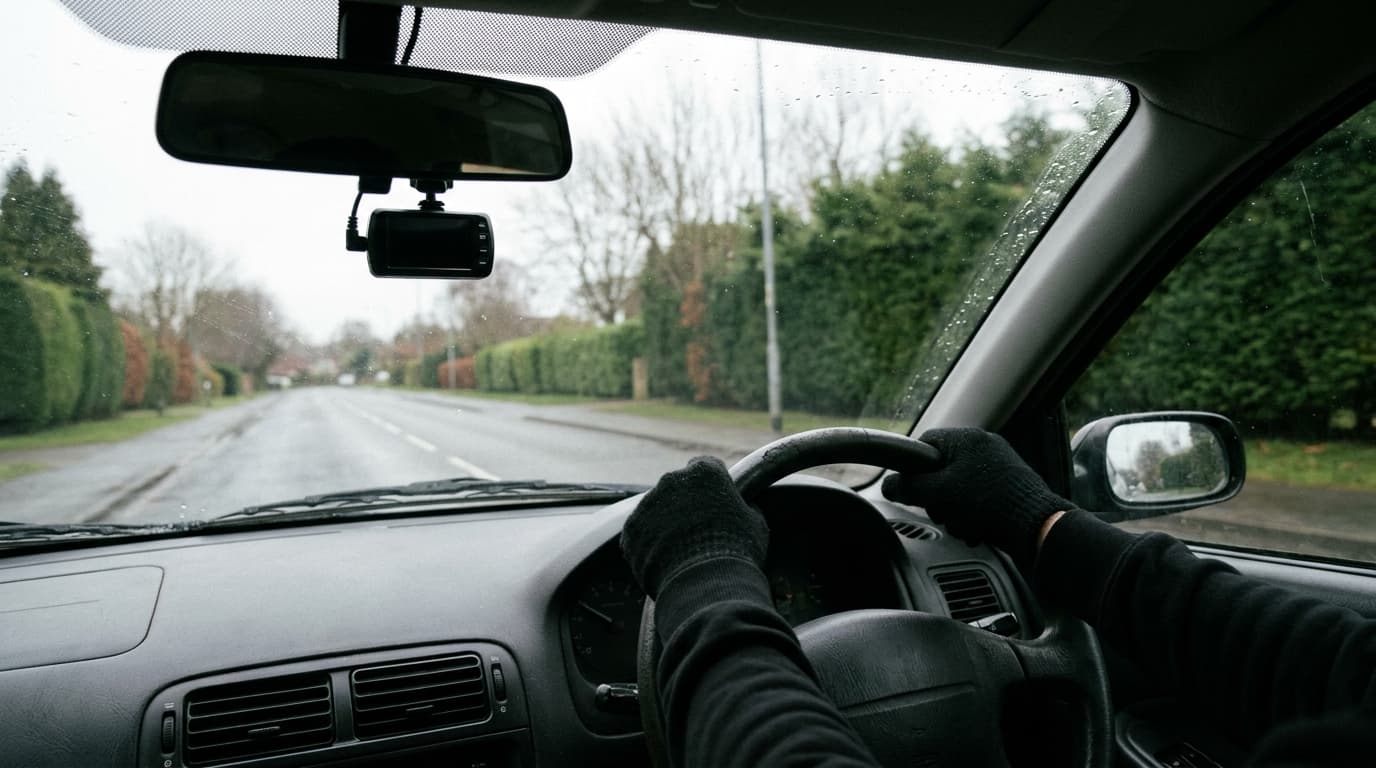
UK law sets a legal minimum for how much light must pass through your car's windscreen and front windows, known as visible light transmission (VLT). Get it wrong and you risk a police light-meter check, a prohibition notice, and a fine, even if the tint job looks factory-standard.
The rules below come from the Road Vehicles (Construction and Use) Regulations 1986, which apply in England, Wales and Scotland. Northern Ireland has its own construction and use regulations and DVA vehicle testing, and nidirect gives the same limits for most cars there: 75% for the windscreen and 70% for the windows in the front doors.
The Legal Light Transmission Limits
The rules only set a minimum, not a maximum, for how much visible light must pass through certain windows. This is measured as a percentage of visible light transmission (VLT): the higher the percentage, the more light gets through, and the lighter the tint.
| Window | Cars first used on or after 1 April 1985 | Cars first used before 1 April 1985 |
|---|---|---|
| Front windscreen | At least 75% VLT | At least 70% VLT |
| Front side windows (level with the driver's seat) | At least 70% VLT | At least 70% VLT |
| Rear windscreen | No legal minimum | No legal minimum |
| Rear side windows | No legal minimum | No legal minimum |
"Front side windows" means the windows level with the driver's seat, the ones you'd usually wind down or that carry a front door mirror, not the windows further back in the cabin.
Why There's No Limit on the Rear Windows
The legal minimums only apply to the front windscreen and the front side windows because these are the panes that matter most for the driver's own forward and side vision, and for other road users being able to see the driver. Rear windscreens and rear side windows are not subject to any minimum VLT figure, which is why you'll see plenty of cars with limousine-dark rear windows and privacy glass fitted entirely legally, while the front glass stays clear.

Factory Tint vs Aftermarket Film
Factory-tinted glass, fitted by the vehicle manufacturer, is built to comply with the relevant limits from new, so it is very rarely the cause of a problem. The usual issue is aftermarket tint film applied after the car is registered, most often to the front windscreen or front side windows, where an installer or owner has gone darker than the legal minimum allows, sometimes to match the factory-dark look of the rear windows without realising the front glass is held to a different standard. If you're buying a used car or a tint kit, check the manufacturer's specification or the film's stated VLT rating against the limits above before assuming it's road legal.
How Police Enforce the Rules
Officers can check a vehicle's window tint at the roadside using a handheld light meter, which measures the actual VLT percentage of the glass rather than relying on a visual estimate. If the front windscreen or front side windows read below the legal minimum, the vehicle can be issued with a prohibition notice, which stops it being driven on the road until the tint is removed or corrected, alongside a penalty notice or a fine. Because this is a vehicle condition and construction and use matter rather than a driving offence like speeding, the response is typically about getting the vehicle fixed rather than adding points to a licence, though the exact outcome depends on the circumstances and the officer's discretion.

MOT Tests and Tinted Windows
Window tint is also looked at during the MOT test in Great Britain, under the visibility checks for the windscreen and the windows either side of the driver's seat. The MOT does not apply the 75% and 70% light transmission limits. The inspection manual says failure for tinting is only justified if the driver's view is significantly affected.
Tint that seriously affects visibility through the windscreen's swept area or of an obligatory exterior mirror is a major defect, which fails the test. Excessive tint that does not adversely affect the driver's view is recorded as a minor defect, which does not fail it. So passing an MOT does not mean the tint meets the legal limits a police light meter checks at the roadside.
For other things that can get a car pulled over or checked at the roadside, see our guides to mobile phone driving law and penalty points. If you're weighing up a dash cam instead of tint for privacy or evidence reasons, see dash cam laws. For the wider picture, visit the UK driving laws hub and our guide to United Kingdom law.
This article is general information about UK vehicle window tint rules and is not legal advice. If your vehicle has failed a check or you're facing a prohibition notice or penalty, get advice from a solicitor, a garage, or Citizens Advice about your specific situation.
Frequently Asked Questions
What is the legal tint limit for a car windscreen in the UK?
For cars first used on or after 1 April 1985, the front windscreen must let at least 75% of light through. For cars first used before that date, the minimum is 70%.
How dark can I legally tint my front side windows?
The front side windows, level with the driver's seat, must let at least 70% of light through, regardless of when the car was first used.
Can I tint my rear windows as dark as I want?
gov.uk states there are no rules for tinting the rear windscreen or rear passenger windows, so these can be tinted much darker than the front.
How do police check if window tint is illegal?
Officers use a handheld light meter at the roadside to measure the actual percentage of light passing through the glass, rather than judging it by eye.
What happens if my front window tint is too dark?
The vehicle can be given a prohibition notice, meaning it cannot be driven until the tint is fixed, along with a penalty notice or a fine.
Does factory-tinted glass break the law?
Almost never. Factory tint is fitted to meet the legal minimums from new. Problems usually come from aftermarket film added later to the front windscreen or front side windows.
Will illegal window tint cause an MOT failure?
Only if it seriously affects the driver's view. The MOT does not test tint against the light transmission limits: tint that seriously affects visibility through the windscreen's swept area or of an obligatory exterior mirror is a major defect and fails the test, while excessive tint that does not adversely affect the view is a minor defect. Tint that passes an MOT can still be below the roadside legal minimum.
Updates
Corrected the MOT section (the MOT fails tint only when it seriously affects the driver's view, not for being below the 75% or 70% limit), matched the rear-window wording to gov.uk, added a note that the 1986 Regulations cover Great Britain with Northern Ireland limits from nidirect, and fixed two dead links.
Independently fact-checked against the cited primary sources; governing law re-checked for recent changes
The Law Behind This Article
This article rests on the statutory provisions below, held in our own legal record and retrieved from the official source. Tap a section to read the operative text.
Road Traffic Act 1988
s. 42Breach of other construction and use requirements.In force
A person who— (a) contravenes or fails to comply with any construction or use requirement other than one within section 41A(a) or 41B(1)(a) or 41D of this Act, or (b) uses on a road a motor vehicle or trailer which does not comply with such a requirement, or causes or permits a motor vehicle or trailer to be so used, is guilty of an offence.
Official text (excerpt) · last checked 2026-08-14 · Read the full text in our law library · Verify at legislation.gov.uk
The Road Vehicles (Construction and Use) Regulations 1986
reg. 32In force
(1) This regulation applies to— (a) a caravan first used on or after 1st September 1978, and (b) a wheeled motor vehicle and a wheeled trailer, not being a caravan, first used on or after 1st June 1978. (2) Save as provided in paragraphs (3) to (9) the windows specified in column 2 of Table I in relation to a vehicle of a class specified in that column shall be constructed of the material specified in column 3 of that Table. TABLE I (regulation 32(2)) 1 2 3 Item Window Material 1 Windscreens and other windows wholly or partly on either side of the driver's seat fitted to motor vehicles first used on or after 1st April 1985. Specified safety glass (1980). 2 Windscreens and other windows wholly or partly on either side of the driver's seat fitted to a motor vehicles first used before 1st April 1985. Specified safety glass, or specified safety glass (1980). 3 All other windows. Specified safety glass, specified safety glass (1980), or safety glazing.
Official text (excerpt) · last checked 2026-08-12 · Read the full text in our law library · Verify at legislation.gov.uk
Search our record of UK legislation — retrieved from legislation.gov.uk →
Sources and References
- gov.uk: Tinted vehicle windows: the rules(gov.uk).gov
- Road Vehicles (Construction and Use) Regulations 1986, regulation 32 (windscreens and windows)(legislation.gov.uk).gov
- gov.uk: MOT inspection manual for private passenger and light commercial vehicles, section 3: Visibility (tint fails only if the view is seriously affected)(gov.uk).gov
- Road Traffic Act 1988, section 42 (breach of requirement as to construction, use etc. of vehicles)(legislation.gov.uk).gov
- gov.uk: MOT test result (fail for dangerous or major problems; minor problems listed)(gov.uk).gov
- nidirect: Modified cars, what you need to know (Northern Ireland tint limits: 75% windscreen, 70% front door windows)(www.nidirect.gov.uk).gov