
France
French Neighbour and Property Disputes: A Guide
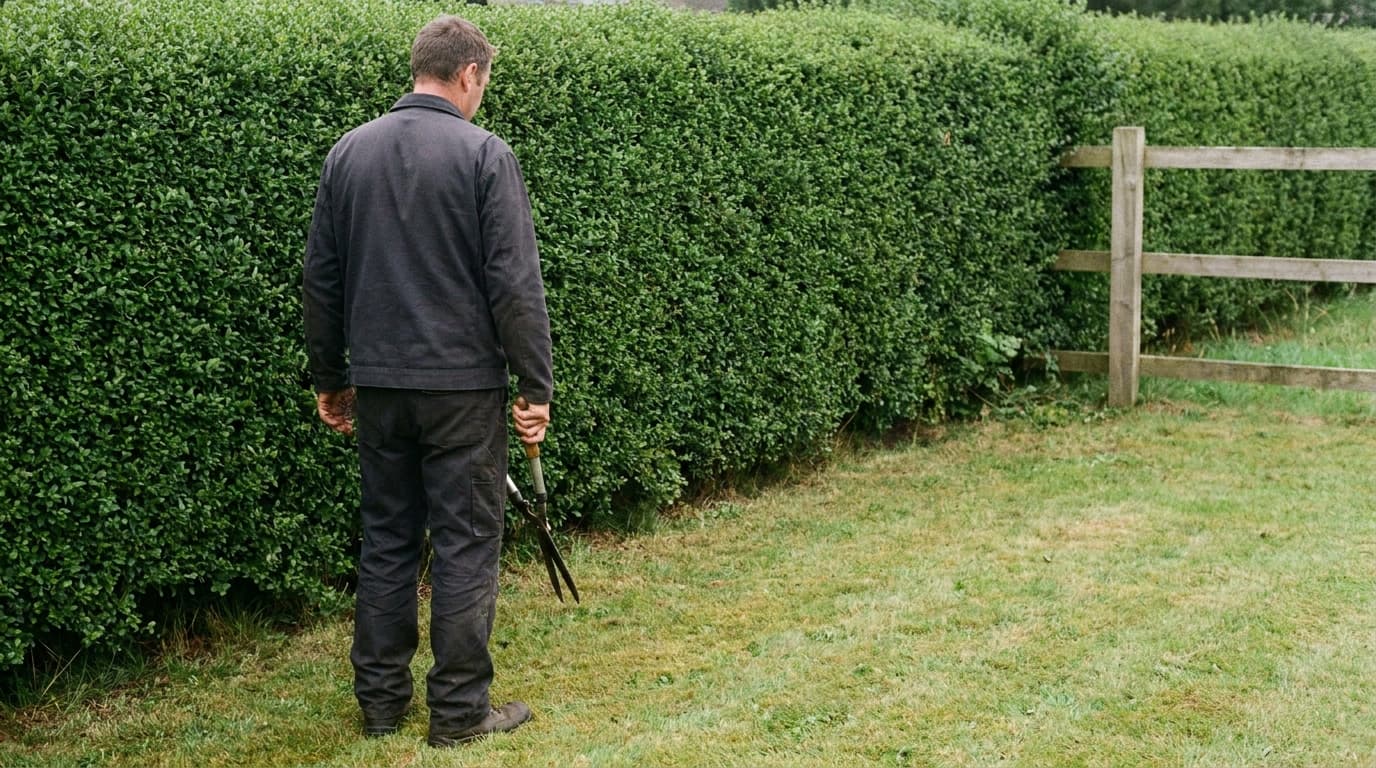
French neighbour and property disputes are, for the most part, a story told in one book: the Code civil. The rules that decide how close a tree may sit to a boundary, who owns a hedge grown on the line, and when a nuisance crosses from tolerable to actionable all trace back to that code, sometimes supplemented by the Code penal for criminal noise and by public-health rules for everyday sound. Two big axes run through nearly every case: nuisance, meaning noise, smells, smoke, dust, or lost light, and physical boundaries, meaning where the line runs and what may grow near it.
Just as important as the substance is the procedure. French neighbour disputes are meant to start amicably, and for many of them an attempt at amicable settlement before a conciliateur de justice (a free volunteer conciliator) is a mandatory step before the tribunal judiciaire (the civil court) can hear the case at all. This hub orients you across the cluster, explains how the two axes fit together, and points you to the spoke pages that carry the exact figures, articles, and steps.
Information last verified on 22 July 2026. This page presents general legal information, not legal advice.
Noise and nuisance
Noise is the single most common neighbour dispute in France, and the law reaches it from two directions that people often confuse. One is criminal: a noisy or injurious night-time disturbance (tapage nocturne) is a contravention that the police can sanction with a fixed fine, which is a penalty paid to the state rather than compensation to the person disturbed. A separate public-health standard reaches abnormal neighbourhood noise (bruit de voisinage) by day or by night when it is intense, repeated, or long-lasting. The exact article, the class of contravention, and the fine amount all sit on the noise nuisance spoke, which walks through both the "my neighbour is noisy" escalation and the "am I at risk of a fine" question.
The second direction is civil, and it is broader than noise. Trouble anormal de voisinage is a no-fault liability: a neighbour who suffers a disturbance exceeding the ordinary inconveniences of living close to others can claim damages or a court order to make it stop, without proving that the neighbour did anything wrong. Noise, smells, smoke, dust, loss of light, blocked views, and disruptive works have all been treated as possible sources. The two tracks are independent, so the same late-night noise can lead to a fine, to a civil award, to both, or to neither, depending on the evidence.
The freshness point worth knowing is that this civil liability, for decades a purely case-law rule built up by the Cour de cassation (France's highest civil court), was codified into the Code civil in 2024. That turned a jurisprudential principle into statute and, importantly, added a defence protecting lawful activities that were already there before a claimant arrived, with a specific carve-out for farming. The precise article, the loi that inserted it, and the exact wording of the pre-existing-activity exception are set out on the neighbour disputes spoke, which is the place to go for the mechanics of the claim, its remedies, and how the codification changed things.
Boundaries, hedges and trees
The other axis is physical, and here French law is unusually precise. The Code civil fixes exact planting distances measured from the boundary line, with a lower distance for short plants and a greater one for anything taller, and it treats the height of the plant as the trigger that decides which band applies. Because the figures are exact and measured from a specific point on the plant, neighbours get them wrong more often than almost any other rule of property life. The boundary, hedges and trees spoke carries the two distances, how height and distance are measured, and the local-rule exceptions that can override the defaults for a given commune.
Overhanging branches and invading roots follow a rule that readers routinely reverse. For branches that hang over your land you may compel the owner to cut them but may not cut them yourself; for roots, brambles, and twigs that cross the line the rule flips, and you may cut those yourself at the boundary. A plant set too close can be forced back to the legal height or removed, subject to defences including long-tolerated growth over many years. And a hedge grown on the line itself is a haie mitoyenne (a jointly owned boundary hedge), owned and maintained by both neighbours together rather than governed by the planting-distance figures. Each of these rules, with its governing article, lives on the same spoke.
Many boundary arguments are really disputes about where the line runs in the first place. The answer is a bornage, the formal demarcation of the boundary, which either neighbour can compel and which is normally carried out by a land surveyor. Fixing the line first is often the sensible move, because a distance measured to a boundary means nothing until both sides agree where that boundary actually sits. The bornage procedure, and how it differs from a planting-distance claim, is covered on the boundary spoke.
The amicable route first, then the tribunal
Whatever the axis, the path to resolution has a common shape. French neighbour disputes are designed to begin amicably: a calm conversation, then a plain letter, then if needed a registered letter with acknowledgment of receipt (a mise en demeure) that creates a paper trail. Many disputes never need to go further, and the record you build along the way is exactly what a court would later want to see.
When talking fails, the next step for most small neighbour disputes is not the courthouse but the conciliateur de justice. This is a free, informal volunteer who tries to broker an agreement, and for a wide range of neighbour claims an attempt at conciliation or mediation is a mandatory precondition before the tribunal judiciaire can be seised. The conciliateur meets the parties, records any settlement, and issues a document noting a failed attempt, which the claimant then attaches to any court filing.
Only if conciliation fails does the tribunal judiciaire hear the case. It is the civil court that decides trouble anormal de voisinage claims, orders a tree cut back or removed, confirms a boundary through bornage, or awards damages. The criminal noise contravention runs on its own separate police-and-prosecution track, which is why a noise problem can proceed on two lines at once. Across all of these routes, evidence decides the outcome: dated logs of each incident, statements from other neighbours, and where useful a bailiff's report are far more persuasive than a general complaint.
For the exact figures, articles, fines, and procedural thresholds behind any of the above, follow the three spokes: noise nuisance, neighbour disputes, and boundary, hedges and trees. For other French legal topics, start at the France home page.
Frequently Asked Questions
What areas do French neighbour and property disputes cover?
They fall into two broad axes. The first is nuisance: noise, smells, smoke, dust, loss of light or view, and disruptive works, reached both by a criminal noise contravention and by the civil liability known as trouble anormal de voisinage. The second is physical boundaries: how close plants may sit to the line, overhanging branches and invading roots, shared hedges grown on the line, and the bornage survey that fixes the boundary itself. Most of these rules live in the Code civil, with the Code penal and public-health rules handling criminal noise.
What is trouble anormal de voisinage, and what changed in 2024?
It is a no-fault civil liability: a neighbour who suffers a disturbance exceeding the ordinary inconveniences of neighbourhood can claim damages or an order to stop, without proving fault. For decades it existed only as case law from the Cour de cassation. In 2024 it was codified into the Code civil, giving the principle a statutory home and adding a defence for lawful activities that pre-dated the claimant's arrival, with a specific rule for farming. The exact article, the loi, and the wording are on the neighbour disputes spoke.
How close can I plant a tree to my neighbour's boundary?
French law sets precise planting distances measured from the boundary line, with a smaller distance for short plants and a larger one for taller ones, and the plant's height decides which applies. Because the figures are exact and measured from a specific point on the plant, this is a frequent source of disputes. Local rules or established local usages can vary the defaults for a given commune. The boundary, hedges and trees spoke sets out the exact distances and how height and distance are measured.
Do I have to try conciliation before going to court?
For many small neighbour disputes, yes. French procedure requires a prior attempt at amicable resolution, through a conciliateur de justice (a free volunteer) or a mediator, before the tribunal judiciaire can hear the case. The conciliateur is free, informal, and often resolves matters without a hearing. If conciliation fails, the conciliateur issues a document recording the failed attempt, which the claimant attaches to a court filing. The individual spokes explain where this requirement applies to each type of dispute.
Is a noise problem criminal or civil in France?
It can be both, on separate tracks. A noisy night-time disturbance is a criminal contravention that the police can sanction with a fine paid to the state, and abnormal neighbourhood noise can be reached by day or night under public-health rules. Separately, excessive noise can support a civil claim for trouble anormal de voisinage, which seeks damages or an order to stop rather than a penalty. The two are independent and can run in parallel. The noise nuisance spoke covers the fines and police steps in full.
Sources and References
- Code civil, Article 1253 (trouble anormal de voisinage, in force since 17 April 2024)(legifrance.gouv.fr).gov
- Loi n. 2024-346 du 15 avril 2024 visant a adapter le droit de la responsabilite civile aux enjeux actuels(legifrance.gouv.fr).gov
- Code penal, Article R623-2 (bruits ou tapages injurieux ou nocturnes, third-class contravention)(legifrance.gouv.fr).gov
- Code civil, Article 671 (planting distances: 2 metres and 0.5 metre)(legifrance.gouv.fr).gov
- Code civil, Article 673 (overhanging branches, roots, brambles and twigs)(legifrance.gouv.fr).gov
- Code civil, Article 646 (bornage, demarcation of a property boundary)(legifrance.gouv.fr).gov
- Service-Public: Conciliateur de justice(service-public.gouv.fr).gov
- Service-Public: Saisir le tribunal judiciaire(service-public.gouv.fr).gov