
Canada
Self-Defence Laws in Canada: Sections 34 and 35 Explained
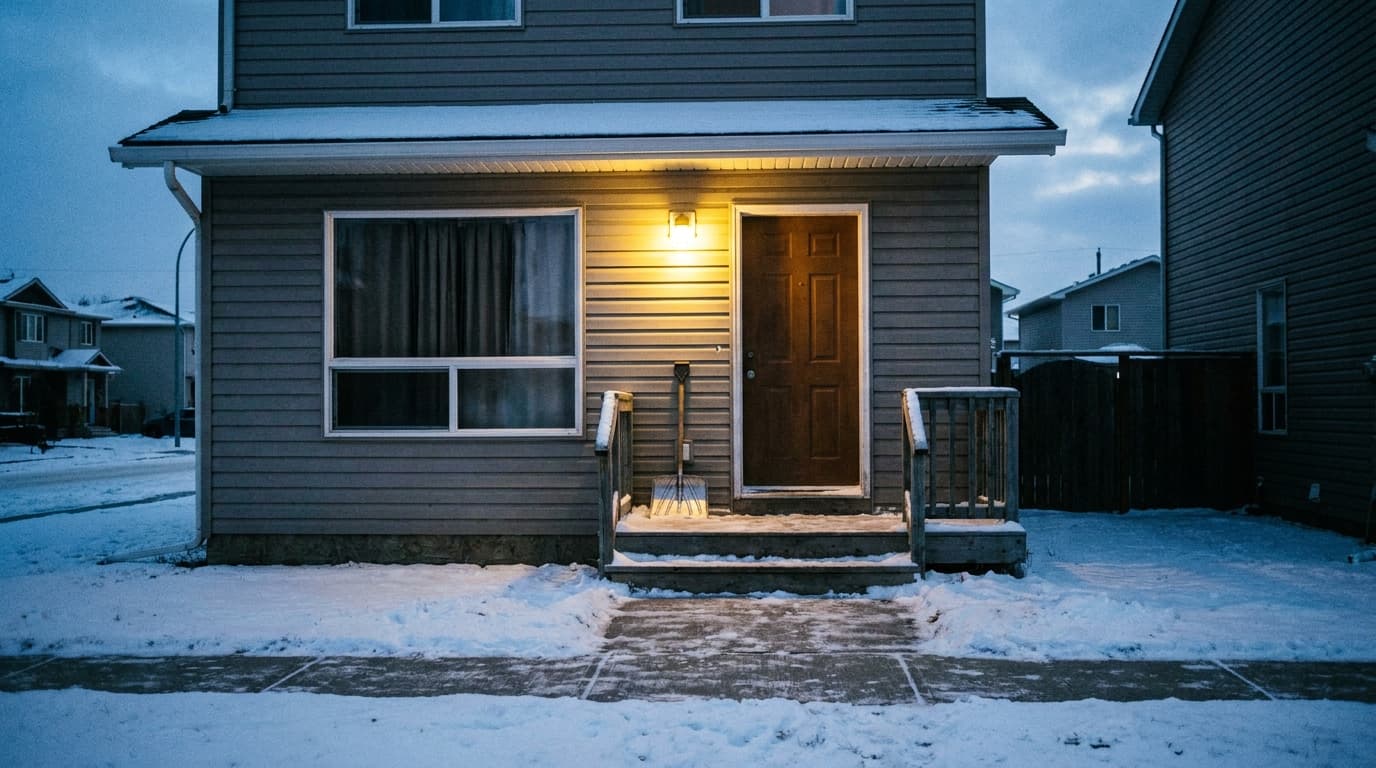
In Canada, self-defence is governed by Criminal Code section 34, which excuses a person only when their belief in the need for force is reasonable and their response is reasonable in the circumstances, with no automatic right to use force against an intruder.
The 2013 rewrite: one section instead of nine
For decades, Canada's self-defence law was spread across sections 34 through 42 of the Criminal Code, a patchwork that dated to 1892 and had grown contradictory and difficult to apply. Courts and lawyers regularly complained that the old provisions were nearly impossible to explain to a jury.
Parliament replaced the entire patchwork with the Citizen's Arrest and Self-defence Act, which came into force on March 11, 2013. It created a single defence-of-person provision at section 34 and a single defence-of-property provision at section 35 of the Criminal Code. The same Act also amended the citizen's arrest power in section 494.
The goal was to make the law simpler and more predictable, not to expand anyone's right to use force. The core question under the new law, as under the old one, is still whether the person's belief and response were reasonable.
The section 34 test for defence of a person
Section 34(1) sets out a three-part test. A person is not guilty of an offence committed in self-defence if all three conditions are met.
- Reasonable belief. The person reasonably believes that force, or a threat of force, is being used against them or against another person.
- Purpose. The act that constitutes the offence is committed for the purpose of defending or protecting themselves, or the other person, from that force or threat.
- Reasonable in the circumstances. The act committed is reasonable in the circumstances.
All three elements must be satisfied. A genuine but unreasonable belief that force was being used fails the first element. An act done for revenge rather than protection fails the second. And even a response to a real threat can fail the third element if it goes further than the situation called for.
The section 34(2) factors
Whether an act was "reasonable in the circumstances" is not left to guesswork. Section 34(2) directs the court to consider the relevant circumstances of the person, the other parties, and the act, including:
- The nature of the force or threat.
- The extent to which the use of force was imminent, and whether there were other means available to respond to the potential use of force.
- The person's role in the incident.
- Whether any party to the incident used or threatened to use a weapon.
- The size, age, gender, and physical capabilities of the parties.
- The nature, duration, and history of any relationship between the parties, including any prior use or threat of force and the nature of that force or threat.
- Any history of interaction or communication between the parties.
- The nature and proportionality of the person's response to the use or threat of force.
- Whether the act committed was in response to a use or threat of force that the person knew was lawful.
No single factor is decisive. A court weighs the full picture, which is why two cases with similar facts can come out differently depending on the relationship between the parties, whether a weapon was involved, or whether the person had a safer option available.
No stand your ground, no castle doctrine
This is the point of law readers most often get wrong, usually because of American media and American statutes. Canada has no "stand your ground" law. No Criminal Code provision removes the reasonableness requirement once a person is lawfully somewhere. Canada also has no castle doctrine. Being in your own home does not, by itself, authorize deadly force against an intruder.
The "other means available" language in section 34(2)(b) is a factor, not a strict legal duty to retreat. A person is not required to run away before defending themselves, and a court can find that retreat was not realistic or safe. But the availability of a safer option is something the court is directed to weigh, and it can undercut a claim that a forceful response was reasonable when a much less drastic option was obviously available.
Proportionality and reasonableness govern every self-defence case in Canada, whether the incident happens on the street, in a business, or inside a person's own home. There is no automatic legal shortcut that bypasses that analysis.
Section 35: defence of property
Section 35 sets out a separate, narrower test for protecting property. A person is not guilty of an offence if:
- They believe on reasonable grounds that they are in peaceable possession of the property, or are lawfully assisting someone they reasonably believe is in peaceable possession of it.
- They believe on reasonable grounds that another person is about to enter, is entering, or has entered the property without being entitled to, or is about to take, is taking, or has taken property from it, or is about to damage, or begin or continue to damage, the property.
- The act committed is for the purpose of preventing the other person from entering, or removing them from the property, or preventing the other person from taking, damaging, or continuing to damage the property, or is for the purpose of taking the property back from that person.
- The act committed is reasonable in the circumstances.
Section 35(2) and 35(3) limit the defence further. It does not apply if the person defending the property does not have a claim of right to it and the other person is entitled to possession, or if the other person is doing something they are legally required or authorized to do, such as a bailiff enforcing a court order.
Property force is not person force
The most important practical point is that defending property does not justify the same force as defending a person. A homeowner who finds someone stealing from a shed has options under section 35, such as ordering the person off the property or physically removing them using reasonable, non-lethal means. Escalating to serious bodily harm or lethal force to stop a property offence, where no threat to a person has developed, is very unlikely to be found reasonable under either section 34 or section 35. The moment force is used against a person rather than merely to protect property, section 34's higher-stakes analysis, including the imminence and proportionality factors, comes into play.
Self-defence is a defence, not immunity from charges
Claiming self-defence does not prevent someone from being arrested or charged. Self-defence is an affirmative defence raised at trial. Police who respond to a violent incident will typically investigate all parties involved, and a prosecutor may still lay charges if the evidence does not clearly show a justified act.
Before a jury or judge can weigh the section 34 factors, there must be an air of reality to the claim: some evidence in the case, if believed, upon which a properly instructed jury could conclude the defence applies. If that evidentiary threshold is met, the Crown then bears the burden of disproving self-defence beyond a reasonable doubt. This is a meaningfully different posture from a law that would prevent a charge from being laid in the first place, which is one reason a person who acted in genuine self-defence can still face the stress, cost, and delay of a criminal trial.
Related self-help doctrines to understand
Self-defence sits alongside two related but distinct concepts. A citizen's arrest under section 494 lets a property owner detain someone found committing an offence, but it is a narrow and legally risky power of its own, separate from the right to use defensive force. Carrying or using a weapon, including a knife, in a self-defence scenario raises its own set of Criminal Code rules that operate independently of whether the underlying use of force was justified.
For related Canadian criminal law topics, see citizen's arrest in Canada, knife and weapons laws in Canada, and the Canada criminal law hub.
Disclaimer: This article provides general information about Canadian self-defence law and is not legal advice. If you are involved in an incident where force was used, consult a criminal defence lawyer licensed in your province.
Frequently Asked Questions
Does Canada have a stand your ground law?
No. Canada has no stand your ground statute. Section 34 always requires the belief in the threat and the response to be reasonable in the circumstances, and courts weigh whether other means were available, so there is no rule that removes the reasonableness analysis simply because a person was lawfully present somewhere.
Is there a castle doctrine in Canada that lets me use deadly force against a home intruder?
No. Canadian law does not give an automatic right to use lethal force against an intruder simply because the incident happens inside your home. The same section 34 reasonableness test applies, weighing factors like the nature of the threat, whether a weapon was involved, and whether other options existed.
What changed in the 2013 self-defence reform?
The Citizen's Arrest and Self-defence Act, in force March 11, 2013, replaced the old sections 34 through 42 of the Criminal Code with one consolidated defence of person provision at section 34 and one defence of property provision at section 35, and it also amended the citizen's arrest power in section 494.
Do I have a legal duty to retreat before defending myself in Canada?
There is no strict standalone duty to retreat. Whether other means were available to respond, including retreating, is one of the factors listed in section 34(2) that a court considers when deciding if the response was reasonable in the circumstances, but it is not an independent legal requirement on its own.
Can I use the same amount of force to protect my property as to protect myself?
No. Section 35 governs defence of property and requires peaceable possession and a reasonable act aimed at preventing entry, taking, or damage. It does not authorize the same level of force permitted under section 34 when a person's physical safety is actually threatened.
If I successfully act in self-defence, will I still be charged?
You can be. Self-defence is a defence raised at trial, not automatic immunity from arrest or charges. Police may still investigate and the Crown may still lay charges, though a court must find an air of reality to a self-defence claim before it goes to a jury, after which the Crown must disprove it beyond a reasonable doubt.
Updates
The Citizen's Arrest and Self-defence Act came into force, replacing Criminal Code sections 34 through 42 with a single section 34 (defence of person) and section 35 (defence of property), and amending the citizen's arrest power in section 494.
The Law Behind This Article
This article rests on the statutory provisions below, held in our own legal record and retrieved from the official source. Tap a section to read the operative text.
Criminal Code
s. 34Defence — use or threat of forceIn forcecited in 7 of our articles
(1) A person is not guilty of an offence if (a) they believe on reasonable grounds that force is being used against them or another person or that a threat of force is being made against them or another person; (b) the act that constitutes the offence is committed for the purpose of defending or protecting themselves or the other person from that use or threat of force; and (c) the act committed is reasonable in the circumstances. (2) In determining whether the act committed is reasonable in the circumstances, the court shall consider the relevant circumstances of the person, the other parties and the act, including, but not limited to, the following factors: (a) the nature of the force or threat; (b) the extent to which the use of force was imminent and whether there were other means available to respond to the potential use of force; (c) the person’s role in the incident; (d) whether any party to the incident used or threatened to use a weapon; (e) the size, age, gender and physical capabilities of the parties to the incident;
Official text (excerpt) · last checked 2026-08-12 · Read the full text in our law library · Verify at laws-lois.justice.gc.ca
Cited in 27 court opinions in our collectionLatest citing opinion in our collection: 2023
Opinions citing this section in our collection:
- R. v. Ferguson (Supreme Court of Canada 2008, 2008 SCC 6)
- R. v. Cinous (Supreme Court of Canada 2002, 2002 SCC 29)
- Alberta v. Hutterian Brethren of Wilson Colony (Supreme Court of Canada 2009, 2009 SCC 37)
Identified automatically from the court opinions citing this section — not a ranking of which case controls.
Also relied on in: Canadian Criminal Records & Everyday Criminal Law, Citizen's Arrest in Canada: Criminal Code Section 494, Domestic Violence Laws in Canada
s. 35Defence — propertyIn forcecited in 4 of our articles
(1) A person is not guilty of an offence if (a) they either believe on reasonable grounds that they are in peaceable possession of property or are acting under the authority of, or lawfully assisting, a person whom they believe on reasonable grounds is in peaceable possession of property; (b) they believe on reasonable grounds that another person (i) is about to enter, is entering or has entered the property without being entitled by law to do so, (ii) is about to take the property, is doing so or has just done so, or (iii) is about to damage or destroy the property, or make it inoperative, or is doing so; (c) the act that constitutes the offence is committed for the purpose of (i) preventing the other person from entering the property, or removing that person from the property, or (ii) preventing the other person from taking, damaging or destroying the property or from making it inoperative, or retaking the property from that person; and (d) the act committed is reasonable in the circumstances.
Official text (excerpt) · last checked 2026-08-12 · Read the full text in our law library · Verify at laws-lois.justice.gc.ca
Cited in 4 court opinions in our collectionLatest citing opinion in our collection: 2023
Opinions citing this section in our collection:
- R. v. Paice (Supreme Court of Canada 2005, 2005 SCC 22)
- R. v. McIntosh (Supreme Court of Canada 1995, [1995] 1 SCR 686)
- Canada (Citizenship and Immigration) v. Jozepović (Federal Court 2023, 2023 FC 1660)
Identified automatically from the court opinions citing this section — not a ranking of which case controls.
s. 494Arrest without warrant by any personIn forcecited in 6 of our articles
(1) Any one may arrest without warrant (a) a person whom he finds committing an indictable offence; or (b) a person who, on reasonable grounds, he believes (i) has committed a criminal offence, and (ii) is escaping from and freshly pursued by persons who have lawful authority to arrest that person. (2) The owner or a person in lawful possession of property, or a person authorized by the owner or by a person in lawful possession of property, may arrest a person without a warrant if they find them committing a criminal offence on or in relation to that property and (a) they make the arrest at that time; or (b) they make the arrest within a reasonable time after the offence is committed and they believe on reasonable grounds that it is not feasible in the circumstances for a peace officer to make the arrest. (3) Any one other than a peace officer who arrests a person without warrant shall forthwith deliver the person to a peace officer. (4) For greater certainty, a person who is authorized to make an arrest under this section is a person who is authorized by law to do so for the purposes of section 25.
Official text (excerpt) · last checked 2026-08-12 · Read the full text in our law library · Verify at laws-lois.justice.gc.ca
Search our full record of Canadian federal law — every consolidated Act, in English and French →
Sources and References
- Criminal Code, RSC 1985, c C-46, section 34 (defence of person)(laws-lois.justice.gc.ca).gov
- Criminal Code, RSC 1985, c C-46, section 35 (defence of property)(laws-lois.justice.gc.ca).gov
- Criminal Code, RSC 1985, c C-46, section 494 (arrest without warrant by any person)(laws-lois.justice.gc.ca).gov
- Citizen's Arrest and Self-defence Act, SC 2012, c 9(laws-lois.justice.gc.ca).gov
- Department of Justice Canada, Reforms to Self-Defence and Defence of Property: Technical Guide for Practitioners(justice.gc.ca).gov
- CanLII, R v Khill, 2021 SCC 37 (Supreme Court of Canada on section 34 factors)(canlii.org)