
Ireland
Rental Deposits and Landlord Obligations in Ireland (2026)
Independently fact-checked against primary sources (last audited July 20, 2026). · 6 primary sources cited on this page. How we verify our legal content
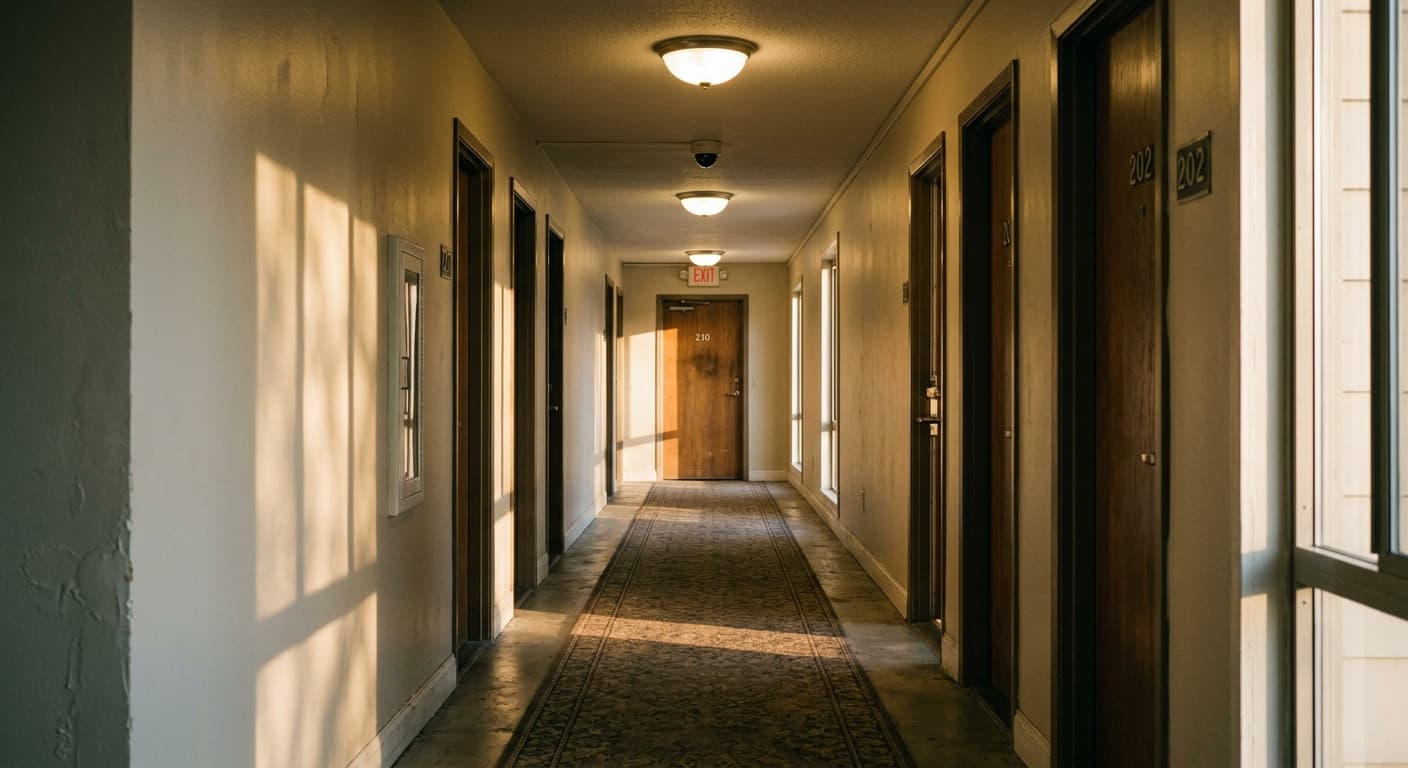
Two rules do most of the work in Irish deposit law: a landlord cannot take a deposit of more than 1 month's rent, and, despite what many renters assume, no deposit protection scheme exists to hold it. Your deposit sits with the landlord or their agent until the tenancy ends.
The rest of the landlord's side of the bargain is spelled out in law too: registering the tenancy with the RTB, meeting the 2019 minimum standards, carrying out repairs, and respecting the tenant's right to peaceful occupation. This guide covers deposits from cap to refund, and the core obligations every Irish landlord carries in 2026.
Information last verified on 20 July 2026. This page is general legal information for the Republic of Ireland, not legal advice.
How much deposit can a landlord ask for in Ireland?
Since 2021, upfront payments are capped by law (section 19B of the Residential Tenancies Act 2004, inserted by the Residential Tenancies (No. 2) Act 2021). You cannot be required to pay more than the equivalent of 2 months' rent upfront in total, made up of at most a deposit of 1 month's rent plus 1 month's rent in advance.
A landlord who asks for a 2-month deposit, or 3 months of rent upfront, is breaking the cap. The 1-month deposit ceiling has no exceptions at all.
There is one narrow exception, and it applies only to rent paid in advance, never to the deposit. A student may agree to pay more than one month's rent up front only where they pay both their tuition fees and their rent to the same education provider, which in practice means college-owned accommodation. That limit was introduced on 19 July 2024, so a privately-run student residence, however it words its licence, cannot ask you to pay a term or a year of rent upfront.
Is my deposit protected in Ireland?
No. This surprises renters arriving from the UK and elsewhere, but Ireland has no deposit protection scheme. The Residential Tenancies (Amendment) Act 2015 provided for an RTB-run scheme, but those provisions have never been commenced and, 11 years on, are still not in effect.
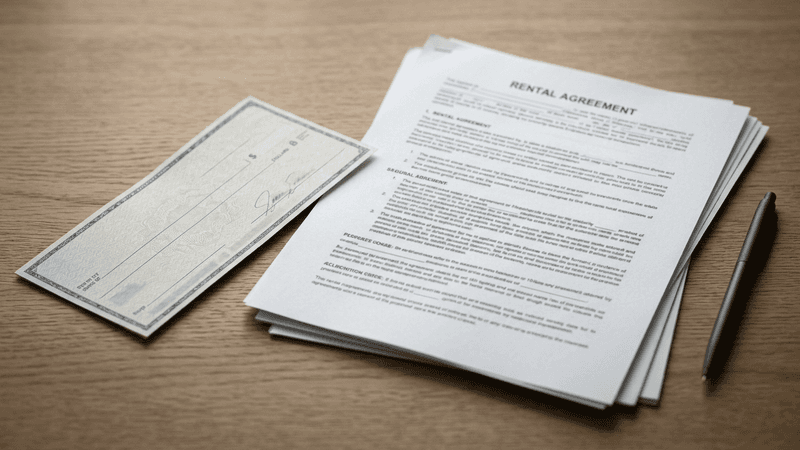
In practice your landlord or their agent simply holds the deposit for the life of the tenancy. If it is withheld unfairly at the end, your remedy is a dispute at the RTB, covered below.
When and how must the deposit be returned?
When you leave at the end of the term, or after giving proper notice, the deposit must be returned promptly and in full. There is no statutory day-count deadline in Irish law. The housing charity Threshold recommends return within 14 days, but that is guidance for good practice, not a legal requirement.
A landlord may lawfully deduct only for:
- rent arrears outstanding when you leave;
- unpaid utility bills that you were liable for under the tenancy;
- damage beyond normal wear and tear;
- losses from insufficient notice, or from leaving a fixed-term tenancy early without a lawful reason.
Faded paint, worn carpet in walkways and other ordinary ageing are normal wear and tear, not damage. If you are unsure how much notice you owed, our notice of termination guide has the tenant notice table, and the Ireland notice period calculator works it out for your dates.
What minimum standards must a rented home meet?
Every private rented dwelling must meet the Housing (Standards for Rented Houses) Regulations 2019 (S.I. No. 137 of 2019). Under the Regulations the landlord must provide, among other things:
| Area | What the landlord must provide |
|---|---|
| Structure | A dwelling in good structural repair, free from damp |
| Sanitary | Toilet, washbasin and bath or shower facilities |
| Heating | Heating the tenant can control |
| Food preparation | Cooking and food-storage facilities |
| Laundry | Laundry facilities |
| Air and light | Adequate ventilation and lighting |
| Safety | Fire safety including smoke alarms, and carbon monoxide alarms |
| Waste | Refuse storage facilities |
Enforcement is a common point of confusion: local authorities, not the RTB, inspect rented homes and enforce these standards. If your home falls short, report it to your city or county council, and put the repair request to your landlord in writing.
If the landlord refuses and you pay for the repair yourself, you can be reimbursed. Where a landlord has refused or failed to carry out a repair at the time the tenant asked for it, and postponing the work would have been unreasonable because of a significant risk to health or safety, the landlord must reimburse the tenant for all reasonable and vouched expenses of doing the repair. That word 'vouched' is the practical point: keep the written request, the invoices and the receipts, because the reimbursement right depends on being able to prove what you spent.
Must my landlord register the tenancy with the RTB?
Yes. A landlord must register each tenancy with the RTB within 1 month of it starting, and annually after that. The standard fee is €40 per year per tenancy, with a €10 per month late fee, and a composite fee of €170 for up to 10 tenancies in one building registered together on time. Approved housing bodies pay reduced fees.
Since 1 March 2026, registration also requires the dwelling's bed spaces, floor area and BER. This data feeds the RTB's new public rent register, which publishes rents and property details and anchors the comparable-property evidence needed for lawful rent resets. Landlords must also update the registration within 1 month of any rent change. How rents themselves are capped is covered in our guide to rent rules and Rent Pressure Zones.
Entry, privacy and everyday obligations
Beyond deposits and standards, the core landlord obligations are:
- Peaceful occupation: the home is yours to live in. The landlord may enter only with your permission or by prior arrangement, except in a genuine emergency.
- Viewings when selling (new from 1 March 2026): tenants must allow pre-arranged access for viewings when the landlord is selling, with the date and time agreed in advance.
- Rent book or receipts: the landlord must provide a rent book or written proof of payments.
- Repairs and insurance: the landlord must carry out repairs, reimburse reasonable vouched repair costs where they refused or failed to do so, and insure the dwelling, with cover of at least €250,000 in respect of liability.
- Proper notices: rent reviews and terminations must follow the statutory procedures, and breaking the rent-setting rules is an offence the RTB can investigate, with sanctions of up to €15,000 plus €15,000 in costs. Unlawful eviction attempts are covered in our eviction rules guide.
- No discrimination: landlords cannot discriminate on the Equal Status Acts grounds, including against tenants receiving HAP or Rent Supplement. Complaints on this ground go to the Workplace Relations Commission, not the RTB.
How do I dispute deposit deductions at the RTB?
If your landlord withholds some or all of your deposit and you disagree, refer a dispute to the RTB. Deposit retention is among the most common case types the board handles.
You choose the track: mediation is free (2025 average around 10 weeks), while adjudication costs €30 (around 20 weeks). Either route ends in a legally binding Determination Order, and an adjudication can be appealed to a Tenancy Tribunal within 10 working days. Bring evidence: move-in and move-out photos, the inventory, rent records and any correspondence about the deductions.
Threshold's Tenancy Protection Service (1800 454 454) can talk a deposit problem through before you file, and our tenant rights overview walks through the full RTB dispute process. For everything else, see the Ireland hub.
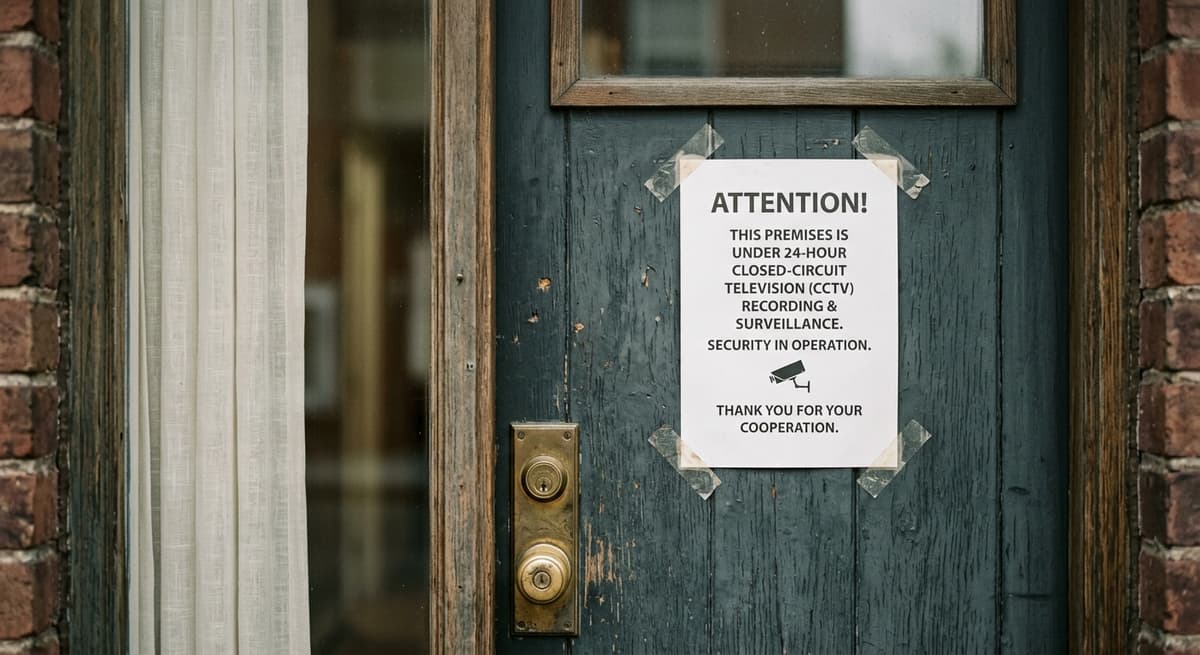
This page is general information about rental deposits and landlord obligations in the Republic of Ireland, not legal advice. Deposit and standards disputes turn on the facts of each tenancy. The Residential Tenancies Board (RTB) decides deposit and tenancy disputes, local authorities enforce minimum standards, and a solicitor can advise on your specific situation.
Frequently Asked Questions
How much can a landlord charge as a deposit in Ireland?
At most 1 month's rent as a deposit, and no more than 2 months' rent upfront in total including advance rent. The 1-month deposit ceiling has no exceptions. A larger payment of rent in advance is lawful only where a student pays both tuition fees and rent to the same education provider, which since 19 July 2024 means college-owned accommodation.
My landlord will not do a repair. Can I do it myself and claim it back?
Possibly. Where the landlord has refused or failed to carry out a repair when asked, and putting the work off would have been unreasonable because of a significant risk to health or safety, the landlord must reimburse your reasonable and vouched expenses. Make the request in writing and keep every invoice and receipt, then refer a dispute to the RTB if the landlord will not pay.
Is there a deposit protection scheme in Ireland?
No. The 2015 legislation that provided for an RTB-run deposit protection scheme has never been commenced, so no scheme operates. The landlord or agent holds the deposit, and disputes over it are decided by the RTB.
How long does a landlord have to return a deposit in Ireland?
The law requires return 'promptly and in full' but sets no specific day count. Threshold recommends 14 days as good practice, though that is not a legal deadline. If the deposit is unreasonably delayed or withheld, you can refer a dispute to the RTB.
What can a landlord deduct from my deposit?
Only rent arrears, unpaid utility bills you were liable for, damage beyond normal wear and tear, and losses caused by leaving without proper notice or breaking a fixed term early. Ordinary wear such as faded paint or worn carpet cannot be deducted.
Can my landlord enter the property without permission?
No. Outside a genuine emergency, the landlord may enter only with your permission or by prior arrangement. Since 1 March 2026 you must allow pre-arranged viewings when the landlord is selling, but the date and time still have to be agreed in advance.
How much does it cost to take a deposit dispute to the RTB?
Mediation is free, and adjudication costs €30 to apply. In 2025 mediation resolved cases in around 10 weeks on average and adjudication in around 20 weeks. An adjudication decision can be appealed to a Tenancy Tribunal within 10 working days.
Updates
Independently fact-checked against the cited primary sources
From 1 March 2026, tenants must allow pre-arranged access for viewings when the landlord is selling, and tenancy registrations must include bed spaces, floor area and BER, feeding the RTB's new public rent register.
Sources and References
- Citizens Information, Tenants rights and obligations(citizensinformation.ie).gov
- RTB, Security deposits(rtb.ie).gov
- S.I. No. 137/2019, Housing (Standards for Rented Houses) Regulations 2019(irishstatutebook.ie).gov
- RTB, Registration fees(rtb.ie).gov
- Residential Tenancies (Miscellaneous Provisions) Act 2026 (No. 3 of 2026)(irishstatutebook.ie).gov
- Residential Tenancies Act 2004, revised and consolidated text (Law Reform Commission)(revisedacts.lawreform.ie).gov