
Alabama
Leyes de Atropello y Fuga en Alabama: Penas, Estatutos y Defensas
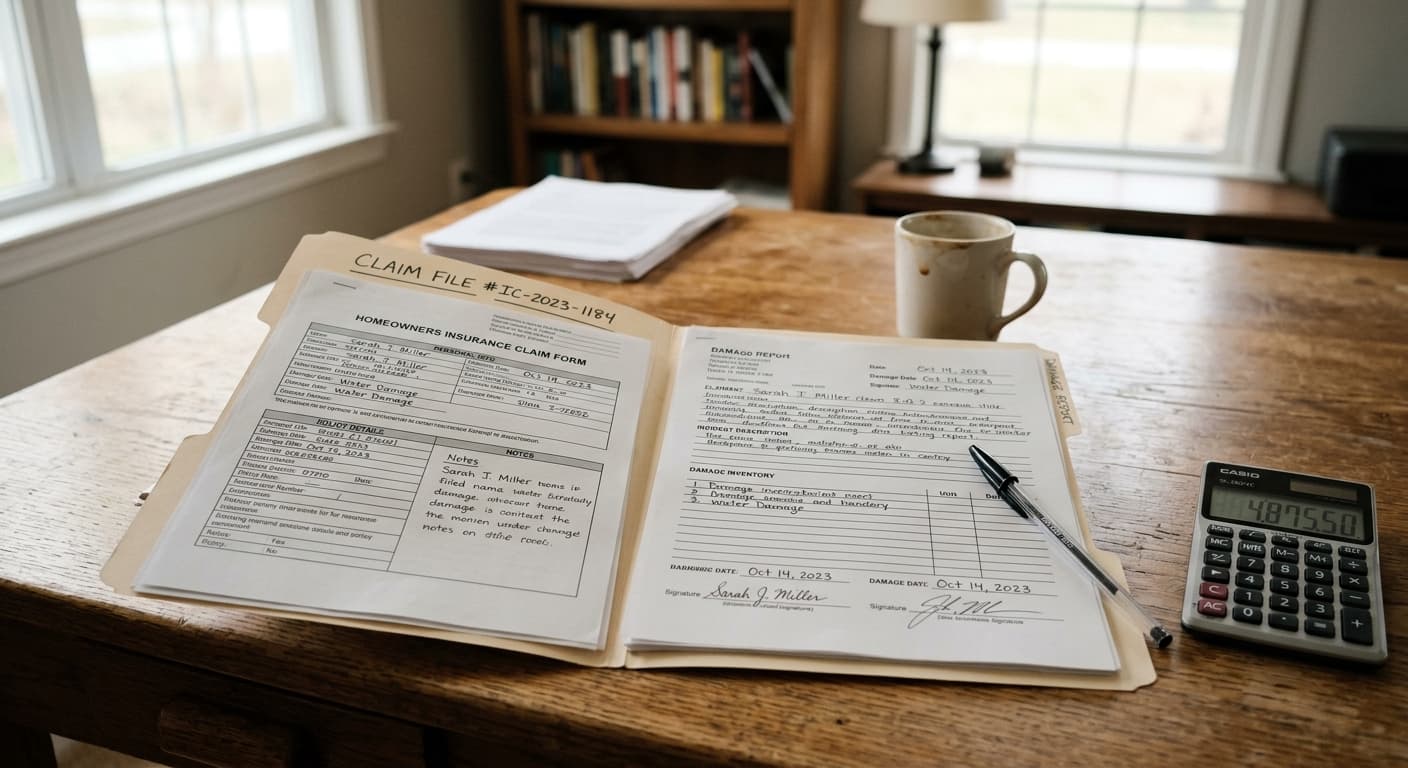
Alabama clasifica el darse a la fuga tras un accidente bajo el , lo cual convierte la infracción en un delito grave cuando el accidente causa lesiones o la muerte, y en un delito menor cuando solo hay daños materiales. Una condena por el delito grave conlleva de 1 a 10 años de prisión y hasta $15,000 en multas.
¿Herido en un atropello y fuga? Si el conductor que lo choco huyó o no tenía seguro, su propia cobertura de motorista sin seguro o con seguro insuficiente (UM/UIM) puede pagar su reclamo por lesiones. Calcule cuanto podría valer con nuestra Calculadora Gratuita de Indemnización por Accidente de Auto en Alabama.
Resumen Rápido: Penas por Atropello y Fuga en Alabama
Alabama clasifica las infracciones de atropello y fuga según la gravedad del accidente. Las penas aumentan significativamente cuando el incidente causa lesiones o la muerte.
- Muerte o Lesión (Delito Grave Clase C): de 1 año y 1 día a 10 años de prisión, multa de hasta $15,000
- Daños Materiales (Delito Menor Clase A): hasta 1 año de cárcel, multa de hasta $6,000
- Vehículo Sin Vigilancia: se trata como daños materiales (Delito Menor Clase A) a menos que resulte en lesión o muerte, en cuyo caso es Delito Grave Clase C
- Revocación de Licencia: obligatoria tras la condena
- Plazo de Prescripción Civil: 2 años para lesiones personales, 6 años para daños materiales
Actualización importante de 2026: A partir del 1 de octubre de 2026, la Ley Safe Streets eleva el atropello y fuga fatal a un delito grave Clase B (vea los detalles a continuación).
La Ley Safe Streets de 2026: Un Aumento Importante en las Penas por Atropello y Fuga Fatal
El 9 de marzo de 2026, la gobernadora Kay Ivey firmó la Ley Safe Streets Devinee Rooney y John Wesley Holt. La legislación se aprobó por unanimidad en ambas cámaras de la Legislatura de Alabama y entra en vigor el 1 de octubre de 2026.
Qué Cambia con la Ley Safe Streets
La nueva ley eleva el darse a la fuga tras un accidente que causa la muerte de un delito grave Clase C a un delito grave Clase B. Este cambio corrige un vacío en la ley de Alabama donde el atropello y fuga fatal conllevaba penas más leves que los casos en que la víctima sobrevivia.
Antes de la Ley Safe Streets (hasta el 30 de septiembre de 2026):
- Atropello y fuga fatal: delito grave Clase C, de 1 a 10 años de prisión, multa de hasta $15,000
Después de la Ley Safe Streets (a partir del 1 de octubre de 2026):
- Atropello y fuga fatal: delito grave Clase B, de 2 a 20 años de prisión, multa de hasta $30,000
La ley también refuerza las penas por choques con DUI que resultan en muerte y permite a los jueces ordenar restitución a las familias de las víctimas.
Por Que Cambio la Ley
La ley lleva el nombre de dos jóvenes residentes del condado de Mobile. John Wesley Holt tenía 19 años y cursaba segundo año en la Universidad del Sur de Alabama cuando fue atropellado y muerto mientras caminaba por Old Shell Road en 2023. El conductor se declaro culpable de darse a la fuga, un delito grave Clase C, y fue sentenciado a cinco años, con un año tras las rejas. Fue liberado a los seis meses.
Devinee Rooney tenía 18 años y estaba a días de graduarse de la escuela secundaria Theodore en mayo de 2020 cuando murió en un choque causado por un conductor bajo los efectos del alcohol.
Código de Alabama Título 32: Accidentes de Vehículos Motorizados
Las leyes de atropello y fuga de Alabama se encuentran en el Título 32, Capítulo 10 del Código de Alabama. Las dos secciones principales son:

Sección 32-10-1 exige que el conductor de cualquier vehículo involucrado en un accidente con lesiones, muerte o daños materiales debe:
- Detener el vehículo de inmediato en el lugar de los hechos o lo más cerca posible con seguridad
- Permanecer en el lugar hasta cumplir con los requisitos de la Sección 32-10-2
Sección 32-10-2 exige que los conductores:
- Proporcionen su nombre, dirección y número de registro del vehículo
- Muestren su licencia de conducir a la otra parte o a la policía
- Proporcionen la información del seguro
- Presten asistencia médica razonable a cualquier persona herida
- Coordinen el traslado a un centro médico si es necesario
Niveles de Pena por Atropello y Fuga en Alabama
Atropello y Fuga con Muerte o Lesión
Bajo el Código de Alabama Sección 32-10-1 combinado con la Sección 13A-5-6, darse a la fuga tras un accidente con lesiones o muerte es un delito grave Clase C. Las penas incluyen:
- Mínimo de 1 año y 1 día de prisión
- Máximo de 10 años de prisión
- Multa de hasta $15,000
- Revocación obligatoria de la licencia de conducir
Nota: A partir del 1 de octubre de 2026, el atropello y fuga fatal será elevado a delito grave Clase B bajo la Ley Safe Streets, con 2 a 20 años de prisión y hasta $30,000 en multas.
Atropello y Fuga con Daños Materiales
Si el accidente solo involucra daños materiales a un vehículo con ocupantes, la infracción es un delito menor Clase A bajo la Sección 13A-5-7. Las penas incluyen:
- Hasta 1 año en la cárcel del condado
- Multa de hasta $6,000
- Posible suspensión de la licencia
Atropello y Fuga con Vehículo Sin Vigilancia
Chocar un vehículo sin vigilancia y darse a la fuga sin dejar información se sanciona bajo la misma estructura de dos niveles que las demás infracciones de atropello y fuga, no como un delito separado. Si la colisión solo causa daños materiales, es un delito menor Clase A. Las penas incluyen:
- Hasta 1 año en la cárcel del condado
- Multa de hasta $6,000
Sus Deberes Legales Tras un Accidente
La ley de Alabama impone requisitos específicos a los conductores involucrados en cualquier accidente, sin importar la culpa.
Para Accidentes con Lesiones o Muerte
- Deténgase de inmediato en el lugar de los hechos
- Llame al 911 para reportar el accidente y solicitar asistencia médica
- No mueva su vehículo a menos que la policía se lo indique
- Preste asistencia médica razonable a las personas heridas
- Intercambie información con las demás partes involucradas
- Permanezca en el lugar hasta que la policía lo autorice a retirarse
Para Accidentes con Solo Daños Materiales
- Deténgase en el lugar o cerca de este
- Si es seguro, mueva su vehículo fuera de la vía para evitar bloquear el tráfico
- Intercambie información con el otro conductor
- Reporte el accidente si los daños superan los $250 o si se lo solicitan
Para Chocar un Vehículo Sin Vigilancia
- Intente localizar al dueño
- Si no puede encontrar al dueño, deje una nota escrita en un lugar visible
- Incluya su nombre, dirección y una breve descripción de lo ocurrido
- Reporte el accidente a la policía local
¿Cuándo el Atropello y Fuga se Convierte en Delito Grave?
En Alabama, el atropello y fuga se convierte en delito grave cuando el accidente causa lesiones o la muerte de cualquier persona. La clasificación de delito grave aplica sin importar quien causó el accidente. Su deber de detenerse y prestar auxilio existe aunque el otro conductor haya tenido toda la culpa.
Los fiscales no necesitan probar que usted causó el accidente para acusarlo de atropello y fuga como delito grave. Solo necesitan probar:
- Que usted estuvo involucrado en un accidente que causó lesiones o la muerte
- Que usted sabía o debería haber sabido que estaba en un accidente
- Que usted no se detuvo, no proporcionó información o no presto asistencia
La Regla de Negligencia Contributiva de Alabama
Alabama es uno de solo cuatro estados que sigue la regla de "negligencia contributiva". Esta doctrina legal puede afectar significativamente su capacidad de recuperar daños en una demanda civil.
Bajo la negligencia contributiva, si se determina que usted tiene aunque sea el 1% de culpa en un accidente, puede quedar completamente impedido de recuperar cualquier daño de la otra parte. Esto aplica incluso si el otro conductor tuvo el 99% de la responsabilidad.
Ejemplo: Un conductor ebrio se pasa una luz roja y lo choca. Sin embargo, usted iba ligeramente por encima del límite de velocidad. Bajo la regla de negligencia contributiva de Alabama, la aseguradora podría argumentar que usted contribuyó al accidente y negar su reclamo por completo.
Debido a este estándar tan estricto:
- Nunca admita culpa en el lugar del accidente
- Documente todo cuidadosamente
- Consulte con un abogado antes de hablar con las aseguradoras
- Reúna declaraciones de testigos que puedan ayudar a establecer que la culpa fue exclusivamente de la otra parte
Reclamos por Vehículo Fantasma
Un "vehículo fantasma" es un vehículo desconocido que causa un accidente sin hacer contacto físico con el suyo. Por ejemplo, otro conductor puede pasarse una luz roja, obligándolo a usted a desviarse hacia un poste para evitar una colisión. El otro conductor luego huye del lugar.
Bajo el Código de Alabama Sección 32-7-23, usted puede recuperar daños mediante su cobertura de motorista sin seguro en casos de accidentes con vehículo fantasma. Sin embargo, las aseguradoras a menudo disputan estos reclamos cuando no hay evidencia que los respalde.
Para fortalecer un reclamo por vehículo fantasma:
- Obtenga declaraciones de testigos que describan al otro vehículo
- Busque grabaciones de cámaras de vigilancia de negocios cercanos
- Anote cualquier descripción del vehículo, color o número de placa parcial
- Instale una cámara de tablero para captar futuros incidentes (coloquela en el tablero, no en el parabrisas, según la ley de Alabama)
Qué Hacer Si Usted Es la Víctima
Si usted es víctima de un atropello y fuga en Alabama, tome estas medidas para proteger sus derechos:
- Pongase a salvo y llame al 911 si alguien resulta herido
- No persiga al conductor que huye. La ira al volante o la persecución podrían exponerlo a responsabilidad penal
- Documente todo: tome fotografías de los daños al vehículo, marcas de frenado, escombros y sus lesiones
- Reúna información de testigos: obtenga nombres y datos de contacto de cualquiera que haya visto el accidente
- Anote datos del vehículo que huyó: color, marca, modelo, placa parcial, descripción del conductor, dirección de viaje
- Busque cámaras: verifique si hay cámaras de tráfico, vigilancia de negocios o cámaras de timbre cercanas
- Presente un reporte policial de inmediato
- Contacte a su compañía de seguros: su cobertura de motorista sin seguro puede aplicar
- Busque atención médica: algunas lesiones aparecen horas o días después de un accidente
- Consulte a un abogado antes de aceptar cualquier oferta de acuerdo
Qué Hacer Si Usted Causó un Accidente
Si usted esta involucrado en un accidente en Alabama:
- Deténgase de inmediato. No huya, aunque tenga miedo o haya tenido la culpa
- Llame al 911 si alguien parece herido
- Preste asistencia razonable a las personas heridas
- Intercambie información con todas las partes involucradas
- Documente la escena con fotografías
- Coopere con la policía pero no admita culpa
- Notifique a su compañía de seguros
- Contacte a un abogado si hay lesiones involucradas
Recuerde: huir del lugar convierte un accidente en un delito. Aunque usted haya causado el accidente, detenerse y cumplir con sus deberes legales generalmente resulta en consecuencias mucho menos severas que una condena por atropello y fuga.
Defensas Legales para Cargos de Atropello y Fuga
Si lo acusan de atropello y fuga en Alabama, pueden aplicar varias defensas:
Usted No Era el Conductor
Si otra persona conducía su vehículo al momento del accidente, usted no es culpable de atropello y fuga. La policía puede identificarlo inicialmente según el registro del vehículo, pero las coartadas y la evidencia pueden establecer que usted estaba en otro lugar.
Usted No Sabía Que Ocurrió un Accidente
Las colisiones menores pueden ocurrir sin que el conductor se de cuenta, particularmente en vehículos grandes o en condiciones de tráfico ruidosas. Si usted genuinamente no sabía que ocurrió un accidente, no tuvo la intención requerida para una condena.
Era Inseguro Detenerse
Si usted temió por su seguridad debido a amenazas de otras partes o a un lugar peligroso, puede tener una razón válida para haberse ido. Sin embargo, debe contactar a la policía tan pronto como sea seguro hacerlo.
No Ocurrieron Lesiones ni Daños Materiales
Si la fiscalía no puede probar que el accidente causó algún daño, el cargo de atropello y fuga podría no sostenerse. Los registros médicos y las evaluaciones de daños son evidencia clave.
Plazo de Prescripción
Alabama impone límites de tiempo para emprender acciones legales después de un atropello y fuga:
- Reclamos por lesiones personales: 2 años desde la fecha del accidente
- Reclamos por daños materiales: 6 años desde la fecha del accidente
- Reclamos por muerte injusta: 2 años desde la fecha de la muerte
- Cargos penales (delito grave): no hay plazo de prescripción para delitos graves en Alabama
- Cargos penales (delito menor): 1 año
Otras Leyes de Alabama
- Leyes de Grabación de Alabama
- Leyes de Asientos de Auto para Niños de Alabama
- Ley del Limón de Alabama
- Leyes de Sexting de Alabama
- Leyes de Manutención Infantil de Alabama
- Leyes sobre Mordeduras de Perro de Alabama
Más Leyes de Alabama
- Leyes de Grabación de Reuniones con IA de Alabama
- Leyes de Pensión Alimenticia de Alabama
- Leyes de Empleo a Voluntad de Alabama
- Leyes de Accidentes de Auto de Alabama
- Leyes de Asientos de Auto para Niños de Alabama
- Leyes de Custodia de Menores de Alabama
- Leyes de Manutención Infantil de Alabama
- Leyes de Matrimonio de Hecho de Alabama
- Leyes de Privacidad de Datos de Alabama
- Leyes sobre Deepfakes de Alabama
- Leyes de Divorcio de Alabama
- Leyes sobre Mordeduras de Perro de Alabama
- Leyes de Emancipación de Alabama
- Leyes de Eliminación de Antecedentes de Alabama
- Leyes de Propietario-Inquilino de Alabama
- Leyes del Limón de Alabama
Preguntas frecuentes
¿Es el atropello y fuga un delito grave en Alabama?
Sí, cuando el accidente causa lesiones o la muerte. El atropello y fuga que solo involucra daños materiales es un delito menor Clase A. Actualmente, el atropello y fuga como delito grave con muerte o lesión es un delito grave Clase C con 1 a 10 años de prisión y hasta $15,000 en multas. A partir del 1 de octubre de 2026, el atropello y fuga fatal será elevado a delito grave Clase B bajo la Ley Safe Streets.
¿Qué pasa si me doy a la fuga tras un accidente en Alabama?
Darse a la fuga sin cumplir con sus deberes legales es un delito. Para accidentes con lesiones o muerte, enfrenta un cargo de delito grave Clase C con 1 a 10 años de prisión. Para solo daños materiales, enfrenta un delito menor Clase A con hasta 1 año de cárcel y una multa de $6,000. La condena también resulta en la revocación obligatoria de la licencia.
¿Cuánto tiempo tiene Alabama para acusarme de atropello y fuga?
Para el atropello y fuga como delito grave con lesiones o muerte, no hay plazo de prescripción en Alabama. Los fiscales pueden presentar cargos en cualquier momento. Para el atropello y fuga como delito menor con solo daños materiales, los fiscales tienen 1 año para presentar cargos.
¿Qué es la Ley Safe Streets en Alabama?
La Ley Safe Streets Devinee Rooney y John Wesley Holt se firmó el 9 de marzo de 2026 y entra en vigor el 1 de octubre de 2026. Eleva el atropello y fuga fatal de un delito grave Clase C (1 a 10 años) a un delito grave Clase B (2 a 20 años, hasta $30,000 de multa). La ley también refuerza las penas por choques con DUI que causan la muerte.
¿Puedo recuperar daños si tuve parte de la culpa en Alabama?
Posiblemente no. Alabama sigue la regla de negligencia contributiva. Si se determina que usted tiene aunque sea el 1% de culpa en un accidente, puede quedar completamente impedido de recuperar cualquier daño de la otra parte. Alabama es uno de solo cuatro estados que usa este estándar tan estricto.
¿Lesionado en Alabama? Obtenga una revisión gratuita del caso con un abogado de lesiones personales
Si la negligencia de otra persona causó su lesión, podría tener derecho a compensación por gastos médicos, salarios perdidos y dolor y sufrimiento. Obtenga una revisión gratuita y sin compromiso de un abogado de lesiones personales en Alabama. La mayoría trabaja por honorarios contingentes, así que no hay costo inicial.
Actualizaciones
Corrected a fabricated 'Class B misdemeanor' penalty tier for hitting an unattended vehicle: Alabama has no separate lesser offense for this, it is punished under the same property-damage (Class A misdemeanor) / injury-death (Class C felony) framework as other hit-and-run violations.
La ley detrás de este artículo
Este artículo se apoya en 5 disposiciones legales conservadas en nuestro propio registro jurídico, cada una obtenida de la fuente oficial. Toque una sección para leer el texto vigente.
Code of Alabama 1975, Title 13A: Criminal Code.
§ 13A-5-6Sentences of Imprisonment for Felonies.Vigentecitada en 2 de nuestros artículos
(a) Sentences for felonies shall be for a definite term of imprisonment, which imprisonment includes hard labor, within the following limitations: (1) For a Class A felony, for life or not more than 99 years or less than 10 years. (2) For a Class B felony, not more than 20 years or less than two years. (3) For a Class C felony, not more than 10 years or less than one year and one day. (4) For a Class D felony, not more than five years or less than one year and one day. (5) For a Class A felony in which a firearm or deadly weapon was used or attempted to be used in the commission of the felony, or a Class A felony sex offense involving a child as defined in Section 15-20A-4, not less than 20 years. (6) For a Class B or C felony in which a firearm or deadly weapon was used or attempted to be used in the commission of the felony, or a Class B felony sex offense involving a child as defined in Section 15-20A-4, not less than 10 years. (b) The actual time of release within the limitations established by subsection (a) shall be determined under procedures established elsewhere by law.
Texto oficial (extracto) · al 2026-07-29 · Lea la sección completa en alison.legislature.state.al.us
Citada en 50 opiniones judicialesAplicada por un tribunal por última vez: 2026
Casos destacados: Ex Parte McCree (Supreme Court of Alabama 1988, 554 So. 2d 336) · Ex Parte Powell (Supreme Court of Alabama 2001, 796 So. 2d 434) · Ex Parte Farrell (Supreme Court of Alabama 1991, 591 So. 2d 444)
Identificado automáticamente a partir de las opiniones judiciales que citan esta sección; no es un ranking de qué caso prevalece.
§ 13A-5-7Sentences of Imprisonment for Misdemeanors and Violations.Vigentecitada en 3 de nuestros artículos
(a) Sentences for misdemeanors shall be a definite term of imprisonment in the county jail or to hard labor for the county, within the following limitations: (1) For a Class A misdemeanor, not more than one year. (2) For a Class B misdemeanor, not more than six months. (3) For a Class C misdemeanor, not more than three months. (b) Sentences for violations shall be for a definite term of imprisonment in the county jail, not to exceed 30 days.
Texto oficial (extracto) · al 2026-07-29 · Lea la sección completa en alison.legislature.state.al.us
Citada en 9 opiniones judicialesAplicada por un tribunal por última vez: 2025
Casos destacados: Donley v. City of Mountain Brook (Court of Criminal Appeals of Alabama 1982, 429 So. 2d 603) · Shirah v. State (Court of Criminal Appeals of Alabama 1989, 555 So. 2d 807) · R.L.L. v. State (Court of Criminal Appeals of Alabama 1990, 564 So. 2d 474)
Identificado automáticamente a partir de las opiniones judiciales que citan esta sección; no es un ranking de qué caso prevalece.
Code of Alabama 1975, Title 32: Motor Vehicles and Traffic.
§ 32-10-1Duties of Driver Involved in Motor Vehicle Accident; Removal of Vehicle from Roadway.Vigente
(a) The driver of any motor vehicle involved in an accident resulting in injury to or the death of any person, or in damage to any vehicle driven or attended by any person, shall immediately stop the vehicle at the accident scene or as close thereto and shall return to or remain at or as close to the scene of the accident until he or she has fulfilled the requirements of Section 32-10-2. Every such stop shall be made without obstructing traffic more than is necessary. (b) If the accident does not involve any apparent injury or the death of a person and the driver is not impaired, the driver may immediately move the vehicle from the roadway to the shoulder, emergency lane, median, or other location close to the accident site if the vehicle is drivable and can be safely moved from the roadway and shall return to or remain at or as close to the scene of the accident as safely possible.
Texto oficial (extracto) · al 2026-07-29 · Lea la sección completa en alison.legislature.state.al.us
Citada en 6 opiniones judicialesAplicada por un tribunal por última vez: 2025
Casos destacados: Hayes v. State (Court of Criminal Appeals of Alabama 1991, 588 So. 2d 502) · Ex Parte Russell (Supreme Court of Alabama 1994, 643 So. 2d 963) · Alabama Crime Victims Compensation Commission v. Kenneth Thomas (Court of Civil Appeals of Alabama 2025)
Identificado automáticamente a partir de las opiniones judiciales que citan esta sección; no es un ranking de qué caso prevalece.
§ 32-10-2Duty to Give Information and Render Aid.Vigente
The driver of any motor vehicle involved in an accident resulting in injury to or the death of any person or damage to any vehicle which is driven or attended by any person shall give his name, address and the registration number of the vehicle he is driving, shall upon request exhibit his driver’s license to the person struck or the driver or occupant of or person attending any motor or other vehicle collided with or damaged and shall render to any person injured in such accident reasonable assistance, including the transportation of, or the making of arrangements for the transportation of such person to a physician or hospital for medical or surgical treatment, if it is apparent that such treatment is necessary or if such transportation is requested by the injured person.
Texto oficial (extracto) · al 2026-07-29 · Lea la sección completa en alison.legislature.state.al.us
Citada en 3 opiniones judicialesAplicada por un tribunal por última vez: 2021
Casos destacados: Ex Parte City of Tuscaloosa (Court of Criminal Appeals of Alabama 1993, 636 So. 2d 692) · Woods v. State (Court of Criminal Appeals of Alabama 2016, 224 So. 3d 677) · White v. Ford Motor Company (District Court, N.D. Alabama 2021)
Identificado automáticamente a partir de las opiniones judiciales que citan esta sección; no es un ranking de qué caso prevalece.
§ 32-7-23Uninsured Motorist Coverage; “Uninsured Motorist” Defined; Limitation on Recovery.Vigentecitada en 2 de nuestros artículos
(a) No automobile liability or motor vehicle liability policy insuring against loss resulting from liability imposed by law for bodily injury or death suffered by any person arising out of the ownership, maintenance, or use of a motor vehicle shall be delivered or issued for delivery in this state with respect to any motor vehicle registered or principally garaged in this state unless coverage is provided therein or supplemental thereto, in limits for bodily injury or death set forth in subsection (c) of Section 32-7-6, under provisions approved by the Commissioner of Insurance for the protection of persons insured thereunder who are legally entitled to recover damages from owners or operators of uninsured motor vehicles because of bodily injury, sickness or disease, including death, resulting therefrom; provided, that the named insured shall have the right to reject such coverage; and provided further, that unless the named insured requests such coverage in writing, such coverage need not be provided in or supplemental to a renewal policy where the named insured had rejected the coverage in connection with the policy previously issued to him or her by the same insurer.
Texto oficial (extracto) · al 2026-07-29 · Lea la sección completa en alison.legislature.state.al.us
Citada en 89 opiniones judicialesAplicada por un tribunal por última vez: 2024
Casos destacados: State Farm Mut. Auto. Ins. Co. v. Motley (Supreme Court of Alabama 2005, 909 So. 2d 806) · Lambert v. State Farm (Supreme Court of Alabama 1991, 576 So. 2d 160) · Continental Nat. Indem. Co. v. Fields (Supreme Court of Alabama 2005, 926 So. 2d 1033)
Identificado automáticamente a partir de las opiniones judiciales que citan esta sección; no es un ranking de qué caso prevalece.
Fuentes y referencias
- Código de Alabama Sección 32-10-1: Deberes del Conductor Involucrado en un Accidente de Vehículo Motorizado(alisondb.legislature.state.al.us).gov
- Código de Alabama Sección 32-10-2: Deber de Dar Información y Prestar Auxilio(alisondb.legislature.state.al.us).gov
- Código de Alabama Sección 13A-5-6: Penas por Delito Grave Clase C(alisondb.legislature.state.al.us).gov
- Código de Alabama Sección 13A-5-7: Penas por Delito Menor Clase A(alisondb.legislature.state.al.us).gov
- Código de Alabama Sección 32-7-23: Cobertura de Motorista Sin Seguro(alisondb.legislature.state.al.us).gov
- HB243: Ley Safe Streets Devinee Rooney y John Wesley Holt(alison.legislature.state.al.us).gov