
Alabama
Leyes de Alabama sobre Mordeduras de Perro: Responsabilidad y Derechos de las Víctimas
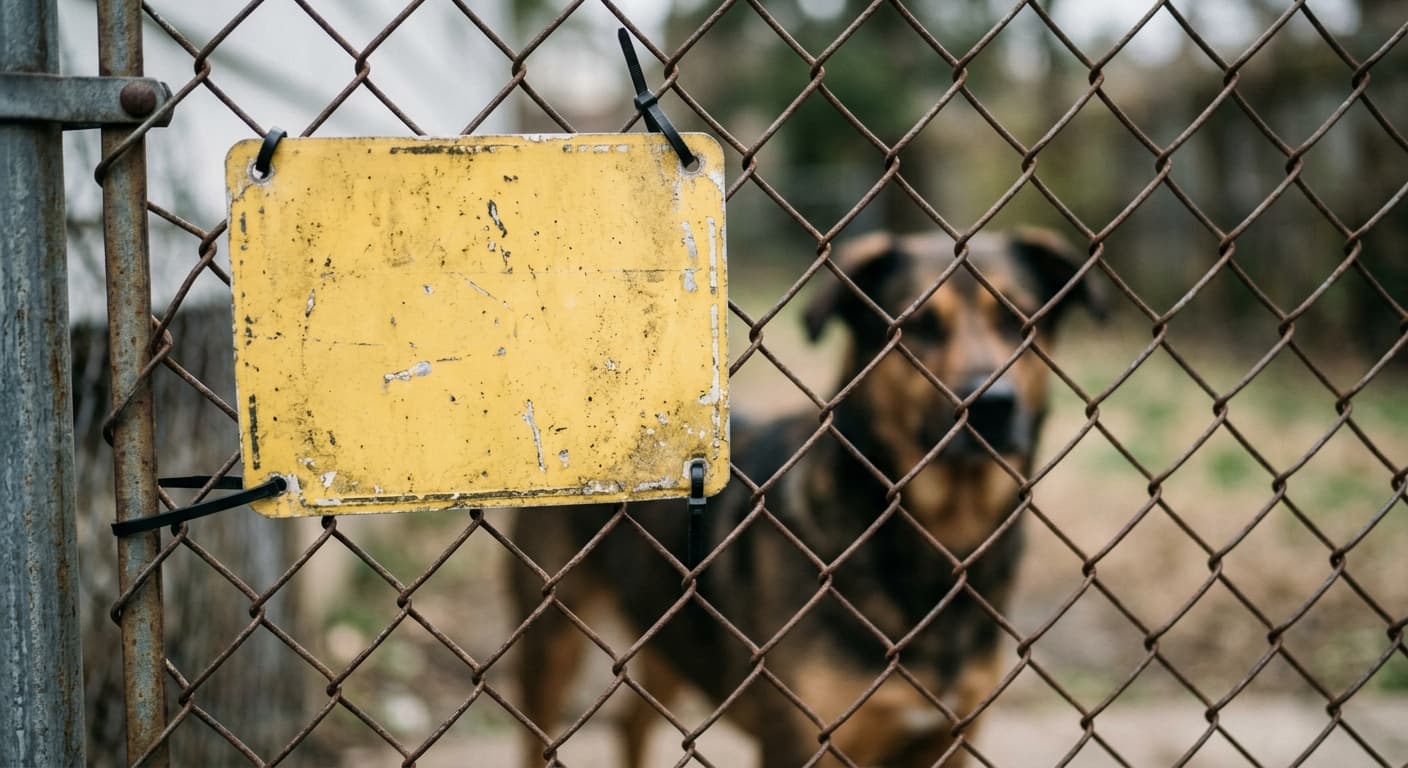
La ley de Alabama sobre mordeduras de perro responsabiliza objetivamente a los dueños por mordeduras no provocadas que ocurren en su propiedad bajo el , y aplica la regla de la primera mordida para ataques fuera de la propiedad del dueño. Las víctimas deben actuar dentro de dos años bajo el § 6-2-38, y cualquier culpa compartida puede impedir por completo la recuperación bajo la regla de negligencia contributiva pura de Alabama.
Calcule su reclamo: Use nuestra Calculadora Gratuita de Acuerdos por Mordedura de Perro en Alabama para ver un rango aproximado de acuerdo según las facturas médicas, el lugar de la mordedura, la edad de la víctima y la regla de responsabilidad de Alabama.
Cómo Funciona la Responsabilidad por Mordedura de Perro en Alabama
Alabama maneja los casos de mordedura de perro de manera diferente a la mayoría de los estados. En lugar de elegir un solo enfoque, Alabama les da a las víctimas dos vías legales separadas para recuperar daños. La vía que aplica depende de dónde ocurrió la mordedura y de qué sabía el dueño sobre el perro.
Comprender qué estatuto aplica a su situación es el primer paso para construir un reclamo exitoso.
Responsabilidad Objetiva Bajo el Código de Alabama § 3-6-1
El Código de Alabama § 3-6-1 crea responsabilidad objetiva para los dueños de perros cuando una mordedura ocurre en una propiedad que el dueño controla. Bajo este estatuto, si un perro muerde a alguien sin provocación mientras esa persona se encuentra legalmente en la propiedad del dueño, este es automáticamente responsable por los daños.
Esta responsabilidad objetiva también aplica cuando un perro persigue a alguien fuera de la propiedad del dueño y lo muerde inmediatamente después de que sale.
El § 3-6-1 en sí es una sola oración de responsabilidad objetiva incondicional, sin limitación basada en el conocimiento previo. Sin embargo, una disposición relacionada del mismo capítulo permite que un dueño que demuestre no haber tenido conocimiento de las tendencias peligrosas del perro limite su responsabilidad a los gastos reales incurridos por la víctima. Esto significa que, en ese escenario, el dueño no tendría que pagar por dolor y sufrimiento u otros daños no económicos.
La Regla de la Primera Mordida Bajo el Código de Alabama § 3-1-3
El Código de Alabama § 3-1-3 cubre los ataques de perros que ocurren fuera de la propiedad del dueño, como en un parque público, en una acera o en el terreno de otra persona. Bajo este estatuto, el dueño es responsable cuando mantiene un animal feroz o peligroso y, por un manejo descuidado o al permitir que el animal ande suelto, otra persona resulta lesionada.
La pregunta central bajo la regla de la primera mordida es el "scienter", que se refiere al conocimiento real o presunto del dueño de que el perro tenía tendencias peligrosas. Las víctimas deben demostrar que el dueño sabía o debía haber sabido que el perro era peligroso antes del ataque.
La evidencia de scienter puede incluir:
- Mordeduras o ataques previos a personas o animales
- Comportamiento agresivo como embestir, gruñir o intentar morder
- Que el dueño mantenga al perro encadenado o enjaulado debido a su agresividad
- Quejas de vecinos sobre el perro
- Historial del perro de escapar de su confinamiento
Reclamos por Negligencia
Además de los dos estatutos, las víctimas también pueden presentar un reclamo estándar por negligencia contra el dueño del perro. Para tener éxito, la víctima debe demostrar:
- El dueño tenía el deber de controlar al perro
- El dueño incumplió ese deber (por ejemplo, al violar una ley local de correa)
- El incumplimiento causó directamente las lesiones de la víctima
- La víctima sufrió daños reales
Los reclamos por negligencia son especialmente útiles cuando una ordenanza local exige que los perros estén con correa o confinados, ya que violar la ordenanza puede servir como evidencia de negligencia.
La Regla de Negligencia Contributiva Pura de Alabama
Alabama es uno de solo cuatro estados (junto con Maryland, Carolina del Norte y Virginia, además del Distrito de Columbia) que todavía sigue la doctrina de negligencia contributiva pura. Esta es una de las reglas más severas del derecho de lesiones personales en Estados Unidos.

Bajo la negligencia contributiva pura, si se determina que la víctima tuvo aunque sea un 1% de culpa en la mordedura de perro, queda completamente impedida de recuperar cualquier compensación. No hay una reducción de daños según el porcentaje de culpa; en cambio, cualquier grado de culpa de la víctima elimina el reclamo por completo.
Las acciones que podrían dar lugar a una defensa de negligencia contributiva incluyen:
- Molestar, provocar o golpear al perro
- Ignorar los letreros de advertencia colocados en la propiedad
- Acercarse a un perro visiblemente agitado o que estaba gruñendo
- Meter la mano por una cerca para acariciar a un perro desconocido
- Entrar a una propiedad donde la víctima sabía que había un perro peligroso
Debido a esta regla, construir un caso sólido con evidencia clara es esencial para las víctimas de mordeduras de perro en Alabama.
La Ley de Emily y las Designaciones de Perros Peligrosos
En junio de 2018, Alabama promulgó la Ley de Emily (codificada en el Código de Alabama, Título 3, Capítulo 6A), llamada así en honor a Emily Colvin, quien fue asesinada por una jauría de perros en el condado de Jackson en diciembre de 2017. Esta ley creó un proceso formal para declarar peligrosos a los perros y estableció sanciones penales severas para los dueños que no logren controlarlos.
Qué Hace que un Perro Sea "Peligroso" Bajo la Ley de Alabama
Bajo el Código de Alabama § 3-6A-3, un perro peligroso se define como cualquier perro, sin importar su raza, que haya mordido, atacado o causado lesión física, lesión física grave o la muerte de una persona sin justificación. Los perros policiales usados para fines legítimos de aplicación de la ley quedan excluidos de esta definición.
El Proceso de Investigación de Perro Peligroso
Bajo el Código de Alabama § 3-6A-4, el proceso comienza cuando alguien presenta una declaración jurada ante un magistrado municipal o el sheriff del condado, identificando al perro, a su dueño (si se conoce) y por qué la persona cree que el perro es peligroso.
Luego, un oficial de control animal realiza una investigación de perro peligroso. Si la queja involucra lesión física grave o muerte, un oficial de la ley se hace cargo de la investigación.
Si la investigación respalda la denuncia, se celebra una audiencia ante un tribunal municipal o de distrito. El tribunal determina si el perro cumple con la definición legal de peligroso.
Requisitos para Dueños de Perros Declarados Peligrosos
Si un tribunal declara que un perro es peligroso pero el perro no ha causado lesión grave o muerte, el dueño puede quedarse con el perro bajo condiciones estrictas:
| Requisito | Detalles |
|---|---|
| Fianza de garantía | Al menos $100,000 para cubrir posibles lesiones futuras |
| Recinto seguro | Recinto con cerradura, techo y piso adecuado para evitar fugas |
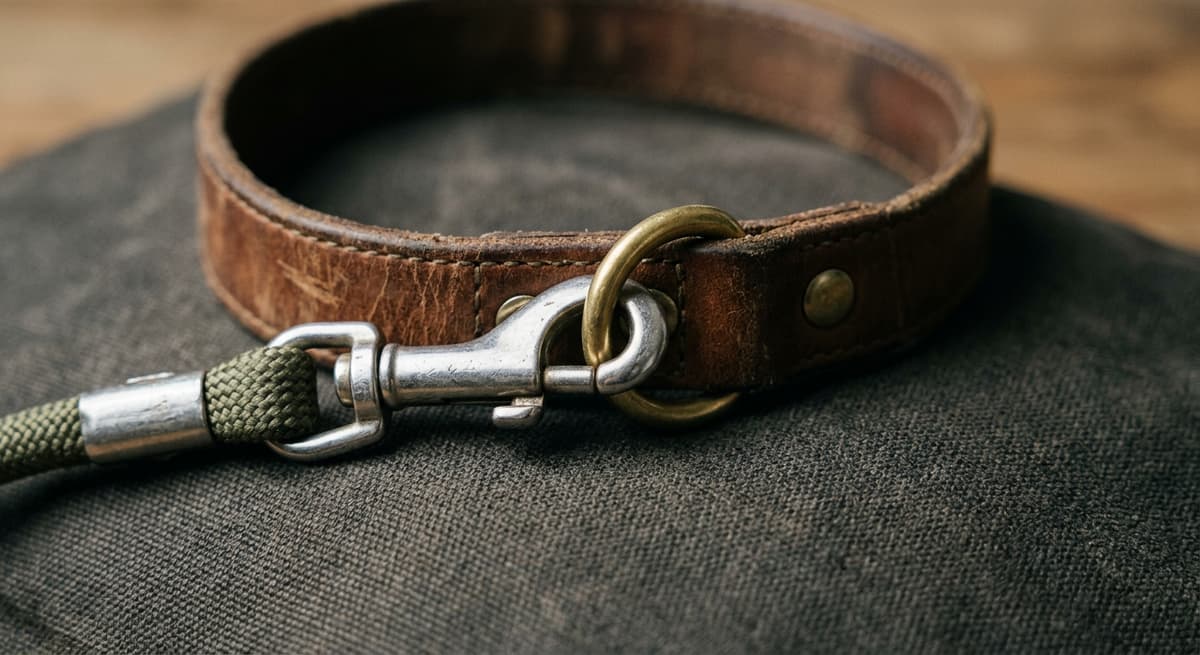
| Correa y control | El dueño debe estar presente con un collar y correa seguros cuando el perro esté fuera del recinto |
| Microchip | Identificación permanente mediante microchip |
| Esterilización/castración | El perro debe estar esterilizado o castrado |
| Registro anual | Debe registrarse con control animal o el departamento de salud del condado cada año |
| Prueba de fianza | Debe mostrar prueba de la fianza de garantía en cada registro anual |
Los dueños tienen 30 días para cumplir con todos los requisitos ordenados por el tribunal. Si no cumplen con el plazo, la ley exige que el perro sea sacrificado de forma humanitaria.
Si el tribunal determina que el perro causó lesión física grave o la muerte, debe ordenar que el perro sea sacrificado de forma humanitaria por un veterinario con licencia o un funcionario autorizado de control animal.
Sanciones Penales Bajo la Ley de Emily
El Código de Alabama § 3-6A-5 establece un sistema escalonado de sanciones penales:
| Infracción | Clasificación |
|---|---|
| Perro declarado peligroso causa lesión grave o muerte | Delito grave (felony) Clase B |
| Perro no declarado causa lesión grave o muerte, y el dueño conocía las tendencias peligrosas pero mostró desprecio temerario | Delito grave (felony) Clase C |
| Perro declarado peligroso causa lesión física | Delito menor (misdemeanor) Clase A |
| El dueño se niega a entregar al perro durante la investigación | Delito menor Clase C |
| Presentar a sabiendas un reporte falso de perro peligroso | Delito menor Clase C |
| Violaciones repetidas de los requisitos de confinamiento | Delito menor Clase B |
Un delito grave de Clase B en Alabama conlleva una posible sentencia de 2 a 20 años de prisión y multas de hasta $30,000.
Obligaciones del Dueño de Perro en Alabama
La ley de Alabama impone varios deberes a todos los dueños de perros, no solo a quienes tienen perros declarados peligrosos.
Requisitos de Confinamiento
Bajo el Código de Alabama § 3-1-5, todo dueño de perro debe confinar a su perro dentro de los límites de su propia propiedad o del lugar donde el perro se mantiene habitualmente. Violar este requisito es un delito menor sancionable con una multa de $2 a $50.
Vacunación Contra la Rabia
El Código de Alabama § 3-7A-2 exige que todos los perros sean vacunados contra la rabia por un veterinario con licencia cuando el perro alcanza los tres meses de edad. El Departamento de Salud Pública de Alabama supervisa el cumplimiento. Los dueños deben mantener un certificado de vacunación y una placa numerada como prueba de inmunización.
Leyes y Ordenanzas Locales de Correa
Aunque Alabama no tiene una ley estatal de correa, la mayoría de los municipios aplican sus propias ordenanzas de correa. Muchas ciudades exigen que los perros estén con correa en todas las áreas públicas. Consulte las ordenanzas de su ciudad o condado para conocer los requisitos específicos de su área.
Daños Disponibles para las Víctimas de Mordeduras de Perro
Las víctimas de mordeduras de perro en Alabama pueden recuperar compensación en varias categorías, dependiendo de qué teoría legal aplique y de si el dueño tenía conocimiento previo del comportamiento peligroso del perro.
Cuando el Dueño Tenía Conocimiento Previo
Si la víctima puede establecer scienter (que el dueño sabía que el perro era peligroso), o si la responsabilidad objetiva aplica bajo el § 3-6-1 con conocimiento previo, la víctima puede recuperar:
- Gastos médicos: atención de emergencia, cirugía, hospitalización, rehabilitación y costos médicos futuros
- Salarios perdidos: tiempo de trabajo perdido durante la recuperación y cualquier reducción en la capacidad de ingresos futuros
- Dolor y sufrimiento: dolor físico sufrido como resultado de la mordedura
- Angustia emocional: ansiedad, miedo, TEPT y otros daños psicológicos
- Cicatrices y desfiguración: compensación por cambios físicos permanentes
- Daños a la propiedad: ropa dañada, artículos personales u otra propiedad
Cuando el Dueño No Tenía Conocimiento Previo
Bajo una disposición de mitigación que se encuentra en otra parte del mismo capítulo que el § 3-6-1, si el dueño demuestra que no tenía conocimiento de las tendencias peligrosas del perro, la recuperación puede limitarse a los gastos reales incurridos por la víctima. Esto generalmente cubre solo las facturas médicas y los costos de bolsillo, no el dolor y sufrimiento ni la angustia emocional.
Plazo de Prescripción para Reclamos por Mordedura de Perro
Bajo el Código de Alabama § 6-2-38, las víctimas de mordeduras de perro tienen dos años desde la fecha del ataque para presentar una demanda por lesiones personales. Este plazo se aplica estrictamente, y no cumplirlo casi siempre resulta en que el tribunal desestime el caso.
Reglas clave de tiempo que debe conocer:
- El plazo de dos años comienza en la fecha en que ocurre la mordedura
- Menores de edad: para víctimas menores de 19 años, el plazo de dos años no comienza hasta que la víctima cumple 19 años
- Reclamos contra el gobierno: si el perro de un empleado del gobierno causó la mordedura, pueden aplicar requisitos de notificación más cortos
- Suspensión del plazo: ciertas circunstancias pueden pausar el conteo del plazo, pero estas excepciones son limitadas
Presentar el reclamo con prontitud es importante no solo para cumplir con el plazo, sino también para preservar la evidencia. Los recuerdos de los testigos se desvanecen, las grabaciones de videovigilancia pueden borrarse, y los registros médicos se vuelven más difíciles de relacionar con el incidente con el paso del tiempo.
Legislación Específica por Raza en Alabama
Alabama no tiene legislación estatal específica por raza (BSL, por sus siglas en inglés). El estado no prohíbe ni restringe ninguna raza de perro en particular a nivel estatal. En cambio, Alabama otorga a las ciudades y condados la autoridad para regular o restringir razas específicas dentro de sus límites.
Varios municipios de Alabama han promulgado restricciones específicas por raza, particularmente en el área metropolitana de Birmingham:
- Irondale: prohíbe poseer o tener perros pit bull, con excepciones limitadas para los perros registrados antes de que la ordenanza entrara en vigor
- Tarrant: restringe la propiedad de pit bulls
- Fairfield: tiene disposiciones específicas por raza
- Gardendale: mantiene regulaciones sobre pit bulls
Debido a que las normas locales varían significativamente, los dueños de perros deben investigar las ordenanzas específicas de su ciudad o condado. Una raza que es legal en un municipio puede estar restringida o prohibida en uno vecino.
Responsabilidad del Arrendador por Mordeduras de Perro en Alabama
Los arrendadores en Alabama pueden enfrentar responsabilidad por lesiones de mordedura de perro causadas por el perro de un inquilino bajo ciertas condiciones. El factor clave es si el arrendador tenía conocimiento de las tendencias peligrosas del perro.
Un arrendador puede ser responsable cuando:
- El arrendador sabía que el perro del inquilino había mordido previamente a alguien o mostrado comportamiento peligroso
- El arrendador tenía la autoridad de exigir al inquilino que retirara al perro (mediante disposiciones del contrato de arrendamiento)
- El arrendador no tomó medidas razonables para proteger a otros inquilinos y visitantes
Para áreas comunes como pasillos, estacionamientos y patios compartidos, los arrendadores tienen el deber de usar un cuidado razonable para proteger a los inquilinos de peligros conocidos, incluyendo perros agresivos.
Los arrendadores pueden protegerse incluyendo políticas claras sobre mascotas en los contratos de arrendamiento, exigiendo prueba de seguro de inquilino con cobertura de responsabilidad civil, y actuando con prontitud cuando reciben quejas sobre el perro de un inquilino.
Cómo Presentar un Reclamo por Mordedura de Perro en Alabama
Si lo mordió un perro en Alabama, tomar las medidas correctas desde el principio puede fortalecer su caso.
-
Reciba atención médica de inmediato. Esto crea un registro médico que vincula sus lesiones con la mordedura de perro. Siga todas las recomendaciones de tratamiento y guarde copias de cada factura y recibo.
-
Reporte la mordedura a control animal y a la policía local. Un reporte oficial crea un registro documentado del incidente. Pida una copia del reporte para sus archivos.
-
Documente sus lesiones a fondo. Tome fotos de todas las heridas el día del ataque y durante todo el proceso de curación. Fotografíe el lugar donde ocurrió la mordedura y al perro si es posible.
-
Recopile la información del dueño. Obtenga el nombre completo, la dirección, el número de teléfono y la información del seguro de propietario o de inquilino del dueño del perro.
-
Identifique y contacte a los testigos. Si alguien presenció el ataque, obtenga sus nombres e información de contacto. El testimonio de testigos puede ser crucial para probar lo que sucedió.
-
Preserve la evidencia física. Guarde la ropa rota o ensangrentada en una bolsa sellada. No lave ni deseche nada que haya resultado dañado en el ataque.
-
Verifique incidentes previos. Pregunte a control animal si el perro tiene un historial de mordeduras o quejas. Los incidentes previos son evidencia importante de scienter.
-
Consulte a un abogado de lesiones personales. Muchos abogados de mordeduras de perro en Alabama ofrecen consultas gratuitas y trabajan por contingencia, lo que significa que usted no paga nada a menos que recupere una compensación.
Más Leyes de Alabama
- Leyes de Grabación de Reuniones con IA de Alabama
- Leyes de Pensión Alimenticia de Alabama
- Leyes de Empleo a Voluntad de Alabama
- Leyes de Accidentes Automovilísticos de Alabama
- Leyes de Asientos de Seguridad para Niños de Alabama
- Leyes de Custodia de Menores de Alabama
- Leyes de Manutención Infantil de Alabama
- Leyes de Matrimonio de Hecho de Alabama
- Leyes de Privacidad de Datos de Alabama
- Leyes sobre Deepfakes de Alabama
- Leyes de Divorcio de Alabama
- Leyes de Emancipación de Alabama
- Leyes de Eliminación de Antecedentes de Alabama
- Leyes sobre Atropello y Fuga de Alabama
- Leyes de Arrendador e Inquilino de Alabama
- Leyes Limón de Alabama
Preguntas frecuentes
¿Alabama tiene responsabilidad objetiva por mordeduras de perro?
Sí, pero solo en circunstancias limitadas. Bajo el Código de Alabama § 3-6-1, los dueños de perros enfrentan responsabilidad objetiva cuando su perro muerde a alguien sin provocación en la propiedad del dueño o inmediatamente después de perseguir a la víctima fuera de la propiedad. Una disposición relacionada del mismo capítulo puede limitar aún más la responsabilidad del dueño a los gastos reales incurridos por la víctima si el dueño demuestra que no tenía conocimiento de las tendencias peligrosas del perro.
¿Cuál es el plazo de prescripción para un reclamo por mordedura de perro en Alabama?
El Código de Alabama § 6-2-38 establece un plazo de prescripción de dos años para reclamos por lesiones personales, incluidas las mordeduras de perro. El plazo comienza en la fecha de la mordedura. Para víctimas menores de 19 años, el período de dos años no comienza hasta que cumplen 19 años.
¿Puedo recuperar daños si tuve parte de la culpa en la mordedura de perro?
Posiblemente no. Alabama sigue la regla de negligencia contributiva pura, lo que significa que si se determina que usted tuvo aunque sea una pequeña culpa en el incidente, puede quedar completamente impedido de recuperar cualquier compensación. Esta es una de las reglas de culpa más estrictas del país.
¿Qué le pasa a un perro declarado peligroso bajo la Ley de Emily?
Si el perro causó lesión física grave o la muerte, el tribunal debe ordenar el sacrificio. Si el perro causó lesiones no graves, el dueño puede quedarse con el perro bajo condiciones estrictas, incluyendo mantener una fianza de garantía de $100,000, colocarle un microchip, esterilizarlo o castrarlo, mantenerlo en un recinto seguro y registrarlo anualmente. El dueño tiene 30 días para cumplir o el perro debe ser sacrificado.
¿Están prohibidos los pit bulls en Alabama?
No a nivel estatal. Alabama no tiene legislación estatal específica por raza. Sin embargo, varios municipios, incluyendo Irondale, Tarrant, Fairfield y Gardendale, han promulgado ordenanzas locales que restringen o prohíben a los pit bulls. Debe consultar las normas de su ciudad o condado para conocer las restricciones específicas de raza en su área.
¿Lesionado en Alabama? Obtenga una revisión gratuita del caso con un abogado de lesiones personales
Si la negligencia de otra persona causó su lesión, podría tener derecho a compensación por gastos médicos, salarios perdidos y dolor y sufrimiento. Obtenga una revisión gratuita y sin compromiso de un abogado de lesiones personales en Alabama. La mayoría trabaja por honorarios contingentes, así que no hay costo inicial.
Actualizaciones
Se corrigió una cláusula fabricada de mitigación de daños por "falta de conocimiento" que el artículo citaba y atribuía al Código de Alabama § 3-6-1 (el texto real del § 3-6-1 es una sola oración incondicional de responsabilidad objetiva sin dicha cláusula); ahora el concepto de mitigación se describe como proveniente de una disposición relacionada pero no verificada en otra parte del mismo capítulo, en lugar de una cita puntual falsa.
Ley aplicable revisada en busca de cambios recientes
La ley detrás de este artículo
Este artículo se apoya en 6 disposiciones legales conservadas en nuestro propio registro jurídico, cada una obtenida de la fuente oficial. Toque una sección para leer el texto vigente.
Code of Alabama 1975, Title 3: Animals.
§ 3-6-1Liability of Owner of Dog for Injuries to Person Bitten or Injured While Upon Property Owned or Controlled by Owner, Etc.Vigente
If any dog shall, without provocation, bite or injure any person who is at the time at a place where he or she has a legal right to be, the owner of such dog shall be liable in damages to the person so bitten or injured, but such liability shall arise only when the person so bitten or injured is upon property owned or controlled by the owner of such dog at the time such bite or injury occurs or when such person has been immediately prior to such time on such property and has been pursued therefrom by such dog.
Texto oficial (extracto) · al 2026-07-29 · Lea la sección completa en alison.legislature.state.al.us
Citada en 3 opiniones judicialesAplicada por un tribunal por última vez: 1997
Casos destacados: Gentle v. Pine Valley Apartments (Supreme Court of Alabama 1994, 631 So. 2d 928) · Williams v. Hill (Supreme Court of Alabama 1995, 658 So. 2d 381) · Wright ex rel. Wright v. Calvin Reid Construction Co. (Court of Civil Appeals of Alabama 1997, 723 So. 2d 55)
Identificado automáticamente a partir de las opiniones judiciales que citan esta sección; no es un ranking de qué caso prevalece.
§ 3-6A-3Definitions.Vigente
For the purposes of this chapter, the following words shall have the following meanings: (1) ANIMAL CONTROL OFFICER. Any person employed by a county or municipality who performs animal control functions or any person who performs animal control functions who is employed by an entity under agreement or contract with a county or municipality to perform animal control functions or to enforce this chapter. (2) ATTACK. Aggressive physical contact by a dog. (3) BITTEN. Seized with the teeth so that the skin of the person seized has been gripped, or has been wounded or pierced, resulting in physical injury. (4) DANGEROUS DOG. A dog, regardless of its breed, that has bitten, attacked, or caused physical injury, serious physical injury, or death to a person without justification, except a dog that is a police animal as defined by Section 13A-11-260, used by law enforcement officials for legitimate law enforcement purposes. (5) DOG. All members of the canine family including dog hybrids. (6) IMPOUNDED.
Texto oficial (extracto) · al 2026-07-29 · Lea la sección completa en alison.legislature.state.al.us
§ 3-6A-4Sworn Statement; Dangerous Dog Investigation; Hearing; Procedures.Vigente
(a)(1) When a person claims that a dog is dangerous, the person shall make a sworn statement before a city magistrate or sheriff setting forth the name of the dog owner, if known, the location where the dog is being kept in the city or county, and the reason he or she believes the dog to be dangerous. (2) The sworn statement shall be delivered to an animal control officer who shall complete a dangerous dog investigation.When the sworn statement claims that a dog has caused serious physical injury or death to a person, the duties of the animal control officer, including but not limited to the dangerous dog investigation, shall be carried out by a law enforcement officer. (b) An animal control officer may initiate a dangerous dog investigation in cases where a complaint has been made pursuant to subsection (a) and a person has been bitten, received physical injury or serious physical injury, or has died. (c)(1) In the event a dangerous dog investigation leads an animal control officer to believe the allegation is founded, all of the following shall occur: a.
Texto oficial (extracto) · al 2026-07-29 · Lea la sección completa en alison.legislature.state.al.us
Citada en 1 opiniones judicialesAplicada por un tribunal por última vez: 2025
Casos destacados: Sonja R. Haney v. City of Alabaster (Court of Civil Appeals of Alabama 2025)
Identificado automáticamente a partir de las opiniones judiciales que citan esta sección; no es un ranking de qué caso prevalece.
§ 3-6A-5Violations.Vigente
(a) If a dog that has previously been declared by a court to be dangerous, when unjustified, attacks and causes serious physical injury or death to a person, the owner of the dog shall be guilty of a Class B felony. (b) If a dog that has not been declared by a court to be dangerous, when unjustified, attacks and causes serious physical injury or death to a person, and the owner of the dog had prior knowledge of the dangerous propensities of the dog, yet demonstrated a reckless disregard of the propensities under the circumstances, the owner of the dog shall be guilty of a Class C felony. (c) If a dog that has previously been declared by a court to be dangerous, when unjustified, attacks and causes physical injury to a person, the owner of the dog shall be guilty of a Class A misdemeanor. (d) If a dog that has not been declared by a court to be dangerous, when unjustified, attacks and causes physical injury to a person, and the owner of the dog had prior knowledge of the dangerous propensities of the dog, yet demonstrated a reckless disregard of the propensities under the circumstances, the owner of the dog shall be guilty of a Class B misdemeanor.
Texto oficial (extracto) · al 2026-07-29 · Lea la sección completa en alison.legislature.state.al.us
§ 3-7A-2Dogs, Cats, and Ferrets to Be Immunized; Sale, Etc., of Vaccine; Vaccination Exemptions.Vigente
(a) Every owner of a dog, cat, or ferret required to be immunized for rabies as defined in this chapter, shall cause the animal to be immunized by the rabies officer, his or her authorized representative, or any duly licensed veterinarian, when the animal reaches three months of age and subsequently in accordance with the intervals specified in the vaccine’s license. Notwithstanding the above, the State Board of Health may establish by rule vaccine intervals or specific vaccines, or both, to be used in public rabies vaccination clinics, based on considerations such as county specific prevalence of animal rabies or risk of animal rabies and the vaccination rates of dogs, cats, and ferrets in a county.
Texto oficial (extracto) · al 2026-07-29 · Lea la sección completa en alison.legislature.state.al.us
Code of Alabama 1975, Title 6: Civil Practice.
§ 6-2-38Commencement of Actions - Two Years.Vigentecitada en 8 de nuestros artículos
(a) An action by a representative to recover damages for wrongful act, omission, or negligence causing the death of the decedent under Sections 6-5-391 and 6-5-410 must be commenced within two years from the death. (b) All actions by common carriers of property subject to Chapter 3 of Title 37 for recovery of their charges, or any part thereof, shall be begun within two years from the time the cause of action accrues and not after. (c) For recovery of charges, action shall be begun against common carriers of property by motor vehicles subject to this article within two years from the time the cause of action accrues and not after, except as provided in subsection (d) of this section; provided, that if claim for the overcharge has been presented in writing to the carrier within the two-year period of limitation, said period shall be extended to include six months from the time notice in writing is given by the carrier to the claimant of disallowance of the claim, or any part or parts thereof, specified in the notice.
Texto oficial (extracto) · al 2026-07-29 · Lea la sección completa en alison.legislature.state.al.us
Citada en 372 opiniones judicialesAplicada por un tribunal por última vez: 2026
Casos destacados: Hicks v. Globe Life and Acc. Ins. Co. (Supreme Court of Alabama 1991, 584 So. 2d 458) · Auto-Owners Ins. Co. v. Abston (Supreme Court of Alabama 2001, 822 So. 2d 1187) · Mardis v. Robbins Tire & Rubber Co. (Supreme Court of Alabama 1995, 669 So. 2d 885)
Identificado automáticamente a partir de las opiniones judiciales que citan esta sección; no es un ranking de qué caso prevalece.
Fuentes y referencias
- Código de Alabama § 3-6-1: Responsabilidad del Dueño del Perro por Lesiones a una Persona Mordida o Lesionada en la Propiedad(law.justia.com)
- Código de Alabama § 3-6A-3: Definiciones de Perro Peligroso (Ley de Emily)(law.justia.com)
- Código de Alabama § 3-6A-4: Investigación, Audiencia y Procedimientos de Perro Peligroso(law.justia.com)
- Código de Alabama § 3-6A-5: Infracciones y Sanciones Penales por Perro Peligroso(law.justia.com)
- Código de Alabama § 6-2-38: Plazo de Prescripción de Dos Años para Lesiones Personales(law.justia.com)
- Código de Alabama § 3-7A-2: Requisitos de Vacunación Contra la Rabia para Perros(law.justia.com)
- Departamento de Salud Pública de Alabama: Información sobre la Rabia(alabamapublichealth.gov).gov
- Legislatura de Alabama: Código de Alabama(alison.legislature.state.al.us).gov
- Animal Legal & Historical Center: Leyes Consolidadas sobre Perros de Alabama(animallaw.info)