
Alabama
Alabama Hit and Run Laws: Penalties, Statutes, and Defenses
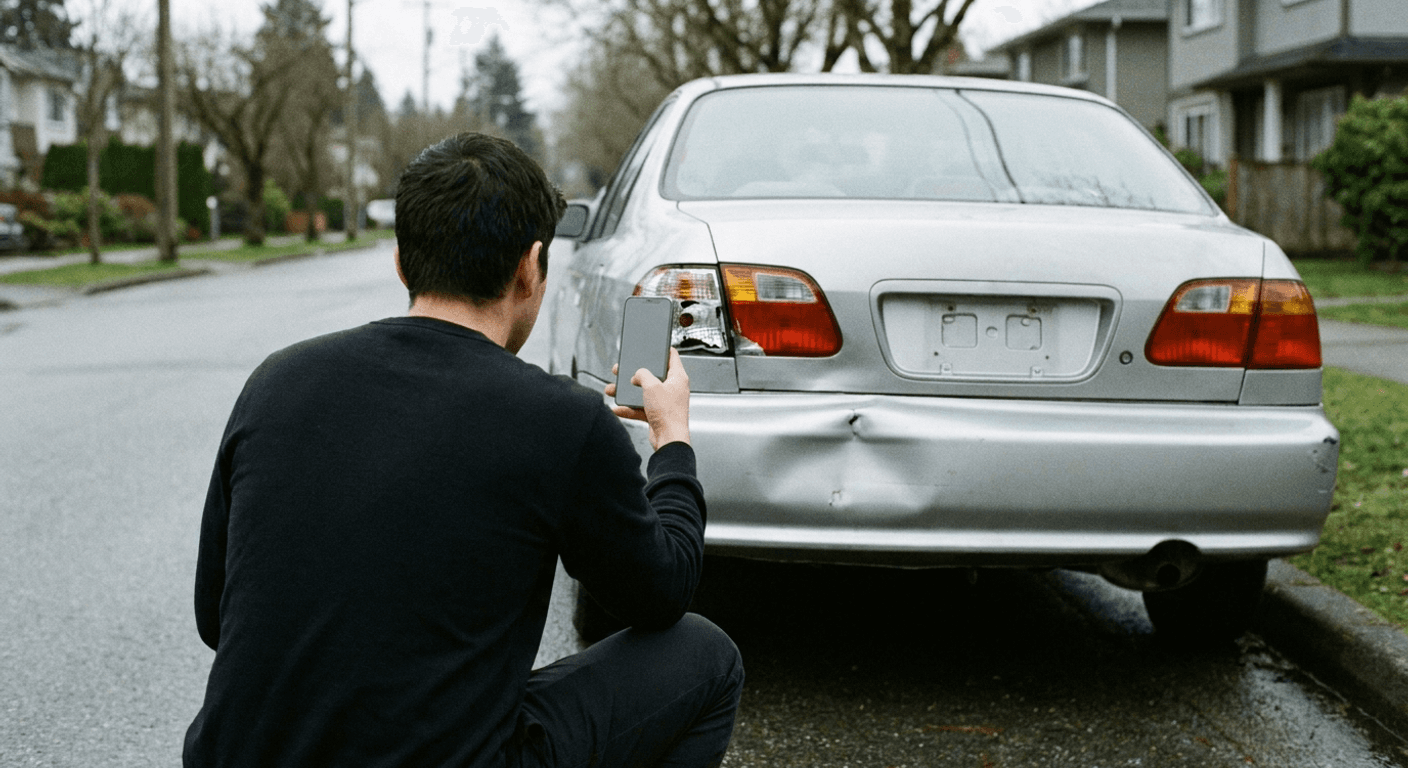
Alabama requires drivers to stop at the scene of an accident under Ala. Code 32-10-1, and Ala. Code 32-10-6 sets the penalty: a felony when the accident causes injury or death and a misdemeanor for property damage only. A conviction for the felony of hit and run involving physical injury carries 1 to 10 years in prison and up to $15,000 in fines, and since October 1, 2026 hit and run involving serious physical injury or death is a Class B felony.
Hurt in a hit-and-run? If the driver who hit you fled or had no insurance, your own uninsured/underinsured-motorist (UM/UIM) coverage may pay your injury claim. Estimate what it could be worth with our free Alabama Car Accident Settlement Calculator.
Quick Summary: Alabama Hit and Run Penalties
Alabama classifies hit and run offenses based on the severity of the accident. Penalties escalate significantly when injuries or death result from the incident.
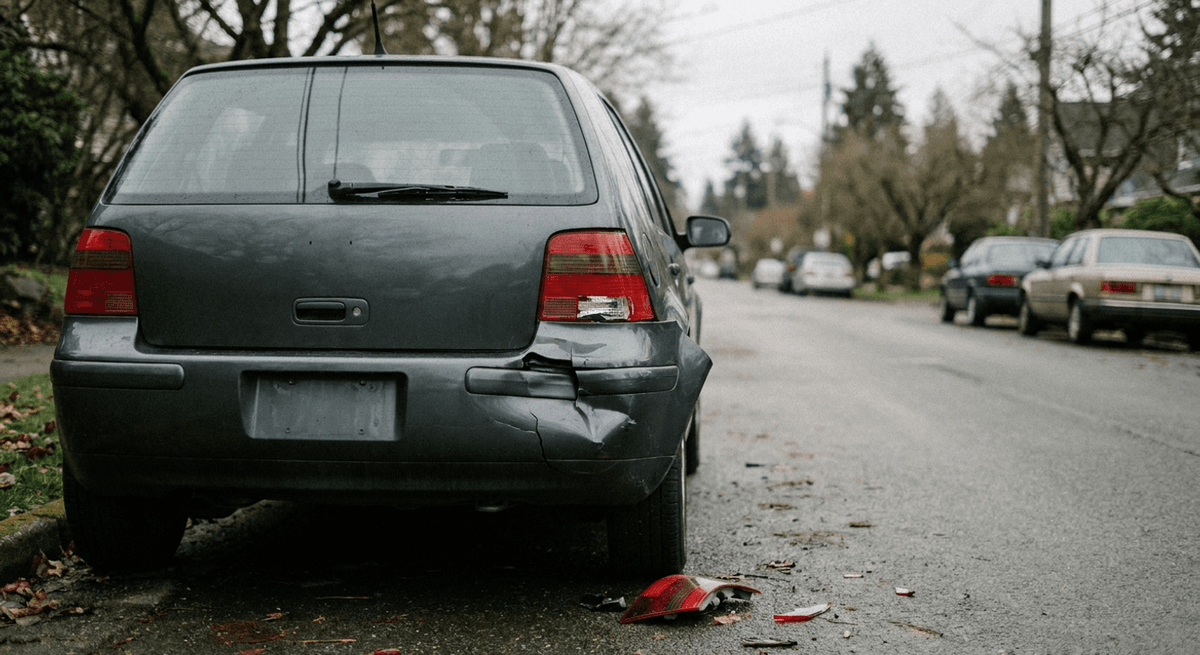
- Serious Physical Injury or Death (Class B Felony, since October 1, 2026): 2 to 20 years in prison, up to $30,000 fine
- Physical Injury (Class C Felony): 1 year and 1 day to 10 years in prison, up to $15,000 fine
- Property Damage (Class A Misdemeanor): Up to 1 year in jail, up to $6,000 fine
- Unattended Vehicle: Treated as property damage (Class A Misdemeanor) unless physical injury results (Class C Felony) or, since October 1, 2026, serious physical injury or death results (Class B Felony)
- License Revocation: Mandatory upon conviction
- Civil Statute of Limitations: 2 years for personal injury, 6 years for property damage
Important 2026 Update: Starting October 1, 2026, the Safe Streets Act upgrades hit and run involving serious physical injury or death to a Class B felony (see below for details).
The 2026 Safe Streets Act: Major Penalty Increase for Serious Injury and Fatal Hit and Run
The Alabama Legislature passed SB169, the Devinee Rooney and John Wesley Holt Safe Streets Act, enacted as Act 2026-64. It amends Ala. Code 32-10-6, the hit and run penalty section, and took effect on October 1, 2026.
What Changes Under the Safe Streets Act
The new law upgrades leaving the scene of an accident that involves serious physical injury or death from a Class C felony to a Class B felony. Before the change, a hit and run that killed someone carried the same Class C felony classification as one that caused any lesser injury.
Before the Safe Streets Act (through September 30, 2026):
- Hit and run involving death or personal injury: Class C felony, 1 to 10 years in prison, up to $15,000 fine
After the Safe Streets Act (starting October 1, 2026):
- Hit and run involving serious physical injury or death: Class B felony, 2 to 20 years in prison, up to $30,000 fine
- Hit and run involving physical injury: remains a Class C felony
- Hit and run involving only property damage: remains a Class A misdemeanor
The same act also amends Alabama's manslaughter and criminally negligent homicide statutes as they apply to impaired drivers who cause a death, and it treats anyone who suffers damage or loss from a hit and run conviction as a victim for restitution purposes.
Why the Law Changed
The act is named after two young Mobile County residents. John Wesley Holt was 19 years old and a sophomore at the University of South Alabama when he was struck and killed while walking along Old Shell Road in 2023. The driver pleaded guilty to leaving the scene, a Class C felony, and was sentenced to five years split with one year behind bars. He was released in six months.
Devinee Rooney was 18 years old and days away from graduating from Theodore High School in May 2020 when she was killed in a crash caused by an impaired driver.
Alabama Code Title 32: Motor Vehicle Accidents
Alabama's hit and run laws are found in Title 32, Chapter 10 of the Alabama Code. The two primary sections are:

Section 32-10-1 requires the driver of any vehicle involved in an accident resulting in injury, death, or property damage to:
- Immediately stop the vehicle at the scene or as close as safely possible
- Remain at the scene until fulfilling the requirements of Section 32-10-2
Section 32-10-2 requires drivers to:
- Provide their name, address, and vehicle registration number
- Show their driver's license to the other party or law enforcement
- Provide insurance information
- Render reasonable medical assistance to any injured person
- Arrange transportation to a medical facility if needed
The penalties for violating these duties are set by Section 32-10-6.
Hit and Run Penalty Tiers in Alabama
Hit and Run Causing Death or Injury
Under Alabama Code Section 32-10-6, leaving the scene of an accident that results in physical injury is a Class C felony, with the prison range set by Section 13A-5-6 and the fine limit set by Section 13A-5-11. Penalties include:
- Minimum 1 year and 1 day in prison
- Maximum 10 years in prison
- Fine up to $15,000
- Mandatory driver's license revocation
Note: Since October 1, 2026, hit and run involving serious physical injury or death is a Class B felony under the Safe Streets Act, carrying 2 to 20 years in prison and up to $30,000 in fines. Hit and run involving physical injury remains a Class C felony.
Hit and Run Causing Property Damage
If the accident involves only property damage to an attended vehicle, the offense is a Class A misdemeanor under Section 32-10-6, with the jail range set by Section 13A-5-7. Penalties include:
- Up to 1 year in county jail
- Fine up to $6,000
- Possible license suspension
Hit and Run Involving Unattended Vehicle
Hitting an unattended vehicle and leaving without providing information is punished under the same penalty structure as other hit and run violations, not as a separate offense. If the collision causes only property damage, it is a Class A misdemeanor. Penalties include:
- Up to 1 year in county jail
- Fine up to $6,000
Your Legal Duties After an Accident
Alabama law imposes specific requirements on drivers involved in any accident, regardless of fault.
For Accidents Involving Injury or Death
- Stop immediately at the scene
- Call 911 to report the accident and request medical assistance
- Do not move your vehicle unless directed by law enforcement
- Provide reasonable medical assistance to injured persons
- Exchange information with other parties involved
- Remain until law enforcement releases you
For Accidents Involving Only Property Damage
- Stop at the scene or nearby
- If safe, move your vehicle from the roadway to avoid blocking traffic
- Exchange information with the other driver
- Report the accident if damages exceed $250 or if requested
For Hitting an Unattended Vehicle
- Attempt to locate the owner
- If unable to find the owner, leave a written note in a visible location
- Include your name, address, and a brief description of what happened
- Report the accident to local police
When Does Hit and Run Become a Felony?
In Alabama, hit and run becomes a felony when the accident results in injury or death to any person. The felony classification applies regardless of who caused the accident. Your duty to stop and render aid exists even if the other driver was entirely at fault.
Prosecutors do not need to prove you caused the accident to charge you with felony hit and run. They only need to prove:
- You were involved in an accident that caused injury or death
- You knew or should have known you were in an accident
- You failed to stop, provide information, or render assistance
Alabama's Contributory Negligence Rule
Alabama is one of only four states that follows the "contributory negligence" rule. This legal doctrine can significantly impact your ability to recover damages in a civil lawsuit.
Under contributory negligence, if you are found to be even 1% at fault for an accident, you may be completely barred from recovering any damages from the other party. This applies even if the other driver was 99% responsible.
Example: You are hit by a drunk driver who ran a red light. However, you were slightly exceeding the speed limit. Under Alabama's contributory negligence rule, the insurance company may argue you contributed to the accident and deny your claim entirely.
Because of this strict standard:
- Never admit fault at an accident scene
- Document everything carefully
- Consult with an attorney before speaking with insurance companies
- Gather witness statements that may help establish the other party's sole fault
Phantom Vehicle Claims
A "phantom vehicle" is an unknown vehicle that causes an accident without making physical contact with yours. For example, another driver may run a red light, forcing you to swerve into a pole to avoid a collision. The other driver then leaves the scene.
Under Alabama Code Section 32-7-23, you may be able to recover damages through your uninsured motorist coverage for phantom vehicle accidents. However, insurance companies often dispute these claims without supporting evidence. If the driver who ran you off the road was never identified, ask an Alabama car accident lawyer for a free claim review of the evidence for your uninsured motorist claim (attorney advertising).
To strengthen a phantom vehicle claim:
- Get witness statements describing the other vehicle
- Look for surveillance footage from nearby businesses
- Note any vehicle descriptions, colors, or partial plate numbers
- Install a dashcam to capture future incidents (place it on your dashboard, not windshield, per Alabama law)
What To Do If You Are the Victim
If you are the victim of a hit and run in Alabama, take these steps to protect your rights:
- Get to safety and call 911 if anyone is injured
- Do not pursue the fleeing driver. Road rage or chasing could expose you to criminal liability
- Document everything: Take photos of vehicle damage, skid marks, debris, and your injuries
- Gather witness information: Get names and contact details from anyone who saw the accident
- Note the fleeing vehicle: Color, make, model, partial license plate, driver description, direction of travel
- Look for cameras: Check for traffic cameras, business surveillance, or doorbell cameras nearby
- File a police report immediately
- Contact your insurance company: Your uninsured motorist coverage may apply
- Seek medical attention: Some injuries appear hours or days after an accident
- Consult an attorney before accepting any settlement offers
What To Do If You Caused an Accident
If you are involved in an accident in Alabama:
- Stop immediately. Do not flee, even if you are scared or at fault
- Call 911 if anyone appears injured
- Render reasonable assistance to injured persons
- Exchange information with all parties involved
- Document the scene with photos
- Cooperate with law enforcement but do not admit fault
- Notify your insurance company
- Contact an attorney if injuries are involved
Remember: Fleeing the scene transforms an accident into a crime. Even if you caused the accident, stopping and fulfilling your legal duties typically results in far less severe consequences than a hit and run conviction.
Legal Defenses for Hit and Run Charges
If you are charged with hit and run in Alabama, several defenses may apply:
You Were Not the Driver
If someone else was driving your vehicle at the time of the accident, you are not guilty of hit and run. Police may initially identify you based on vehicle registration, but alibis and evidence can establish you were elsewhere.
You Did Not Know an Accident Occurred
Minor collisions can occur without the driver realizing it, particularly in large vehicles or loud traffic conditions. If you genuinely did not know an accident happened, you lacked the intent required for conviction.
It Was Unsafe to Stop
If you feared for your safety due to threats from other parties or a dangerous location, you may have a valid reason for leaving. However, you should contact police as soon as safely possible.
No Injury or Property Damage Occurred
If prosecutors cannot prove the accident caused any harm, the hit and run charge may not stand. Medical records and damage assessments are key evidence.
Statute of Limitations
Alabama imposes time limits for taking legal action after a hit and run:
- Personal injury claims: 2 years from the date of the accident
- Property damage claims: 6 years from the date of the accident
- Wrongful death claims: 2 years from the date of death
- Criminal charges (felony): Generally 5 years under Section 15-3-1, but no time limit for a felony involving serious physical injury or death under Section 15-3-5
- Criminal charges (misdemeanor): 1 year
Other Alabama Laws
- Alabama Recording Laws
- Alabama Car Seat Laws
- Alabama Lemon Law
- Alabama Sexting Laws
- Alabama Child Support Laws
- Alabama Dog Bite Laws
More Alabama Laws
Frequently Asked Questions
Is hit and run a felony in Alabama?
Yes, if the accident caused injury or death. Hit and run involving only property damage is a Class A misdemeanor. Felony hit and run involving physical injury is a Class C felony carrying 1 to 10 years in prison and up to $15,000 in fines. Since October 1, 2026, hit and run involving serious physical injury or death is a Class B felony under the Safe Streets Act.
What happens if you leave the scene of an accident in Alabama?
Leaving the scene without fulfilling your legal duties is a crime. For accidents causing physical injury, you face a Class C felony charge with 1 to 10 years in prison; since October 1, 2026, accidents causing serious physical injury or death carry a Class B felony charge with 2 to 20 years. For property damage only, you face a Class A misdemeanor with up to 1 year in jail and a $6,000 fine. Conviction also results in mandatory license revocation.
How long does Alabama have to charge me with hit and run?
For a felony hit and run involving serious physical injury or death, there is no statute of limitations in Alabama. For other felony hit and run cases, such as those involving a lesser injury, prosecutors generally have 5 years to file charges. For misdemeanor hit and run involving only property damage, prosecutors have 1 year to file charges.
What is the Safe Streets Act in Alabama?
The Devinee Rooney and John Wesley Holt Safe Streets Act (SB169, Act 2026-64) took effect October 1, 2026. It amends Alabama Code 32-10-6 so that hit and run involving serious physical injury or death becomes a Class B felony (2 to 20 years, up to $30,000 fine) instead of a Class C felony (1 to 10 years). Hit and run involving physical injury stays a Class C felony. The act also amends the manslaughter and criminally negligent homicide statutes as they apply to impaired drivers who cause a death.
Can I recover damages if I was partially at fault in Alabama?
Possibly not. Alabama follows the contributory negligence rule. If you are found even 1% at fault for an accident, you may be completely barred from recovering any damages from the other party. Alabama is one of only four states that uses this strict standard.
Updates
Corrected the statute that sets Alabama hit and run penalties (32-10-6), clarified that the 2026 Safe Streets Act makes hit and run involving serious physical injury or death a Class B felony, fixed the criminal statute of limitations, and updated statute links to the current official Code of Alabama site.
Corrected a fabricated 'Class B misdemeanor' penalty tier for hitting an unattended vehicle: Alabama has no separate lesser offense for this, it is punished under the same property-damage (Class A misdemeanor) / injury-death (Class C felony) framework as other hit-and-run violations.
Governing law re-checked for recent changes
The Law Behind This Article
This article rests on the statutory provisions below, held in our own legal record and retrieved from the official source. Tap a section to read the operative text.
Code of Alabama 1975, Title 32: Motor Vehicles and Traffic.
§ 32-10-1Duties of Driver Involved in Motor Vehicle Accident; Removal of Vehicle from Roadway.In forcecited in 2 of our articles
(a) The driver of any motor vehicle involved in an accident resulting in injury to or the death of any person, or in damage to any vehicle driven or attended by any person, shall immediately stop the vehicle at the accident scene or as close thereto and shall return to or remain at or as close to the scene of the accident until he or she has fulfilled the requirements of Section 32-10-2. Every such stop shall be made without obstructing traffic more than is necessary. (b) If the accident does not involve any apparent injury or the death of a person and the driver is not impaired, the driver may immediately move the vehicle from the roadway to the shoulder, emergency lane, median, or other location close to the accident site if the vehicle is drivable and can be safely moved from the roadway and shall return to or remain at or as close to the scene of the accident as safely possible.
Official text (excerpt) · last checked 2026-09-23 · Read the full text in our law library · Verify at alison.legislature.state.al.us
Cited in 6 court opinions in our collectionLatest citing opinion in our collection: 2025
Opinions citing this section in our collection:
- Hayes v. State (Court of Criminal Appeals of Alabama 1991, 588 So. 2d 502)“…nvicted of leaving the scene of an accident in violation of Ala.Code 1975, § 32-10-1, and was sentenced to 15 years' impriso…”
- Ex Parte Russell (Supreme Court of Alabama 1994, 643 So. 2d 963)“…of an accident involving personal injury, as prohibited by Ala. Code 1975, §§ 32-10-1 (a) and -6. On November 18, 1991, a T…”
- Alabama Crime Victims Compensation Commission v. Kenneth Thomas (Court of Civil Appeals of Alabama 2025)“…ne of an accident resulting in injury or death pursuant to Ala. Code 1975, § 32-10-1(a). See Ala. Code 1975, § 32-10-6 ("Ev…”
Identified automatically from the court opinions citing this section — not a ranking of which case controls.
Also relied on in: Alabama Car Accident Laws: Fault, Insurance, and Your Claim
§ 32-10-2Duty to Give Information and Render Aid.In forcecited in 2 of our articles
The driver of any motor vehicle involved in an accident resulting in injury to or the death of any person or damage to any vehicle which is driven or attended by any person shall give his name, address and the registration number of the vehicle he is driving, shall upon request exhibit his driver’s license to the person struck or the driver or occupant of or person attending any motor or other vehicle collided with or damaged and shall render to any person injured in such accident reasonable assistance, including the transportation of, or the making of arrangements for the transportation of such person to a physician or hospital for medical or surgical treatment, if it is apparent that such treatment is necessary or if such transportation is requested by the injured person.
Official text (excerpt) · last checked 2026-07-29 · Read the full text in our law library · Verify at alison.legislature.state.al.us
Cited in 3 court opinions in our collectionLatest citing opinion in our collection: 2021
Opinions citing this section in our collection:
- Ex Parte City of Tuscaloosa (Court of Criminal Appeals of Alabama 1993, 636 So. 2d 692)“…the felony offense of leaving the scene of an accident. See Ala. Code 1975, § 32-10-2 , § 32-10-6 . However, the grand jury…”
- Woods v. State (Court of Criminal Appeals of Alabama 2016, 224 So. 3d 677)“…the felony offense of leaving the scene of an accident. See Ala. Code 1975, § 32-10-2, § 32-10-6. However, the grand jury ind…”
- White v. Ford Motor Company (District Court, N.D. Alabama 2021)“…(2)], one count of felony leaving the scene of an accident [Ala. Code § 32-10-2], and one count of driving under the in…”
Identified automatically from the court opinions citing this section — not a ranking of which case controls.
§ 32-10-6Penalty for Violation of Sections 32-10-1 through 32-10-5. (Amended by Act 2026-64)In force
AMENDED BY ACT 2026-64, EFFECTIVE OCTOBER 1, 2026. SEE ACT FOR REVISED LANGUAGE. Every person convicted of violating Sections 32-10-1 through 32-10-5 or any of the provisions thereof, when such violation involved only damage to property, shall be punished the same as prescribed by law for a Class A misdemeanor; provided, however, that every person convicted of violating such sections, or any provisions thereof, when such violation involved death or personal injury, shall be punished the same as prescribed by law for a Class C felony.
Official text (excerpt) · last checked 2026-07-29 · Read the full text in our law library · Verify at alison.legislature.state.al.us
Cited in 4 court opinions in our collectionLatest citing opinion in our collection: 2025
Opinions citing this section in our collection:
- Hayes v. State (Court of Criminal Appeals of Alabama 1991, 588 So. 2d 502)“…ent for leaving the scene of an accident, a Class C felony. Ala.Code 1975, § 32-10-6. The statutory penalty for this offense…”
- Mayfield v. State (Supreme Court of Alabama 1988, 545 So. 2d 92)“…eals reversed the defendant’s conviction on the ground that Ala.Code 1975, § 32-10-6, was constitutionally defective, becaus…”
- Dailey v. State Farm Mut. Auto. Ins. Co. (Court of Civil Appeals of Alabama 2018, 270 So. 3d 274)“…nd violations of that duty are punishable as felonies under Ala. Code 1975, § 32-10-6. Thus, far from being "inconsistent wit…”
Identified automatically from the court opinions citing this section — not a ranking of which case controls.
§ 32-7-23Uninsured Motorist Coverage; “Uninsured Motorist” Defined; Limitation on Recovery.In forcecited in 2 of our articles
(a) No automobile liability or motor vehicle liability policy insuring against loss resulting from liability imposed by law for bodily injury or death suffered by any person arising out of the ownership, maintenance, or use of a motor vehicle shall be delivered or issued for delivery in this state with respect to any motor vehicle registered or principally garaged in this state unless coverage is provided therein or supplemental thereto, in limits for bodily injury or death set forth in subsection (c) of Section 32-7-6, under provisions approved by the Commissioner of Insurance for the protection of persons insured thereunder who are legally entitled to recover damages from owners or operators of uninsured motor vehicles because of bodily injury, sickness or disease, including death, resulting therefrom; provided, that the named insured shall have the right to reject such coverage; and provided further, that unless the named insured requests such coverage in writing, such coverage need not be provided in or supplemental to a renewal policy where the named insured had rejected the coverage in connection with the policy previously issued to him or her by the same insurer.
Official text (excerpt) · last checked 2026-07-29 · Read the full text in our law library · Verify at alison.legislature.state.al.us
Cited in 89 court opinions in our collectionLatest citing opinion in our collection: 2024
Opinions citing this section in our collection:
- State Farm Mut. Auto. Ins. Co. v. Motley (Supreme Court of Alabama 2005, 909 So. 2d 806)“…sured motor vehicle' which tracks the statutory language of Ala. Code § 32-7-23 (b)(4) (1975)." (State Farm's brief, p.…”
- Lambert v. State Farm (Supreme Court of Alabama 1991, 576 So. 2d 160)“…y of the provisions of those acts have now been codified in Ala. Code 1975, § 32-7-23 . From the beginning, disputes have s…”
- Continental Nat. Indem. Co. v. Fields (Supreme Court of Alabama 2005, 926 So. 2d 1033)“…ess or disease, including death, resulting therefrom...." Ala.Code 1975, § 32-7-23 (emphasis added). In Carlton , t…”
Identified automatically from the court opinions citing this section — not a ranking of which case controls.
Code of Alabama 1975, Title 13A: Criminal Code.
§ 13A-5-6Sentences of Imprisonment for Felonies.In forcecited in 13 of our articles
(a) Sentences for felonies shall be for a definite term of imprisonment, which imprisonment includes hard labor, within the following limitations: (1) For a Class A felony, for life or not more than 99 years or less than 10 years. (2) For a Class B felony, not more than 20 years or less than two years. (3) For a Class C felony, not more than 10 years or less than one year and one day. (4) For a Class D felony, not more than five years or less than one year and one day. (5) For a Class A felony in which a firearm or deadly weapon was used or attempted to be used in the commission of the felony, or a Class A felony sex offense involving a child as defined in Section 15-20A-4, not less than 20 years. (6) For a Class B or C felony in which a firearm or deadly weapon was used or attempted to be used in the commission of the felony, or a Class B felony sex offense involving a child as defined in Section 15-20A-4, not less than 10 years. (b) The actual time of release within the limitations established by subsection (a) shall be determined under procedures established elsewhere by law.
Official text (excerpt) · last checked 2026-07-29 · Read the full text in our law library · Verify at alison.legislature.state.al.us
Cited in 50 court opinions in our collectionLatest citing opinion in our collection: 2026
Opinions citing this section in our collection:
- Ex Parte McCree (Supreme Court of Alabama 1988, 554 So. 2d 336)“…ars in prison under Alabama's firearms enhancement statute (Ala. Code 1975, § 13A-5-6 (a)(5)). 1 FACTS Because the Cour…”
- Ex Parte Powell (Supreme Court of Alabama 2001, 796 So. 2d 434)“…ted the penalty phase of Powell's trial, in accordance with Ala. Code 1975, § 13A-5-6 . After hearing the evidence presented…”
- Ex Parte Farrell (Supreme Court of Alabama 1991, 591 So. 2d 444)“…ether the trial court erred by sentencing Janet pursuant to Ala. Code 1975, § 13A-5-6 (a)(4) instead of § 13A-5-6 (a)(1).…”
Identified automatically from the court opinions citing this section — not a ranking of which case controls.
Also relied on in: How Long Is a Life Sentence in Alabama? (2026 Guide), Alabama Age of Consent Laws: Statutes, Penalties and Reporting, Alabama AI Laws and Regulation (2026)
§ 13A-5-7Sentences of Imprisonment for Misdemeanors and Violations.In forcecited in 7 of our articles
(a) Sentences for misdemeanors shall be a definite term of imprisonment in the county jail or to hard labor for the county, within the following limitations: (1) For a Class A misdemeanor, not more than one year. (2) For a Class B misdemeanor, not more than six months. (3) For a Class C misdemeanor, not more than three months. (b) Sentences for violations shall be for a definite term of imprisonment in the county jail, not to exceed 30 days.
Official text (excerpt) · last checked 2026-07-29 · Read the full text in our law library · Verify at alison.legislature.state.al.us
Cited in 9 court opinions in our collectionLatest citing opinion in our collection: 2025
Opinions citing this section in our collection:
- Donley v. City of Mountain Brook (Court of Criminal Appeals of Alabama 1982, 429 So. 2d 603)“…against him is three months' imprisonment as provided under Ala. Code § 13A-5-7 (a)(3) (Supp. 1981). We disagree. Mo…”
- Shirah v. State (Court of Criminal Appeals of Alabama 1989, 555 So. 2d 807)“…for a Class A misdemeanor is for "not more than one year." Ala. Code, § 13A-5-7 (1975). The appellant's sentence did n…”
- R.L.L. v. State (Court of Criminal Appeals of Alabama 1990, 564 So. 2d 474)“…Such a conviction carries a sentence of up to six months. Ala.Code § 13A-5-7(a)(2) (1975). According to the appellan…”
Identified automatically from the court opinions citing this section — not a ranking of which case controls.
Also relied on in: Alabama Audio Recording Laws: Consent Rules and Penalties, Alabama Phone Call Recording Laws: What You Need to Know, Alabama Assault Laws: Degrees, Menacing, Felonies and Penalties
§ 13A-5-11Fines for Felonies.In forcecited in 6 of our articles
(a) A sentence to pay a fine for a felony shall be for a definite amount, fixed by the court, within the following limitations: (1) For a Class A felony, not more than $60,000; (2) For a Class B felony, not more than $30,000; (3) For a Class C felony, not more than $15,000; (4) For a Class D felony, not more than $7,500; or (5) Any amount not exceeding double the pecuniary gain to the defendant or loss to the victim caused by the commission of the offense. (b) As used in this section, “gain” means the amount of money or the value of property derived from the commission of the crime, less the amount of money or the value of property returned to the victim of the crime or seized or surrendered to lawful authority prior to the time sentence is imposed. “Value” shall be determined by the standards established in subdivision (14) of Section 13A-8-1. (c) The court may conduct a hearing upon the issue of defendant’s gain or the victim’s loss from the crime according to procedures established by rule of court. (d) This section shall not apply if a higher fine is otherwise authorized by law for a specific crime.
Official text (excerpt) · last checked 2026-07-29 · Read the full text in our law library · Verify at alison.legislature.state.al.us
Cited in 9 court opinions in our collectionLatest citing opinion in our collection: 2016
Opinions citing this section in our collection:
- Life Ins. Co. of Georgia v. Johnson (Supreme Court of Alabama 1997, 701 So. 2d 524)“…imprisonment or hard labor, in the discretion of the court. Ala. Code 1975, §§ 13A-5-11 , 13A-5-12 (a) (part of the Criminal C…”
- SOUTHERN LIFE AND HEALTH v. Turner (Supreme Court of Alabama 1991, 586 So. 2d 854)“…of the fine that could be imposed for insurance fraud under Ala. Code §§ 13A-5-11 and 13A-5-12(a) (1982), and §§ 27-1-12,…”
- Newberry v. State (Court of Criminal Appeals of Alabama 1985, 493 So. 2d 993)“…with either a felony offense or a misdemeanor offense. See Ala. Code §§ 13A-5-11 , 13A-5-12 (1975). While a look at the…”
Identified automatically from the court opinions citing this section — not a ranking of which case controls.
Also relied on in: Alabama Embezzlement and Forgery Laws: Theft Degrees and Penalties, Is Blackmail Illegal in Alabama? Extortion Degrees and Penalties, Alabama Felony Classes and Misdemeanor Penalties (2026)
Code of Alabama 1975, Title 15: Criminal Procedure.
§ 15-3-1Felonies Generally.In forcecited in 3 of our articles
Except as otherwise provided by law, the prosecution of all felonies, except those specified in Section 15-3-3, Section 15-3-5, or any other felony that has a specified limitations period, shall be commenced within five years after the commission of the offense.
Official text (excerpt) · last checked 2026-07-29 · Read the full text in our law library · Verify at alison.legislature.state.al.us
Cited in 6 court opinions in our collectionLatest citing opinion in our collection: 2015
Opinions citing this section in our collection:
- Cox v. State (Court of Criminal Appeals of Alabama 1991, 585 So. 2d 182)“…racy was barred by a three-year statute of limitations. See Ala. Code 1975, § 15-3-1 . The indictment was dismissed and Cox…”
- Robinson v. State (Court of Criminal Appeals of Alabama 1982, 428 So. 2d 148)“…e of limitations for violation of § 20-2-80 is three years. Ala.Code 1975, § 15-3-1. Inasmuch as the indictment was returne…”
- Hulsey v. State (Court of Criminal Appeals of Alabama 2015, 196 So. 3d 342)“…year statute of limitations” and “was thus time-barred by Ala.Code § 15-3-1.” (Hulsey’s brief, p. 15.) Hulsey also…”
Identified automatically from the court opinions citing this section — not a ranking of which case controls.
Also relied on in: Alabama GPS Tracking Laws: Is It Legal to Put a Tracker on a Car? (2026), Alabama Statute of Limitations: Filing Deadlines by Case Type
§ 15-3-5Offenses Having No Limitation.In forcecited in 3 of our articles
(a) There is no limitation of time within which a prosecution must be commenced for any of the following offenses: (1) Any capital offense. (2) Any felony involving the use, attempted use, or threat of, violence to a person. (3) Any felony involving serious physical injury or death of a person. (4) Any sex offense pursuant to Section 15-20A-5 involving a victim under 16 years of age, regardless of whether it involves force, serious physical injury, or death. (5) Any felony involving arson of any type. (6) Any felony involving forgery of any type. (7) Any felony involving counterfeiting. (8) Any felony involving drug trafficking. (b) The amendments made by this act shall apply to both of the following: (1) To all crimes committed after January 7, 1985. (2) To all crimes committed before January 7, 1985, for which no statute of limitations provided under pre-existing law has run as of January 7, 1985.
Official text (excerpt) · last checked 2026-07-29 · Read the full text in our law library · Verify at alison.legislature.state.al.us
Cited in 3 court opinions in our collectionLatest citing opinion in our collection: 2022
Opinions citing this section in our collection:
- Hall v. State (Court of Criminal Appeals of Alabama 1986, 497 So. 2d 1145)“…ex offense involving a victim under 16 years of age. . . ." Ala. Code, § 15-3-5 (4) (1975). 2 See footnote 1.…”
- Derrick Anthony DeBruce v. Commissioner, Alabama Department of Corrections (Court of Appeals for the Eleventh Circuit 2014)“…not have a statute of limitations for violent crimes. See Ala. Code § 15-3-5(a)(2). Nonetheless, DeBruce knows what…”
- Johnson v. Toney (District Court, N.D. Alabama 2022)“…including “any sex offense pursuant to Section 15- 20A-5.” Ala. Code § 15-3-5(a)(4). Second-degree sodomy, the crime…”
Identified automatically from the court opinions citing this section — not a ranking of which case controls.
Sources and References
- Alabama Code Section 32-10-1: Duties of Driver Involved in Motor Vehicle Accident(alisondb.legislature.state.al.us).gov
- Alabama Code Section 32-10-2: Duty to Give Information and Render Aid(alisondb.legislature.state.al.us).gov
- Alabama Code Section 13A-5-6: Class C Felony Penalties(alisondb.legislature.state.al.us).gov
- Alabama Code Section 13A-5-7: Class A Misdemeanor Penalties(alisondb.legislature.state.al.us).gov
- Alabama Code Section 32-7-23: Uninsured Motorist Coverage(alisondb.legislature.state.al.us).gov
- HB243: Devinee Rooney and John Wesley Holt Safe Streets Act(alison.legislature.state.al.us).gov
- Alabama Code Section 32-10-6: Penalty for Violation of Sections 32-10-1 through 32-10-5(alison.legislature.state.al.us)
- SB169 (Act 2026-64): Devinee Rooney and John Wesley Holt Safe Streets Act, Enrolled(alison.legislature.state.al.us)
- Alabama Code Section 13A-5-11: Fines for Felonies(alison.legislature.state.al.us)
- Alabama Code Section 15-3-1: Limitation Period for Felonies(alison.legislature.state.al.us)
- Alabama Code Section 15-3-5: Offenses With No Limitation Period(alison.legislature.state.al.us)
Paid attorney referral. RecordingLaw may receive compensation when you use an attorney-help link. RecordingLaw is not a law firm. Submitting a request does not guarantee that an attorney will accept your case and does not create an attorney-client relationship.