
Alabama
Alabama Statute of Limitations: Filing Deadlines by Case Type
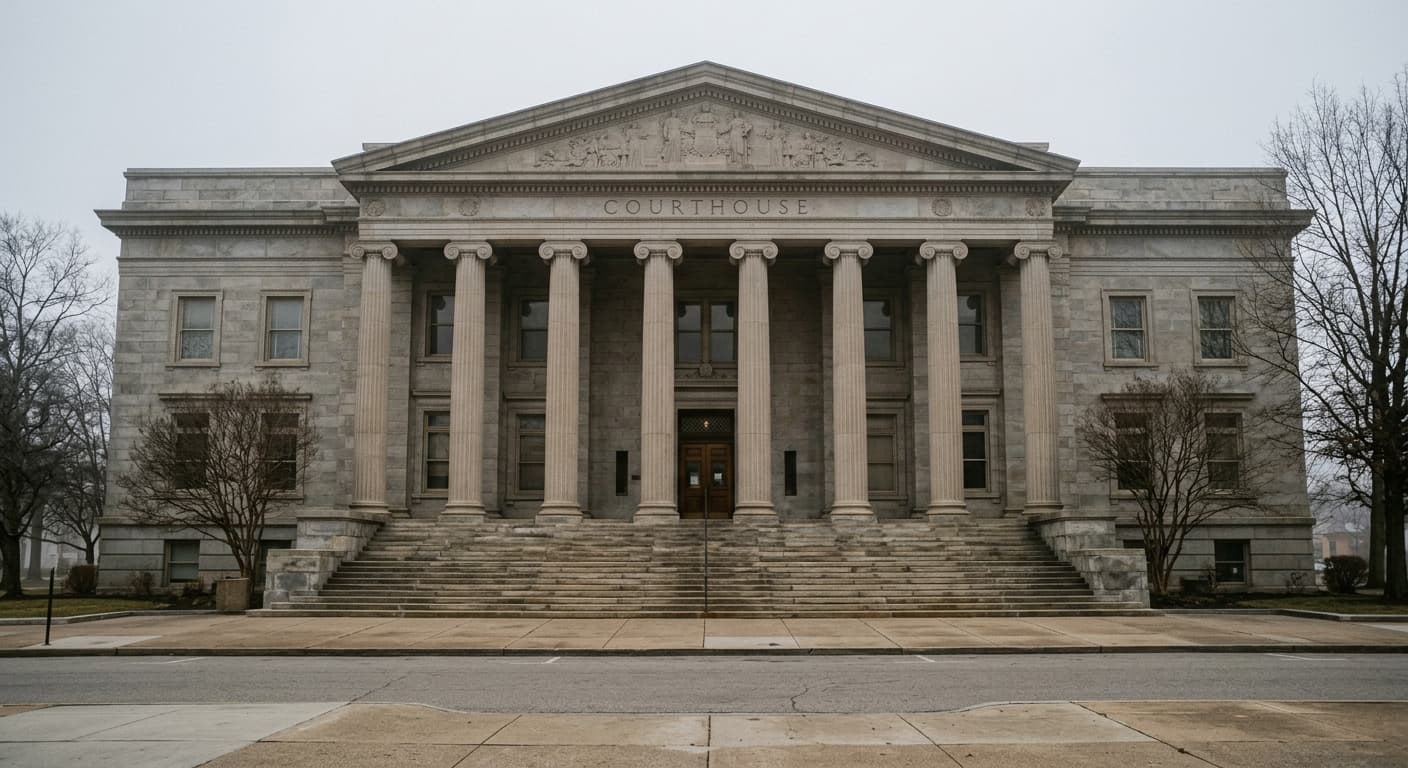
Alabama law sets firm deadlines on civil lawsuits. Personal injury claims must be filed within 2 years under , written contracts within 6 years, and fraud claims within 2 years of discovery. Missing these deadlines permanently bars your case.
Alabama sets strict time limits on when you can file a lawsuit or when prosecutors can bring criminal charges. These deadlines are called statutes of limitations, and they apply to nearly every type of legal claim in the state.
Missing a filing deadline can permanently bar your case. Alabama courts will dismiss claims filed after the statute of limitations has expired, regardless of the strength of the evidence. Understanding these deadlines is the first step toward protecting your legal rights.
Hurt in Alabama? If you are still within the deadline above, you can estimate what your injury claim may be worth with our free Alabama personal injury settlement calculator. It gives an instant range based on your medical costs and Alabama's fault rule (general information, not legal advice).
Alabama Civil Statute of Limitations
Alabama's civil statutes of limitations are found primarily in Alabama Code Title 6, Chapter 2 (Limitation of Actions). Filing deadlines range from 1 year to 20 years depending on the type of claim.

The clock typically starts running on the date of the injury or incident. In some cases, Alabama follows a "discovery rule" that delays the start date until the injured party knew or should have known about the harm.
Personal Injury Claims
Under , most personal injury lawsuits must be filed within 2 years from the date of the injury. This includes car accidents, slip and fall injuries, assault and battery claims, and other actions where someone suffers bodily harm due to another person's negligence or intentional conduct.
If the injury arises from a contractual relationship, the statute of limitations extends to 6 years under .
Complete Civil Statute of Limitations Table
| Claim Type | Time Limit | Code Section |
|---|---|---|
| Personal injury (general) | 2 years | Ala. Code 6-2-38 |
| Personal injury (from contract) | 6 years | |
| Wrongful death | 2 years from date of death | |
| Medical malpractice | 2 years (4-year repose) | |
| Legal malpractice | 2 years | |
| Libel / Slander (defamation) | 2 years | Ala. Code 6-2-38 |
| Fraud | 2 years from discovery | |
| Trespass to property | 6 years | Ala. Code 6-2-34 |
| Property damage (negligence) | 2 years | Ala. Code 6-2-38 |
| Conversion of property | 6 years | Ala. Code 6-2-34 |
| Written contract | 6 years | Ala. Code 6-2-34 |
| Contract under seal | 10 years | |
| Oral contract | 6 years | Ala. Code 6-2-34 |
| Open/unliquidated account | 3 years | |
| Liquidated account / stated debt | 6 years | Ala. Code 6-2-34 |
| Collection of rent | 6 years | Ala. Code 6-2-34 |
| Product liability | 1 year (with 10-year repose) | |
| Workers' compensation | 2 years from injury or last payment | |
| Wage and overtime claims | 2 years | Ala. Code 6-2-38 |
| Judgments | 20 years | Ala. Code 6-2-32 |
| Recovery of land | 10 years | Ala. Code 6-2-33 |
| Government claims (city) | 6 months (notice required) | Ala. Code 11-47-23 |
| Government claims (county) | 12 months (notice required) | Ala. Code 11-12-8 |
Medical Malpractice Deadlines
Alabama imposes specific rules on medical malpractice claims under the Alabama Medical Liability Act (Ala. Code 6-5-480 et seq.).
Statute of limitations: You have 2 years from the date of the alleged malpractice to file a claim.
Discovery rule: If the malpractice was not and could not reasonably have been discovered within 2 years, you have an additional 6 months from the date of discovery to file.
Statute of repose: Regardless of when the malpractice was discovered, no claim may be filed more than 4 years after the date the act or omission occurred. This is an absolute bar with limited exceptions.
Minor exception: If the injured patient was under 4 years old at the time of the malpractice, the filing deadline extends to the child's 8th birthday.
Wrongful Death Claims
Under Ala. Code 6-5-410, wrongful death actions must be filed within 2 years from the date of death (not the date of injury). Only the personal representative of the deceased person's estate may bring the claim.
Alabama wrongful death damages are punitive, not compensatory. This means the purpose is to punish the wrongdoer and deter future misconduct, rather than to compensate the family for financial losses.
Special rules apply to government defendants. If the wrongful death involves a city or town, you must present your claim to the city clerk within 6 months of the death. For claims against a county, you have 12 months to present notice to the county commission.
Product Liability Claims
Alabama allows product liability claims under the Alabama Extended Manufacturer's Liability Doctrine (AEMLD). The standard statute of limitations is 1 year from the date of injury.
Alabama also has a product liability statute of repose under Ala. Code 6-5-502. This generally bars claims brought more than 10 years after the product was first sold, even if the injury occurred later.
For claims involving harmful substance exposure where the harm was not immediately apparent, a limited discovery rule allows 1 year from the date of discovery.
Contract and Debt Claims
Alabama provides generous deadlines for contract-based disputes compared to many other states.
Written contracts (not under seal) carry a 6-year statute of limitations under Ala. Code 6-2-34. This includes most business agreements, leases, and written loan agreements.
Contracts under seal allow 10 years to file under Ala. Code 6-2-33. A contract "under seal" is a formal written agreement bearing a seal or recital that it is sealed.
Oral contracts also have a 6-year limit under Ala. Code 6-2-34. Alabama does not distinguish between oral and written contracts for statute of limitations purposes, though proving the terms of an oral agreement is more difficult.
Open or unliquidated accounts have a shorter 3-year limit under Ala. Code 6-2-37. The clock starts from the date of the last item on the account or from the date the account becomes due under the contract terms.
Liquidated (stated) accounts and other settled debts carry the standard 6-year deadline.
Fraud Claims
Under Ala. Code 6-2-3, fraud claims operate on a discovery rule. The statute of limitations does not begin running until the injured party discovers the fraud. Once discovered, you have 2 years to file your claim.
This is an important exception to the general rule. If someone conceals wrongdoing, the clock does not start ticking until you learn about it.
Alabama Criminal Statute of Limitations
Alabama's criminal statutes of limitations are found in Alabama Code Title 15, Chapter 3 (Limitations on Prosecution). These laws set deadlines for when prosecutors must bring criminal charges.
Offenses With No Time Limit
Under Ala. Code 15-3-5, the following crimes have no statute of limitations in Alabama. Prosecutors can bring charges at any time, regardless of how many years have passed:
- Murder and capital offenses
- Any felony punishable by death or life imprisonment
- Any felony involving arson of any type
- Forgery
- Counterfeiting
- Any sex offense involving a victim under 16 years of age
- Felonies resulting in serious physical injury or death
- Felonies involving the use, attempted use, or threat of violence
- Drug trafficking offenses
Felonies and Misdemeanors
| Offense Type | Time Limit | Code Section |
|---|---|---|
| Felonies (general) | 5 years | Ala. Code 15-3-1 |
| Felonies listed in 15-3-5 | No limit | Ala. Code 15-3-5 |
| Misdemeanors (general) | 12 months | Ala. Code 15-3-2 |
| Violations / infractions | 12 months | Ala. Code 15-3-2 |
The general felony statute of limitations in Alabama is 5 years from the date the offense was committed or discovered. This applies to all felonies not specifically listed in Ala. Code 15-3-5 as having no limitation.
All misdemeanor offenses must be prosecuted within 12 months of the offense unless a different time limit is specified by statute.
When Is Prosecution Considered to Have Begun?
Under Alabama law, prosecution is considered to have begun when any of the following occurs:
- A grand jury returns an indictment
- A warrant is issued for the defendant's arrest
- The defendant is already in custody or released on bond before trial
If an initial indictment fails and a second indictment is obtained, the time between the two indictments counts toward the statute of limitations under Ala. Code 15-3-8.
Tolling and Exceptions
Alabama recognizes several situations where the statute of limitations may be paused ("tolled") or extended.
Minors and Mental Incapacity
Under Ala. Code 6-2-8, if a person entitled to bring a civil claim is under 19 years old (Alabama's age of majority) or is legally insane at the time the cause of action accrues, the statute of limitations is suspended. The person then has 3 years after the disability is removed (turning 19 or regaining competency) to file the claim.
However, no disability may extend the total limitations period beyond 20 years from when the claim first accrued.
Fraudulent Concealment
Under Ala. Code 6-2-3, if a defendant actively conceals wrongdoing, the statute of limitations does not begin running until the injured party discovers the fraud. This applies to any civil cause of action where concealment prevented timely discovery.
Defendant Absence From State
If the person you need to sue leaves Alabama, the time they spend outside the state may not count toward the statute of limitations. This tolling provision prevents defendants from running out the clock by moving away.
Criminal Tolling
In criminal cases, the statute of limitations may be tolled while the defendant is a fugitive from justice or is concealing themselves to avoid prosecution.
Recent Legislative Developments
Alabama lawmakers have considered changes to statutes of limitations in recent legislative sessions.
In the 2026 session, State Rep. Rolanda Hollis introduced bills that would expand the civil statute of limitations for sex abuse cases from the current window (between the victim's 19th and 25th birthdays) to 10 years, subject to voter approval through a constitutional amendment in the 2026 general election. As of March 2026, this legislation is pending.
The 2025 session saw the passage of the Mary Anne Leonard Educators' On-The-Job Injury Act, which for the first time extended workers' compensation coverage to public education employees. This new law may affect the filing deadlines for workplace injury claims by educators.
No other significant changes to Alabama's general civil or criminal statutes of limitations were enacted during the 2025 legislative session.
How to Protect Your Filing Rights
If you believe you may have a legal claim in Alabama, take these steps to avoid missing your deadline:
-
Identify your claim type. Different claims have different deadlines. Personal injury is 2 years, but a contract dispute may give you 6 years.
-
Determine when the clock started. In most cases, the deadline runs from the date of the incident. For fraud and some malpractice claims, it starts from the date of discovery.
-
Check for tolling. If you were a minor or legally incapacitated when the cause of action arose, you may have extra time.
-
File government claims promptly. Claims against Alabama cities require notice within 6 months. County claims require 12 months.
-
Consult an attorney early. An Alabama attorney can confirm the specific deadline for your situation and ensure your claim is filed on time.
State laws are always subject to change. While this guide reflects Alabama law as of early 2026, you should verify the current statutes before relying on any deadline.
More Alabama Laws
Frequently Asked Questions
What is the statute of limitations for personal injury in Alabama?
Alabama gives you 2 years from the date of injury to file a personal injury lawsuit under Ala. Code 6-2-38. If the injury arises from a contractual relationship, the deadline extends to 6 years.
Is there a statute of limitations on murder in Alabama?
No. Under Ala. Code 15-3-5, murder has no statute of limitations in Alabama. Prosecutors can bring charges at any time, no matter how many years have passed since the crime.
How long do I have to file a medical malpractice claim in Alabama?
You have 2 years from the date of the malpractice to file under the Alabama Medical Liability Act. If you could not reasonably have discovered the malpractice within 2 years, you get 6 additional months from the discovery date. However, no claim may be filed more than 4 years after the malpractice occurred (the statute of repose).
What happens if I miss the statute of limitations deadline in Alabama?
If you file a civil lawsuit after the statute of limitations has expired, the defendant can file a motion to dismiss. Alabama courts will grant the dismissal, permanently barring your claim. You lose the right to seek damages through the court system.
Can the statute of limitations be extended for minors in Alabama?
Yes. Under Ala. Code 6-2-8, if you are under 19 years old when the cause of action accrues, the statute of limitations is paused until you turn 19. You then have 3 years (or the normal limitations period, whichever is shorter) to file. The total extension cannot exceed 20 years from when the claim first arose.
Updates
Governing law re-checked for recent changes
Corrected Alabama's AEMLD product-liability filing deadline from 2 years to the statutory 1 year (Ala. Code 6-5-502(a)(1)), and corrected the no-limit criminal exception to cover arson of any type rather than only first-degree arson (Ala. Code 15-3-5(a)(5)).
Governing law re-checked for recent changes
The Law Behind This Article
This article rests on 15 statutory provisions held in our own legal record, each retrieved from the official source. Tap a section to read the operative text.
Code of Alabama 1975, Title 15: Criminal Procedure.
§ 15-3-1Felonies Generally.In forcecited in 2 of our articles
Except as otherwise provided by law, the prosecution of all felonies, except those specified in Section 15-3-3, Section 15-3-5, or any other felony that has a specified limitations period, shall be commenced within five years after the commission of the offense.
Official text (excerpt) · as of 2026-07-29 · Read the full section at alison.legislature.state.al.us
Cited in 6 court opinionsMost recently applied by a court: 2015
Leading cases: Cox v. State (Court of Criminal Appeals of Alabama 1991, 585 So. 2d 182) · Robinson v. State (Court of Criminal Appeals of Alabama 1982, 428 So. 2d 148) · Hulsey v. State (Court of Criminal Appeals of Alabama 2015, 196 So. 3d 342)
Identified automatically from the court opinions citing this section — not a ranking of which case controls.
Also relied on in: Alabama GPS Tracking Laws: Is It Legal to Put a Tracker on a Car? (2026)
§ 15-3-2Misdemeanors.In force
Unless otherwise provided, the prosecution of all misdemeanors before a circuit or district court must be commenced within 12 months after the commission of the offense.
Official text (excerpt) · as of 2026-07-29 · Read the full section at alison.legislature.state.al.us
Cited in 2 court opinionsMost recently applied by a court: 2011
Leading cases: State v. Zimlich (Supreme Court of Alabama 2000, 796 So. 2d 399) · Kruse v. City of Birmingham (Court of Civil Appeals of Alabama 2011, 67 So. 3d 910)
Identified automatically from the court opinions citing this section — not a ranking of which case controls.
§ 15-3-5Offenses Having No Limitation.In force
(a) There is no limitation of time within which a prosecution must be commenced for any of the following offenses: (1) Any capital offense. (2) Any felony involving the use, attempted use, or threat of, violence to a person. (3) Any felony involving serious physical injury or death of a person. (4) Any sex offense pursuant to Section 15-20A-5 involving a victim under 16 years of age, regardless of whether it involves force, serious physical injury, or death. (5) Any felony involving arson of any type. (6) Any felony involving forgery of any type. (7) Any felony involving counterfeiting. (8) Any felony involving drug trafficking. (b) The amendments made by this act shall apply to both of the following: (1) To all crimes committed after January 7, 1985. (2) To all crimes committed before January 7, 1985, for which no statute of limitations provided under pre-existing law has run as of January 7, 1985.
Official text (excerpt) · as of 2026-07-29 · Read the full section at alison.legislature.state.al.us
Cited in 3 court opinionsMost recently applied by a court: 2022
Leading cases: Hall v. State (Court of Criminal Appeals of Alabama 1986, 497 So. 2d 1145) · Derrick Anthony DeBruce v. Commissioner, Alabama Department of Corrections (Court of Appeals for the Eleventh Circuit 2014) · Johnson v. Toney (District Court, N.D. Alabama 2022)
Identified automatically from the court opinions citing this section — not a ranking of which case controls.
Code of Alabama 1975, Title 25: Industrial Relations and Labor.
§ 25-5-80Limitation Period for Claims or Actions for Compensation.In force
In case of a personal injury not involving cumulative physical stress, all claims for compensation under this article shall be forever barred unless within two years after the accident the parties shall have agreed upon the compensation payable under this article or unless within two years after the accident one of the parties shall have filed a verified complaint as provided in Section 25-5-88. In cases involving personal injury due to cumulative physical stress, compensation under this article shall be forever barred unless within two years after the date of the injury one of the parties shall have filed a verified complaint as provided in Section 25-5-88. In cases involving claims for lost earning capacity under Section 25-5-57(a)(3)i., other than those involving cumulative physical stress, following termination of employment as outlined therein, compensation under this article and Article 4 shall be forever barred unless brought within two years of the termination.
Official text (excerpt) · as of 2026-07-29 · Read the full section at alison.legislature.state.al.us
Cited in 16 court opinionsMost recently applied by a court: 2016
Leading cases: Labinal, Inc./Globe Motors v. Alphord (Court of Civil Appeals of Alabama 2000, 767 So. 2d 362) · Fowler v. the City of Huntsville (Court of Civil Appeals of Alabama 1992, 601 So. 2d 1002) · American Cyanamid v. Shepherd (Court of Civil Appeals of Alabama 1995, 668 So. 2d 26)
Identified automatically from the court opinions citing this section — not a ranking of which case controls.
Code of Alabama 1975, Title 6: Civil Practice.
§ 6-2-3Accrual of Claim - Fraud.In force
In actions seeking relief on the ground of fraud where the statute has created a bar, the claim must not be considered as having accrued until the discovery by the aggrieved party of the fact constituting the fraud, after which he must have two years within which to prosecute his action.
Official text (excerpt) · as of 2026-07-29 · Read the full section at alison.legislature.state.al.us
Cited in 147 court opinionsMost recently applied by a court: 2025
Leading cases: Gilmore v. M B Realty Co., L.L.C. (Supreme Court of Alabama 2004, 895 So. 2d 200) · Ex Parte Windom (Supreme Court of Alabama 2000, 763 So. 2d 946) · Rutledge v. Freeman (Court of Civil Appeals of Alabama 2004, 914 So. 2d 364)
Identified automatically from the court opinions citing this section — not a ranking of which case controls.
§ 6-2-32Commencement of Actions - Twenty Years.In force
Within 20 years, actions upon a judgment or decree of any court of this state, of the United States, or of any state or territory of the United States must be commenced.
Official text (excerpt) · as of 2026-07-29 · Read the full section at alison.legislature.state.al.us
Cited in 2 court opinionsMost recently applied by a court: 1993
Leading cases: Backus v. Watson (Supreme Court of Alabama 1993, 619 So. 2d 1342) · Vagenas v. Continental Gin Co. (Court of Appeals for the Eleventh Circuit 1993, 988 F.2d 104)
Identified automatically from the court opinions citing this section — not a ranking of which case controls.
§ 6-2-33Commencement of Actions - Ten Years.In force
The following actions must be commenced within 10 years: (1) Actions founded upon any contract or writing under seal. (2) Actions for the recovery of lands, tenements or hereditaments, or the possession thereof, except as otherwise provided in this article. (3) Motions and other actions brought by or on behalf of the State of Alabama, a county, a municipality, or another political subdivision of the state against sheriffs, coroners, constables, and other public officers for nonfeasance, misfeasance, or malfeasance in office.
Official text (excerpt) · as of 2026-07-29 · Read the full section at alison.legislature.state.al.us
Cited in 18 court opinionsMost recently applied by a court: 2024
Leading cases: Bohanon v. Edwards (Court of Civil Appeals of Alabama 2003, 875 So. 2d 309) · McMillan v. Lee (Supreme Court of Alabama 1994, 655 So. 2d 906) · Blackmon v. Brazil (Supreme Court of Alabama 2004, 895 So. 2d 900)
Identified automatically from the court opinions citing this section — not a ranking of which case controls.
§ 6-2-34Commencement of Actions - Six Years.In forcecited in 3 of our articles
The following must be commenced within six years: (1) Actions for any trespass to person or liberty, such as false imprisonment or assault and battery; (2) Actions for any trespass to real or personal property; (3) Actions for the detention or conversion of personal property; (4) Actions founded on promises in writing not under seal; (5) Actions for the recovery of money upon a loan, upon a stated or liquidated account or for arrears of rent due upon a parol demise; (6) Actions for the use and occupation of land; (7) Motions and other actions against the sureties of any sheriff, coroner, constable, or any public officer and actions against the sureties of executors, administrators, or guardians for any nonfeasance, misfeasance, or malfeasance, whatsoever, of their principal, the time to be computed from the act done or omitted by their principal which fixes the liability of the surety; (8) Motions and other actions against attorneys-at-law for failure to pay over money of their clients or for neglect or omission of duty; and (9) Actions upon any simple contract or speciality not specifically enumerated in this section.
Official text (excerpt) · as of 2026-07-29 · Read the full section at alison.legislature.state.al.us
Cited in 129 court opinionsMost recently applied by a court: 2026
Leading cases: Turner v. Westhampton Court, L.L.C. (Supreme Court of Alabama 2004, 903 So. 2d 82) · ROMAR DEV. v. Gulf View Management Corp. (Supreme Court of Alabama 1994, 644 So. 2d 462) · Alabama Insurance Guaranty Ass'n v. Water Works & Sanitary Sewer Board of the City of Montgomery (Court of Civil Appeals of Alabama 2011, 93 So. 3d 88)
Identified automatically from the court opinions citing this section — not a ranking of which case controls.
Also relied on in: Alabama Car Accident Laws: Fault, Insurance, and Your Claim, Alabama Debt Collection Laws: Wage Garnishment, Statute of Limitations, and Repossession
§ 6-2-37Commencement of Actions - Three Years.In forcecited in 2 of our articles
The following must be commenced within three years: (1) Actions to recover money due by open or unliquidated account, the time to be computed from the date of the last item of the account or from the time when, by contract or usage, the account is due; and (2) Proceedings in any court of this state to disbar any attorney authorized to practice law in this state.
Official text (excerpt) · as of 2026-07-29 · Read the full section at alison.legislature.state.al.us
Cited in 8 court opinionsMost recently applied by a court: 2023
Leading cases: Wal-Mart Stores, Inc. v. Anniston Development Co. (Supreme Court of Alabama 2002, 853 So. 2d 218) · Thomas v. American Express Bank, FSB (Court of Civil Appeals of Alabama 2013, 139 So. 3d 809) · Home Indemnity Co. v. Ball-Co Contractors, Inc. (District Court, S.D. Alabama 1986, 645 F. Supp. 25)
Identified automatically from the court opinions citing this section — not a ranking of which case controls.
§ 6-2-38Commencement of Actions - Two Years.In forcecited in 8 of our articles
(a) An action by a representative to recover damages for wrongful act, omission, or negligence causing the death of the decedent under Sections 6-5-391 and 6-5-410 must be commenced within two years from the death. (b) All actions by common carriers of property subject to Chapter 3 of Title 37 for recovery of their charges, or any part thereof, shall be begun within two years from the time the cause of action accrues and not after. (c) For recovery of charges, action shall be begun against common carriers of property by motor vehicles subject to this article within two years from the time the cause of action accrues and not after, except as provided in subsection (d) of this section; provided, that if claim for the overcharge has been presented in writing to the carrier within the two-year period of limitation, said period shall be extended to include six months from the time notice in writing is given by the carrier to the claimant of disallowance of the claim, or any part or parts thereof, specified in the notice.
Official text (excerpt) · as of 2026-07-29 · Read the full section at alison.legislature.state.al.us
Cited in 372 court opinionsMost recently applied by a court: 2026
Leading cases: Hicks v. Globe Life and Acc. Ins. Co. (Supreme Court of Alabama 1991, 584 So. 2d 458) · Auto-Owners Ins. Co. v. Abston (Supreme Court of Alabama 2001, 822 So. 2d 1187) · Mardis v. Robbins Tire & Rubber Co. (Supreme Court of Alabama 1995, 669 So. 2d 885)
Identified automatically from the court opinions citing this section — not a ranking of which case controls.
Also relied on in: Alabama Dog Bite Laws: Liability and Victim Rights, Alabama Voyeurism Laws: Hidden Cameras, Penalties, and Victim Rights, Alabama Defamation Laws: Libel, Slander & Suing (2026)
§ 6-2-8Suspension of Limitation - Disabilities.In force
(a) If anyone entitled to commence any of the actions enumerated in this chapter, to make an entry on land or enter a defense founded on the title to real property is, at the time the right accrues, below the age of 19 years, or insane, he or she shall have three years, or the period allowed by law for the commencement of an action if it be less than three years, after the termination of the disability to commence an action, make entry, or defend. No disability shall extend the period of limitations so as to allow an action to be commenced, entry made, or defense made after the lapse of 20 years from the time the claim or right accrued. Nothing in this section shall be interpreted as denying any imprisoned person the right to commence an action enumerated in this chapter and to make any proper appearances on his or her behalf in such actions.
Official text (excerpt) · as of 2026-07-29 · Read the full section at alison.legislature.state.al.us
Cited in 34 court opinionsMost recently applied by a court: 2026
Leading cases: Garner v. Hunt (Supreme Court of Alabama 1991, 577 So. 2d 898) · Bohanon v. Edwards (Court of Civil Appeals of Alabama 2007, 970 So. 2d 777) · Abernathy ex rel. Abernathy v. Brookwood Health Services, Inc. (Supreme Court of Alabama 1988, 534 So. 2d 563)
Identified automatically from the court opinions citing this section — not a ranking of which case controls.
§ 6-5-410Wrongful Act, Omission, or Negligence Causing Death.In forcecited in 5 of our articles
(a) A personal representative may commence an action and recover such damages as the jury may assess in a court of competent jurisdiction within the State of Alabama where provided for in subsection (e), and not elsewhere, for the wrongful act, omission, or negligence of any person, persons, or corporation, his or her or their servants or agents, whereby the death of the testator or intestate was caused, provided the testator or intestate could have commenced an action for the wrongful act, omission, or negligence if it had not caused death. (b) The action shall not abate by the death of the defendant, but may be revived against his or her personal representative and may be maintained though there has not been prosecution, conviction, or acquittal of the defendant for the wrongful act, omission, or negligence. (c) The damages recovered are not subject to the payment of the debts or liabilities of the testator or intestate, but must be distributed according to the statute of distributions. (d) The action must be commenced within two years from and after the death of the testator or intestate.
Official text (excerpt) · as of 2026-07-29 · Read the full section at alison.legislature.state.al.us
Cited in 156 court opinionsMost recently applied by a court: 2026
Leading cases: Alabama Power Co. v. Turner (Supreme Court of Alabama 1991, 575 So. 2d 551) · Pace v. Armstrong World Industries, Inc. (Supreme Court of Alabama 1991, 578 So. 2d 281) · King v. National Spa and Pool Institute (Supreme Court of Alabama 1992, 607 So. 2d 1241)
Identified automatically from the court opinions citing this section — not a ranking of which case controls.
Also relied on in: Medical Malpractice Laws in Alabama (2026): Deadlines & Caps, Motorcycle Accident Laws in Alabama (2026): Deadlines & Helmets, Truck Accident Laws in Alabama (2026): Deadlines & Liability
§ 6-5-482Limitation on Time for Commencement of Action.In forcecited in 2 of our articles
(a) All actions against physicians, surgeons, dentists, medical institutions, or other health care providers for liability, error, mistake, or failure to cure, whether based on contract or tort, must be commenced within two years next after the act, or omission, or failure giving rise to the claim, and not afterwards; provided, that if the cause of action is not discovered and could not reasonably have been discovered within such period, then the action may be commenced within six months from the date of such discovery or the date of discovery of facts which would reasonably lead to such discovery, whichever is earlier; provided further, that in no event may the action be commenced more than four years after such act; except, that an error, mistake, act, omission, or failure to cure giving rise to a claim which occurred before September 23, 1975, shall not in any event be barred until the expiration of one year from such date.
Official text (excerpt) · as of 2026-07-29 · Read the full section at alison.legislature.state.al.us
Cited in 44 court opinionsMost recently applied by a court: 2020
Leading cases: Ex Parte Jackson (Supreme Court of Alabama 2000, 780 So. 2d 681) · Jones v. McDonald (Supreme Court of Alabama 1993, 631 So. 2d 869) · Wright v. Mills (Supreme Court of Alabama 1991, 590 So. 2d 177)
Identified automatically from the court opinions citing this section — not a ranking of which case controls.
§ 6-5-502Limitation Periods for Product Liability Actions.In force
(a) All product liability actions against an original seller must be commenced within the following time limits and not otherwise: (1) Except as specifically provided in subsections (b), (c), and (e) of this section, within one year of the time the personal injury, death, or property damage occurs; and (2) Except as specifically provided in subsections (b), (c), and (e) of this section, each element of a product liability action shall be deemed to accrue at the time the personal injury, death, or property damage occurs; (b) Where the personal injury, including personal injury resulting in death, or property damage (i) either is latent or by its nature is not discoverable in the exercise of reasonable diligence at the time of its occurrence, and (ii) is the result of ingestion of or exposure to some toxic or harmful or injury-producing substance, element or particle, including radiation, over a period of time as opposed to resulting from a sudden and fortuitous trauma, then, in that event, the product liability action claiming damages for such personal injury, or property damage must be commenced within one year from the date such personal injury or property damage is or in the…
Official text (excerpt) · as of 2026-07-29 · Read the full section at alison.legislature.state.al.us
Cited in 4 court opinionsMost recently applied by a court: 2007
Leading cases: Daniel v. Heil Company, Inc. (Supreme Court of Alabama 1982, 418 So. 2d 96) · Johnson v. Southern Energy Homes, Inc. (District Court, S.D. Alabama 2005, 391 F. Supp. 2d 1118) · In Re Vioxx Products Liability Litigation (District Court, E.D. Louisiana 2007, 478 F. Supp. 2d 897)
Identified automatically from the court opinions citing this section — not a ranking of which case controls.
§ 6-5-574Limitation on Time for Commencement of Legal Service Liability Action.In force
(a) All legal service liability actions against a legal service provider must be commenced within two years after the act or omission or failure giving rise to the claim, and not afterwards; provided, that if the cause of action is not discovered and could not reasonably have been discovered within such period, then the action may be commenced within six months from the date of such discovery or the date of discovery of facts which would reasonably lead to such discovery, whichever is earlier; provided, further, that in no event may the action be commenced more than four years after such act or omission or failure; except, that an act or omission or failure giving rise to a claim which occurred before August 1, 1987, shall not in any event be barred until the expiration of one year from such date.
Official text (excerpt) · as of 2026-07-29 · Read the full section at alison.legislature.state.al.us
Cited in 26 court opinionsMost recently applied by a court: 2026
Leading cases: Ex Parte Panell (Supreme Court of Alabama 1999, 756 So. 2d 862) · Ladner v. Inge (Supreme Court of Alabama 1992, 603 So. 2d 1012) · Michael v. Beasley (Supreme Court of Alabama 1991, 583 So. 2d 245)
Identified automatically from the court opinions citing this section — not a ranking of which case controls.
Explore the law
This article also draws on these acts and chapters (opening at their first section): Code of Alabama 1975, Title 6: Civil Practice. § 6-2-1 (Applicability of Chapter - Generally.)
Related law for further reading — not part of this article’s citations.
Search our full record of US law — 2.1 million sections, every state + federal →
Sources and References
- Alabama Code Title 6, Chapter 2 - Limitation of Actions(law.justia.com)
- Alabama Code Section 6-2-38 - Two-Year Limitation(law.justia.com)
- Alabama Code Section 6-2-34 - Six-Year Limitation(law.justia.com)
- Alabama Code Section 6-2-33 - Ten-Year Limitation(law.justia.com)
- Alabama Code Section 6-2-32 - Twenty-Year Limitation (Judgments)(law.justia.com)
- Alabama Code Section 6-2-37 - Three-Year Limitation (Open Accounts)(law.justia.com)
- Alabama Code Section 6-5-482 - Medical Malpractice Limitation(law.justia.com)
- Alabama Code Section 6-5-410 - Wrongful Death(law.justia.com)
- Alabama Code Section 6-2-8 - Suspension of Limitation for Disabilities(law.justia.com)
- Alabama Code Section 6-2-3 - Accrual of Claim (Fraud)(law.justia.com)
- Alabama Code Title 15, Chapter 3 - Limitations on Prosecution(law.justia.com)
- Alabama Code Section 15-3-1 - Felonies Generally (Five Years)(law.justia.com)
- Alabama Code Section 15-3-2 - Misdemeanors (Twelve Months)(law.justia.com)
- Alabama Code Section 15-3-5 - Offenses Having No Limitation(law.justia.com)
- Official Code of Alabama (Alabama Legislature)(alison.legislature.state.al.us).gov
- Alabama Code Section 6-5-502 - Product Liability Limitation(law.justia.com)