
Canada
How to File a Small Claim in Canada: Step by Step
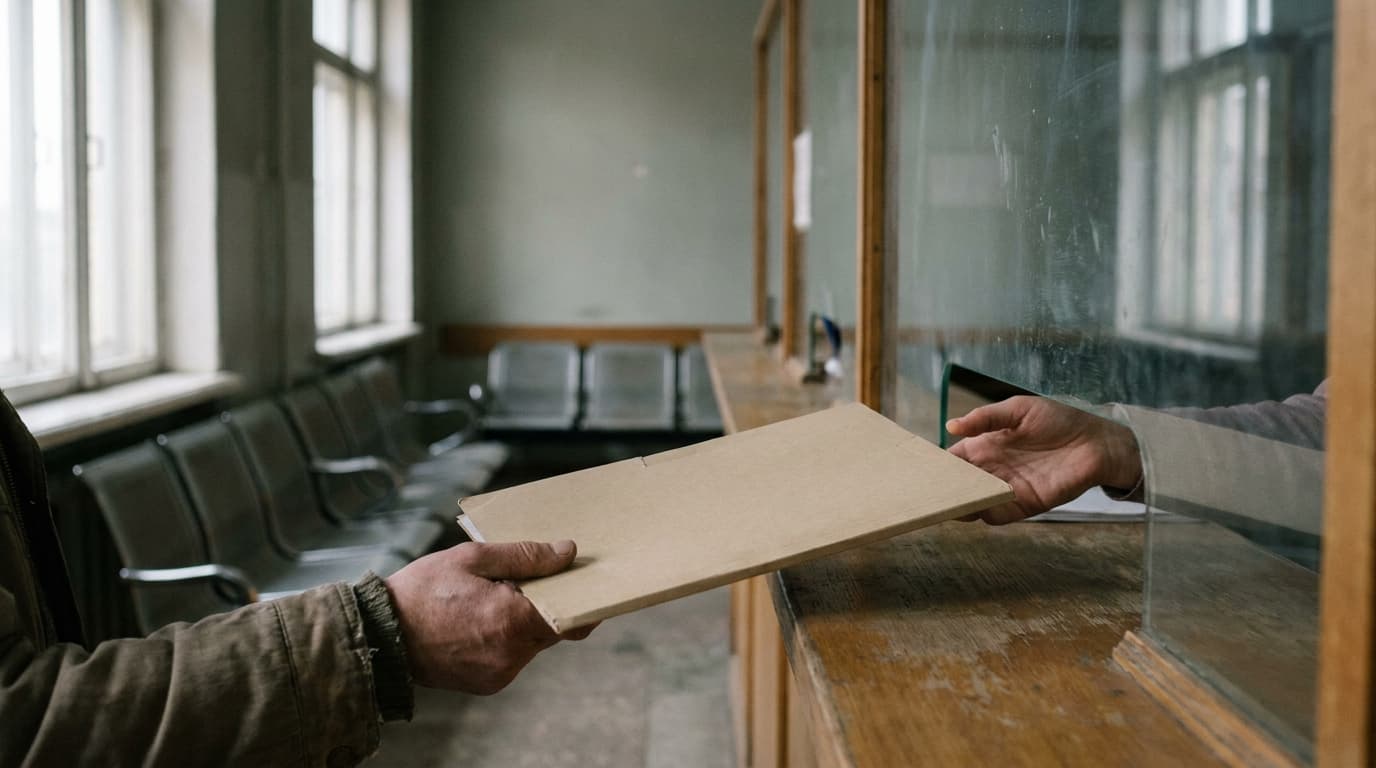
Small claims court exists in every Canadian province and territory to resolve money disputes without the cost of a full civil trial. The exact forms, fees and court names differ by province, but the general sequence, from confirming your deadline to collecting on a judgment, is broadly the same everywhere in Canada.
Small Claims Is Provincial, So Confirm the Details for Your Province First
Small claims court is not a single, federal system. Each province and territory runs its own court, or in British Columbia's case, a hybrid of the Civil Resolution Tribunal and the Provincial Court, each with its own money limit, forms, fees and rules. For the current limit and court name where you live, see Canada small claims.
Despite those differences, the underlying sequence below holds almost everywhere in Canada, because it reflects the basic structure of a civil claim rather than any one province's local rules. Where a step works differently, particularly in Quebec, that is flagged directly.
Step 1: Confirm Your Claim Fits the Money Limit and the Deadline to Sue
Before doing anything else, confirm two things: that your claim falls within your province's small claims money limit, and that you are still within the limitation period (the legal deadline to sue).
Money limits vary widely. Ontario's Small Claims Court hears claims up to $50,000 as of October 1, 2025. Quebec's Small Claims Division caps claims at $15,000. In British Columbia, claims up to $5,000 generally start at the Civil Resolution Tribunal, an online tribunal, while claims up to $35,000 go to the Provincial Court's Small Claims division. Alberta's Court of Justice hears civil claims up to $100,000. If your claim exceeds your province's limit, you can usually still sue for the maximum and give up the rest, or file in a higher court instead.
Limitation periods also vary. Many provinces, including Ontario, Alberta, British Columbia and Manitoba, use a basic 2 year period that generally starts running from the day you discovered the loss and who caused it, not necessarily the day the underlying event happened. Quebec and some other jurisdictions use different periods and different rules. See the statute of limitations in Canada for a province by province comparison before you assume you still have time.
Step 2: Try to Resolve It First, and Send a Written Demand
Courts generally expect that you tried to resolve a dispute before suing, and a written demand creates a paper trail that helps your case later. Set out what is owed, why, and a reasonable deadline to respond, typically 10 days, sent by a method that gives you proof of delivery such as registered mail.
In Quebec, this step is not just good practice. A formal notice called a mise en demeure is required before filing in some types of proceedings, and a claimant can lose a case simply for failing to send one where it was required. If you are unsure whether your claim needs one, sending it anyway is the safer course, and you should keep a copy along with proof it was delivered.
Step 3: Identify the Correct Defendant
A judgment against the wrong legal name is difficult or impossible to enforce, so getting the defendant's identity right matters more than it might seem. Use full legal names, not nicknames, initials or titles.
For an incorporated business, confirm the exact registered corporate name through your province's business or corporate registry before filing, since suing an informal trade name instead of the registered corporation can leave you unable to collect. For an unincorporated business such as a sole proprietorship, you can generally name the individual owner along with a "carrying on business as" notation for the trade name. Get the correct mailing address for service as part of this step, since you will need it soon.
Step 4: File the Claim Form and Pay the Filing Fee
Once you know your limit, your deadline and your defendant, file the claim form for your province's court, along with the filing fee. Ontario uses a Plaintiff's Claim (Form 7A), filed online or in person, with fees that vary depending on how often you file. Quebec uses an online form for the Small Claims Division. Alberta uses a Civil Claim form with an attachment specific to your type of dispute, filed with the original plus a copy for yourself and one for each defendant.
The form will ask for a clear explanation of what happened, with dates, and an itemized breakdown of the amount claimed, along with any supporting documents. Keep receipts, contracts, photos, messages and your demand letter organized from this point forward, since you will rely on the same documents at every later stage.
Step 5: Serve the Defendant
Filing a claim only starts the file; it does not notify the other side. You must serve, meaning formally deliver, a copy of the filed claim on the defendant, usually by personal delivery or another method your province's rules accept, such as registered mail or a process server.
Deadlines to serve differ by province. Ontario requires service within six months of the date the claim was issued. Alberta requires service within one year of filing. After serving, you generally must file proof, such as an affidavit of service, confirming when and how the defendant was served. Getting service wrong, using an unaccepted method or missing the deadline, can delay or derail an otherwise valid claim.
Step 6: The Defendant Files a Defence, or Doesn't
Once served, the defendant has a set number of days to respond, commonly around 20 days depending on the province, by filing a defence (sometimes called a dispute note). A defence can admit part of the claim, dispute it entirely, or raise a counterclaim.
If the defendant does not respond by the deadline, you can generally ask the court for a default judgment without a hearing. If a defence is filed, the matter moves into the next stage, typically a settlement conference or an equivalent mediation step.
Step 7: Settlement Conference or Mediation
Most provinces schedule a settlement conference, or offer mediation, before a contested small claim reaches trial. A court official or mediator helps both sides discuss the dispute and explore whether it can be resolved without a full hearing. Quebec's Small Claims Division similarly offers free mediation hours before a case proceeds to a hearing.
Many disputes settle at this stage, since both sides can see the other's evidence and get a realistic sense of how the claim might play out at trial. If no agreement is reached, the court will set a trial or hearing date.
Step 8: The Hearing or Trial
If the case does not settle, it proceeds to a hearing where each side presents evidence and, usually, witnesses, and a judge decides the outcome. Small claims procedure is designed to be simpler than a full civil trial, and self-representation is the norm rather than the exception across Canada.
Quebec is the one clear exception on lawyers. At a Small Claims Division hearing in Quebec, parties generally cannot be represented by a lawyer, and must present their own case, except in the narrow circumstance where a judge authorizes representation because the case raises a complex point of law. Elsewhere in Canada, a lawyer or paralegal (in Ontario, a licensed paralegal) can generally represent you, though many people still choose to self-represent given the process is built for it.
Step 9: Enforce the Judgment if You Win
Winning a judgment is not the same as getting paid. Courts do not collect money on your behalf; enforcement is generally left to the person who won the case. If a defendant does not pay voluntarily, common enforcement tools include examining the debtor under oath about their income and assets, garnishing wages or a bank account, and filing a writ of seizure and sale against real property or personal property.
Before you sue, it is worth thinking about whether the defendant is realistically able to pay a judgment, since a judgment against someone with no income or assets can be difficult to collect regardless of how strong your case was. For a closer look at how proper service works and what enforcement actually involves once you have a judgment, see serving and collecting a judgment.
Disclaimer
This article provides general legal information about the small claims process across Canada and is not legal advice. Money limits, limitation periods, forms and service rules vary by province and territory and change over time, so confirm the current rules with your provincial court before filing. For advice on your specific situation, consult a lawyer licensed in the relevant province.
Frequently Asked Questions
Do I need a lawyer to file a small claim in Canada?
Generally, no. Small claims procedure across Canada is designed for people to represent themselves, and most provinces allow it. Quebec goes further and generally does not allow lawyers to represent parties at the hearing itself, except by special leave of the court in complex cases.
How much can I sue for in small claims court in Canada?
It depends on the province. Limits range from around $15,000 in Quebec up to $100,000 in Alberta, with other provinces falling in between, so confirm the current limit for your province before filing. If your claim exceeds the limit, you can usually claim the maximum and abandon the rest, or file in a higher court.
Do I have to send a demand letter before I sue?
It is strongly recommended everywhere and required in some Quebec proceedings through a formal notice called a mise en demeure. A written demand shows the court you tried to resolve the dispute first, and can sometimes resolve the matter without a court filing at all.
What happens if the defendant does not respond to my claim?
If the defendant does not file a defence within the deadline set by your province, usually around 20 days after being served, you can generally ask the court for a default judgment without needing a full hearing.
How do I collect money if the defendant does not pay after I win?
You generally have to enforce the judgment yourself using tools such as examining the debtor about their assets, garnishing wages or a bank account, or seizing property, since courts do not automatically collect the money for you.
Is the small claims process different in Quebec?
Yes, in two notable ways. Quebec often requires a formal written demand before filing in certain proceedings, and lawyers generally cannot represent parties at a Small Claims Division hearing, so most claimants argue their own case in front of the judge.
Sources and References
- Ontario.ca, "Suing someone in Small Claims Court" (money limit $50,000 effective October 1, 2025; 5-step filing/serving/trial process; enforcement tools)(ontario.ca).gov
- Ontario Superior Court of Justice, "Starting and responding to a case - Small Claims Court" (filing, 6-month service deadline, Affidavit of Service, 20-day defence deadline)(ontariocourts.ca).gov
- Ontario.ca, Guide to Procedures in Small Claims Court, "Making a claim" (identifying the correct legal name of a defendant, business registry searches)(ontario.ca).gov
- Quebec.ca, "Filing a claim" (Small Claims Division money limit $15,000; online claim form SJ-870E)(quebec.ca).gov
- Quebec.ca, "Formal notice" (mise en demeure requirement before filing certain Small Claims proceedings, required contents, consequences of omission)(quebec.ca).gov
- Quebec.ca, "Representation (mandate)" (lawyers generally barred from representing parties at the Small Claims Division hearing, narrow exception for complex points of law)(quebec.ca).gov
- Province of British Columbia, "Small claims court - procedures and fees" (Civil Resolution Tribunal for claims up to $5,000; Provincial Court Small Claims for claims up to $35,000)(gov.bc.ca).gov
- Alberta Courts, "Filing a Civil Claim" (Alberta Court of Justice $100,000 monetary limit; naming defendants; 1-year service deadline)(albertacourts.ca).gov
- Limitations Act, 2002, SO 2002, c 24, Sched B (Ontario 2-year basic discovery-based limitation period, illustrating the common-law model several provinces share)(canlii.org).gov