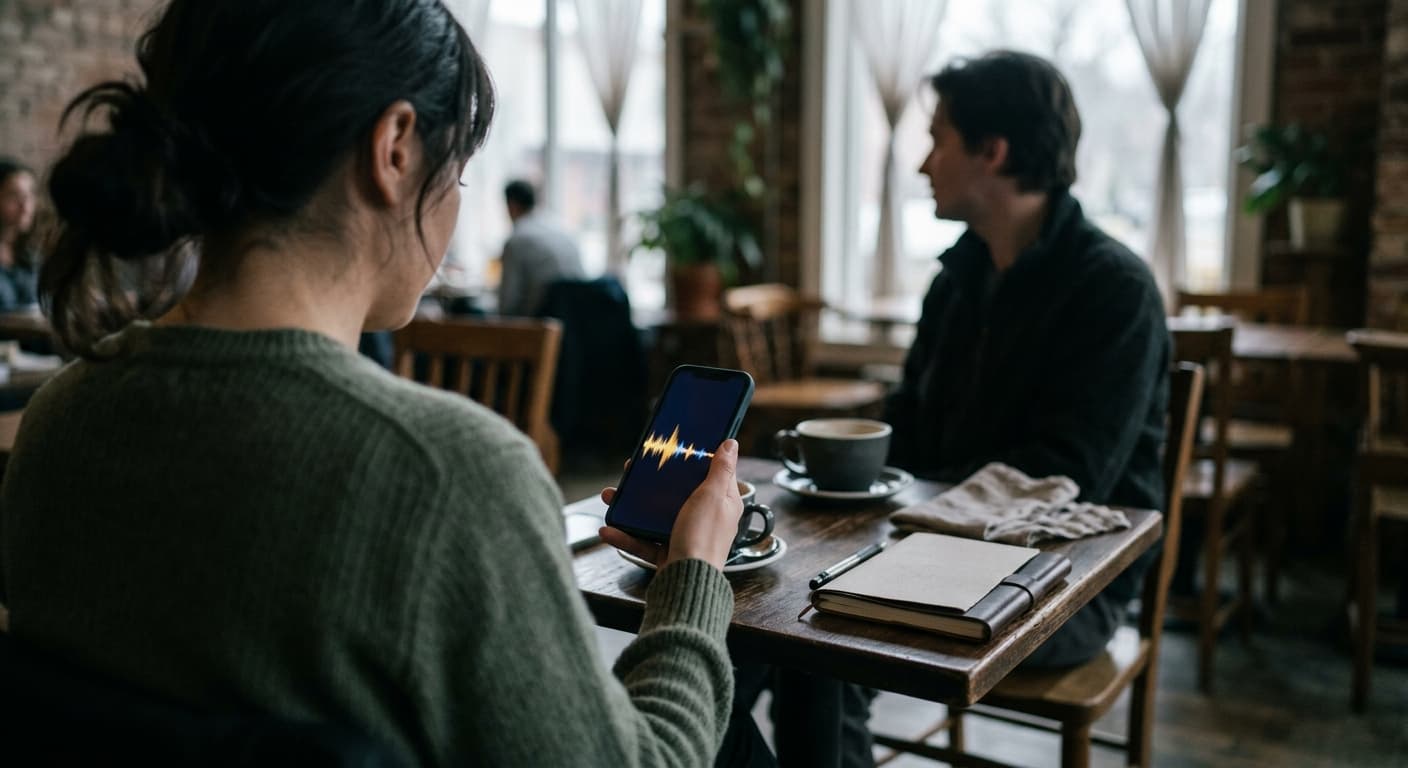
Mississippi Recording Laws (2026): One-Party Consent Rules
Mississippi is a one-party consent state under Miss. Code Ann. section 41-29-531(e). Learn the consent rules, criminal penalties, civil damages, and hidden-camera law.
Loading...
Browse our full library of legal guides, state law breakdowns, and practical legal information.
11260 articles
Browse by Category →
Mississippi is a one-party consent state under Miss. Code Ann. section 41-29-531(e). Learn the consent rules, criminal penalties, civil damages, and hidden-camera law.

Nevada is a hybrid consent state: one-party for in-person conversations (NRS 200.650), all-party for phone calls (NRS 200.620 per Lane v. Allstate). Violations are a Category D felony.

Arizona is a one-party consent state under ARS § 13-3005. Learn the consent rules, criminal penalties, hidden camera law, and police recording rights.

Connecticut uses a hybrid framework: one-party consent for in-person recordings under § 53a-187; all-party consent required for phone calls under § 52-570d. Violations are a Class D felony.

Delaware has two conflicting recording laws: § 2402 allows one-party consent while § 1335 requires all-party consent. Learn the penalties, civil remedies, and safe-harbor rule.

Massachusetts bans secret recording under ch. 272 Section 99. All parties must know recording is happening. Felony up to 5 years. Civil damages from $100/day.

Wisconsin is a one-party consent state under Wis. Stat. § 968.31. Recording without any party's consent is a Class H felony. Learn the rules, penalties, and exceptions.

Oklahoma's lemon law covers new vehicles with 4+ failed repairs or 30+ business days out of service. Learn who chooses refund vs replacement and how to file.

Alaska is a one-party consent state under AS 42.20.310. Recording by a non-participant is a Class A misdemeanor. Learn penalties, police recording rights, and SB 85 status.

Two Boulder residents sued the city in May 2026, alleging its 31 Flock license-plate cameras track drivers without a warrant under the Colorado Constitution.

The Supreme Court ruled 8-1 on June 4, 2026 that the FCC can fine carriers for mishandling customer location data without a jury, reinstating nearly $200M in penalties.

Delaware Gov. Matt Meyer said on June 1, 2026 the first automated Clean Slate batch cleared over 64,000 eligible low-level cases from public background checks.