
Alaska
Motorcycle Accident Laws in Alaska (2026): Deadlines & Helmets
Independently fact-checked against primary sources (last audited August 17, 2026). · Reviewed by the RecordingLaw editorial team. · Law checked current as of August 17, 2026. · 6 primary sources cited on this page. How we verify our legal content

A motorcycle crash in Alaska is handled as a personal injury case, but riders face questions a car driver does not: who has to wear a helmet, whether going without one (where legal) can cut a damages award, and whether lane splitting is allowed. Above those sit the two rules that decide every injury case, the deadline to sue and how shared fault affects recovery.
This page explains both the general tort rules and the motorcycle-specific variables in Alaska. It is general legal information and attorney advertising, not legal advice, and deadlines and outcomes turn on the specific facts, so confirm how the law applies to your situation with a licensed Alaska attorney.
Statute of Limitations in Alaska
Under AS 09.10.070, an action for personal injury must be brought within two years. For a motorcycle crash, the clock generally starts on the date of the collision, though a discovery rule can apply where an injury could not reasonably have been found right away. Filing late almost always ends the case, so confirming the deadline early is essential.
Limited exceptions exist. A minor's deadline is generally tolled until the disability of minority ends, and legal incapacity can pause the clock. Claims against a municipality or the state carry their own notice and filing rules. Because these are fact-specific, confirm your exact deadline with a licensed attorney.
Wrongful Death in Alaska
When a motorcycle crash causes death, the claim proceeds under Alaska's wrongful death statute, AS 09.55.580. It is brought by the personal representative of the deceased and must be commenced within two years after the death. The recovery is for the benefit of the statutory beneficiaries, and the measure of damages depends on whether the deceased left a surviving spouse, children, or other dependents.
Negligence Rule: Pure Comparative Negligence
Alaska uses pure comparative negligence, codified at AS 09.17.060. Each party is assigned a percentage of fault, and the injured rider's recovery is reduced by that percentage. Because the rule is pure, a rider can recover even if found mostly at fault; there is no 50% or 51% cutoff that bars recovery. The Alaska Supreme Court first adopted pure comparative negligence in Kaatz v. State, 540 P.2d 1037 (Alaska 1975), replacing the older all-or-nothing contributory rule, and the legislature later codified the approach.
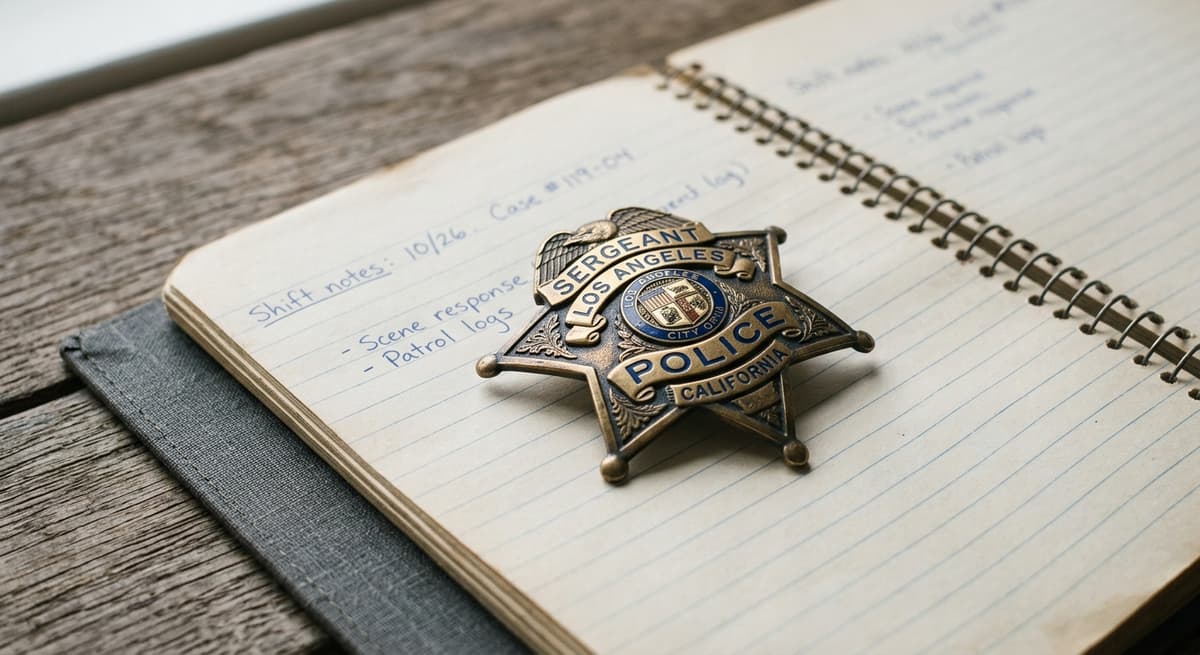
For riders, comparative fault means the defense will try to assign as much blame as possible to the rider's own conduct, such as speed or lane position, to shrink the recovery. There is also a documented bias against motorcyclists among some jurors and adjusters, which is one more reason to document that the rider was operating lawfully.
No-Fault and PIP
Alaska is not a no-fault state. It uses a traditional at-fault (tort) system and does not require personal injury protection (PIP). The driver who caused the crash, and that driver's insurer, is responsible for the harm, and there is no threshold a rider must clear before suing. A seriously injured rider pursues the at-fault driver directly and may also rely on their own uninsured or underinsured-motorist coverage if the at-fault driver lacks adequate insurance.
Helmet Law: Partial
Alaska has a partial helmet law. Under AS 28.35.245(b), a person 18 or older who holds a license or endorsement to operate a motorcycle is not required to wear a helmet. That statute does not itself impose an affirmative helmet mandate. It is written as an exemption, and the exemption reaches only a licensed operator who is 18 or older, so it does not cover riders under 18, passengers, or anyone operating on an instruction or temporary permit. State highway-safety compilations list Alaska as requiring helmets for exactly those riders. Note that the old motorcycle helmet, goggles and face-shield provisions of Alaska's vehicle-equipment regulations (13 AAC 04.280, .285, .295 and .300) were repealed in 1979, so they are not a current source for the requirement. The practical takeaway is that many adult riders may lawfully ride without a helmet, while younger riders, passengers, and permit holders should not assume the exemption covers them; confirm the current requirement with the Alaska DMV or a licensed attorney.
Helmet Non-Use as Evidence
Where a helmet was legally required and the rider did not wear one, that can factor into the fault analysis. Where a helmet was not required (an adult licensed operator), the picture is different but not risk-free: under Alaska's comparative-fault system, a defendant may still argue that the choice to ride without a helmet increased the severity of a head injury, which can reduce damages rather than bar them. As always, the argument turns on causation. A helmet protects the head; it does not affect road rash, orthopedic, or internal injuries, which are the main damages in many cases.
Lane Splitting and Lane Filtering
Lane splitting is not legal in Alaska. Under 13 AAC 02.427(a), a motorcycle is entitled to the full use of a traffic lane, and 13 AAC 02.427(b) expressly provides that a motorcycle driver may not overtake and pass another vehicle in the same lane and may not drive between adjacent lanes or lines of traffic, or between adjacent lines or rows of vehicles. That prohibition covers lane filtering between stopped or slowed cars as well. Riding between lanes at the time of a crash can be used by the defense on the question of fault, which under pure comparative negligence can reduce a rider's recovery.
Damage Caps and State Insurance
Alaska does not cap compensatory economic damages such as medical bills and lost earnings. It does cap noneconomic damages (pain and suffering) by statute. Under AS 09.17.010(b), noneconomic damages for all claims arising out of a single injury or death may not exceed $400,000 or the injured person's life expectancy in years multiplied by $8,000, whichever is greater. A higher limit of $1,000,000, or life expectancy in years multiplied by $25,000, whichever is greater, applies under AS 09.17.010(c) only in an action for personal injury, and only where the damages are awarded for severe permanent physical impairment or severe disfigurement. That higher tier does not reach noneconomic damages in a wrongful-death action, which stay under the AS 09.17.010(b) limit. Punitive damages are separately limited by AS 09.17.020. These caps are technical, so confirm how they apply to a specific case with a licensed attorney.
For coverage context, Alaska's minimum auto-liability requirement is 50/100/25: $50,000 per person and $100,000 per accident for bodily injury, and $25,000 for property damage. The same minimums apply to motorcycles. Because serious motorcycle injuries can far exceed a minimum policy, a rider's own underinsured-motorist coverage is often important.
Why a Motorcycle Case Is Different
A motorcycle crash is rarely minor. With far less protection than a car, riders suffer more severe injuries, which means higher medical costs and a more aggressive insurance defense. Motorcycle cases also carry rider-specific questions, the partial helmet law and any helmet-causation argument, the lane-splitting prohibition, and how pure comparative fault is allocated. Add the documented bias against riders, and careful proof of the rider's lawful conduct becomes central to the case.

Preserving Evidence and How to Evaluate Your Options
If you or a family member was hurt in a motorcycle crash, get medical care and keep the records, obtain the police crash report, photograph the scene, the bike, and your gear, and note the other driver's information and any witnesses. Then speak promptly with a licensed Alaska attorney, both because of the two-year deadline and because early evidence shapes the comparative-fault analysis.
Most motorcycle accident attorneys offer a free consultation and work on a contingency basis, meaning no upfront fee and payment only out of any recovery. No attorney can promise an outcome or a dollar amount, and only a licensed Alaska attorney can assess whether your specific facts support a claim within the deadline. None of this is legal advice, and reading it does not create an attorney-client relationship.
Frequently Asked Questions
What is the deadline to sue after a motorcycle accident in Alaska?
Generally two years from the date of the crash for an injury claim under AS 09.10.070, and two years from the date of death for a wrongful-death claim under AS 09.55.580. A discovery rule and other exceptions can change the date, and claims against a government entity have separate notice rules, so confirm your exact deadline with a licensed Alaska attorney.
Is failing to wear a helmet going to hurt my case in Alaska?
It can. AS 28.35.245(b) sets only an exemption, and it covers a licensed operator 18 or older, so it does not reach riders under 18, passengers, or permit holders; state highway-safety compilations list Alaska as requiring helmets for those riders. Even where a helmet was not required, a defendant may argue under comparative fault that going without one worsened a head injury, which can reduce damages. The argument turns on causation, since a helmet does not affect road rash or orthopedic injuries.
Is lane splitting legal in Alaska?
No. 13 AAC 02.427(a) gives motorcycles full use of a lane, and 13 AAC 02.427(b) expressly prohibits driving between adjacent lanes or lines of traffic, or between adjacent lines or rows of vehicles, which covers lane filtering between stopped cars. Riding between lanes at the time of a crash can be used against a rider on the question of fault, which can reduce recovery under pure comparative negligence.
How does Alaska's comparative negligence rule affect a motorcycle case?
Alaska uses pure comparative negligence (AS 09.17.060). Your recovery is reduced by your percentage of fault, but you can still recover even if you were mostly at fault, because there is no percentage bar. The defense will try to assign as much fault as possible to the rider to shrink the award.
Is Alaska a no-fault state for motorcycle accidents?
No. Alaska is an at-fault (tort) state and does not require PIP, so you pursue the at-fault driver and that driver's insurer directly. The state minimum liability coverage is 50/100/25, and your own underinsured-motorist coverage may matter for a serious injury.
How much is a motorcycle accident case worth?
There is no fixed value. Compensation depends on the injuries, the evidence, the comparative-fault analysis, and the available insurance. Alaska does not cap economic damages but does cap noneconomic damages by statute, and no attorney can promise an outcome or a dollar amount.
Injured in Alaska? Get a free case review from a personal-injury attorney
If someone else's negligence caused your injury, you may be owed compensation for medical bills, lost wages, and pain and suffering. Get a free, no-obligation review from a Alaska personal-injury attorney. Most work on contingency, so there is no upfront cost.
Updates
Corrected the noneconomic damages cap explanation to show that Alaska's higher $1,000,000 tier applies only to personal-injury claims for severe permanent physical impairment or disfigurement and not to wrongful death, removed a helmet and eye-protection requirement that had been attributed to motor-vehicle-equipment regulations repealed in 1979, and cited the express lane-splitting prohibition in 13 AAC 02.427.
Independently fact-checked against the cited primary sources; governing law re-checked for recent changes
Corrected the citation for Alaska's affirmative motorcycle-helmet requirement. AS 28.35.245 itself contains only an equipment-manufacture standard and the exemption for licensed operators 18 and older (confirmed via the statute text); the affirmative requirement that under-18 operators, all passengers, and permit holders wear a helmet is set by Alaska's separate motor-vehicle-equipment regulations, not by that statute's own text (consistent with the official Alaska DMV's motorcycle-license page, which lists the same requirement without citing AS 28.35.245).
Governing law re-checked for recent changes
Reviewed and approved by an editor
The Law Behind This Article
This article rests on the statutory provisions below, held in our own legal record and retrieved from the official source. Tap a section to read the operative text.
Alaska Statutes, Title 9. Code of Civil Procedure, Chapter 17. Civil Damages and Apportionment of Fault
§ 09.17.060Effect of contributory faultIn forcecited in 8 of our articles
In an action based on fault seeking to recover damages for injury or death to a person or harm to property, contributory fault chargeable to the claimant diminishes proportionately the amount awarded as compensatory damages for the injury attributable to the claimant's contributory fault, but does not bar recovery.
Official text (excerpt) · last checked 2026-09-08 · Read the full text in our law library · Verify at akleg.gov
Cited in 20 court opinions in our collectionLatest citing opinion in our collection: 2025
In the courts (editorial summary, independently checked):Sowinski v. Walker (2008) described AS 09.17.060 as stating that a claimant cannot recover the portion of damages attributable to the claimant's own fault. Smith v. Ingersoll-Rand Co. (2000) held the 1986 act that enacted this rule broadened comparative fault in strict products liability to include a plaintiff's ordinary negligence.
Opinions citing this section in our collection:
- Sowinski v. Walker (Alaska Supreme Court 2008, 198 P.3d 1134)✓Two minors who drank liquor bought at DelRois Liquor Store died when their ATV struck a cable. The court described AS 09.17.060 as Alaska's codified comparative negligence rule and, with the pure several liability of AS 09.17.080, held the store owed only its 35 percent share.
- Loeb v. Rasmussen (Alaska Supreme Court 1991, 822 P.2d 914)✓A liquor store sold alcohol to a 17-year-old without checking her age, and she was hurt driving drunk. The court read AS 09.17.060 as leaving intact the rule barring the licensee from charging the minor's fault, but Sowinski (2008) called that passage dicta and superseded it.
- Smith v. Ingersoll-Rand Co. (Alaska Supreme Court 2000, 14 P.3d 990)“…s). 28 . Id. 29 . AS 09.17.060. 30 . AS 09.17.900…”
Identified automatically from the court opinions citing this section — not a ranking of which case controls.
Also relied on in: Alaska Dog Bite Laws: Liability and Victim Rights, Alaska Hit and Run Laws: Penalties and What to Do, Medical Malpractice Laws in Alaska (2026): Deadlines & Caps
Alaska Statutes, Title 9. Code of Civil Procedure, Chapter 10. Limitations of Actions
§ 09.10.070Actions for torts, for injury to personal property, for certain statutory liabilities, and against peace officers and coroners to be brought in two yearsIn forcecited in 10 of our articles
(a) Except as otherwise provided by law, a person may not bring an action (1) for libel, slander, assault, battery, seduction, or false imprisonment, (2) for personal injury or death, or injury to the rights of another not arising on contract and not specifically provided otherwise; (3) for taking, detaining, or injuring personal property, including an action for its specific recovery; (4) upon a statute for a forfeiture or penalty to the state; or (5) upon a liability created by statute, other than a penalty or forfeiture; unless the action is commenced within two years of the accrual of the cause of action. (b) A person may not bring an action against a peace officer or coroner upon a liability incurred by the doing of an act in an official capacity or by the omission of an official duty, including the nonpayment of money collected upon an execution, unless brought within two years. This subsection does not apply to an action for an escape.
Official text (excerpt) · last checked 2026-07-31 · Read the full text in our law library · Verify at akleg.gov
Cited in 228 court opinions in our collectionLatest citing opinion in our collection: 2026
In the courts (editorial summary, independently checked):Alaska courts apply the two-year limit of AS 09.10.070(a) to personal injury and other tort claims. Cikan v. ARCO Alaska, Inc. (2005) held mental incompetency under AS 09.10.140(a) can toll it, with the competency dispute resolved at a pretrial hearing. Robinson v. Alaska Hous. Fin. Corp. (2019) applied it to dismiss untimely tort claims.
Opinions citing this section in our collection:
- Adkins v. Nabors Alaska Drilling, Inc. (Alaska Supreme Court 1980, 609 P.2d 15)✓A worker who suffered a head injury tripping over a hose at a drilling site added a new defendant eight months after AS 09.10.070's two-year period ran. The court held his evidence of concussion and amnesia raised a fact issue on tolling, so summary judgment was improper.
- Evans Ex Rel. Kutch v. State (Alaska Supreme Court 2002, 56 P.3d 1046)✓Injured plaintiffs facially challenged Alaska's 1997 tort reform, including how AS 09.10.070's two-year limit works with the minors tolling rule. The court held the narrower tolling given to children hurt before their eighth birthday is rationally based and upheld the scheme.
- Cikan v. ARCO Alaska, Inc. (Alaska Supreme Court 2005, 125 P.3d 335)✓A woman who slipped on ice outside an office building and hit her head sued nearly nine years later. The court held AS 09.10.070(a)'s two-year limit would ordinarily bar the claim, but her evidence of post-concussion incompetency required a pretrial evidentiary hearing.
Identified automatically from the court opinions citing this section — not a ranking of which case controls.
Also relied on in: Alaska Car Accident Laws: Fault, Insurance, and Your Claim, Alaska Defamation Laws: Libel, Slander & Suing (2026), Alaska Medical Records Retention Laws (2026 Guide)
Alaska Statutes, Title 9. Code of Civil Procedure, Chapter 55. Special Actions and Proceedings
§ 09.55.580Action for wrongful deathIn forcecited in 5 of our articles
(a) Except as provided under (f) of this section and AS 09.65.145, when the death of a person is caused by the wrongful act or omission of another, the personal representatives of the former may maintain an action therefor against the latter, if the former might have maintained an action, had the person lived, against the latter for an injury done by the same act or omission. The action shall be commenced within two years after the death, and the damages therein shall be the damages the court or jury may consider fair and just. The amount recovered, if any, shall be exclusively for the benefit of the decedent's spouse and children when the decedent is survived by a spouse or children, or other dependents. When the decedent is survived by no spouse or children or other dependents, the amount recovered shall be administered as other personal property of the decedent but shall be limited to pecuniary loss. When the plaintiff prevails, the trial court shall determine the allowable costs and expenses of the action and may, in its discretion, require notice and hearing thereon.
Official text (excerpt) · last checked 2026-09-06 · Read the full text in our law library · Verify at akleg.gov
Cited in 72 court opinions in our collectionLatest citing opinion in our collection: 2024
Opinions citing this section in our collection:
- Atkinson v. Haldane (Alaska Supreme Court 1977, 569 P.2d 151)“…a Indian Community by virtue of 28 U.S.C. § 1360 (a) 1970, AS 09.55.580 and AS 09.65.070. [2] The superior cou…”
- Haakanson v. Wakefield Seafoods, Inc. (Alaska Supreme Court 1979, 600 P.2d 1087)“…o extend the time limit for bringing an action set forth in AS 09.55.580, 2 the wrongful death stat…”
- L.D.G., Inc. v. Brown (Alaska Supreme Court 2009, 211 P.3d 1110)“…because it is relevant to Alaska's wrongful death statute, AS 09.55.580. That statute limits damages to "the na…”
Identified automatically from the court opinions citing this section — not a ranking of which case controls.
Also relied on in: Alaska Statute of Limitations: Filing Deadlines by Case Type, Wrongful Death Laws in Alaska (2026): Deadlines & Who Can Sue, Truck Accident Laws in Alaska (2026): Deadlines & Liability
Alaska Statutes, Title 28. Motor Vehicles, Chapter 35. Offenses and Accidents
§ 28.35.245Motorcycle helmetIn force
(a) A motorcycle helmet may not be manufactured or sold in the state unless the helmet conforms to standards established by regulation by the commissioner of public safety. The regulations must provide for helmets that allow normal peripheral vision and hearing and minimize neck injuries to the wearer potentially caused by the helmet. The regulations shall be adopted under the provisions of AS 44.62 (Administrative Procedure Act). (b) A person who is 18 years of age or older may not be required to wear a helmet while operating a motorcycle if the person is the holder of a license or endorsement to operate a motorcycle.
Official text (excerpt) · last checked 2026-07-31 · Read the full text in our law library · Verify at akleg.gov
Search our full record of US law — 2.1 million sections, every state + federal →
Sources and References
- AS 09.10.070 - Actions to be brought in two years (personal injury statute of limitations)(akleg.gov).gov
- AS 09.55.580 - Action for wrongful death (2-year deadline from death; brought by personal representative)(akleg.gov).gov
- AS 09.17.060 - Effect of contributory fault (pure comparative negligence; recovery reduced by claimant's share of fault)(akleg.gov).gov
- AS 28.35.245 - Motorcycle helmet (licensed operators 18+ exempt; under-18, passengers, and permit holders must wear a helmet)(akleg.gov).gov
- Kaatz v. State, 540 P.2d 1037 (Alaska 1975) - Alaska Supreme Court adopts pure comparative negligence(courtlistener.com)
- Alaska Division of Insurance - auto insurance and minimum financial responsibility (50/100/25)(commerce.alaska.gov).gov
- U.S. NHTSA - Motorcycle safety and helmet effectiveness(nhtsa.gov).gov
- AS 09.17.010 - Noneconomic damages (subsection (b) cap of $400,000 or life expectancy x $8,000; subsection (c) higher cap of $1,000,000 or life expectancy x $25,000 only in a personal-injury action for severe permanent physical impairment or severe disfigurement)(akleg.gov)
- 13 AAC 02.427 - Driving motorcycles on roadways laned for traffic (full use of a lane; express prohibition on driving between adjacent lanes or lines of traffic, or between adjacent lines or rows of vehicles)(akleg.gov)
- Governors Highway Safety Association - Motorcyclist safety state laws (Alaska: helmet required for riders under 18 or on an instruction permit, and for all passengers; universal helmet law repealed 1976)(ghsa.org)