Maryland's High Court Upholds Child Victims Act, Reviving Decades-Old Abuse Claims
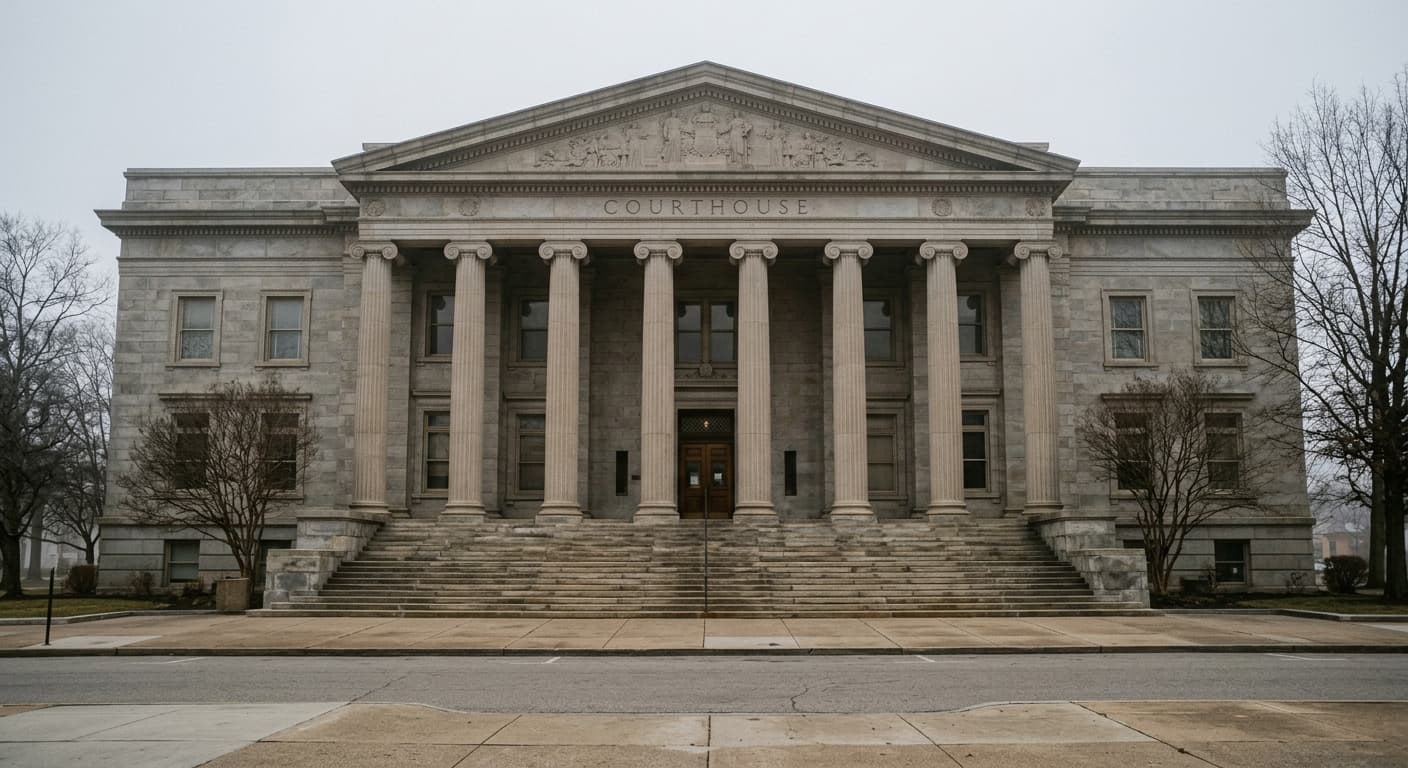
Maryland's highest court has settled one of the most consequential statute of limitations fights in the country. On February 3, 2025, the Supreme Court of Maryland upheld the Child Victims Act of 2023, the law that wiped out the filing deadline for civil child sexual abuse claims and reopened the courthouse to survivors whose claims had long been time-barred.
The decision came in a 4-3 split. The majority held that the state legislature had the constitutional authority both to abolish the statute of limitations going forward and to revive claims that earlier deadlines had already extinguished.
Information last verified on June 20, 2026.
What the Court Decided
The court resolved three consolidated cases in a single opinion: The Key School, Inc. v. Bunker (Misc. No. 2, September Term 2024), Roman Catholic Archbishop of Washington v. Doe (No. 9), and Board of Education of Harford County v. Doe (No. 10). Chief Justice Matthew Fader wrote the majority opinion, and Justice Jonathan Biran dissented.
All three cases turned on the same issue. Institutions sued under the new law argued that an earlier version of the statute had given them a vested right to be free from these suits, and that the legislature could not retroactively strip that right away.
The majority disagreed. It read the relevant 2017 provision as a statute of limitations, and it held that the mere running of a limitations period does not create a vested right that the Maryland Constitution protects from retroactive change. Because no vested right was at stake, the legislature was free to repeal the deadline and revive the claims it had once barred.
The Law at the Center of the Case
The Child Victims Act of 2023 was Senate Bill 686, enacted as Chapter 5 of the 2023 laws and effective October 1, 2023. According to the General Assembly's official synopsis, the Act repealed the statute of limitations in civil actions relating to child sexual abuse, repealed a statute of repose for those actions, and provided for the retroactive application of the change.
That retroactivity is what made the law so far-reaching. A statute of limitations sets a deadline measured from an injury or its discovery. A statute of repose is harder to overcome, because it cuts off claims after a fixed period no matter when the harm is discovered. Maryland had added a repose-style cutoff in 2017, and the institutions argued that cutoff had locked in their protection for good.
The current law now lives in Maryland Courts and Judicial Proceedings section 5-117. As the statute reads today, notwithstanding any time limitation under a statute of limitations or a statute of repose, an action for damages arising out of child sexual abuse that occurred while the victim was a minor may be filed at any time.
Why the Revival Survived Constitutional Review
Reviving expired claims is constitutionally fraught, and courts in different states have come out differently. The objecting institutions invoked Maryland's protections against retroactive legislation, including the guarantees in the Maryland Declaration of Rights, arguing that letting a decades-old claim proceed deprived them of a settled right.
The majority's answer was that the 2017 provision functioned as a statute of limitations rather than a true statute of repose, and that the running of a limitations period does not vest an irrevocable right. Without a vested right, the usual bar on retroactive laws did not apply, and the legislature's choice to reopen the window stood.
Justice Biran's dissent took the opposite view, reasoning that the earlier provision operated as a statute of repose for non-perpetrator defendants and so had given those defendants a protection the legislature could not later take back. The 4-3 division reflects how closely balanced these revival questions are, even among judges on the same court. For readers trying to understand how filing deadlines work in the first place, our overview of the statute of limitations in the United States explains the difference between a limitations period and a repose period that proved decisive here.
The Stakes for Survivors and Institutions
The practical effect was immediate. Before the law, civil suits over child sexual abuse generally had to clear a 20-year limit measured from the victim turning 18. The Act removed that ceiling for claims against both public and private entities, so a survivor can now sue regardless of how much time has passed.
The numbers are large. Reporting at the time of the decision noted the state was facing roughly 3,500 potential claims, with some allegations reaching back to the 1960s. The ruling also affected major institutional defendants, including dioceses and public school systems, that had been waiting to learn whether the revived claims could proceed.
The Legislature Responds: New Damages Caps
The court fight was not the end of the story. Within weeks of the ruling, the General Assembly moved to limit the financial exposure the decision created. Lawmakers amended the Act to reduce the damages available in newly filed cases.
For actions filed on or before May 31, 2025, the noneconomic damages cap had been $1.5 million per claim against a private institution. Under the amendment, actions filed on or after June 1, 2025, are capped at $700,000 in noneconomic damages for a single claimant against a single defendant. The amendment also limits recovery to one award per claimant per defendant and caps attorney fees at 20 percent for settlements and 25 percent for court judgments.
In other words, the constitutional door the court opened stays open, but the legislature narrowed how much each revived claim can be worth depending on when it is filed.
Analysis: Why This Matters
The following analysis reflects the views of the Recording Law Editorial Team.

Maryland's decision is one of the clearest recent statements that a legislature can not only extend a filing deadline but resurrect claims the old deadline had already killed. The line the court drew is the line that matters in every revival fight: whether the expired deadline created a vested right. The majority said it did not, and that conclusion is what let thousands of decades-old claims move forward.
The split is just as instructive as the holding. A 4-3 vote means the same facts could plausibly have produced the opposite result, and they have in other states where courts treated an expired limitations period or a statute of repose as untouchable. That divergence is exactly why the distinction between a statute of limitations and a statute of repose is not academic. Whether a deadline can be reopened often depends on which label a court attaches to it, a contrast that plays out differently from state to state. The same mechanics drive timing disputes in ordinary civil cases as well, including in states like Ohio and Utah, where the length of the clock and the rules for pausing it shape whether a claim can be heard at all.
The legislative sequel is a reminder that winning the constitutional question is not the same as setting the recovery. By cutting the damages caps almost immediately after the ruling, Maryland lawmakers showed that the value of a revived claim can shift sharply based on its filing date. That is a powerful, and easily overlooked, reason that timing remains central to these cases even after a court says they may be brought.
Nothing in this article is legal advice. Whether a particular claim is timely, whether a revival statute applies, and what damages may be available are fact-specific questions governed by each state's statutes and court decisions. Anyone considering a claim should consult a licensed attorney in their state. For a broader map of how filing deadlines differ across the country, see our guide to the statute of limitations in the United States.
More Maryland Laws
Frequently Asked Questions
What did the Supreme Court of Maryland decide about the Child Victims Act?
On February 3, 2025, in three consolidated cases led by The Key School, Inc. v. Bunker, the court held 4-3 that the Child Victims Act of 2023 is constitutional. The legislature could erase the statute of limitations for civil child sexual abuse claims and revive claims that earlier deadlines had already barred, because the majority concluded the prior provision was a statute of limitations whose running did not create a vested right protected from retroactive change.
What does the Child Victims Act of 2023 actually change?
Senate Bill 686, effective October 1, 2023, repealed both the statute of limitations and a statute of repose for civil child sexual abuse claims. Under Maryland Courts and Judicial Proceedings section 5-117, such an action may now be filed at any time, regardless of how long ago the abuse occurred.
What is the difference between a statute of limitations and a statute of repose?
A statute of limitations sets a deadline that usually runs from the injury or its discovery and can sometimes be paused or extended. A statute of repose sets a hard outer cutoff that bars a claim after a fixed time no matter when the harm is discovered. The Maryland case turned on whether the earlier cutoff functioned as a true statute of repose that vested a right, and the majority concluded it did not.
How many claims could the ruling affect?
At the time of the decision, the state was reported to be facing roughly 3,500 potential claims under the revived window, with some allegations dating back to the 1960s. The ruling allowed those previously time-barred lawsuits against public and private institutions to proceed.
Did Maryland change the law again after the ruling?
Yes. Weeks after the decision, the General Assembly amended the Act to reduce the damages available in newly filed cases. For actions filed on or after June 1, 2025, noneconomic damages are capped at $700,000 for a single claimant against a single defendant, recovery is limited to one award per claimant per defendant, and attorney fees are capped at 20 percent for settlements and 25 percent for judgments.
Does this Maryland ruling change the statute of limitations in other states?
No. The decision interprets the Maryland Constitution and Maryland statutes only. Other states set their own filing deadlines and have reached different conclusions about whether expired claims can be revived, so survivors and institutions must look to the law of the specific state where a claim would be filed.
The Law Behind This Article
This article rests on the statutory provisions below, held in our own legal record and retrieved from the official source. Tap a section to read the operative text.
Maryland Code, Courts and Judicial Proceedings Article
§ 5-117In force
§5–117. (a) In this section, “sexual abuse” means any act that involves: (1) An adult allowing or encouraging a child to engage in: (i) Obscene photography, films, poses, or similar activity; (ii) Pornographic photography, films, poses, or similar activity; or (iii) Prostitution; (2) Incest; (3) Rape; (4) Sexual offense in any degree; or (5) Any other sexual conduct that is a crime. (b) Except as provided under subsection (d) of this section and notwithstanding any time limitation under a statute of limitations, a statute of repose, the Maryland Tort Claims Act, the Local Government Tort Claims Act, or any other law, an action for damages arising out of a claim or claims of sexual abuse that occurred while the victim was a minor may be filed at any time.
Official text (excerpt) · last checked 2026-07-29 · Read the full text in our law library · Verify at mgaleg.maryland.gov
Cited in 5 court opinions in our collectionLatest citing opinion in our collection: 2025
Opinions citing this section in our collection:
- Key School v. Bunker (Court of Appeals of Maryland 2025)“…of 2023, 2023 Md. Laws Ch. 5 (S.B. 686) (codified at Md. Code Ann., Cts. & Jud. Proc. § 5-117), constitute an impermissible ab…”
- Bd. of Education Of Harford Cnty. v. Doe (Court of Appeals of Maryland 2025)“…of 2023, 2023 Md. Laws Ch. 5 (S.B. 686) (codified at Md. Code Ann., Cts. & Jud. Proc. § 5-117), constitute an impermissible ab…”
- Archbishop of Washington v. Doe (Court of Appeals of Maryland 2025)“…of 2023, 2023 Md. Laws Ch. 5 (S.B. 686) (codified at Md. Code Ann., Cts. & Jud. Proc. § 5-117), constitute an impermissible ab…”
Identified automatically from the court opinions citing this section — not a ranking of which case controls.
Search our full record of US law — 2.1 million sections, every state + federal →
Sources and References
- The Key School, Inc. v. Bunker, Misc. No. 2, September Term 2024 (consolidated with No. 9, Roman Catholic Archbishop of Washington v. Doe, and No. 10, Board of Education of Harford County v. Doe), Supreme Court of Maryland, opinion filed February 3, 2025, upholding the constitutionality of the Child Victims Act of 2023 (majority by Chief Justice Fader; Justice Biran dissenting)(mdcourts.gov).gov
- CourtListener docket and opinion record for The Key School, Inc. v. Bunker (Misc. No. 2, September Term 2024), Supreme Court of Maryland, decided February 3, 2025, addressing whether the prior filing deadline created a vested right(courtlistener.com)
- Maryland General Assembly, Senate Bill 686 (2023), The Child Victims Act of 2023, Chapter 5, effective October 1, 2023, repealing the statute of limitations and statute of repose for civil child sexual abuse actions and providing for retroactive application(mgaleg.maryland.gov).gov
- Maryland Code, Courts and Judicial Proceedings, section 5-117, current text providing that a child sexual abuse action may be filed at any time and setting the noneconomic damages cap at $700,000 per claimant against a single defendant for actions filed on or after June 1, 2025(mgaleg.maryland.gov).gov
- Maryland Matters, Court rules 2023 Child Victims Act is constitutional (February 3, 2025), reporting the 4-3 decision and that the state faced roughly 3,500 potential claims, some dating to the 1960s(marylandmatters.org)
- Maryland Matters, Lawmakers approve bill to limit claims on child sexual abuse lawsuits (April 6, 2025), reporting reduced damages caps for cases filed after May 31, 2025 and a one-award-per-claimant limit(marylandmatters.org)
- Cornell Legal Information Institute (Wex), Statute of Limitations, explaining that a statute of limitations bars claims after a set time and that the clock may run from the injury or from its discovery(law.cornell.edu)