
Oregon
Leyes de Grabación de Llamadas Telefónicas en Oregon: Reglas de Consentimiento Mixto y Sanciones
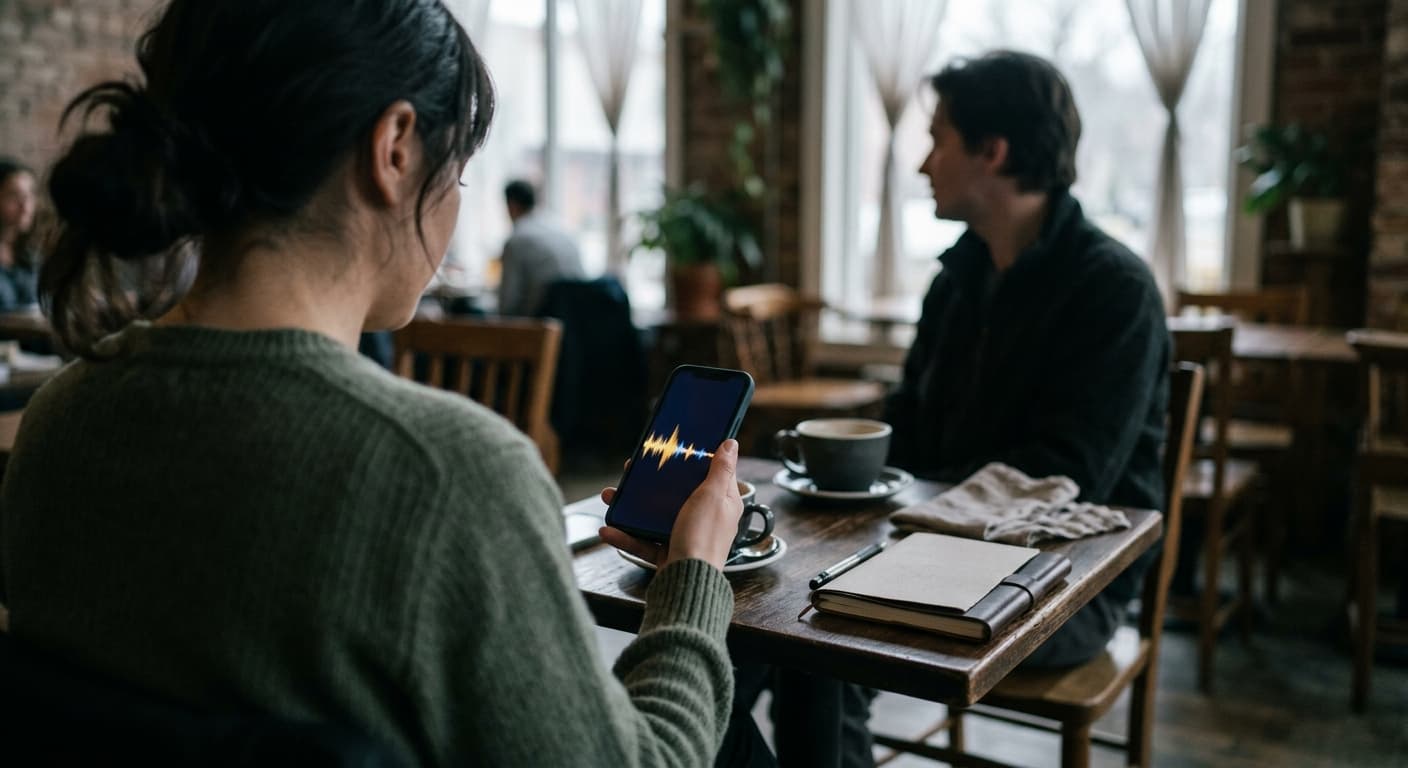
Oregon sigue el consentimiento de una sola parte para las llamadas telefónicas bajo el ORS 165.540(1)(a), lo que significa que cualquier participante puede grabar una llamada telefónica sin notificar a la otra parte. Esta regla cubre llamadas de voz de línea fija, celular y VoIP. Oregon aplica un estándar más estricto, conforme al cual se debe informar específicamente a todos los participantes, a las conversaciones en persona y a las llamadas realizadas mediante un programa de videoconferencia, pero no a las llamadas telefónicas ordinarias.
Oregon le permite grabar sus propias llamadas telefónicas sin decírselo a la otra persona. Bajo el ORS 165.540(1)(a), el estado sigue un marco de consentimiento de una sola parte para las telecomunicaciones y las comunicaciones por radio, que incluyen las llamadas telefónicas ordinarias. Siempre que usted sea participante de la llamada, su propio consentimiento satisface el requisito legal.
Esta regla se aplica específicamente a las comunicaciones telefónicas y por radio. Oregon trata las conversaciones en persona, y las llamadas realizadas mediante un programa de videoconferencia, bajo un estándar diferente, que exige que todos los participantes sean informados específicamente antes de grabar. Entender este marco de consentimiento mixto es esencial para mantenerse dentro de la legalidad.
Cómo se Aplica el Marco de Consentimiento Mixto de Oregon a las Llamadas Telefónicas
Consentimiento de una Sola Parte para Llamadas Telefónicas
El ORS 165.540(1)(a) prohíbe obtener o intentar obtener la totalidad o cualquier parte de una telecomunicación o comunicación por radio de la cual la persona no sea participante, a menos que un participante haya dado su consentimiento. La frase clave es "no sea participante". Si usted es participante de la llamada, el estatuto no le impone ninguna restricción.
Esto significa que puede:
- Grabar cualquier llamada telefónica de la que forme parte sin notificar a la otra parte
- Usar cualquier dispositivo o aplicación de grabación para captar la llamada
- Grabar llamadas de voz en líneas fijas, celulares y plataformas de VoIP (las llamadas por videoconferencia siguen la regla de notificación más estricta que se describe más adelante)
- Grabar tanto llamadas personales como de negocios en las que participe
Por Qué las Llamadas Telefónicas y las Conversaciones en Persona Tienen Reglas Diferentes
La legislatura de Oregon redactó el ORS 165.540 con una distinción deliberada entre las telecomunicaciones y las conversaciones. Las llamadas telefónicas y las comunicaciones por radio caen bajo el inciso (1)(a), que usa el estándar de consentimiento de una sola parte. Las conversaciones, que el ORS 165.535 define para incluir las comunicaciones orales en persona y las comunicaciones a través de un programa de videoconferencia, caen bajo el inciso (1)(c), que exige que todos los participantes sean "específicamente informados" de cualquier grabación.
La decisión en pleno del Noveno Circuito de enero de 2025 en Project Veritas v. Schmidt confirmó el requisito de notificación en persona del inciso (1)(c), que por sus propios términos no cubre las telecomunicaciones, como neutral en cuanto al contenido y estrechamente adaptado al interés de Oregon en garantizar que sus residentes sepan cuándo se graban sus conversaciones. La mayoría no basó su fallo en ninguna comparación con la regla de Oregon para las llamadas telefónicas. Solo el voto disidente comparó ambas, argumentando que, si acaso, las personas tienen un interés de privacidad más fuerte en una llamada telefónica privada, y que ese trato diferente demostraba que la regla en persona no estaba estrechamente adaptada.
Para las llamadas telefónicas específicamente, el estándar de consentimiento de una sola parte significa que no tiene que preocuparse por las reglas más estrictas de las conversaciones en persona.
Tipos de Llamadas Telefónicas Cubiertas por la Ley de Oregon
Llamadas Personales de Celular y Línea Fija
Puede grabar cualquier llamada telefónica personal en la que participe, ya sea realizada desde un celular, línea fija o dispositivo conectado a internet. El estatuto cubre todas las "telecomunicaciones", lo que incluye las redes telefónicas tradicionales y las conexiones celulares modernas.
Llamadas por VoIP y Video
Las llamadas de solo voz realizadas a través de servicios de Voz sobre Protocolo de Internet generalmente caen bajo las disposiciones sobre telecomunicaciones del ORS 165.540(1)(a), y se les aplica la regla de consentimiento de una sola parte. Las videollamadas son diferentes: el ORS 165.535 excluye toda comunicación a través de un programa de videoconferencia, definido como un software o aplicación que permite a dos o más personas comunicarse mediante transmisión simultánea de video, de las definiciones de telecomunicación y de comunicación por radio, por lo que una videollamada en FaceTime, Skype o una aplicación similar se trata como una conversación, incluso con una sola persona más.
Una videollamada ordinaria en una plataforma como Zoom, Microsoft Teams o Google Meet, sin embargo, se trata como una conversación bajo el ORS 165.540(1)(c) de forma predeterminada, por lo que grabarla en secreto conlleva el riesgo de un delito menor de Clase A, incluso usando la función de grabación integrada de la plataforma. Una excepción limitada bajo el ORS 165.540(6)(b) permite grabar una videoconferencia sin notificar a todos los participantes solo cuando la persona que graba tiene la intención de captar una presunta actividad ilegal y es un agente del orden público o actúa en coordinación con uno, actúa en coordinación con un abogado o con una entidad reguladora, o cree razonablemente que la grabación podría usarse como evidencia en un procedimiento judicial o administrativo.
Llamadas en Conferencia
Cuando varias personas participan en una llamada telefónica en conferencia, la regla de consentimiento de una sola parte sigue aplicándose. Su participación en la llamada le otorga la autoridad legal para grabar toda la conversación. No necesita el consentimiento de cada participante de la línea.
Comunicaciones Basadas en Texto
Aunque el ORS 165.540 se aplica con más frecuencia a la grabación de audio, el ORS 165.535 define la telecomunicación y la comunicación por radio para incluir la transmisión de escritos, signos y señales, además de sonidos. El estatuto no detalla cómo se aplica esto a los mensajes de texto, correos electrónicos y otras comunicaciones electrónicas escritas. Sin embargo, interceptar los mensajes electrónicos de otra persona sin autorización puede violar la ley federal bajo el 18 U.S.C. 2511.
Grabar Llamadas Telefónicas entre Estados

El Problema de la Grabación entre Estados
Cada estado de los Estados Unidos establece sus propias reglas de consentimiento para grabación. Cuando realiza una llamada desde Oregon a alguien en otro estado, surge una cuestión de conflicto de leyes. Los tribunales y las autoridades legales generalmente aplican la ley más estricta a las llamadas entre estados.
El consentimiento de una sola parte de Oregon para las llamadas telefónicas es la regla mayoritaria en los Estados Unidos. Sin embargo, varios estados exigen el consentimiento de todas las partes antes de que se pueda grabar una llamada telefónica.
Estados con Leyes de Grabación Telefónica Más Estrictas
Si llama a alguien en cualquiera de los siguientes estados, debe informarle antes de grabar:
| Estado | Estatuto Clave |
|---|---|
| California | Código Penal 632 |
| Connecticut | Conn. Gen. Stat. 52-570d |
| Florida | Fla. Stat. 934.03 |
| Illinois | 720 ILCS 5/14-2 |
| Maryland | Md. Code, Cts. & Jud. Proc. 10-402 |
| Massachusetts | Mass. Gen. Laws ch. 272, 99 |
| Montana | Mont. Code Ann. 45-8-213 |
| New Hampshire | N.H. Rev. Stat. Ann. 570-A:2 |
| Pennsylvania | 18 Pa.C.S. 5703 |
| Washington | RCW 9.73.030 |
Washington es particularmente relevante para los residentes de Oregon debido a la proximidad geográfica. Washington exige el consentimiento de todas las partes para grabar cualquier conversación privada, ya sea por teléfono o en persona. Si llama a un número de Washington desde Oregon, debe seguir el estándar más estricto de Washington.
Mejor Práctica para las Llamadas entre Estados
Una simple declaración al inicio de la llamada brinda protección: "Estoy grabando esta llamada para mis registros". Si la otra persona permanece en la línea después de escuchar esto, los tribunales generalmente lo tratan como consentimiento implícito.
Ley Federal de Intervención de Comunicaciones
La ley federal bajo el 18 U.S.C. 2511 sigue el mismo estándar de consentimiento de una sola parte que Oregon para las llamadas telefónicas. Las grabaciones hechas cumpliendo con la regla de consentimiento de una sola parte de Oregon también satisfacen los requisitos federales.
Una regla federal anteriormente relevante (el 47 CFR sección 64.501, que exigía a las compañías telefónicas proporcionar tonos de aviso o anuncios verbales antes de grabar las llamadas) fue eliminada por la FCC a partir del 20 de noviembre de 2017. Esa regla ya no se aplica, y la FCC no la ha reemplazado con una nueva regla de divulgación de grabación de llamadas interestatales. La Orden 24-24 de la FCC (2024) aborda un tema diferente, la revocación por parte de los consumidores de su consentimiento a llamadas y mensajes de texto automatizados (robocalls y robotexts) bajo la TCPA, y no regula el aviso de grabación de llamadas. La grabación privada de llamadas por parte de individuos se rige por la ley estatal bajo el marco de consentimiento de una sola parte.
Grabación de Llamadas Telefónicas de Negocios en Oregon
Derechos del Empleador
Las empresas de Oregon pueden grabar llamadas telefónicas por motivos comerciales legítimos bajo el marco de consentimiento de una sola parte. Las razones comunes incluyen:
- Control de calidad y capacitación en servicio al cliente
- Documentación de cumplimiento para industrias reguladas
- Mantener registros de acuerdos verbales
- Monitorear el desempeño del empleado en llamadas con clientes
Si la empresa o su empleado es parte de la llamada, se satisface el requisito de consentimiento de una sola parte. Los empleadores no necesitan notificar a los interlocutores bajo la ley de grabación telefónica de Oregon, aunque muchos optan por hacerlo como mejor práctica.
Derechos del Empleado
Los empleados de Oregon pueden grabar sus propias llamadas telefónicas relacionadas con el trabajo bajo la regla de consentimiento de una sola parte. Esto incluye llamadas con supervisores, representantes de recursos humanos, clientes y compañeros de trabajo. Debido a que son llamadas telefónicas, la regla más estricta de notificación para las conversaciones en persona y por videoconferencia no se aplica.
Sin embargo, las políticas del empleador pueden restringir o prohibir la grabación de llamadas. Violar una política interna de la empresa puede resultar en medidas disciplinarias o despido, aunque la grabación en sí sea legal bajo la ley estatal. La Ley Nacional de Relaciones Laborales ofrece cierta protección cuando los empleados graban llamadas relacionadas con actividad concertada protegida, como documentar infracciones de seguridad laboral o disputas salariales.
Mejores Prácticas para la Grabación de Negocios
- Reproducir una divulgación automatizada al inicio de las llamadas de servicio al cliente
- Capacitar a los empleados sobre la diferencia entre la grabación telefónica (consentimiento de una sola parte) y la grabación en persona o por videoconferencia (se debe informar a todos los participantes)
- Establecer políticas de grabación por escrito y distribuirlas a todo el personal
- Almacenar las grabaciones de forma segura y cumplir con los requisitos de retención de datos
- Al llamar a clientes en otros estados, por defecto informar a la otra parte
Usar Llamadas Telefónicas Grabadas como Evidencia en Oregon
Reglas de Admisibilidad
Las grabaciones de llamadas telefónicas hechas cumpliendo con la ley de consentimiento de una sola parte de Oregon generalmente son admisibles como evidencia en los tribunales de Oregon. Para presentar una grabación, necesita establecer:
- Autenticación: la grabación es genuina y no ha sido alterada
- Identificación: un testigo puede identificar las voces en la grabación
- Relevancia: la grabación se relaciona con los asuntos del caso
- Cadena de custodia: la grabación se ha conservado adecuadamente desde que se hizo
Grabaciones Inadmisibles
Según el ORS 41.910, las grabaciones obtenidas en violación de la ley son inadmisibles en los tribunales de Oregon. Si graba una llamada telefónica sin ser participante y sin el consentimiento de ninguna de las partes, esa grabación no puede usarse como evidencia aunque contenga información relevante.
Usos Comunes en los Tribunales
Las llamadas telefónicas grabadas legalmente se usan con frecuencia como evidencia en:
- Casos de derecho de familia: disputas de custodia, procesos de divorcio y reclamos de acoso
- Disputas contractuales: probar los términos de acuerdos verbales
- Casos laborales: documentar discriminación, represalias o reclamos de ambiente de trabajo hostil
- Casos de lesiones personales: grabar declaraciones de ajustadores de seguros o de la parte contraria
- Casos penales: proporcionar evidencia de amenazas, fraude u otra conducta delictiva
Consejos para Preservar la Evidencia de Grabación
- Mantenga el archivo de grabación original sin editar
- Registre la fecha, hora, duración y participantes inmediatamente después de cada llamada
- Guarde el original en un lugar seguro con al menos una copia de respaldo
- No comparta la grabación antes de presentarla en el tribunal
- Consulte con un abogado sobre los procedimientos adecuados para presentar evidencia
Sanciones por Grabación Ilegal de Llamadas Telefónicas en Oregon
Sanciones Penales
Violar el ORS 165.540(1)(a) al grabar una llamada telefónica de la que no es parte, sin consentimiento, es un delito menor de Clase A en Oregon. Bajo el ORS 161.615 y el ORS 161.635:
| Sanción | Máximo |
|---|---|
| Tiempo en prisión | Hasta 364 días |
| Multa | Hasta $6,250 |
| Libertad condicional | Hasta 5 años |
Responsabilidad Civil
Según el ORS 133.739, una persona cuyas comunicaciones telefónicas hayan sido interceptadas intencionalmente puede presentar una demanda civil. Los recursos disponibles incluyen:
- Daños reales, pero no menos de $100 por día de infracción o $1,000, lo que sea mayor
- Daños punitivos a discreción del tribunal
- Honorarios de abogado razonables para la parte que gane el caso
Confiar de buena fe en una orden judicial o una autorización legislativa es una defensa completa contra los reclamos civiles.
La Excepción de Delito Grave No Se Aplica a las Llamadas Telefónicas
La estrecha excepción de delito grave de Oregon bajo el ORS 165.540(5)(a) permite grabar una conversación en persona sin notificación durante un delito grave que ponga en peligro la vida humana. Esta excepción fue diseñada para situaciones en persona y no amplía sus derechos respecto a la grabación de llamadas telefónicas. La regla de consentimiento de una sola parte para las llamadas telefónicas ya permite grabar las llamadas en las que participa, por lo que la excepción de delito grave rara vez es relevante en el contexto de las llamadas telefónicas.
Transcripción por IA y Herramientas de Grabación de Llamadas
Los servicios de transcripción impulsados por IA como Otter.ai, Fireflies.ai y la transcripción nativa de plataformas en Zoom y Microsoft Teams se han convertido en herramientas estándar para captar conversaciones telefónicas. En Oregon, el uso de estas herramientas en una llamada telefónica ordinaria sigue las mismas reglas de consentimiento de una sola parte que cualquier otro método de grabación telefónica.
Si es parte de una llamada telefónica, puede activar la grabación y transcripción por IA sin notificar a los demás participantes. Algunas herramientas de IA se unen a las llamadas como un participante "bot" separado, lo que puede alertar a los demás de que la grabación está activa. Revise la configuración de su herramienta para entender cómo aparece ante los demás participantes de la llamada.
Para las plataformas de videoconferencia específicamente, la excepción del ORS 165.540(6)(b) de Oregon es limitada: permite omitir la notificación solo cuando la persona que graba tiene la intención de captar una presunta actividad ilegal y es un agente del orden público o actúa en coordinación con uno, actúa en coordinación con un abogado o con una entidad reguladora, o cree razonablemente que la grabación podría usarse como evidencia en un procedimiento judicial o administrativo. Para una videollamada ordinaria asistida por IA, eso significa que aún debe notificar a todos los participantes antes de activar la función de grabación integrada de la plataforma.
Leyes de Grabación de Oregon por Tema
Grabación de Llamadas Telefónicas | Grabación de Audio | Grabación de Video | Grabación en el Trabajo | Grabación de la Policía | Cámaras de Seguridad | Grabación en Público | Arrendador e Inquilino | Leyes de Dashcam | Escuelas | Grabación Médica | Voyeurismo y Cámaras Ocultas
Volver a las Leyes de Grabación de Oregon
Más Leyes de Oregon
- Leyes de Oregon sobre Grabación de Reuniones con IA
- Leyes de Pensión Alimenticia en Oregon
- Leyes de Empleo a Voluntad en Oregon
- Leyes de Accidentes Automovilísticos en Oregon
- Leyes de Asientos de Auto para Niños en Oregon
- Leyes de Custodia de Menores en Oregon
- Leyes de Manutención Infantil en Oregon
- Leyes de Matrimonio de Hecho en Oregon
- Leyes de Privacidad de Datos en Oregon
- Leyes de Deepfake en Oregon
- Leyes de Divorcio en Oregon
- Leyes sobre Mordeduras de Perro en Oregon
- Leyes de Emancipación en Oregon
- Leyes de Expungement en Oregon
- Leyes de Fuga tras Accidente en Oregon
- Leyes de Arrendador e Inquilino en Oregon
Más Temas de Grabación de Oregon
- Leyes de Grabación de Oregon
- Grabación de Audio en Oregon
- Grabación de Video en Oregon
- Grabación Médica en Oregon
- Grabación en Escuelas de Oregon
- Grabación en el Trabajo en Oregon
- Grabación de la Policía en Oregon
- Grabación con Cámaras de Seguridad en Oregon
- Grabación de Voyeurismo en Oregon
- Grabación entre Arrendador e Inquilino en Oregon
- Grabación de Dashcam en Oregon
- Grabación en Público en Oregon
- Leyes de Privacidad Biométrica de Oregon
- Leyes de Cámaras de Vigilancia
Preguntas frecuentes
¿Puedo grabar una llamada telefónica en Oregon sin decírselo a la otra persona?
Sí. Oregon sigue el consentimiento de una sola parte para las llamadas telefónicas bajo el ORS 165.540(1)(a). Siempre que usted sea participante de la llamada, puede grabarla sin informar a la otra persona. Esta regla se aplica a llamadas de línea fija, llamadas de celular y llamadas de voz por VoIP. Las llamadas a través de un programa de videoconferencia se tratan como conversaciones, por lo que se debe informar específicamente a todos los participantes.
¿Se aplica a las llamadas telefónicas la regla de notificación a todas las partes de Oregon?
No. Oregon utiliza un marco de consentimiento mixto. El requisito de notificación a todas las partes bajo el ORS 165.540(1)(c) se aplica a las conversaciones, que la ley de Oregon define para incluir las conversaciones orales en persona y las comunicaciones a través de un programa de videoconferencia. Las llamadas telefónicas ordinarias siguen el estándar de consentimiento de una sola parte bajo el ORS 165.540(1)(a).
¿Puedo grabar una llamada de Oregon a Washington?
Debe informar al participante de Washington antes de grabar. Washington exige el consentimiento de todas las partes bajo el RCW 9.73.030, y generalmente se aplica la ley más estricta en las llamadas entre estados. Una simple declaración de que está grabando brinda protección.
¿Puede mi empleador grabar mis llamadas de trabajo en Oregon?
Sí. Bajo la regla de consentimiento de una sola parte de Oregon para llamadas telefónicas, su empleador puede grabar llamadas de negocios siempre que al menos una parte lo consienta. El empleador o el empleado en la llamada satisface este requisito. Las políticas internas de la empresa también pueden regir cuándo y cómo se hacen las grabaciones.
¿Cuál es la sanción por grabar ilegalmente una llamada telefónica en Oregon?
Grabar ilegalmente una llamada telefónica en Oregon es un delito menor de Clase A que conlleva hasta 364 días de prisión y una multa de hasta $6,250. Las víctimas también pueden presentar demandas civiles bajo el ORS 133.739 buscando daños reales (mínimo $100 por día o $1,000), daños punitivos y honorarios de abogado.
Actualizaciones
Se corrigió el alcance de la regla de notificación de Oregon: bajo los ORS 165.535 y 165.540(1)(c), se debe informar específicamente a todos los participantes antes de grabar una conversación en persona o una llamada realizada mediante un programa de videoconferencia, mientras que las llamadas telefónicas ordinarias siguen el consentimiento de una sola parte.
Se corrigió la descripción de Project Veritas v. Schmidt: el Noveno Circuito confirmó la regla de aviso en persona de Oregon sin avalar la idea de que las conversaciones cara a cara sean más privadas que las llamadas telefónicas.
Se corrigió una cita federal fabricada: la Orden 24-24 de la FCC (2024) rige la revocación de consentimiento a robocalls y robotexts bajo la TCPA, no la divulgación de grabación de llamadas, por lo que no llena el vacío dejado por la derogación en 2017 de 47 CFR 64.501; actualmente no existe una regla específica de la FCC sobre divulgación de grabación de llamadas interestatales.
La ley detrás de este artículo
Este artículo se apoya en las disposiciones legales a continuación, conservadas en nuestro propio registro jurídico y obtenidas de la fuente oficial. Toque una sección para leer el texto vigente.
Oregon Revised Statutes, Chapter 165: Offenses Involving Fraud or Deception
§ 165.540Obtaining contents of communicationsVigentecitada en 49 de nuestros artículos
(1) Except as otherwise provided in ORS 133.724 or 133.726 or subsections (2) to (8) of this section, a person may not: (a) Obtain or attempt to obtain the whole or any part of a telecommunication or a radio communication to which the person is not a participant, by means of any device, contrivance, machine or apparatus, whether electrical, mechanical, manual or otherwise, unless consent is given by at least one participant. (b) Tamper with the wires, connections, boxes, fuses, circuits, lines or any other equipment or facilities of a telecommunication or radio communication company over which messages are transmitted, with the intent to obtain unlawfully the contents of a telecommunication or radio communication to which the person is not a participant. (c) Obtain or attempt to obtain the whole or any part of a conversation by means of any device, contrivance, machine or apparatus, whether electrical, mechanical, manual or otherwise, if not all participants in the conversation are specifically informed that their conversation is being obtained.
Texto oficial (extracto) · verificado el 2026-09-24 · Lea el texto completo en nuestra biblioteca legal · Verifique en oregonlegislature.gov
Citada en 76 resoluciones judiciales de nuestra colecciónResolución más reciente que la cita en nuestra colección: 2026
En los tribunales (resumen editorial, verificado de forma independiente):State v. Fleetwood (2000) aplicó ORS 165.540 a pruebas obtenidas con micrófono oculto y sostuvo que las palabras dichas por teléfono son una telecomunicación bajo el inciso (1)(a) y que la excepción (5)(a)(B) no rige salvo que el agente participe recíprocamente en la conversación, por lo que las grabaciones eran inadmisibles.
Resoluciones que citan esta sección en nuestra colección:
- State v. Klein (Oregon Supreme Court 2012, 352 Or. 302)“…eing 3 recorded. Conversations recorded in violation of ORS 165.540 are not admissible in 4 court excep…”
- North Pacific Lumber Co. v. Oliver (Oregon Supreme Court 1979, 286 Or. 639)✓Una mayorista de madera monitoreaba en secreto las llamadas de sus comerciantes; el tribunal dijo que la práctica pudo haber violado la ORS 165.540, pero se negó a fundar en ella la doctrina de manos sucias, ya que nunca se monitorearon las llamadas del exempleado. La demanda del empleador fracasó por otros motivos.
- State v. Fleetwood (Oregon Supreme Court 2000, 331 Or. 511)✓Un detective le puso un micrófono oculto a un informante y grabó el lado del sospechoso en una llamada telefónica y sus conversaciones con su madre y una menor que le vendió marihuana; el tribunal sostuvo que esas intercepciones violaron la ORS 165.540(1)(a) y (1)(c) porque el informante no era participante, y mantuvo la supresión.
Identificado automáticamente a partir de las opiniones judiciales que citan esta sección; no es un ranking de qué caso prevalece.
También citada en: Leyes de Grabación de Luisiana (2026): Reglas de Consentimiento de Una Sola Parte, Leyes de grabación de llamadas telefónicas en Luisiana: lo que debe saber, Leyes de Grabación de Nuevo Mexico (2026): Reglas de Consentimiento de una Sola Parte
Connecticut General Statutes, Title 52 (Civil Actions), Chapter 925
§ 52-570dAction for illegal recording of private telephonic communications.Vigentecitada en 56 de nuestros artículos
(a) No person shall use any instrument, device or equipment to record an oral private telephonic communication unless the use of such instrument, device or equipment (1) is preceded by consent of all parties to the communication and such prior consent either is obtained in writing or is part of, and obtained at the start of, the recording, or (2) is preceded by verbal notification which is recorded at the beginning and is part of the communication by the recording party, or (3) is accompanied by an automatic tone warning device which automatically produces a distinct signal that is repeated at intervals of approximately fifteen seconds during the communication while such instrument, device or equipment is in use.
Texto oficial (extracto) · verificado el 2026-08-28 · Lea el texto completo en nuestra biblioteca legal · Verifique en cga.ct.gov
Citada en 22 resoluciones judiciales de nuestra colecciónResolución más reciente que la cita en nuestra colección: 2024
En los tribunales (resumen editorial, verificado de forma independiente):Holler v. Buckley Broadcasting Corp. (1998) sostuvo que la sección 52-570d crea una acción desconocida en el common law, de interpretación estricta, y que no alcanza la regrabación por un tercero de una cinta ya ilegal. Jezouit v. Malloy (2019) sostuvo que la ley no renuncia a la inmunidad soberana del estado frente a demandas.
Resoluciones que citan esta sección en nuestra colección:
- Holler v. Buckley Broadcasting Corp. (Connecticut Appellate Court 1998, 47 Conn. App. 764)✓Una novia grabó en secreto la llamada de un empleado de radio, y un compañero volvió a grabar esa cinta y la usó para que lo despidieran. El tribunal sostuvo que la sección 52-570d, interpretada estrictamente, prohíbe grabar una llamada privada pero no que un tercero regrabe una cinta ya ilegal.
- Jezouit v. Malloy (Connecticut Appellate Court 2019, 193 Conn. App. 576)“…his complaint because (1) he brought his claim pursuant to General Statutes § 52-570d, which he contends waives sovereign imm…”
- State v. Skok (Supreme Court of Connecticut 2015)“…on without the consent of all parties to the communication. General Statutes § 52-570d (a) prohibits the use of ‘‘any instrume…”
Identificado automáticamente a partir de las opiniones judiciales que citan esta sección; no es un ranking de qué caso prevalece.
También citada en: Leyes de grabación de llamadas telefónicas de Nuevo Mexico: guía de consentimiento de una sola parte (2026)
Florida Statutes
§ 934.03Interception and disclosure of wire, oral, or electronic communications prohibited.Vigentecitada en 53 de nuestros artículos
(1) Except as otherwise specifically provided in this chapter, any person who:(a) Intentionally intercepts, endeavors to intercept, or procures any other person to intercept or endeavor to intercept any wire, oral, or electronic communication; (b) Intentionally uses, endeavors to use, or procures any other person to use or endeavor to use any electronic, mechanical, or other device to intercept any oral communication when:1. Such device is affixed to, or otherwise transmits a signal through, a wire, cable, or other like connection used in wire communication; or 2.
Texto oficial (extracto) · verificado el 2026-09-23 · Lea el texto completo en nuestra biblioteca legal · Verifique en leg.state.fl.us
Citada en 74 resoluciones judiciales de nuestra colecciónResolución más reciente que la cita en nuestra colección: 2026
En los tribunales (resumen editorial, verificado de forma independiente):State v. Walls (1978) sostuvo que grabar una comunicación oral dentro del hogar sin el consentimiento de todas las partes violó la sección 934.03 y exigía su supresión, y State v. Inciarrano (1985) sostuvo que la ley solo protege comunicaciones emitidas con una expectativa razonable de privacidad.
Resoluciones que citan esta sección en nuestra colección:
- State v. Walls (Supreme Court of Florida 1978, 356 So. 2d 294)✓Una víctima de extorsión grabó en secreto las amenazas que le hicieron en su propia casa; el tribunal sostuvo que era una comunicación oral protegida, que grabarla sin el consentimiento de todas las partes violaba la Sección 934.03 y que la Sección 934.06 impedía usar la cinta como prueba.
- SHARRON TASHA FORD v. CITY OF BOYNTON BEACH (District Court of Appeal of Florida 2021)“…ng oral communications in violation of the wiretap statute, section 934.03, Florida Statutes (2009), and for obstructing without vio…”
- State v. Calhoun (Circuit Court for the Judicial Circuits of Florida 1984, 7 Fla. Supp. 2d 3)“…hall not be violated” . . . (emphasis mine) Furthermore, section 934.03, Florida Statutes, makes it unlawful for *6 any person (…”
Identificado automáticamente a partir de las opiniones judiciales que citan esta sección; no es un ranking de qué caso prevalece.
Illinois Compiled Statutes Chapter 720, Act 5 (Criminal Code of 2012)
§ 14-2Elements of the offense; affirmative defenseVigentecitada en 63 de nuestros artículos
(a) A person commits eavesdropping when he or she knowingly and intentionally: (1) Uses an eavesdropping device, in a surreptitious manner, for the purpose of overhearing, transmitting, or recording all or any part of any private conversation to which he or she is not a party unless he or she does so with the consent of all of the parties to the private conversation; (2) Uses an eavesdropping device, in a surreptitious manner, for the purpose of transmitting or recording all or any part of any private conversation to which he or she is a party unless he or she does so with the consent of all other parties to the private conversation; (3) Intercepts, records, or transcribes, in a surreptitious manner, any private electronic communication to which he or she is not a party unless he or she does so with the consent of all parties to the private electronic communication; (4) Manufactures, assembles, distributes, or possesses any electronic, mechanical, eavesdropping, or other device knowing that or having reason to know that the design of the device renders it primarily useful for the purpose of the surreptitious overhearing, transmitting, or recording of private conversations or the…
Texto oficial (extracto) · verificado el 2026-09-23 · Lea el texto completo en nuestra biblioteca legal · Verifique en ilga.gov
Citada en 92 resoluciones judiciales de nuestra colecciónResolución más reciente que la cita en nuestra colección: 2026
Resoluciones que citan esta sección en nuestra colección:
- People v. Melongo (Illinois Supreme Court 2014, 2014 IL 114852)“…ations of section 14-2 of the Criminal Code of 1961 (720 ILCS 5/14-2 (West 2008)), which defines the offense…”
- People v. Smith (Appellate Court of Illinois 2025, 2025 IL App (1st) 220116)“…ropping violated section 14-2 of the Criminal Code of 2012 (720 ILCS 5/14-2 (West 2014)) and that then State’s Att…”
- Cook Au Vin, LLC v. Mid-Century Insurance Co. (Appellate Court of Illinois 2023, 226 N.E.3d 694)“…onversation by one who is not a party to the conversation. 720 ILCS 5/14-2(a)(1) (West 2020). In enacting the stat…”
Identificado automáticamente a partir de las opiniones judiciales que citan esta sección; no es un ranking de qué caso prevalece.
Montana Code Annotated, Title 45
§ 45-8-213Privacy In CommunicationsVigentecitada en 50 de nuestros artículos
45-8-213. Privacy in communications. (1) Except as provided in 69-6-104, a person commits the offense of violating privacy in communications if the person knowingly or purposely: (a) with the purpose to terrify, intimidate, threaten, harass, or injure, communicates with a person by electronic communication and threatens to inflict injury or physical harm to the person or property of the person or makes repeated use of obscene, lewd, or profane language or repeated lewd or lascivious suggestions; (b) uses an electronic communication to attempt to extort money or any other thing of value from a person or to disturb by repeated communications the peace, quiet, or right of privacy of a person at the place where the communications are received; (c) records or causes to be recorded a conversation by use of a hidden electronic or mechanical device that reproduces a human conversation without the knowledge of all parties to the conversation; (d) with the purpose to terrify, intimidate, threaten, harass, or injure or to obtain money or other valuable consideration, publishes, distributes, or discloses real or digitally fabricated printed or electronic photographs, pictures, images, or…
Texto oficial (extracto) · verificado el 2026-09-24 · Lea el texto completo en nuestra biblioteca legal · Verifique en mca.legmt.gov
Citada en 23 resoluciones judiciales de nuestra colecciónResolución más reciente que la cita en nuestra colección: 2025
En los tribunales (resumen editorial, verificado de forma independiente):State v. Dugan (2013) anuló por amplitud excesiva el texto de prueba prima facie de la intención. State v. Brown (1988) señaló que la ley sigue prohibiendo grabar sin el permiso de todos los participantes y rechazó un ataque por amplitud excesiva contra su excepción para funcionarios públicos. State v. DuBray (2003) no halló violación porque el acusado sabía de la grabación.
Resoluciones que citan esta sección en nuestra colección:
- State v. Smith (Montana Supreme Court 2004, 322 Mont. 206)✓Un hombre que llamó por teléfono amenazando con matar al novio de su esposa, de quien estaba separado, alegó que debió ser acusado bajo la sección 45-8-213(1)(a) y no por asalto con arma. El tribunal sostuvo que ambas leyes castigan conductas distintas, por lo que la acusación quedaba a discreción fiscal.
- State v. Dugan (Montana Supreme Court 2013, 369 Mont. 39)“…rbroad, the Court today strikes the prima facie language in § 45-8-213, MCA. However, a narrow application would be…”
- In re C.S. (Montana Supreme Court 1984, 210 Mont. 144)“…n of privacy in communication, a misdemeanor as provided in Section 45-8-213, MCA. The facts underlying the offense were…”
Identificado automáticamente a partir de las opiniones judiciales que citan esta sección; no es un ranking de qué caso prevalece.
Oregon Revised Statutes, Chapter 133: Arrest and Related Procedures; Search and Seizure; Extradition
§ 133.726Interception of oral communication without order; order for interception of oral communication; application; grounds for issuance; contents of order; penaltiesVigente
(1) Notwithstanding ORS 133.724, under the circumstances described in this section, a law enforcement officer is authorized to intercept an oral communication to which the officer or a person under the direct supervision of the officer is a party, without obtaining an order for the interception of a wire, electronic or oral communication under ORS 133.724. (2) For purposes of this section and ORS 133.736, a person is a party to an oral communication if the oral communication is made in the person’s immediate presence and is audible to the person regardless of whether the communication is specifically directed to the person. (3) An ex parte order for intercepting an oral communication in any county of this state under this section may be issued by any judge as defined in ORS 133.525 upon written application made upon oath or affirmation of the district attorney or a deputy district attorney authorized by the district attorney for the county in which the order is sought or upon the oath or affirmation of any peace officer as defined in ORS 133.005.
Texto oficial (extracto) · verificado el 2026-07-29 · Lea el texto completo en nuestra biblioteca legal · Verifique en oregonlegislature.gov
Citada en 15 resoluciones judiciales de nuestra colecciónResolución más reciente que la cita en nuestra colección: 2025
Resoluciones que citan esta sección en nuestra colección:
- State v. Klein (Oregon Supreme Court 2012, 352 Or. 302)“…that Hutchens supplied, the police obtained an order under ORS 133.726, the 15 body-wire statute, to interc…”
- State v. Fleetwood (Oregon Supreme Court 2000, 331 Or. 511)“…6 *519 The second pertinent statute is ORS 133.726, which provides, in part: “(1) A…”
- State v. Lissy (Oregon Supreme Court 1987, 304 Or. 455)“…evidence through electronic surveillance orders pursuant to ORS 133.726. Any evidence obtained by this route sh…”
Identificado automáticamente a partir de las opiniones judiciales que citan esta sección; no es un ranking de qué caso prevalece.
Oregon Revised Statutes, Chapter 161: General Provisions
§ 161.615Maximum terms of imprisonment for misdemeanorsVigentecitada en 8 de nuestros artículos
Sentences for misdemeanors shall be for a definite term. The court shall fix the term of imprisonment within the following maximum limitations: (1) For a Class A misdemeanor, 364 days. (2) For a Class B misdemeanor, 6 months. (3) For a Class C misdemeanor, 30 days. (4) For an unclassified misdemeanor, as provided in the statute defining the crime.
Texto oficial (extracto) · verificado el 2026-07-29 · Lea el texto completo en nuestra biblioteca legal · Verifique en oregonlegislature.gov
Citada en 77 resoluciones judiciales de nuestra colecciónResolución más reciente que la cita en nuestra colección: 2025
Resoluciones que citan esta sección en nuestra colección:
- City of Portland v. Dollarhide (Oregon Supreme Court 1986, 300 Or. 490)“…aximum sentence of one year imprisonment and a $2,500 fine (ORS 161.615, 161.635). The City argues that its man…”
- MacCrone v. Edwards Center, Inc. (Court of Appeals of Oregon 1999, 160 Or. App. 91)“…tly punishable by imprisonment up to a maximum of one year, ORS 161.615(1), and a maximum fine of $5,000, ORS 1…”
- State v. Wright (Court of Appeals of Oregon 1983, 63 Or. App. 482)“…1981, ch390, § 2), and a maximum prison term of one year. ORS 161.615(1). The only reason that the defendant’…”
Identificado automáticamente a partir de las opiniones judiciales que citan esta sección; no es un ranking de qué caso prevalece.
Pennsylvania Consolidated Statutes Title 18 (Crimes and Offenses)
§ 5703Interception, disclosure or use of wire, electronic or oral communicationsVigentecitada en 59 de nuestros artículos
Except as otherwise provided in this chapter, a person is guilty of a felony of the third degree if he: (1) intentionally intercepts, endeavors to intercept, or procures any other person to intercept or endeavor to intercept any wire, electronic or oral communication; (2) intentionally discloses or endeavors to disclose to any other person the contents of any wire, electronic or oral communication, or evidence derived therefrom, knowing or having reason to know that the information was obtained through the interception of a wire, electronic or oral communication; or (3) intentionally uses or endeavors to use the contents of any wire, electronic or oral communication, or evidence derived therefrom, knowing or having reason to know, that the information was obtained through the interception of a wire, electronic or oral communication.
Texto oficial (extracto) · verificado el 2026-09-24 · Lea el texto completo en nuestra biblioteca legal · Verifique en palegis.us
Citada en 121 resoluciones judiciales de nuestra colecciónResolución más reciente que la cita en nuestra colección: 2026
En los tribunales (resumen editorial, verificado de forma independiente):Commonwealth v. Brachbill (1989) sostuvo que la Sección 5703(1) no se limita a las intercepciones hechas con un dispositivo de intercepción, por lo que un agente que escuchó en una extensión telefónica sin la aprobación previa que exige la Sección 5704(2)(ii) violó la sección, y el testimonio debía ser suprimido.
Resoluciones que citan esta sección en nuestra colección:
- Commonwealth v. Schaeffer (Supreme Court of Pennsylvania 1987, 370 Pa. Super. 179)“…and other electronic interceptions of communications, see 18 Pa.C.S. § 5703, carved out limited exceptions to these…”
- Commonwealth v. Bennett (Superior Court of Pennsylvania 1976, 245 Pa. Super. 457)“…ode, Act of Dec. 6, 1972, P.L. 1482, No. 334, § 1 et seq. 18 Pa.C.S. § 5703, as amended Dec. 27, 1974, P.L. 1007, N…”
- Commonwealth v. Brachbill (Supreme Court of Pennsylvania 1989, 520 Pa. 533)✓Un policía estatal escuchó por un teléfono supletorio una llamada entre un exrecluso y un guardia acusado de abusar de él; el tribunal sostuvo que la sección 5703 prohíbe toda interceptación intencional, no solo la hecha con un dispositivo interceptor, y el testimonio debía suprimirse.
Identificado automáticamente a partir de las opiniones judiciales que citan esta sección; no es un ranking de qué caso prevalece.
Revised Code of Washington
§ 9.73.030Intercepting, recording, or divulging private communication—Consent required—Exceptions.Vigentecitada en 46 de nuestros artículos
(1) Except as otherwise provided in this chapter, it shall be unlawful for any individual, partnership, corporation, association, or the state of Washington, its agencies, and political subdivisions to intercept, or record any: (a) Private communication transmitted by telephone, telegraph, radio, or other device between two or more individuals between points within or without the state by any device electronic or otherwise designed to record and/or transmit said communication regardless how such device is powered or actuated, without first obtaining the consent of all the participants in the communication; (b) Private conversation, by any device electronic or otherwise designed to record or transmit such conversation regardless how the device is powered or actuated without first obtaining the consent of all the persons engaged in the conversation.
Texto oficial (extracto) · verificado el 2026-09-24 · Lea el texto completo en nuestra biblioteca legal · Verifique en app.leg.wa.gov
Citada en 221 resoluciones judiciales de nuestra colecciónResolución más reciente que la cita en nuestra colección: 2026
En los tribunales (resumen editorial, verificado de forma independiente):Los tribunales de Washington han definido qué cuenta como comunicación privada bajo la Sec. 9.73.030: State v. Gunwall (1986) concluyó que la intercepción mediante un registrador de marcado sí entra en la comunicación privada transmitida por teléfono, mientras que State v. Riley (1993) sostuvo que un rastreador que solo revela el número que llama no graba ninguna.
Resoluciones que citan esta sección en nuestra colección:
- State v. Salinas (Washington Supreme Court 1992, 119 Wash. 2d 192)“…alties for divulging a telegram or opening a sealed letter. RCW 9.73.030-.070, making it unlawful to intercept,…”
- State v. Gunwall (Washington Supreme Court 1986, 106 Wash. 2d 54)✓La policía de Everett obtuvo los registros de llamadas de una presunta traficante de cocaína y le instaló un pen register sin proceso legal válido; el tribunal sostuvo que esa intercepción es una comunicación privada transmitida por teléfono, por lo que solo puede instalarse bajo las leyes de escuchas electrónicas.
- State v. Brown (Washington Supreme Court 1997, 132 Wash. 2d 529)✓Agentes de Palm Springs grabaron en secreto las declaraciones de un sospechoso de asesinato de Washington tras arrestarlo; el tribunal trató la RCW 9.73.090, y no la 9.73.030, como la norma que alcanza las grabaciones de personas arrestadas, y sostuvo que la Ley de Privacidad no exigía suprimir esa grabación hecha en California.
Identificado automáticamente a partir de las opiniones judiciales que citan esta sección; no es un ranking de qué caso prevalece.
También citada en: Grabaciones como prueba: reglas judiciales por estado
United States Code Title 18
§ 2511Interception and disclosure of wire, oral, or electronic communications prohibitedVigentecitada en 441 de nuestros artículos
Except as otherwise specifically provided in this chapter any person who— intentionally intercepts, endeavors to intercept, or procures any other person to intercept or endeavor to intercept, any wire, oral, or electronic communication; intentionally uses, endeavors to use, or procures any other person to use or endeavor to use any electronic, mechanical, or other device to intercept any oral communication when— such device is affixed to, or otherwise transmits a signal through, a wire, cable, or other like connection used in wire communication; or such device transmits communications by radio, or interferes with the transmission of such communication; or such person knows, or has reason to know, that such device or any component thereof has been sent through the mail or transported in interstate or foreign commerce; or such use or endeavor to use (A) takes place on the premises of any business or other commercial establishment the operations of which affect interstate or foreign commerce; or (B) obtains or is for the purpose of obtaining information relating to the operations of any business or other commercial establishment the operations of which affect interstate or foreign…
Texto oficial (extracto) · verificado el 2026-09-17 · Lea el texto completo en nuestra biblioteca legal · Verifique en uscode.house.gov
Citada en 2,045 resoluciones judiciales de nuestra colecciónResolución más reciente que la cita en nuestra colección: 2026
En los tribunales (resumen editorial, verificado de forma independiente):Griggs-Ryan v. Smith (1990) aplicó la excepción de consentimiento previo de la Sección 2511(2)(d) y consideró que un inquilino advertido repetidamente de que se grababan todas las llamadas entrantes había consentido de forma implícita. United States v. United States District Court (1972) leyó la entonces vigente Sección 2511(3) como una norma que no confería al presidente poder de vigilancia.
Resoluciones que citan esta sección en nuestra colección:
- Mitchell v. Forsyth (Supreme Court of the United States 1985, 472 U.S. 511)✓El Procurador General autorizó en 1970 una escucha telefónica sin orden judicial por seguridad nacional que captó las llamadas del demandante; la Corte sostuvo que la exención ya derogada de la Sección 2511(3) dejaba la escucha lícita bajo el Título III y reconoció inmunidad calificada a Mitchell.
- United States v. United States District Court for the Eastern District of Michigan (Supreme Court of the United States 1972, 407 U.S. 297)✓El Procurador General aprobó escuchas sin orden judicial a miembros de un grupo estadounidense acusado de dinamitar una oficina de la CIA; la Corte interpretó la Sección 2511(3) como una renuncia del Congreso que no confiere poder de vigilancia y sostuvo que la Cuarta Enmienda exigía aprobación judicial previa.
- Forsyth v. Barr (Court of Appeals for the Fifth Circuit 1994, 19 F.3d 1527)✓La policía de Dallas usó, en una investigación de asuntos internos sobre una agente, llamadas que unos particulares habrían interceptado ilegalmente; suponiendo que fuera ilícito, el Quinto Circuito sostuvo que la Sección 2517(1) y (2) permitía esa divulgación y ese uso, derrotando los reclamos bajo la Sección 2511(1)(c) y (d).
Identificado automáticamente a partir de las opiniones judiciales que citan esta sección; no es un ranking de qué caso prevalece.
También citada en: Leyes sobre Cámaras de Vigilancia por Estado (Guía 2026), Leyes de grabación de audio de Nuevo Mexico: reglas de consentimiento de una sola parte y sanciones (2026)
Fuentes y referencias
- ORS 165.540 - Obtención del Contenido de Comunicaciones(oregonlegislature.gov).gov
- ORS 133.739 - Acción por Violación del ORS 133.724 o 133.726(oregonlegislature.gov).gov
- ORS 161.615 - Penas Máximas de Prisión para Delitos Menores(oregonlegislature.gov).gov
- ORS 41.910 - Comunicaciones Interceptadas Inadmisibles(oregonlegislature.gov).gov
- Project Veritas v. Schmidt - Opinión en Pleno del Noveno Circuito (Ene. 2025)(cdn.ca9.uscourts.gov).gov
- Ley Federal de Intervención de Comunicaciones - 18 U.S.C. 2511(law.cornell.edu)
- Washington RCW 9.73.030 - Interceptación de Comunicaciones Privadas(app.leg.wa.gov).gov
- Ley Nacional de Relaciones Laborales(nlrb.gov).gov