
Oregon
Leyes de Oregon sobre Grabar a la Policía: Sus Derechos y Límites Legales
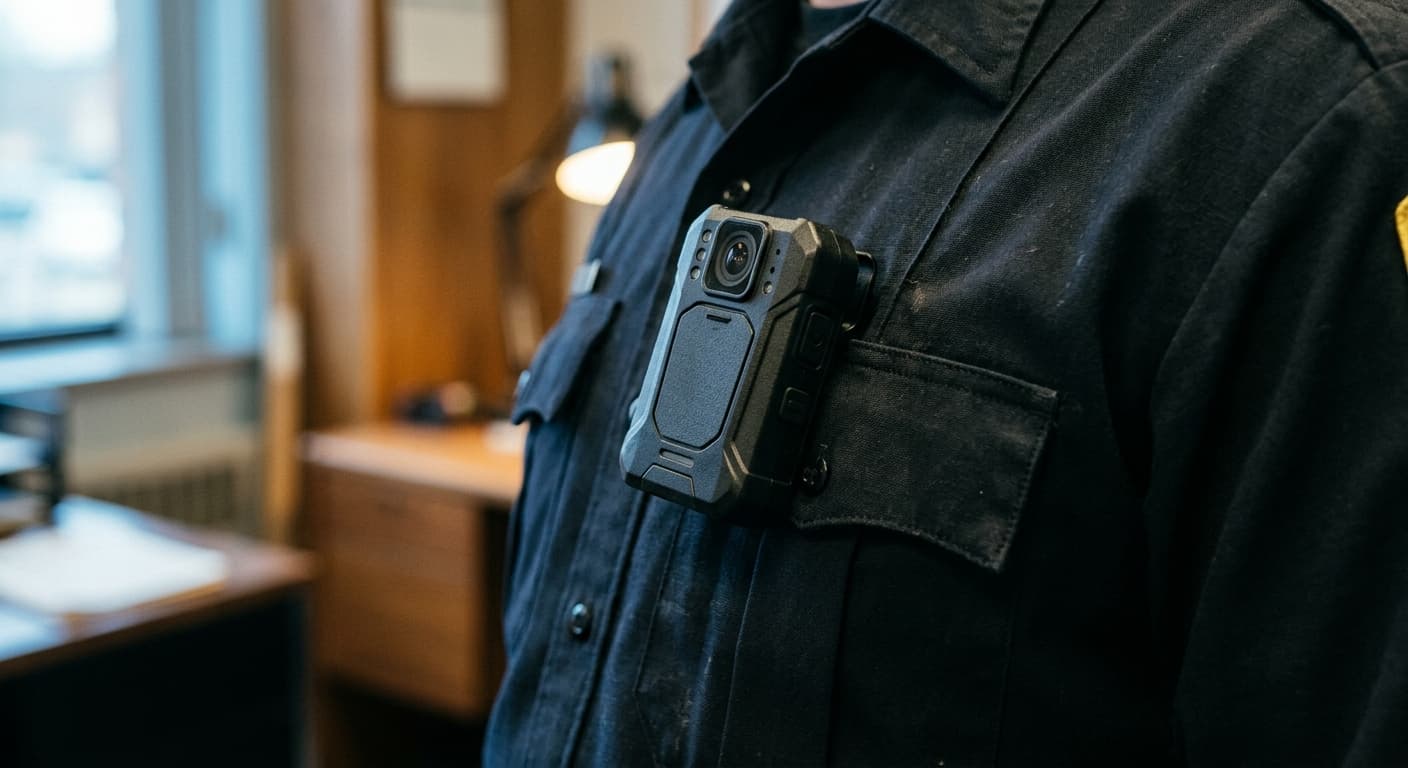
La ley de Oregon le permite grabar a los oficiales de policía mientras desempeñan funciones oficiales en público. La Primera Enmienda protege este derecho, y el ORS 165.540 establece las reglas: la grabación de video silenciosa siempre es legal, mientras que el ORS 165.540(5)(b) le permite grabar el audio de una conversación con un oficial en servicio si graba abiertamente y a la vista, la conversación es audible para usted con su oído normal sin ayuda y usted se encuentra en un lugar donde puede estar legalmente.
Usted tiene derecho a grabar a los oficiales de policía en Oregon cuando desempeñan sus funciones en público. La Primera Enmienda protege este derecho, y los tribunales federales, incluida la Corte de Apelaciones del Noveno Circuito, lo han confirmado repetidamente. Sin embargo, el marco de consentimiento mixto de Oregon bajo el ORS 165.540 añade reglas específicas sobre la grabación de audio que debe entender antes de presionar grabar.
Esta guía explica sus derechos y responsabilidades al grabar a las fuerzas del orden en Oregon en 2026, incluido lo que puede filmar legalmente, cómo se aplica el marco de consentimiento mixto y qué hacer si un oficial le dice que deje de grabar.
Su Derecho de la Primera Enmienda a Grabar a la Policía
El Fundamento Constitucional
El derecho a grabar a funcionarios gubernamentales, incluidos los oficiales de policía, mientras desempeñan sus funciones públicas está protegido por la Primera Enmienda de la Constitución de los Estados Unidos. La Corte de Apelaciones del Noveno Circuito, que cubre a Oregon, ha reconocido este derecho en múltiples decisiones. En Fordyce v. Seattle, 55 F.3d 436 (9no Cir. 1995), el Noveno Circuito reconoció un derecho de la Primera Enmienda a filmar asuntos de interés público, incluidos los oficiales de policía que trabajaban en una marcha de protesta pública. En Askins v. DHS, 899 F.3d 1035 (9no Cir. 2018), el tribunal reafirmó que la Primera Enmienda protege el derecho a fotografiar y grabar asuntos de interés público, incluidos los oficiales de las fuerzas del orden que desempeñan sus funciones oficiales en lugares públicos, y permitió que avanzara una demanda presentada por personas cuyas fotos tomadas en puertos de entrada fronterizos fueron borradas por oficiales de la Oficina de Aduanas y Protección Fronteriza de Estados Unidos.
Este derecho se aplica cuando:
- Los oficiales realizan paradas de tránsito en público
- Los oficiales hacen arrestos en calles públicas o edificios públicos
- Los oficiales responden a incidentes en áreas públicas
- Los oficiales interactúan con manifestantes o personas que protestan
- Los oficiales desempeñan cualquier función oficial visible para el público
El derecho a grabar no es ilimitado. No debe interferir físicamente con las operaciones policiales, obstruir a los oficiales en el desempeño de sus funciones, ni ponerse en peligro a usted mismo o a otros.
La Posición de Oregon sobre Grabar a la Policía
El derecho a grabar a la policía se deriva de la Primera Enmienda, y el estatuto de grabación de Oregon también lo aborda directamente. El ORS 165.540(5)(b) exime de la regla general de notificación a la persona que graba una conversación en la que participa un oficial de las fuerzas del orden, siempre que se cumplan las condiciones descritas a continuación. El efecto práctico es que puede grabar a la policía, pero debe cumplir esas condiciones cuando su grabación capta audio.
Cómo se Aplica el Marco de Consentimiento Mixto de Oregon a Grabar a la Policía
Grabación de Video Silenciosa de la Policía
Grabar video silencioso de oficiales de policía en público es legal y no activa ninguna disposición del ORS 165.540. El estatuto de intervención de comunicaciones regula la interceptación de audio, no la grabación visual. Puede:
- Filmar la actividad policial con la cámara de su teléfono (solo video, sin audio)
- Usar una videocámara o cámara digital para grabar video
- Transmitir video silencioso en vivo a las redes sociales
Grabación de Audio de la Policía en Público y el Consentimiento de Todas las Partes
Cuando su grabación capta audio de una conversación en persona, la regla general de Oregon bajo el ORS 165.540(1)(c) exige que se informe específicamente a todos los participantes que la conversación está siendo grabada. Sin embargo, para las conversaciones con la policía, el estatuto contiene una excepción específica.
La excepción de participante policial bajo el ORS 165.540(5)(b) establece que la regla de notificación no se aplica a la persona que graba una conversación en la que participa un oficial de las fuerzas del orden, si:
- La grabación se hace mientras el oficial desempeña funciones oficiales
- La grabación se hace abiertamente y a la vista de los participantes de la conversación
- La conversación es audible para la persona que graba con su oído normal sin ayuda
- La persona que graba se encuentra en un lugar donde puede estar legalmente
El ORS 165.540(10) añade que esta excepción no autoriza el allanamiento criminal ni la interferencia con un oficial de paz bajo el ORS 162.247. Una grabación oculta, o hecha desde un lugar donde usted no tiene derecho a estar, queda fuera de la excepción.
La excepción de dispositivo no oculto bajo el ORS 165.540(6)(a) es una disposición aparte. Cubre la grabación con un dispositivo no oculto en procedimientos enumerados, como reuniones públicas, audiencias, juicios, conferencias de prensa, discursos públicos y mítines. Puede respaldar la grabación en un mitin o manifestación, pero la disposición que aborda una parada de tránsito o un arresto ordinario es el ORS 165.540(5)(b).
Orientación Práctica para Grabar Audio de la Policía
Dada la complejidad legal, aquí hay orientación práctica:
- Mantenga siempre visible su dispositivo de grabación. No oculte su teléfono o cámara. El ORS 165.540(5)(b) protege la grabación de audio de oficiales solo cuando se hace abiertamente y a la vista.
- Permanezca donde legalmente puede estar. La excepción también exige que usted esté presente legalmente y que la conversación sea audible para usted con su oído normal sin ayuda.
- No interfiera con la actividad policial. Mantenga una distancia razonable. Grabe desde la acera u otras áreas públicas.
- Esté preparado para identificarse. Aunque Oregon no tiene un estatuto de "detener e identificar" para los transeúntes, la cooperación puede evitar una escalada.
- Si le piden que deje de grabar, afirme su derecho con calma. Puede decir: "Estoy ejerciendo mi derecho de la Primera Enmienda a grabar en un lugar público". No discuta ni se vuelva confrontativo.
Lo Que los Oficiales de Policía Pueden y No Pueden Hacer

Los Oficiales No Pueden:
- Ordenarle que deje de grabar sus actividades públicas únicamente porque esté filmando
- Confiscar su dispositivo de grabación sin una orden judicial o circunstancias exigentes
- Borrar sus grabaciones bajo ninguna circunstancia
- Arrestarlo únicamente por grabar sus actividades públicas
- Exigir que desbloquee su teléfono para revisar las grabaciones sin una orden judicial
Los Oficiales Pueden:
- Pedirle que retroceda si está interfiriendo físicamente con su trabajo o creando un riesgo de seguridad
- Establecer un perímetro y exigir que los transeúntes permanezcan fuera de él
- Arrestarlo por obstrucción bajo el ORS 162.247 si sus actividades de grabación realmente interfieren con sus funciones
- Confiscar su dispositivo con una orden judicial como parte de una investigación penal
- Ordenarle que se mueva si está en un área que representa un peligro inmediato
ORS 162.247: Interferir con un Oficial de Policía
El estatuto de interferencia de Oregon establece que es un delito menor de Clase A actuar intencionalmente de una manera que impida o intente impedir que un oficial de policía desempeñe funciones legales. Simplemente grabar desde una distancia segura no constituye interferencia. Sin embargo, lo siguiente podría considerarse interferencia:
- Bloquear físicamente el camino de un oficial mientras graba
- Meter la mano en un vehículo policial para obtener un mejor ángulo
- Gritarle a los oficiales para distraerlos durante un arresto
- Cruzar una línea policial o entrar a un área restringida
- Pararse tan cerca que impida el movimiento del oficial
Grabar a la Policía Durante Protestas y Manifestaciones

Derechos de los Manifestantes y Transeúntes
Oregon ha visto una actividad de protesta significativa, particularmente en Portland. Durante protestas y manifestaciones:
- Puede grabar la actividad policial desde áreas públicas
- La excepción de dispositivo no oculto respalda la grabación en mítines y manifestaciones públicas con un dispositivo visible
- La prensa y los periodistas ciudadanos tienen los mismos derechos de grabación que otros miembros del público
- Se pueden grabar las acciones de control de multitudes, el uso de la fuerza y los arrestos de la policía
Uso de Vigilancia por Parte de la Policía Durante Protestas
La ley de Oregon establece algunos límites a la vigilancia de las fuerzas del orden. El ORS 181A.250 restringe a las agencias de las fuerzas del orden de recopilar o mantener información sobre las actividades políticas, religiosas o sociales de las personas a menos que haya sospecha razonable de conducta delictiva. Este estatuto limita el alcance de la vigilancia policial en protestas y manifestaciones.
La ciudad de Portland tiene ordenanzas adicionales que rigen la tecnología de vigilancia. El Código de la Ciudad de Portland Capítulo 34.10 exige que las agencias municipales obtengan aprobación antes de adquirir o usar tecnologías de vigilancia.
Cámaras Corporales de las Fuerzas del Orden
Políticas de Cámaras Corporales en Oregon
La ley de Oregon no exige cámaras corporales a nivel estatal, pero muchos departamentos las han adoptado. El Departamento de Normas y Capacitación de Seguridad Pública de Oregon proporciona estándares de capacitación que incluyen orientación sobre el uso de cámaras corporales.
Las grabaciones de cámaras corporales por parte de las fuerzas del orden se rigen por el ORS 133.741, que establece estándares para las cámaras corporales de las fuerzas del orden, y también están sujetas al ORS 165.540(5)(d), que exime a un oficial uniformado que exhibe su placa y opera una cámara corporal que graba interacciones en servicio con el público, a menos que el oficial tenga la oportunidad de anunciar al inicio de la interacción que se está obteniendo la conversación y pueda hacerlo sin poner en peligro a nadie y sin perjudicar de forma irrazonable una investigación penal.
Solicitudes de Registros Públicos para Video de Cámaras Corporales
Las grabaciones de cámaras corporales en poder de las agencias de las fuerzas del orden de Oregon generalmente son registros públicos sujetos a divulgación bajo la Ley de Registros Públicos de Oregon (ORS 192.311-192.478). Sin embargo, varias excepciones pueden limitar el acceso:
- Excepciones de privacidad personal bajo el ORS 192.345(1)
- Excepciones por investigaciones en curso
- Excepciones para grabaciones hechas dentro de residencias privadas
- Excepciones relacionadas con menores
Para solicitar video de cámaras corporales, presente una solicitud de registros públicos a la agencia de las fuerzas del orden específica. Las agencias pueden cobrar tarifas por la revisión y producción de los registros.
Qué Hacer si se Violan sus Derechos
Durante el Encuentro
- Mantenga la calma y no resista físicamente
- Declare claramente que cree que se están violando sus derechos de grabación
- No consienta a registros del dispositivo
- Anote el número de placa, el nombre y el número de la patrulla del oficial
- Busque testigos que hayan observado el encuentro
Después del Encuentro
- Documente todo por escrito lo antes posible
- Si su dispositivo fue confiscado, no intente recuperarlo sin asesoría legal
- Presente una queja ante la división de asuntos internos de la agencia de las fuerzas del orden
- Comuníquese con la ACLU de Oregon para obtener orientación sobre violaciones de derechos civiles
- Consulte con un abogado de derechos civiles sobre posibles reclamos bajo el 42 U.S.C. 1983, que permite demandas contra funcionarios gubernamentales que violan derechos constitucionales
Sanciones Relacionadas con Grabar Encuentros con la Policía
Sanciones por Obstruir a la Policía
Si su actividad de grabación cruza la línea hacia la interferencia con las funciones policiales bajo el ORS 162.247:
| Infracción | Clasificación | Sanción Máxima |
|---|---|---|
| Interferir con un oficial de policía | Delito menor de Clase A | 364 días de prisión, multa de $6,250 |
Sanciones por Grabación Ilegal de Audio
Si la grabación de audio de un encuentro con la policía viola el ORS 165.540:
| Sanción | Máximo |
|---|---|
| Tiempo en prisión | Hasta 364 días |
| Multa | Hasta $6,250 |
Sanciones para los Oficiales que Violan sus Derechos
Los oficiales que confiscan ilegalmente su dispositivo, borran grabaciones o lo arrestan por una actividad de grabación legal pueden enfrentar:
- Medidas disciplinarias internas del departamento
- Responsabilidad civil bajo el 42 U.S.C. 1983
- Las defensas de inmunidad calificada pueden limitar la recuperación, pero los derechos claramente establecidos (como el derecho a grabar a la policía) debilitan los reclamos de inmunidad
Leyes de Grabación de Oregon por Tema
Grabación de Llamadas Telefónicas | Grabación de Audio | Grabación de Video | Grabación en el Trabajo | Grabación de la Policía | Cámaras de Seguridad | Grabación en Público | Arrendador e Inquilino | Leyes de Dashcam | Escuelas | Grabación Médica | Voyeurismo y Cámaras Ocultas
Volver a las Leyes de Grabación de Oregon
Más Leyes de Oregon
- Leyes de Oregon sobre Grabación de Reuniones con IA
- Leyes de Pensión Alimenticia en Oregon
- Leyes de Empleo a Voluntad en Oregon
- Leyes de Accidentes Automovilísticos en Oregon
- Leyes de Asientos de Auto para Niños en Oregon
- Leyes de Custodia de Menores en Oregon
- Leyes de Manutención Infantil en Oregon
- Leyes de Matrimonio de Hecho en Oregon
- Leyes de Privacidad de Datos en Oregon
- Leyes de Deepfake en Oregon
- Leyes de Divorcio en Oregon
- Leyes sobre Mordeduras de Perro en Oregon
- Leyes de Emancipación en Oregon
- Leyes de Expungement en Oregon
- Leyes de Fuga tras Accidente en Oregon
- Leyes de Arrendador e Inquilino en Oregon
Más Temas de Grabación de Oregon
- Leyes de Grabación de Oregon
- Grabación de Audio en Oregon
- Grabación de Video en Oregon
- Grabación Médica en Oregon
- Grabación en Escuelas de Oregon
- Grabación en el Trabajo en Oregon
- Grabación de Llamadas Telefónicas en Oregon
- Grabación con Cámaras de Seguridad en Oregon
- Grabación de Voyeurismo en Oregon
- Grabación entre Arrendador e Inquilino en Oregon
- Grabación de Dashcam en Oregon
- Grabación en Público en Oregon
- Leyes de Privacidad Biométrica de Oregon
- Leyes de Cámaras de Vigilancia
Preguntas frecuentes
¿Puedo grabar a los oficiales de policía en Oregon?
Sí. Usted tiene un derecho de la Primera Enmienda a grabar a los oficiales de policía mientras desempeñan sus funciones en público. La grabación de video silenciosa siempre es legal. Para la grabación de audio, el ORS 165.540(5)(b) le permite grabar una conversación con un oficial en servicio si graba abiertamente y a la vista, la conversación es audible para usted con su oído normal sin ayuda y usted se encuentra en un lugar donde puede estar legalmente. No interfiera físicamente con las operaciones policiales.
¿Puede un oficial de policía decirme que deje de grabar en Oregon?
Un oficial no puede ordenarle que deje de grabar únicamente porque esté filmando. Sin embargo, un oficial puede pedirle que se mueva si está interfiriendo físicamente con sus funciones, creando un riesgo de seguridad o dentro de un perímetro establecido. Si le piden que retroceda, cumpla mientras continúa grabando desde una distancia segura.
¿Puede la policía confiscar mi teléfono en Oregon?
Por lo general, la policía no puede confiscar su teléfono sin una orden judicial. Si alegan circunstancias exigentes, la confiscación debe estar justificada. Los oficiales no pueden borrar sus grabaciones bajo ninguna circunstancia. Si le confiscan el teléfono, no consienta un registro y contacte a un abogado.
¿Puedo grabar a la policía durante una protesta en Oregon?
Sí. La Primera Enmienda protege la grabación en protestas y manifestaciones. La excepción de dispositivo no oculto de Oregon también respalda la grabación en mítines y manifestaciones públicas con un dispositivo visible. Manténgase a una distancia segura, no interfiera con las operaciones policiales y mantenga visible su dispositivo de grabación.
¿Qué debo hacer si la policía viola mis derechos de grabación en Oregon?
Mantenga la calma durante el encuentro y no resista. Anote el número de placa y el nombre del oficial. Documente todo por escrito después. Presente una queja ante la división de asuntos internos del departamento. Comuníquese con la ACLU de Oregon o un abogado de derechos civiles sobre posibles reclamos bajo el 42 U.S.C. 1983.
Actualizaciones
Se corrigió la sección de grabación de audio para basarla en el ORS 165.540(5)(b), que permite grabar abiertamente a oficiales en servicio desde un lugar donde usted puede estar legalmente, y se aclaró que las cámaras corporales de la policía se rigen por el ORS 165.540(5)(d).
Se corrigieron las descripciones de Fordyce v. Seattle y Askins v. DHS para reflejar con precisión lo que decidió el Noveno Circuito en cada caso.
La ley detrás de este artículo
Este artículo se apoya en las disposiciones legales a continuación, conservadas en nuestro propio registro jurídico y obtenidas de la fuente oficial. Toque una sección para leer el texto vigente.
Oregon Revised Statutes, Chapter 165: Offenses Involving Fraud or Deception
§ 165.540Obtaining contents of communicationsVigentecitada en 49 de nuestros artículos
(1) Except as otherwise provided in ORS 133.724 or 133.726 or subsections (2) to (8) of this section, a person may not: (a) Obtain or attempt to obtain the whole or any part of a telecommunication or a radio communication to which the person is not a participant, by means of any device, contrivance, machine or apparatus, whether electrical, mechanical, manual or otherwise, unless consent is given by at least one participant. (b) Tamper with the wires, connections, boxes, fuses, circuits, lines or any other equipment or facilities of a telecommunication or radio communication company over which messages are transmitted, with the intent to obtain unlawfully the contents of a telecommunication or radio communication to which the person is not a participant. (c) Obtain or attempt to obtain the whole or any part of a conversation by means of any device, contrivance, machine or apparatus, whether electrical, mechanical, manual or otherwise, if not all participants in the conversation are specifically informed that their conversation is being obtained.
Texto oficial (extracto) · verificado el 2026-09-24 · Lea el texto completo en nuestra biblioteca legal · Verifique en oregonlegislature.gov
Citada en 76 resoluciones judiciales de nuestra colecciónResolución más reciente que la cita en nuestra colección: 2026
En los tribunales (resumen editorial, verificado de forma independiente):State v. Fleetwood (2000) aplicó ORS 165.540 a pruebas obtenidas con micrófono oculto y sostuvo que las palabras dichas por teléfono son una telecomunicación bajo el inciso (1)(a) y que la excepción (5)(a)(B) no rige salvo que el agente participe recíprocamente en la conversación, por lo que las grabaciones eran inadmisibles.
Resoluciones que citan esta sección en nuestra colección:
- State v. Klein (Oregon Supreme Court 2012, 352 Or. 302)“…eing 3 recorded. Conversations recorded in violation of ORS 165.540 are not admissible in 4 court excep…”
- North Pacific Lumber Co. v. Oliver (Oregon Supreme Court 1979, 286 Or. 639)✓Una mayorista de madera monitoreaba en secreto las llamadas de sus comerciantes; el tribunal dijo que la práctica pudo haber violado la ORS 165.540, pero se negó a fundar en ella la doctrina de manos sucias, ya que nunca se monitorearon las llamadas del exempleado. La demanda del empleador fracasó por otros motivos.
- State v. Fleetwood (Oregon Supreme Court 2000, 331 Or. 511)✓Un detective le puso un micrófono oculto a un informante y grabó el lado del sospechoso en una llamada telefónica y sus conversaciones con su madre y una menor que le vendió marihuana; el tribunal sostuvo que esas intercepciones violaron la ORS 165.540(1)(a) y (1)(c) porque el informante no era participante, y mantuvo la supresión.
Identificado automáticamente a partir de las opiniones judiciales que citan esta sección; no es un ranking de qué caso prevalece.
También citada en: Leyes de Grabación de Luisiana (2026): Reglas de Consentimiento de Una Sola Parte, Leyes de grabación de llamadas telefónicas en Luisiana: lo que debe saber, Leyes de Grabación de Nuevo Mexico (2026): Reglas de Consentimiento de una Sola Parte
Oregon Revised Statutes, Chapter 162: Offenses Against the State and Public Justice
§ 162.247Interfering with a peace officer or parole and probation officerVigente
(1) A person commits the crime of interfering with a peace officer or parole and probation officer if the person, knowing that another person is a peace officer or a parole and probation officer as defined in ORS 181A.355, intentionally or knowingly acts in a manner that prevents, or attempts to prevent, the peace officer or parole and probation officer from performing the lawful duties of the officer with regard to another person or a criminal investigation. (2) Interfering with a peace officer or parole and probation officer is a Class A misdemeanor. (3) This section does not apply: (a) In situations in which the person is engaging in passive resistance. (b) To the act of informing another person of the other person’s civil or constitutional rights. (4) A person may not be arrested or charged under this section if the person is arrested or charged for another offense based on the same conduct. [1997 c.719 §1; 1999 c.1040 §7; 2005 c.668 §1; 2021 c.254 §1; 2025 c.246 §3] Note: 162.247 was enacted into law by the Legislative Assembly but was not added to or made a part of ORS chapter 162 or any series therein by legislative action.
Texto oficial (extracto) · verificado el 2026-07-29 · Lea el texto completo en nuestra biblioteca legal · Verifique en oregonlegislature.gov
Citada en 120 resoluciones judiciales de nuestra colecciónResolución más reciente que la cita en nuestra colección: 2026
Resoluciones que citan esta sección en nuestra colección:
- State v. Ashbaugh (Oregon Supreme Court 2010, 349 Or. 297)“…rkeby. See ORS 811.535 (failure to obey a police officer); ORS 162.247(l)(b) (failure to obey a peace officer)…”
- State v. Backstrand (Oregon Supreme Court 2013, 354 Or. 392)“…igating are simply inapplicable in this circumstance. See ORS 162.247(l)(a) (crime to prevent officer from pe…”
- State v. McNally (Oregon Supreme Court 2017, 361 Or. 314)“…cer charged him with Interfering with a Peace Officer under ORS 162.247(1)(b). The trial court later refused de…”
Identificado automáticamente a partir de las opiniones judiciales que citan esta sección; no es un ranking de qué caso prevalece.
Oregon Revised Statutes, Chapter 181A: State Police; Crime Reporting and Records; Public Safety Standards and Training; Private Security
§ 181A.250Specific information not to be collected or maintainedVigentecitada en 2 de nuestros artículos
No law enforcement agency, as defined in ORS 181A.010, may collect or maintain information about the political, religious or social views, associations or activities of any individual, group, association, organization, corporation, business or partnership unless such information directly relates to an investigation of criminal activities, and there are reasonable grounds to suspect the subject of the information is or may be involved in criminal conduct. [Formerly 181.575] Note: 181A.250 was made a part of 181A.160 to 181A.250 by legislative action but was not added to 181A.010 to 181A.350. See Preface to Oregon Revised Statutes for further explanation.
Texto oficial (extracto) · verificado el 2026-07-29 · Lea el texto completo en nuestra biblioteca legal · Verifique en oregonlegislature.gov
Citada en 1 resoluciones judiciales de nuestra colecciónResolución más reciente que la cita en nuestra colección: 2025
Resoluciones que citan esta sección en nuestra colección:
- ACLU of Oregon v. City of Portland (Court of Appeals of Oregon 2025, 338 Or. App. 750)“…t least portions” of the livestreams in this case “violated ORS 181A.250” and “breached [the PPB’s] obligations”…”
Identificado automáticamente a partir de las opiniones judiciales que citan esta sección; no es un ranking de qué caso prevalece.
Oregon Revised Statutes, Chapter 192: Records; Public Reports and Meetings
§ 192.311Definitions for ORS 192.311 to 192.478Vigentecitada en 4 de nuestros artículos
As used in ORS 192.311 to 192.478: (1) “Business day” means a day other than Saturday, Sunday or a legal holiday and on which at least one paid employee of the public body that received the public records request is scheduled to and does report to work. In the case of a community college district, community college service district, public university, school district or education service district, “business day” does not include any day on which the central administration offices of the district or university are closed. (2) “Custodian” means: (a) The person described in ORS 7.110 for purposes of court records; or (b) A public body mandated, directly or indirectly, to create, maintain, care for or control a public record. “Custodian” does not include a public body that has custody of a public record as an agent of another public body that is the custodian unless the public record is not otherwise available. (3) “Person” includes any natural person, corporation, partnership, firm, association or member or committee of the Legislative Assembly.
Texto oficial (extracto) · verificado el 2026-07-29 · Lea el texto completo en nuestra biblioteca legal · Verifique en oregonlegislature.gov
Citada en 17 resoluciones judiciales de nuestra colecciónResolución más reciente que la cita en nuestra colección: 2026
Resoluciones que citan esta sección en nuestra colección:
- Bialostosky v. Cummings (Court of Appeals of Oregon 2022, 319 Or. App. 352)“…dy” subject to the Oregon Inspection of Public Records law, ORS 192.311 - 192.478, and, if so, whether the note…”
- Chaimov v. Dept. of Admin. Services (Court of Appeals of Oregon 2021, 314 Or. App. 253)“…section for a communication ordered to be disclosed under ORS 192.311 to 192.478.” (Emphasis added.) We n…”
- City of Portland v. Bartlett (Court of Appeals of Oregon 2020, 304 Or. App. 580)“…owing public records are exempt from disclo- sure under ORS 192.311 to 192.478: “* * * * * “…”
Identificado automáticamente a partir de las opiniones judiciales que citan esta sección; no es un ranking de qué caso prevalece.
§ 192.345Public records conditionally exempt from disclosureVigentecitada en 6 de nuestros artículos
192.345 Public records conditionally exempt from disclosure. The following public records are exempt from disclosure under ORS 192.311 to 192.478 unless the public interest requires disclosure in the particular instance: (1) Records of a public body pertaining to litigation to which the public body is a party if the complaint has been filed, or if the complaint has not been filed, if the public body shows that such litigation is reasonably likely to occur. This exemption does not apply to litigation which has been concluded, and nothing in this subsection shall limit any right or opportunity granted by discovery or deposition statutes to a party to litigation or potential litigation. (2) Trade secrets. “Trade secrets,” as used in this section, may include, but are not limited
Texto oficial (extracto) · verificado el 2026-09-02 · Lea el texto completo en nuestra biblioteca legal · Verifique en oregonlegislature.gov
United States Code Title 42
§ 1983Civil action for deprivation of rightsVigentecitada en 52 de nuestros artículos
Every person who, under color of any statute, ordinance, regulation, custom, or usage, of any State or Territory or the District of Columbia, subjects, or causes to be subjected, any citizen of the United States or other person within the jurisdiction thereof to the deprivation of any rights, privileges, or immunities secured by the Constitution and laws, shall be liable to the party injured in an action at law, suit in equity, or other proper proceeding for redress, except that in any action brought against a judicial officer for an act or omission taken in such officer’s judicial capacity, injunctive relief shall not be granted unless a declaratory decree was violated or declaratory relief was unavailable. For the purposes of this section, any Act of Congress applicable exclusively to the District of Columbia shall be considered to be a statute of the District of Columbia.
Texto oficial (extracto) · verificado el 2026-09-16 · Lea el texto completo en nuestra biblioteca legal · Verifique en uscode.house.gov
Citada en 282,365 resoluciones judiciales de nuestra colecciónResolución más reciente que la cita en nuestra colección: 2026
Resoluciones que citan esta sección en nuestra colección:
- Ashcroft v. Iqbal (Supreme Court of the United States 2009, 556 U.S. 662)“…its brought against state officials under Rev. Stat. §1979, 42 U. S. C. §1983.” Hartman, 547 U. S., at 254, n. 2. Cf.…”
- Celotex Corp. v. Catrett, Administratrix of the Estate of Catrett (Supreme Court of the United States 1986, 477 U.S. 317)“…policeman as she left. Petitioner brought an action under 42 U. S. C. § 1983 claiming that the refusal of service a…”
- Monell v. New York City Dept. of Social Servs. (Supreme Court of the United States 1978, 436 U.S. 658)“…decided less than two decades ago. Focusing new light on 42 U. S. C. § 1983 , that decision widened access to the f…”
Identificado automáticamente a partir de las opiniones judiciales que citan esta sección; no es un ranking de qué caso prevalece.
Fuentes y referencias
- ORS 165.540 - Obtención del Contenido de Comunicaciones(oregonlegislature.gov).gov
- ORS 162.247 - Interferir con un Oficial de Policía(oregonlegislature.gov).gov
- ORS 181A.250 - Límites a la Vigilancia de las Fuerzas del Orden(oregonlegislature.gov).gov
- ORS 192.311-478 - Ley de Registros Públicos de Oregon(oregonlegislature.gov).gov
- DPSST de Oregon(oregon.gov).gov
- 42 U.S.C. 1983 - Acción Civil por Privación de Derechos(law.cornell.edu)
- Project Veritas v. Schmidt - Opinión en Pleno del Noveno Circuito(cdn.ca9.uscourts.gov).gov