Cook IVC Filter Lawsuit 2026: MDL 2570 Claims & Status

Retrievable inferior vena cava (IVC) blood-clot filters made by Cook Medical are the subject of product liability claims alleging that the devices can fracture, move, or perforate the large vein they sit in. The federal cases are coordinated in a multidistrict litigation in Indiana. This page explains the claims, the FDA record, and the current status neutrally, including the fact that most test trials have favored the manufacturer. It is general information and attorney advertising, not legal advice, and not a statement that anyone has a claim.
This page is part of our Mass Tort & Product Liability overview.
What the Cook IVC filter litigation is about
An inferior vena cava filter is a small, cage-like metal device implanted in the inferior vena cava, the large vein that returns blood from the lower body to the heart, to catch blood clots before they reach the lungs and cause a pulmonary embolism. Retrievable filters are designed so they can be removed once the risk of clots has passed. The lawsuits focus on Cook Medical's retrievable filters, including models known as the Gunther Tulip and the Celect, and allege that they can fracture, with struts breaking off, migrate or tilt out of position, or perforate the wall of the vena cava, and that they can become embedded and difficult or impossible to remove. The legal claims include design defect, failure to warn, negligence, and misrepresentation. These are allegations that plaintiffs must prove, and Cook denies that the devices are defective.
Note: These are allegations being tested in court. IVC filters prevent dangerous clots from reaching the lungs in many patients, and a complication does not by itself establish that a device was defective or that the manufacturer is liable.
The alleged injuries
The injuries alleged in the litigation generally arise from a filter failing in place. Plaintiffs allege fracture, in which a strut breaks off and a fragment can travel through the bloodstream toward the heart or lungs, along with migration of the filter, tilting, and perforation of the vena cava wall and sometimes adjacent organs. They also allege that a filter can become embedded so that it is difficult or impossible to retrieve, which can require a complex removal procedure or leave the device in place permanently. The severity varies from person to person, and whether any outcome was caused by a device defect, rather than by the recognized risks of any IVC filter, is contested in the cases.

What the FDA record shows
The FDA has raised concerns about how long retrievable IVC filters are left in, but it has not recalled the Cook devices at issue. In an August 2010 safety communication, the agency reported receiving more than 900 adverse-event reports involving IVC filters, including device migration, fractures, embolization of fragments, and perforation, and it recommended that physicians consider removing a retrievable filter once protection from a clot is no longer needed. In May 2014, the FDA updated that communication and, drawing on a risk-benefit analysis, suggested that filters generally be removed within a window of roughly one to two months after the clot risk has passed when it is safe to do so. These were safety communications urging timely removal, not a recall, and IVC filters remain FDA-cleared and in clinical use.
Note: The FDA did not recall Cook IVC filters. Its communications address the practice of leaving short-term filters in too long, which is a different question from whether a particular device has a defect. That defect question is what the litigation disputes.
Not the same as the Bard IVC filter cases
It is easy to confuse this litigation with the Bard IVC filter cases, but they are separate. The Cook cases are in MDL No. 2570 in the Southern District of Indiana, while the cases against a different manufacturer, C.R. Bard, were centralized as MDL No. 2641 in the District of Arizona. The Bard litigation has largely wound down, with the court issuing final remand and transfer orders in 2021, while the Cook litigation remained active into 2026. They involve different companies, different filter models, different courts, and different judges, and a result in one does not control the other.
The status of the litigation (as of June 2026)
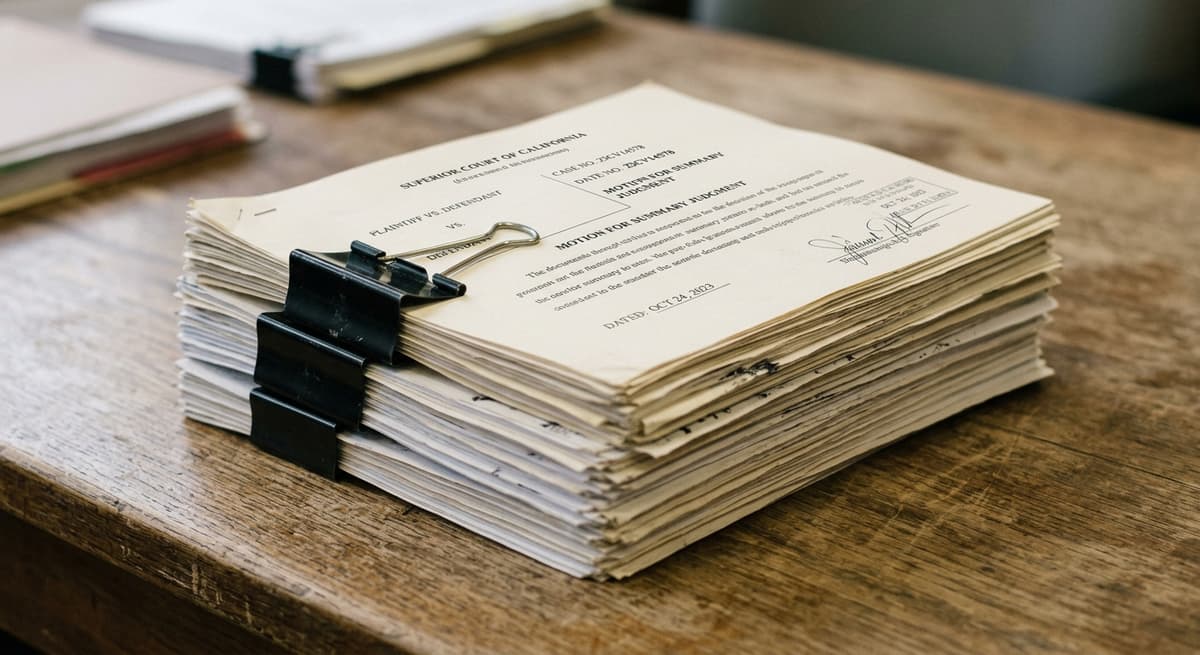
The federal cases are consolidated in MDL No. 2570 in the Southern District of Indiana before Judge Richard L. Young, which the Judicial Panel on Multidistrict Litigation created in October 2014. As of mid-2026, more than 6,000 cases were reportedly pending. The bellwether record has largely favored Cook: the first test trial ended in a defense verdict in 2017, a second case was resolved in Cook's favor before trial, and a third produced a plaintiff verdict of about $3 million in 2019 that the judge later set aside, ordering a new trial. A peer-reviewed analysis of IVC-filter bellwether trials across the Cook and Bard litigations reported that the large majority resolved in the manufacturers' favor. As of June 2026 the parties were reportedly working toward a settlement of at least a portion of the cases, but no global settlement has been finalized, and no per-claim amounts have been established.
Who may be involved
The people generally involved in this litigation are those who were implanted with a Cook retrievable IVC filter, such as the Gunther Tulip or Celect, and allege an injury connected to the device fracturing, migrating, tilting, perforating the vena cava, or being difficult to remove. Whether any particular person may have a claim depends on the specific facts, including which device was implanted and when, the documentation of the complication and any removal attempt, the medical records, and the law of the relevant state, and the cases must account for a bellwether record that has mostly favored the defense. Having an IVC filter does not by itself establish a claim, and nothing here suggests that every patient has one or that any outcome is assured.
Deadlines and why they matter
Claims like these are subject to statutes of limitations, the legal deadlines to file suit, which vary by state and by the type of claim, commonly in the range of two to six years. Many states measure the deadline from when a person knew or reasonably should have known that an injury was connected to the device, a concept called the discovery rule, rather than from the implant date. Some states also have statutes of repose, and because the litigation is reportedly moving toward settlement, any settlement program can have its own registration cutoffs. There is no single national deadline, and this page does not state any individual's deadline. A licensed attorney in the relevant state can determine what applies, and missing a deadline can permanently bar a claim.
How to evaluate your options
If you are trying to understand your legal options, the appropriate step is to speak with a licensed attorney who handles this type of case. An attorney can assess the facts, explain the law in your state, and advise whether you may have a claim or whether any settlement program is open, which this page cannot do, and can take into account that most test trials have favored the defense. It helps to gather any records you have, such as the records identifying the specific filter, your medical records documenting the complication and any removal procedure, and the relevant dates. Most mass tort and personal injury attorneys offer a free, confidential consultation and work on a contingency basis, meaning a fee is generally owed only if there is a recovery. A consultation creates no obligation.

Harmed by a product or exposure? Speak with an attorney about your options
If you or a loved one may have been harmed, you can speak with an attorney about your legal options at no cost. Whether you have a claim depends on the specific facts. This is attorney advertising, not a guarantee that you qualify or of any particular outcome.
Frequently Asked Questions
What is the Cook IVC filter lawsuit about?
It involves claims that Cook Medical's retrievable inferior vena cava (IVC) filters can fracture, migrate, tilt, or perforate the vena cava and can be difficult to remove, allegedly causing injury, and that Cook failed to warn adequately. The legal theories are design defect, failure to warn, negligence, and misrepresentation. Cook denies the filters are defective.
What is the case number and where is it?
The federal cases are consolidated in In re: Cook Medical, Inc., IVC Filters Marketing, Sales Practices and Products Liability Litigation, MDL No. 2570, in the U.S. District Court for the Southern District of Indiana before Judge Richard L. Young. The MDL was created in October 2014.
Did the FDA recall Cook IVC filters?
No. The FDA issued safety communications in 2010 and 2014 urging doctors to remove retrievable IVC filters once the clot risk has passed, but it did not recall Cook's filters, and IVC filters remain FDA-cleared and in clinical use. The litigation is about an alleged defect, which is a separate question.
Has anyone won a Cook IVC filter trial?
The record has mostly favored Cook. The first test trial ended in a defense verdict in 2017, a second was resolved in Cook's favor before trial, and a third produced a plaintiff verdict of about $3 million in 2019 that the judge later set aside, ordering a new trial. Results are specific to the cases tried.
Is there a settlement?
As of June 2026 the parties were reportedly working toward a settlement of at least some cases, but no global settlement has been finalized and no per-claim amounts have been established. Be cautious of any source that promises a specific payout, because none has been set.
Is this the same as the Bard IVC filter lawsuit?
No. The Cook cases are in MDL No. 2570 in Indiana, while the cases against C.R. Bard were in a separate proceeding, MDL No. 2641, in Arizona, which has largely wound down. They involve different companies and different filters.
Sources and References
- U.S. District Court, Southern District of Indiana, MDL Case Information page confirming MDL No. 2570 (In re: Cook Medical, Inc., IVC Filters), master case 1:14-ml-2570, before Judge Richard L. Young and Magistrate Judge Tim A. Baker(uscourts.gov).gov
- U.S. District Court, Southern District of Indiana, Cook Medical IVC Filter MDL case-management page(uscourts.gov).gov
- Judicial Panel on Multidistrict Litigation, Initial Transfer Order (Oct. 15, 2014) centralizing the Cook Medical IVC filter actions as MDL No. 2570 in the Southern District of Indiana(uscourts.gov).gov
- U.S. District Court, District of Arizona, page for the separate In re: Bard IVC Filters Products Liability Litigation (MDL No. 2641), showing the 2021 remand/transfer orders, cited to distinguish the Bard litigation from the Cook MDL(uscourts.gov).gov
- Archived U.S. FDA Initial Communication (Aug. 9, 2010), Removing Retrievable Inferior Vena Cava (IVC) Filters, reporting more than 900 adverse-event reports and recommending removal once protection is no longer needed(fda.gov).gov
- U.S. FDA announcement reiterating the agency's history of IVC filter safety communications and the recommendation to remove retrievable filters when no longer needed(fda.gov).gov
- Peer-reviewed analysis, Outcomes of bellwether cases related to inferior vena cava filters in multidistrict litigations, Journal of Vascular Surgery: Venous and Lymphatic Disorders, reporting that most IVC-filter bellwether cases resolved in the defendants' favor(jvsvenous.org)
- Peer-reviewed (National Library of Medicine, PMC) evaluation of IVC filter complications by filter type, providing background on fracture, migration, and perforation(ncbi.nlm.nih.gov).gov