Michigan Bars Large Investors From Buying More Single-Family Homes (HB 6074)
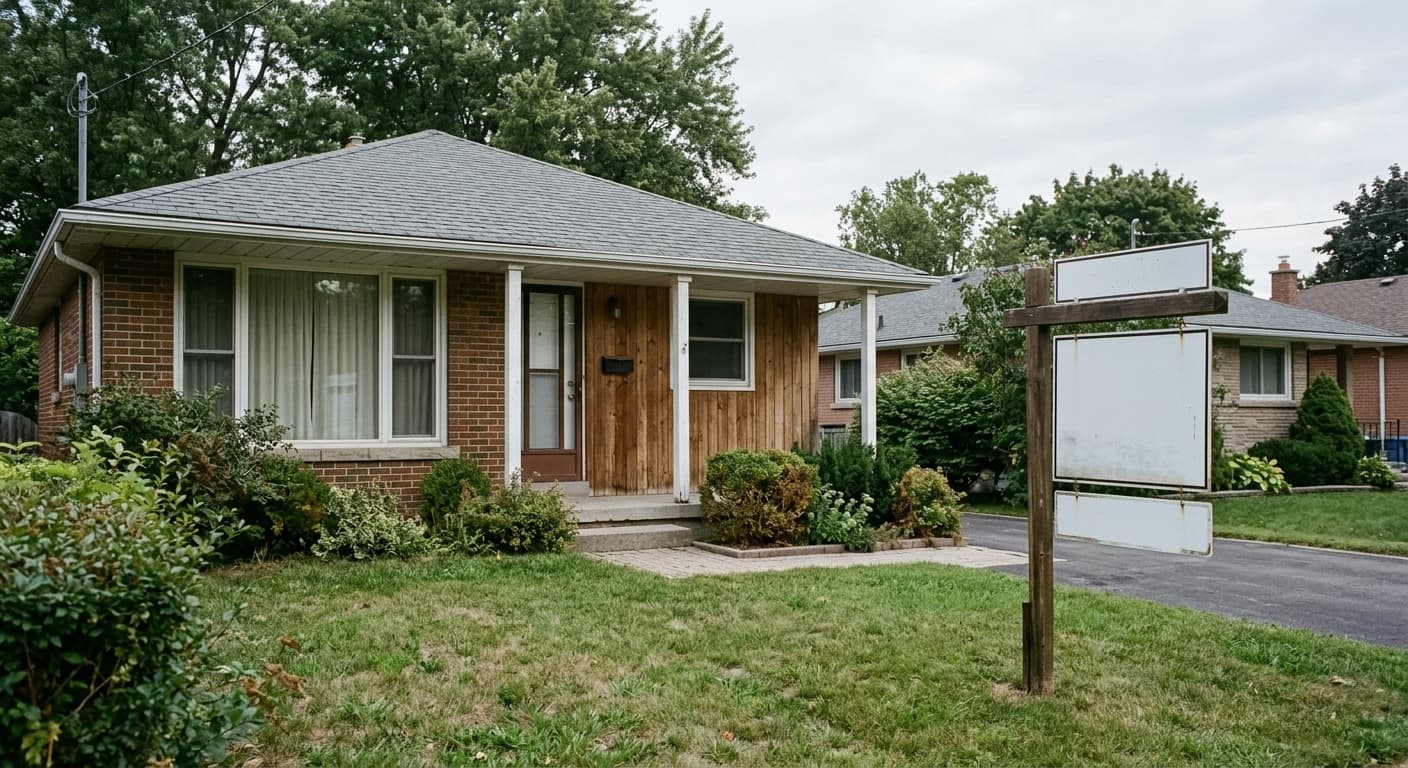
Michigan Bars Large Investors From Buying More Single-Family Homes Under HB 6074
On July 21, 2026, Michigan Governor Gretchen Whitmer signed House Bill 6074 into law as Public Act 32 of 2026, prohibiting large institutional investors that already control more than 100 single-family homes in the state from buying additional ones. The measure was the centerpiece of a bipartisan housing package.
Information last verified on July 24, 2026. This is a developing story; we update it as the record changes.
Jurisdiction scope: This article addresses Michigan's new restriction on institutional purchases of single-family homes under Public Act 32 of 2026. It explains state law only and does not provide guidance on any specific transaction. For the parallel federal measure, see our report on the ROAD to Housing Act's investor cap.
What Happened
Governor Whitmer signed House Bill 6074 on July 21, 2026, and it became Public Act 32 of 2026. The Michigan House Fiscal Agency analysis and the enrolled bill describe a new act that prohibits a "large institutional investor" from purchasing, or entering a contract to purchase, a single-family home in Michigan, whether directly or indirectly.
The law defines who counts as a large institutional investor with two thresholds that must both be met. First, the entity must be a for-profit business engaged, at least in part, in investing in, owning, renting, managing, or holding single-family homes, and it must have investment control of more than 100 single-family homes in the aggregate in Michigan, alone or acting in concert with others. Second, the entity must manage or hold a net value of at least $375 million at some point during the tax year in which it buys or seeks to buy a home. A smaller landlord or an individual buyer does not meet that definition.
The statute includes several exceptions. An investor may still acquire homes through a restructuring or reorganization of properties it already owned as of the act's effective date. It may participate in projects approved by the Michigan State Housing Development Authority under the Brownfield Redevelopment Financing Act. It may run a build-to-rent program that purchases newly constructed single-family homes to operate as rentals. And it may run a renovate-to-rent program that substantially rehabilitates homes failing local building-code standards, so long as the improvements total at least 15 percent of the purchase price.
Enforcement runs through civil fines. A large institutional investor that violates the act is subject to a civil fine of not more than $25,000 for each single-family home acquired in violation. The county prosecutor where the property sits, or the Michigan Attorney General, may bring an action to collect the fine.
House Bill 6074 was one piece of a broader housing package Whitmer signed the same day under the banner of building more homes. The package also created the Michigan Housing Opportunity Tax Credit, designed to work in tandem with the federal low-income housing tax credit, and directed $50 million into Michigan's Housing and Community Development Fund, alongside measures the administration described as cutting permitting red tape.

What the Law Actually Says
The new act regulates the buyer, not the house. Its operative prohibition is a flat bar on covered investors acquiring single-family homes, subject to the enumerated exceptions. That structure is aimed at a specific market concern: large, well-capitalized firms buying up starter homes and converting them to rentals, which critics argue prices out first-time and working-family buyers.
Two features define its reach. The dollar threshold, a net value of at least $375 million, limits the ban to genuinely large players rather than local landlords. The 100-home count means the restriction applies only once a firm already holds a substantial Michigan portfolio; it does not stop a new entrant's first purchases until that firm crosses the line.
Michigan's approach mirrors a federal law but sets a stricter trigger. The federal ROAD to Housing Act, which we covered when it became law, caps certain institutional buyers at 350 single-family homes. Michigan's 100-home threshold is lower, so the state law reaches mid-sized investors that the federal cap would not. Because the two operate independently, a large investor buying in Michigan must account for both.
The law also leaves existing holdings untouched. Nothing in the act requires a covered investor to divest homes it already owns; it restricts future purchases. That is a common design choice in this wave of legislation, and it means the immediate effect is to slow further concentration rather than reverse it.
For readers tracking property ownership and landlord rules in the state, our guides to Michigan landlord-tenant law, how to look up who owns a property in Michigan, and Michigan adverse possession and squatter rules provide the surrounding legal context.
Analysis: Why This Matters
The following is analysis from the Recording Law Editorial Team.
Michigan joins a small but growing group of states legislating directly against institutional ownership of single-family homes, and its choice of a 100-home threshold is the notable detail. By setting the number well below the federal 350-home cap, the state has signaled that it views even mid-sized portfolios as a policy concern, not just the largest national operators. The paired $375 million net-value test keeps the rule from sweeping in ordinary local landlords, which is likely to blunt the most obvious line of objection.
The exceptions are where the law's practical shape emerges. By exempting build-to-rent and substantial renovate-to-rent activity, the legislature drew a line between investors that add or improve housing stock and those that simply buy existing homes to hold as rentals. That distinction reflects a judgment that the concern is competition for the existing supply of starter homes, not rental housing as such.
Whether a purchase cap changes affordability is a contested empirical question that this law will now test. Supporters argue that removing large cash buyers from bidding wars gives ordinary purchasers a better chance. Skeptics note that institutional investors own a modest share of the overall market in most places and that supply constraints drive prices more than any single class of buyer. The enforcement design, civil fines collected by prosecutors or the Attorney General rather than a licensing regime, will also shape how vigorously the ban is applied.
How This Affects You
This section describes the law in general terms and is not advice about any specific transaction. For an ordinary homebuyer or a small landlord in Michigan, the new act does not restrict purchases; it applies only to entities that meet both the 100-home and $375 million thresholds. For a large investor, the practical takeaway is that new single-family acquisitions in Michigan are now prohibited unless they fit one of the statutory exceptions, and each noncompliant purchase can carry a fine of up to $25,000.
Because the definitions and exceptions are detailed, and because the federal ROAD to Housing Act may apply at the same time, any entity that might be covered should review the enrolled text and consult a Michigan real-estate attorney before acquiring homes in the state. The law affects future purchases and does not require anyone to sell property they already own.
This is general legal information, not legal advice. It summarizes Michigan Public Act 32 of 2026 (House Bill 6074) as verified on July 24, 2026. It covers Michigan law, does not address your specific situation, and does not create an attorney-client relationship. Laws change; consult a lawyer licensed in Michigan about your circumstances.
Last updated: 2026-07-24. This is a developing story; details verified as of 2026-07-24.
Frequently Asked Questions
What does Michigan's House Bill 6074 do?
Signed on July 21, 2026 as Public Act 32 of 2026, it prohibits large institutional investors from purchasing single-family homes in Michigan. A covered investor that buys a home in violation faces a civil fine of up to $25,000 per home.
Who counts as a 'large institutional investor' under the law?
A for-profit entity that is in the business of investing in or managing single-family homes, has investment control of more than 100 single-family homes in Michigan (alone or with others), and manages or holds a net value of at least $375 million during the relevant tax year. Individual buyers and small landlords do not meet this definition.
Does the law force investors to sell homes they already own?
No. The act restricts future purchases by covered investors. It does not require anyone to divest single-family homes they owned before the law took effect.
Are there any exceptions to the purchase ban?
Yes. The law allows certain restructurings of already-owned homes, projects approved by the Michigan State Housing Development Authority, build-to-rent purchases of newly constructed homes, and renovate-to-rent programs that substantially rehabilitate substandard homes with improvements of at least 15 percent of the purchase price.
How is the ban enforced?
Through civil fines of up to $25,000 per single-family home acquired in violation. The prosecutor of the county where the property is located, or the Michigan Attorney General, may bring an action to collect the fine.
How does the Michigan law compare to the federal ROAD to Housing Act?
The federal ROAD to Housing Act caps certain institutional buyers at 350 single-family homes. Michigan's threshold is lower, at more than 100 homes, so the state law reaches mid-sized investors the federal cap would not. The two laws operate independently.
What else was in the housing package Whitmer signed?
The same package created the Michigan Housing Opportunity Tax Credit to pair with the federal low-income housing tax credit, directed $50 million into the state's Housing and Community Development Fund, and included measures the administration described as cutting permitting red tape to build more homes.
Sources and References
- Office of Governor Gretchen Whitmer, release on signing the July 2026 housing package including HB 6074(michigan.gov).gov
- Michigan House Bill 6074 of 2026 (Public Act 32 of 2026), bill status and enrolled text(legislature.mi.gov).gov
- Michigan House Fiscal Agency, Legislative Analysis of HB 6074 (Summary as Enrolled, July 7, 2026)(legislature.mi.gov).gov