
Hawaii
Leyes de Hawai sobre grabar a la policía: sus derechos y la Act 164
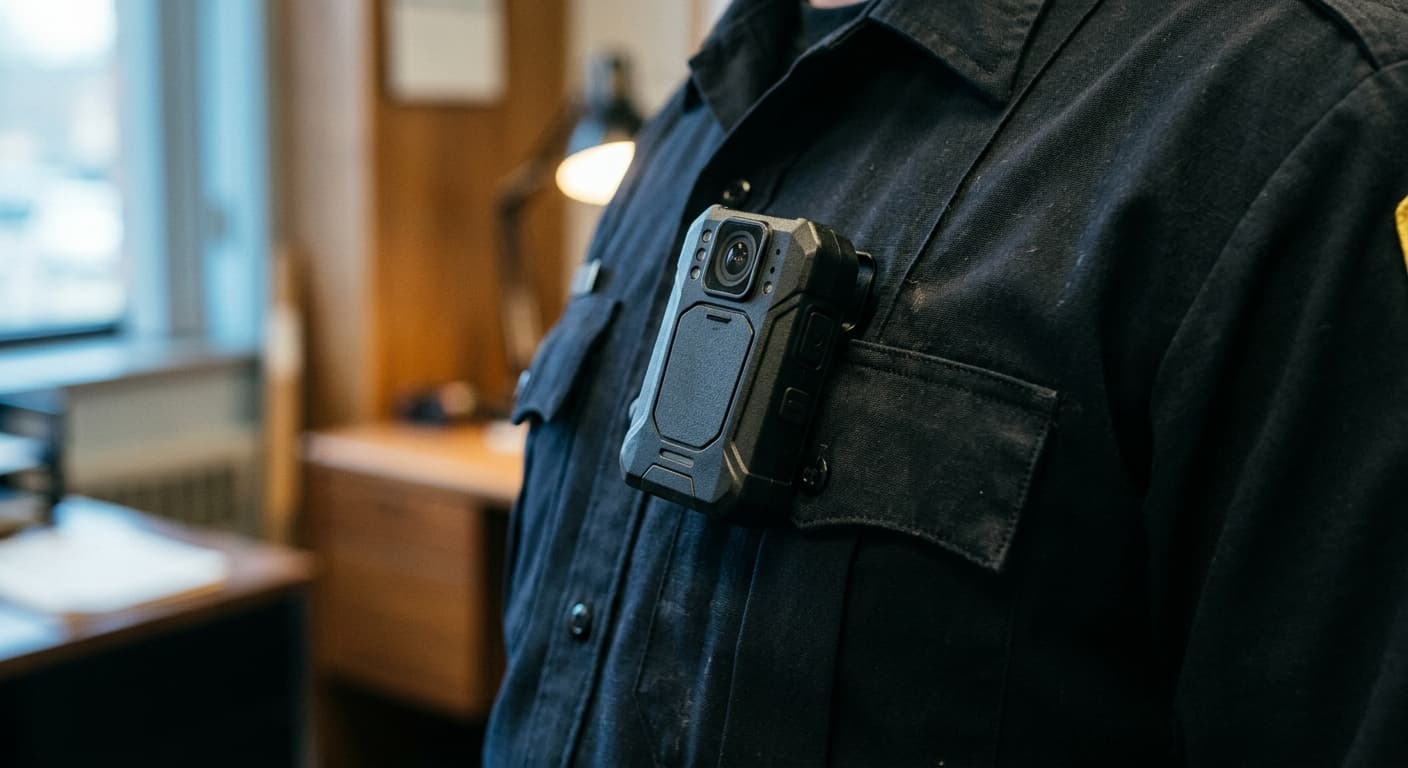
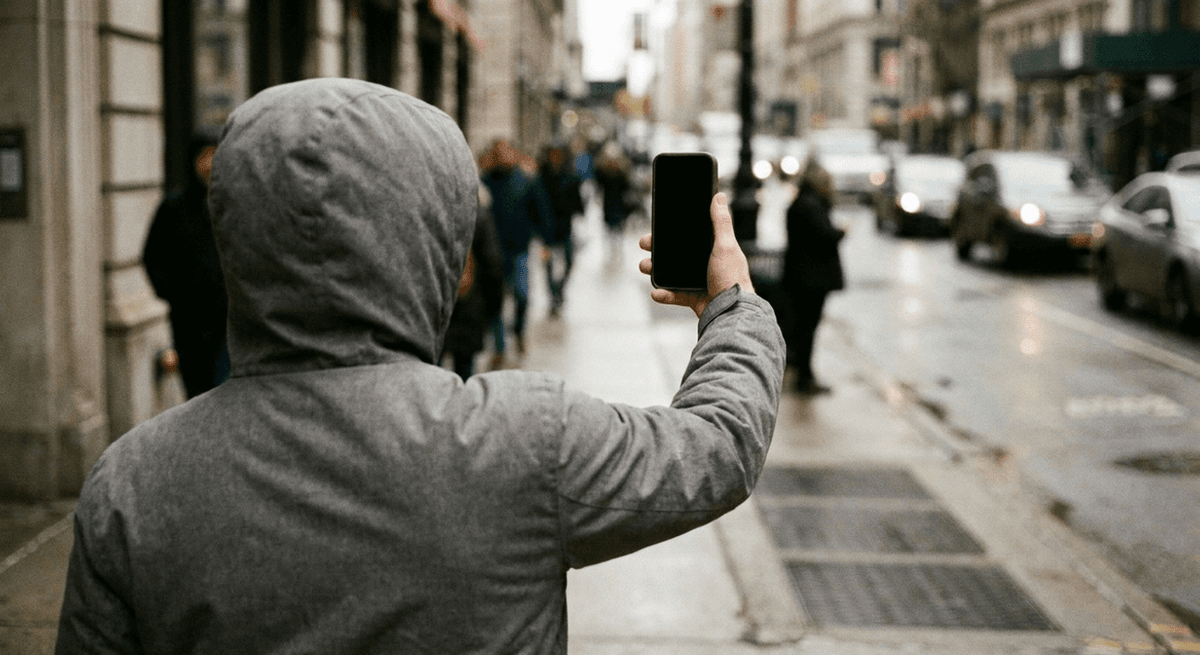
Grabar a los oficiales de policía en el desempeño de sus funciones en público está protegido en Hawai. La Corte Suprema de Hawai sostuvo en State v. Russo (2017) que está protegido por la Primera Enmienda y la Constitución de Hawai, y la Act 164 (2016) modificó HRS 711-1111 y HRS 710-1010 para que filmar a los oficiales en el desempeño de sus funciones en público, o donde no tengan una expectativa razonable de privacidad, no sea por sí solo una violación de la privacidad ni obstrucción.
En 2016, la legislatura estatal aprobó la Act 164, que modificó tanto el estatuto de privacidad como el estatuto de obstrucción para que grabar a la policía en el desempeño de sus funciones en público no sea, por sí solo, un delito bajo ninguna de las dos leyes. El derecho de fondo es constitucional: en State v. Russo (2017), la Corte Suprema de Hawai sostuvo que filmar a los oficiales de policía en el desempeño de sus funciones en público está protegido por la Primera Enmienda y por el artículo I, sección 4 de la Constitución de Hawai, sujeto a límites razonables de tiempo, lugar y manera.
Esta guía cubre las protecciones legales específicas, las limitaciones para grabar a la policía, lo que los oficiales pueden y no pueden hacer cuando encuentran a alguien grabando, y consejos prácticos para ejercer sus derechos de manera segura.
Act 164 (2016): las excepciones de Hawai para grabar
Lo que dice la ley
La Act 164 (2016) modificó dos estatutos penales para agregar excepciones para grabar a la policía:
Modificación a HRS 711-1111 (Privacidad). La ley agregó una cláusula al párrafo (1)(d) del estatuto de privacidad que establece que no prohíbe realizar una grabación de video o audio, ni tomar una fotografía, de un oficial de la ley mientras el oficial está en el desempeño de sus funciones en un lugar público, o en circunstancias en las que el oficial no tiene una expectativa razonable de privacidad, siempre que la persona no interfiera con la capacidad del oficial para mantener la seguridad y el control, asegurar las escenas del crimen y los lugares de accidentes, proteger las investigaciones y proteger la seguridad y el orden públicos.
Modificación a HRS 710-1010 (Obstrucción). La ley también modificó el estatuto de obstrucción de las operaciones gubernamentales para que el delito de obstrucción no se aplique a una persona que realiza una grabación de video o audio, o toma una fotografía, de un oficial de la ley que desempeña sus funciones en un lugar público o donde el oficial no tiene una expectativa razonable de privacidad. El oficial conserva la facultad de tomar medidas razonables para la seguridad, las escenas del crimen, las investigaciones y el orden público. La obstrucción en sí requiere el uso o la amenaza de violencia, fuerza, o una interferencia física u obstáculo.
Por qué es importante grabar a la policía
La Act 164 en sí no contiene determinaciones legislativas, pero grabar las interacciones policiales sirve a importantes intereses públicos:
- Responsabilidad: las grabaciones proporcionan un registro objetivo de la conducta policial
- Transparencia: la grabación pública promueve la apertura en las operaciones gubernamentales
- Protección: las grabaciones protegen tanto a los ciudadanos como a los oficiales al preservar evidencia de lo que realmente ocurrió
- Derechos de la Primera Enmienda: en State v. Russo (2017), la Corte Suprema de Hawai sostuvo que filmar a la policía en el desempeño de sus funciones en público es una expresión protegida
Lo que usted puede grabar legalmente
Lugares públicos
Usted puede grabar a los oficiales de la ley en el desempeño de sus funciones en cualquier lugar público, incluyendo:

- Calles, aceras e intersecciones públicas
- Parques públicos, playas y áreas recreativas
- Edificios públicos e instalaciones gubernamentales abiertas al público
- Centros comerciales, restaurantes y otros negocios (con el permiso del propietario)
- Aeropuertos, estaciones de autobuses y otros centros de transporte
- Cualquier área donde el público tenga acceso general
Actividades policiales específicas que usted puede grabar
Usted está legalmente protegido al grabar:
- Paradas de tráfico, incluida su propia parada de tráfico
- Arrestos que ocurren a la vista del público
- Respuestas policiales a incidentes en áreas públicas
- Interacciones entre oficiales y civiles en entornos públicos
- Incidentes de uso de fuerza
- Protestas y manifestaciones donde la policía esté presente
- Puntos de control de DUI y pruebas de sobriedad
- Conferencias de prensa policiales y declaraciones públicas
Audio y video
La Act 164 protege la grabación tanto de video como de audio. Usted puede:
- Filmar con un teléfono inteligente, una cámara u otro dispositivo de video
- Grabar audio usando una grabadora de voz o un teléfono
- Transmitir en vivo encuentros policiales desde un lugar público (protegido por el razonamiento de la Primera Enmienda en Russo, aunque el texto de la Act 164 se refiere solo a grabar y fotografiar)
- Usar una cámara de tablero que capture las interacciones policiales
Limitaciones para grabar a la policía
Acciones razonables de los oficiales
La Act 164 preserva específicamente el derecho de los oficiales de la ley a tomar ciertas acciones razonables mientras son grabados. Los oficiales pueden:
- Mantener la seguridad y el control en situaciones peligrosas
- Asegurar las escenas del crimen y los lugares de accidentes para preservar la evidencia
- Proteger la integridad y la confidencialidad de las investigaciones en curso
- Proteger la seguridad y el orden públicos durante emergencias o situaciones de control de multitudes
- Establecer perímetros alrededor de escenas del crimen activas o áreas de emergencia
Lo que usted no puede hacer mientras graba
Aunque su derecho a grabar está protegido, usted debe cumplir con ciertas limitaciones:
- No interfiera físicamente con las operaciones policiales ni se interponga en el camino de los oficiales que desempeñan sus funciones
- No ingrese a áreas restringidas, escenas del crimen o áreas que han sido acordonadas legalmente
- No obstruya el tráfico ni cree riesgos de seguridad mientras graba
- No altere la evidencia ni las escenas del crimen
- Cumpla con las órdenes legales de retroceder de un área peligrosa (aunque puede continuar grabando desde una distancia segura)
El estándar de interferencia
La línea entre la grabación legal y la interferencia ilegal se basa en si su presencia y sus acciones realmente impiden las operaciones policiales. Los tribunales generalmente han sostenido que:
- Pararse a una distancia razonable y grabar no constituye interferencia
- Cuestionar verbalmente a los oficiales mientras se graba no constituye interferencia (aunque puede agravar la situación)
- Bloquear físicamente a un oficial, agarrar a un oficial o insertarse en un altercado físico sí constituye interferencia
- Negarse a retroceder cuando se le ordena hacerlo por razones legítimas de seguridad puede constituir interferencia
Lo que los oficiales no pueden hacer
Acciones prohibidas de los oficiales
Los oficiales de la ley en Hawai no pueden legalmente:
- Ordenarle que deje de grabar únicamente porque no quieren ser filmados
- Registrar el contenido de su teléfono sin una orden judicial, excepto en raras circunstancias apremiantes (pueden retener el teléfono mientras obtienen una)
- Eliminar sus grabaciones bajo ninguna circunstancia
- Arrestarlo por grabar cuando usted no está interfiriendo de otro modo con sus funciones
- Amenazarlo con arresto por el solo acto de grabar
- Tomar represalias contra usted por ejercer su derecho a grabar
El requisito de orden judicial para los dispositivos
Bajo la decisión de la Corte Suprema de Estados Unidos en Riley v. California (2014), la policía generalmente necesita una orden judicial para registrar el contenido de un teléfono celular, incluidos los videos y fotos grabados. Los oficiales pueden confiscar y retener un teléfono mientras solicitan una orden judicial, pero generalmente no pueden revisarlo sin una orden judicial o su consentimiento voluntario. Riley no aborda la eliminación; ninguna ley de Hawai otorga a los oficiales la facultad de obligarlo a eliminar una grabación, y destruir evidencia puede constituir por sí mismo una infracción de la ley.
Si un oficial le dice que deje de grabar
Si un oficial de policía le ordena que deje de grabar en Hawai:
- Manténgase calmado y cortés. No discuta ni se vuelva confrontativo.
- Exprese sus derechos con claridad. Puede decir: Estoy grabando, algo que la ley permite, y no estoy interfiriendo con sus funciones.
- Cumpla con las órdenes legales de retroceder de un área peligrosa, pero continúe grabando desde una distancia segura.
- No se resista físicamente si un oficial intenta tomar su dispositivo. Haga valer sus derechos verbalmente pero cumpla físicamente.
- Documente todo después, incluido el nombre del oficial, el número de placa y los detalles del encuentro.
- Presente una queja ante el departamento de policía correspondiente o comuníquese con un abogado si se violaron sus derechos.
Grabar su propia parada de tráfico
Sus derechos durante una parada de tráfico
Usted tiene el derecho de grabar su propia parada de tráfico en Hawai. Esto incluye:
- Mantener su teléfono o cámara de tablero grabando durante todo el encuentro
- Usar un teléfono montado en su tablero para grabar video
- Sostener su teléfono para grabar, aunque es aconsejable mantener las manos visibles por seguridad
- Hacer que los pasajeros graben la interacción
Consejos prácticos para grabar paradas de tráfico
- Comience a grabar antes de que el oficial se acerque a su vehículo si es posible
- Mantenga el dispositivo de grabación a la vista en lugar de ocultarlo
- No busque su teléfono si el oficial está en su ventana; explique lo que está haciendo
- Indique la fecha, la hora y el lugar al inicio de la grabación
- Mantenga las manos visibles mientras graba por la seguridad del oficial
- Guarde y respalde la grabación tan pronto como termine la parada
Protecciones constitucionales
Derecho de la Primera Enmienda a grabar
El derecho a grabar a la policía se basa en la Constitución. En State v. Russo, 141 Hawai'i 181, 407 P.3d 137 (2017), la Corte Suprema de Hawai sostuvo que filmar a los oficiales de policía en el desempeño de sus funciones en público está protegido por la Primera Enmienda y por el artículo I, sección 4 de la Constitución de Hawai, sujeto a restricciones razonables de tiempo, lugar y manera. Múltiples tribunales federales de circuito han reconocido este derecho, y el Departamento de Justicia de Estados Unidos ha afirmado que grabar a la policía en el desempeño de sus funciones en público es una actividad protegida constitucionalmente.
Aunque la Corte Suprema de Estados Unidos no ha emitido un fallo definitivo sobre el derecho a grabar a la policía, el peso abrumador de la autoridad de apelación federal respalda este derecho. En el Ninth Circuit, que abarca Hawai, Fordyce v. City of Seattle, 55 F.3d 436 (9th Cir. 1995) reconoció un derecho de la Primera Enmienda a filmar a la policía en público, y Askins v. U.S. Department of Homeland Security, 899 F.3d 1035 (9th Cir. 2018) reafirmó que ese derecho se aplica también a los oficiales federales.
Reclamos de derechos civiles bajo la Sección 1983
Si un oficial de la ley viola su derecho a grabar en Hawai, usted puede tener un reclamo federal de derechos civiles bajo 42 U.S.C. 1983. Este estatuto federal permite a las personas demandar a los actores estatales que violan sus derechos constitucionales. Los recursos pueden incluir:
- Daños compensatorios por lesiones o pérdidas
- Daños nominales por la violación constitucional en sí misma
- Daños punitivos por mala conducta atroz
- Honorarios de abogados y costos
Cámaras corporales policiales en Hawai
Programas de cámaras corporales
Varias agencias de la ley de Hawai han implementado o están implementando programas de cámaras corporales. El Honolulu Police Department lanzó su programa de cámaras corporales para aumentar la transparencia y la responsabilidad. Hawai no cuenta con un estatuto estatal que establezca estándares operativos o de retención para las cámaras corporales; los departamentos de policía de cada condado, incluido el HPD, establecen sus propias políticas de cámaras corporales.
Acceso público a las grabaciones de cámaras corporales
El acceso a las grabaciones de las cámaras corporales de la policía en Hawai se rige por la Uniform Information Practices Act (HRS Chapter 92F) y el marco de la UIPA bajo las secciones 92F-13 y 92F-14 de HRS. Las grabaciones pueden estar disponibles a través de solicitudes de registros públicos, aunque existen exenciones para:
- Investigaciones en curso
- La privacidad de las personas captadas en las grabaciones
- Ciertas categorías de información policial sensible
Grabar en entornos específicos de aplicación de la ley
Tribunales
Grabar en los tribunales de Hawai está sujeto a las reglas del tribunal. En general, no se permite grabar dentro de las salas de audiencias sin la aprobación previa del juez que preside. Las áreas comunes de los tribunales pueden tener reglas diferentes.
Estaciones de policía
Dentro de las estaciones de policía, usted puede tener derechos limitados de grabación en áreas públicas como los vestíbulos. Las salas de interrogatorio y las áreas seguras suelen estar restringidas. Grabar sus propias interacciones con los oficiales en la ventanilla o el mostrador de una estación generalmente está protegido.
Centros penitenciarios
Grabar dentro de las prisiones y cárceles está muy restringido. Por lo general, no se permite que los visitantes lleven dispositivos de grabación a los centros penitenciarios. Cualquier derecho de grabación está sujeto a las regulaciones de seguridad del centro específico.
Leyes de deepfake con IA de Hawai y actualizaciones federales
La ley electoral de deepfake de Hawai, Act 191 SLH 2024 (S.B. 2687), fue prohibida permanentemente por considerarse inconstitucional en su totalidad en Babylon Bee LLC v. Lopez, No. 1:25-cv-00234 (D. Haw. Jan. 30, 2026) (Park, J.). La ley no se puede hacer cumplir. La ley federal TAKE IT DOWN Act, firmada el 19 de mayo de 2025, impone desde el 19 de mayo de 2026 obligaciones de aviso y eliminación a las plataformas para las imágenes íntimas no consentidas, incluidos los deepfakes generados por IA. Opera de forma independiente de la Act 191 y no se ve afectada por la prohibición.
Qué hacer si se violan sus derechos
Pasos inmediatos
- No se resista físicamente. Si un oficial confisca su dispositivo o le ordena que se detenga, cumpla físicamente mientras hace valer sus derechos verbalmente.
- Recuerde los detalles. Anote el nombre del oficial, el número de placa, el número del auto patrulla y la hora y el lugar del incidente.
- Busque testigos. Obtenga la información de contacto de cualquier persona que haya observado el encuentro.
- Presente una queja. Comuníquese con la división de asuntos internos del departamento de policía correspondiente.
Recursos legales
Usted puede tener la posibilidad de presentar:
- Quejas de asuntos internos ante el departamento de policía
- Quejas ante la junta de supervisión civil cuando este disponible
- Demandas federales de derechos civiles bajo 42 U.S.C. 1983
- Reclamos estatales por agravio por intrusión a la propiedad personal (si su dispositivo fue confiscado), arresto falso o causas de acción similares
Más leyes de Hawai
- Hawaii AI Meeting Recording Laws
- Hawaii Alimony Laws
- Hawaii At-Will Employment Laws
- Hawaii Car Accident Laws
- Hawaii Car Seat Laws
- Hawaii Child Custody Laws
- Hawaii Child Support Laws
- Hawaii Common Law Marriage Laws
- Hawaii Data Privacy Laws
- Hawaii Deepfake Laws
- Hawaii Divorce Laws
- Hawaii Dog Bite Laws
- Hawaii Emancipation Laws
- Hawaii Expungement Laws
- Hawaii Hit and Run Laws
- Hawaii Landlord-Tenant Laws
More Hawaii Recording Laws
Audio Recording | Video Recording | Voyeurism and Hidden Cameras | Workplace Recording | Recording Police | Phone Call Recording | Security Cameras | Recording in Public | Landlord-Tenant Recording | Dashcam Laws | School Recording | Medical Recording
More Hawaii Recording Topics
- Hawaii Recording Laws
- Hawaii Audio Recording
- Hawaii Video Recording
- Hawaii Medical Recording
- Hawaii Schools Recording
- Hawaii Workplace Recording
- Hawaii Phone Calls Recording
- Hawaii Security Cameras Recording
- Hawaii Voyeurism Recording
- Hawaii Landlord Tenant Recording
- Hawaii Dashcam Recording
- Hawaii Public Recording Recording
- Hawaii Biometric Privacy Laws
- Surveillance Camera Laws
Preguntas frecuentes
¿Puedo grabar legalmente a los oficiales de policía en Hawai?
Sí. En State v. Russo (2017), la Corte Suprema de Hawai sostuvo que filmar a la policía en el desempeño de sus funciones en público está protegido por la Primera Enmienda y la Constitución de Hawai, y la Act 164 (2016) exceptúa de los delitos de privacidad y obstrucción de Hawai la grabación de video o audio de oficiales en el desempeño de sus funciones en público. Usted no debe interferir físicamente con las operaciones policiales mientras graba.
¿Puede un oficial de policía decirme que deje de grabar en Hawai?
Un oficial no puede ordenarle que deje de grabar únicamente porque no quiere ser filmado. Sin embargo, puede dar órdenes legales de retroceder de un área peligrosa, asegurar una escena del crimen o mantener la seguridad pública. Usted puede continuar grabando desde una distancia segura mientras cumple con esas órdenes.
¿Puede la policía eliminar mis grabaciones en Hawai?
No. Ninguna ley de Hawai permite a los oficiales eliminar sus grabaciones ni obligarlo a eliminarlas. Por separado, bajo el fallo de la Corte Suprema de Estados Unidos en Riley v. California (2014), los oficiales generalmente necesitan una orden judicial para acceder al contenido de su teléfono. Eliminar grabaciones también podría constituir destrucción de evidencia y una violación de sus derechos civiles.
¿Puedo grabar mi propia parada de tráfico en Hawai?
Sí. Usted tiene el derecho de grabar su propia parada de tráfico usando un teléfono, una cámara de tablero u otro dispositivo de grabación. Mantenga el dispositivo a la vista, mantenga las manos visibles por la seguridad del oficial y no haga movimientos bruscos para alcanzar un dispositivo de grabación sin explicar lo que está haciendo.
¿Qué debo hacer si un oficial de policía viola mi derecho a grabar en Hawai?
Cumpla físicamente pero haga valer sus derechos verbalmente. Anote el nombre del oficial, el número de placa y los detalles del encuentro. Busque testigos. Luego presente una queja ante la división de asuntos internos del departamento de policía. También puede presentar una demanda federal de derechos civiles bajo 42 U.S.C. 1983 por violaciones de sus derechos constitucionales.
Actualizaciones
Scoped the statement about deleting recordings to Hawaii law.
Removed a claim that the Legislature made findings in Act 164, relabeled Act 164 as exceptions to two crimes, separated the deletion question from Riley v. California, and corrected the TAKE IT DOWN Act timeline.
We corrected this page to explain that police may hold your phone while they seek a warrant but generally need a warrant to search it (Riley v. California), described Act 164 accurately as exceptions to Hawaii's privacy and obstruction crimes rather than a separate right, added the Hawaii Supreme Court's 2017 State v. Russo holding as the source of the constitutional right, and fixed the description of the obstruction exception.
Corrected a citation error describing Hawaii's police body-camera oversight: the page cited HRS Chapter 52D, which is the county Police Commission chapter and does not address body-worn cameras. The page now states plainly that county police departments set their own body-camera policies, since no statewide statute exists.
La ley detrás de este artículo
Este artículo se apoya en las disposiciones legales a continuación, conservadas en nuestro propio registro jurídico y obtenidas de la fuente oficial. Toque una sección para leer el texto vigente.
Hawaii Revised Statutes, Chapter 711: OFFENSES AGAINST PUBLIC ORDER
§ 711-1111Violation of privacy in the second degreeVigentecitada en 20 de nuestros artículos
(1) A person commits the offense of violation of privacy in the second degree if, except in the execution of a public duty or as authorized by law, the person intentionally: (a) Trespasses on property for the purpose of subjecting anyone to eavesdropping or other surveillance in a private place; (b) Peers or peeps into a window or other opening of a dwelling or other structure adapted for sojourn or overnight accommodations for the purpose of spying on the occupant thereof or invading the privacy of another person with a lewd or unlawful purpose, under circumstances in which a reasonable person in the dwelling or other structure would not expect to be observed; (c) Trespasses on property for the sexual gratification of the actor; (d) Installs or uses, or both, in any private place, without consent of the person or persons entitled to privacy therein, any means or device for observing, recording, amplifying, or broadcasting sounds or events in that place other than another person in a stage of undress or sexual activity; provided that this paragraph shall not prohibit a person from making a video or audio recording or taking a photograph of a law enforcement officer while the…
Texto oficial (extracto) · verificado el 2026-08-31 · Lea el texto completo en nuestra biblioteca legal · Verifique en capitol.hawaii.gov
Citada en 10 resoluciones judiciales de nuestra colecciónResolución más reciente que la cita en nuestra colección: 2026
En los tribunales (resumen editorial, verificado de forma independiente):Las decisiones de Hawái han interpretado la HRS 711-1111 sobre todo junto con estatutos vecinos. State v. Kaakimaka (2026) leyó las subsecciones (1)(d) y (1)(e) como un par de adentro y afuera al interpretar el delito de primer grado. State v. Lee (1984) trató la 711-1111(1) como tomada del Código Penal Modelo 250.12 al leer la ley de intercepción.
Resoluciones que citan esta sección en nuestra colección:
- State v. Lee (Hawaii Supreme Court 1984, 67 Haw. 307)✓Un agente encubierto con una grabadora en el cuerpo grabó conversaciones en el consultorio privado de un médico; al interpretar la disposición de consentimiento tomada del HRS 711-1111(1)(b) y (c), el tribunal sostuvo que un aparato llevado en el cuerpo no es una "instalación" en un lugar privado, y admitió las grabaciones.
- State v. Kaakimaka (Hawaii Supreme Court 2026)“…711-1110.9 and second degree violation of privacy under HRS § 711-1111 (2014 & Supp. 2025) convinces me that…”
- State v. Lester (Hawaii Supreme Court 1982, 64 Haw. 659)“…The Code provision covering wiretapping and eavesdropping, HRS § 711-1111, permits "consensual eavesdropping".…”
Identificado automáticamente a partir de las opiniones judiciales que citan esta sección; no es un ranking de qué caso prevalece.
Hawaii Revised Statutes, Chapter 710: OFFENSES AGAINST PUBLIC ADMINISTRATION
§ 710-1010Obstructing government operationsVigentecitada en 2 de nuestros artículos
(1) A person commits the offense of obstructing government operations if, by using or threatening to use violence, force, or physical interference or obstacle, the person intentionally obstructs, impairs, or hinders: (a) The performance of a governmental function by a public servant acting under color of the public servant's official authority; (b) The enforcement of the penal law or the preservation of the peace by a law enforcement officer acting under color of the law enforcement officer's official authority; or (c) The operation of a radio, telephone, television, or other telecommunication system owned or operated by the State or one of its political subdivisions.
Texto oficial (extracto) · verificado el 2026-07-30 · Lea el texto completo en nuestra biblioteca legal · Verifique en capitol.hawaii.gov
Citada en 2 resoluciones judiciales de nuestra colecciónResolución más reciente que la cita en nuestra colección: 2017
Resoluciones que citan esta sección en nuestra colección:
- State v. Line (Hawaii Supreme Court 2009, 121 Haw. 74)“…ration of Law or Other Governmental Function” is similar to HRS § 710-1010, entitled “Obstructing government opera…”
- State v. Teale. (Hawaii Supreme Court 2017, 139 Haw. 351)“…illegal activity after being issued a citation”); see also HRS § 710-1010 (1993 & Supp. 2001) (setting forth offe…”
Identificado automáticamente a partir de las opiniones judiciales que citan esta sección; no es un ranking de qué caso prevalece.
Hawaii Revised Statutes, Chapter 803: ARRESTS, SEARCHES, SEARCH WARRANTS
§ 803-42Interception, access, and disclosure of wire, oral, or electronic communications, use of pen register, trap and trace device, and mobile tracking device prohibitedVigentecitada en 21 de nuestros artículos
(a) Except as otherwise specifically provided in this part, any person who: (1) Intentionally intercepts, endeavors to intercept, or procures any other person to intercept or endeavor to intercept, any wire, oral, or electronic communication; (2) Intentionally uses, endeavors to use, or procures any other person to use or endeavor to use any electronic, mechanical, or other device to intercept any wire, oral, or electronic communication when: (A) Such a device is affixed to, or otherwise transmits a signal through, a wire, cable, or other similar connection used in wire communication; or (B) Such a device transmits communications by radio, or interferes with the transmission of such communication; (3) Intentionally discloses, or endeavors to disclose, to any other person the contents of any wire, oral, or electronic communication, knowing or having reason to know that the information was obtained through the interception of a wire, oral, or electronic communication in violation of this part; (4) Intentionally uses, or endeavors to use, the contents of any wire, oral, or electronic communication, knowing or having reason to know that the information was obtained through the…
Texto oficial (extracto) · verificado el 2026-09-23 · Lea el texto completo en nuestra biblioteca legal · Verifique en capitol.hawaii.gov
Citada en 14 resoluciones judiciales de nuestra colecciónResolución más reciente que la cita en nuestra colección: 2026
En los tribunales (resumen editorial, verificado de forma independiente):State v. Lo (1983) sostuvo que la HRS 803-42(b)(3) prohibía a la policía instalar en secreto dispositivos de grabación en una habitación de hotel aunque una de las participantes consintiera, y suprimió la prueba. State v. Lee (1984) sostuvo que una grabadora portada por un participante que consiente no es una instalación en un lugar privado, así que no hubo violación.
Resoluciones que citan esta sección en nuestra colección:
- State v. Lo (Hawaii Supreme Court 1983, 66 Haw. 653)✓Agentes instalaron equipo de grabación en una habitación de hotel y grabaron a un médico atraído allí por una paciente que cooperaba; la Corte Suprema de Hawái sostuvo que el estatuto prohíbe instalar un aparato de grabación en un lugar privado sin el consentimiento de quienes tienen derecho a la privacidad.
- State v. Okubo (Hawaii Supreme Court 1984, 67 Haw. 197)✓La policía grabó cerca de cuarenta conversaciones sobre soborno con grabadoras corporales y equipos telefónicos, con el consentimiento de los oficiales participantes; la Corte Suprema de Hawái consideró válida esa vigilancia consentida bajo el estatuto y la constitución estatal.
- State v. Lee (Hawaii Supreme Court 1984, 67 Haw. 307)✓Un oficial que se hizo pasar por paciente entró con una grabadora al consultorio privado de un médico; la Corte Suprema de Hawái sostuvo que un aparato colocado en el cuerpo de un participante no es una instalación en un lugar privado, por lo que no se violó el estatuto.
Identificado automáticamente a partir de las opiniones judiciales que citan esta sección; no es un ranking de qué caso prevalece.
United States Code Title 42
§ 1983Civil action for deprivation of rightsVigentecitada en 52 de nuestros artículos
Every person who, under color of any statute, ordinance, regulation, custom, or usage, of any State or Territory or the District of Columbia, subjects, or causes to be subjected, any citizen of the United States or other person within the jurisdiction thereof to the deprivation of any rights, privileges, or immunities secured by the Constitution and laws, shall be liable to the party injured in an action at law, suit in equity, or other proper proceeding for redress, except that in any action brought against a judicial officer for an act or omission taken in such officer’s judicial capacity, injunctive relief shall not be granted unless a declaratory decree was violated or declaratory relief was unavailable. For the purposes of this section, any Act of Congress applicable exclusively to the District of Columbia shall be considered to be a statute of the District of Columbia.
Texto oficial (extracto) · verificado el 2026-09-16 · Lea el texto completo en nuestra biblioteca legal · Verifique en uscode.house.gov
Citada en 282,365 resoluciones judiciales de nuestra colecciónResolución más reciente que la cita en nuestra colección: 2026
Resoluciones que citan esta sección en nuestra colección:
- Ashcroft v. Iqbal (Supreme Court of the United States 2009, 556 U.S. 662)“…its brought against state officials under Rev. Stat. §1979, 42 U. S. C. §1983.” Hartman, 547 U. S., at 254, n. 2. Cf.…”
- Celotex Corp. v. Catrett, Administratrix of the Estate of Catrett (Supreme Court of the United States 1986, 477 U.S. 317)“…policeman as she left. Petitioner brought an action under 42 U. S. C. § 1983 claiming that the refusal of service a…”
- Monell v. New York City Dept. of Social Servs. (Supreme Court of the United States 1978, 436 U.S. 658)“…decided less than two decades ago. Focusing new light on 42 U. S. C. § 1983 , that decision widened access to the f…”
Identificado automáticamente a partir de las opiniones judiciales que citan esta sección; no es un ranking de qué caso prevalece.
Explore la ley
Este artículo también se apoya en estas leyes y capítulos (abriendo en su primera sección): Hawaii Revised Statutes, Chapter 92F: UNIFORM INFORMATION PRACTICES ACT (MODIFIED) § 92F-1 (Short title)
Leyes relacionadas para lectura adicional; no forman parte de las citas de este artículo.
Fuentes y referencias
- Hawaii Act 164 (2016) - Excepciones para grabar a la aplicación de la ley (HRS 711-1111, 710-1010)(capitol.hawaii.gov).gov
- Hawaii Revised Statutes 711-1111 - Violación de la privacidad en segundo grado(capitol.hawaii.gov).gov
- Hawaii Revised Statutes 710-1010 - Obstrucción de las operaciones gubernamentales(capitol.hawaii.gov).gov
- Hawaii Revised Statutes Chapter 92F - Uniform Information Practices Act(capitol.hawaii.gov).gov
- 42 U.S.C. 1983 - Acción civil por privación de derechos(law.cornell.edu)
- Hawaii Revised Statutes 803-42 - Interceptación de comunicaciones(capitol.hawaii.gov).gov