
Wyoming
Leyes de Wyoming sobre grabar a la policía: sus derechos y límites
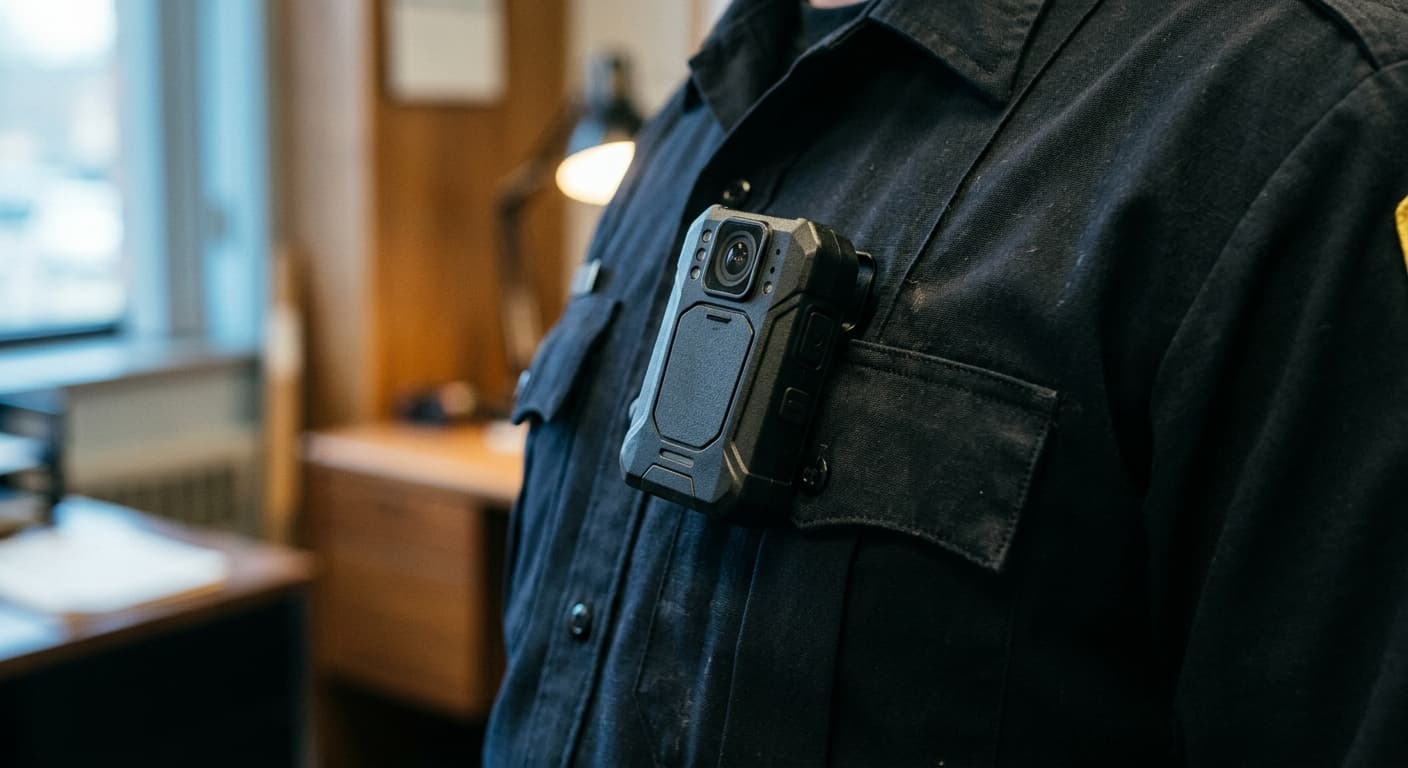
En Wyoming, usted tiene el derecho de la Primera Enmienda de grabar a oficiales de policía en servicio en lugares públicos, y Wyo. Stat. Ann. Section 7-3-702 le permite grabar cualquier interacción con las fuerzas del orden en la que participe sin notificar al oficial. La Tenth Circuit Court of Appeals ha confirmado este derecho. Usted no debe interferir físicamente con las operaciones policiales mientras graba.
Grabar a oficiales de policía en Wyoming está protegido tanto por la Primera Enmienda de la Constitución de los EE. UU. como por la ley de escuchas telefónicas de consentimiento de una sola parte del estado. La Tenth Circuit Court of Appeals, que incluye a Wyoming, ha reconocido el derecho de la Primera Enmienda de grabar a la policía que ejerce sus funciones en lugares públicos. Bajo Wyo. Stat. Ann. Section 7-3-702, usted también puede grabar cualquier conversación en la que participe, incluidas las interacciones con las fuerzas del orden.
Esta guía cubre todos los aspectos de grabar a la policía en Wyoming, incluidos los derechos constitucionales, las pautas prácticas, lo que los oficiales pueden y no pueden hacer, las leyes de cámaras corporales, la grabación en contextos específicos y los recursos legales si se violan sus derechos.
Su derecho constitucional de grabar a la policía
El fundamento de la Primera Enmienda
El derecho de grabar a oficiales de policía que ejercen sus funciones en lugares públicos se fundamenta en la Primera Enmienda. La U.S. Court of Appeals for the Tenth Circuit, que cubre a Wyoming, reconoció este derecho en Irizarry v. Yehia, 38 F.4th 1282 (10th Cir. 2022), sosteniendo que el derecho de la Primera Enmienda de filmar a la policía que ejerce sus funciones en lugares públicos estaba claramente establecido desde el 26 de mayo de 2019. La Tenth Circuit previamente había evitado pronunciarse sobre el tema en Frasier v. Evans, 992 F.3d 1003 (10th Cir. 2021), y Irizarry ahora vincula a los tribunales federales en Wyoming.

Este derecho se extiende a todos los miembros del público, no solo a los periodistas. El U.S. Department of Justice también ha adoptado la posición, en una carta de 2012 sobre Sharp v. Baltimore City Police Department, de que los particulares tienen un derecho de la Primera Enmienda de grabar a los oficiales de policía en el ejercicio público de sus funciones.
Qué puede grabar
En Wyoming, por lo general usted puede grabar:
- Paradas de tránsito (incluida la suya)
- Arrestos que ocurren en espacios públicos
- Interacciones de la policía con otros ciudadanos en calles públicas
- Oficiales dirigiendo el tránsito o respondiendo a incidentes
- Presencia policial en protestas, manifestaciones y eventos públicos
- Sus propias interacciones con oficiales durante un interrogatorio
- Puntos de control de DUI y retenes
- Incidentes de uso de la fuerza por la policía
- Acciones de control de fauna silvestre en terrenos públicos
Dónde puede grabar
| Ubicación | ¿Puede grabar a la policía? | Notas |
|---|---|---|
| Calles y aceras públicas | Sí | Espacio central protegido por la Primera Enmienda |
| Parques y plazas | Sí | Foros públicos tradicionales |
| Edificios gubernamentales (áreas públicas) | Depende | Ningún tribunal con jurisdicción sobre Wyoming ha reconocido un derecho de grabar dentro de edificios gubernamentales; las agencias pueden publicar reglas que limiten la grabación, y negarse a detenerse o a retirarse puede dar lugar a un cargo de allanamiento |
| Su propia propiedad | Sí | Fuertes derechos de propiedad respaldan la grabación |
| Dentro de su vehículo durante una parada de tránsito | Sí | Usted es participante |
| Parques nacionales y terrenos públicos | Sí | Sujeto a reglas específicas del parque |
| Dentro de una estación de policía (áreas públicas) | Depende | Ningún tribunal con jurisdicción sobre Wyoming ha reconocido un derecho de grabar en los vestíbulos de las estaciones; siga las reglas publicadas o pregunte antes de grabar |
| Escenas del crimen detrás de la cinta policial | No | Los oficiales pueden restringir el acceso por seguridad |
Sus derechos durante un encuentro con la policía
Qué no pueden hacer los oficiales
Los oficiales de las fuerzas del orden en Wyoming generalmente no pueden:
- Ordenarle que deje de grabar en un lugar público si usted no interfiere con sus funciones
- Registrar el contenido de su dispositivo de grabación sin una orden judicial, aunque el dispositivo en sí haya sido incautado lícitamente
- Borrar sus grabaciones ni obligarlo a borrarlas
- Arrestarlo únicamente por grabarlos en un espacio público
- Tomar represalias contra usted por ejercer sus derechos de grabación
- Exigirle que comparta su contraseña cuando se la pidan. Usted puede negarse. Si la policía puede obligarlo a desbloquear su dispositivo, por ejemplo con una orden judicial o usando su huella digital o su rostro, es una cuestión sin resolver que los tribunales han decidido de manera distinta
La U.S. Supreme Court sostuvo en Riley v. California (2014) que la policía generalmente necesita una orden judicial para registrar teléfonos celulares, incluidas fotos y videos.
Qué pueden hacer los oficiales
Los oficiales tienen autoridad legítima para:
- Pedirle que retroceda a una distancia segura
- Establecer un perímetro alrededor de una escena del crimen o una situación peligrosa
- Emitir órdenes lícitas relacionadas con la seguridad pública
- Detenerlo brevemente si tienen sospecha razonable de actividad delictiva
- Arrestarlo si usted interfiere físicamente con las operaciones o comete otro delito
Cómo ejercer sus derechos de forma segura
- Mantenga una distancia segura. De 10 a 25 pies suele ser razonable.
- No interfiera físicamente. Nunca se interponga entre un oficial y un sujeto.
- Mantenga la calma y el respeto. Afirme sus derechos con cortesía.
- Cumpla con las órdenes de seguridad. Retroceda si se lo indican y continúe grabando desde mayor distancia.
- No se resista si lo arrestan. Afirme sus derechos después a través de los canales legales.
- Conozca su dispositivo. Aprenda a iniciar la grabación rápidamente. Considere aplicaciones de transmisión en vivo para que el material se preserve si incautan su dispositivo.
El consentimiento de una sola parte de Wyoming y la grabación de la policía

Grabar sus propias interacciones con la policía
Bajo Wyo. Stat. Ann. Section 7-3-702, usted puede grabar cualquier interacción con la policía en la que sea participante:
- Paradas de tránsito en las que usted es el conductor o pasajero
- Interrogatorios por oficiales en su casa o en lugares públicos
- Encuentros en puntos de control de DUI
- Entrevistas en una estación de policía
- Interacciones con oficiales que ejecutan órdenes judiciales o realizan registros
Grabar interacciones de la policía con otras personas
Al grabar interacciones de la policía con terceros desde la distancia, la Primera Enmienda brinda su protección legal principal. Las conversaciones que ocurren en público donde no hay una expectativa razonable de privacidad generalmente no son "comunicaciones orales" protegidas bajo la ley de escuchas telefónicas.
La excepción de propósito delictivo o de ilícito civil
Incluso al grabar a la policía, usted no puede grabar con el propósito de chantaje, intimidación de testigos, interferir con investigaciones con fines corruptos o facilitar actividad delictiva. Grabar para documentar la conducta policial, proteger sus derechos o servir como testigo es un propósito lícito bajo la ley de escuchas telefónicas de Wyoming, pero la grabación aún puede ser ilícita si usted interfiere con los oficiales, invade propiedad o graba una conversación privada de la que no forma parte.
Cámaras corporales de la policía en Wyoming
Requisitos actuales de cámaras corporales
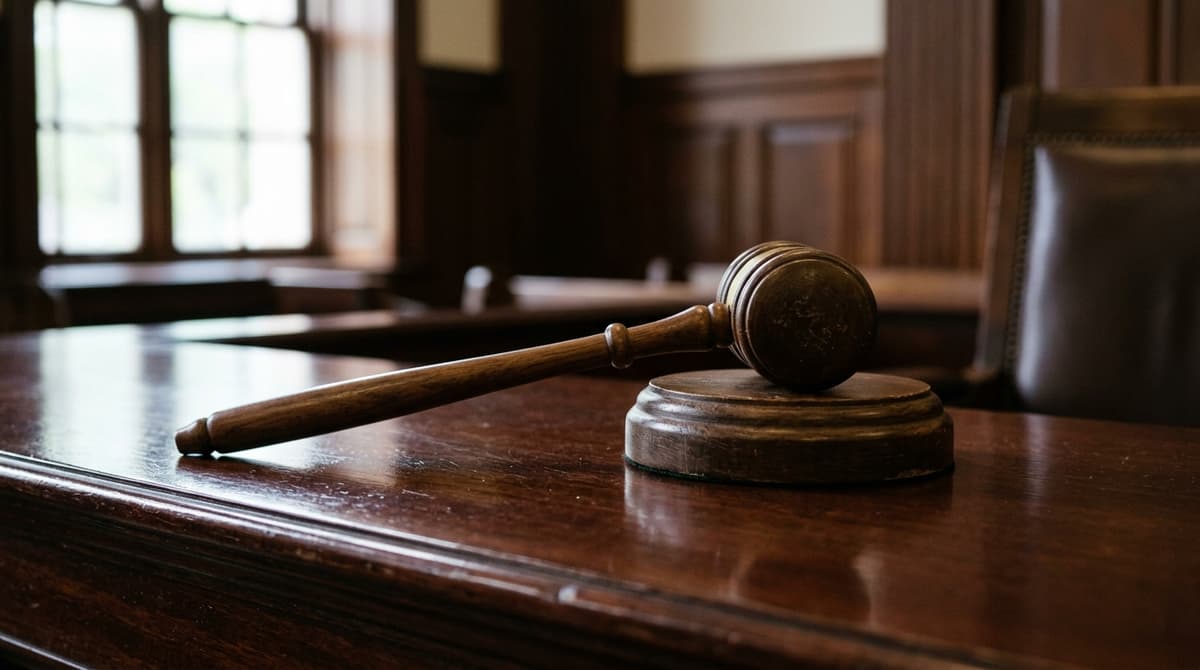
Wyoming no tiene un mandato estatal de cámaras corporales. La legislatura no ha exigido que los oficiales usen ni activen cámaras corporales, y la única mención estatutaria directa del material de cámaras corporales es Wyo. Stat. Ann. Section 16-4-203(d)(xviii), una disposición de la Public Records Act que exige que las agencias denieguen la inspección pública de las grabaciones de cámaras corporales y de cámaras de patrullas, salvo que se aplique una de sus excepciones. Las agencias de las fuerzas del orden en todo el estado adoptan programas de cámaras corporales de forma voluntaria a nivel local. La Wyoming Division of Criminal Investigation (DCI) brinda orientación pero no impone requisitos estatales.
Las agencias con cámaras corporales suelen establecer políticas que abarcan cuándo los oficiales deben activar las cámaras, cuándo pueden desactivarlas, los periodos de conservación del material, los procedimientos de acceso y revisión y las consecuencias disciplinarias por violaciones de la política.
Acceso al material de cámaras corporales de la policía
La Public Records Act de Wyoming (Wyo. Stat. Ann. Section 16-4-201 et seq.) proporciona el marco para acceder a los registros gubernamentales, pero exige que las agencias denieguen la inspección pública de las grabaciones de cámaras corporales y de cámaras de patrullas, salvo que se aplique una excepción (Section 16-4-203(d)(xviii)). Las agencias deben permitir la inspección a las fuerzas del orden o a otras agencias públicas en asuntos oficiales, o por orden judicial. Una agencia puede permitir la inspección a la persona que aparece en la grabación, cuando el material involucra el uso de fuerza letal o lesiones corporales graves, en respuesta a una queja contra un oficial si la divulgación no es contraria al interés público, o en interés de la seguridad pública.
Una solicitud de registros públicos por escrito a la agencia de las fuerzas del orden pertinente sigue siendo la forma de pedir el material, pero explique cuál de esos motivos le aplica a usted.
Material de cámaras del tablero
Muchos vehículos de las fuerzas del orden de Wyoming están equipados con cámaras del tablero. Las grabaciones de cámaras instaladas en un vehículo de patrulla caen bajo la misma regla (Section 16-4-201(a)(xi)), por lo que se deniega la inspección pública salvo que se aplique una de las excepciones. El material de cámaras del tablero a menudo capta paradas de tránsito, persecuciones vehiculares, interacciones al borde de la carretera e investigaciones de DUI.
Grabación en contextos específicos de las fuerzas del orden
Durante una parada de tránsito
Usted puede grabar durante una parada de tránsito en Wyoming:
- Coloque su teléfono en el tablero o haga que un pasajero grabe
- Informe al oficial de los movimientos para alcanzar algo antes de hacerlos
- Mantenga las manos visibles
- El oficial puede preguntar sobre la grabación pero generalmente no puede ordenarle que se detenga si usted no interfiere, aunque las órdenes razonables de seguridad siguen aplicando
- Continúe grabando hasta que el encuentro concluya por completo
Durante un registro
Usted puede grabar registros de su casa, vehículo o persona para documentar si los oficiales excedieron el alcance de la orden judicial, el estado de su propiedad, que artículos se incautaron y si se siguieron los procedimientos adecuados.
En una protesta o manifestación
Los residentes de Wyoming tienen el derecho de grabar a la policía en las protestas. Permanezca detrás de las barreras si se establecen, grabe desde una distancia segura y no use el dispositivo de grabación de una manera que pueda percibirse como un arma.
Durante un arresto
Usted puede grabar su propio arresto o el arresto de otra persona en público. Si lo están arrestando, es posible que no pueda seguir sosteniendo un dispositivo. La transmisión en vivo preserva el material. Su dispositivo puede ser incautado como parte del arresto, pero la policía generalmente aún necesita una orden judicial para registrar su contenido.
En terrenos públicos
Wyoming tiene vastos terrenos públicos federales y estatales. Grabar a oficiales de las fuerzas del orden (incluidos los guardabosques del Bureau of Land Management (BLM), los oficiales del U.S. Forest Service y los guardafaunas de Wyoming Game and Fish) que ejercen sus funciones en terrenos públicos sigue los mismos principios. Usted puede grabar estas interacciones desde una distancia razonable sin interferir.
Leyes de obstrucción e interferencia
Wyo. Stat. Ann. Section 6-5-204: Interferencia con un oficial de paz
Wyo. Stat. Ann. Section 6-5-204 hace un delito menor obstruir, impedir o interferir a sabiendas con un oficial de paz en el ejercicio lícito de sus funciones oficiales. Grabar a la policía, por sí solo, no constituye interferencia. Sin embargo, ciertas conductas al grabar podrían cruzar la línea:
- Bloquear físicamente el paso de un oficial
- Gritar de una manera que impida a los oficiales comunicarse
- Negarse a retroceder cuando se ordena por razones legítimas de seguridad
- Intentar liberar a alguien de la custodia
- Proporcionar información falsa durante una investigación
La sanción por interferencia es un delito menor con hasta 1 año de cárcel o una multa de hasta $1,000.
Qué constituye "interferencia"
Los tribunales evalúan la interferencia caso por caso. Simplemente estar parado cerca y grabar no es interferencia. Los factores incluyen la proximidad física, si las acciones de quien graba desviaron la atención del oficial, si se obedecieron las órdenes lícitas, si se creó un peligro de seguridad y el contexto general.
Si se violan sus derechos
Qué hacer de inmediato
- Mantenga la calma. No discuta ni se resista físicamente.
- Declare claramente sus derechos. "Tengo el derecho legal de grabar en este lugar público."
- Cumpla con las órdenes bajo protesta. "Me detengo bajo protesta. No doy mi consentimiento."
- Anote los números de placa y la información de identificación.
- Escriba todo lo antes posible.
- Preserve cualquier material captado antes de la interrupción.
Recursos legales
- Demanda de derechos civiles bajo 42 U.S.C. Section 1983 por violaciones de la Primera Enmienda
- Queja ante asuntos internos en el departamento del oficial
- Queja ante la U.S. DOJ Civil Rights Division
- Reclamos estatales por ilícitos civiles por arresto falso, agresión o incautación de propiedad
- Solicitud de registros públicos del material de cámaras corporales y del tablero
Más leyes de Wyoming
- Wyoming AI Meeting Recording Laws
- Wyoming Alimony Laws
- Wyoming At-Will Employment Laws
- Wyoming Car Accident Laws
- Wyoming Car Seat Laws
- Wyoming Child Custody Laws
- Wyoming Child Support Laws
- Wyoming Common Law Marriage Laws
- Wyoming Data Privacy Laws
- Wyoming Deepfake Laws
- Wyoming Divorce Laws
- Wyoming Dog Bite Laws
- Wyoming Emancipation Laws
- Wyoming Expungement Laws
- Wyoming Landlord-Tenant Laws
- Wyoming Lemon Laws
Más leyes de grabación de Wyoming
Audio Recording | Video Recording | Voyeurism and Hidden Cameras | Workplace Recording | Recording Police | Phone Call Recording | Security Cameras | Recording in Public | Landlord-Tenant Recording | Dashcam Laws | School Recording | Medical Recording
Volver a las leyes de grabación de Wyoming
Más temas de grabación de Wyoming
- Wyoming Recording Laws
- Wyoming Audio Recording
- Wyoming Video Recording
- Wyoming Medical Recording
- Wyoming Schools Recording
- Wyoming Workplace Recording
- Wyoming Phone Calls Recording
- Wyoming Security Cameras Recording
- Wyoming Voyeurism Recording
- Wyoming Landlord Tenant Recording
- Wyoming Dashcam Recording
- Wyoming Public Recording Recording
- Wyoming Biometric Privacy Laws
- Surveillance Camera Laws
Preguntas frecuentes
¿Puedo grabar a oficiales de policía en Wyoming?
Sí. Usted tiene el derecho de la Primera Enmienda de grabar a la policía que ejerce sus funciones en lugares públicos. La Tenth Circuit, que cubre a Wyoming, ha confirmado este derecho. La ley de consentimiento de una sola parte de Wyoming también le permite grabar cualquier interacción con la policía en la que participe. Usted no debe interferir con las operaciones mientras graba.
¿Puede un oficial de policía ordenarme que deje de grabar en Wyoming?
Un oficial no puede ordenarle lícitamente que deje de grabar en un lugar público si usted no interfiere con sus funciones. Si le ordenan detenerse, afirme su derecho con calma. Cumpla con las órdenes legítimas de seguridad de retroceder y continúe grabando desde mayor distancia.
¿Puede la policía confiscar mi teléfono o cámara en Wyoming?
Los oficiales pueden incautar su teléfono o cámara sin una orden judicial en algunas situaciones, como durante un arresto lícito. Pero bajo Riley v. California (2014), generalmente necesitan una orden judicial para registrar su contenido, incluidas fotos y videos, incluso después de una incautación lícita. Los oficiales no pueden borrar grabaciones ni obligarlo a hacerlo.
¿Los oficiales de policía de Wyoming tienen que usar cámaras corporales?
Wyoming no tiene un mandato estatal de cámaras corporales. Las agencias individuales de las fuerzas del orden adoptan programas de cámaras corporales según sus propias políticas y recursos. Que los oficiales de una agencia específica usen cámaras corporales depende de ese departamento.
¿Qué debo hacer si un oficial de policía de Wyoming viola mi derecho de grabar?
Mantenga la calma, afirme sus derechos, cumpla bajo protesta y documente todo. Puede presentar una queja ante asuntos internos, una solicitud de registros públicos del material de cámara corporal (una agencia puede entregarlo a la persona grabada, pero no está obligada a hacerlo) o una demanda federal de derechos civiles bajo 42 U.S.C. Section 1983. Consulte a un abogado de derechos civiles.
Actualizaciones
Clarified that Irizarry v. Yehia binds federal courts in Wyoming.
We clarified that the right to record police is subject to reasonable time, place, and manner limits and that police generally need a warrant to search a phone, corrected the claim that you may record inside government buildings and police stations, stated that compelled phone unlocking is unsettled, corrected the description of Wyoming's body-camera records law (public inspection is denied unless an exception applies), and replaced a Justice Department citation that did not support the sentence.
Corrected the page's description of Riley v. California: police generally need a warrant to search a seized device's contents, but seizing the device itself (for example incident to a lawful arrest) does not require a warrant. Also replaced a dead Riley v. California citation link with a live source.
La ley detrás de este artículo
Este artículo se apoya en las disposiciones legales a continuación, conservadas en nuestro propio registro jurídico y obtenidas de la fuente oficial. Toque una sección para leer el texto vigente.
Wyoming Statutes, Title 7 - Criminal Procedure - Chapter 3: Fugitives and Prevention of Crime - Article 7: Communication Interception
§ 7-3-702Prohibition against interception or disclosure of wire, oral or electronic communications; exceptions; penalties.Vigentecitada en 20 de nuestros artículos
(a) Except as provided in subsection (b) of this section, no person shall intentionally: (i) Intercept, attempt to intercept, or procure any other person to intercept or attempt to intercept any wire, oral or electronic communication; (ii) Use, attempt to use, or procure any other person to use or attempt to use any electronic, mechanical or other device to intercept any oral communication when: (A) Such device is affixed to, or otherwise transmits a signal through, a wire, cable or other like connection used in wire communication; or (B) Such device transmits communications by radio or interferes with the transmission of such communication.
Texto oficial (extracto) · verificado el 2026-09-24 · Lea el texto completo en nuestra biblioteca legal · Verifique en wyoleg.gov
Citada en 1 resoluciones judiciales de nuestra colecciónResolución más reciente que la cita en nuestra colección: 2015
Resoluciones que citan esta sección en nuestra colección:
- Serna v. Bureau of Land Management Worland Field Office (Court of Appeals for the Tenth Circuit 2015, 614 F. App'x 384)“…nic communications except under certain circumstances. See Wyo. Stat. Ann. § 7-3-702(a). As relevant here, the statute cont…”
Identificado automáticamente a partir de las opiniones judiciales que citan esta sección; no es un ranking de qué caso prevalece.
Wyoming Statutes, Title 16 - City, County, State and Local Powers - Chapter 4: Uniform Municipal Fiscal Procedures; Public Records, Documents and Meetings - Article 2: Public Records
§ 16-4-203Right of inspection; grounds for denial; access of news media; order permitting or restricting disclosure; exceptions.Vigentecitada en 7 de nuestros artículos
(a) The custodian of any public records shall allow any person the right of inspection of the records or any portion thereof except on one (1) or more of the following grounds or as provided in subsection (b) or (d) of this section: (i) The inspection would be contrary to any state statute; (ii) The inspection would be contrary to any federal statute or regulation issued thereunder having the force and effect of law; or (iii) The inspection is prohibited by rules promulgated by the supreme court or by the order of any court of record.
Texto oficial (extracto) · verificado el 2026-09-02 · Lea el texto completo en nuestra biblioteca legal · Verifique en wyoleg.gov
Citada en 22 resoluciones judiciales de nuestra colecciónResolución más reciente que la cita en nuestra colección: 2023
En los tribunales (resumen editorial, verificado de forma independiente):Houghton v. Franscell (1994) sostuvo que el contrato de reclutamiento de un médico de un distrito hospitalario no es un registro hospitalario exento bajo la sección 16-4-203(d)(vii). Powder River Basin Resource Council (2014) adoptó una definición estricta y federal de secretos comerciales para (d)(v) y exigió el procedimiento de show cause de (f), con la carga sobre el custodio.
Resoluciones que citan esta sección en nuestra colección:
- Gale v. State (Wyoming Supreme Court 1990, 792 P.2d 570)✓Un acusado de abuso sexual infantil pidió los expedientes escolares de los niños denunciantes; el tribunal los trató como privilegiados bajo la sección 16-4-203(d)(viii), los revisó en cámara bajo el estándar de materialidad de Ritchie y confirmó la negativa a divulgarlos.
- Powder River Basin Resource Council v. Wyoming Oil & Gas Conservation Commission (Wyoming Supreme Court 2014, 320 P.3d 222)✓Grupos conservacionistas pidieron la identidad de los químicos usados en fracturación hidráulica que la Comisión retuvo como secretos comerciales; el tribunal sostuvo que esa negativa debe impugnarse por el procedimiento de show cause de la sección 16-4-203(f) y no por revisión administrativa, y devolvió el caso.
- Houghton v. Franscell (Wyoming Supreme Court 1994, 870 P.2d 1050)✓Un periódico pidió el contrato de reclutamiento de un médico celebrado por un distrito hospitalario; el tribunal sostuvo que un registro de los fondos públicos pagados para atraer a un médico no es un expediente hospitalario exento bajo la sección 16-4-203(d)(vii) y confirmó la orden de divulgarlo.
Identificado automáticamente a partir de las opiniones judiciales que citan esta sección; no es un ranking de qué caso prevalece.
Wyoming Statutes, Title 6 - Crimes and Offenses - Chapter 5: Offenses Against Public Administration - Article 2: Hindering Government Operations
§ 6-5-204Interference with peace officer; disarming peace officer; penalties.Vigentecitada en 2 de nuestros artículos
(a) A person commits a misdemeanor punishable by imprisonment for not more than one (1) year, a fine of not more than one thousand dollars ($1,000.00), or both, if he knowingly obstructs, impedes or interferes with or resists arrest by a peace officer while engaged in the lawful performance of his official duties. (b) A person who intentionally and knowingly causes or attempts to cause bodily injury to a peace officer engaged in the lawful performance of his official duties is guilty of a felony punishable by imprisonment for not more than ten (10) years. (c) A person who intentionally and knowingly disarms a peace officer of his firearm while that peace officer is engaged in the lawful performance of his official duties is guilty of a felony punishable by imprisonment for not more than five (5) years. (d) For the purposes of this section only, "peace officer" means as defined in W.S.
Texto oficial (extracto) · verificado el 2026-07-30 · Lea el texto completo en nuestra biblioteca legal · Verifique en wyoleg.gov
Citada en 76 resoluciones judiciales de nuestra colecciónResolución más reciente que la cita en nuestra colección: 2026
Resoluciones que citan esta sección en nuestra colección:
- Oien v. State (Wyoming Supreme Court 1990, 797 P.2d 544)“…(B) An arrest or charge for a crime. [2] W.S. 6-5-204(a) provides: A person commits a misd…”
- Mueller v. State (Wyoming Supreme Court 2001, 36 P.3d 1151)“…icient evidence of Appellant's violation of each element of W.S. § 6-5-204(b)7 III. Was it proper for the p…”
- Pena v. State (Wyoming Supreme Court 1989, 780 P.2d 316)“…ion for felony assault of a police officer, in violation of W.S. 6-5-204(b), appellant Benny Pena (Pena) claims…”
Identificado automáticamente a partir de las opiniones judiciales que citan esta sección; no es un ranking de qué caso prevalece.
Fuentes y referencias
- Wyo. Stat. Ann. Section 7-3-702 - Intercepción de comunicaciones(law.justia.com)
- Wyo. Stat. Ann. Section 6-5-204 - Interferencia con oficial de paz(wyoleg.gov).gov
- Wyoming Public Records Act Section 16-4-203(d)(xviii) (excepción de cámara corporal)(wyoleg.gov).gov
- Irizarry v. Yehia, 38 F.4th 1282 (10th Cir. 2022)(cases.justia.com)
- Frasier v. Evans, 992 F.3d 1003 (10th Cir. 2021)(courtlistener.com)
- Riley v. California, 573 U.S. 373 (2014)(supremecourt.gov).gov
- U.S. Department of Justice, Civil Rights Division, carta sobre Sharp v. Baltimore City Police Department (14 de mayo de 2012)(justice.gov).gov
- BLM Wyoming(blm.gov).gov