Cleveland Renews Flock License Plate Reader Contract With New Limits as Appleton Ends Its Program
Independently fact-checked against primary sources (last audited July 19, 2026). · 3 primary sources cited on this page. How we verify our legal content
Cleveland Renews Flock License Plate Reader Contract With New Limits as Appleton Ends Its Program
On July 15, 2026, Cleveland City Council voted 9-6 to renew its Flock Safety license plate reader contract for six months with new data-sharing restrictions, while Appleton, Wisconsin's Common Council voted the same day to terminate its Flock contract outright, two cities reaching opposite conclusions about the same surveillance technology.
Information last verified on July 19, 2026. This is a developing story; we update it as the record changes.
Jurisdiction scope: This article covers municipal actions by the Cleveland, Ohio City Council and the Appleton, Wisconsin Common Council regarding license plate reader camera contracts, plus general Fourth Amendment and ALPR legal background. It is not legal advice and does not describe every city's or state's rules.
What Happened in Cleveland
Cleveland City Council voted 9-6 on July 15, 2026 to renew its contract with Flock Safety, maker of the automated license plate reader (ALPR) cameras used at roughly 100 locations in the city, according to the council's legislative record (File No. 683-2026) and reporting from Ideastream Public Media and Cleveland19. The vote followed months of committee hearings and a floor debate Signal Cleveland called one of the most contested City Hall fights of 2026.
Council amended the ordinance before passing it. The amendment bars the Northeast Ohio Regional Fusion Center, a Department of Homeland Security linked intelligence-sharing partnership among local, state and federal agencies, from accessing Cleveland's Flock camera data, and requires any other outside agency to first obtain a warrant, per Ideastream's reporting on the amended terms.
Council also shortened the deal itself. A proposed one-year, $250,000 contract was cut to six months, running through December 29, 2026, at about $125,000, according to Ideastream and Fox8. Council President Blaine Griffin called the shorter term a transition window to evaluate whether more guardrails, or a different vendor, are needed before any further renewal.
During the debate, Signal Cleveland and other outlets reported on audit logs, obtained through records requests, showing Cleveland's Flock database had been searched approximately 297 times for immigration-related purposes, meaning searches referencing terms like ICE, Border Patrol, Homeland Security or customs, by roughly 20 outside agencies. Officials and Flock have said Cleveland disabled ICE's ability to search its network in fall 2025 and began blocking immigration-keyword searches after that. Council members who opposed renewal cited that history as the reason the fusion-center restriction was necessary; those who voted to renew argued the cameras still provide investigative value to Cleveland police.

What Happened in Appleton
Appleton, Wisconsin's Common Council voted on July 15, 2026 to formally terminate the city's contract with Flock Safety, following action by its Safety and Licensing Committee, per WHBY and WBAY reporting on the vote and the city's public resolutions record.
The action followed a timeline that began in May 2026, when Mayor Jake Woodford announced the city intended to stop using its Flock cameras. Woodford said concerns about the integrity of Flock's underlying system had eroded the city's trust in the vendor, according to local reporting on his announcement.
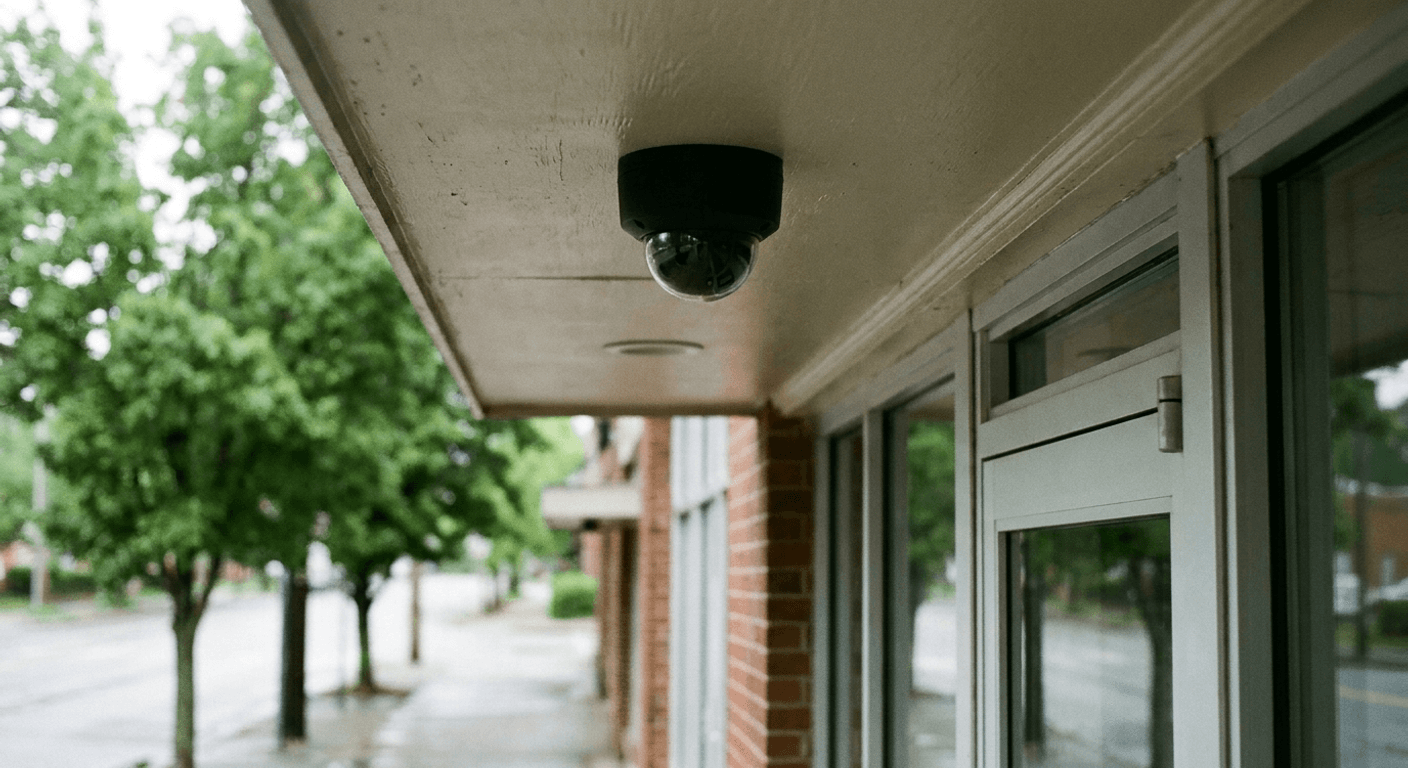
Appleton had already stopped paying for and using the cameras as of June 30, 2026, ahead of the formal termination vote, and city officials covered the camera housings while awaiting removal. The council gave Flock until July 31, 2026 to take down the hardware.
The same meeting saw the council refer a separate measure, a resolution to set public oversight and accountability standards for any future ALPR use in Appleton, back to the Safety and Licensing Committee, which was scheduled to take it up again on July 22, 2026. That suggests Appleton is not necessarily foreclosing ALPR use permanently, but wants a governance framework in place first.
What the Law Actually Says
Automated license plate readers are not themselves illegal under federal law, and no court has held ALPR networks like Flock's unconstitutional. What varies by jurisdiction is how long data can be retained, who can access it, and under what legal process, questions set largely by local contracts, state statutes and municipal policy rather than one nationwide rule. Recordinglaw's automated license plate reader hub tracks how that patchwork differs by state.
The Fourth Amendment backdrop is unsettled. Courts continue to weigh how far the third-party doctrine (the principle that information voluntarily shared with a company can lose constitutional protection) reaches modern location data. One closely watched case is Chatrie v. United States, a geofence-warrant dispute over police obtaining a person's location history from Google. On June 29, 2026, the US Supreme Court ruled in Chatrie that obtaining that location data was a Fourth Amendment search, because people have a reasonable expectation of privacy in their cell phone location information, though the Court did not decide exactly what a warrant for such data must show. Chatrie does not concern ALPR cameras directly, but it has become a reference point in license plate reader debates because it touches the same question Cleveland and Appleton council members wrestled with: how much legal process should be required before government accesses bulk location data.
Cleveland's new warrant requirement for outside-agency access is a municipal policy choice, not a court mandate. Other cities that have kept, restricted, or ended Flock contracts have made varied choices, discussed further on recordinglaw's surveillance camera laws hub. Prior Flock disputes covered here include San Francisco's Flock ALPR federal access audit, Norfolk's Flock license plate camera appeal, and the Boulder Flock license plate lawsuit.
Analysis: Why This Matters
The following is analysis from the Recording Law Editorial Team.
Cleveland and Appleton reached opposite conclusions from a similar starting point: public concern about who can search a city's license plate database and for what purpose. Cleveland's council chose to keep the cameras but narrow who can reach the data and shorten how long the current deal runs, treating the next six months as a probationary period rather than a settled arrangement. Appleton's council chose to end the relationship with Flock entirely, at least for now, while it works out oversight rules it wants in place before it will consider ALPRs again.
Neither outcome resolves the underlying legal question of how much process should govern government access to bulk vehicle-location data; that is being worked out separately in the courts, including recent Fourth Amendment rulings on geofence warrants and continuing disputes over license plate reader data. What both votes show is that, absent a single controlling ALPR statute in most states, city councils are the primary decision-makers on data-sharing limits, contract length and vendor accountability, decisions that can change again at the next renewal or election. We are not predicting how either approach will hold up; both are contract and policy decisions, not judicial rulings, and both remain subject to further council action.
How This Affects You
Residents whose city uses Flock or another ALPR vendor can generally ask their local police department or city council whether the jurisdiction restricts data-sharing with outside agencies, including immigration enforcement, and whether outside access requires a warrant. Many cities, including Cleveland, now maintain audit-log or transparency-portal information available on request or online; checking that record shows how a local camera network has actually been used rather than how it was originally pitched.
If a council in your area is considering a new or renewed Flock contract, meeting agendas, legislative files (such as Cleveland's File No. 683-2026), and committee recordings are public records in most jurisdictions and are the most reliable source for what a contract actually says. This article describes two specific municipal actions and general Fourth Amendment background; it is not legal advice, and readers with a specific concern about their own vehicle records should consult a licensed attorney in their state.
This article provides general legal information about automated license plate reader policy in Cleveland, Ohio and Appleton, Wisconsin. It is not legal advice. Information last verified July 19, 2026; this is a developing story and details may change as councils, courts, or vendors take further action. Consult a licensed attorney in your state for advice about a specific situation.
Related articles:
- Automated License Plate Reader Laws
- San Francisco Flock ALPR Federal Access Audit
- Boulder Flock License Plate Lawsuit
Last updated: 2026-07-19. This is a developing story; details verified as of 2026-07-19.
Frequently Asked Questions
Is Flock Safety legal to use in the United States?
Yes. No federal, Ohio, or Wisconsin court has ruled Flock's automated license plate reader cameras unconstitutional. What is contested, and what varies by city, is how long camera data is kept, who can search it, and whether outside agencies need a warrant.
Can police share license plate data with ICE or federal immigration agencies?
It depends on local policy. Cleveland disabled ICE's ability to search its Flock database in fall 2025 and, under its July 15, 2026 amendment, also bars the Northeast Ohio Regional Fusion Center from access and requires a warrant for other outside-agency access. Rules vary by department and contract.
Do license plate readers require a warrant?
Photographing a plate in public generally does not itself require a warrant. Whether a warrant is required to search accumulated ALPR data is an evolving area of Fourth Amendment law, informed by pending Fourth Amendment cases over geofence warrants and location data, and by local policies such as Cleveland's new warrant requirement for outside-agency access.
How do I find out if my city uses Flock cameras?
Most cities that contract with Flock disclose it through council meeting minutes, procurement records, or a public transparency portal. A public-records request to the local police department or city clerk is another option.
Why did Cleveland keep its Flock contract while Appleton ended its?
The councils reached different conclusions through separate local processes. Cleveland voted 9-6 to renew with new restrictions and a shortened six-month term, while Appleton's Common Council voted to terminate after its mayor cited concerns about the integrity of Flock's underlying system. Both are municipal policy decisions, not court rulings.
Does the Chatrie Supreme Court case affect license plate readers?
Not directly. Chatrie v. United States concerns a geofence warrant for cellphone location data from Google, not ALPR camera data. On June 29, 2026, the US Supreme Court ruled that obtaining that data from Google was a Fourth Amendment search. It remains relevant as backdrop because it addresses how far Fourth Amendment protection extends to location information, a question that also arises in ALPR data-access disputes.
What happens to Appleton's Flock cameras now?
Appleton stopped using its cameras on June 30, 2026, and gave Flock until July 31, 2026 to remove the hardware, following the Common Council's July 15, 2026 termination vote. The council separately sent a resolution on future ALPR oversight standards back to committee.
Can I request the audit logs showing who searched my city's license plate database?
In many states, camera search or audit logs are public records subject to a records request, which is how Cleveland's immigration-related search figures were obtained and reported. Availability and exemptions vary by state.
Updates
Independently fact-checked against the cited primary sources
Sources and References
- Cleveland City Council Legislation File No. 683-2026, Flock Safety contract amendment(cityofcleveland.legistar.com).gov
- Ideastream Public Media: Cleveland extends Flock contract for 6 months, promises guardrails(ideastream.org)
- Signal Cleveland: Takeaways from Cleveland's Flock license plate camera debate(signalcleveland.org)
- City of Appleton, Wisconsin: Common Council resolutions record(appletonwi.gov).gov
- WBAY: Appleton City Council votes on truancy ordinance, Flock cameras(wbay.com)
- Chatrie v. United States, No. 25-112 (U.S. June 29, 2026), Supreme Court slip opinion holding that obtaining cell phone location data from Google is a Fourth Amendment search(supremecourt.gov).gov