Alabama Knife Laws (2026): What Is Legal to Carry
Alabama has no general knife-carry ban and no blade-length limit. See what Ala. Code 13A-11-50, 13A-11-72, and 13A-11-57 actually restrict.
4 min read
52 articles
Alabama has no general knife-carry ban and no blade-length limit. See what Ala. Code 13A-11-50, 13A-11-72, and 13A-11-57 actually restrict.
Alaska exempts pocket knives from its concealed weapon law. See when disclosure to police is required, minor rules, and school restrictions.
Arizona has no blade-length limit and exempts pocket knives from its concealed weapon law. See restricted places and statewide preemption.
Arkansas only bans carrying a knife with intent to unlawfully use it as a weapon. See the 3-inch definition, exceptions, and penalties.

California sets four different blade-length thresholds for four contexts, from 2 inches for switchblades to no number at all for dirk or dagger carry.
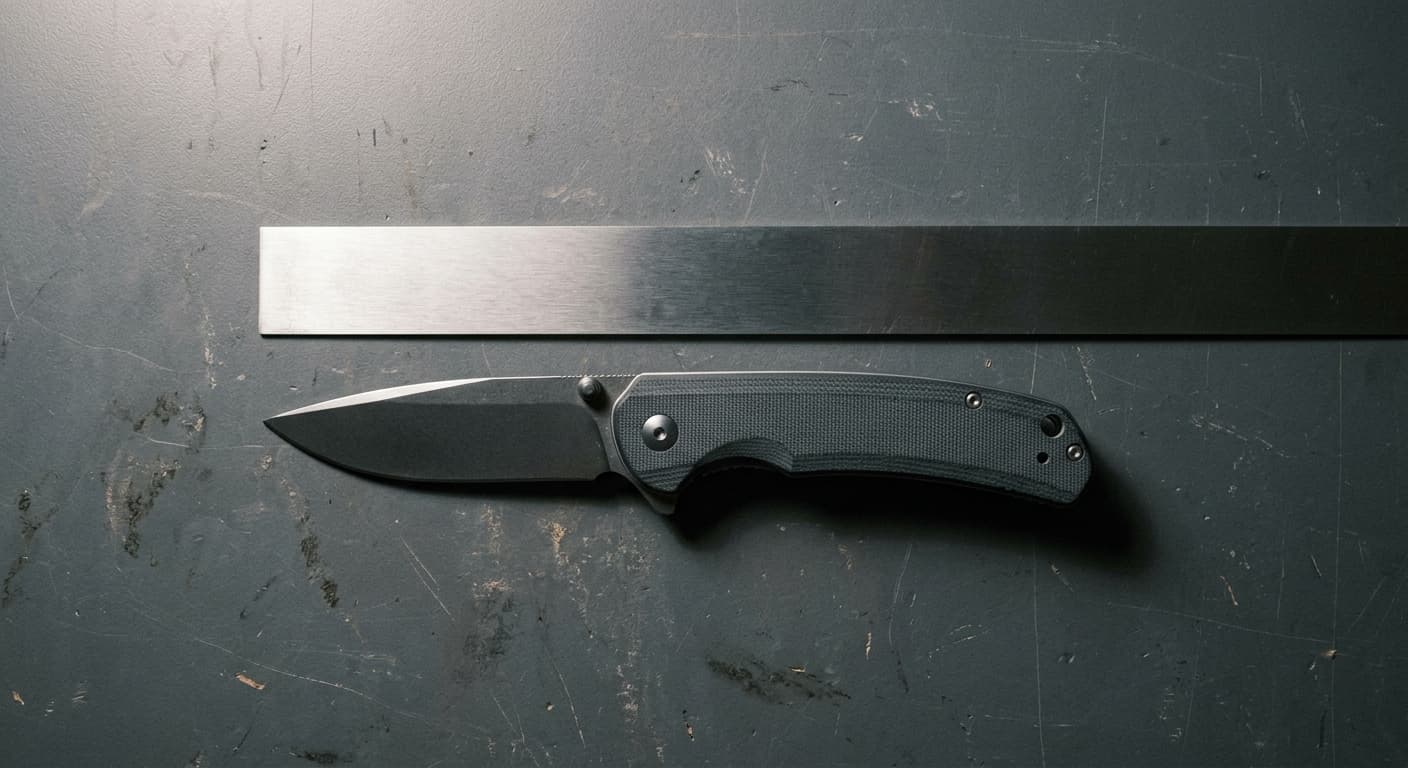
Colorado bans concealed carry of a knife as its statute defines it: a blade over 3.5 inches, or any other dangerous cutting instrument. See exceptions.
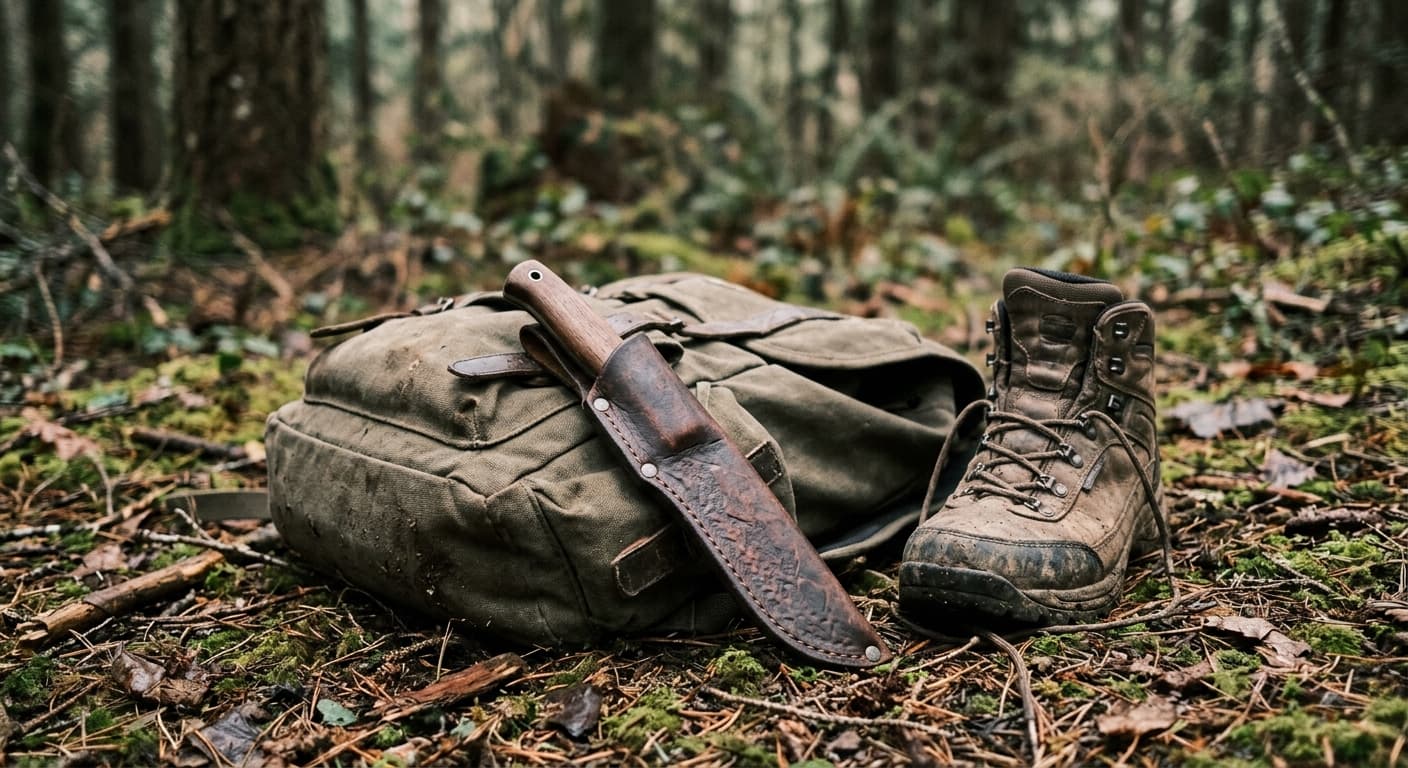
Connecticut bans carrying certain knives whether open or concealed, with a long exceptions list. School and capitol rules use a different definition.
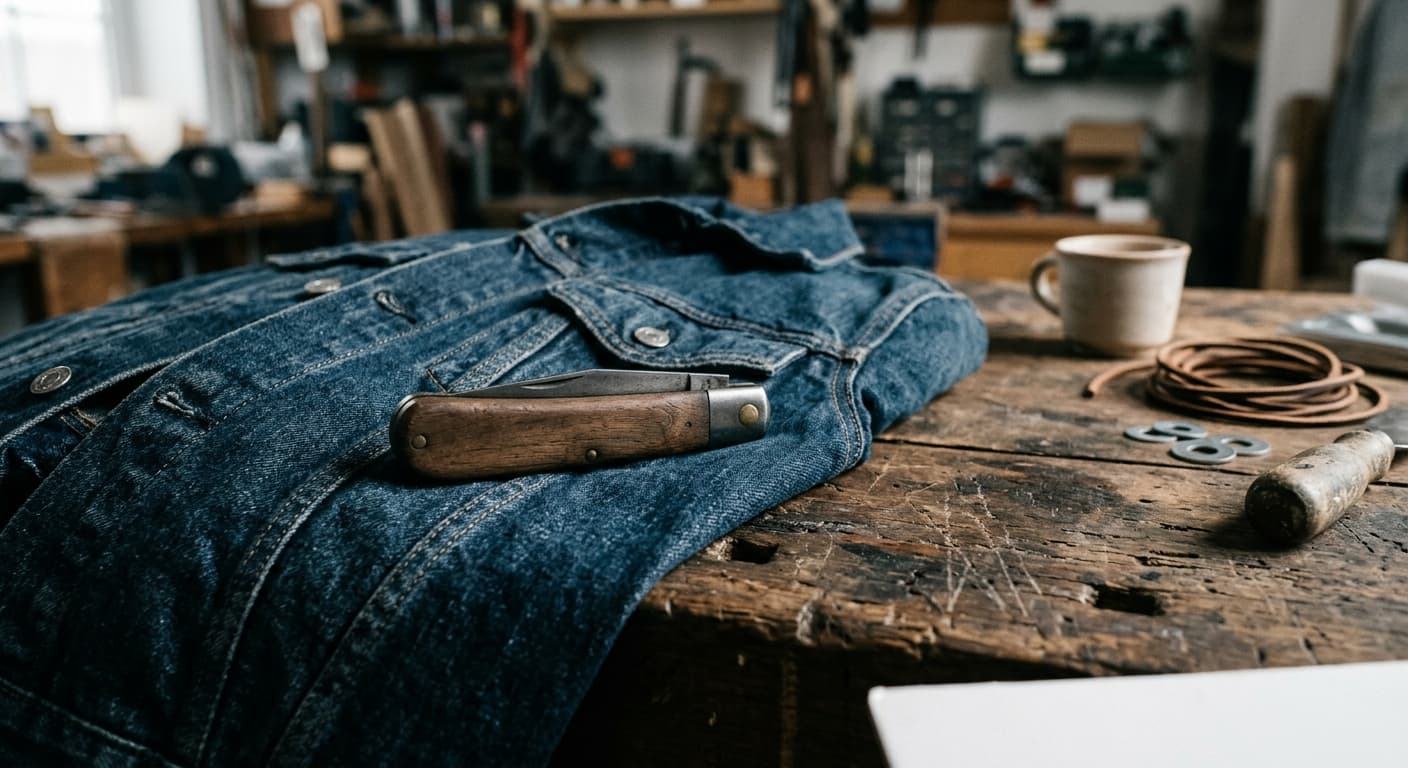
D.C. bans switchblade possession outright; other knives are reached by an intent-based ban and a carrying statute the code never defines for knives.
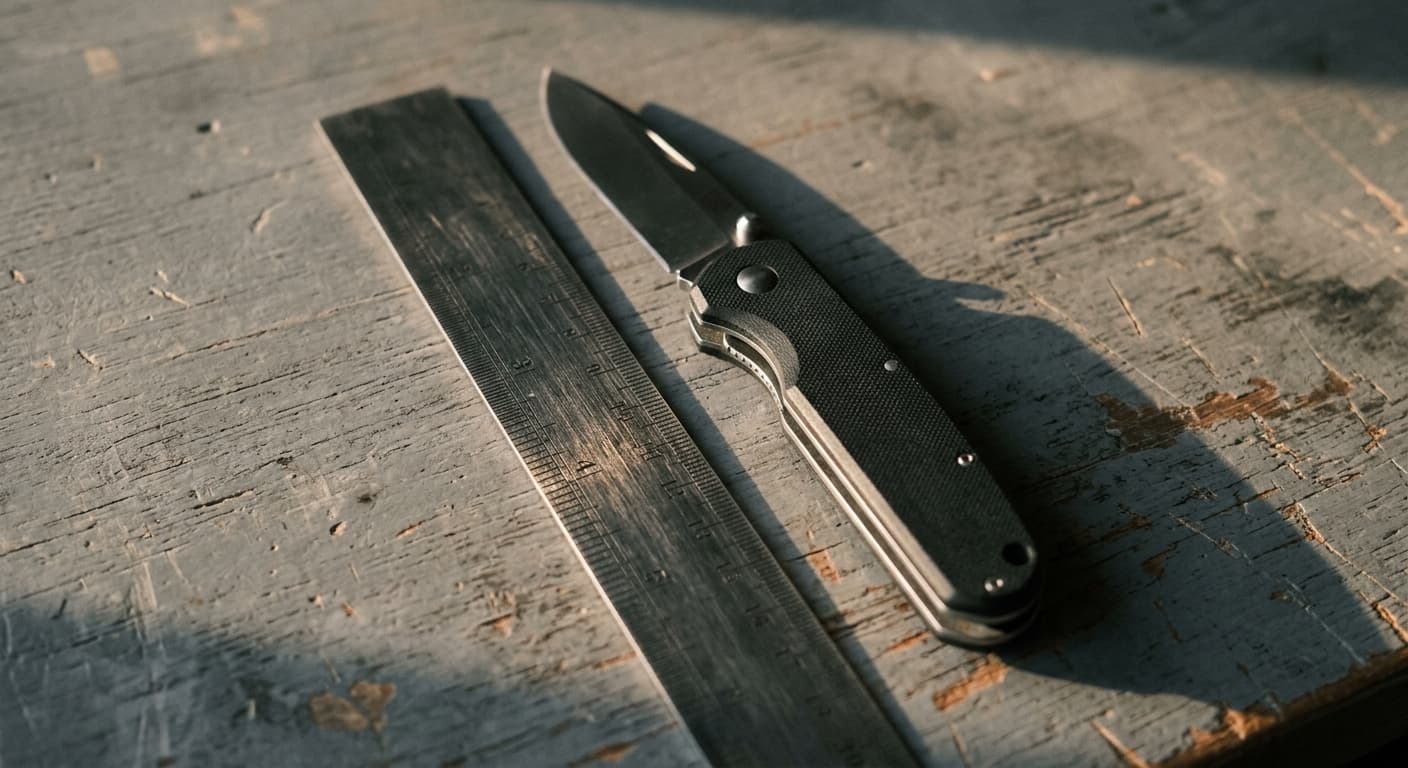
Delaware bans switchblade possession under one statute even though a related statute was repealed. See the concealed-carry rule, bans, and restricted zones.
Florida excludes a common pocketknife from 'weapon' but the concealed-carry offense uses a different definition that names dirk, not knife.

Georgia only regulates a knife over 12 inches, and since 2022 no license is required to carry one. School zones use a 2-inch rule instead.
Hawaii bans concealed carry of a dirk, switchblade, or butterfly knife, not open carry or ownership. See the exact statutes, defenses, and penalties.

Idaho excludes knives with a blade 6 inches or less from its deadly-weapon law and lets most adults carry concealed without a license.
Illinois bans switchblades outright but has a FOID-card exception. Carrying an ordinary knife needs unlawful intent, except in public buildings.
Indiana has no general knife-carry statute. Learn the two narrow bans that do apply: detachable-blade knives and knives on school property.
Iowa allows carrying most knives, open or concealed, and preempts local knife ordinances statewide. Learn when carrying becomes a crime and the ballistic-knife ban.
Kansas requires unlawful intent to criminalize knife carry, and preempts local knife ordinances statewide. See the school and felon rules too.
Kentucky exempts ordinary pocket and hunting knives from its weapons laws entirely. Learn the concealed-carry, age, and school-property rules.
Compare knife laws in all 50 states and DC: what you can own, open and concealed carry rules, blade-length limits, preemption, and penalties.
Louisiana bans concealing a knife only if it functions as a dangerous weapon, and preempts local knife ordinances statewide. See the school rules too.
Maine bans threatening display or concealment of a bowie knife, dirk, or stiletto. Its preemption law is firearms-only, so towns may still regulate knives.
Maryland bans concealing certain knives outright but requires intent to injure for open carry. See the school, sale, and preemption rules too.
Massachusetts bans carrying listed knife types under c.269 section 10(b). See the 2024 Canjura switchblade ruling, school and airport rules, and penalties.
Michigan bans daggers, dirks, and stilettos concealed on the person, or carried any way in a vehicle, plus knives over 3 inches with unlawful intent.
Minnesota bans switchblade possession and knives carried for unlawful purposes. See the school and courthouse felony rules under Minn. Stat. 609.66.
Mississippi bans concealed bowie, dirk, butcher, and switchblade knives, with home and sports exceptions. See the broad school-property misdemeanor rule.
Missouri has no general knife-carry ban. See the restricted-area rules and why the switchblade statute only applies with a federal-law violation.
Montana defines concealed weapon as a firearm, so knives are exempt, plus a direct statewide knife preemption law. See the school and prisoner rules.
Nebraska restricts concealed knife carry only for minors under 21 and prohibited persons. See the broad statewide preemption reaching local knife rules.
Nevada bans concealed machetes outright, and courts have held its dangerous-weapon catch-all can reach an ordinary knife too. Schools and jails add more rules.
New Hampshire has no general knife ban but restricts felons, courthouses, and minor sales, and its preemption statute names knives directly. Full breakdown.
New Jersey bans named knives without lawful purpose, but a broader catch-all, an unlawful-purpose felony, and a certain-persons ban reach further. Full breakdown.
New Mexico bans switchblade possession outright and restricts concealed carry of named knife types statewide. See the school, university, and preemption rules.
New York's 2019 gravity knife repeal did not touch its switchblade ban. See both possession tracks, school rules, and the museum exemption for knives.
North Carolina exempts an enclosed pocket knife from its concealed-carry ban, but that exemption stops at courthouse doors. See the school and parade rules too.
North Dakota's permitless carry covers firearms, not knives. A 6-inch blade or named type still needs a license to carry concealed. Full statute breakdown.
Ohio excludes an unused knife from its concealed-weapon law, bans ballistic knives outright, and has preempted local knife ordinances statewide since 2022.
Oklahoma's carry statute no longer names bowie knives, but a felony intent statute, a college-campus machete ban, and local preemption still reach knives.
Oregon bans concealed carry of a switchblade or dagger; a separate felony covers any knife carried with intent to injure, and a 1984 ruling limits bans.
Pennsylvania's general weapons law no longer names knives, but a separate school statute bans them outright and courts still ban daggers.
Rhode Island bans concealed knives over three inches and daggers carried with unlawful intent; its preemption law covers only firearms.
South Carolina has no general knife-carry restriction, but a 2-inch school-property felony and a 5-year violent-crime sentencing add-on both still apply.
South Dakota has no standalone knife-carry ban; knives are reached only through a general weapon definition used in courthouse, school, and felony statutes.
Tennessee has no general knife-carry ban; a 2014 law removed the switchblade ban, leaving school property and intent-to-commit-a-crime rules as the exceptions.
Texas has no general knife-length limit; a 2017 law replaced the named-knife-type ban with a 5.5-inch rule for restricted places and minors only.
Utah has no general knife-carry ban; restrictions are location-specific (schools, airports) or status-specific (minors, intoxication), state preempts local rules.
Vermont repealed its switchblade ban in 2025; carrying a knife is generally legal unless done while committing a felony, in a school, or in a courthouse.
Virginia bans concealed carry of a stiletto knife and similar items; current law uses stiletto, not switchblade, and preempts local knife rules only at airports.
Washington bans spring-blade and gravity knives outright, plus a broad intimidation catch-all; no statewide preemption or blade-length limit for knives.
West Virginia knife law: the pocketknife exclusion and where it stops, permitless carry at 18, school/courthouse offenses, and preemption reaching knives.
Wisconsin excludes a knife from its concealed-weapons statute, but school premises and a felon-specific offense apply. Preemption lets cities ban knives in buildings.
Wyoming has no knife-specific statute, but its concealed-carry ban turns on a functional 'deadly weapon' test that can reach a knife used or intended as one.