
Arizona
Arizona Knife Laws (2026): Carry Rules and Preemption
Independently fact-checked against primary sources (last audited September 18, 2026). · 3 primary sources cited on this page. How we verify our legal content
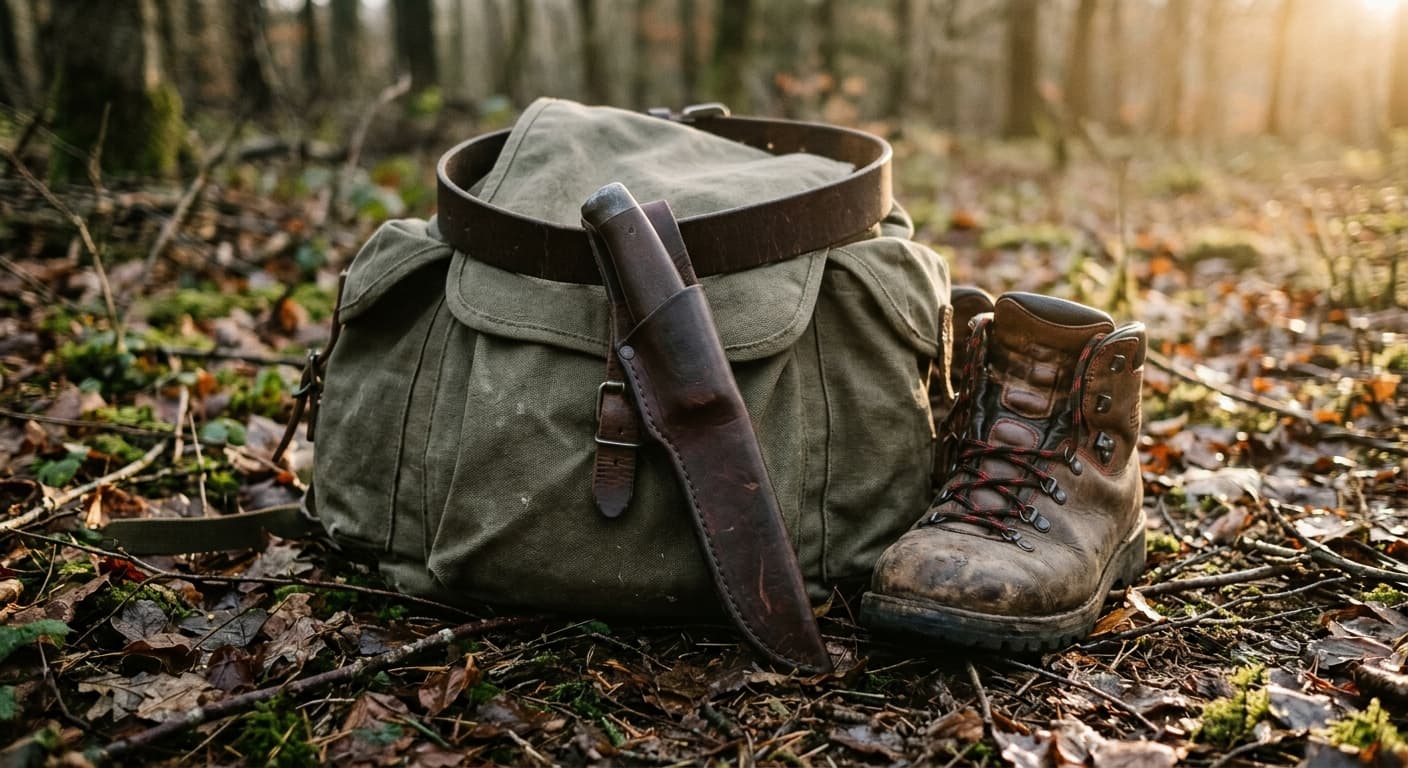
Arizona has no statewide blade-length limit and no statute banning switchblades. Its concealed-weapons statute, Ariz. Rev. Stat. § 13-3102, expressly excepts a pocket knife from the definition of a deadly weapon it restricts, so carrying a pocket knife concealed is not, by itself, an offense at any age. Carrying a deadly weapon other than a pocket knife concealed only becomes a crime in specific circumstances: in furtherance of a serious or violent felony, when the carrier lies to a law enforcement officer who asks about it, or when the carrier is under 21. Arizona also has a model statewide preemption statute that voids any local ordinance regulating knives.
Jurisdiction scope: This page covers Arizona state law only, principally Ariz. Rev. Stat. §§ 13-3102, 13-3119, and 13-3120. It does not cover Arizona's separate firearm-specific statutes, or local business-license rules that apply generally to retail sales rather than knives specifically.
Is it legal to carry a knife openly in Arizona?
Yes, outside the restricted places covered below. Arizona's misconduct-involving-weapons chapter, Title 13, Chapter 31, has no general provision restricting open carry of a knife; its restrictions on a knife carried openly are the place-based ones, such as school grounds and the secured area of an airport. That chapter also has no statute banning switchblades by name and sets no statewide blade-length threshold for knives.
When does carrying a knife concealed become illegal in Arizona?
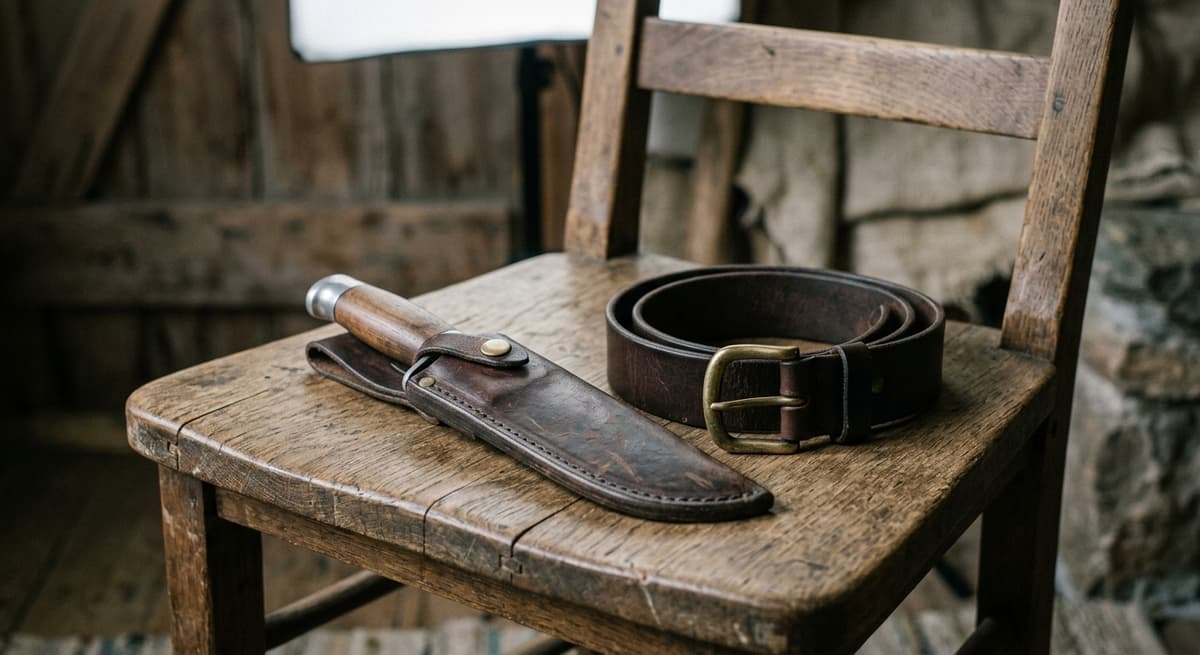
Ariz. Rev. Stat. § 13-3102(A)(1) makes it misconduct involving weapons to knowingly carry "a deadly weapon except a pocket knife" concealed on the person, or within immediate control in a vehicle, but only in two situations: in furtherance of a serious offense, a violent crime, or any other felony offense (a class 6 felony under subsection M), or when contacted by a law enforcement officer and failing to accurately answer whether the person is carrying a concealed deadly weapon (a class 1 misdemeanor). Paragraph 2 separately makes concealed carry of a deadly weapon other than a pocket knife an offense outright, a class 3 misdemeanor, for anyone under 21, subject to exceptions for a person on their own dwelling, business premises, or real property, and for a firearm carried in a visible holster, case, or similar container.

The statute's own definition of "pocket knife" is not spelled out in § 13-3102 itself; the exception applies to a pocket knife as commonly understood, and the exception is unconditional, it does not depend on blade length.
Restricted places in Arizona
Several place-based restrictions apply to a deadly weapon, including a knife, regardless of concealment:
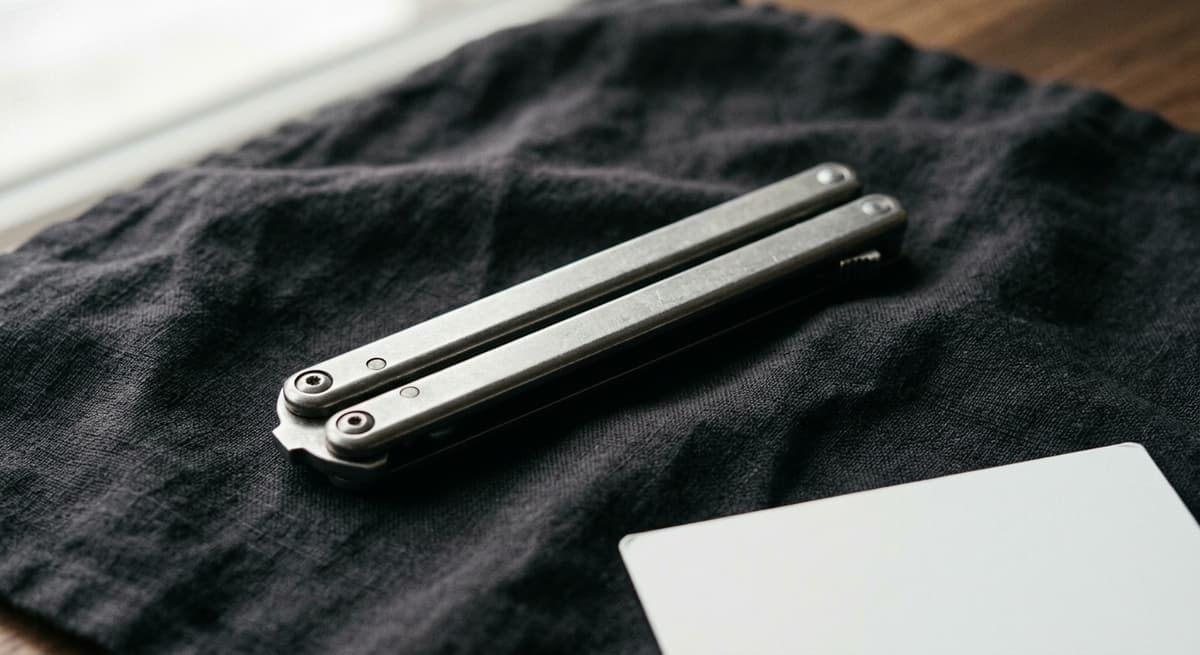
- School grounds: possessing a deadly weapon on the grounds of a public or nonpublic kindergarten program, common school, or high school is a class 1 misdemeanor under § 13-3102(A)(12), with an exception for hunter or firearm safety courses. That misdemeanor escalates to a class 6 felony if the violation occurs in connection with certain criminal-syndicate, racketeering, or drug offenses involving minors or drug-free school zones (the offenses cross-referenced at §§ 13-2308(A)(5), 13-2312(C), 13-3409, and 13-3411).
- Secured area of an airport: § 13-3119 makes it a class 1 misdemeanor to intentionally carry, possess, or exercise control over a deadly weapon in a secured area of an airport, defined by reference to the airport's federally approved security program. This section carries no pocket-knife exception.
- Nuclear or hydroelectric generating station: entering one carrying a deadly weapon, unless specifically authorized by law, is a class 4 felony under § 13-3102(A)(13).
- Election polling place: entering a polling place on election day carrying a deadly weapon, unless specifically authorized by law, is a class 1 misdemeanor under § 13-3102(A)(11).
- Public establishment or event, after a request to remove the weapon: § 13-3102(A)(10) makes it a class 1 misdemeanor to keep carrying a deadly weapon after the operator of a public establishment or the sponsor of a public event reasonably asks the person to check it into temporary storage.
Does Arizona preempt local knife ordinances?
Yes. Ariz. Rev. Stat. § 13-3120 bars a political subdivision of the state from enacting any ordinance, rule, or tax relating to the transportation, possession, carrying, sale, transfer, purchase, gift, devise, licensing, registration, or use of a knife. Subsection E states plainly that any local rule or ordinance relating to knives that is inconsistent with or more restrictive than state law, whether enacted before or after the amendment, "is null and void." A narrow exception preserves a locality's general retail sales tax on knives, applied at the same rate as other tangible goods, and its authority to regulate its own employees acting within their jobs.
Federal law: what it does and does not reach
Federal law does not ban an individual from owning or carrying a switchblade. The Federal Switchblade Act, 15 U.S.C. §§ 1241 to 1245, instead regulates interstate commerce in switchblade knives, barring their manufacture, sale, transport, or introduction into interstate commerce, and, in 15 U.S.C. § 1245, makes it a federal offense to knowingly possess, manufacture, sell, or import a ballistic knife in or affecting interstate commerce or within federal territorial jurisdiction. Sections 1242 and 1243, the two federal offenses, do not apply to certain knives and people under 15 U.S.C. § 1244. A 2009 amendment, § 1244(5), exempts from those prohibitions any knife with a spring, detent, or other closure-bias mechanism that requires hand, wrist, or arm exertion on the blade itself to overcome the bias and assist opening, which is what keeps modern assisted-opening folding knives legal in interstate commerce. A separate exemption, § 1244(4), covers a person with only one arm possessing or carrying a switchblade with a blade three inches or less. None of this changes what Arizona allows for ordinary carry; state law governs that question within Arizona.
Disclaimer: This article provides general legal information about Arizona's knife laws as of September 2026. It is not legal advice. Consult a lawyer licensed in Arizona for advice about a specific situation. Arizona's statewide preemption limits local knife ordinances, but an officer's on-the-spot judgment about a specific encounter can still matter.
For a state-by-state comparison, see knife laws by state. Arizona's self-defense statutes are covered separately on the Arizona self-defense laws page.
Statutes cited reflect their in-force version as of 2026-09-18. Last updated: 2026-09-18.
Frequently Asked Questions
Is it legal to carry a knife in Arizona?
Yes, in almost all circumstances. Open carry of a knife has no general restriction outside the state's place-based rules (school grounds, airport secured areas, and similar locations), and a pocket knife is categorically excepted from Arizona's concealed-weapon offense. Carrying a deadly weapon other than a pocket knife concealed is only illegal in furtherance of a felony, when lying to an officer about it, or when the carrier is under 21.
Are switchblades legal in Arizona?
No Arizona statute in the state's misconduct-involving-weapons chapter bans switchblades by name or blade type. Title 13, chapter 31 of the Arizona Revised Statutes contains no switchblade-specific restriction.
Does Arizona have a blade-length limit for knives?
No. Title 13, Chapter 31 of the Arizona Revised Statutes sets no blade-length threshold for knives. The state's concealed-weapon exception for pocket knives does not depend on blade length.
Can a city in Arizona pass its own, stricter knife ordinance?
No. Ariz. Rev. Stat. section 13-3120 preempts the field: a political subdivision cannot regulate the possession, carrying, sale, or transfer of a knife, and any local ordinance relating to knives that is more restrictive than state law is null and void.
Updates
Independently fact-checked against the cited primary sources
Sources and References
- Ariz. Rev. Stat. 13-3102 - Misconduct involving weapons; pocket knife exception, concealed-carry offenses, restricted places, classifications(azleg.gov).gov
- Ariz. Rev. Stat. 13-3119 - Misconduct involving weapons in a secured area of an airport(azleg.gov).gov
- Ariz. Rev. Stat. 13-3120 - Knives regulated by state; state preemption; definitions(azleg.gov).gov
- 15 U.S.C. 1241-1245 - Federal Switchblade Act, interstate commerce and importation scope(law.cornell.edu)
- 15 U.S.C. 1244 - exceptions, including the 2009 assisted-opening carve-out and the one-arm exception(law.cornell.edu)