
South Carolina
South Carolina Unclaimed Property: How to Search & Claim Your Money (2026)

The South Carolina Office of the State Treasurer is holding millions of dollars in unclaimed money and property that belongs to ordinary residents, from forgotten bank accounts to uncashed paychecks and old insurance payouts. The state even runs a program called Palmetto Payback that sometimes mails a check automatically, without anyone filing a claim at all. Checking whether you are owed money is free and takes only a few minutes.
Information last verified on 2026-07-15. This article has not yet been reviewed by a licensed lawyer.
How South Carolina's Unclaimed Property Program Works
When a bank, employer, insurer, or other business owes someone money and loses contact with them for a set period, called the dormancy period, South Carolina law requires that business to stop holding the property itself and turn it over to the state rather than keep it indefinitely. This is commonly called escheatment, though the term can be misleading. South Carolina does not take ownership of the money outright. It acts as a custodian, holding the property in trust so the rightful owner, or their heirs, can come forward and claim it later, with no deadline attached under the state's Uniform Unclaimed Property Act (S.C. Code Title 27, Chapter 18).
The agency responsible is the South Carolina Office of the State Treasurer's Unclaimed Property Program, which markets its consumer-facing efforts under the name Palmetto Payback. It is a government office, not a private company, and does not charge a fee to search its records or to return money that already belongs to you.
Common types of unclaimed property in South Carolina include dormant checking and savings accounts, uncashed payroll or vendor checks, forgotten utility deposits, unclaimed insurance proceeds, unclaimed stock and dividend payments, unredeemed money orders and travelers checks, and the contents of drilled safe deposit boxes. The U.S. Treasury retired its Treasury Hunt search tool on September 30, 2025, and now directs anyone who suspects they hold an unredeemed savings bond to claim it using Treasury's own forms rather than through a state program. South Carolina does separately reach certain federal savings bonds, but only on narrow terms: under S.C. Code Section 27-18-75, a bond is presumed abandoned five years after it reaches final maturity and stops earning interest, and the State Treasurer must then commence a civil action in the court of common pleas in Richland County for a determination that the bond escheats to the State.
Palmetto Payback: When South Carolina Pays You Without a Claim
South Carolina's Palmetto Payback program goes a step further than most states' unclaimed property programs. Rather than waiting for every owner to search and file paperwork, the State Treasurer's Office runs an automated matching process that can positively verify some owners on its own, using existing state records, then mails a check directly, no claim form required.
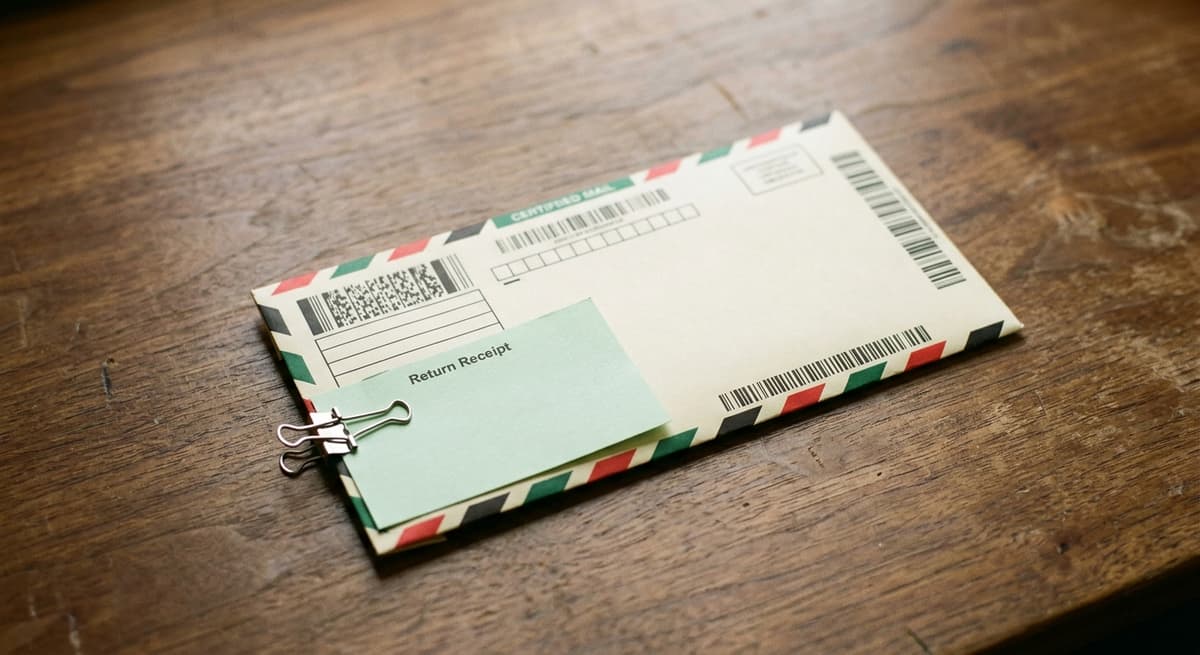
If you receive a Palmetto Payback letter, you generally do not need to do anything unless a detail is wrong, such as a misspelled name or an outdated address. A check typically follows about four to six weeks after the letter and is valid for 90 days from its issue date. If it goes uncashed and expires, the funds are not lost; they remain claimable through the standard online claim process afterward.
Tip: If you receive an unexpected Palmetto Payback letter, verify it by going directly to treasurer.sc.gov rather than using any phone number or link printed on the letter itself, just to be safe.
How to Search and File a Claim
If you have not received a Palmetto Payback letter, search directly through the State Treasurer's official portal, linked from treasurer.sc.gov. Search under every name you have used, including a maiden name or a business name, since records are filed under whatever name and address the holder had on file when it reported the property, sometimes years or decades out of date. South Carolina's records also feed into MissingMoney.com, a free multi-state search run by the National Association of Unclaimed Property Administrators (NAUPA), useful if you have lived in more than one state, but the Treasurer's own site remains the authoritative source and the place a claim is filed.
Filing directly with South Carolina is free, with no charge to search or to process a valid claim. Documentation scales with the claim's size and complexity. A simple claim where you are the sole, currently named owner is typically the easiest to support, with a government-issued photo ID and something connecting you to the property, such as an old bank statement. Larger claims, and claims filed by an heir or an estate, commonly require a notarized signature, a death certificate, or documents establishing legal authority to act for the estate. The State Treasurer does not publish an administrative service-level estimate for how long claims requiring this kind of documentation take, but the statute sets an outer limit. Under S.C. Code Section 27-18-250(B), the administrator must consider each claim within ninety days after it is filed and give written notice to the claimant if the claim is denied in whole or in part. Under Section 27-18-270, a claimant who is aggrieved by that decision, or whose claim has gone ninety days without action, may bring an action to establish the claim in the court of common pleas of Richland County.
Dormancy Periods and the Finder Fee Cap
South Carolina's dormancy periods vary by property type under the Uniform Unclaimed Property Act: one year for wages and utility deposits, three years for stocks and securities, five years for most bank accounts, outstanding checks, and insurance proceeds, seven years for money orders, and fifteen years for travelers checks. Once a holder turns the property over to the state, these clocks stop mattering, and South Carolina holds the money in the owner's name indefinitely.
South Carolina law also protects claimants who do choose to use a paid finder service. Under S.C. Code Section 27-18-360, it is unlawful to charge more than 15 percent of the value returned, and any fee agreement signed within 24 months of the state receiving the property is unenforceable. Since South Carolina's own process is free, a finder service is never required.
Avoiding Unclaimed Property Scams
Two different things get lumped together under "unclaimed money scams." The first is a paid finder service, capped by law as described above, that searches for unclaimed property and files a claim for a percentage of what is recovered. These are legal but never necessary in South Carolina, since the state's own process is free.

The second is outright fraud. The Federal Trade Commission has warned that scammers impersonate government agencies through unsolicited calls, texts, and emails, claiming the recipient has unclaimed funds waiting. The warning signs are consistent: being asked for sensitive personal or financial information out of nowhere, being pressured to pay an upfront "processing" fee, or being told a claim is about to expire.
Watch out: A genuine Palmetto Payback letter never asks you to pay a fee, wire money, or provide a gift card number before the state will send a check that is already coming. If a caller or text demands payment first, that is not how the real program works.
If you get a suspicious call, text, or letter, do not provide payment or personal information. Verify everything yourself directly at treasurer.sc.gov, and report suspected scams at ReportFraud.ftc.gov.
Related articles
- Unclaimed Money & Property by State
- South Carolina Landlord-Tenant Laws
- South Carolina Divorce Laws
- South Carolina Power of Attorney Laws
Disclaimer
This article provides general information about South Carolina's unclaimed property program as of the verification date above. It is not legal, financial, or tax advice, and it does not create any professional relationship between the reader and RecordingLaw.com. Unclaimed property rules, dormancy periods, and required documentation can change, and how they apply to a specific account or claim depends on the individual facts involved. For a complex claim, including one involving an estate or a business, consider consulting a licensed attorney or contacting the South Carolina Office of the State Treasurer directly.

Last updated: 2026-07-15.
More South Carolina Laws
Frequently Asked Questions
Is South Carolina's unclaimed property search really free?
Yes. Searching and filing a claim through the South Carolina Office of the State Treasurer are both free. You should never have to pay to claim money that already belongs to you.
What is Palmetto Payback?
Palmetto Payback is South Carolina's automated matching program. It positively verifies some owners using existing state records and mails a check directly, with no claim form required, instead of waiting for the owner to search and apply.
Do I need to do anything if I get a Palmetto Payback letter?
Usually not. If the details on the letter are correct, a check typically follows about four to six weeks later. You only need to respond if your name, address, or identifying information needs to be corrected.
What happens if my Palmetto Payback check expires uncashed?
The check is valid for 90 days from its issue date. If it lapses, the money is not lost. It remains claimable through South Carolina's standard online claim process.
How long does South Carolina hold unclaimed property before it is reportable to the state?
It depends on the type: one year for wages and utility deposits, three years for securities, five years for most bank accounts and insurance proceeds, seven years for money orders, and fifteen years for travelers checks.
Is there a deadline to claim my property in South Carolina?
No. South Carolina holds unclaimed property in custody for the owner or their heirs with no cutoff date.
Can a finder service charge whatever it wants to help me claim my money?
No. State law caps finder and locator fees at 15 percent of the amount returned, and fee agreements signed within 24 months of the state receiving the property are unenforceable.
How do I know if a call or letter about unclaimed property is a scam?
Be suspicious of anyone who contacts you out of the blue asking for a fee, your full Social Security number, or payment by gift card or wire transfer to release funds. Verify any claim directly at treasurer.sc.gov rather than through contact information in the message itself.
Updates
Corrected the savings bond section: the U.S. Treasury retired its Treasury Hunt search tool on September 30, 2025 rather than handing bond oversight to state programs, and added South Carolina's 90-day statutory window for the Treasurer to consider a claim under S.C. Code 27-18-250(B).
The Law Behind This Article
This article rests on the statutory provisions below, held in our own legal record and retrieved from the official source. Tap a section to read the operative text.
South Carolina Code of Laws, Title 27: PROPERTY AND CONVEYANCES
§ 27-18-250Claims to property paid or delivered to administrator; recovery of interest on propertyIn force
(A) A person, excluding another state, claiming an interest in any property paid or delivered to the administrator may file with him a claim on a form prescribed by him and verified by the claimant. (B) The administrator shall consider each claim within ninety days after it is filed and give written notice to the claimant if the claim is denied in whole or in part. The notice may be given by mailing it to the last address, if any, stated in the claim as the address to which notices are to be sent. If no address for notices is stated in the claim, the notice may be mailed to the last address, if any, of the claimant as stated in the claim. No notice of denial need be given if the claim fails to state either the last address to which notices are to be sent or the address of the claimant. (C) If a claim is allowed, the administrator shall pay over or deliver to the claimant the property or the amount the administrator actually received or the net proceeds if it has been sold by the administrator together with any additional amount required by Section 27-18-220.
Official text (excerpt) · last checked 2026-09-03 · Read the full text in our law library · Verify at scstatehouse.gov
§ 27-18-360Restrictions on agreements to recover or assist in recovery of reported property; penaltiesIn force
All agreements to pay compensation to recover or assist in the recovery of property reported under Section 27-18-180, made within twenty-four months after the date payment or delivery is made under Section 27-18-200 are unenforceable. It is unlawful for any person to seek or receive from any person or contract with any person for any fee or compensation for locating or purporting to locate any property which he knows has been reported or paid or delivered to the administrator pursuant to this chapter, in excess of fifteen percent of the value thereof returned to the owner. Any person violating this section is guilty of a misdemeanor and, upon conviction, must be fined not less than the amount of the fee or charge he has sought or received or contracted for, nor more than ten times the amount, or imprisoned for not more than thirty days, or both.
Official text (excerpt) · last checked 2026-07-29 · Read the full text in our law library · Verify at scstatehouse.gov
§ 27-18-75Escheatment of United States savings bondsIn force
(A) Notwithstanding any other provisions of law, a United States savings bond in the possession of the administrator or registered to a person with a last known address in this State, including a bond that is lost, stolen, or destroyed, is presumed abandoned and unclaimed five years after the bond reaches final maturity and no longer earns interest. This United States savings bond must be reported and remitted to the administrator by the financial institution or other holder in accordance with the provisions of this chapter if the administrator is not in possession of the bond. If the savings bond is located in a safe deposit box, the financial institution or other holder must report and remit the savings bond to the administrator whether or not the administrator chooses to accept the other contents of the safe deposit box in the manner provided by law.
Official text (excerpt) · last checked 2026-07-29 · Read the full text in our law library · Verify at scstatehouse.gov
Cited in 1 court opinions in our collectionLatest citing opinion in our collection: 2017
Opinions citing this section in our collection:
- Laturner v. United States (United States Court of Federal Claims 2017, 133 Fed. Cl. 47)“…93.022; La. Stat. Ann. § 9:182; Miss. Code Ann. § 89-12-59; S.C. Code Ann. §§ 27-18-75 to -76; S.D. Codified Laws § 43-41B-44.…”
Identified automatically from the court opinions citing this section — not a ranking of which case controls.
Explore the law
This article also draws on these acts and chapters (opening at their first section): South Carolina Code of Laws, Title 27: PROPERTY AND CONVEYANCES § 27-18-10 (Short title)
Related law for further reading — not part of this article’s citations.
Search our full record of US law — 2.1 million sections, every state + federal →
Sources and References
- South Carolina Office of the State Treasurer, Unclaimed Property Program overview(treasurer.sc.gov).gov
- South Carolina Office of the State Treasurer, Palmetto Payback program page(treasurer.sc.gov).gov
- South Carolina Code of Laws, Title 27, Chapter 18, Uniform Unclaimed Property Act(scstatehouse.gov).gov
- South Carolina's official unclaimed property claim search portal(southcarolina.findyourunclaimedproperty.com)
- FTC Consumer Advice, How to handle unexpected calls about unclaimed funds(consumer.ftc.gov).gov
- NAUPA, South Carolina Unclaimed Property Reporting Profile(unclaimed.org)
- U.S. Department of the Treasury, TreasuryDirect notice that the Treasury Hunt tool is no longer available as of September 30, 2025(treasurydirect.gov)