
Pennsylvania
Pennsylvania Unclaimed Property: How to Search & Claim Your Money (2026)

Pennsylvania Treasury is holding about $5 billion in unclaimed property, and the state estimates roughly 1 in 10 Pennsylvanians has some waiting for them. Some smaller claims now arrive automatically, with no form to fill out at all, through a newer program called Money Match. Here is how Pennsylvania's unclaimed property program works, how to search for your name for free, and how Money Match fits in.
Information last verified on 2026-07-15. This article has not yet been reviewed by a licensed lawyer.
How Pennsylvania's Unclaimed Property Program Works
Pennsylvania's program is run by the Bureau of Unclaimed Property within the Pennsylvania Treasury. When a bank, employer, insurer, or other business (a holder) loses contact with someone it owes money to and can't locate them after a set period of inactivity, state law, the Disposition of Abandoned and Unclaimed Property Act, requires the holder to report that property and turn it over to Treasury rather than keep it. That handoff is called escheatment.
As in nearly every other state, Pennsylvania's escheatment is custodial, not permanent. Treasury holds the property in trust, not as state revenue, and you or your heirs can file a claim to recover it at essentially any time. As of March 2026, Treasury reported holding about $5 billion in unclaimed property, with an average claim value over $1,000, and estimates that roughly 1 in 10 Pennsylvania residents has property waiting somewhere in that pool.
How to Search for Your Unclaimed Property in Pennsylvania
Start at Treasury's official search portal, unclaimedproperty.patreasury.gov, and search using your name, including any past names or old addresses. If you've lived, worked, or banked outside Pennsylvania, it's also worth checking MissingMoney.com, the free multi-state search tool sponsored by NAUPA, which Pennsylvania joined in 2022. Either way, Treasury's own portal remains the authoritative source for anything Pennsylvania itself is holding, and it's where you'll actually file a claim.
Pennsylvania's Money Match: Getting Paid Without Filing a Claim
Pennsylvania has started returning some unclaimed property automatically, without waiting for the owner to search or file anything. The program, called Money Match, cross-references Treasury's unclaimed property records against other verified state data to confirm who owns a given account. When Treasury can verify a single owner and the property is valued at $500 or less, it mails that owner a notification letter, then sends a check roughly 45 days later, with no claim form required.
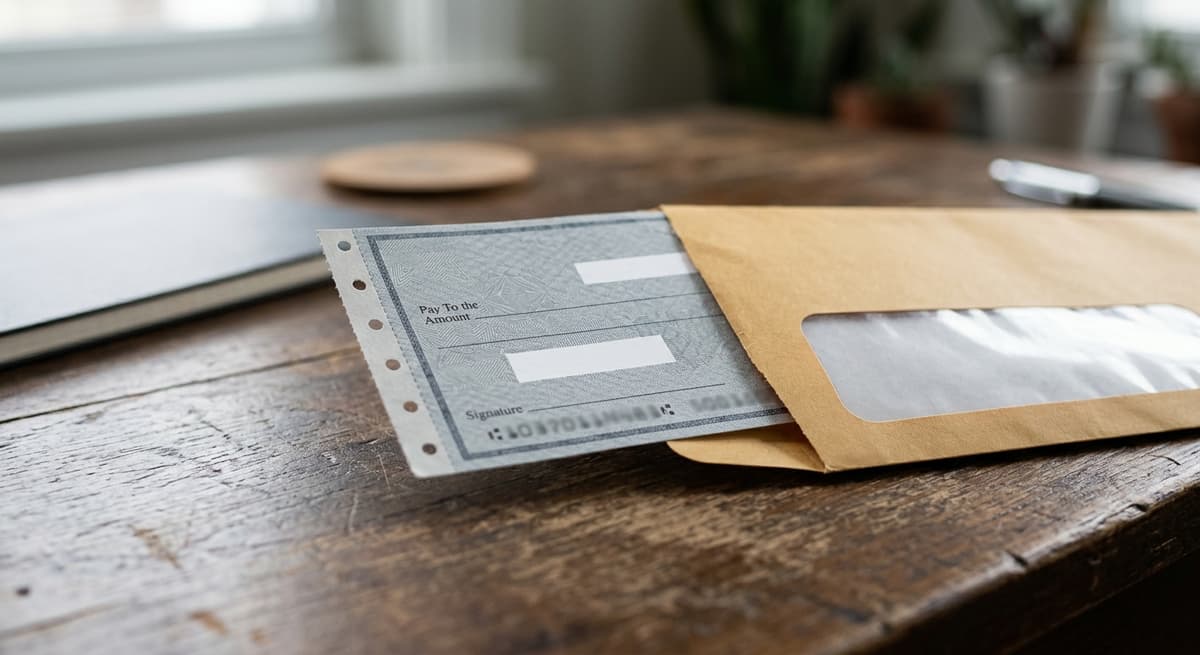
The first round of Money Match letters went out in January 2025, covering more than 8,300 individual claims worth over $2 million. Treasury expanded the program in the months that followed, and by mid-2025 had sent tens of thousands of Money Match letters. If you get one of these letters and it matches your information, there's nothing you need to do but wait for the check.
Money Match only covers smaller, single-owner property that Treasury can already verify. It doesn't affect claims for property valued above $500 or property with multiple owners; those claimants still need to search and file a standard claim with supporting documentation the way claimants always have.
Watch out: A real Money Match letter never asks you to pay a fee or provide banking information to "unlock" your check. If you get a letter or call demanding payment before Pennsylvania will send your money, it's not really Treasury, and you should verify directly at patreasury.gov before responding.
How to File a Standard Claim in Pennsylvania
For property Money Match doesn't already cover, filing directly with Treasury is free. The general process:
- Search unclaimedproperty.patreasury.gov and confirm a match under your name.
- Start a claim through the online portal.
- Verify your identity, typically with a government-issued photo ID and your Social Security number.
- Provide documentation connecting you to the property if requested, such as an old bank statement or address history.
- Submit the claim, track its status through Treasury's claim status tool, and wait for Treasury to review it and issue payment.
Pennsylvania doesn't publish one guaranteed turnaround time for standard claims; more complete documentation submitted up front tends to move faster. Claims tied to a deceased owner's estate, a business entity, or securities typically take longer because more paperwork is required.
Dormancy Period in Pennsylvania
Pennsylvania's Disposition of Abandoned and Unclaimed Property Act sets dormancy periods that vary by the type of property involved, and sources differ somewhat on the general default for common accounts like checking and savings, so it's worth treating any single number cautiously. Some categories are set more specifically by statute, including a shorter period for wages and payroll checks and much longer periods for money orders and traveler's checks. Because the exact period depends on the specific type of property, the most reliable way to know where you stand is simply to search Treasury's database directly. If a matching account or check shows up in a search, the applicable dormancy period has already passed and the property is ready to claim.
Avoiding Unclaimed Property Scams
Two different things get grouped together under unclaimed money scams, and it helps to tell them apart. Paid finder or asset recovery services, which search for and file a claim on your behalf for a cut of the money, are legal in Pennsylvania and regulated: state law caps what a certified finder can charge at 15% of the amount recovered. They're never necessary, though, since Treasury's own search and claim process is completely free, and Money Match now sends some checks out with no claim required at all.

The real danger is outright fraud: unsolicited calls, texts, or emails claiming to be from a government agency, saying you have unclaimed funds waiting, and asking you to pay an upfront processing or release fee, or hand over sensitive personal information before they'll send it. The Federal Trade Commission warns this is a common scam pattern, including a version involving supposed unclaimed life insurance money from a deceased relative, and that no legitimate government agency demands payment before releasing money it already owes you. If you receive a message like this, don't click any link. Go directly to patreasury.gov and, if you believe you've been targeted, report it at ReportFraud.ftc.gov.
Related articles
- Unclaimed Money & Property by State
- Pennsylvania Landlord-Tenant Laws
- Pennsylvania Divorce Laws
- Pennsylvania Power of Attorney Laws
Disclaimer
This article provides general information about how Pennsylvania's unclaimed property program works as of the verification date above. It is not legal advice and does not create an attorney-client relationship. Program rules, dormancy periods, and processing times can change; verify current details directly with the Pennsylvania Treasury's Bureau of Unclaimed Property before relying on any figure here.

Last updated: 2026-07-15.
More Pennsylvania Laws
Frequently Asked Questions
Is it really free to search for unclaimed property in Pennsylvania?
Yes. Searching Treasury's portal and filing a claim directly with the Bureau of Unclaimed Property costs nothing. You should never need to pay anyone to search for or release money that's already legally yours.
What is Money Match?
Money Match is a Pennsylvania Treasury program that automatically mails a check for verified single-owner unclaimed property worth $500 or less, with no claim form required. Recipients get a notification letter first, then a check about 45 days later.
Do I need to do anything if I get a Money Match letter?
No. If Treasury has already verified you as the owner, the check follows the letter automatically, typically within about 45 days. You don't need to file a claim or send anything back.
How much unclaimed property is Pennsylvania currently holding?
As of March 2026, Treasury reported holding about $5 billion in unclaimed property, and estimates that roughly 1 in 10 Pennsylvania residents has some waiting for them.
Is there a deadline to claim my property once Pennsylvania has it?
No. Pennsylvania's unclaimed property program is custodial, meaning Treasury holds property in trust indefinitely. You or your heirs can generally file a claim at any time.
What is the dormancy period in Pennsylvania?
It varies by property type under state law, so there isn't one single number that applies to everything. The safest way to check is to search Treasury's database directly, since anything listed there has already passed its dormancy period.
Is paying a company to find my unclaimed money in Pennsylvania a scam?
Not necessarily. Licensed finder services are legal and regulated, with fees capped at 15% of the amount recovered, but they're never required, since Treasury's own process is free. It becomes a scam if you're asked to pay an upfront fee before any money is found, or if the contact impersonates a government agency and pressures you with a fake deadline.
What documents do I need to file a standard claim in Pennsylvania?
At minimum, expect to verify your identity with a government-issued photo ID and your Social Security number. Larger or more complex claims, including those involving a deceased owner's estate, commonly require additional documents such as a death certificate or estate paperwork.
Updates
Updated the total unclaimed property Pennsylvania Treasury holds from $3.5 billion to about $5 billion, per Treasury's March 2026 announcement, and date-stamped the figure.
Sources and References
- Pennsylvania Treasury, Unclaimed Property program page(patreasury.gov).gov
- Pennsylvania Treasury, official unclaimed property search and claim portal(patreasury.gov).gov
- Pennsylvania Treasury, Money Match program page(patreasury.gov).gov
- Pennsylvania Treasury, unclaimed property finders and fee cap information(patreasury.gov).gov
- NAUPA / unclaimed.org, official multi-state unclaimed property consumer information site(unclaimed.org)
- FTC Consumer Advice, Unclaimed life insurance money? It's a scam(consumer.ftc.gov).gov
- Pennsylvania Treasury, Money Match news release (March 27, 2026), stating the $5 billion held in unclaimed property(patreasury.gov)