
Colorado
Colorado Property Records: How to Find Out Who Owns a Property (2026)
Independently fact-checked against primary sources (last audited September 7, 2026). · 7 primary sources cited on this page. How we verify our legal content
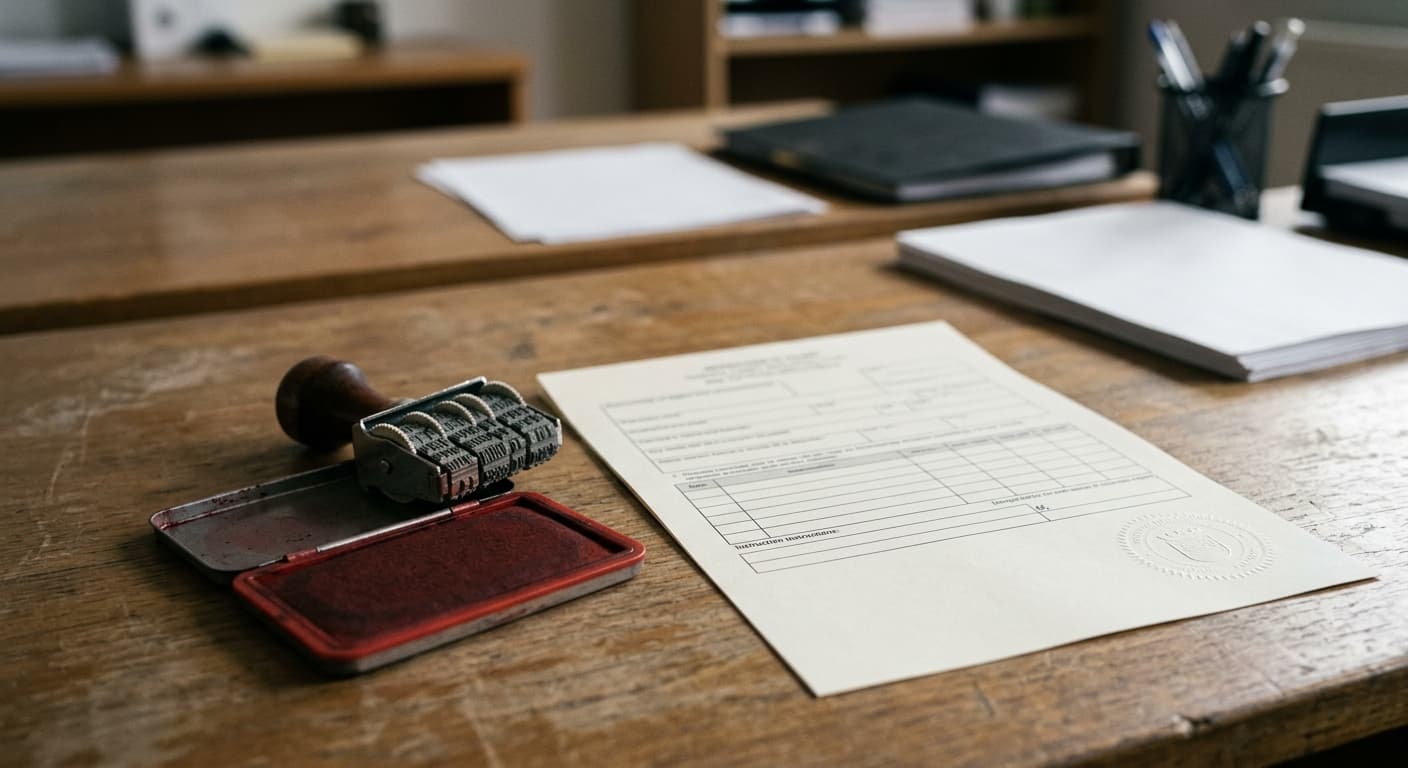
Colorado records property documents through a County Clerk and Recorder in each of its 64 counties, including the consolidated City and County of Denver, and while recording fees are now standardized statewide, searching for a deed or an owner still depends on which county's system you use.
Information last verified on 2026-07-16. This article has not yet been reviewed by a licensed lawyer.
How Property Records Work in Colorado
Colorado records real property documents through a County Clerk and Recorder, one office per county, across all 64 counties. Two of those counties, Denver and Broomfield, are consolidated City and County governments, meaning a single municipal-county government, rather than a separate city sitting inside a larger county, runs both city and county functions, including recording. Whichever county the property is in, the Clerk and Recorder's core role is the same: receiving, stamping, indexing, and archiving deeds, mortgages and deeds of trust, liens, easements, and plats, and maintaining the grantor-grantee index that lets someone trace a chain of title by name rather than address.
There is no Colorado state agency that operates a single statewide search of recorded documents; each county controls its own index and, for the most part, its own online access. Some counties run their own portal, such as Jefferson County's Records Search, while others use the shared publicsearch.us platform, as Denver County does through its Quick Search tool. Anyone researching property records by state should confirm which system a specific Colorado county uses before assuming a statewide standard.
How to Find Out Who Owns a Property in Colorado
The fastest free way to identify a property's current owner in Colorado is the county Assessor's search tool, since assessor records exist to value property for tax purposes and most counties publish a free, no-login search by address, owner name, or parcel number. Larimer County's Free Property Search and Jefferson County's Records Search are representative examples that return the owner of record and assessed value directly.

Document-image access through the Clerk and Recorder's own index varies more by county. Denver County's Quick Search, run through the shared publicsearch.us platform, provides online access to recorded documents, and viewing recent-year images is commonly free, though some record types or older years may require an account or a fee. Jefferson County runs a comparable Records Search directly through its own site. Where a county has not put its recording index online, a phone call or visit to the Clerk and Recorder's office is the only route.
For a certified copy of an actual recorded document, contact the Clerk and Recorder in the county where the property sits. There is no consistent statewide copy fee; only the flat recording fee, what it costs to file a new document, has been standardized. Representative copy-fee examples include El Paso County, which provides certified copies at no charge beyond a small $1.25 to $2.50 mailing and handling fee plus $0.25 per page, and Douglas County, which charges $1.00 per document for certification. Confirm the current fee with the specific county.
Denver, Broomfield, and Colorado's New Flat Recording Fee
Colorado stands out for two reasons. Denver and Broomfield are both consolidated City and County governments, a structure closer to Washington, D.C. than to a typical Colorado county, which means a single office handles what would otherwise be split between separate city and county governments elsewhere in the state. Separately, effective July 1, 2025, Colorado replaced its old per-page recording-fee model with a single flat $40 fee plus a $3 surcharge, $43 total, to record most documents statewide, regardless of how many pages the document runs. That standardization applies to the cost of filing a new document; it does not extend to what a county charges to search its records or produce a certified copy of an existing one, which remain set county by county as described above.
Watch for Deed Solicitation Mailers and Enroll in a Fraud Alert
Colorado homeowners, like homeowners nationwide, have reported receiving official-looking mail offering to sell a "certified copy of your deed" for $80 to $95. These mailers are not government correspondence. They commonly use language like "official" or "U.S. Government," include real details pulled from the public record to appear legitimate, and set a false response deadline, while a disclaimer buried in small print admits the offer is not a bill and payment is not required. The actual cost of a certified copy from a Colorado Clerk and Recorder is far lower, often just a per-page fee plus a small certification charge, and most homeowners already received their original deed for free at closing. Report a mailer like this to the Colorado Attorney General's consumer protection line or the FTC at ftc.gov/complaint.
Deed and title fraud, a forged transfer filed against a property, is a more serious and separate risk that the FBI's Internet Crime Complaint Center warned about nationally in a June 2026 public service announcement, noting that criminals increasingly target vacant land and mortgage-free homes. Colorado has no single statewide fraud alert program; instead, counties run their own free versions under different names. Denver's is called FraudSleuth, Douglas County calls its version Recording Activity Notification, Boulder County calls its Property Alert, Pueblo County calls its Fraud Notify, and El Paso County launched a comparable title and deed alert feature in November 2025. Where your county offers one of these, enrolling costs nothing and flags a suspicious recording against your name within days.
Not a Substitute for a Professional Title Search
A Clerk and Recorder or Assessor search is a genuinely useful tool for general research or confirming ownership, but it is not a substitute for a licensed title company's professional title search and title insurance policy before purchasing property. A professional search reviews deeds, mortgages, liens, judgments, and court filings together, a level of cross-referencing a self-directed lookup does not perform, and industry estimates suggest roughly a quarter of residential transactions have a title issue that a professional search catches before closing. Anyone planning an actual Colorado purchase or closing should work with a licensed title company or real estate attorney rather than relying on a DIY search alone.
Disclaimer
This article provides general public-records information about property ownership research in Colorado as of 2026-07-16. It is not legal advice and is not a substitute for a professional title search or title insurance before a real estate purchase. County offices, fees, and online tools change without notice; verify current details with the relevant County Clerk and Recorder or Assessor before relying on them. For advice about a specific property, transaction, or legal dispute, consult a licensed Colorado attorney or title company.

Last updated: 2026-07-16. Figures and program details reflect their in-force version as of 2026-07-16.
More Colorado Laws
Frequently Asked Questions
Does Colorado have a statewide property records search?
No. Colorado has 64 County Clerk and Recorder offices, each maintaining its own index. There is no single government search covering every county's recorded deeds.
What office records deeds in Colorado?
The County Clerk and Recorder in the county where the property is located, including the consolidated City and County of Denver and City and County of Broomfield.
How much does it cost to record a document in Colorado?
Effective July 1, 2025, Colorado standardized recording fees statewide at a flat $40 plus a $3 surcharge, $43 total, regardless of page count. Certified-copy fees to retrieve an existing document still vary by county.
What is the fastest free way to find out who owns a property in Colorado?
The county Assessor's search tool, such as Larimer County's Free Property Search or Jefferson County's Records Search, which lets you search by address, owner name, or parcel number at no cost.
Does Colorado have a property fraud alert service?
Not a single statewide one. Counties run their own free versions: Denver's FraudSleuth, Douglas County's Recording Activity Notification, Boulder County's Property Alert, Pueblo County's Fraud Notify, and a newer El Paso County alert feature.
Why are Denver and Broomfield different from other Colorado counties?
Both are consolidated City and County governments, meaning one government handles both city and county functions, including property recording, rather than a separate city sitting inside a larger county.
Is a county records search enough before buying property in Colorado?
No. A DIY Assessor or Clerk and Recorder search is useful for general research, but it is not a substitute for a licensed title company's professional title search and title insurance before a purchase or closing.
Updates
Independently fact-checked against the cited primary sources
The Law Behind This Article
This article rests on the statutory provisions below, held in our own legal record and retrieved from the official source. Tap a section to read the operative text.
Colorado Revised Statutes, Title 38: Property - Real and Personal
§ 38-35-109Instrument may be recorded - validity of unrecorded instruments - liability for fraudulent documentsIn forcecited in 2 of our articles
(1) All deeds, powers of attorney, agreements, or other instruments in writing conveying, encumbering, or affecting the title to real property, certificates, and certified copies of orders, judgments, and decrees of courts of record may be recorded in the office of the county clerk and recorder of the county where such real property is situated; except that all instruments conveying the title of real property to the state or a political subdivision shall be recorded pursuant to section 38-35-109.5. No such unrecorded instrument or document shall be valid against any person with any kind of rights in or to such real property who first records and those holding rights under such person, except between the parties thereto and against those having notice thereof prior to acquisition of such rights. This is a race-notice recording statute. In all cases where by law an instrument may be filed in the office of a county clerk and recorder, the filing thereof in such office shall be equivalent to the recording thereof, and the recording thereof in the office of such county clerk and recorder shall be equivalent to the filing thereof.
Official text (excerpt) · last checked 2026-09-07 · Read the full text in our law library · Verify at olls.info
Also relied on in: Colorado Quitclaim Deed: Requirements, Recording and Fees
Search our full record of US law — 2.1 million sections, every state + federal →
Sources and References
- El Paso County Clerk and Recorder(clerkandrecorder.elpasoco.com).gov
- Larimer County Assessor, Free Property Search(larimer.gov).gov
- Jefferson County, Colorado, Records Search(jeffco.us).gov
- Denver City and County Clerk and Recorder, Sign Up for FraudSleuth(denvergov.org).gov
- Douglas County, Colorado, Recording Activity Notification (Fraud Alert)(douglas.co.us).gov
- FBI Internet Crime Complaint Center, Public Service Announcement I-061626-PSA, "Protect Your Property from Illegal Sales Through Parcel Owner Impersonation" (June 16, 2026)(ic3.gov).gov
- KRDO News, "Clerk's office introduces new alert feature to prevent title and deed fraud" (El Paso County, Nov. 13, 2025)(krdo.com)
- North Carolina Department of Insurance, Title Insurance consumer guide(ncdoi.gov).gov