
United Kingdom
Rent Increase in Scotland: Rules and Rent Control
Independently fact-checked against primary sources (last audited September 30, 2026). · Law checked current as of September 30, 2026. · 11 primary sources cited on this page. How we verify our legal content
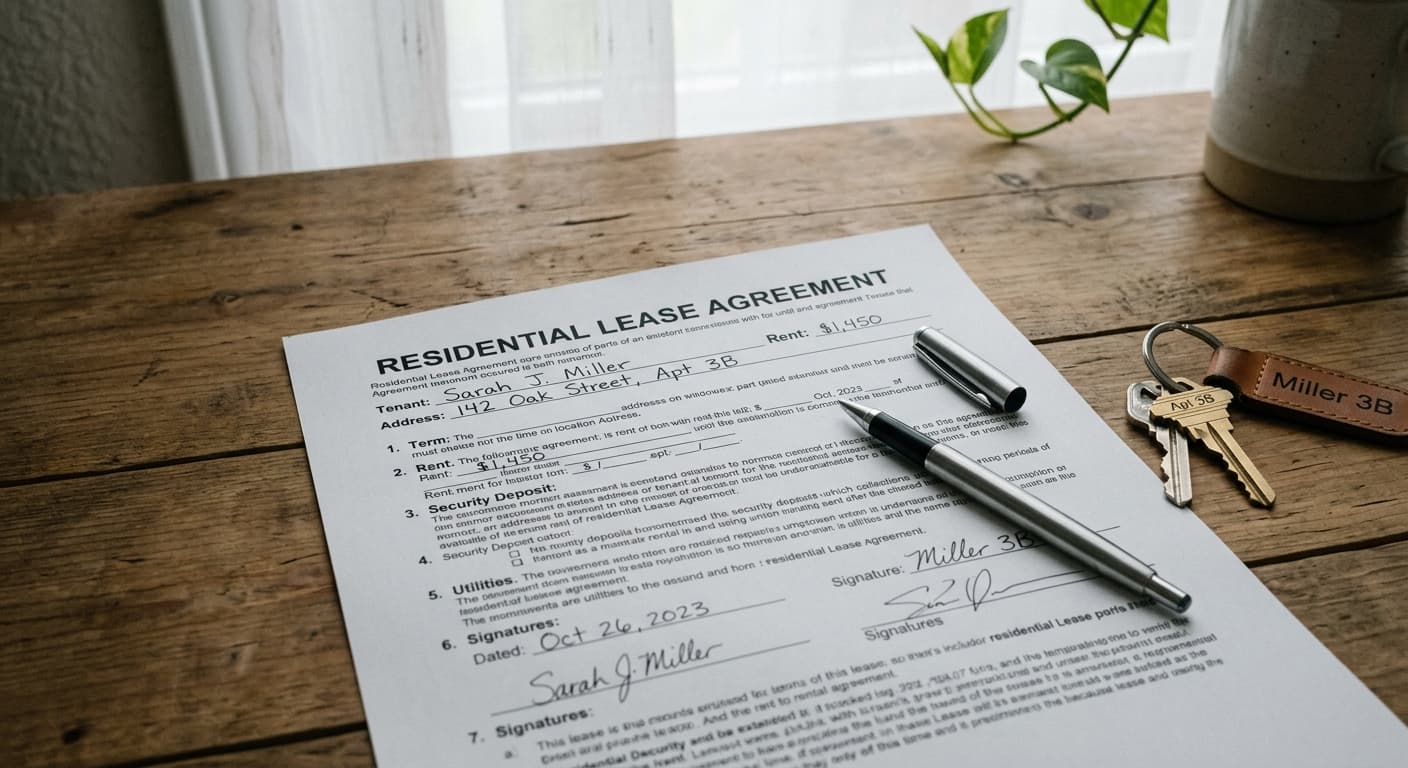
In Scotland, a landlord cannot raise the rent on a Private Residential Tenancy more than once every 12 months, and must give at least three months' notice using an official rent-increase notice, which a tenant can challenge through Rent Service Scotland.
Information last verified on 18 July 2026. This page presents general legal information, not legal advice.
Jurisdiction scope: This page covers rent increases for a Private Residential Tenancy in Scotland only, under the Private Housing (Tenancies)(Scotland) Act 2016 and the Housing (Scotland) Act 2025. It does not cover England, Wales or Northern Ireland, which run different systems; see the links below for those nations. This is general information, not advice on your own tenancy.
How often can my rent be increased in Scotland?
For a Private Residential Tenancy (PRT), the tenancy type most private tenants in Scotland hold under the Private Housing (Tenancies)(Scotland) Act 2016, a landlord can raise the rent only once every 12 months. This statutory gap applies regardless of anything the tenancy agreement itself says about review dates, and it cannot be shortened by contract. There is no limit on how much notice a landlord can give in advance, only on how often the rent can actually change. The 12-month clock runs from the date of the last valid increase. The current rules do not separately bar an increase during the first 12 months of a tenancy; section 24 of the Housing (Scotland) Act 2025 adds that bar, but it had not been brought into force as of September 2026. A second rent-increase notice served within that 12 months has no legal effect, and the tenant does not have to pay it.
What notice must my landlord give before a rent increase takes effect?
A landlord must use the official rent-increase notice and give at least three months' notice before the higher rent starts. The three months runs from the date the tenant receives the notice, not the date printed on it, so a notice received on 1 April cannot take effect before 1 July. If the landlord uses the wrong form, gives less than three months, or has already increased the rent within the last 12 months, the notice does not take effect and the tenant can continue paying the existing rent until a valid one is served. Tenants can check a notice against the current requirements on mygov.scot before assuming a stated increase applies to them.
The UK rent increase calculator shows the Scottish rules for when a rent increase can take effect, alongside the rules in England, Wales and Northern Ireland.

Can I challenge a rent increase? Rent Service Scotland and the Tribunal
Yes. A tenant who does not accept a proposed increase can say so on the rent-increase notice and refer it to a rent officer at Rent Service Scotland, an executive agency of the Scottish Government, within 21 days of receiving the notice (30 days for notices given on or after 1 April 2027). The rent officer looks at comparable market rents in the area and sets a figure, which can come out the same as, lower than, or higher than the landlord's proposed rent, so a tenant already paying below market rate should weigh that risk before referring. That risk ends for rent-increase notices given on or after 1 April 2027: from then, the rent officer and the Tribunal must set the lower of their own figure and the rent the landlord proposed (Housing (Scotland) Act 2025, section 25). Either the tenant or the landlord can appeal the rent officer's decision to the First-tier Tribunal for Scotland.
Is there a cap on rent increases in Scotland?
Not yet, anywhere. The Housing (Scotland) Act 2025 creates a rent-control framework under which local councils must assess rent conditions in their area from 1 April 2026 and report to Scottish Ministers, with first reports due by 31 May 2027. Only once the Scottish Ministers, having considered a council's report, designate an area a rent-control area by regulations does a statutory cap apply there: rent increases limited to CPI plus 1 percentage point, up to a maximum of 6%, applying both during a tenancy and between successive tenancies, still no more than once every 12 months. As of September 2026, no area in Scotland had been designated a rent-control area, so the cap was not limiting rent increases anywhere in the country. Outside a designated area, the only limits on a rent increase are the 12-month gap, the notice requirements, and adjudication described above.
Which properties are exempt from rent control?
Build-to-rent and mid-market rent properties are exempt from any rent-control cap, even inside a designated area, under the Private Housing Rent Control (Exempt Property) (Scotland) Regulations 2026, in force since 1 April 2026. The build-to-rent exemption covers properties built, converted or renovated for residential use in a development of six or more properties under the same planning permission and ownership, with a completion date on or after 31 August 2021, that have been let only on Private Residential Tenancies since completion and are on the landlord register. The mid-market rent exemption covers properties provided with Scottish Government or local authority funding on conditions that restrict how much the rent can rise. This means that even inside a future rent-control area, some newer and subsidised rental stock will sit outside the cap; check gov.scot for the current exempt property criteria before assuming a specific let is covered.

How does rent increase in Scotland compare to the rest of the UK?
Scotland's system, a 12-month gap, three months' notice, and adjudication by Rent Service Scotland, is different from the rest of the UK, and its forthcoming area-by-area rent cap has no direct equivalent elsewhere. In England, rent rises once a year through a revised Section 13 notice with at least two months' notice, challengeable at the First-tier Tribunal (Property Chamber); see rent increases across the UK for that system and Wales's and Northern Ireland's rules. None of those nations use Rent Service Scotland's adjudication route or Scotland's designated rent-control areas, so a rule confirmed for one nation should never be assumed to apply north of the border.
For the full four-nation comparison, see the UK tenant rights hub. For eviction rules in Scotland, see eviction in Scotland. For how deposits work across the UK, see tenancy deposit protection. For other Scottish and UK law topics, see the United Kingdom law hub.

This page is general legal information about rent increases for a Private Residential Tenancy in Scotland, verified on 18 July 2026. It is not legal advice, and how these rules apply depends on your own tenancy and circumstances. For advice, contact Shelter Scotland, Citizens Advice Scotland, or a solicitor. For related guides, see the UK tenant rights hub and the United Kingdom law hub.
Frequently Asked Questions
How often can my landlord increase my rent in Scotland?
Only once every 12 months, using an official rent-increase notice. A second increase notice served within that 12 months has no legal effect.
How much notice does my landlord have to give?
At least three months from the date you receive the rent-increase notice, not the date printed on it. You do not have to pay the higher rent until the three months have passed.
What can I do if I think a rent increase is too high?
You can refer it to a rent officer at Rent Service Scotland within 21 days of receiving the notice (30 days for notices given on or after 1 April 2027), for an independent adjudication based on comparable market rents.
Can Rent Service Scotland set my rent higher than my landlord proposed?
For notices given before 1 April 2027, yes. The rent officer sets a figure based on comparable market rents in the area, which can be the same as, lower than, or higher than the landlord's proposed increase. For notices given on or after 1 April 2027, the rent officer and the Tribunal cannot set a rent above the one the landlord proposed.
Is there a cap on rent increases in Scotland?
Not yet, anywhere. The Housing (Scotland) Act 2025 lets the Scottish Ministers, after considering a council's report, designate rent-control areas where a CPI plus 1 percentage point cap, maximum 6%, will apply. No area had been designated as of September 2026, so no cap applied anywhere in Scotland at that point.
Will the future rent cap apply to every rental property once an area is designated?
No. Qualifying build-to-rent and mid-market rent properties are exempt from the cap even inside a designated rent-control area, under exemption regulations in force since 1 April 2026.
What happens if my landlord uses the wrong form or gives too little notice?
The rent increase does not take effect. You can continue paying your existing rent and tell your landlord the notice did not meet the legal requirements.
Can a Rent Service Scotland decision be appealed?
Yes. Either the tenant or the landlord can appeal the rent officer's decision to the First-tier Tribunal for Scotland.
Updates
Corrected who designates rent-control areas (the Scottish Ministers, not councils), stated that build-to-rent and mid-market rent exemptions have been in force since 1 April 2026, clarified the 12-month rule, and added that for rent-increase notices given from 1 April 2027 a referral cannot raise the rent above the landlord's proposal and the referral window is 30 days.
Independently fact-checked against the cited primary sources; governing law re-checked for recent changes
Housing (Scotland) Act 2025 rent-control provisions began commencing: councils started assessing local rent conditions and exemption criteria for mid-market rent and build-to-rent properties took effect. No rent-control area has been designated yet, so the CPI+1% cap is not in force anywhere in Scotland.
Sources and References
- Private Housing (Tenancies) (Scotland) Act 2016(legislation.gov.uk).gov
- Housing (Scotland) Act 2025(legislation.gov.uk).gov
- gov.scot: Rent controls (Private renting policy)(gov.scot).gov
- mygov.scot: Rent increases if you have a private residential tenancy(mygov.scot).gov
- mygov.scot: Get Rent Service Scotland to check a rent increase(mygov.scot).gov
- Shelter Scotland: Rent increases in private residential tenancies(scotland.shelter.org.uk)
- Housing (Scotland) Act 2025, section 9 (designation of rent control areas by the Scottish Ministers)(legislation.gov.uk).gov
- Housing (Scotland) Act 2025, section 1 (local authority rent condition reports; first reporting period ends 31 May 2027)(legislation.gov.uk).gov
- Housing (Scotland) Act 2025, section 25 (rent officer and Tribunal set the lower of their figure and the proposed rent)(legislation.gov.uk).gov
- Housing (Scotland) Act 2025 (Commencement No. 3) Regulations 2026 (SSI 2026/115)(legislation.gov.uk).gov
- Private Housing (Tenancies) (Scotland) Act 2016, section 19 (frequency of rent increases)(legislation.gov.uk).gov
- Private Housing Rent Control (Exempt Property) (Scotland) Regulations 2026 (SSI 2026/158)(legislation.gov.uk).gov