
United Kingdom
Tenancy Deposit Protection: UK Rules by Nation
Independently fact-checked against primary sources (last audited September 30, 2026). · Law checked current as of September 30, 2026. · 6 primary sources cited on this page. How we verify our legal content

A landlord must protect your deposit in a government-approved scheme, but the deadline, the cap and the schemes on offer are different in England, Wales, Scotland and Northern Ireland. Get the wrong nation's rule and you can miss a genuine breach, or wrongly think one has happened.
Information last verified on 18 July 2026. This guide is general legal information, not legal advice.
Jurisdiction scope: This guide covers deposit protection for private tenancies across England, Wales, Scotland and Northern Ireland. It is general information, not advice on your own deposit. For help, contact Shelter, Shelter Cymru, Housing Rights, or Citizens Advice.
What is tenancy deposit protection?
Tenancy deposit protection is a legal requirement for a private landlord to place a tenant's deposit into a government-approved scheme rather than simply holding onto it. The scheme keeps the money safe, or insures it, for the length of the tenancy, and only releases it once landlord and tenant agree how much should be returned, or an independent adjudicator decides. Protection has applied in England and Wales since 2007, in Scotland since 2012, and in Northern Ireland since 2013, and now covers occupation contracts in Wales and Private Residential Tenancies in Scotland as well as older tenancy types. Every nation runs its own approved schemes, and a landlord who takes a deposit for a private tenancy has a legal deadline to protect it, though the deadline and the maximum deposit allowed both differ by nation.
Why deposit protection exists
Before deposit protection became law, a minority of landlords held deposits with no independent record of the amount, the property's condition, or what had been agreed, leaving tenants with little way to challenge an unfair deduction. Protection schemes fix that by keeping an independent record of the deposit and, if there is a dispute, offering a free adjudication service that weighs move-in and move-out evidence rather than either side's word alone. This matters because a deposit is often a tenant's largest outlay besides rent, commonly running to hundreds or thousands of pounds. The requirement also lets a tenant confirm a deposit exists at all, and gives landlords and agents a low-cost route to resolve a genuine disagreement over cleaning, damage or unpaid rent without going to court.
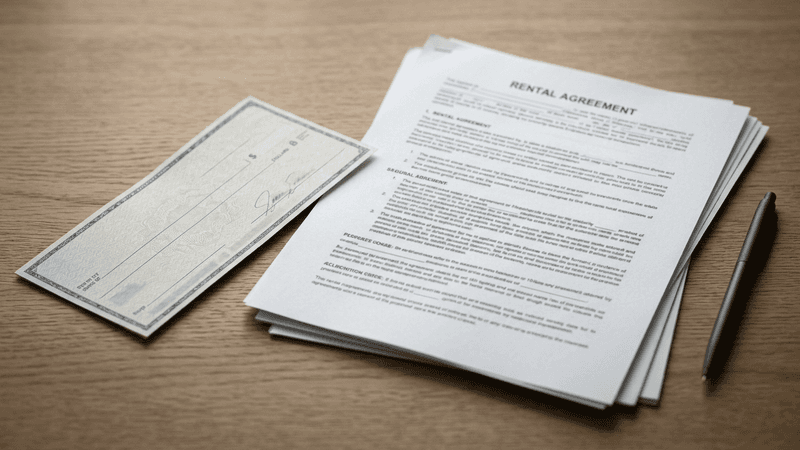
Approved deposit schemes, by nation
England and Wales share three approved schemes: the Deposit Protection Service (DPS), mydeposits, and the Tenancy Deposit Scheme (TDS). Each offers a custodial option, where the scheme holds the money, and an insured option, where the landlord holds the money and pays a premium to the scheme. Scotland has its own three schemes, SafeDeposits Scotland, Letting Protection Service Scotland, and mydeposits Scotland, all custodial. Northern Ireland's approved schemes are custodial or insured equivalents. A landlord must use an approved scheme; a deposit paid into a scheme that is not on the approved list is treated the same as an unprotected deposit.
Four-nation comparison: deposit protection at a glance
| England | Wales | Scotland | Northern Ireland | |
|---|---|---|---|---|
| Protect within | 30 days | 30 days | 30 working days | 28 days |
| Deposit cap | 5 weeks' rent (6 weeks if annual rent is £50,000 or more) | No statutory cap | 2 months' rent | 1 month's rent |
| Approved schemes | DPS, mydeposits, TDS | DPS, mydeposits, TDS | SafeDeposits Scotland, Letting Protection Service Scotland, mydeposits Scotland | Custodial and insured equivalents |
| Prescribed information deadline | Within 30 days | Within 30 days | Within 30 working days | Within 35 days |
| If not protected | Court can order 1 to 3 times the deposit | Court can order 1 to 3 times the deposit | Tribunal can order up to 3 times the deposit | Council enforces: it can fine the landlord three times the deposit, paid to the council |
How to check your deposit is protected
Within 30 days of paying a deposit in England or Wales (30 working days in Scotland, 28 days in Northern Ireland), the landlord or agent must protect it and give the tenant a set of "prescribed information", naming the scheme, its contact details, and how to apply for the deposit's return. With that paperwork, you can usually confirm protection directly with the scheme, since every approved scheme in all four nations offers a free online search using your name, postcode and tenancy dates. If you never received the prescribed information, or a scheme search finds nothing, treat the deposit as unprotected and raise it with the landlord in writing before it becomes a bigger problem.

What happens if a landlord does not protect the deposit
The consequence for a landlord who fails to protect a deposit, or protects it late, is different in each nation, so check the rules for where you rent rather than assuming they match. In England and Wales, a tenant can apply to court, which can order the landlord to pay compensation of one to three times the deposit, on top of returning the deposit itself. In Scotland, a tenant applies to the First-tier Tribunal for Scotland (Housing and Property Chamber), which can order a payment of up to three times the deposit. In Northern Ireland, enforcement is by the local council rather than a tenant application: a tenant can report an unprotected deposit to the council, which can fine the landlord three times the amount of the deposit (the penalty is paid to the council, not the tenant) or prosecute, and on conviction a court can fine a landlord up to £20,000. In England, Wales and Scotland none of this happens automatically; the tenant has to apply, so get advice from Shelter, Shelter Cymru, Housing Rights, or Citizens Advice about the current process. For what to do when a landlord is refusing to return the deposit at the end of the tenancy, see landlord not returning deposit.

This page is general legal information about tenancy deposit protection across England, Wales, Scotland and Northern Ireland, verified on 18 July 2026. It is not legal advice, and how the rules apply depends on your tenancy and the nation you rent in. For advice, contact Shelter, Shelter Cymru, Housing Rights, Citizens Advice, or a solicitor. For related guides, see UK tenant rights, landlord not returning deposit, tenancy types explained, rent increases, and the United Kingdom law hub.
Frequently Asked Questions
How long does a landlord have to protect my deposit?
It depends on the nation. In England and Wales, 30 days. In Scotland, 30 working days. In Northern Ireland, 28 days, with the prescribed information following within 35 days.
How much can my deposit be?
In England, the cap is five weeks' rent, or six weeks if the annual rent is £50,000 or more. Wales has no statutory deposit cap, though about one month's rent is common in practice. In Scotland, the cap is two months' rent. In Northern Ireland, the cap is one month's rent.
Which schemes protect deposits in the UK?
In England and Wales: the Deposit Protection Service (DPS), mydeposits, and the Tenancy Deposit Scheme (TDS). In Scotland: SafeDeposits Scotland, Letting Protection Service Scotland, and mydeposits Scotland. Northern Ireland has its own custodial and insured schemes.
How do I check if my deposit is protected?
Ask your landlord which scheme holds it, then use that scheme's free online search tool with your name, postcode and tenancy start date. If you have no scheme details and a search finds nothing, the deposit may be unprotected.
What happens if my landlord does not protect my deposit?
It depends on the nation. In England and Wales, a court can order the landlord to pay the tenant one to three times the deposit. In Scotland, the First-tier Tribunal can order up to three times the deposit. In Northern Ireland, report it to your local council, which can fine the landlord three times the deposit; that penalty is paid to the council, not to you. Check your nation's current rules before acting.
Can my landlord ask for a deposit above the legal cap?
No. A landlord cannot lawfully take a deposit above the cap that applies in their nation. If you have been asked for more, get advice from Shelter, Shelter Cymru, Housing Rights, or Citizens Advice before paying it.
Does it matter if my deposit was protected a few days late?
Late protection is still a breach and can lead to compensation in England, Wales and Scotland, but courts and tribunals generally award less for a short delay than for a deposit that was never protected at all.
Is there a fee to use the scheme's dispute service?
No. Each scheme runs a free alternative dispute resolution (ADR) service to decide how a protected deposit should be split at the end of a tenancy. Both landlord and tenant normally have to agree to use it.
Updates
Clarified that in Northern Ireland an unprotected deposit is enforced by the local council, which can fine the landlord three times the deposit (paid to the council) or prosecute, rather than by a tenant application.
Independently fact-checked against the cited primary sources; governing law re-checked for recent changes
Sources and References
- GOV.UK: Tenancy deposit protection(gov.uk).gov
- GOV.UK: If your landlord does not protect your deposit(gov.uk).gov
- GOV.WALES: Deposits, guidance for tenants(gov.wales).gov
- mygov.scot: Paying a deposit as a private tenant(mygov.scot).gov
- nidirect: Tenancy Deposit Scheme, information for tenants(nidirect.gov.uk).gov
- Private Tenancies (Northern Ireland) Order 2006, article 68A (fixed penalty payable to the district council)(legislation.gov.uk).gov