
United Kingdom
Small Claims in Northern Ireland: Limits, Process & EJO
Independently fact-checked against primary sources (last audited September 28, 2026). · Law checked current as of September 28, 2026. · 5 primary sources cited on this page. How we verify our legal content
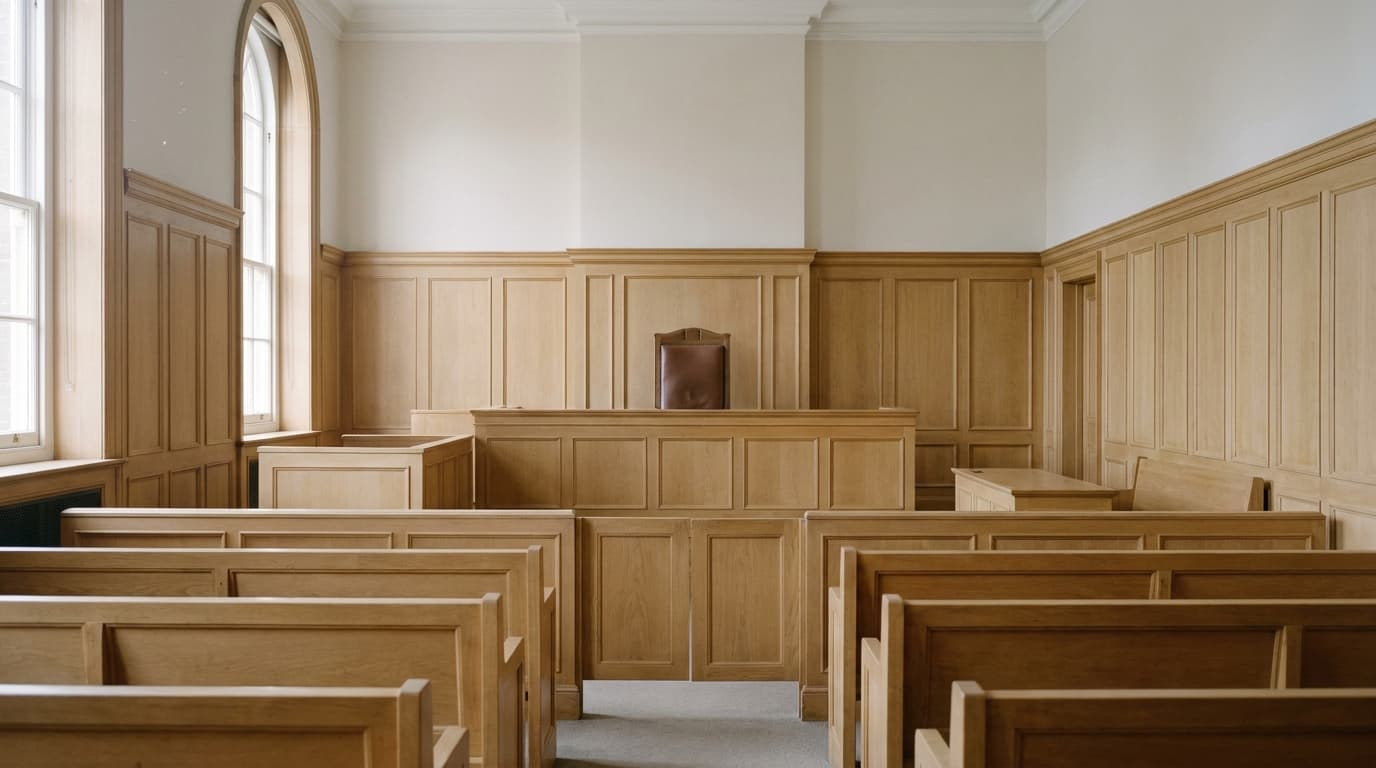
Northern Ireland runs its own Small Claims Court process, entirely separate from the County Court small claims track in England and Wales and Simple Procedure in Scotland. The current limit is £5,000, and if you win but are not paid, enforcement runs through the Enforcement of Judgments Office.
What is the Small Claims Court in Northern Ireland?
The small claims process lets certain money disputes be decided by the County Court informally, generally without needing a solicitor or barrister. It is designed for everyday disputes such as unpaid invoices, faulty goods, poor workmanship, or an unreturned deposit. Northern Ireland's small claims system is administered separately from the courts in England, Wales and Scotland, with its own limit, its own online application service, and its own enforcement body if a judgment goes unpaid.
The £5,000 limit
A small claim in Northern Ireland is one where the amount you are claiming is £5,000 or less. This limit was raised from £3,000 on 3 October 2022 under the County Courts (Financial Limits) Order (Northern Ireland) 2022. If the total sum in dispute between the same parties is higher than £5,000, you can either abandon the amount above £5,000 and proceed as a small claim, or issue a civil bill in the County Court for a full hearing instead.
Claims you cannot bring as a small claim
Not every money dispute qualifies for the small claims process. The following are excluded and need a different County Court route:

- Personal injury claims
- Road traffic accident injury claims
- Libel or slander
- Disputes about title to land
- Legacies or annuities
- Disputes about the property of a marriage
If your dispute falls into one of these categories, the small claims process is not available even if the amount involved is under £5,000.
How to apply: online or by paper
There are two ways to start a small claim in Northern Ireland:
- NI Small Claims Online: an online service that lets you submit an application and track its progress outside normal office hours, run through the Department of Justice.
- Paper application: submit a small claims application form to the Civil Processing Centre at Laganside Courts in Belfast.
Once your application is verified, the other side (the respondent) is sent a small claims pack by post containing all the relevant case information, including a copy of your completed application. Court staff can help explain the forms and the process, but they cannot give legal advice about your case.
Court fees
A fee applies when you submit a small claims application, and the amount depends on how much you are claiming, on a sliding scale set out in the Department of Justice's court fees schedule. Reduced fees or fee waivers may be available if you are on a low income or receive certain benefits. Fees are reviewed periodically, so check the live justice-ni.gov.uk small claims fees page before applying rather than relying on a figure quoted elsewhere.
Our free court fee calculator covers Northern Ireland too, working out the small claims fee for your claim value.
If you win: getting paid
If the Small Claims Court decides in your favour, the respondent is ordered to pay the amount awarded, generally including your application fee. This decision is a County Court Judgment, and like other County Court Judgments it can affect the respondent's credit rating. Winning your claim does not guarantee the money arrives automatically. If the respondent pays as ordered, that is the end of the matter. If they do not, you have to take a further step to enforce the judgment.
Enforcement through the EJO
Unlike England and Wales, where enforcement agents (often called bailiffs) collect on a County Court Judgment, and Scotland, where sheriff officers carry out diligence on a decree, Northern Ireland centralises all civil judgment enforcement in a single body: the Enforcement of Judgments Office (EJO), under the Judgments Enforcement (Northern Ireland) Order 1981. You apply to the EJO once a judgment goes unpaid, and it can use several enforcement methods depending on the debtor's circumstances, including:
- Attachment of earnings order: deductions taken directly from the debtor's wages
- Instalment order: spreads payment over weekly or monthly instalments, typically used where earnings cannot be attached
- Seizure order: the EJO seizes goods belonging to the debtor to satisfy the debt (with protections for essential household items and tools of trade)
- Charging order: secures the debt against property the debtor owns
- Garnishee (attachment of debt) order: freezes money the debtor is owed, such as funds held in a bank account
If the EJO cannot locate any means to recover the debt within a reasonable time, it can issue a Certificate of Unenforceability, which is placed on the public register and can affect the debtor's credit rating in its own right. For more on how enforcement differs across the UK, see bailiffs' rights and enforcement across the UK.
If the debt is getting old: statute-barred debt
Northern Ireland uses the same 6-year limitation period as England and Wales for most simple contract debts, under the Limitation (Northern Ireland) Order 1989, rather than Scotland's 5-year prescription rule (where an old debt is wiped out entirely). A debt that is statute-barred in Northern Ireland still exists, but a creditor generally cannot use the courts, including the small claims process, to enforce it. See statute-barred debt across the UK for how the time limit is calculated and what can restart it.
How Northern Ireland compares to England, Wales and Scotland
The three parts of the UK run entirely separate money-claims systems, with different limits and different terminology:

- England and Wales: small claims track limit of £10,000, handled through the County Court, often via Money Claim Online. See small claims court in England and Wales.
- Scotland: Simple Procedure limit of £5,000, handled through the Sheriff Court, with the court's decision called a "decree" rather than a judgment. See small claims (Simple Procedure) in Scotland.
- Northern Ireland: small claims limit of £5,000, handled through the County Court, with enforcement centralised through the EJO as described above.
Do not assume a figure, process or term from one nation applies in another. A Northern Ireland small claim, a Scottish Simple Procedure case and an England and Wales small claims track case are three different legal processes that happen to serve a similar everyday purpose. If your dispute is in the Republic of Ireland rather than Northern Ireland, that is a separate country with its own system; see the Irish Small Claims Procedure.
This article is for general information only and is not legal or financial advice. Court processes and fees change, so always check the current position on the justice-ni.gov.uk small claims page or nidirect before applying. If you are struggling with debt rather than pursuing money someone owes you, free, independent advice is available from Advice NI and Citizens Advice. For the wider picture, see the UK Debt and Money hub and the United Kingdom hub.
Frequently Asked Questions
What is the small claims limit in Northern Ireland?
£5,000 or less. This was raised from £3,000 on 3 October 2022 under the County Courts (Financial Limits) Order (Northern Ireland) 2022.
What claims cannot go through the small claims process in Northern Ireland?
Personal injury claims, road traffic accident injury claims, libel or slander, disputes about title to land, legacies or annuities, and disputes about the property of a marriage cannot be brought as small claims, whatever the amount involved.
How do I start a small claim in Northern Ireland?
You can apply through the NI Small Claims Online service, or submit a paper small claims application form to the Civil Processing Centre at Laganside Courts in Belfast. A fee applies, based on how much you are claiming.
Do I need a solicitor to bring a small claim in Northern Ireland?
No. The small claims process is designed to be used without a solicitor or barrister. Court staff can help explain the forms and process, though they cannot give legal advice about the merits of your case.
What happens if I win but the other side does not pay?
You can apply to the Enforcement of Judgments Office (EJO), which centralises enforcement of civil judgments in Northern Ireland. Depending on the debtor's circumstances it can use methods such as an attachment of earnings order, an instalment order, a seizure order, a charging order, or a garnishee (attachment of debt) order.
Is the Enforcement of Judgments Office the same as bailiffs in England or sheriff officers in Scotland?
No. Each nation has its own enforcement system. England and Wales use enforcement agents, often called bailiffs. Scotland uses sheriff officers carrying out diligence. Northern Ireland centralises enforcement through the EJO instead, and the methods and terminology differ between all three.
How long do I have to bring a claim before the debt becomes statute-barred?
Most simple contract debts in Northern Ireland become statute-barred after 6 years, under the Limitation (Northern Ireland) Order 1989, the same period used in England and Wales. Scotland uses a different 5-year prescription rule under which the debt is extinguished rather than merely unenforceable.
Updates
Independently fact-checked against the cited primary sources; governing law re-checked for recent changes
The small claims limit in Northern Ireland rose from £3,000 to £5,000 under the County Courts (Financial Limits) Order (Northern Ireland) 2022.
Sources and References
- nidirect: Small claims process(nidirect.gov.uk).gov
- Department of Justice (NI): Small Claims(justice-ni.gov.uk).gov
- Department of Justice (NI): The Enforcement of Judgments Office(justice-ni.gov.uk).gov
- legislation.gov.uk: The County Courts (Financial Limits) Order (Northern Ireland) 2022(legislation.gov.uk).gov
- Department of Justice (NI): Small claims fees(justice-ni.gov.uk).gov
- Advice NI: Money & Debt(adviceni.net)