
New Hampshire
Leyes de Cámaras de Seguridad de Nuevo Hampshire
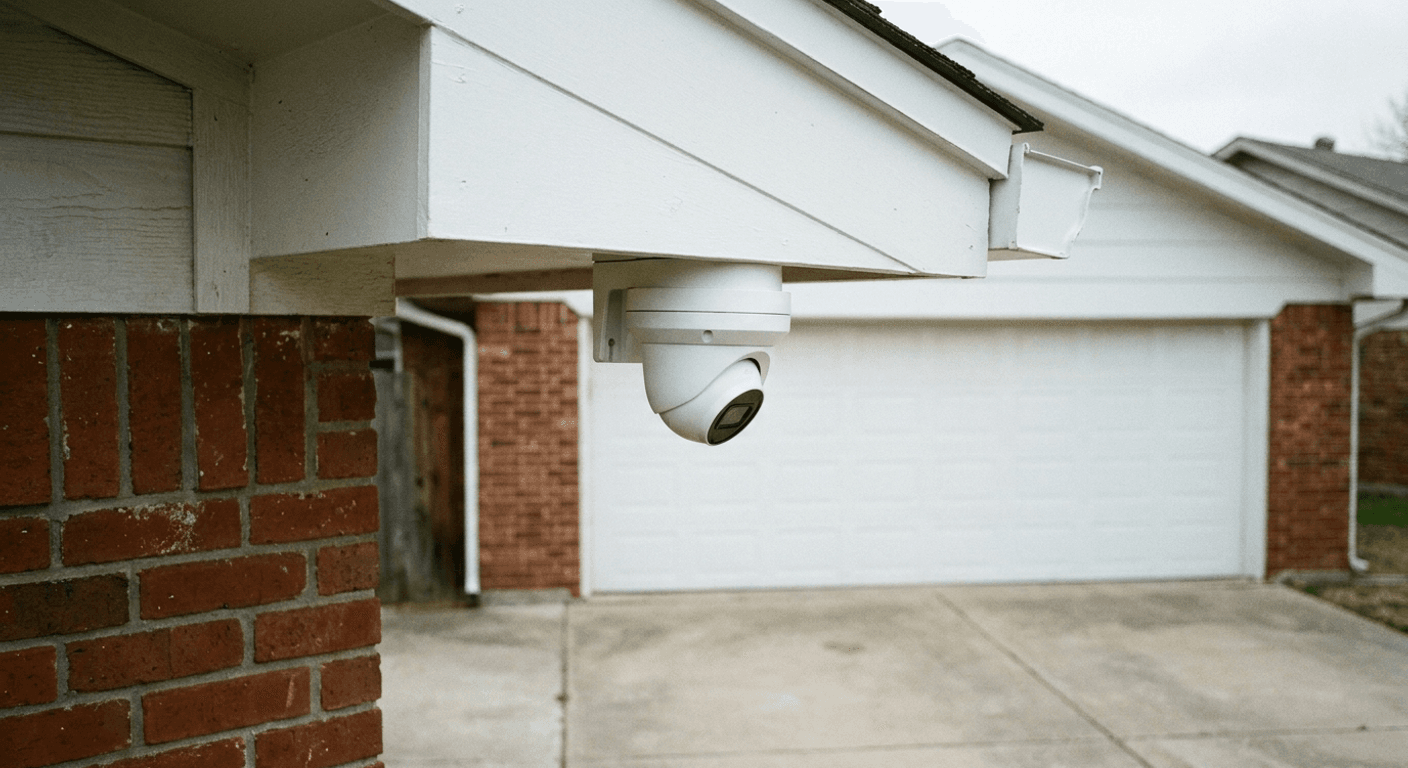
En Nuevo Hampshire, las cámaras de seguridad de video silencioso son generalmente legales en su propiedad, pero las cámaras que graban audio requieren el consentimiento de todas las partes según RSA 570-A:2. RSA 644:9 prohíbe las cámaras en baños, dormitorios y otros espacios privados sin importar la capacidad de audio.
Las cámaras de seguridad son una parte habitual de la vida moderna en Nuevo Hampshire, instaladas en hogares, negocios, edificios gubernamentales y espacios públicos. Sin embargo, la estricta ley de intervención de comunicaciones de consentimiento de todas las partes del Granite State crea consideraciones legales importantes que los propietarios de cámaras de seguridad deben comprender. La legalidad de cualquier instalación de cámara en particular depende en gran medida de dos factores: si la cámara graba audio y dónde se coloca.
Esta guía cubre el marco legal para las cámaras de seguridad en Nuevo Hampshire, incluidos los sistemas residenciales, la vigilancia comercial, las restricciones de grabación de audio, las limitaciones de privacidad y las mejores prácticas de cumplimiento.
El Marco Legal: Cámaras de Seguridad y el Consentimiento de Todas las Partes
Dos Estatutos que Aplican
La legalidad de las cámaras de seguridad en Nuevo Hampshire está regida por dos estatutos principales:
RSA 570-A:2 (Intervención de Comunicaciones y Escuchas Ilegales): Este estatuto prohíbe la intercepción de telecomunicaciones, comunicaciones orales y comunicaciones electrónicas sin el consentimiento de todas las partes. Se aplica a las cámaras de seguridad que graban audio. Si su cámara capta conversaciones, se activa el requisito de consentimiento de todas las partes.
RSA 644:9 (Violación de la Privacidad): Este estatuto prohíbe instalar dispositivos de grabación en lugares privados como baños, dormitorios y vestidores. Se aplica a todas las cámaras sin importar si graban audio.
En conjunto, estos estatutos crean un marco donde la capacidad de audio y la ubicación de una cámara de seguridad determinan si es legal.
Cámaras Silenciosas vs. Cámaras con Audio
| Tipo de Cámara | ¿Legal en Áreas Públicas? | ¿Legal en Áreas Privadas? | ¿Se Requiere Consentimiento? |
|---|---|---|---|
| Solo video silencioso | Generalmente sí | No (aplica RSA 644:9) | No, a menos que sea en un lugar privado |
| Video con audio | Condicional | No | Sí, consentimiento de todas las partes (RSA 570-A:2) |
| Solo audio | Condicional | No | Sí, consentimiento de todas las partes (RSA 570-A:2) |
La distinción clave es el audio. Una cámara de seguridad silenciosa en una tienda minorista capta video de los clientes, pero no intercepta sus conversaciones. Esto es generalmente legal. La misma cámara con un micrófono activado capta comunicaciones orales y activa el estatuto de intervención de comunicaciones.
Cámaras de Seguridad Residenciales
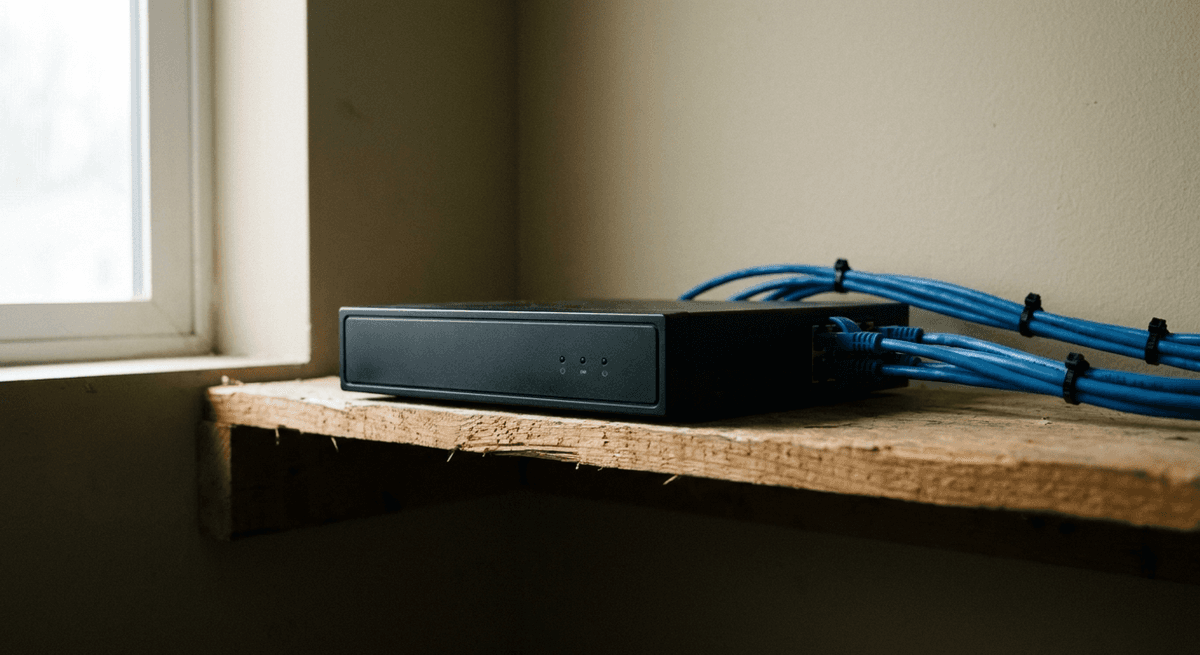
Cámaras Exteriores
Los propietarios de viviendas en Nuevo Hampshire pueden instalar cámaras de seguridad exteriores en su propia propiedad. Las ubicaciones legales comunes incluyen:
- Cámaras de puerta principal y de timbre (Ring, Nest, Arlo, etc.)
- Cámaras de entrada que monitorean el acceso de vehículos
- Cámaras de patio trasero apuntando a su propia propiedad
- Cámaras de garaje y cobertizo con fines de seguridad
Consideraciones de audio: Muchas cámaras de timbre modernas y cámaras de seguridad exteriores tienen micrófonos incorporados. Si estos dispositivos captan conversaciones entre visitantes, vecinos, repartidores o transeúntes, el componente de audio puede activar el requisito de consentimiento de todas las partes según RSA 570-A:2. La pregunta clave es si las personas grabadas tenían una expectativa razonable de privacidad en sus conversaciones.
Las conversaciones en su porche delantero entre visitantes que saben que hay una cámara presente probablemente conllevan menos expectativa de privacidad que una conversación tranquila entre vecinos en el límite de una propiedad que no se dan cuenta de que están siendo grabados.
Mejores prácticas para cámaras exteriores:
- Considere desactivar la grabación de audio en las cámaras exteriores para evitar problemas de intervención de comunicaciones
- Coloque señales visibles que indiquen que se está realizando una grabación de video y/o audio
- Apunte las cámaras principalmente hacia su propia propiedad en lugar de hacia las casas de los vecinos o las aceras públicas
- Revise las grabaciones periódicamente y elimine las grabaciones que no necesite
Cámaras Interiores
Los propietarios de viviendas pueden instalar cámaras de seguridad interiores con estas limitaciones:
- Las áreas comunes (salas, cocinas, pasillos) suelen vigilarse con video silencioso, pero RSA 644:9, II define un «lugar privado» como incluyente del interior de la vivienda de una persona, y RSA 644:9, I(b) tipifica como falta menor de Clase A instalar un dispositivo de grabación en un lugar privado sin el consentimiento de las personas con derecho a privacidad allí. Obtenga el consentimiento de los demás adultos que viven en el hogar (cónyuge, pareja, compañero de casa o familiar adulto) antes de instalar cámaras interiores.
- Los baños, dormitorios y áreas de cambio están prohibidos según RSA 644:9, incluso en su propia casa cuando los invitados o miembros del hogar tienen una expectativa razonable de privacidad
- Las cámaras interiores con audio captan conversaciones del hogar y pueden violar RSA 570-A:2 si los ocupantes o visitantes no son informados y no dan su consentimiento
- Las cámaras para niñera con video silencioso en áreas comunes también están sujetas a RSA 644:9 porque el interior del hogar es un lugar privado, por lo que importa el consentimiento de los miembros del hogar con derecho a privacidad allí. El estatuto no dice si un cuidador que trabaja en su casa cuenta como persona con derecho a privacidad, por lo que avisar de la cámara es la opción más prudente. Las cámaras para niñera con audio también plantean problemas de consentimiento según RSA 570-A:2
Disputas entre Vecinos
Las cámaras de seguridad pueden crear fricción entre vecinos. En Nuevo Hampshire:
- Usted puede apuntar cámaras hacia su propia propiedad, incluso si captan incidentalmente una parte de la propiedad de un vecino
- Apuntar deliberadamente las cámaras hacia las ventanas, el patio trasero o las áreas privadas de un vecino puede dar lugar a reclamos de acoso o acciones civiles por invasión de la privacidad
- Las cámaras con audio que captan conversaciones privadas de un vecino pueden violar RSA 570-A:2
- Los tribunales de Nuevo Hampshire pueden considerar si la colocación de la cámara constituye acoso o infligimiento intencional de angustia emocional
Cámaras de Seguridad para Negocios
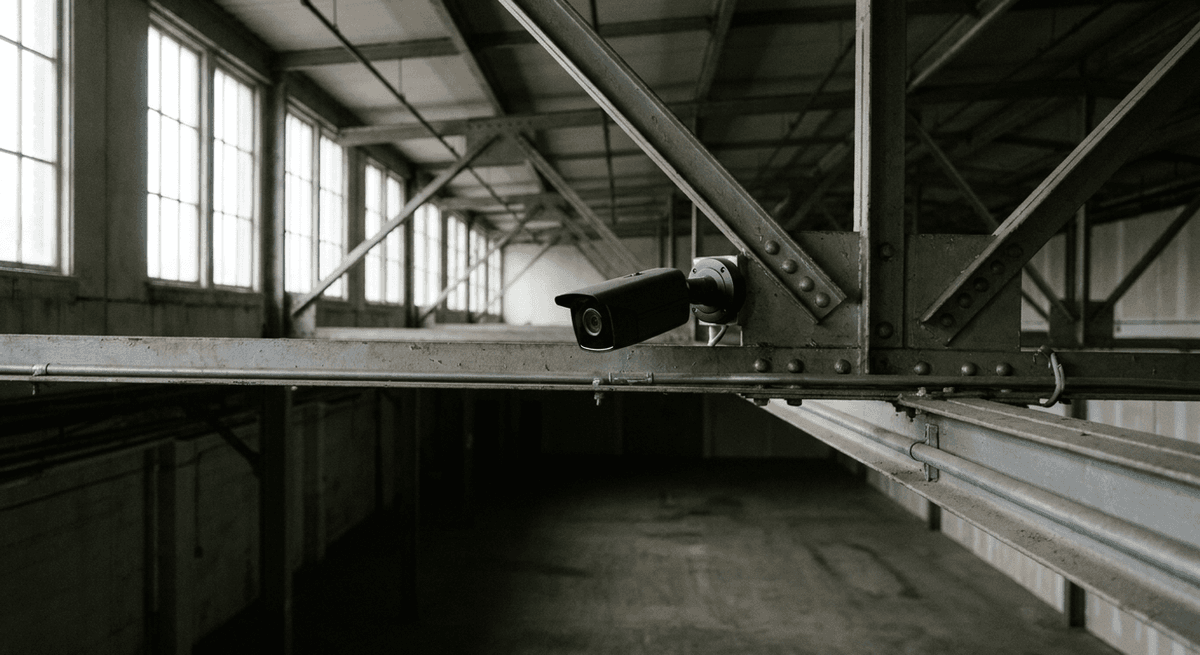
Vigilancia Minorista y Comercial
Las empresas en Nuevo Hampshire suelen usar cámaras de seguridad para prevenir robos, proteger a los empleados y protegerse de responsabilidad. El uso legal de cámaras comerciales incluye:
- Cámaras de video silenciosas en áreas minoristas, vestíbulos, pasillos, bodegas y estacionamientos
- Cámaras en puntos de venta que monitorean cajas registradoras y áreas de pago
- Cámaras en muelles de carga y áreas de inventario para prevención de pérdidas
- Cámaras de estacionamiento para la seguridad de vehículos y peatones
Lo que las empresas deben evitar:
- Cámaras en baños, vestidores o áreas de cambio de empleados (RSA 644:9)
- Cámaras con audio que capten conversaciones de empleados sin el consentimiento de todas las partes (RSA 570-A:2)
- Cámaras ocultas en áreas donde los empleados o clientes tienen una expectativa razonable de privacidad
- Cámaras posicionadas para grabar áreas privadas de propiedades vecinas
Notificación a los Empleados
Aunque Nuevo Hampshire no cuenta con un estatuto específico que exija a los empleadores notificar a los empleados sobre la vigilancia por video, las mejores prácticas incluyen:
- Notificación por escrito en los manuales del empleado o documentos de política
- Señalización visible en las áreas monitoreadas por cámaras
- Formularios de consentimiento si las cámaras graban audio
- Comunicación clara sobre el alcance y el propósito de la vigilancia
- Aplicación consistente de las políticas de vigilancia entre todos los empleados
Audio en Entornos Comerciales
RSA 570-A:2 prohíbe específicamente el uso de dispositivos electrónicos, mecánicos o de otro tipo para interceptar comunicaciones orales en entornos comerciales o de negocios. Si una empresa desea grabar audio a través de cámaras de seguridad, debe:
- Informar a todos los empleados, clientes y visitantes sobre la grabación de audio
- Obtener el consentimiento de todas las personas cuyas conversaciones serán captadas
- Colocar avisos visibles sobre la grabación de audio
- Ofrecer a las personas la opción de evitar las áreas grabadas
En la práctica, la mayoría de las empresas de Nuevo Hampshire desactivan el audio en sus cámaras de seguridad para evitar estas complicaciones.
Cámaras Gubernamentales y en Edificios Públicos
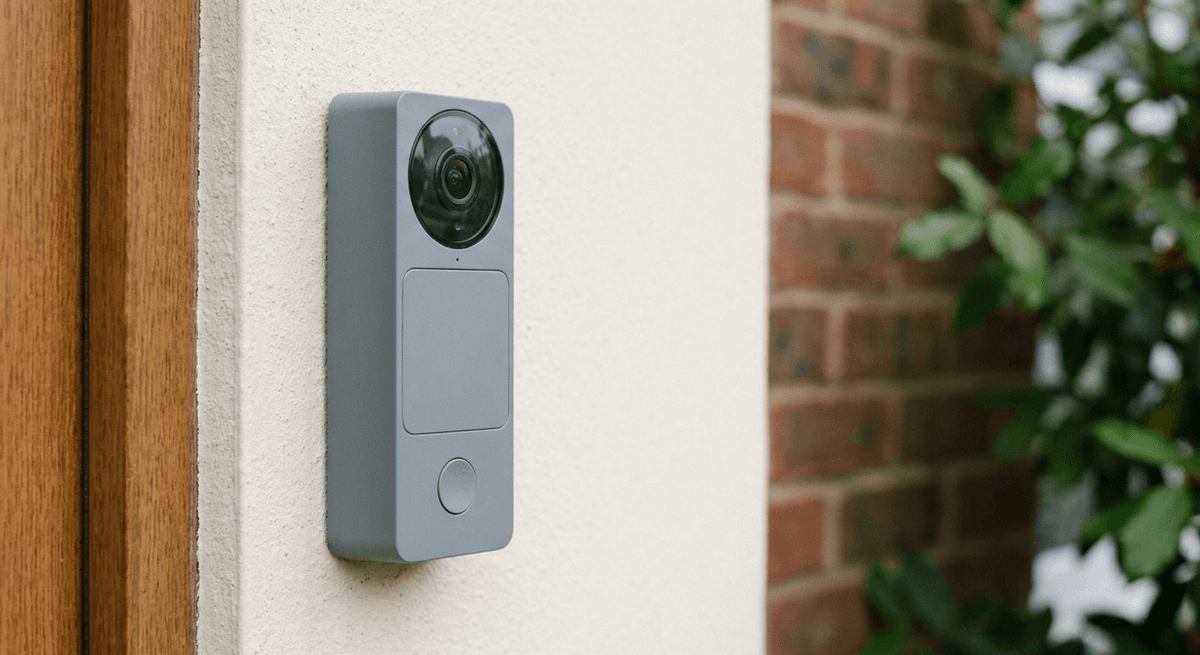
Vigilancia en Edificios Gubernamentales
Las agencias gubernamentales de Nuevo Hampshire pueden instalar cámaras de seguridad en edificios públicos, sujetas al mismo marco legal:
- El video silencioso en áreas públicas de edificios gubernamentales es generalmente permisible
- La grabación de audio en edificios gubernamentales activa los requisitos de consentimiento de RSA 570-A:2
- Las cámaras en áreas privadas (baños, vestidores) están prohibidas según RSA 644:9
- La Ley de Derecho a Saber (RSA 91-A) puede hacer que las grabaciones de cámaras de seguridad gubernamentales estén sujetas a solicitudes de registros públicos
Vigilancia en Espacios Públicos
Las cámaras municipales en espacios públicos (parques, zonas céntricas, intersecciones de tráfico) presentan consideraciones únicas:
- La vigilancia por video silencioso de espacios públicos generalmente no plantea problemas de intervención de comunicaciones
- Las personas en espacios verdaderamente públicos generalmente tienen una expectativa de privacidad disminuida
- La captura de audio en espacios públicos sigue sujeta a RSA 570-A:2 si los interlocutores tienen una expectativa razonable de privacidad
- Las cámaras de control de tráfico se rigen por estatutos de tráfico específicos
Dispositivos de Seguridad para el Hogar Inteligente
Cámaras de Timbre
Las cámaras de timbre conectadas a internet (Ring, Nest Hello, Arlo, etc.) se han vuelto extremadamente comunes en Nuevo Hampshire. Estos dispositivos plantean consideraciones legales específicas:
- La mayoría de las cámaras de timbre graban tanto video como audio de forma predeterminada
- Las grabaciones de audio captan conversaciones entre visitantes, repartidores y transeúntes
- El requisito de consentimiento de todas las partes según RSA 570-A:2 puede aplicarse a las conversaciones captadas
- Colocar un letrero visible que indique que se está realizando una grabación de audio y video puede reducir el riesgo legal
- Considere desactivar la grabación de audio si el cumplimiento legal es una preocupación
- Compartir grabaciones de cámaras de timbre que incluyan conversaciones privadas podría crear responsabilidad adicional
Centros de Hogar Inteligente y Asistentes de Voz
Dispositivos como Amazon Echo, Google Home y Apple HomePod no son cámaras de seguridad tradicionales, pero sí graban audio. Aunque estos dispositivos se activan principalmente mediante comandos de voz:
- Las grabaciones captadas por estos dispositivos pueden estar sujetas a RSA 570-A:2 si captan conversaciones privadas
- Informar a los miembros del hogar y a los invitados sobre la presencia y las capacidades de grabación de estos dispositivos es una buena práctica
- Los clips de grabaciones accidentales compartidos públicamente podrían crear responsabilidad civil
Sistemas de Cámaras Inalámbricas
Las cámaras de seguridad inalámbricas que se conectan a redes Wi-Fi domésticas deben cumplir con las mismas reglas que los sistemas cableados. Las consideraciones adicionales incluyen:
- El almacenamiento en la nube de las grabaciones debe usar conexiones cifradas
- Las medidas de ciberseguridad deben proteger contra el acceso no autorizado a las transmisiones de las cámaras
- La notificación a los vecinos es una buena práctica cuando las cámaras inalámbricas pueden captar actividad en propiedades adyacentes
- Las políticas de retención de datos deben limitar cuánto tiempo se almacenan las grabaciones
Sanciones por el Uso Ilegal de Cámaras de Seguridad
Sanciones Penales
| Delito | Clasificación | Prisión Máxima | Multa Máxima |
|---|---|---|---|
| Cámara con audio sin consentimiento, intencional (RSA 570-A:2, I) | Delito Grave de Clase B | 7 años | $4,000 |
| Cámara con audio, participante con conocimiento (RSA 570-A:2, I-a) | Falta Menor (Clase B por defecto) | Ninguna (Clase B); hasta 1 año si el Estado elige Clase A | $1,200 (Clase B); hasta $2,000 (Clase A) |
| Cámara en lugar privado (RSA 644:9) | Falta Menor de Clase A | 1 año | $2,000 |
| Cámara que capta partes íntimas del cuerpo (RSA 644:9, III) | Falta Menor de Clase A | 1 año | $2,000 |
Fallos Judiciales 2024-2025
En State v. Clark, 2024 N.H. 64 (N.H. 13 de noviembre de 2024), la Corte Suprema de Nuevo Hampshire sostuvo que el remedio de supresión bajo RSA 570-A:6 se aplica únicamente a las violaciones de delito grave de RSA 570-A:2, I, y no a las grabaciones de participantes clasificadas como falta menor bajo RSA 570-A:2, I-a. En State v. Hersom, No. 2023-0352 (N.H. 24 de enero de 2025), el tribunal sostuvo que el Estado debe probar la jurisdicción de NH y el estado mental intencional antes de que se aplique el marco de supresión. El uso de cámaras con audio que solo viola RSA 570-A:2, I-a no está sujeto a la supresión automática como prueba.
Responsabilidad Civil
Las víctimas de vigilancia ilegal con cámaras de seguridad pueden buscar:
- Daños bajo RSA 570-A:11: $100 por día o un mínimo de $1,000, además de daños punitivos y honorarios de abogado (para violaciones de grabación de audio)
- Reclamos por agravios de privacidad: Intrusión en la intimidad, divulgación pública de hechos privados
- Reclamos por allanamiento: Si las cámaras se colocan físicamente en la propiedad de otra persona
- Reclamos por acoso: Si las cámaras se usan para intimidar o acechar
Mejores Prácticas para el Cumplimiento con Cámaras de Seguridad
Para Propietarios de Viviendas
- Desactive la grabación de audio en las cámaras exteriores a menos que tenga una necesidad específica y planee obtener consentimiento
- Coloque señales visibles que indiquen que se está realizando vigilancia por video
- Apunte las cámaras hacia su propia propiedad y minimice la captura de propiedades vecinas
- Nunca instale cámaras en baños, dormitorios de invitados u otras áreas privadas
- Obtenga el consentimiento de los adultos del hogar antes de instalar cámaras interiores (RSA 644:9 trata el interior de una vivienda como un lugar privado), e informe a los visitantes habituales sobre las ubicaciones y capacidades de las cámaras
- Revise y elimine las grabaciones regularmente para minimizar los riesgos de retención de datos
- Proteja sus sistemas de cámaras contra el acceso no autorizado con contraseñas seguras y cifrado
Para Empresas
- Use cámaras de video silenciosas en áreas públicas y comunes
- Coloque avisos visibles sobre la vigilancia por video en todo el establecimiento
- Incluya divulgaciones sobre vigilancia en los manuales del empleado y materiales de inducción
- Nunca coloque cámaras en baños, vestidores o áreas de cambio
- Obtenga el consentimiento por escrito de los empleados si alguna cámara graba audio
- Establezca una política de retención de datos y elimine las grabaciones en un horario regular
- Límite el acceso a las transmisiones y grabaciones de las cámaras solo al personal autorizado
- Consulte a un abogado sobre el cumplimiento de las leyes de privacidad estatales y federales
Más Leyes de Grabación de Nuevo Hampshire
Grabación de Audio | Grabación de Video | Voyerismo | Grabación en el Trabajo | Grabación a la Policía | Grabación de Llamadas Telefónicas | Cámaras de Seguridad | Grabación en Lugares Públicos | Arrendador-Inquilino | Leyes de Cámara en el Auto | Escuelas | Grabación Médica
Volver a las Leyes de Grabación de Nuevo Hampshire
Más Leyes de Nuevo Hampshire
- Leyes de Grabación de Reuniones con IA de Nuevo Hampshire
- Leyes de Pensión Alimenticia de Nuevo Hampshire
- Leyes de Empleo a Voluntad de Nuevo Hampshire
- Leyes de Accidentes Automovilísticos de Nuevo Hampshire
- Leyes de Asientos de Auto para Niños de Nuevo Hampshire
- Leyes de Custodia de Menores de Nuevo Hampshire
- Leyes de Manutención Infantil de Nuevo Hampshire
- Leyes de Matrimonio de Hecho de Nuevo Hampshire
- Leyes de Privacidad de Datos de Nuevo Hampshire
- Leyes de Deepfake de Nuevo Hampshire
- Leyes de Divorcio de Nuevo Hampshire
- Leyes de Mordeduras de Perro de Nuevo Hampshire
- Leyes de Emancipación de Nuevo Hampshire
- Leyes de Eliminación de Antecedentes de Nuevo Hampshire
- Leyes de Choque y Fuga de Nuevo Hampshire
- Leyes de Arrendador-Inquilino de Nuevo Hampshire
Más Temas de Grabación de Nuevo Hampshire
- Leyes de Grabación de Nuevo Hampshire
- Grabación de Audio de Nuevo Hampshire
- Grabación de Video de Nuevo Hampshire
- Grabación Médica de Nuevo Hampshire
- Grabación en Escuelas de Nuevo Hampshire
- Grabación en el Trabajo de Nuevo Hampshire
- Grabación a la Policía de Nuevo Hampshire
- Grabación de Llamadas Telefónicas de Nuevo Hampshire
- Grabación de Voyerismo de Nuevo Hampshire
- Grabación Arrendador-Inquilino de Nuevo Hampshire
- Grabación con Cámara en el Auto de Nuevo Hampshire
- Grabación en Lugares Públicos de Nuevo Hampshire
- Leyes de Privacidad Biométrica de Nuevo Hampshire
- Leyes de Cámaras de Vigilancia
Vea También
- Leyes de Cámaras de Vigilancia de Nuevo Hampshire cubre las reglas de cámaras para el hogar, asociaciones de propietarios, vecinos, lugar de trabajo y arrendador en Nuevo Hampshire.
Preguntas frecuentes
¿Son legales las cámaras de seguridad en Nuevo Hampshire?
Sí, pero con limitaciones importantes. Las cámaras de video silenciosas son generalmente legales en áreas públicas y en áreas comunes de negocios. Dentro de una vivienda, RSA 644:9 trata el interior como un lugar privado, por lo que debe obtener el consentimiento de las demás personas que viven allí. Las cámaras que graban audio activan el requisito de consentimiento de todas las partes según RSA 570-A:2. Las cámaras están prohibidas en lugares privados como baños y vestidores según RSA 644:9. Desactive el audio en las cámaras de seguridad para evitar problemas de intervención de comunicaciones.
¿Puedo tener una cámara de timbre Ring en Nuevo Hampshire?
Sí. Las cámaras de timbre son legales para grabar video en su puerta principal. Sin embargo, la mayoría de las cámaras de timbre también graban audio de forma predeterminada, lo que puede activar los requisitos de consentimiento de RSA 570-A:2 al captar conversaciones de los visitantes. Considere desactivar el audio o colocar un letrero visible que indique que se está grabando audio y video.
¿Puede mi empleador instalar cámaras de seguridad en el trabajo en Nuevo Hampshire?
Los empleadores pueden instalar cámaras de video silenciosas en áreas comunes de trabajo, como vestíbulos, bodegas y pisos de venta. Las cámaras están prohibidas en baños, vestidores y áreas de cambio según RSA 644:9. Las cámaras con audio requieren el consentimiento de todas las partes según RSA 570-A:2. Los empleados deben ser notificados sobre la vigilancia mediante políticas escritas.
¿Puede mi vecino apuntar una cámara de seguridad hacia mi casa en Nuevo Hampshire?
Los vecinos pueden instalar cámaras en su propia propiedad que capten incidentalmente partes de su propiedad. Sin embargo, apuntar deliberadamente las cámaras hacia sus ventanas, patio trasero o áreas privadas puede constituir acoso o dar lugar a reclamos por agravios de privacidad. Las cámaras con audio que capten sus conversaciones pueden violar RSA 570-A:2.
¿Necesito colocar letreros sobre cámaras de seguridad en Nuevo Hampshire?
Nuevo Hampshire no tiene un estatuto específico que exija señalización de cámaras de seguridad. Sin embargo, colocar letreros visibles es muy recomendable como buena práctica. Los letreros ayudan a establecer que las personas en el área han sido notificadas sobre la grabación, lo que reduce las expectativas de privacidad y respalda los argumentos de consentimiento para las cámaras con audio.
Actualizaciones
Se corrigió la guía sobre cámaras interiores y cámaras para niñera: RSA 644:9 trata el interior de una vivienda como un lugar privado, por lo que instalar una cámara allí requiere el consentimiento de las personas con derecho a privacidad.
Se incorporó el marco de supresión de dos niveles de State v. Clark (2024 N.H. 64, 13 de noviembre de 2024) y State v. Hersom (No. 2023-0352, 24 de enero de 2025) desde el centro principal; se confirmó la clasificación de falta menor de RSA 570-A:2, I-a; se actualizó el marco federal (Memorando GC 25-07 de la NLRB, Ley TAKE IT DOWN del 19 de mayo de 2025); se agregó referencia a cámaras corporales RSA 105-D donde corresponde.
La ley detrás de este artículo
Este artículo se apoya en las disposiciones legales a continuación, conservadas en nuestro propio registro jurídico y obtenidas de la fuente oficial. Toque una sección para leer el texto vigente.
New Hampshire Revised Statutes Annotated, TITLE LXII CRIMINAL CODE, CHAPTER 644 BREACHES OF THE PEACE AND RELATED OFFENSES
§ 644:9Violation of Privacy.Vigentecitada en 17 de nuestros artículos
I. A person is guilty of a class A misdemeanor if such person unlawfully and without the consent of the persons entitled to privacy therein, installs or uses: (a) Any device for the purpose of observing, photographing, recording, amplifying, broadcasting, or in any way transmitting images or sounds of the private body parts of a person including the genitalia, buttocks, or female breasts, or a person's body underneath that person's clothing; or (b) In any private place, any device for the purpose of observing, photographing, recording, amplifying or broadcasting, or in any way transmitting images or sounds in such place; or (c) Outside a private place, any device for the purpose of hearing, recording, amplifying, broadcasting, observing, or in any way transmitting images, location, movement, or sounds originating in such place which would not ordinarily be audible, visible, or comprehensible outside such place. II.
Texto oficial (extracto) · verificado el 2026-08-31 · Lea el texto completo en nuestra biblioteca legal · Verifique en gc.nh.gov
Citada en 4 resoluciones judiciales de nuestra colecciónResolución más reciente que la cita en nuestra colección: 2023
Resoluciones que citan esta sección en nuestra colección:
- State v. McLellan (Supreme Court of New Hampshire 1999, 144 N.H. 602)“…pposite. Finally, we reject the defendant’s argument that RSA 644:9 (1996) supports his claim that he had a…”
- State of New Hampshire v. Justin M. Lamontagne (Supreme Court of New Hampshire 2023)“…assault and a case involving dissemination of an image. See RSA 644:9- a, II(c). We fail to see such a distin…”
- State v. Richard Lucas (Supreme Court of New Hampshire 2018)“…(1) an intent to commit a violation of privacy pursuant to RSA 644:9, III-a or IV (2016) does not satisfy th…”
Identificado automáticamente a partir de las opiniones judiciales que citan esta sección; no es un ranking de qué caso prevalece.
New Hampshire Revised Statutes Annotated, TITLE LVIII PUBLIC JUSTICE, CHAPTER 570-A WIRETAPPING AND EAVESDROPPING
§ 570-A:1Definitions.Vigentecitada en 13 de nuestros artículos
As used in this chapter: I. "Telecommunication" means the transfer of any form of information in whole or in part through the facilities of a communications common carrier. "Telecommunication" does not include any communication made through a tone-only paging system or from a tracking device. II. "Oral communication" means any verbal communication uttered by a person who has a reasonable expectation that the communication is not subject to interception, under circumstances justifying such expectation. III. "Intercept" means the aural or other acquisition of, or the recording of, the contents of any telecommunication or oral communication through the use of any electronic, mechanical, or other device. IV.
Texto oficial (extracto) · verificado el 2026-07-29 · Lea el texto completo en nuestra biblioteca legal · Verifique en gc.nh.gov
Citada en 12 resoluciones judiciales de nuestra colecciónResolución más reciente que la cita en nuestra colección: 2025
Resoluciones que citan esta sección en nuestra colección:
- State v. Lamontagne (Supreme Court of New Hampshire 1992, 136 N.H. 575)“…State contends that there was no “intercept” as defined by RSA 570-A:1, III (1986 & Supp. 1992), while the def…”
- State v. Lott (Supreme Court of New Hampshire 2005, 152 N.H. 436)“…g.” State v. Townsend, 57 P.3d 255, 260 n.2 (Wash. 2002). RSA 570-A:1, IV states that an intercept is the rec…”
- State v. MacMillan (Supreme Court of New Hampshire 2005, 152 N.H. 67)“…rial court’s ruling that the interception was illegal under RSA 570-A:1 (2001), the only issue before us is whe…”
Identificado automáticamente a partir de las opiniones judiciales que citan esta sección; no es un ranking de qué caso prevalece.
§ 570-A:11Recovery of Civil Damages Authorized.Vigentecitada en 15 de nuestros artículos
Any person whose telecommunication or oral communication is intercepted, disclosed, or used in violation of this chapter shall have a civil cause of action against any person who intercepts, discloses, or uses, or procures any other person to intercept, disclose or use such communications, and be entitled to recover from any such person: (a) actual damages but not less than liquidated damages computed at the rate of $100 a day for each day of violation or $1,000, whichever is higher; (b) punitive damages; and (c) a reasonable attorney's fee and other litigation costs reasonably incurred. Good faith reliance on a court order or on a representation made by the attorney general, deputy attorney general or a county attorney shall constitute a complete defense to any civil or criminal action brought under this chapter.
Texto oficial (extracto) · verificado el 2026-07-29 · Lea el texto completo en nuestra biblioteca legal · Verifique en gc.nh.gov
Citada en 6 resoluciones judiciales de nuestra colecciónResolución más reciente que la cita en nuestra colección: 2021
En los tribunales (resumen editorial, verificado de forma independiente):Los tribunales han aplicado RSA 570-A:11 como el recurso civil de daños del capítulo. Desilets v. Wal-Mart Stores (1997) otorgó honorarios y costos bajo 570-A:11(c) tras un veredicto de daños legales por grabación secreta en el trabajo; Lath v. Manchester PD, et al. (2017) falló a favor de la demandada al no acreditarse una interceptación.
Resoluciones que citan esta sección en nuestra colección:
- Karen Warrington, individually, and as m/n/f of J.W. v. P John Edward Warrington (District Court, D. New Hampshire 2021, 2021 DNH 070)✓Un padre grabó en secreto una llamada con su hijo, alumno de un internado en New Hampshire, y luego la usó en un proceso de divorcio; el tribunal desestimó la demanda de daños bajo 570-A:11 de la madre porque nunca alegó que él estuviera en New Hampshire al grabar.
- Sanjeev Lath v. Oak Brook Condominium Owners’ Association, Gerard Dufresne, and Betty Mullen (District Court, D. New Hampshire 2018, 2018 DNH 013)“…upport dogs. Count 9: an eavesdropping claim under RSA 570-A:11 against Mullen, for installing came…”
- Lath v. Manchester PD, et al. (District Court, D. New Hampshire 2017, 2017 DNH 164)✓Un propietario de condominio alegó que una vecina perforó agujeros en la pared que compartían e instaló dispositivos de escucha en su unidad; ante la declaración jurada de ella no refutada, el tribunal falló sumariamente en contra de su demanda por escuchas bajo 570-A:11.
Identificado automáticamente a partir de las opiniones judiciales que citan esta sección; no es un ranking de qué caso prevalece.
§ 570-A:2Interception and Disclosure of Telecommunication or Oral Communications Prohibited.Vigentecitada en 34 de nuestros artículos
I. A person is guilty of a class B felony if, except as otherwise specifically provided in this chapter or without the consent of all parties to the communication, the person: (a) Wilfully intercepts, endeavors to intercept, or procures any other person to intercept or endeavor to intercept, any telecommunication or oral communication; (b) Wilfully uses, endeavors to use, or procures any other person to use or endeavor to use any electronic, mechanical, or other device to intercept any oral communication when: (1) Such device is affixed to, or otherwise transmits a signal through, a wire, cable, or other like connection used in telecommunication, or (2) Such device transmits communications by radio, or interferes with the transmission of such communication, or (3) Such use or endeavor to use (A) takes place on premises of any business or other commercial establishment, or (B) obtains or is for the purpose of obtaining information relating to the operations of any business or other commercial establishment; or (c) Wilfully discloses, or endeavors to disclose, to any other person the contents of any telecommunication or oral communication, knowing or having reason to know that…
Texto oficial (extracto) · verificado el 2026-09-24 · Lea el texto completo en nuestra biblioteca legal · Verifique en gc.nh.gov
Citada en 35 resoluciones judiciales de nuestra colecciónResolución más reciente que la cita en nuestra colección: 2025
En los tribunales (resumen editorial, verificado de forma independiente):Los tribunales de New Hampshire leen el delito grave de RSA 570-A:2, I como algo más que la intención de grabar. Fischer v. Hooper (1999) sostuvo que wilfully significa desprecio intencional o temerario por la legalidad de la conducta, así que una creencia de buena fe es defensa. State of New Hampshire v. Adam Mueller (2014) revocó por ese elemento mental.
Resoluciones que citan esta sección en nuestra colección:
- State v. Kilgus (Supreme Court of New Hampshire 1986, 128 N.H. 577)✓Un intermediario en un plan de asesinato por encargo aceptó llevar una grabadora oculta y logró que el acusado confirmara haber pagado $1,000 para matar a un hombre; el tribunal sostuvo que la grabación era lícita bajo la RSA 570-A:2, II(d) porque una parte consintió y el homicidio es un delito enumerado.
- Fischer v. Hooper (Supreme Court of New Hampshire 1999, 143 N.H. 585)✓Un padre grabó en secreto las llamadas de su exesposa con su hija aunque una guardiana ad litem había dicho que ambos padres debían estar de acuerdo; el tribunal sostuvo que el término wilfully en la RSA 570-A:2, I exige desprecio intencional o temerario por la legalidad de la conducta, y revocó el fallo.
- State of New Hampshire v. Adam Mueller (Supreme Court of New Hampshire 2014, 166 N.H. 65)✓Un activista de fiscalización policial grabó tres llamadas telefónicas con un capitán de policía y dos funcionarias escolares sin avisarles; el tribunal sostuvo que instruir al jurado sobre purposely en vez del wilfully del estatuto fue error manifiesto y revocó sus condenas por interceptación.
Identificado automáticamente a partir de las opiniones judiciales que citan esta sección; no es un ranking de qué caso prevalece.
También citada en: Grabaciones como prueba: reglas judiciales por estado
§ 570-A:6Prohibition of Use as Evidence of Intercepted Telecommunications or Oral Communications.Vigentecitada en 19 de nuestros artículos
Whenever any telecommunication or oral communication has been intercepted, no part of the contents of such communication and no evidence derived therefrom may be received in evidence in any trial, hearing, or other proceeding in or before any court, grand jury, department, officer, agency, regulatory body, legislative committee, or other authority of the state, or a political subdivision thereof, if the disclosure of that information would be in violation of this chapter.
Texto oficial (extracto) · verificado el 2026-07-29 · Lea el texto completo en nuestra biblioteca legal · Verifique en gc.nh.gov
Citada en 16 resoluciones judiciales de nuestra colecciónResolución más reciente que la cita en nuestra colección: 2025
Resoluciones que citan esta sección en nuestra colección:
- State v. McLeod (Supreme Court of New Hampshire 2013, 165 N.H. 42)“…dio-recording of a one-party telephonic interception, see RSA 570-A:6 (2001). We reverse in part, vacate in p…”
- State v. MacMillan (Supreme Court of New Hampshire 2005, 152 N.H. 67)“…sion of Detective Warchol’s testimony is not required under RSA 570-A:6 (2001) because the detective’s knowledg…”
- State v. Telles (Supreme Court of New Hampshire 1995, 139 N.H. 344)“…ions that she had overheard. The defendant objected, citing RSA 570-A:6, which prohibits the admission of evide…”
Identificado automáticamente a partir de las opiniones judiciales que citan esta sección; no es un ranking de qué caso prevalece.
New Hampshire Revised Statutes Annotated, TITLE LXII CRIMINAL CODE, CHAPTER 625 PRELIMINARY
§ 625:9Classification of Crimes.Vigentecitada en 17 de nuestros artículos
I. The provisions of this section govern the classification of every offense, whether defined within this code or by any other statute. II. Every offense is either a felony, misdemeanor or violation. (a) Felonies and misdemeanors are crimes. (b) A violation does not constitute a crime and conviction of a violation shall not give rise to any disability or legal disadvantage based on conviction of a criminal offense. III. A felony is murder or a crime so designated by statute within or outside this code or a crime defined by statute outside of this code where the maximum penalty provided is imprisonment in excess of one year; provided, however, that a crime defined by statute outside of this code is a felony when committed by a corporation or an unincorporated association if the maximum fine therein provided is more than $200. (a) Felonies other than murder are either class A felonies or class B felonies when committed by an individual. Felonies committed by a corporation or an unincorporated association are unclassified.
Texto oficial (extracto) · verificado el 2026-07-29 · Lea el texto completo en nuestra biblioteca legal · Verifique en gc.nh.gov
Citada en 65 resoluciones judiciales de nuestra colecciónResolución más reciente que la cita en nuestra colección: 2026
Resoluciones que citan esta sección en nuestra colección:
- State v. Samuel Pennock (Supreme Court of New Hampshire 2015, 168 N.H. 294)“…shall not include incarceration or probation”); see also RSA 625:9, IV(b) (2007) (defining a class B misde…”
- State v. Morrill (Supreme Court of New Hampshire 1983, 123 N.H. 707)“…ed the sum of $500. In 1971, the legislature enacted RSA 625:9, under which every offense defined with…”
- State v. Woods (Supreme Court of New Hampshire 1995, 139 N.H. 399)“…es that his violation is not a “criminal” act because under RSA 625:9, 11(b) (1986), a violation is not a “cr…”
Identificado automáticamente a partir de las opiniones judiciales que citan esta sección; no es un ranking de qué caso prevalece.
New Hampshire Revised Statutes Annotated, TITLE LXII CRIMINAL CODE, CHAPTER 651 SENTENCES
§ 651:2Sentences and Limitations.Vigentecitada en 19 de nuestros artículos
I. A person convicted of a felony or a Class A misdemeanor may be sentenced to imprisonment, probation, conditional or unconditional discharge, or a fine. II. If a sentence of imprisonment is imposed, the court shall fix the maximum thereof which is not to exceed: (a) Fifteen years for a class A felony, (b) Seven years for a class B felony, (c) One year for a class A misdemeanor, (d) Life imprisonment for murder in the second degree, and, in the case of a felony only, a minimum which is not to exceed 1/2 of the maximum, or if the maximum is life imprisonment, such minimum term as the court may order. II-a. A person convicted of murder in the first degree shall be sentenced as provided in RSA 630:1-a. II-b. A person convicted of a second or subsequent offense for the felonious use of a firearm, as provided in RSA 650-A:1, shall, in addition to any punishment provided for the underlying felony, be given a minimum mandatory sentence of 3 years imprisonment.
Texto oficial (extracto) · verificado el 2026-07-29 · Lea el texto completo en nuestra biblioteca legal · Verifique en gc.nh.gov
Citada en 147 resoluciones judiciales de nuestra colecciónResolución más reciente que la cita en nuestra colección: 2025
En los tribunales (resumen editorial, verificado de forma independiente):State v. Russell (2009) halló error manifiesto porque nunca se preguntó al jurado si el arma mortal era un arma de fuego, como exige la RSA 651:2, II-g, pero confirmó la pena extendida porque esa prueba era abrumadora. State v. Elbert (1984) sostuvo que el requisito de término mínimo y máximo de la RSA 651:2, II solo aplica cuando hay elegibilidad para libertad condicional.
Resoluciones que citan esta sección en nuestra colección:
- State v. Kousounadis (Supreme Court of New Hampshire 2009, 159 N.H. 413)“…rder, see RSA 173-B:9, III (2002). He was sentenced under RSA 651:2, II-g (2007). We affirm in part, revers…”
- State v. Russell (Supreme Court of New Hampshire 2009, 159 N.H. 475)✓Un jurado condenó a Russell por robo a mano armada, pero nunca se le instruyó que debía determinar que el arma mortal era un arma de fuego; el tribunal calificó la sentencia agravada bajo RSA 651:2, II-g como error evidente, pero no la anuló ante la prueba abrumadora e indiscutida.
- Duquette v. Warden, New Hampshire State Prison (Supreme Court of New Hampshire 2007, 154 N.H. 737)✓Un preso que cumplía penas consecutivas por agresión sexual alegó que ninguna ley las permitía; el tribunal leyó RSA 651:2 como silenciosa sobre penas consecutivas salvo por la disposición sobre armas de fuego en II-b, pero sostuvo que los jueces conservan esa facultad de derecho común.
Identificado automáticamente a partir de las opiniones judiciales que citan esta sección; no es un ranking de qué caso prevalece.
Fuentes y referencias
- RSA 570-A:2 - Intercepción Prohibida(gc.nh.gov).gov
- RSA 644:9 - Violación de la Privacidad(gc.nh.gov).gov
- RSA 570-A:1 - Definiciones(gc.nh.gov).gov
- RSA 570-A:11 - Daños Civiles(gencourt.state.nh.us).gov
- RSA 91-A - Ley de Derecho a Saber(gc.nh.gov).gov
- RSA 625:9 - Clasificación de Delitos(gc.nh.gov).gov
- RSA 651:2 - Sentencias y Limitaciones(gc.nh.gov).gov
- RSA Capítulo 570-A - Intervención de Comunicaciones y Escuchas Ilegales (Capítulo Completo)(gc.nh.gov).gov