
New Hampshire
Leyes de Nuevo Hampshire sobre Grabación en Escuelas
Verificado de forma independiente contra fuentes primarias (última auditoría: 22 de agosto de 2026). · Revisado por el equipo editorial de RecordingLaw. · Ley verificada como vigente al 22 de agosto de 2026. · 7 fuentes primarias citadas en esta página. Cómo verificamos nuestro contenido legal
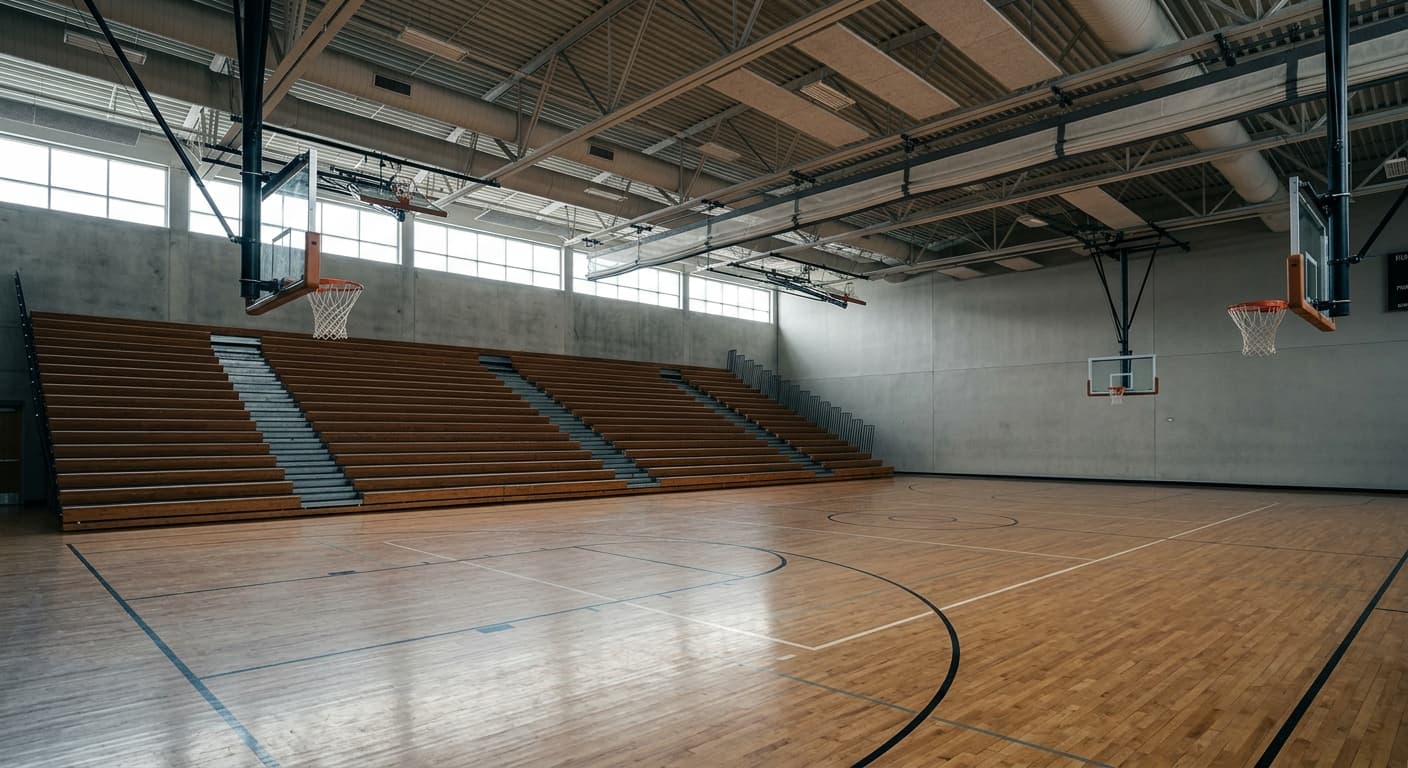
La ley de consentimiento de todas las partes de Nuevo Hampshire, la RSA 570-A:2, se aplica dentro de las escuelas, lo que convierte la grabación secreta de audio por parte de estudiantes, padres, o personal en un delito penal. Las reuniones de la junta escolar pueden grabarse libremente bajo la Ley de Derecho a Saber, y FERPA regula cómo las escuelas manejan las grabaciones que identifican a estudiantes individuales.
Grabar en las escuelas de Nuevo Hampshire implica una intersección compleja entre la estricta ley estatal de intervención de comunicaciones, las protecciones de privacidad del estudiante bajo la ley federal, la Ley de Derecho a Saber para las reuniones públicas de la junta escolar, y consideraciones prácticas de seguridad. Los padres, estudiantes, maestros, y administradores enfrentan reglas legales específicas sobre cuándo y cómo puede ocurrir la grabación en los predios escolares.
Esta guía cubre el marco legal para grabar en las escuelas, incluidos los sistemas de vigilancia escolar, la grabación por parte de los padres en reuniones, los derechos de grabación de los estudiantes, la grabación de reuniones de la junta escolar, y la interacción entre las leyes estatales y federales de privacidad.
La Regla de Consentimiento de Todas las Partes en las Escuelas
Cómo se Aplica la RSA 570-A:2 a las Escuelas
El estatuto de intervención de comunicaciones de Nuevo Hampshire no contiene una excepción específica para las escuelas. El requisito de consentimiento de todas las partes bajo la RSA 570-A:2 se aplica en los predios escolares tal como se aplica en cualquier otro lugar:
- Los estudiantes no pueden grabar en secreto conversaciones con maestros, consejeros, administradores, u otros estudiantes
- Los padres no pueden grabar en secreto conversaciones con el personal escolar durante reuniones, conferencias, o llamadas telefónicas
- Los maestros y el personal no pueden grabar en secreto conversaciones con estudiantes, padres, o colegas
- **Los administradores no pueden grabar** reuniones, audiencias disciplinarias, o conferencias con padres sin el consentimiento de todos los participantes
Se aplica la responsabilidad penal de dos niveles. Un participante que graba a sabiendas su propia conversación sin consentimiento enfrenta un delito menor bajo la RSA 570-A:2, I-a. Una persona que intercepta deliberadamente una conversación de la que no forma parte enfrenta un delito grave de Clase B bajo la RSA 570-A:2, I.
Por Qué los Padres Quieren Grabar
Los padres frecuentemente quieren grabar interacciones con las escuelas por varias razones:
- Reuniones de IEP (Programa de Educación Individualizado) para estudiantes con discapacidades
- Conferencias de padres y maestros para revisar los puntos de discusión más tarde
- Audiencias disciplinarias en las que su hijo enfrenta suspensión o expulsión
- Conversaciones sobre acoso escolar o preocupaciones de seguridad
- Documentación de las respuestas de la escuela a quejas o solicitudes
Aunque estas motivaciones son comprensibles, la grabación secreta no es una opción legal en Nuevo Hampshire. Los padres deben obtener consentimiento o usar métodos de documentación alternativos.
Grabación en Reuniones de la Junta Escolar
Protecciones de la Ley de Derecho a Saber
La Ley de Derecho a Saber de Nuevo Hampshire (RSA 91-A:2, II) proporciona la excepción más clara al requisito general de consentimiento en el contexto escolar. Bajo este estatuto:
- Cualquier persona puede usar grabadoras de audio, cámaras, equipo de videocinta, y otros dispositivos de grabación en reuniones públicas de la junta escolar
- Las juntas escolares no pueden prohibir el uso de dispositivos de grabación durante las sesiones públicas
- Esto incluye las reuniones regulares de la junta escolar, las audiencias de presupuesto, y cualquier otra sesión pública
Las reuniones de la junta escolar que se realizan en sesión pública están completamente abiertas a la grabación. La Ley de Derecho a Saber prevalece sobre cualquier política del distrito escolar que intente prohibir la grabación en sesiones públicas.
Sesiones No Públicas
Las juntas escolares pueden entrar en sesión no pública bajo la RSA 91-A:3 para discutir asuntos confidenciales, tales como:
- Asuntos de personal que involucran el despido, ascenso, compensación, o disciplina de empleados específicos
- Asuntos que podrían afectar negativamente la reputación de una persona distinta de la propia junta, lo que puede incluir la situación de un estudiante específico según las circunstancias
- Estrategia legal para reclamos o litigios pendientes
- Contratos de matrícula de estudiantes o alumnos bajo la RSA 91-A:3, II(k)
La grabación no está permitida durante las sesiones no públicas a menos que la junta la autorice específicamente. Los padres que asistan a una sesión no pública sobre su hijo no deben asumir que pueden grabar.
Sistemas de Vigilancia Escolar

Dónde Pueden las Escuelas Instalar Cámaras
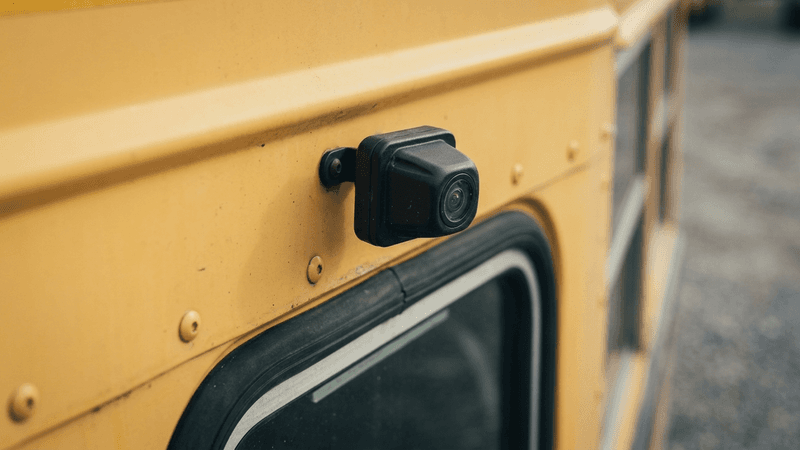
Las escuelas de Nuevo Hampshire comúnmente usan cámaras de seguridad con fines de seguridad. Las ubicaciones legales de cámaras incluyen:
- Pasillos y corredores para el monitoreo de la seguridad estudiantil
- Entradas y salidas del edificio para el control de acceso
- Cafeterías y áreas comunes para el monitoreo del comportamiento
- Estacionamientos y zonas de carga de autobuses para la seguridad del transporte
- Áreas comunes de gimnasios e instalaciones deportivas (no vestidores ni áreas de cambio)
- Predios escolares, incluidos patios de recreo y campos deportivos
Dónde se Prohíben las Cámaras
Bajo la RSA 644:9, las cámaras están prohibidas en lugares privados independientemente del contexto educativo:
- Baños de estudiantes
- Vestidores y áreas de cambio
- Instalaciones de duchas
- Baños del personal
- Cualquier área donde los estudiantes o el personal tengan una expectativa razonable de privacidad completa frente a la observación visual
Las infracciones de la RSA 644:9 en un entorno escolar son un delito menor de Clase A, y la participación de menores puede resultar en sanciones aumentadas.
Grabación de Audio en las Escuelas
Los sistemas de vigilancia escolar que graban audio están sujetos al requisito de consentimiento de todas las partes:
- Las cámaras con micrófonos que capten conversaciones de estudiantes y maestros en las aulas requerirían el consentimiento de todas las partes, lo cual es poco práctico
- El monitoreo de solo audio de las aulas generalmente está prohibido sin el consentimiento de todas las partes
- Los sistemas de intercomunicación que permiten a los administradores escuchar las aulas plantean preocupaciones de intervención de comunicaciones si se usan con fines de vigilancia
- La mayoría de las escuelas desactivan el audio en sus sistemas de cámaras de seguridad para evitar complicaciones con la RSA 570-A:2
Grabación por Parte de los Padres en Reuniones Escolares

Reuniones de IEP y Educación Especial
Los padres de estudiantes con discapacidades a menudo quieren grabar las reuniones de IEP para asegurarse de captar con precisión las recomendaciones y decisiones del equipo. En Nuevo Hampshire:
- Debe solicitar el consentimiento de todos los participantes de la reunión antes de grabar una reunión de IEP
- La escuela puede rechazar su solicitud, en cuyo caso no puede grabar legalmente
- La ley federal IDEA no crea un derecho a grabar las reuniones de IEP; los derechos de grabación se determinan por la ley estatal
- Algunos distritos escolares tienen políticas que abordan las solicitudes de grabación, las cuales pueden permitir la grabación con aviso previo
- Si la escuela rechaza la grabación, puede llevar a una persona de apoyo o defensor para tomar notas detalladas
Conferencias de Padres y Maestros
Se aplican las mismas reglas a las conferencias de padres y maestros y otras reuniones escolares:
- Obtenga el consentimiento del maestro y de cualquier otro participante antes de grabar
- Si se niega el consentimiento, tome notas escritas detalladas durante y después de la reunión
- Envíe un correo de seguimiento que resuma lo conversado para crear un registro escrito
- Lleve a una persona de apoyo que pueda tomar notas y servir como testigo
Consejos para Solicitar Permiso de Grabación
- Haga la solicitud por escrito antes de la reunión, dando tiempo a la escuela para responder
- Explique su motivo (por ejemplo, "Me gustaría grabar para poder repasar la discusión sobre los objetivos de lectura de mi hijo")
- Prepárese para un rechazo y tenga planes de documentación alternativos listos
- Si la escuela acepta, grabe el consentimiento en la propia grabación
- Ofrezca compartir la grabación con todos los participantes
Derechos y Restricciones de Grabación del Estudiante
¿Pueden los Estudiantes Grabar en Clase?
La ley de consentimiento de todas las partes de Nuevo Hampshire generalmente prohíbe que los estudiantes graben en secreto en el aula:
- Grabar las clases del maestro sin el consentimiento del maestro viola la RSA 570-A:2
- Grabar conversaciones con compañeros de clase sin su consentimiento también está prohibido
- Las políticas de teléfonos celulares en muchas escuelas de Nuevo Hampshire restringen aún más el uso de dispositivos de grabación por parte de los estudiantes
Adaptaciones por Discapacidad del Estudiante
En circunstancias limitadas, las necesidades relacionadas con la discapacidad de un estudiante pueden respaldar una adaptación de grabación:
- Un estudiante con una discapacidad de aprendizaje puede beneficiarse de grabar las clases para repasarlas más tarde
- Dichas adaptaciones típicamente se documentarían en un IEP o plan de la Sección 504
- La adaptación requiere el acuerdo de la escuela y se determina caso por caso
- Los maestros deben ser informados de que la grabación es una adaptación aprobada
- La grabación debe usarse únicamente para el beneficio educativo del estudiante
Periodismo Estudiantil
Los periodistas estudiantiles en las escuelas de Nuevo Hampshire enfrentan los mismos requisitos de consentimiento de todas las partes que otros ciudadanos:
- Las entrevistas deben realizarse con el consentimiento del sujeto antes de grabar
- Grabar eventos escolares, como asambleas y actuaciones, puede requerir el consentimiento de los oradores
- Los proyectos de periodismo autorizados por la escuela deben incluir capacitación sobre las leyes de grabación de Nuevo Hampshire
- La grabación en reuniones públicas de la junta escolar está protegida bajo la Ley de Derecho a Saber
FERPA y la Privacidad del Estudiante
Protecciones Federales de Privacidad
La Ley de Derechos Educativos y Privacidad Familiar (FERPA, 20 U.S.C. Sección 1232g) impone requisitos estrictos sobre cómo las escuelas manejan los registros de los estudiantes, incluidas las grabaciones:
- Las imágenes de vigilancia escolar que identifican a estudiantes individuales se consideran un registro educativo si son mantenidas por la escuela
- Las escuelas no pueden compartir dichas grabaciones con terceros sin el consentimiento de los padres (o del estudiante si tiene 18 años o más), salvo bajo excepciones específicas de FERPA
- Las grabaciones hechas durante procedimientos disciplinarios que involucran a estudiantes específicos están sujetas a las protecciones de FERPA
- Las fuerzas del orden pueden acceder a las grabaciones escolares bajo la excepción de aplicación de la ley de FERPA
El Departamento de Educación de EE. UU. proporciona orientación sobre el cumplimiento de FERPA, incluida su aplicación a los sistemas de vigilancia escolar.
FERPA y las Grabaciones de los Padres
Si un padre graba legalmente una reunión escolar con el consentimiento de todos los participantes:
- La grabación del padre no está sujeta a FERPA porque no fue creada ni mantenida por la escuela
- Sin embargo, la grabación puede contener información de identificación personal sobre otros estudiantes que no debería compartirse públicamente
- Los padres deben usar dichas grabaciones únicamente como referencia personal y evitar publicarlas públicamente
- Si la grabación involucra información disciplinaria o educativa de otro estudiante, compartirla públicamente podría plantear preocupaciones de privacidad
Derechos de Grabación de Maestros y Personal
Grabación de Estudiantes por Parte del Maestro
Los maestros en Nuevo Hampshire no pueden grabar en secreto a los estudiantes:
- La grabación de audio de actividades del aula sin el consentimiento del estudiante (y del padre) viola la RSA 570-A:2
- La grabación de video con audio sigue la misma regla
- El video silencioso de las actividades del aula está menos claramente regulado, pero plantea preocupaciones de privacidad estudiantil y de FERPA
- Las escuelas pueden establecer políticas sobre el uso de la grabación por parte de los maestros en entornos educativos
Grabación del Personal por Motivos de Seguridad
Cuando los miembros del personal necesitan documentar preocupaciones de seguridad:
- Los informes de incidentes escritos son el método de documentación estándar
- El video silencioso de las cámaras de seguridad escolares puede revisarse como evidencia
- Las declaraciones de testigos de otros miembros del personal proporcionan documentación adicional
- Se recomienda consultar a la administración escolar antes de cualquier actividad de grabación
Sanciones por Grabación Ilegal en las Escuelas
| Infracción | Clasificación | Sanción Máxima |
|---|---|---|
| Grabación secreta de audio en la escuela (participante) | Delito menor | 1 año, $2,000 |
| Colocación de un dispositivo de grabación oculto (RSA 570-A:2, I) | Delito grave de Clase B | 7 años, $4,000 |
| Cámara en baño/vestidor de estudiantes (RSA 644:9) | Delito menor de Clase A | 1 año, $2,000 |
| Violación de FERPA (federal) | Pérdida de financiamiento federal | N/A |
Fallos Judiciales de 2024-2025: En State v. Clark, 2024 N.H. 64 (N.H., 13 de noviembre de 2024), la Corte Suprema de Nuevo Hampshire resolvió que el remedio de supresión bajo la RSA 570-A:6 se aplica únicamente a infracciones graves de la RSA 570-A:2, I, no a grabaciones de participantes clasificadas como delito menor bajo la RSA 570-A:2, I-a. En State v. Hersom, N.º 2023-0352 (N.H., 24 de enero de 2025), la corte sostuvo que el Estado debe probar la jurisdicción de Nuevo Hampshire y el estado mental deliberado antes de que se aplique el marco de supresión.
También se aplican los daños civiles bajo la RSA 570-A:11 de $100 por día o $1,000 como mínimo, además de daños punitivos y honorarios de abogado.
Más Leyes de Grabación de Nuevo Hampshire
Grabación de Audio | Grabación de Video | Voyeurismo | Grabación en el Trabajo | Grabación de la Policía | Grabación de Llamadas Telefónicas | Cámaras de Seguridad | Grabación en Público | Arrendador e Inquilino | Leyes de Cámaras de Tablero (Dashcam) | Escuelas | Grabación Médica
Volver a las Leyes de Grabación de Nuevo Hampshire
Más Leyes de Nuevo Hampshire
- Leyes de Nuevo Hampshire sobre Grabación de Reuniones con IA
- Leyes de Pensión Alimenticia de Nuevo Hampshire
- Leyes de Empleo a Voluntad de Nuevo Hampshire
- Leyes de Accidentes Automovilísticos de Nuevo Hampshire
- Leyes de Asientos de Auto para Niños de Nuevo Hampshire
- Leyes de Custodia de Menores de Nuevo Hampshire
- Leyes de Manutención Infantil de Nuevo Hampshire
- Leyes de Matrimonio de Hecho de Nuevo Hampshire
- Leyes de Privacidad de Datos de Nuevo Hampshire
- Leyes de Deepfake de Nuevo Hampshire
- Leyes de Divorcio de Nuevo Hampshire
- Leyes sobre Mordeduras de Perro de Nuevo Hampshire
- Leyes de Emancipación de Nuevo Hampshire
- Leyes de Expungement de Nuevo Hampshire
- Leyes de Fuga tras Accidente de Nuevo Hampshire
- Leyes de Arrendador e Inquilino de Nuevo Hampshire
Más Temas de Grabación de Nuevo Hampshire
- Leyes de Grabación de Nuevo Hampshire
- Grabación de Audio en Nuevo Hampshire
- Grabación de Video en Nuevo Hampshire
- Grabación Médica en Nuevo Hampshire
- Grabación en el Trabajo en Nuevo Hampshire
- Grabación de la Policía en Nuevo Hampshire
- Grabación de Llamadas Telefónicas en Nuevo Hampshire
- Grabación con Cámaras de Seguridad en Nuevo Hampshire
- Grabación de Voyeurismo en Nuevo Hampshire
- Grabación entre Arrendador e Inquilino en Nuevo Hampshire
- Grabación con Cámaras de Tablero en Nuevo Hampshire
- Grabación en Público en Nuevo Hampshire
- Leyes de Privacidad Biométrica de Nuevo Hampshire
- Leyes de Cámaras de Vigilancia
Preguntas frecuentes
¿Puedo grabar la reunión de IEP de mi hijo en Nuevo Hampshire?
Solo con el consentimiento de todos los participantes. La ley de consentimiento de todas las partes de Nuevo Hampshire exige que cada persona en la reunión esté de acuerdo antes de que comience la grabación. Solicite permiso por escrito antes de la reunión. Si la escuela se niega, lleve a una persona de apoyo para tomar notas y envíe un correo de seguimiento que resuma la discusión.
¿Puedo grabar una reunión de la junta escolar en Nuevo Hampshire?
Sí. La Ley de Derecho a Saber de Nuevo Hampshire (RSA 91-A:2, II) permite explícitamente grabar en reuniones públicas de la junta escolar. Cualquier persona puede usar cámaras, grabadoras de audio, y equipo de video en las sesiones públicas. Las juntas escolares no pueden prohibir esta grabación. Sin embargo, las sesiones no públicas no están abiertas a la grabación.
¿Pueden las escuelas tener cámaras de seguridad en los pasillos en Nuevo Hampshire?
Sí. Las escuelas pueden instalar cámaras de seguridad de video silencioso en pasillos, cafeterías, áreas comunes, entradas, y estacionamientos. Las cámaras están prohibidas en baños, vestidores, y áreas de cambio bajo la RSA 644:9. Las cámaras con audio habilitado en las escuelas activarían el requisito de consentimiento de todas las partes, lo cual es poco práctico en entornos educativos.
¿Puede un estudiante grabar la clase de un maestro en Nuevo Hampshire?
No sin el consentimiento del maestro. La RSA 570-A:2 exige el consentimiento de todas las partes para la grabación de audio, lo cual incluye las clases de los maestros. Un estudiante con una discapacidad puede tener la grabación como una adaptación de IEP o de la Sección 504, pero esto debe ser formalmente aprobado por la escuela y documentado en el plan del estudiante.
¿Afecta FERPA a las grabaciones escolares en Nuevo Hampshire?
Sí. Las imágenes de vigilancia escolar que identifican a estudiantes individuales se consideran un registro educativo bajo FERPA. Las escuelas no pueden compartir dichas grabaciones con terceros sin el consentimiento de los padres, salvo bajo excepciones específicas de FERPA. Esto afecta cómo las escuelas manejan, almacenan, y divulgan las imágenes de las cámaras de seguridad.
Actualizaciones
Verificado de forma independiente contra las fuentes primarias citadas; ley aplicable revisada en busca de cambios recientes
Ley aplicable revisada en busca de cambios recientes
Se corrigió la lista de motivos para sesión no pública bajo la RSA 91-A:3: "casos disciplinarios de estudiantes identificables" no es una categoría enumerada (solo la disciplina de empleados públicos lo es); se reemplazó por las categorías realmente enumeradas en el estatuto.
Ley aplicable revisada en busca de cambios recientes
Se propagó desde el centro principal el marco de supresión de dos niveles de State v. Clark (2024 N.H. 64, 13 de noviembre de 2024) y State v. Hersom (N.º 2023-0352, 24 de enero de 2025); se confirmó la clasificación de delito menor de la RSA 570-A:2, I-a; se actualizó la superposición federal (Memorando 25-07 del Consejero General de la NLRB, Ley TAKE IT DOWN del 19 de mayo de 2025); se agregó referencia a la RSA 105-D sobre cámaras corporales donde corresponde.
Revisado y aprobado por un editor
La ley detrás de este artículo
Este artículo se apoya en las disposiciones legales a continuación, conservadas en nuestro propio registro jurídico y obtenidas de la fuente oficial. Toque una sección para leer el texto vigente.
New Hampshire Revised Statutes Annotated, TITLE LVIII PUBLIC JUSTICE, CHAPTER 570-A WIRETAPPING AND EAVESDROPPING
§ 570-A:2Interception and Disclosure of Telecommunication or Oral Communications Prohibited.Vigentecitada en 34 de nuestros artículos
I. A person is guilty of a class B felony if, except as otherwise specifically provided in this chapter or without the consent of all parties to the communication, the person: (a) Wilfully intercepts, endeavors to intercept, or procures any other person to intercept or endeavor to intercept, any telecommunication or oral communication; (b) Wilfully uses, endeavors to use, or procures any other person to use or endeavor to use any electronic, mechanical, or other device to intercept any oral communication when: (1) Such device is affixed to, or otherwise transmits a signal through, a wire, cable, or other like connection used in telecommunication, or (2) Such device transmits communications by radio, or interferes with the transmission of such communication, or (3) Such use or endeavor to use (A) takes place on premises of any business or other commercial establishment, or (B) obtains or is for the purpose of obtaining information relating to the operations of any business or other commercial establishment; or (c) Wilfully discloses, or endeavors to disclose, to any other person the contents of any telecommunication or oral communication, knowing or having reason to know that…
Texto oficial (extracto) · verificado el 2026-09-24 · Lea el texto completo en nuestra biblioteca legal · Verifique en gc.nh.gov
Citada en 35 resoluciones judiciales de nuestra colecciónResolución más reciente que la cita en nuestra colección: 2025
En los tribunales (resumen editorial, verificado de forma independiente):Los tribunales de New Hampshire leen el delito grave de RSA 570-A:2, I como algo más que la intención de grabar. Fischer v. Hooper (1999) sostuvo que wilfully significa desprecio intencional o temerario por la legalidad de la conducta, así que una creencia de buena fe es defensa. State of New Hampshire v. Adam Mueller (2014) revocó por ese elemento mental.
Resoluciones que citan esta sección en nuestra colección:
- State v. Kilgus (Supreme Court of New Hampshire 1986, 128 N.H. 577)✓Un intermediario en un plan de asesinato por encargo aceptó llevar una grabadora oculta y logró que el acusado confirmara haber pagado $1,000 para matar a un hombre; el tribunal sostuvo que la grabación era lícita bajo la RSA 570-A:2, II(d) porque una parte consintió y el homicidio es un delito enumerado.
- Fischer v. Hooper (Supreme Court of New Hampshire 1999, 143 N.H. 585)✓Un padre grabó en secreto las llamadas de su exesposa con su hija aunque una guardiana ad litem había dicho que ambos padres debían estar de acuerdo; el tribunal sostuvo que el término wilfully en la RSA 570-A:2, I exige desprecio intencional o temerario por la legalidad de la conducta, y revocó el fallo.
- State of New Hampshire v. Adam Mueller (Supreme Court of New Hampshire 2014, 166 N.H. 65)✓Un activista de fiscalización policial grabó tres llamadas telefónicas con un capitán de policía y dos funcionarias escolares sin avisarles; el tribunal sostuvo que instruir al jurado sobre purposely en vez del wilfully del estatuto fue error manifiesto y revocó sus condenas por interceptación.
Identificado automáticamente a partir de las opiniones judiciales que citan esta sección; no es un ranking de qué caso prevalece.
También citada en: Grabaciones como prueba: reglas judiciales por estado
§ 570-A:11Recovery of Civil Damages Authorized.Vigentecitada en 15 de nuestros artículos
Any person whose telecommunication or oral communication is intercepted, disclosed, or used in violation of this chapter shall have a civil cause of action against any person who intercepts, discloses, or uses, or procures any other person to intercept, disclose or use such communications, and be entitled to recover from any such person: (a) actual damages but not less than liquidated damages computed at the rate of $100 a day for each day of violation or $1,000, whichever is higher; (b) punitive damages; and (c) a reasonable attorney's fee and other litigation costs reasonably incurred. Good faith reliance on a court order or on a representation made by the attorney general, deputy attorney general or a county attorney shall constitute a complete defense to any civil or criminal action brought under this chapter.
Texto oficial (extracto) · verificado el 2026-07-29 · Lea el texto completo en nuestra biblioteca legal · Verifique en gc.nh.gov
Citada en 6 resoluciones judiciales de nuestra colecciónResolución más reciente que la cita en nuestra colección: 2021
En los tribunales (resumen editorial, verificado de forma independiente):Los tribunales han aplicado RSA 570-A:11 como el recurso civil de daños del capítulo. Desilets v. Wal-Mart Stores (1997) otorgó honorarios y costos bajo 570-A:11(c) tras un veredicto de daños legales por grabación secreta en el trabajo; Lath v. Manchester PD, et al. (2017) falló a favor de la demandada al no acreditarse una interceptación.
Resoluciones que citan esta sección en nuestra colección:
- Karen Warrington, individually, and as m/n/f of J.W. v. P John Edward Warrington (District Court, D. New Hampshire 2021, 2021 DNH 070)✓Un padre grabó en secreto una llamada con su hijo, alumno de un internado en New Hampshire, y luego la usó en un proceso de divorcio; el tribunal desestimó la demanda de daños bajo 570-A:11 de la madre porque nunca alegó que él estuviera en New Hampshire al grabar.
- Sanjeev Lath v. Oak Brook Condominium Owners’ Association, Gerard Dufresne, and Betty Mullen (District Court, D. New Hampshire 2018, 2018 DNH 013)“…upport dogs. Count 9: an eavesdropping claim under RSA 570-A:11 against Mullen, for installing came…”
- Lath v. Manchester PD, et al. (District Court, D. New Hampshire 2017, 2017 DNH 164)✓Un propietario de condominio alegó que una vecina perforó agujeros en la pared que compartían e instaló dispositivos de escucha en su unidad; ante la declaración jurada de ella no refutada, el tribunal falló sumariamente en contra de su demanda por escuchas bajo 570-A:11.
Identificado automáticamente a partir de las opiniones judiciales que citan esta sección; no es un ranking de qué caso prevalece.
§ 570-A:6Prohibition of Use as Evidence of Intercepted Telecommunications or Oral Communications.Vigentecitada en 19 de nuestros artículos
Whenever any telecommunication or oral communication has been intercepted, no part of the contents of such communication and no evidence derived therefrom may be received in evidence in any trial, hearing, or other proceeding in or before any court, grand jury, department, officer, agency, regulatory body, legislative committee, or other authority of the state, or a political subdivision thereof, if the disclosure of that information would be in violation of this chapter.
Texto oficial (extracto) · verificado el 2026-07-29 · Lea el texto completo en nuestra biblioteca legal · Verifique en gc.nh.gov
Citada en 16 resoluciones judiciales de nuestra colecciónResolución más reciente que la cita en nuestra colección: 2025
Resoluciones que citan esta sección en nuestra colección:
- State v. McLeod (Supreme Court of New Hampshire 2013, 165 N.H. 42)“…dio-recording of a one-party telephonic interception, see RSA 570-A:6 (2001). We reverse in part, vacate in p…”
- State v. MacMillan (Supreme Court of New Hampshire 2005, 152 N.H. 67)“…sion of Detective Warchol’s testimony is not required under RSA 570-A:6 (2001) because the detective’s knowledg…”
- State v. Telles (Supreme Court of New Hampshire 1995, 139 N.H. 344)“…ions that she had overheard. The defendant objected, citing RSA 570-A:6, which prohibits the admission of evide…”
Identificado automáticamente a partir de las opiniones judiciales que citan esta sección; no es un ranking de qué caso prevalece.
New Hampshire Revised Statutes Annotated, TITLE LXII CRIMINAL CODE, CHAPTER 625 PRELIMINARY
§ 625:9Classification of Crimes.Vigentecitada en 17 de nuestros artículos
I. The provisions of this section govern the classification of every offense, whether defined within this code or by any other statute. II. Every offense is either a felony, misdemeanor or violation. (a) Felonies and misdemeanors are crimes. (b) A violation does not constitute a crime and conviction of a violation shall not give rise to any disability or legal disadvantage based on conviction of a criminal offense. III. A felony is murder or a crime so designated by statute within or outside this code or a crime defined by statute outside of this code where the maximum penalty provided is imprisonment in excess of one year; provided, however, that a crime defined by statute outside of this code is a felony when committed by a corporation or an unincorporated association if the maximum fine therein provided is more than $200. (a) Felonies other than murder are either class A felonies or class B felonies when committed by an individual. Felonies committed by a corporation or an unincorporated association are unclassified.
Texto oficial (extracto) · verificado el 2026-07-29 · Lea el texto completo en nuestra biblioteca legal · Verifique en gc.nh.gov
Citada en 65 resoluciones judiciales de nuestra colecciónResolución más reciente que la cita en nuestra colección: 2026
Resoluciones que citan esta sección en nuestra colección:
- State v. Samuel Pennock (Supreme Court of New Hampshire 2015, 168 N.H. 294)“…shall not include incarceration or probation”); see also RSA 625:9, IV(b) (2007) (defining a class B misde…”
- State v. Morrill (Supreme Court of New Hampshire 1983, 123 N.H. 707)“…ed the sum of $500. In 1971, the legislature enacted RSA 625:9, under which every offense defined with…”
- State v. Woods (Supreme Court of New Hampshire 1995, 139 N.H. 399)“…es that his violation is not a “criminal” act because under RSA 625:9, 11(b) (1986), a violation is not a “cr…”
Identificado automáticamente a partir de las opiniones judiciales que citan esta sección; no es un ranking de qué caso prevalece.
New Hampshire Revised Statutes Annotated, TITLE LXII CRIMINAL CODE, CHAPTER 644 BREACHES OF THE PEACE AND RELATED OFFENSES
§ 644:9Violation of Privacy.Vigentecitada en 17 de nuestros artículos
I. A person is guilty of a class A misdemeanor if such person unlawfully and without the consent of the persons entitled to privacy therein, installs or uses: (a) Any device for the purpose of observing, photographing, recording, amplifying, broadcasting, or in any way transmitting images or sounds of the private body parts of a person including the genitalia, buttocks, or female breasts, or a person's body underneath that person's clothing; or (b) In any private place, any device for the purpose of observing, photographing, recording, amplifying or broadcasting, or in any way transmitting images or sounds in such place; or (c) Outside a private place, any device for the purpose of hearing, recording, amplifying, broadcasting, observing, or in any way transmitting images, location, movement, or sounds originating in such place which would not ordinarily be audible, visible, or comprehensible outside such place. II.
Texto oficial (extracto) · verificado el 2026-08-31 · Lea el texto completo en nuestra biblioteca legal · Verifique en gc.nh.gov
Citada en 4 resoluciones judiciales de nuestra colecciónResolución más reciente que la cita en nuestra colección: 2023
Resoluciones que citan esta sección en nuestra colección:
- State v. McLellan (Supreme Court of New Hampshire 1999, 144 N.H. 602)“…pposite. Finally, we reject the defendant’s argument that RSA 644:9 (1996) supports his claim that he had a…”
- State of New Hampshire v. Justin M. Lamontagne (Supreme Court of New Hampshire 2023)“…assault and a case involving dissemination of an image. See RSA 644:9- a, II(c). We fail to see such a distin…”
- State v. Richard Lucas (Supreme Court of New Hampshire 2018)“…(1) an intent to commit a violation of privacy pursuant to RSA 644:9, III-a or IV (2016) does not satisfy th…”
Identificado automáticamente a partir de las opiniones judiciales que citan esta sección; no es un ranking de qué caso prevalece.
New Hampshire Revised Statutes Annotated, TITLE VI PUBLIC OFFICERS AND EMPLOYEES, CHAPTER 91-A ACCESS TO GOVERNMENTAL RECORDS AND MEETINGS
§ 91-A:2Meetings Open to Public.Vigentecitada en 6 de nuestros artículos
I. For the purpose of this chapter, a "meeting" means the convening of a quorum of the membership of a public body, as defined in RSA 91-A:1-a, VI, or the majority of the members of such public body if the rules of that body define "quorum" as more than a majority of its members, whether in person, by means of telephone or electronic communication, or in any other manner such that all participating members are able to communicate with each other contemporaneously, subject to the provisions set forth in RSA 91-A:2, III, for the purpose of discussing or acting upon a matter or matters over which the public body has supervision, control, jurisdiction, or advisory power. A chance, social, or other encounter not convened for the purpose of discussing or acting upon such matters shall not constitute a meeting if no decisions are made regarding such matters.
Texto oficial (extracto) · verificado el 2026-07-29 · Lea el texto completo en nuestra biblioteca legal · Verifique en gc.nh.gov
Citada en 26 resoluciones judiciales de nuestra colecciónResolución más reciente que la cita en nuestra colección: 2021
Resoluciones que citan esta sección en nuestra colección:
- Town of Nottingham v. Harvey (Supreme Court of New Hampshire 1980, 120 N.H. 889)“…6:23 (1969) (current version at RSA 36:23 (Supp. 1979)) and RSA 91-A:2 (1971) (current version at RSA 91-A:2 (…”
- Lambert v. Belknap County Convention (Supreme Court of New Hampshire 2008, 157 N.H. 375)“…blic session rather than by secret ballot. See RSA 91-A:2, II, :8, II (Supp. 2007). We further ho…”
- WMUR Channel Nine v. NEW HAMPSHIRE DEPARTMENT OF FISH AND GAME (Supreme Court of New Hampshire 2006, 154 N.H. 46)“…chapter 91-A were not violated. The trial court found that RSA 91-A:2, II applied and that the department vio…”
Identificado automáticamente a partir de las opiniones judiciales que citan esta sección; no es un ranking de qué caso prevalece.
§ 91-A:3Nonpublic Sessions.Vigentecitada en 2 de nuestros artículos
I. (a) Public bodies shall not meet in nonpublic session, except for one of the purposes set out in paragraph II. No session at which evidence, information, or testimony in any form is received shall be closed to the public, except as provided in paragraph II. No public body may enter nonpublic session, except pursuant to a motion properly made and seconded. (b) Any motion to enter nonpublic session shall state on its face the specific exemption under paragraph II which is relied upon as foundation for the nonpublic session. The vote on any such motion shall be by roll call, and shall require the affirmative vote of the majority of members present. (c) All discussions held and decisions made during nonpublic session shall be confined to the matters set out in the motion. II. Only the following matters shall be considered or acted upon in nonpublic session: (a) The dismissal, promotion, or compensation of any public employee or the disciplining of such employee, or the investigation of any charges against him or her, unless the employee affected (1) has a right to a meeting and (2) requests that the meeting be open, in which case the request shall be granted.
Texto oficial (extracto) · verificado el 2026-07-29 · Lea el texto completo en nuestra biblioteca legal · Verifique en gc.nh.gov
Citada en 27 resoluciones judiciales de nuestra colecciónResolución más reciente que la cita en nuestra colección: 2025
Resoluciones que citan esta sección en nuestra colección:
- Appeal of Plantier (Supreme Court of New Hampshire 1985, 126 N.H. 500)“…of John’s counsel to meet in executive session pursuant to RSA 91-A:3,11(c) (Supp. 1983). The doctor then ren…”
- Herron v. Northwood (Supreme Court of New Hampshire 1971, 111 N.H. 324)“…ison, C.J. The principal question in this case is whether RSA 91-A:3( I) ( supp.) as amended by Laws 1969, 4…”
- Lambert v. Belknap County Convention (Supreme Court of New Hampshire 2008, 157 N.H. 375)“…oted to enter nonpublic session. See generally RSA 91-A:3 (Supp. 2007). The minutes of that sessi…”
Identificado automáticamente a partir de las opiniones judiciales que citan esta sección; no es un ranking de qué caso prevalece.
United States Code Title 20
§ 1232gFamily educational and privacy rightsVigentecitada en 29 de nuestros artículos
No funds shall be made available under any applicable program to any educational agency or institution which has a policy of denying, or which effectively prevents, the parents of students who are or have been in attendance at a school of such agency or at such institution, as the case may be, the right to inspect and review the education records of their children. If any material or document in the education record of a student includes information on more than one student, the parents of one of such students shall have the right to inspect and review only such part of such material or document as relates to such student or to be informed of the specific information contained in such part of such material. Each educational agency or institution shall establish appropriate procedures for the granting of a request by parents for access to the education records of their children within a reasonable period of time, but in no case more than forty-five days after the request has been made.
Texto oficial (extracto) · verificado el 2026-09-03 · Lea el texto completo en nuestra biblioteca legal · Verifique en uscode.house.gov
Citada en 981 resoluciones judiciales de nuestra colecciónResolución más reciente que la cita en nuestra colección: 2026
En los tribunales (resumen editorial, verificado de forma independiente):Los tribunales han sostenido que la Sección 1232g la hace cumplir el Secretario de Educación, no los particulares. Gonzaga University v. Doe (2002) sostuvo que las disposiciones de confidencialidad de FERPA no crean derechos personales exigibles bajo 42 U.S.C. 1983. Kate Frazier v. Fairhaven School Committee (2002) sostuvo que FERPA no confiere una causa de acción privada expresa ni implícita.
Resoluciones que citan esta sección en nuestra colección:
- Goss v. Lopez (Supreme Court of the United States 1975, 419 U.S. 565)“…ucation Amendments of 1974, Pub. L. 93-380, 88 Stat. 571, 20 U. S. C. § 1232g (1970 ed., Supp. IV), adding § 438 to t…”
- Gonzaga University v. Doe (Supreme Court of the United States 2002, 536 U.S. 273)✓Una funcionaria universitaria informó a la agencia estatal de licencias docentes sobre denuncias de mala conducta sexual contra un estudiante, quien perdió la declaración jurada requerida para enseñar; la Corte Suprema sostuvo que las disposiciones de no divulgación de FERPA no crean derechos personales exigibles bajo la sección 1983.
- Foster Children v. Jeb Bush, Kathleen Kearney, Chuck Bates, Robert Williams, Ester Tibbs (Court of Appeals for the Eleventh Circuit 2003, 329 F.3d 1255)“…Family Educational Rights and Privacy Act of 1974 (FERPA), 20 U.S.C. § 1232g. In FERPA Congress directed the Secreta…”
Identificado automáticamente a partir de las opiniones judiciales que citan esta sección; no es un ranking de qué caso prevalece.
Fuentes y referencias
- RSA 570-A:2 - Intercepción Prohibida(gc.nh.gov).gov
- RSA 91-A - Ley de Derecho a Saber(gc.nh.gov).gov
- RSA 644:9 - Violación de la Privacidad(gc.nh.gov).gov
- RSA 570-A:11 - Daños Civiles(gencourt.state.nh.us).gov
- Departamento de Educación de EE. UU. - Privacidad del Estudiante(studentprivacy.ed.gov).gov
- RSA 91-A:3 - Sesiones No Públicas(gc.nh.gov).gov
- FERPA - 20 U.S.C. Sección 1232g(law.cornell.edu)
- RSA 625:9 - Clasificación de Delitos(gc.nh.gov).gov