¿Es Ilegal Grabar en Video a Alguien Sin su Consentimiento? (2026)
Que grabar en video a alguien sin su consentimiento sea ilegal depende de tres capas legales independientes que deben analizarse en conjunto: las reglas de consentimiento de intervención de comunicaciones (wiretap) para la pista de audio, los estatutos de voyeurismo para el lugar y el tipo de sujeto grabado, y los agravios civiles de privacidad por cualquier daño resultante. Pasar por alto cualquiera de estas capas puede significar exposición penal incluso cuando las otras dos parezcan estar cubiertas.
Información verificada por última vez el 3 de agosto de 2026. Este artículo aún no ha sido revisado por un abogado con licencia.
Alcance jurisdiccional: Este artículo aborda la ley de consentimiento para grabación en video en los 50 estados de Estados Unidos y bajo estatutos federales. No aborda la ley canadiense de consentimiento para grabación; consulte leyes de grabación de Canadá para eso.
La Respuesta Corta: Tres Capas Legales Deben Alinearse
La grabación de video silenciosa en un lugar público casi siempre es legal. La grabación de video silenciosa en un baño, dormitorio, vestidor u otro espacio privado casi siempre es un delito, bajo los estatutos de voyeurismo en todos los estados más el 18 U.S.C. § 1801 en propiedad federal. En el momento en que se activa el micrófono, las reglas de consentimiento de la Ley Federal de Intervención de Comunicaciones (18 U.S.C. § 2510 y siguientes) y sus equivalentes estatales rigen la pista de audio de forma independiente. E incluso cuando técnicamente no se viola ninguna ley penal, grabar en secreto a alguien en un entorno privado puede seguir generando responsabilidad civil bajo los agravios de privacidad del derecho consuetudinario reconocidos en la mayoría de los estados. Una grabación puede estar protegida de un procesamiento por intervención de comunicaciones (porque no hay audio) y aun así violar un estatuto de voyeurismo (porque el sujeto está en un espacio privado), y todavía dar lugar a una demanda civil por intrusión. Una grabación puede ser silenciosa, tomada en público, y aun así exponer a quien graba a una demanda por difamación o por derecho de publicidad si el material se usa de forma indebida. Entender las tres capas es la única manera de evaluar la legalidad.
Las tres capas en resumen:
- Consentimiento de intervención de comunicaciones (solo audio). Sin audio, no hay problema de intervención de comunicaciones. Con audio presente: aplican reglas de consentimiento de una sola parte o de todas las partes según el estado. (18 U.S.C. § 2511(2)(d); estatutos estatales de intervención de comunicaciones.)
- Estatutos de voyeurismo (lugar y tipo de sujeto). Los espacios privados y las áreas íntimas están protegidos en todas partes, haya o no audio. (18 U.S.C. § 1801 para propiedad federal; estatutos estatales de voyeurismo para todo lo demás.)
- Agravios civiles de privacidad. Cuatro agravios del Restatement pueden aplicar incluso cuando no hay responsabilidad penal: intrusión en la privacidad (§ 652B), divulgación pública de hechos privados (§ 652D), presentación falsa (§ 652E) y apropiación de la imagen (§ 652C).
Capa 1: La Pista de Audio y las Leyes de Consentimiento para Intervención de Comunicaciones
La grabación de video silenciosa no está cubierta por la Ley Federal de Intervención de Comunicaciones (18 U.S.C. §§ 2510 y siguientes) porque la ley aplica a las comunicaciones "alámbricas, orales y electrónicas", y una grabación puramente visual no intercepta una "comunicación" según se define en 18 U.S.C. § 2510(1), (2) y (4). Sin embargo, en el momento en que una grabación de video también captura audio, la Ley de Intervención de Comunicaciones y sus equivalentes estatales tratan la pista de audio como una comunicación oral interceptada. Bajo 18 U.S.C. § 2511(2)(d), un participante en una conversación puede dar su consentimiento para la interceptación, lo que convierte al consentimiento de una sola parte en el piso federal. La ley estatal puede ser más estricta. En 37 estados más el Distrito de Columbia, aplica la regla federal de consentimiento de una sola parte: si usted es parte de la conversación que está grabando, su propio consentimiento generalmente es suficiente para la porción de audio.
Nevada es un híbrido, razón por la cual se cuenta entre los estados de todas las partes más adelante, en lugar de en ese conteo de una sola parte. La NRS 200.620, según la interpretó la Corte Suprema de Nevada en Lane v. Allstate Ins. Co., 114 Nev. 1176, 969 P.2d 938 (1998), exige el consentimiento de todas las partes antes de que se pueda grabar una llamada telefónica, y una infracción intencional constituye un delito grave de categoría D (NRS 200.690). Las conversaciones en persona siguen siendo de una sola parte bajo la NRS 200.650, que permite grabar cuando lo autoriza una de las personas que participan en la conversación. Consulte leyes de grabación de Nevada para el desglose completo.
En 13 estados, todas las partes deben dar su consentimiento antes de que se pueda capturar audio, para al menos un tipo de comunicación. Esos estados de consentimiento de todas las partes son California (Cal. Penal Code § 632), Connecticut, Delaware, Florida (Fla. Stat. § 934.03), Illinois (720 ILCS 5/14-2), Maryland, Massachusetts, Montana, Nevada (solo llamadas telefónicas, NRS 200.620), Nuevo Hampshire, Oregón, Pensilvania y Washington (Wash. Rev. Code § 9.73.030).
Connecticut aparece en esa lista únicamente para las llamadas telefónicas. Sus definiciones penales de intervención de escuchas (eavesdropping) son de una sola parte y solo alcanzan a quien graba sin ser parte de la conversación o sin estar presente: el Conn. Gen. Stat. § 53a-187(a)(1) define la intervención de comunicaciones (wiretapping) como grabar una comunicación telefónica "por una persona que no sea el emisor o el receptor de la misma, sin el consentimiento del emisor o del receptor", y el § 53a-187(a)(2) define la escucha mecánica de una conversación como grabarla "sin el consentimiento de al menos una de las partes, por una persona que no esté presente". El requisito de consentimiento de todas las partes proviene, en cambio, del Conn. Gen. Stat. § 52-570d, una causa de acción civil limitada a las comunicaciones telefónicas privadas y que se satisface con el consentimiento obtenido al inicio de la grabación, una notificación verbal grabada, o un dispositivo automático de tono de advertencia.
Michigan es el estado que con más frecuencia se clasifica mal en esa lista. Su estatuto de intervención de escuchas se lee como una regla de todas las partes, pero los tribunales de Michigan han interpretado una excepción de participante dentro de la definición legal de "eavesdrop" (MCL 750.539a), de modo que una parte de una conversación puede grabarla sin el consentimiento de la otra parte. En la práctica, Michigan funciona como un estado de consentimiento de una sola parte; consulte leyes de grabación de Michigan para conocer la jurisprudencia que lo rige.
La implicación práctica para el video: una persona que filma un evento público con su teléfono con el micrófono activado debe cumplir con las reglas de consentimiento del estado donde se hace la grabación. En los estados de consentimiento de todas las partes, los transeúntes cuyas conversaciones se capturan sin su conocimiento o consentimiento pueden tener una demanda por intervención de comunicaciones aunque el video en sí hubiera sido perfectamente legal. En los estados de consentimiento de una sola parte, la participación de quien graba es suficiente consentimiento para el audio.
Una forma útil de entender la distinción: la ley de intervención de comunicaciones rige el micrófono, no el lente. Mantener el micrófono apagado evita por completo el nivel de consentimiento. Los niveles de voyeurismo y de agravios civiles, tratados más abajo, siguen vigentes sin importar si se captura audio.
Tenga cuidado: Agregar un micrófono a una cámara de seguridad o cámara de tablero (dashcam) en un estado de consentimiento de todas las partes convierte un sistema de grabación visual legal en una posible violación de intervención de comunicaciones en el momento en que se captura una conversación de la que quien graba no forma parte.
Capa 2: Estatutos de Voyeurismo y Vigilancia Ilegal
Cada estado tiene un estatuto de voyeurismo o vigilancia ilegal que convierte en delito la grabación secreta en video de una persona en un espacio privado, completamente independiente del análisis de consentimiento de intervención de comunicaciones. La ley federal (18 U.S.C. § 1801) cubre la misma conducta en propiedad marítima y territorial federal. Entender el alcance de cada una es esencial.
Federal: 18 U.S.C. § 1801 (Ley de Prevención del Voyeurismo en Video de 2004)
La Sección 1801 convierte en delito federal capturar intencionalmente una imagen de un "área privada" de una persona sin consentimiento, en circunstancias donde la persona tiene una expectativa razonable de privacidad (18 U.S.C. § 1801). El estatuto define "área privada" como:
"los genitales desnudos o cubiertos por ropa interior, el área púbica, los glúteos, o el seno femenino de esa persona" 18 U.S.C. § 1801(b)(3)
De forma crucial, el estatuto aplica a cualquier ubicación (incluidos los espacios públicos) donde la persona razonablemente espere no ser fotografiada o filmada, no solo a los espacios privados tradicionales. Sin embargo, la § 1801 está jurisdiccionalmente limitada a "la jurisdicción marítima y territorial especial de Estados Unidos": bases militares, parques nacionales, el Distrito de Columbia, juzgados federales, barcos y aeronaves (18 U.S.C. § 1801). No crea una prohibición federal nacional de voyeurismo. Los estatutos estatales asumen esa carga para la gran mayoría de las ubicaciones.
Estatutos estatales de voyeurismo: diez jurisdicciones principales
| Estado | Estatuto | Prohibición central | Pena |
|---|---|---|---|
| California | Cal. Penal Code § 647(j) | Observar o grabar áreas íntimas o personas en habitaciones privadas sin consentimiento | Delito menor (hasta 1 año en cárcel del condado). Una reincidencia o una víctima menor de edad eleva el tope de la multa a $2,000 pero sigue siendo delito menor (§ 647(k)(1), (2)); solo una reincidencia de la § 647(j)(3) con víctima menor de edad puede sancionarse bajo la § 1170(h) |
| Florida | Fla. Stat. § 810.145 | Grabación secreta de personas desvistiéndose o exponiendo el cuerpo donde se espera privacidad | Delito grave de tercer grado para adultos de 19+; delito menor de primer grado si es menor de 19 |
| Nueva York | N.Y. Penal Law § 250.45 | Observar o grabar áreas íntimas o personas en espacios privados sin consentimiento | Delito grave de Clase E (hasta 4 años); delito grave de Clase D (hasta 7 años) por una segunda condena por vigilancia ilegal dentro de un período de diez años (N.Y. Penal Law § 250.50) |
| Texas | Tex. Penal Code § 21.15 | Grabar áreas íntimas sin consentimiento en espacios privados; grabación tipo "upskirt" en cualquier lugar | Delito grave estatal (180 días a 2 años; multa de hasta $10,000) |
| Illinois | 720 ILCS 5/26-4 | Grabar a otra persona en baños, salones de bronceado, vestidores, probadores, habitaciones de hotel o residencias sin consentimiento | Delito grave de Clase 4 (baño, cama o salón de bronceado, vestidor, probador, habitación de hotel o residencia); delito grave de Clase 3 si la víctima es menor de 18 años o el infractor es un delincuente sexual registrado |
| Michigan | MCL 750.539j | Vigilar o grabar a personas en ropa interior o desnudas donde se espera privacidad | Hasta 2 años (vigilancia); hasta 5 años (grabación, fotografía o distribución) |
| Minnesota | Minn. Stat. § 609.746 | Espiar, dispositivos de observación, grabación de áreas íntimas en espacios privados sin consentimiento | Delito menor grave; delito grave con condena previa o víctima menor de edad |
| Virginia | Va. Code § 18.2-386.1 | Crear imágenes de personas sin consentimiento, desnudas o en ropa interior, en espacios privados listados | Delito menor de Clase 1; delito grave de Clase 6 con víctima menor de edad o dos condenas previas en 10 años |
| Oregón | ORS 163.700, 163.701 | Invasión de la privacidad personal (voyeurismo, segundo y primer grado) | Delito menor de Clase A (segundo grado); delito grave de Clase C (primer grado) |
| Washington | RCW 9A.44.115 | Ley de voyeurismo de Washington | Delito grave |
Para un análisis más profundo de cada estado, consulte las páginas específicas de voyeurismo: leyes de voyeurismo de California, ley de voyeurismo digital de Florida, vigilancia ilegal de Nueva York, grabación visual invasiva de Texas, leyes de cámaras ocultas de Illinois, ley de voyeurismo de Michigan, y leyes de cámaras ocultas de Virginia.
Todos los demás estados tienen estatutos equivalentes. El hilo conductor entre todos ellos es el lugar y el tipo de sujeto: los baños, dormitorios, vestidores, probadores y la grabación de áreas íntimas están protegidos en todo el país.
Tenga cuidado: El 18 U.S.C. § 1801 se limita a propiedad federal. Si una grabación voyerista ocurre en un apartamento común, una tienda minorista o una escuela privada, la § 1801 federal no aplica. El estatuto estatal de voyeurismo es la ley operativa.
Capa 3: Agravios Civiles e Intrusión en la Privacidad
Incluso cuando no se presenta ningún cargo penal, la grabación en video subrepticia puede desencadenar responsabilidad civil bajo cuatro agravios de privacidad del derecho consuetudinario reconocidos por el Restatement (Second) of Torts. Estos agravios están disponibles sin importar si el material fue compartido con alguien más.
1. Intrusión en la privacidad (Restatement § 652B)
La Sección 652B impone responsabilidad a cualquiera que "intencionalmente se entromete, física o de otra manera, en la soledad o el retiro de otra persona o en sus asuntos privados... si la intromisión sería sumamente ofensiva para una persona razonable". El acto de hacer una grabación subrepticia en un entorno privado es en sí mismo suficiente para plantear una demanda: no se requiere publicación, distribución ni uso del material. Este es el agravio de los cuatro más litigado en el contexto de la grabación.
La Corte Suprema de Nuevo Hampshire reconoció la aplicación del agravio a equipos de vigilancia en Hamberger v. Eastman, 106 N.H. 107, 206 A.2d 239 (N.H. 1964). Una pareja casada alegó que su arrendador había "intervenido" su dormitorio, y la corte sostuvo que la intrusión, tal como se alegó en los escritos, era una violación de su derecho a la privacidad y un agravio por el cual podían recuperar daños en la medida en que pudieran probarlos. Lo que la corte consideró como la invasión fue la instalación de un dispositivo capaz de captar la vida privada de la pareja, no ningún uso posterior que se hiciera de una grabación.
La Corte Suprema de California aplicó el mismo principio al video en Shulman v. Group W Productions, Inc., 18 Cal. 4th 200, 955 P.2d 469 (Cal. 1998). La corte sostuvo que el interior de un helicóptero de rescate podía constituir un espacio privado que genera una expectativa razonable de privacidad, y que los medios de comunicación demandados no tienen ningún privilegio constitucional para entrometerse en comunicaciones privadas. La corte declaró: "los demandados no tenían ningún privilegio constitucional para entrometerse en la privacidad y las comunicaciones privadas de los demandantes". El enfoque del análisis de intrusión es si la grabación se hizo en un lugar privado o de un asunto privado, no simplemente si quien graba estaba físicamente presente.
2. Divulgación pública de hechos privados (Restatement § 652D)
La responsabilidad de la Sección 652D aplica cuando se le da "publicidad" a asuntos privados que son "sumamente ofensivos para una persona razonable" y carecen de "interés legítimo para el público". El Restatement define "publicidad" como "comunicación al público en general, o a tantas personas que el asunto deba considerarse prácticamente seguro de convertirse en de conocimiento público". Publicar un video subrepticio en redes sociales o distribuirlo a otros satisface el elemento de publicidad. Este agravio requiere publicación, a diferencia de la intrusión en la privacidad.
3. Apropiación de nombre o imagen (Restatement § 652C)
La Sección 652C impone responsabilidad cuando alguien se apropia del nombre o la imagen de otra persona "para su propio uso o beneficio". La explotación comercial de una imagen grabada en secreto, por ejemplo en publicidad o para la venta, activa esta teoría. Opera como un derecho de propiedad, que se puede licenciar a otros pero que pertenece inicialmente al sujeto.
4. Presentación falsa (Restatement § 652E)
La responsabilidad por presentación falsa surge cuando una grabación se publica de manera que coloca al sujeto bajo una luz falsa y sumamente ofensiva ante el público, y cuando quien graba tenía conocimiento o desprecio imprudente de la falsedad. La edición selectiva o el encuadre engañoso del material puede satisfacer este elemento aunque los cuadros individuales sean precisos.
Daños civiles: En los estados que reconocen la intrusión en la privacidad, los daños incluyen daños reales (angustia emocional, salarios perdidos), daños nominales y daños punitivos cuando la conducta es atroz. California añade remedios civiles estatutarios bajo Cal. Penal Code § 637.2, que otorga $5,000 por infracción o tres veces los daños reales (lo que sea mayor) para violaciones de intervención de comunicaciones que incluyan audio. Bajo 18 U.S.C. § 2520, las demandas civiles federales por intervención de comunicaciones pueden generar $100 por día de violación o $10,000 (lo que sea mayor) más honorarios de abogados.
Espacios Públicos vs. Privados y el Límite de la Expectativa Razonable de Privacidad

La línea divisoria entre la grabación en video legal e ilegal depende de si el sujeto tenía una "expectativa razonable de privacidad" en el lugar donde se hizo la grabación. Este estándar se origina en Katz v. United States, 389 U.S. 347 (1967), y ha sido extendido por los tribunales a contextos de vigilancia por video en todo el país. La prueba Katz pregunta: (1) ¿esperaba subjetivamente privacidad la persona? y (2) ¿es esa expectativa una que la sociedad está dispuesta a reconocer como objetivamente razonable?
Espacios claramente públicos (sin expectativa razonable de privacidad):
La grabación generalmente es legal en calles, aceras, parques, edificios gubernamentales abiertos al público, transporte público, pisos de tiendas minoristas, eventos públicos y cualquier lugar visible desde un punto de observación público. Las personas que entran a estos espacios aceptan que su apariencia y sus movimientos pueden ser observados y grabados.
Espacios claramente privados (expectativa de privacidad casi absoluta):
Baños, dormitorios, vestidores, probadores, habitaciones de hotel, salas de examen médico y cabinas de bronceado. Grabar en cualquiera de estos sin consentimiento es ilegal bajo los estatutos estatales de voyeurismo y, en propiedad federal, bajo el 18 U.S.C. § 1801. No existe excepción de consentimiento.
Espacios de zona gris (análisis según el contexto):
| Ubicación | Análisis |
|---|---|
| Patio trasero privado | Generalmente privado; ser visible desde la ventana de un vecino o un dron puede reducir la expectativa pero no la elimina |
| Patio o terraza semicerrada | Los tribunales aplican el análisis de hechos y circunstancias de Katz; la altura de la cerca y la accesibilidad visual importan |
| Sala de descanso del empleador | Espacio compartido; expectativa menor que una oficina privada pero mayor que un piso de fábrica abierto |
| Oficina de planta abierta | Expectativa mínima de privacidad para actividades laborales visibles para compañeros de trabajo |
| Vestíbulo de hotel | De cara al público; sin expectativa razonable de privacidad |
| Pasillo residencial (edificio de apartamentos) | Compartido pero no completamente público; los tribunales han variado |
La pregunta clave para los casos de zona gris es si una persona razonable, de pie en ese espacio, esperaría no ser observada. La página de leyes de grabación en público de California ofrece un desglose detallado de cómo los tribunales de California aplican este marco a escenarios comunes.
Contextos Especiales: Lugares de Trabajo, Escuelas, Atención Médica y Baños
Lugares de Trabajo
Los pisos de oficina abierta, las áreas comunes y los espacios de producción generalmente no tienen una expectativa razonable de privacidad para actividades laborales visibles para los compañeros de trabajo. La grabación en video por parte del empleador en esos espacios normalmente es legal. Sin embargo, los baños, vestidores y áreas de cambio dentro de los lugares de trabajo conservan protección total de privacidad bajo los estatutos estatales de voyeurismo sin importar quién instale la cámara. Los empleadores que colocan cámaras en baños o áreas de cambio enfrentan responsabilidad penal bajo los estatutos estatales de voyeurismo y responsabilidad civil bajo el Restatement § 652B.
La grabación por parte de un empleado de compañeros de trabajo o supervisores en el trabajo se rige por las mismas reglas de intervención de comunicaciones y voyeurismo que aplican a cualquier persona. Además, las políticas de "no grabar" del empleador deben satisfacer el estándar Stericycle (2023) de la Junta Nacional de Relaciones Laborales: una política que desalentara a los empleados de ejercer sus derechos de la Sección 7 bajo la Ley Nacional de Relaciones Laborales (actividad concertada, discusión de salarios y condiciones de trabajo) se presume ilegal a menos que el empleador pueda demostrar una justificación empresarial legítima y sustancial que supere la carga sobre esos derechos.
Escuelas
La Ley de Derechos Educativos y Privacidad Familiar (FERPA), 20 U.S.C. § 1232g y 34 C.F.R. Parte 99, rige las grabaciones en video en escuelas de kínder a 12.° grado cuando esas grabaciones constituyen "registros educativos". Según la guía del Departamento de Educación de Estados Unidos, un video es un registro educativo cuando (1) está directamente relacionado con un estudiante identificable y (2) es mantenido por la escuela o institución educativa. Las escuelas no pueden entregar videos que sean registros educativos a la policía o a terceros sin el consentimiento por escrito de los padres o una excepción válida de FERPA (como una emergencia de salud y seguridad o una orden judicial). Los videos que muestran a estudiantes de forma incidental en el fondo de eventos escolares públicos no son registros educativos. Los padres que graban en eventos escolares públicos no están sujetos ellos mismos a FERPA, pero siguen sujetos a los estatutos estatales de intervención de comunicaciones y voyeurismo si la grabación se hace en un espacio privado.
Atención Médica
La Regla de Privacidad de HIPAA (45 C.F.R. § 164.502) restringe a las entidades cubiertas (hospitales, clínicas, aseguradoras y sus asociados de negocio) de hacer o compartir grabaciones en video que constituyan información de salud protegida (PHI). Una grabación en video que identifica a un paciente y que es hecha por, o bajo la dirección de, una entidad cubierta durante la prestación de atención constituye PHI y no puede divulgarse sin autorización del paciente o una excepción válida de HIPAA. Los pacientes que desean grabar sus propias consultas médicas no están sujetos a HIPAA (que protege la información de los pacientes, no el acto de grabar por parte de los pacientes). Sin embargo, sí están sujetos a las reglas estatales de consentimiento de intervención de comunicaciones si su grabación captura audio de los proveedores de atención médica.
Baños (regla universal)
Sin importar el contexto, la ubicación o quién sea el dueño del edificio, grabar en un baño o sanitario sin consentimiento es ilegal en todas partes de Estados Unidos bajo los estatutos estatales de voyeurismo y, en propiedad federal, bajo el 18 U.S.C. § 1801. No existen excepciones para empleadores, arrendadores o dueños de edificios. Colocar un aviso no constituye consentimiento.
Contextos Modernos: Drones, Cámaras de Timbre, Lentes Inteligentes, Cámaras Corporales y Cámaras de Niñera
Drones
Desde el 16 de marzo de 2024, la FAA hace cumplir su regla de Identificación Remota (Remote ID) (14 C.F.R. Parte 89) contra todo dron que esté obligado a registrarse, es decir, todo dron que pese 250 gramos o más y todo dron que se opere bajo la Parte 107 en lugar de la excepción recreativa. Esas aeronaves deben transmitir su identificación, ubicación y altitud en tiempo real (14 C.F.R. § 89.305). Los drones recreativos de menos de 250 gramos quedan fuera de la regla, y un dron sin equipo de Identificación Remota aún puede volarse dentro de un Área de Identificación Reconocida por la FAA (FRIA) siempre que se mantenga dentro de la línea de visión directa. La Identificación Remota de la FAA aborda la gestión del espacio aéreo, no la privacidad: la regla no dice nada sobre lo que un dron puede grabar legalmente. La privacidad se rige enteramente por la ley estatal. Al 2025, 44 estados han promulgado estatutos de privacidad específicos para drones. California, Florida, Idaho y Wisconsin tienen estatutos explícitos que restringen la grabación en video desde drones sobre propiedad privada o de personas con expectativa razonable de privacidad. El estatuto de Florida (Fla. Stat. § 934.50) prohíbe usar un dron para fotografiar propiedad privada o a personas en ella sin consentimiento por escrito. Idaho (Idaho Code § 21-213) prohíbe la vigilancia con drones de propiedad privada sin consentimiento. Wisconsin (Wis. Stat. § 942.10) clasifica el voyeurismo con drones como un delito menor de Clase A.
El análisis subyacente es el mismo que para cualquier cámara: el dron puede grabar libremente espacios públicos, pero no puede asomarse a espacios donde las personas tienen una expectativa razonable de privacidad, incluidos los interiores de las viviendas, los patios traseros cerrados y las piscinas privadas.
Cámaras de Timbre
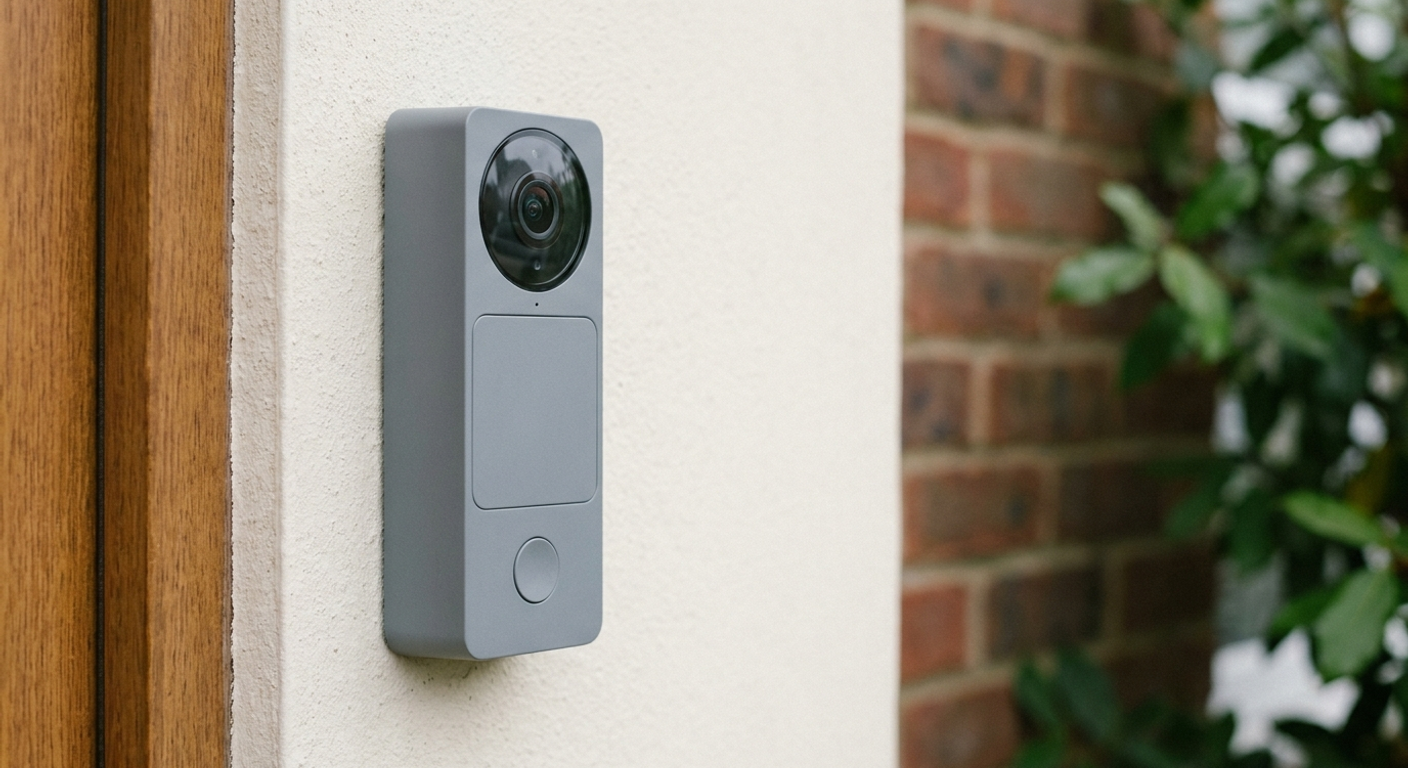
Las cámaras de timbre (Ring, Nest, Eufy y dispositivos similares) que están orientadas hacia aceras, entradas de vehículos y calles públicas son legales en los 50 estados. Las personas en vías públicas no tienen una expectativa razonable de privacidad. La exposición legal surge cuando una cámara se orienta deliberadamente para capturar los espacios interiores de un vecino: la ventana de un dormitorio, un patio trasero cerrado, un patio privado. En esos casos, el operador de la cámara puede enfrentar responsabilidad bajo el estatuto de voyeurismo y una demanda civil por intrusión bajo el Restatement § 652B.
La FTC tomó acción contra Ring LLC en 2023 por permitir que empleados y contratistas accedieran al material de video privado del hogar de los consumidores sin autorización, y por no implementar medidas de seguridad adecuadas que permitieron a hackers acceder a las cuentas de los clientes. En abril de 2024, la FTC distribuyó $5.6 millones a aproximadamente 117,044 clientes de Ring, con reembolsos procesados a través de PayPal. El acuerdo también exigió que Ring implementara un programa de privacidad y seguridad y prohibió a la empresa monetizar el video de los clientes sin consentimiento explícito (FTC v. Ring LLC, Expediente de la FTC N.° 192 3130 (acuerdo de 2023)).
Lentes Inteligentes
Los lentes inteligentes Meta Ray-Ban (2023 al presente) pueden grabar video sin un indicador obvio y visible para el sujeto. En 2024, investigadores de Harvard demostraron que los lentes podían usarse para identificar a extraños en tiempo real mediante reconocimiento facial. No existe ningún estatuto federal de privacidad específico para lentes inteligentes al 2026. Las reglas de grabación que aplican a cualquier cámara aplican igualmente a los lentes inteligentes: grabar en público generalmente es legal; grabar en espacios privados sin consentimiento involucra los estatutos de voyeurismo y el Restatement § 652B. Para más contexto sobre las preocupaciones de privacidad que genera el diseño de los lentes, consulte la cobertura sobre el escándalo de privacidad de los lentes inteligentes Meta Ray-Ban en este sitio.
Cámaras Corporales
Las cámaras corporales de las fuerzas del orden se rigen por los estatutos estatales de cámaras corporales y las políticas de los departamentos, no por la ley general de intervención de comunicaciones o voyeurismo. Los particulares que usan cámaras corporales en público están sujetos a las mismas reglas de intervención de comunicaciones y voyeurismo que cualquier otro dispositivo de grabación: el audio activa las reglas de consentimiento; grabar en espacios privados sin consentimiento activa la responsabilidad por voyeurismo.
Cámaras de Niñera y Cámaras Ocultas
Las cámaras de niñera (cámaras ocultas instaladas por dueños de vivienda para vigilar a cuidadores) son legales en la mayoría de los estados cuando se colocan en áreas comunes de la propia vivienda del dueño. Se vuelven ilegales cuando: (1) se colocan en baños o dormitorios donde los cuidadores tienen una expectativa razonable de privacidad; (2) capturan audio en estados de consentimiento de todas las partes sin el conocimiento del trabajador; o (3) el sujeto es un inquilino en lugar de un empleado y el estado restringe la vigilancia del arrendador sobre los espacios habitacionales de los inquilinos. Las áreas comunes (salas, cocinas, entradas) en la propia propiedad del dueño de la vivienda generalmente son ubicaciones de grabación permitidas.
Grabar a la Policía y a Funcionarios Públicos: Protección de la Primera Enmienda
Grabar en video a oficiales de policía mientras cumplen funciones oficiales en lugares públicos está protegido por la Primera Enmienda. Todos los tribunales federales de circuito que han fallado sobre la cuestión han reconocido este derecho: el Primero, Tercero, Quinto, Séptimo, Noveno y Undécimo Circuitos lo han confirmado cada uno, y el Cuarto, Sexto y Décimo Circuitos han reconocido el derecho en distintos contextos. Las decisiones clave incluyen Glik v. Cunniffe, 655 F.3d 78 (1.er Cir. 2011); Fields v. City of Philadelphia, 862 F.3d 353 (3.er Cir. 2017); Turner v. Driver, 848 F.3d 678 (5.° Cir. 2017); y ACLU of Illinois v. Alvarez, 679 F.3d 583 (7.° Cir. 2012).
El derecho se extiende tanto al video silencioso como al video con audio. Los oficiales no pueden ordenar legalmente a una persona que deje de grabar desde un espacio público o desde su propia propiedad, y no pueden confiscar dispositivos de grabación sin una orden judicial. El derecho no permite la interferencia física con actividades policiales, la grabación en espacios no públicos (como el interior de una estación de policía sin autorización), ni la grabación en lugares que requieren autorización de seguridad.
Para grabar a oficiales de inmigración y otros funcionarios federales en público, consulte el artículo relacionado sobre grabar a ICE durante redadas.
Penas: Delitos Federales y Estatales Más Daños Civiles
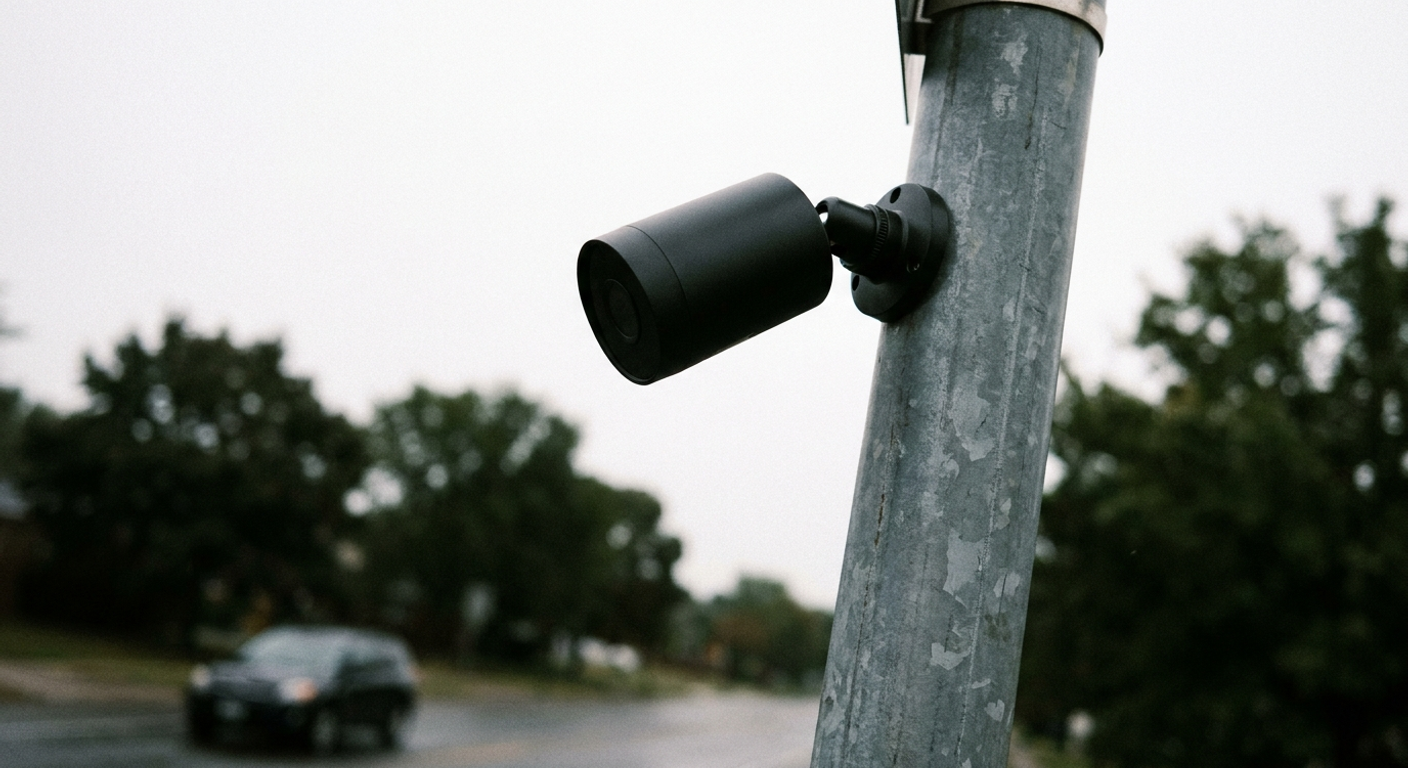
Las penas por grabación en video ilegal varían significativamente según la jurisdicción y el tipo de infracción. La siguiente tabla resume las principales disposiciones penales y los remedios civiles disponibles.
| Jurisdicción | Estatuto | Clasificación penal | Pena penal máxima | Remedio civil |
|---|---|---|---|---|
| Federal (§ 1801, propiedad federal) | 18 U.S.C. § 1801 | Delito menor federal | 1 año de prisión + multa | No especificado en la § 1801 |
| Federal (intervención de comunicaciones, audio) | 18 U.S.C. § 2511 | Delito grave federal | 5 años de prisión | § 2520: $100/día o $10,000 + honorarios de abogados |
| California | Cal. Penal Code § 647(j) | Delito menor (el nivel de delito grave aplica solo a una reincidencia de la § 647(j)(3) con víctima menor de edad) | 1 año en cárcel del condado (delito menor) | § 637.2: $5,000/infracción o 3x los daños reales |
| Florida | Fla. Stat. § 810.145 | Delito grave de tercer grado (adultos 19+) | 5 años | Acción civil estatal disponible |
| Nueva York | N.Y. Penal Law §§ 250.45, 250.50 | Delito grave de Clase E (Clase D por una segunda condena por vigilancia ilegal dentro de un período de diez años) | 4 años (Clase E); 7 años (Clase D) | Acción civil por daños |
| Texas | Tex. Penal Code § 21.15 | Delito grave estatal | 2 años de cárcel estatal + multa de $10,000 | Acción civil por daños |
| Illinois | 720 ILCS 5/26-4 | Delito grave de Clase 4 | 3 años (delito grave de Clase 4) | Acción civil por daños |
| Michigan | MCL 750.539j | Hasta 5 años por grabación/distribución | 5 años + multa de $5,000 | Acción civil por daños |
| Virginia | Va. Code § 18.2-386.1 | Delito menor de Clase 1; delito grave de Clase 6 (víctima menor/reincidencia) | 5 años (delito grave de Clase 6) | Acción civil por daños |
Además de las disposiciones penales anteriores, las demandas civiles por intrusión en la privacidad bajo el Restatement § 652B están disponibles en la gran mayoría de los estados. Los daños incluyen daños reales (angustia emocional, salarios perdidos), daños nominales cuando no se demuestra un daño real, y daños punitivos cuando la conducta fue atroz. No se requiere publicación de la grabación para plantear una demanda por intrusión.
Referencia Rápida por Estado
Cada estado tiene tanto una regla de consentimiento de audio como un estatuto de voyeurismo que protege los espacios privados. La siguiente tabla cubre los 15 estados con mayor tráfico, con enlaces a las páginas detalladas de voyeurismo de cada uno.
| Estado | Regla de consentimiento de audio | Estatuto de voyeurismo | Pena (estándar) | Página de voyeurismo |
|---|---|---|---|---|
| California | Todas las partes (Cal. Penal Code § 632) | Cal. Penal Code § 647(j) | Delito menor | Leyes de voyeurismo de California |
| Florida | Todas las partes (Fla. Stat. § 934.03) | Fla. Stat. § 810.145 | Delito grave de tercer grado (adultos) | Ley de voyeurismo digital de Florida |
| Nueva York | Una parte (N.Y. Penal Law § 250.05) | N.Y. Penal Law § 250.45 | Delito grave de Clase E | Vigilancia ilegal de Nueva York |
| Texas | Una parte (Tex. Penal Code § 16.02) | Tex. Penal Code § 21.15 | Delito grave estatal | Grabación visual invasiva de Texas |
| Illinois | Todas las partes (720 ILCS 5/14-2) | 720 ILCS 5/26-4 | Delito grave de Clase 4 | Leyes de cámaras ocultas de Illinois |
| Michigan | Una parte; excepción de participante (MCL 750.539a) | MCL 750.539j | Hasta 5 años (grabación) | Ley de voyeurismo de Michigan |
| Washington | Todas las partes (Wash. Rev. Code § 9.73.030) | RCW 9A.44.115 | Delito grave | Ley de voyeurismo de Washington |
| Pensilvania | Todas las partes (18 Pa. C.S. § 5703) | 18 Pa. C.S. § 7507.1 | Delito menor / delito grave (reincidencia) | Página estatal específica |
| Massachusetts | Todas las partes (Mass. Gen. Laws ch. 272, § 99) | Mass. Gen. Laws ch. 272, § 105 | Delito grave | Página estatal específica |
| Minnesota | Una parte | Minn. Stat. § 609.746 | Delito menor grave / delito grave | Página estatal específica |
| Virginia | Una parte (Va. Code § 19.2-62) | Va. Code § 18.2-386.1 | Delito menor de Clase 1 / delito grave de Clase 6 | Leyes de cámaras ocultas de Virginia |
| Oregón | Todas las partes (ORS 165.540) | ORS 163.700, 163.701 | Delito menor de Clase A / delito grave de Clase C | Página estatal específica |
| Maryland | Todas las partes (Md. Code, Cts. & Jud. Proc. § 10-402) | Md. Code, Crim. Law § 3-902 | Delito menor | Página estatal específica |
| Nueva Jersey | Una parte (N.J. Stat. § 2A:156A-4) | N.J. Stat. § 2C:14-9 | Delito de cuarto grado (estándar) | Página estatal específica |
| Ohio | Una parte (Ohio Rev. Code § 2933.52) | Ohio Rev. Code § 2907.08 | Delito menor / delito grave (reincidencia) | Página estatal específica |
Para el desglose completo de consentimiento de audio por estado, consulte las leyes de grabación de Estados Unidos por estado.
Deepfakes, Contenido Generado por IA, y la Ley TAKE IT DOWN (2025-2026)
El análisis de la grabación en video ahora se cruza con un régimen sustancial federal y estatal de IA y deepfakes. La ley federal TAKE IT DOWN Act, Ley Pública 119-12, firmada el 19 de mayo de 2025, convierte en delito federal publicar a sabiendas imágenes íntimas no consentidas de un adulto identificable, incluidas las representaciones sintéticas o generadas por IA. Las prohibiciones penales entraron en vigor de inmediato al momento de la firma. Las obligaciones de las plataformas de notificación y retiro comienzan el 19 de mayo de 2026, exigiendo a los servicios en línea cubiertos que retiren el contenido identificado dentro de las 48 horas siguientes a un aviso válido. La FTC hace cumplir las disposiciones de cumplimiento de las plataformas.
Incluso cuando una persona consintió ser filmada en la vida real, el uso posterior de ese material para generar un deepfake sexual sigue siendo delito de forma independiente bajo la Ley y bajo los estatutos estatales de deepfake, que crecen rápidamente. La Ley ELVIS de Tennessee (vigente desde el 1 de julio de 2024) protege la voz y la imagen contra la clonación por IA. La Ley Registrada N.° 32 de Wyoming (vigente desde el 1 de julio de 2026) crea un delito grave de 10 a 12 años por NCII sintético. La Ley 37 de 2025 de Carolina del Sur cubre tanto las imágenes íntimas auténticas como las falsificadas digitalmente. Rhode Island, Florida, California, Nueva York, Texas, Maryland, Idaho y más de treinta estados adicionales han promulgado o modificado estatutos de deepfake o NCII desde 2024. Para la grabación en video en un lugar público, la captura subyacente puede ser legal, pero la edición, alteración o derivado generado por IA posterior puede violar de forma independiente la ley penal estatal, la ley de agravios civiles estatal y la ley federal.
Aviso legal: Este artículo ofrece información legal general sobre las leyes de consentimiento para grabación en video en Estados Unidos. No constituye asesoría legal ni crea una relación abogado-cliente. Las leyes varían según el estado y están sujetas a cambios. La información de esta página fue verificada al 3 de agosto de 2026. Para asesoría sobre su situación específica, consulte a un abogado con licencia en su jurisdicción.
Sobre el Autor
[PLACEHOLDER: lista de autores pendiente]
Artículos Relacionados
- Leyes de grabación de Estados Unidos por estado: desglose completo de consentimiento de audio por estado
- Estados de consentimiento de todas las partes: los 13 estados que requieren el permiso de todos para grabar audio en al menos un tipo de conversación
- Estados de consentimiento de una sola parte: los 37 estados donde su propio consentimiento es suficiente
- ¿Pueden los empleadores grabar a los empleados en el trabajo?: reglas de grabación en el lugar de trabajo en profundidad
- Grabar a ICE durante redadas y detenciones: derechos de la Primera Enmienda al grabar a funcionarios federales
Última actualización: 3 de agosto de 2026. Los estatutos citados reflejan sus versiones vigentes al 3 de agosto de 2026.
Preguntas frecuentes
¿Es ilegal grabar en video a alguien sin su consentimiento en público?
Generalmente no. Las personas en espacios públicos no tienen una expectativa razonable de privacidad objetivamente válida bajo el marco Katz. Grabar desde un lugar público es legal en los 50 estados. La excepción es la grabación tipo upskirt o downblouse, que es ilegal incluso en público bajo el 18 U.S.C. § 1801 en propiedad federal y bajo los estatutos estatales de voyeurismo en todos los demás lugares.
¿Grabar en video sin consentimiento viola las leyes de intervención de comunicaciones?
Solo si la grabación captura audio. El video silencioso no está cubierto por la Ley Federal de Intervención de Comunicaciones (18 U.S.C. § 2510) ni por los estatutos estatales de intervención de comunicaciones. Una vez que se agrega audio, aplican las reglas estatales de consentimiento a esa pista de audio. En 37 estados más el Distrito de Columbia (consentimiento de una sola parte), su propia participación generalmente es suficiente. En los 13 estados de consentimiento de todas las partes, todas las personas cuya voz se grabe deben dar su consentimiento para al menos un tipo de conversación; Nevada está en ese grupo porque exige el consentimiento de todas las partes para grabar una llamada telefónica (NRS 200.620), aunque su regla para conversaciones en persona sigue siendo de una sola parte.
¿Qué estados exigen el consentimiento de todos para grabar audio?
Trece estados aplican una regla de consentimiento de todas las partes para el audio, para al menos un tipo de conversación: California, Connecticut, Delaware, Florida, Illinois, Maryland, Massachusetts, Montana, Nevada, Nuevo Hampshire, Oregón, Pensilvania y Washington. Los otros 37 estados y el Distrito de Columbia siguen el estándar federal de consentimiento de una sola parte. Michigan se clasifica erróneamente con frecuencia como de todas las partes, pero sus tribunales interpretan una excepción de participante dentro del estatuto de intervención de escuchas (MCL 750.539a), por lo que en la práctica funciona como un estado de una sola parte. Dos entradas llevan matices. Connecticut es de todas las partes únicamente para las llamadas telefónicas, y solo bajo el estatuto civil Conn. Gen. Stat. § 52-570d; sus definiciones penales de intervención de escuchas son de una sola parte y solo alcanzan a quien graba sin ser parte de la conversación o sin estar presente (Conn. Gen. Stat. § 53a-187(a)(1), (2)). Nevada es de todas las partes únicamente para las llamadas telefónicas (NRS 200.620, según se interpretó en Lane v. Allstate Ins. Co., 114 Nev. 1176 (1998)); las conversaciones en persona siguen siendo de una sola parte bajo la NRS 200.650.
¿Puedo demandar a alguien por grabarme en video sin consentimiento?
Sí, en la mayoría de los estados. El agravio de intrusión en la privacidad (Restatement § 652B) le permite demandar por daños sin necesidad de probar que el material fue publicado o compartido. Si la grabación se hizo en un espacio privado, los tribunales a menudo otorgan daños reales, incluida la angustia emocional, y a veces daños punitivos. El proceso penal bajo los estatutos estatales de voyeurismo también puede ocurrir simultáneamente.
¿Es ilegal poner una cámara oculta en un baño?
Sí, en todas las jurisdicciones. Los baños, vestidores, probadores y espacios privados similares están protegidos bajo los estatutos estatales de voyeurismo en los 50 estados. La ley federal (18 U.S.C. § 1801) cubre la misma conducta en propiedad federal. La mayoría de las infracciones estatales son delitos menores o delitos graves según el estado y si la víctima es menor de edad.
¿Pueden los empleadores grabar en video a los empleados en el trabajo?
Los empleadores generalmente pueden grabar espacios de trabajo abiertos y áreas comunes donde no existe una expectativa razonable de privacidad. No pueden colocar cámaras en baños, vestidores o áreas de cambio. Las políticas de no grabar del empleador deben satisfacer la prueba de equilibrio Stericycle (2023) de la NLRB para evitar desalentar de forma ilegal el ejercicio de los derechos de la Sección 7 de los empleados bajo la Ley Nacional de Relaciones Laborales.
¿Son legales las cámaras de timbre Ring?
Sí, cuando están orientadas hacia espacios públicos como aceras, entradas de vehículos y calles. Pueden ser ilegales si se orientan deliberadamente para capturar la ventana del dormitorio de un vecino, un patio trasero cerrado u otro espacio donde el vecino tiene una expectativa razonable de privacidad. La FTC distribuyó $5.6 millones a aproximadamente 117,044 clientes de Ring en abril de 2024 tras resolver reclamos de que Ring permitía el acceso no autorizado de empleados al material privado.
¿Es ilegal la grabación en video con drones sin consentimiento?
Depende del estado y de lo que se esté grabando. La regla de Identificación Remota de la FAA (en vigor desde el 16 de marzo de 2024, bajo 14 C.F.R. Parte 89) exige que todo dron que deba registrarse, es decir, todo dron de 250 gramos o más y todo dron que se opere bajo la Parte 107, transmita su identificación, ubicación y altitud, pero no dice nada sobre privacidad. Los drones recreativos de menos de 250 gramos y los vuelos dentro de un Área de Identificación Reconocida por la FAA están exceptuados. La ley estatal rige la privacidad. Al menos 44 estados tienen estatutos de privacidad para drones; Florida, California, Idaho y Wisconsin restringen explícitamente grabar a personas o propiedad privada sin consentimiento.
¿FERPA impide la grabación en video en las escuelas?
FERPA (20 U.S.C. § 1232g) restringe cómo manejan las escuelas los videos que califican como registros educativos: directamente relacionados con un estudiante identificable y mantenidos por la escuela. Las escuelas no pueden divulgar esos videos sin el consentimiento de los padres. Los padres que graban en eventos escolares públicos no están sujetos a FERPA ellos mismos, pero siguen sujetos a las leyes estatales de intervención de comunicaciones y voyeurismo.
¿Es ilegal grabar en video a alguien en su casa a través de una ventana?
Sí. Las viviendas son espacios privados por excelencia bajo Katz. Grabar a alguien a través de su ventana sin consentimiento viola los estatutos estatales de voyeurismo (penal) y constituye intrusión en la privacidad (civil). El uso de un dron, un lente telefoto u otra tecnología remota no cambia el análisis: lo que importa es si el sujeto tenía una expectativa razonable de privacidad en el espacio que se estaba grabando.
¿Se puede grabar en video una conversación sin consentimiento?
Grabar visualmente una conversación (sin audio) en un lugar público generalmente es legal en los 50 estados. Si la grabación también captura audio, aplican las reglas de consentimiento de intervención de comunicaciones a ese audio. En los estados de consentimiento de una sola parte, su propia participación es suficiente. En California, Florida, Illinois y los demás estados de consentimiento de todas las partes, todas las personas cuya voz se capture deben dar su consentimiento para la porción de audio.
Actualizaciones
Se corrigió la descripción de Hamberger v. Eastman para reflejar lo que el tribunal realmente resolvió: que la intrusión alegada era un agravio por el cual la pareja podía recuperar los daños que lograran probar, en una resolución que negó una moción de desestimación.
Se corrigieron los conteos de estados según su regla de consentimiento de audio: 38 estados más el Distrito de Columbia siguen el consentimiento de una sola parte y 12 estados exigen el consentimiento de todas las partes (California, Connecticut, Delaware, Florida, Illinois, Maryland, Massachusetts, Montana, Nuevo Hampshire, Oregón, Pensilvania, Washington). Michigan aparecía antes como estado de todas las partes y ahora se describe correctamente como de una sola parte en la práctica, porque sus tribunales interpretan una excepción de participante dentro del estatuto estatal de intervención de escuchas. Se agregaron las dos salvedades que las categorías de una sola parte y de todas las partes ocultan: Nevada exige el consentimiento de todas las partes antes de que se pueda grabar una llamada telefónica (NRS 200.620, según se interpretó en Lane v. Allstate Ins. Co. (1998)), aunque las conversaciones en persona allí son de una sola parte bajo la NRS 200.650, y Connecticut es de todas las partes únicamente para las llamadas telefónicas bajo el estatuto civil Conn. Gen. Stat. § 52-570d, ya que sus definiciones penales de intervención de escuchas son de una sola parte. Se corrigieron tres afirmaciones sobre penas conforme a los estatutos: en Illinois, grabar en un baño, vestidor, probador, salón de bronceado, habitación de hotel o residencia es un delito grave de Clase 4 y no un delito menor fuera de las residencias, y un delito grave de Clase 3 cuando la víctima es menor de 18 años o el infractor es un delincuente sexual registrado (720 ILCS 5/26-4); en California, una reincidencia o una víctima menor de edad eleva el tope de la multa pero no convierte la infracción en un delito grave (Cal. Penal Code § 647(k)); y en Nueva York, el grado superior de Clase D depende de una condena previa por vigilancia ilegal dentro de un período de diez años, no de que la víctima sea menor de edad (N.Y. Penal Law § 250.50). Se acotó la descripción de la regla de Identificación Remota de la FAA a los drones que realmente cubre, es decir, los que deben registrarse, y se señalaron las excepciones para drones recreativos de menos de 250 gramos y para los vuelos dentro de un Área de Identificación Reconocida por la FAA.
Reescritura completa desde un texto de 847 palabras. Se reemplazó el enfoque de una sola capa de intervención de comunicaciones con un análisis de tres capas (consentimiento de intervención de comunicaciones, estatutos de voyeurismo, agravios civiles). Se agregaron 12 estatutos estatales de voyeurismo verificados, 4 agravios de privacidad del Restatement (intrusión en la privacidad, divulgación pública, presentación falsa, apropiación), leyes de drones (mandato de Identificación Remota de la FAA de marzo de 2024 más el conteo de estatutos de 44 estados), acuerdo de la FTC con Ring/cámaras de timbre (distribución de reembolsos de abril de 2024), contexto de los lentes inteligentes Meta Ray-Ban, cámaras corporales, contexto escolar de FERPA, y contexto de atención médica de HIPAA. Tabla de referencia rápida por estado con enlaces internos a las páginas de voyeurismo. Se agregó tabla comparativa de penas. Las preguntas frecuentes se ampliaron de 6 a 10.
La ley detrás de este artículo
Este artículo se apoya en las disposiciones legales a continuación, conservadas en nuestro propio registro jurídico y obtenidas de la fuente oficial. Toque una sección para leer el texto vigente.
California Penal Code
§ 632Vigentecitada en 4 de nuestros artículos
(a) A person who, intentionally and without the consent of all parties to a confidential communication, uses an electronic amplifying or recording device to eavesdrop upon or record the confidential communication, whether the communication is carried on among the parties in the presence of one another or by means of a telegraph, telephone, or other device, except a radio, shall be punished by a fine not exceeding two thousand five hundred dollars ($2,500) per violation, or imprisonment in a county jail not exceeding one year, or in the state prison, or by both that fine and imprisonment. If the person has previously been convicted of a violation of this section or Section 631, 632.5, 632.6, 632.7, or 636, the person shall be punished by a fine not exceeding ten thousand dollars ($10,000) per violation, by imprisonment in a county jail not exceeding one year, or in the state prison, or by both that fine and imprisonment.
Texto oficial (extracto) · verificado el 2026-09-23 · Lea el texto completo en nuestra biblioteca legal · Verifique en leginfo.legislature.ca.gov
Citada en 267 resoluciones judiciales de nuestra colecciónResolución más reciente que la cita en nuestra colección: 2026
En los tribunales (resumen editorial, verificado de forma independiente):Kimmel v. Goland (1990) sostuvo que el privilegio de litigio del artículo 47(2) no impide una demanda de daños bajo la Sección 632 por grabar conversaciones confidenciales sin consentimiento. Lieberman v. KCOP Television, Inc. (2003) sostuvo que la violación se comete al hacer la grabación secreta, se divulgue o no.
Resoluciones que citan esta sección en nuestra colección:
- Rubin v. Green (California Supreme Court 1993, 4 Cal. 4th 1187)“…f telephone conversations with defendants, an offense under Penal Code section 632. We noted that defendants alleged that…”
- Kimmel v. Goland (California Supreme Court 1990, 51 Cal. 3d 202)✓Dueños de casas móviles grabaron en secreto llamadas con la administración del parque en anticipación de demandar; el tribunal sostuvo que el privilegio litigioso de la sección 47(2) no impedía la contrademanda por daños bajo la sección 632 del Código Penal, porque la lesión provino de la grabación, no de una publicación.
- Shulman v. Group W Productions, Inc. (California Supreme Court 1998, 74 Cal. Rptr. 2d 843)✓Un productor de televisión colocó un micrófono inalámbrico a la enfermera de vuelo que atendía a una víctima de un accidente. No había demanda bajo la sección 632 ante el tribunal, pero este llamó a la sección 632 y al agravio de intromisión leyes de aplicación general y dijo que la prensa no puede escuchar en violación de esa sección.
Identificado automáticamente a partir de las opiniones judiciales que citan esta sección; no es un ranking de qué caso prevalece.
§ 637.2Vigente
(a) Any person who has been injured by a violation of this chapter may bring an action against the person who committed the violation for the greater of the following amounts: (1) Five thousand dollars ($5,000) per violation. (2) Three times the amount of actual damages, if any, sustained by the plaintiff. (b) Any person may, in accordance with Chapter 3 (commencing with Section 525) of Title 7 of Part 2 of the Code of Civil Procedure, bring an action to enjoin and restrain any violation of this chapter, and may in the same action seek damages as provided by subdivision (a). (c) It is not a necessary prerequisite to an action pursuant to this section that the plaintiff has suffered, or be threatened with, actual damages. (d) This section shall not be construed to affect Title 4 (commencing with Section 3425.1) of Part 1 of Division 4 of the Civil Code.
Texto oficial (extracto) · verificado el 2026-07-28 · Lea el texto completo en nuestra biblioteca legal · Verifique en leginfo.legislature.ca.gov
Citada en 103 resoluciones judiciales de nuestra colecciónResolución más reciente que la cita en nuestra colección: 2026
En los tribunales (resumen editorial, verificado de forma independiente):Ribas v. Clark (1985) sostuvo que la indemnización de la sección 637.2 nace en el momento mismo de la violación de la Privacy Act, por lo que el privilegio judicial del Civil Code section 47 no la impide, aunque fracasan los daños derivados solo de un testimonio privilegiado. Kimmel v. Goland (1990) aplicó ese razonamiento a grabaciones hechas en previsión de un litigio.
Resoluciones que citan esta sección en nuestra colección:
- Rubin v. Green (California Supreme Court 1993, 4 Cal. 4th 1187)“…asion of privacy and related torts as well as damages under Penal Code section 637.2, granting persons injured by eavesdropp…”
- Ribas v. Clark (California Supreme Court 1985, 38 Cal. 3d 355)✓Una esposa pidió a un tercero que escuchara por un teléfono supletorio mientras llamaba a su esposo, y esa persona luego testificó sobre la llamada; el tribunal sostuvo que el privilegio judicial impedía los daños del testimonio, pero no la indemnización legal fija de la Sección 637.2, que se genera al momento de la violación.
- Kimmel v. Goland (California Supreme Court 1990, 51 Cal. 3d 202)✓Residentes de un parque de casas móviles grabaron en secreto llamadas con la administración para reunir pruebas para una demanda planeada; el tribunal sostuvo que el privilegio judicial no impedía el reclamo bajo la Sección 637.2, porque el daño provino de la grabación misma y no de una publicación.
Identificado automáticamente a partir de las opiniones judiciales que citan esta sección; no es un ranking de qué caso prevalece.
§ 647Vigentecitada en 19 de nuestros artículos
Except as provided in paragraph (5) of subdivision (b) and in subdivisions (k) and (l), a person who commits any of the following acts is guilty of disorderly conduct, a misdemeanor: (a) An individual who solicits anyone to engage in or who engages in lewd or dissolute conduct in a public place or in a place open to the public or exposed to public view. (b) (1) An individual who solicits, or who agrees to engage in, or who engages in, an act of prostitution with the intent to receive compensation, money, or anything of value from another person. An individual agrees to engage in an act of prostitution when, with specific intent to so engage, the individual manifests an acceptance of an offer or solicitation by another person to so engage, regardless of whether the offer or solicitation was made by a person who also possessed the specific intent to engage in an act of prostitution. (2) An individual who solicits, or who agrees to engage in, or who engages in, an act of prostitution with another person who is 18 years of age or older in exchange for the individual providing compensation, money, or anything of value to the other person.
Texto oficial (extracto) · verificado el 2026-08-31 · Lea el texto completo en nuestra biblioteca legal · Verifique en leginfo.legislature.ca.gov
Citada en 593 resoluciones judiciales de nuestra colecciónResolución más reciente que la cita en nuestra colección: 2026
En los tribunales (resumen editorial, verificado de forma independiente):In re Giannini (1968) anuló las condenas bajo el Código Penal 647(a) porque la fiscalía no presentó prueba de los estándares comunitarios, y equiparó "lewd or dissolute" con lo obsceno solo para juzgar un baile presuntamente obsceno presentado ante un público.
Resoluciones que citan esta sección en nuestra colección:
- Morrison v. State Board of Education (California Supreme Court 1969, 1 Cal. 3d 214)“…public beach and the teacher was arrested for violation of Penal Code section 647, subdivision (a), and convicted, on his…”
- People v. Laiwa (California Supreme Court 1983, 34 Cal. 3d 711)“…to arrest him for being under the influence of a narcotic. (Pen. Code, § 647, subd. (f).) [1] He moved, however, to…”
- In Re Cregler (California Supreme Court 1961, 56 Cal. 2d 308)✓Un hombre con una condena previa por robo fue arrestado por estar de pie en una estación de autobuses de San Francisco bajo la versión de vagancia de la section 647 anterior a 1961. La corte rechazó su planteamiento de vaguedad, interpretó que merodear exige permanecer para cometer un delito y negó el hábeas corpus.
Identificado automáticamente a partir de las opiniones judiciales que citan esta sección; no es un ranking de qué caso prevalece.
Connecticut General Statutes, Title 52 (Civil Actions), Chapter 925
§ 52-570dAction for illegal recording of private telephonic communications.Vigentecitada en 56 de nuestros artículos
(a) No person shall use any instrument, device or equipment to record an oral private telephonic communication unless the use of such instrument, device or equipment (1) is preceded by consent of all parties to the communication and such prior consent either is obtained in writing or is part of, and obtained at the start of, the recording, or (2) is preceded by verbal notification which is recorded at the beginning and is part of the communication by the recording party, or (3) is accompanied by an automatic tone warning device which automatically produces a distinct signal that is repeated at intervals of approximately fifteen seconds during the communication while such instrument, device or equipment is in use.
Texto oficial (extracto) · verificado el 2026-08-28 · Lea el texto completo en nuestra biblioteca legal · Verifique en cga.ct.gov
Citada en 22 resoluciones judiciales de nuestra colecciónResolución más reciente que la cita en nuestra colección: 2024
En los tribunales (resumen editorial, verificado de forma independiente):Holler v. Buckley Broadcasting Corp. (1998) sostuvo que la sección 52-570d crea una acción desconocida en el common law, de interpretación estricta, y que no alcanza la regrabación por un tercero de una cinta ya ilegal. Jezouit v. Malloy (2019) sostuvo que la ley no renuncia a la inmunidad soberana del estado frente a demandas.
Resoluciones que citan esta sección en nuestra colección:
- Holler v. Buckley Broadcasting Corp. (Connecticut Appellate Court 1998, 47 Conn. App. 764)✓Una novia grabó en secreto la llamada de un empleado de radio, y un compañero volvió a grabar esa cinta y la usó para que lo despidieran. El tribunal sostuvo que la sección 52-570d, interpretada estrictamente, prohíbe grabar una llamada privada pero no que un tercero regrabe una cinta ya ilegal.
- Jezouit v. Malloy (Connecticut Appellate Court 2019, 193 Conn. App. 576)“…his complaint because (1) he brought his claim pursuant to General Statutes § 52-570d, which he contends waives sovereign imm…”
- State v. Skok (Supreme Court of Connecticut 2015)“…on without the consent of all parties to the communication. General Statutes § 52-570d (a) prohibits the use of ‘‘any instrume…”
Identificado automáticamente a partir de las opiniones judiciales que citan esta sección; no es un ranking de qué caso prevalece.
También citada en: Leyes de Grabación de Luisiana (2026): Reglas de Consentimiento de Una Sola Parte
Connecticut General Statutes, Title 53a (Penal Code), Chapter 952
§ 53a-187Definitions. Applicability.Vigentecitada en 22 de nuestros artículos
(a) The following definitions are applicable to sections 53a-188 and 53a-189: (1) “Wiretapping” means the intentional overhearing or recording of a telephonic or telegraphic communication or a communication made by cellular radio telephone by a person other than a sender or receiver thereof, without the consent of either the sender or receiver, by means of any instrument, device or equipment. The normal operation of a telephone or telegraph corporation and the normal use of the services and facilities furnished by such corporation pursuant to its tariffs shall not be deemed “wiretapping”. (2) “Mechanical overhearing of a conversation” means the intentional overhearing or recording of a conversation or discussion, without the consent of at least one party thereto, by a person not present thereat, by means of any instrument, device or equipment. (3) “Unlawfully” means not specifically authorized by law. For purposes of this section, “cellular radio telephone” means a wireless telephone authorized by the Federal Communications Commission to operate in the frequency bandwidth reserved for cellular radio telephones.
Texto oficial (extracto) · verificado el 2026-07-29 · Lea el texto completo en nuestra biblioteca legal · Verifique en cga.ct.gov
Citada en 12 resoluciones judiciales de nuestra colecciónResolución más reciente que la cita en nuestra colección: 2021
En los tribunales (resumen editorial, verificado de forma independiente):Los tribunales de Connecticut han interpretado las definiciones de la sección 53a-187 como limitadas al monitoreo subrepticio y sin consentimiento. State v. Grullon (1989) la aplicó para dejar las grabaciones con consentimiento de una parte fuera de esas normas, y Washington v. Meachum (1996) sostuvo que solo se violan cuando ninguna de las partes sabe que la llamada se monitorea.
Resoluciones que citan esta sección en nuestra colección:
- State v. Grullon (Supreme Court of Connecticut 1989, 212 Conn. 195)✓La policía grabó las llamadas del acusado con su hermano, quien dio su consentimiento; el tribunal sostuvo que sustituir la antigua ley penal de escuchas por la sección 53a-187, que solo alcanza grabaciones hechas sin el consentimiento de ninguna parte, no justificaba excluir las transcripciones.
- Washington v. Meachum (Supreme Court of Connecticut 1996, 238 Conn. 692)✓Reclusos impugnaron reglamentos que permitían monitorear llamadas no privilegiadas tras letreros, formularios firmados y un tono periódico; al leer las definiciones de consentimiento de la sección 53a-187, el tribunal sostuvo que los delitos de escuchas solo se violan cuando ninguna parte sabe del monitoreo.
- State v. McVeigh (Supreme Court of Connecticut 1993, 224 Conn. 593)✓La policía usó un escáner en el apartamento de un vecino para grabar las llamadas de una pareja por teléfono inalámbrico; el tribunal rechazó el argumento del Estado de que la reforma de 1989 a la definición de wiretapping de la sección 53a-187 dejaba esas llamadas sin protección, y ordenó suprimir la prueba.
Identificado automáticamente a partir de las opiniones judiciales que citan esta sección; no es un ranking de qué caso prevalece.
Florida Statutes
§ 810.145Digital voyeurism.Vigente
(1) As used in this section, the term:(a) “Broadcast” means electronically transmitting a visual image or visual recording with the intent that it be viewed by another person. (b) “Family or household member” has the same meaning as in s. 741.28. (c) “Imaging device” means any mechanical, digital, or electronic viewing device; still camera; camcorder; motion picture camera; or any other instrument, equipment, or format capable of recording, storing, or transmitting visual images of another person. (d) “Position of authority or trust” means a position occupied by a person 18 years of age or older who is a relative, caregiver, coach, employer, or other person who, by reason of his or her relationship with the victim, is able to exercise undue influence over him or her or exploit his or her trust. (e) “Privately exposing the body” means exposing a sexual organ.
Texto oficial (extracto) · verificado el 2026-08-31 · Lea el texto completo en nuestra biblioteca legal · Verifique en leg.state.fl.us
Citada en 3 resoluciones judiciales de nuestra colecciónResolución más reciente que la cita en nuestra colección: 2024
En los tribunales (resumen editorial, verificado de forma independiente):Kenneth Isaac Parkerson v. State of Florida (2015) rechazó una impugnación facial por amplitud excesiva contra la sección 810.145 y sostuvo que la ley de voyerismo por video regula la conducta y no la expresión pura. Clemen v. Surterra Holdings, Inc. (2024) se apoyó en su definición de privacidad y en la excepción para cámaras claramente visibles al desestimar un reclamo por intromisión.
Resoluciones que citan esta sección en nuestra colección:
- Kenneth Isaac Parkerson v. State of Florida (District Court of Appeal of Florida 2015, 163 So. 3d 683)✓Un hombre sorprendido observando a personas dentro de sus viviendas, una vez con una cámara, alegó que el estatuto de video voyeurism de Florida era excesivamente amplio en su faz; el tribunal sostuvo que la sección 810.145 no lo es y confirmó sus condenas.
- Clemen v. Surterra Holdings, Inc. (District Court, M.D. Florida 2024)✓Una trabajadora demandó por cámaras dirigidas al área de vestuario del trabajo; al desestimar su reclamo por intrusión, el tribunal se apoyó en la definición de privacidad de la sección 810.145 y en su excepción para cámaras visibles, y no halló autoridad que haga tal violación ultrajante de por sí.
- Keith Taig v. City of Vero Beach (Court of Appeals for the Eleventh Circuit 2023)✓Un cliente de un spa de masajes grabado por cámaras policiales encubiertas instaladas bajo una orden judicial invocó estatutos de Florida, incluida la sección 810.145; el tribunal sostuvo que esos estatutos estatales no establecen claramente un derecho constitucional federal.
Identificado automáticamente a partir de las opiniones judiciales que citan esta sección; no es un ranking de qué caso prevalece.
§ 934.03Interception and disclosure of wire, oral, or electronic communications prohibited.Vigentecitada en 53 de nuestros artículos
(1) Except as otherwise specifically provided in this chapter, any person who:(a) Intentionally intercepts, endeavors to intercept, or procures any other person to intercept or endeavor to intercept any wire, oral, or electronic communication; (b) Intentionally uses, endeavors to use, or procures any other person to use or endeavor to use any electronic, mechanical, or other device to intercept any oral communication when:1. Such device is affixed to, or otherwise transmits a signal through, a wire, cable, or other like connection used in wire communication; or 2.
Texto oficial (extracto) · verificado el 2026-09-23 · Lea el texto completo en nuestra biblioteca legal · Verifique en leg.state.fl.us
Citada en 74 resoluciones judiciales de nuestra colecciónResolución más reciente que la cita en nuestra colección: 2026
En los tribunales (resumen editorial, verificado de forma independiente):State v. Walls (1978) sostuvo que grabar una comunicación oral dentro del hogar sin el consentimiento de todas las partes violó la sección 934.03 y exigía su supresión, y State v. Inciarrano (1985) sostuvo que la ley solo protege comunicaciones emitidas con una expectativa razonable de privacidad.
Resoluciones que citan esta sección en nuestra colección:
- State v. Walls (Supreme Court of Florida 1978, 356 So. 2d 294)✓Una víctima de extorsión grabó en secreto las amenazas que le hicieron en su propia casa; el tribunal sostuvo que era una comunicación oral protegida, que grabarla sin el consentimiento de todas las partes violaba la Sección 934.03 y que la Sección 934.06 impedía usar la cinta como prueba.
- SHARRON TASHA FORD v. CITY OF BOYNTON BEACH (District Court of Appeal of Florida 2021)“…ng oral communications in violation of the wiretap statute, section 934.03, Florida Statutes (2009), and for obstructing without vio…”
- State v. Calhoun (Circuit Court for the Judicial Circuits of Florida 1984, 7 Fla. Supp. 2d 3)“…hall not be violated” . . . (emphasis mine) Furthermore, section 934.03, Florida Statutes, makes it unlawful for *6 any person (…”
Identificado automáticamente a partir de las opiniones judiciales que citan esta sección; no es un ranking de qué caso prevalece.
§ 934.50Searches and seizure using a drone.Vigente
(1) SHORT TITLE.—This act may be cited as the “Freedom from Unwarranted Surveillance Act.” (2) DEFINITIONS.—As used in this act, the term:(a) “Drone” means a powered, aerial vehicle that:1. Does not carry a human operator; 2. Uses aerodynamic forces to provide vehicle lift; 3. Can fly autonomously or be piloted remotely; 4. Can be expendable or recoverable; and 5. Can carry a lethal or nonlethal payload. (b) “Image” means a record of thermal, infrared, ultraviolet, visible light, or other electromagnetic waves; sound waves; odors; or other physical phenomena which captures conditions existing on or about real property or an individual located on that property. (c) “Imaging device” means a mechanical, digital, or electronic viewing device; still camera; camcorder; motion picture camera; or any other instrument, equipment, or format capable of recording, storing, or transmitting an image. (d) “Law enforcement agency” means a lawfully established state or local public agency that is responsible for the prevention and detection of crime, local government code enforcement, and the enforcement of penal, traffic, regulatory, game, or controlled substance laws.
Texto oficial (extracto) · verificado el 2026-08-31 · Lea el texto completo en nuestra biblioteca legal · Verifique en leg.state.fl.us
Citada en 1 resoluciones judiciales de nuestra colecciónResolución más reciente que la cita en nuestra colección: 2022
Resoluciones que citan esta sección en nuestra colección:
- CHARLES LEE ROSALY v. VERONIKA KONECNY (District Court of Appeal of Florida 2022)“…section 784.048(1)(a). The Florida legislature amended section 934.50, Florida Statutes, in 2015 to prohibit certain conduct in…”
Identificado automáticamente a partir de las opiniones judiciales que citan esta sección; no es un ranking de qué caso prevalece.
Michigan Compiled Laws
§ 750.539aDefinitionsVigentecitada en 32 de nuestros artículos
As used in sections 539a to 539i: (1) "Private place" means a place where one may reasonably expect to be safe from casual or hostile intrusion or surveillance but does not include a place to which the public or substantial group of the public has access. (2) "Eavesdrop" or "eavesdropping" means to overhear, record, amplify or transmit any part of the private discourse of others without the permission of all persons engaged in the discourse. Neither this definition or any other provision of this act shall modify or affect any law or regulation concerning interception, divulgence or recording of messages transmitted by communications common carriers. (3) "Surveillance" means to secretly observe the activities of another person for the purpose of spying upon and invading the privacy of the person observed. (4) "Person" means any individual, partnership, corporation or association.
Texto oficial (extracto) · verificado el 2026-07-30 · Lea el texto completo en nuestra biblioteca legal · Verifique en legislature.mi.gov
Citada en 26 resoluciones judiciales de nuestra colecciónResolución más reciente que la cita en nuestra colección: 2026
Resoluciones que citan esta sección en nuestra colección:
- Lewis v. LeGrow (Michigan Court of Appeals 2003, 258 Mich. App. 175)“…such unauthorized installation, is guilty of a felony.... MCL 750.539a provides the definitions of phrases use…”
- People v. Stone (Michigan Supreme Court 2001, 463 Mich. 558)“…permission of all persons engaged in the discourse.” MCL 750.539a(2); MSA 28.807(1)(2). In…”
- People v. Lucas (Michigan Court of Appeals 1991, 188 Mich. App. 554)“…e Commander Turner, in answering the mobile phone, violated MCL 750.539a et seq.; MSA 28.807(1)…”
Identificado automáticamente a partir de las opiniones judiciales que citan esta sección; no es un ranking de qué caso prevalece.
También citada en: Leyes de grabación de audio de Michigan: reglas de consentimiento, estatutos y penas (2026), Leyes de Cámaras de Tablero (Dashcam) en Michigan: Reglas del Parabrisas, Grabación de Audio y Uso Legal (2026), Leyes de Grabación entre Propietario e Inquilino en Michigan: Vigilancia, Privacidad y Derechos del Inquilino (2026)
§ 750.539jSurveillance of or distribution, dissemination, or transmission of recording, photograph, or visual image of individual having reasonable expectation of privacy; prohibited conduct; violation as felony; penalty; exceptions; "surveil" definedVigente
(1) A person shall not do any of the following: (a) Surveil another individual who is clad only in his or her undergarments, the unclad genitalia or buttocks of another individual, or the unclad breasts of a female individual under circumstances in which the individual would have a reasonable expectation of privacy. (b) Photograph, or otherwise capture or record, the visual image of the undergarments worn by another individual, the unclad genitalia or buttocks of another individual, or the unclad breasts of a female individual under circumstances in which the individual would have a reasonable expectation of privacy. (c) Distribute, disseminate, or transmit for access by any other person a recording, photograph, or visual image the person knows or has reason to know was obtained in violation of this section. (2) A person who violates or attempts to violate this section is guilty of a crime as follows: (a) For a violation or attempted violation of subsection (1)(a): (i) Except as provided in subparagraph (ii), the person is guilty of a felony punishable by imprisonment for not more than 2 years or a fine of not more than $2,000.00, or both.
Texto oficial (extracto) · verificado el 2026-07-30 · Lea el texto completo en nuestra biblioteca legal · Verifique en legislature.mi.gov
Citada en 17 resoluciones judiciales de nuestra colecciónResolución más reciente que la cita en nuestra colección: 2026
En los tribunales (resumen editorial, verificado de forma independiente):Los tribunales de Michigan han aplicado MCL 750.539j a cámaras ocultas. En People of Michigan v. Jeffrey Thomas Mazur (2015), la Corte de Apelaciones sostuvo que la ley no exige que el acusado haya visto el material grabado y que su excepción de monitoreo de seguridad residencial no ampara una cámara usada con un propósito lascivo.
Resoluciones que citan esta sección en nuestra colección:
- In Re L-S Morehead Minor (Michigan Court of Appeals 2026)“…e, was arrested for felony surveilling an unclothed person, MCL 750.539j(1)(a). The trial court authori…”
- In Re K N Klemkow Minor (Michigan Court of Appeals 2024)“…520g(2), and two counts of surveilling an unclothed person, MCL 750.539j. Respondent was arraigned on the crimin…”
- People of Michigan v. Cora Ladane Lymon (Michigan Supreme Court 2024)“…ither naked or clad in undergarments, MCL 28.722(r)(vi) and MCL 750.539j. These offenses all involve a sexual c…”
Identificado automáticamente a partir de las opiniones judiciales que citan esta sección; no es un ranking de qué caso prevalece.
Minnesota Statutes, Chapter 609: CRIMINAL CODE
§ 609.746INTERFERENCE WITH PRIVACYVigentecitada en 17 de nuestros artículos
Subdivision 1. Surreptitious intrusion; observation device. (a) A person is guilty of a gross misdemeanor who: (1) enters upon another's property; (2) surreptitiously gazes, stares, or peeps in the window or any other aperture of a house or place of dwelling of another; and (3) does so with intent to intrude upon or interfere with the privacy of a member of the household. (b) A person is guilty of a gross misdemeanor who: (1) enters upon another's property; (2) surreptitiously installs or uses any device for observing, photographing, recording, amplifying, or broadcasting sounds or events through the window or any other aperture of a house or place of dwelling of another; and (3) does so with intent to intrude upon or interfere with the privacy of a member of the household.
Texto oficial (extracto) · verificado el 2026-08-31 · Lea el texto completo en nuestra biblioteca legal · Verifique en revisor.mn.gov
Citada en 15 resoluciones judiciales de nuestra colecciónResolución más reciente que la cita en nuestra colección: 2026
En los tribunales (resumen editorial, verificado de forma independiente):State v. Pakhnyuk (2019) sostuvo que la intención de invadir la privacidad en la sección 609.746, subd. 1(a) recae solo sobre el acto de espiar, no sobre el de entrar a la propiedad. State v. Ulmer (2006) aplicó la subd. 1(c) a un baño público: el espacio sobre la mampara de un urinal es una abertura y ese espacio resguardado es privado.
Resoluciones que citan esta sección en nuestra colección:
- State v. Pakhnyuk (Supreme Court of Minnesota 2019, 926 N.W.2d 914)✓Un huésped se sentó en el techo y observó a una menor de 14 años mientras se desvestía por la ventana; la Corte Suprema de Minnesota sostuvo que el elemento de intención de invadir la privacidad aplica solo al acto de espiar, no al de entrar a la propiedad, y confirmó la condena.
- State v. Ulmer (Court of Appeals of Minnesota 2006, 719 N.W.2d 213)✓Un hombre se asomó por encima de la división de un urinario en un baño público para observar a un niño de siete años; el tribunal de apelaciones sostuvo que existe expectativa de privacidad en ese espacio y que el hueco sobre la división es una abertura conforme al estatuto.
- State v. Morris (Court of Appeals of Minnesota 2002, 644 N.W.2d 114)✓Un hombre llevaba una cámara oculta en un bolso y filmó debajo de la falda de una empleada de tienda; el tribunal de apelaciones sostuvo que el área bajo la falda es un lugar con expectativa de privacidad y que la cámara misma es una abertura, y rechazó la exención comercial.
Identificado automáticamente a partir de las opiniones judiciales que citan esta sección; no es un ranking de qué caso prevalece.
También citada en: Leyes estatales sobre letreros de cámaras de seguridad
New York Penal Law
§ 250.45Unlawful surveillance in the second degreeVigentecitada en 19 de nuestros artículos
Unlawful surveillance in the second degree. A person is guilty of unlawful surveillance in the second degree when: 1. For his or her own, or another person's amusement, entertainment, or profit, or for the purpose of degrading or abusing a person, he or she intentionally uses or installs, or permits the utilization or installation of an imaging device to surreptitiously view, broadcast or record a person dressing or undressing or the sexual or other intimate parts of such person at a place and time when such person has a reasonable expectation of privacy, without such person's knowledge or consent; or 2. For his or her own, or another person's sexual arousal or sexual gratification, he or she intentionally uses or installs, or permits the utilization or installation of an imaging device to surreptitiously view, broadcast or record a person dressing or undressing or the sexual or other intimate parts of such person at a place and time when such person has a reasonable expectation of privacy, without such person's knowledge or consent; or 3.
Texto oficial (extracto) · verificado el 2026-08-31 · Lea el texto completo en nuestra biblioteca legal · Verifique en legislation.nysenate.gov
Citada en 51 resoluciones judiciales de nuestra colecciónResolución más reciente que la cita en nuestra colección: 2025
En los tribunales (resumen editorial, verificado de forma independiente):People v. Piznarski (2013) sostuvo que la Penal Law 250.45 alcanza al participante que graba en secreto relaciones sexuales consentidas, que la víctima conservaba una expectativa razonable de privacidad y que la regla de consentimiento de una parte para escuchas no aplica. People v. Evans (2006) aplicó la sección 250.45(3) a una cámara oculta en una habitación.
Resoluciones que citan esta sección en nuestra colección:
- People v. Evans (Appellate Division of the Supreme Court of the State of New York 2006, 27 A.D.3d 905)✓Un hombre colocó una cámara de video en la habitación de la hija de 12 años de su novia y la grabó mientras se desvestía; se declaró culpable bajo la Sección 250.45(3) y el tribunal confirmó la condena, al sostener que la declaración no requería admitir expresamente la falta de propósito legítimo, dada la presunción del estatuto.
- People v. Lema (Appellate Division of the Supreme Court of the State of New York 2017, 152 A.D.3d 440)✓Un hombre usó la cámara de su teléfono para grabar debajo de las faldas de mujeres en el metro, pero la poca luz no produjo ninguna imagen de partes íntimas; el tribunal confirmó la condena y sostuvo que la Sección 250.45(4) se cumple cuando el dispositivo se usa con el propósito de hacer esa grabación.
- People v. Piznarski (Appellate Division of the Supreme Court of the State of New York 2013, 113 A.D.3d 166)✓Un estudiante grabó en secreto encuentros sexuales con dos mujeres con una cámara a la vista en el escritorio de su habitación; el tribunal confirmó la condena bajo la Sección 250.45 y sostuvo que el estatuto alcanza a un participante que graba un encuentro consentido y que una cámara visible igual puede usarse de forma subrepticia.
Identificado automáticamente a partir de las opiniones judiciales que citan esta sección; no es un ranking de qué caso prevalece.
§ 250.50Unlawful surveillance in the first degreeVigentecitada en 6 de nuestros artículos
Unlawful surveillance in the first degree. A person is guilty of unlawful surveillance in the first degree when he or she commits the crime of unlawful surveillance in the second degree and has been previously convicted within the past ten years of unlawful surveillance in the first or second degree. Unlawful surveillance in the first degree is a class D felony.
Texto oficial (extracto) · verificado el 2026-07-29 · Lea el texto completo en nuestra biblioteca legal · Verifique en legislation.nysenate.gov
Citada en 3 resoluciones judiciales de nuestra colecciónResolución más reciente que la cita en nuestra colección: 2018
Resoluciones que citan esta sección en nuestra colección:
- People v. Diaz (New York Court of Appeals 2018, 32 N.Y.3d 538)“…stration for first-degree unlawful surveillance pursuant to Penal Law § 250.50]). Thus, SORA's overall purpose of "pro…”
- People v. Williams (Appellate Division of the Supreme Court of the State of New York 2005, 20 A.D.3d 72)“…into the statutory definition of criminal assistance under Penal Law § 250.50 (4). We also think a proper distincti…”
- People v. Morriale (Criminal Court of the City of New York 2008, 20 Misc. 3d 558)“…of the crime of unlawful surveillance in the first degree, Penal Law § 250.50 cannot serve as a predicate for the one…”
Identificado automáticamente a partir de las opiniones judiciales que citan esta sección; no es un ranking de qué caso prevalece.
Texas Penal Code
§ 21.15INVASIVE VISUAL RECORDINGVigentecitada en 17 de nuestros artículos
(a) In this section: (1) "Female breast" means any portion of the female breast below the top of the areola. (2) "Intimate area" means the naked or clothed genitals, pubic area, anus, buttocks, or female breast of a person. (3) "Changing room" means a room or portioned area provided for or primarily used for the changing of clothing and includes dressing rooms, locker rooms, and swimwear changing areas. (3-a) "Place in which a person has a reasonable expectation of privacy" means a place in which a reasonable person would believe that the person could disrobe in privacy, without being concerned that the act of undressing would be photographed or visually recorded by another or that a visual image of the person undressing would be broadcasted or transmitted by another. The term includes a bathroom, bedroom, and changing room. (4) "Promote" has the meaning assigned by Section 43.21.
Texto oficial (extracto) · verificado el 2026-08-31 · Lea el texto completo en nuestra biblioteca legal · Verifique en statutes.capitol.texas.gov
Citada en 44 resoluciones judiciales de nuestra colecciónResolución más reciente que la cita en nuestra colección: 2025
En los tribunales (resumen editorial, verificado de forma independiente):La Corte de Apelaciones en lo Penal anuló la disposición de fotografía indebida de 2007 del Código Penal 21.15(b)(1), y Ex parte Shay (2016) dejó sin efecto una condena dictada bajo ella. La Legislatura volvió a promulgar la sección en 2015, y Ex Parte Kamilah a Hamilton (2020) sostuvo que la subsección (b)(1) vigente supera el escrutinio estricto y no es excesivamente amplia.
Resoluciones que citan esta sección en nuestra colección:
- Ex Parte Nyabwa (Texas Court of Appeals, 14th District (Houston) 2011, 366 S.W.3d 719)✓Acusado de fotografía indebida, Nyabwa impugnó la sección 21.15(b)(1) mediante un habeas previo al juicio; el tribunal de apelaciones sostuvo que la subsección de 2007 regulaba la intención del fotógrafo y no la expresión, y no era excesivamente amplia ni vaga. Ex parte Thompson la invalidó en 2014.
- Ex parte Shay (Court of Criminal Appeals of Texas 2016, 507 S.W.3d 731)✓Shay se declaró culpable bajo la sección 21.15(b)(1) antes de que Ex parte Thompson invalidara esa subsección; la Corte de Apelaciones Penales sostuvo que su acuerdo favorable no le impedía pedir habeas, anuló la condena y ordenó desestimar la acusación.
- Ex Parte Kamilah a Hamilton (Texas Court of Appeals, 14th District (Houston) 2020)✓Acusada bajo la versión de 2015 de la sección 21.15(b)(1) por transmitir una imagen del área íntima de la denunciante, Hamilton alegó amplitud excesiva; el tribunal sostuvo que la subsección reformada supera el escrutinio estricto, no es excesivamente amplia, y confirmó la negativa del amparo.
Identificado automáticamente a partir de las opiniones judiciales que citan esta sección; no es un ranking de qué caso prevalece.
Code of Virginia, Title 18.2: Crimes and Offenses Generally
§ 18.2-386.1Unlawful creation of image of another; penaltyVigentecitada en 16 de nuestros artículos
A. It is unlawful for any person to knowingly and intentionally create any videographic or still image by any means whatsoever of any nonconsenting person if (i) that person is (a) totally nude; (b) clad in undergarments; (c) in a state of undress so as to expose the genitals, pubic area, buttocks, or female breast; or (d) not exposed to show the genitals, pubic area, buttocks, or female breast but such videographic or still image is obscene, as defined in § 18.2-372, when such nonconsenting person is in a restroom, dressing room, locker room, hotel room, motel room, tanning bed, tanning booth, bedroom, or other location; or (ii) the videographic or still image is created by placing the lens or image-gathering component of the recording device in a position directly beneath or between a person's legs for the purpose of capturing an image of the person's intimate parts or undergarments covering those intimate parts when the intimate parts or undergarments would not otherwise be visible to the general public; and when the circumstances set forth in clause (i) or (ii) are otherwise such that the person being recorded would have a reasonable expectation of privacy. B.
Texto oficial (extracto) · verificado el 2026-08-31 · Lea el texto completo en nuestra biblioteca legal · Verifique en law.lis.virginia.gov
Code of Virginia, Title 19.2: Criminal Procedure
§ 19.2-62Interception, disclosure, etc., of wire, electronic or oral communications unlawful; penalties; exceptionsVigente
A. Except as otherwise specifically provided in this chapter any person who: 1. Intentionally intercepts, endeavors to intercept or procures any other person to intercept or endeavor to intercept, any wire, electronic or oral communication; 2. Intentionally uses, endeavors to use, or procures any other person to use or endeavor to use any electronic, mechanical or other device to intercept any oral communication; 3. Intentionally discloses, or endeavors to disclose, to any other person the contents of any wire, electronic or oral communication knowing or having reason to know that the information was obtained through the interception of a wire, electronic or oral communication; or 4. Intentionally uses, or endeavors to use, the contents of any wire, electronic or oral communication, knowing or having reason to know that the information was obtained through the interception of a wire, electronic or oral communication; shall be guilty of a Class 6 felony. B. 1.
Texto oficial (extracto) · verificado el 2026-09-24 · Lea el texto completo en nuestra biblioteca legal · Verifique en law.lis.virginia.gov
Citada en 11 resoluciones judiciales de nuestra colecciónResolución más reciente que la cita en nuestra colección: 2025
En los tribunales (resumen editorial, verificado de forma independiente):Los tribunales leen la Sección 19.2-62 en paralelo con la ley federal de escuchas. Global Policy Partners, LLC v. Yessin (2009) sostuvo que acceder a correos almacenados en el servidor de destino no es una intercepción, y Wilks v. Commonwealth (1977) sostuvo que una conversación grabada por la policía mediante un coconspirador cooperante no era una comunicación oral protegida.
Resoluciones que citan esta sección en nuestra colección:
- Belmer v. Commonwealth (Court of Appeals of Virginia 2001, 36 Va. App. 448)✓Un menor arrestado por robo susurró al novio de su madre en una sala de interrogatorios policiales mientras un detective escuchaba desde una sala de monitoreo; el tribunal no halló expectativa razonable de privacidad, así que el Capítulo 6, que contiene la prohibición de la Sección 19.2-62, no impidió el testimonio.
- Wilks v. Commonwealth (Supreme Court of Virginia 1977, 217 Va. 885)✓Un cómplice de incendio provocado aceptó llevar un micrófono oculto y llevó al acusado a hablar de los incendios en una grabación; el tribunal sostuvo que el acusado no tenía expectativa justificable de no interceptación, así que la charla no era comunicación oral protegida por el Capítulo 6 y la cinta era admisible.
- Bartnicki v. Vopper (Supreme Court of the United States 2001, 532 U.S. 514)“…16.02 (Supp. 2001); Utah Code Ann. § 77 23a4 (1982); Va. Code Ann. § 19.2-62 (1995); W. Va. Code § 62 -1D-3 (2000)…”
Identificado automáticamente a partir de las opiniones judiciales que citan esta sección; no es un ranking de qué caso prevalece.
Revised Code of Washington
§ 9.73.030Intercepting, recording, or divulging private communication—Consent required—Exceptions.Vigentecitada en 46 de nuestros artículos
(1) Except as otherwise provided in this chapter, it shall be unlawful for any individual, partnership, corporation, association, or the state of Washington, its agencies, and political subdivisions to intercept, or record any: (a) Private communication transmitted by telephone, telegraph, radio, or other device between two or more individuals between points within or without the state by any device electronic or otherwise designed to record and/or transmit said communication regardless how such device is powered or actuated, without first obtaining the consent of all the participants in the communication; (b) Private conversation, by any device electronic or otherwise designed to record or transmit such conversation regardless how the device is powered or actuated without first obtaining the consent of all the persons engaged in the conversation.
Texto oficial (extracto) · verificado el 2026-09-24 · Lea el texto completo en nuestra biblioteca legal · Verifique en app.leg.wa.gov
Citada en 221 resoluciones judiciales de nuestra colecciónResolución más reciente que la cita en nuestra colección: 2026
En los tribunales (resumen editorial, verificado de forma independiente):Los tribunales de Washington han definido qué cuenta como comunicación privada bajo la Sec. 9.73.030: State v. Gunwall (1986) concluyó que la intercepción mediante un registrador de marcado sí entra en la comunicación privada transmitida por teléfono, mientras que State v. Riley (1993) sostuvo que un rastreador que solo revela el número que llama no graba ninguna.
Resoluciones que citan esta sección en nuestra colección:
- State v. Salinas (Washington Supreme Court 1992, 119 Wash. 2d 192)“…alties for divulging a telegram or opening a sealed letter. RCW 9.73.030-.070, making it unlawful to intercept,…”
- State v. Gunwall (Washington Supreme Court 1986, 106 Wash. 2d 54)✓La policía de Everett obtuvo los registros de llamadas de una presunta traficante de cocaína y le instaló un pen register sin proceso legal válido; el tribunal sostuvo que esa intercepción es una comunicación privada transmitida por teléfono, por lo que solo puede instalarse bajo las leyes de escuchas electrónicas.
- State v. Brown (Washington Supreme Court 1997, 132 Wash. 2d 529)✓Agentes de Palm Springs grabaron en secreto las declaraciones de un sospechoso de asesinato de Washington tras arrestarlo; el tribunal trató la RCW 9.73.090, y no la 9.73.030, como la norma que alcanza las grabaciones de personas arrestadas, y sostuvo que la Ley de Privacidad no exigía suprimir esa grabación hecha en California.
Identificado automáticamente a partir de las opiniones judiciales que citan esta sección; no es un ranking de qué caso prevalece.
También citada en: Grabaciones como prueba: reglas judiciales por estado
Wisconsin Statutes, Chapter 942: Crimes Against Reputation, Privacy And Civil Liberties
§ 942.10Use of a drone.Vigentecitada en 5 de nuestros artículos
Whoever uses a drone, as defined in s. 175.55 (1) (a), with the intent to photograph, record, or otherwise observe another individual in a place or location where the individual has a reasonable expectation of privacy is guilty of Class A misdemeanor. This section does not apply to a law enforcement officer authorized to use a drone pursuant to s. 175.55 (2).
Texto oficial (extracto) · verificado el 2026-08-31 · Lea el texto completo en nuestra biblioteca legal · Verifique en docs.legis.wisconsin.gov
Code of Federal Regulations Title 45
§ 164.502Uses and disclosures of protected health information: General rules.Vigente
(a) Standard. A covered entity or business associate may not use or disclose protected health information, except as permitted or required by this subpart or by subpart C of part 160 of this subchapter. (1) Covered entities: Permitted uses and disclosures. A covered entity is permitted to use or disclose protected health information as follows: (i) To the individual; (ii) For treatment, payment, or health care operations, as permitted by and in compliance with § 164.506; (iii) Incident to a use or disclosure otherwise permitted or required by this subpart, provided that the covered entity has complied with the applicable requirements of §§ 164.502(b), 164.514(d), and 164.530(c) with respect to such otherwise permitted or required use or disclosure; (iv) Except for uses and disclosures prohibited under § 164.502(a)(5)(i), pursuant to and in compliance with a valid authorization under § 164.508; (v) Pursuant to an agreement under, or as otherwise permitted by, § 164.510; and (vi) As permitted by and in compliance with any of the following: (A) This section. (B) Section 164.512 and, where applicable, § 164.509. (C) Section 164.514(e), (f), or (g).
Texto oficial (extracto) · verificado el 2026-09-16 · Lea el texto completo en nuestra biblioteca legal · Verifique en ecfr.gov
Citada en 290 resoluciones judiciales de nuestra colecciónResolución más reciente que la cita en nuestra colección: 2026
En los tribunales (resumen editorial, verificado de forma independiente):La Sección 164.502 fija la prohibición general de la Regla de Privacidad sobre usar o divulgar información médica protegida. Opis Management Resources, LLC (2013) sostuvo que desplazó una ley de Florida que obligaba a entregar los expedientes de un residente fallecido al cónyuge u otro representante designado; Disability Rights Texas v. Hollis (2024) aplicó su excepción exigida por ley.
Resoluciones que citan esta sección en nuestra colección:
- Northwestern Memorial Hospital v. John Ashcroft, Attorney General of the United States (Court of Appeals for the Seventh Circuit 2004, 362 F.3d 923)“…sub-part or by subpart C of part 160 of this subchapter.” 45 C.F.R. § 164.502 (a). Before looking to the various exce…”
- Opis Management Resources, LLC v. Secretary, Florida Agency for Health Care Administration (Court of Appeals for the Eleventh Circuit 2013, 713 F.3d 1291)✓Hogares de ancianos se negaron a entregar los expedientes de residentes fallecidos a cónyuges que no eran representantes personales bajo 45 CFR 164.502(g); el Undécimo Circuito sostuvo que la ley de Florida que exigía esas divulgaciones generales estaba desplazada por HIPAA.
- United States ex rel. Baltazar v. Warden (District Court, N.D. Illinois 2014, 302 F.R.D. 256)“…nduct was protected under HIPAA’s whistleblower exception, 45 C.F.R. § 164.502 (j)(l). 2 Regardless of whether Baltaz…”
Identificado automáticamente a partir de las opiniones judiciales que citan esta sección; no es un ranking de qué caso prevalece.
United States Code Title 18
§ 1801Video voyeurismVigentecitada en 81 de nuestros artículos
Whoever, in the special maritime and territorial jurisdiction of the United States, has the intent to capture an image of a private area of an individual without their consent, and knowingly does so under circumstances in which the individual has a reasonable expectation of privacy, shall be fined under this title or imprisoned not more than one year, or both. In this section— the term “capture”, with respect to an image, means to videotape, photograph, film, record by any means, or broadcast; the term “broadcast” means to electronically transmit a visual image with the intent that it be viewed by a person or persons; the term “a private area of the individual” means the naked or undergarment clad genitals, pubic area, buttocks, or female breast of that individual; the term “female breast” means any portion of the female breast below the top of the areola; and the term “under circumstances in which that individual has a reasonable expectation of privacy” means— circumstances in which a reasonable person would believe that he or she could disrobe in privacy, without being concerned that an image of a private area of the individual was being captured; or circumstances in which a…
Texto oficial (extracto) · verificado el 2026-07-28 · Lea el texto completo en nuestra biblioteca legal · Verifique en uscode.house.gov
Citada en 53 resoluciones judiciales de nuestra colecciónResolución más reciente que la cita en nuestra colección: 2026
En los tribunales (resumen editorial, verificado de forma independiente):Los tribunales han aplicado 18 U.S.C. 1801 sobre todo en sus márgenes. United States v. Johnson (2010) lo interpretó como la respuesta del Congreso a la filmación secreta de desnudez en propiedad federal y absolvió de un cargo de explotación infantil. EPIC v. Department of Homeland Security (2011) aplicó la excepción policial de la Sección 1801(c) a un reclamo sobre escáneres de la TSA.
Resoluciones que citan esta sección en nuestra colección:
- United States v. Anthony Helton (Court of Appeals for the Fourth Circuit 2019, 944 F.3d 198)“…from this list of federal offenses is video voyeurism under 18 U.S.C. § 1801. Rather than list this statute as an enu…”
- United States v. Johnson (District Court, W.D. Missouri 2010, 719 F. Supp. 2d 1059)✓Un entrenador de levantamiento de pesas escondió una cámara para filmar a menores que se pesaban desnudas; al absolverlo bajo la norma de explotación sexual infantil, el tribunal calificó esa conducta como claro video voyeurism bajo la sección 1801, pero señaló que la sección solo alcanza la jurisdicción marítima y territorial federal.
- Electronic Privacy Information Center v. United States Department of Homeland Security (Court of Appeals for the D.C. Circuit 2011, 653 F.3d 1)✓Grupos de privacidad impugnaron los escáneres corporales de la TSA bajo la Video Voyeurism Prevention Act; el tribunal sostuvo que la excepción de la ley para actividades lícitas de aplicación de la ley, correccionales o de inteligencia cubría el control aeroportuario, y desestimó el reclamo bajo la sección 1801.
Identificado automáticamente a partir de las opiniones judiciales que citan esta sección; no es un ranking de qué caso prevalece.
También citada en: Leyes de Michigan sobre Grabación con Lentes Inteligentes (2026), Leyes de Luisiana sobre Grabación con Lentes Inteligentes (2026)
§ 2510DefinitionsVigentecitada en 137 de nuestros artículos
As used in this chapter— “wire communication” means any aural transfer made in whole or in part through the use of facilities for the transmission of communications by the aid of wire, cable, or other like connection between the point of origin and the point of reception (including the use of such connection in a switching station) furnished or operated by any person engaged in providing or operating such facilities for the transmission of interstate or foreign communications or communications affecting interstate or foreign commerce; “oral communication” means any oral communication uttered by a person exhibiting an expectation that such communication is not subject to interception under circumstances justifying such expectation, but such term does not include any electronic communication; “State” means any State of the United States, the District of Columbia, the Commonwealth of Puerto Rico, and any territory or possession of the United States; “intercept” means the aural or other acquisition of the contents of any wire, electronic, or oral communication through the use of any electronic, mechanical, or other device.1 So in original. The period probably should be a semicolon.
Texto oficial (extracto) · verificado el 2026-07-28 · Lea el texto completo en nuestra biblioteca legal · Verifique en uscode.house.gov
Citada en 2,382 resoluciones judiciales de nuestra colecciónResolución más reciente que la cita en nuestra colección: 2026
En los tribunales (resumen editorial, verificado de forma independiente):United States v. New York Telephone Co. (1977) sostuvo que los pen registers quedan fuera del Título III porque no adquieren el contenido de una comunicación según definen las Secciones 2510(4) y (8). Forsyth v. Barr (1994) aplicó esas mismas definiciones y trató a los agentes demandados como funcionarios de la ley bajo la Sección 2510(7).
Resoluciones que citan esta sección en nuestra colección:
- Forsyth v. Barr (Court of Appeals for the Fifth Circuit 1994, 19 F.3d 1527)✓Unos vecinos intervinieron la línea del hogar de un informante y lo oído llegó a asuntos internos de la policía de Dallas; el Quinto Circuito no halló prueba de que los agentes demandados interceptaran nada y los consideró agentes del orden bajo 2510(7), por lo que 2517(1) y (2) permitían su divulgación y uso.
- Nixon v. Administrator of General Services (Supreme Court of the United States 1977, 433 U.S. 425)“…of the Omnibus Crime Control and Safe Streets Act of 1968, 18 U. S. C. §§ 2510 et seq. 408 F. Supp., at 363 . We…”
- Gannett Co. v. DePasquale (Supreme Court of the United States 1979, 443 U.S. 368)“…of the Omnibus Crime Control and Safe Streets Act of 1968, 18 U. S. C. § 2510 et seq., be preserved prior to the d…”
Identificado automáticamente a partir de las opiniones judiciales que citan esta sección; no es un ranking de qué caso prevalece.
También citada en: Leyes sobre Cámaras de Vigilancia por Estado (Guía 2026), Leyes de Cámaras en el Trabajo: Guía para Empleados, Leyes de grabación de Michigan (2026): reglas de consentimiento y la excepción del participante
§ 2511Interception and disclosure of wire, oral, or electronic communications prohibitedVigentecitada en 441 de nuestros artículos
Except as otherwise specifically provided in this chapter any person who— intentionally intercepts, endeavors to intercept, or procures any other person to intercept or endeavor to intercept, any wire, oral, or electronic communication; intentionally uses, endeavors to use, or procures any other person to use or endeavor to use any electronic, mechanical, or other device to intercept any oral communication when— such device is affixed to, or otherwise transmits a signal through, a wire, cable, or other like connection used in wire communication; or such device transmits communications by radio, or interferes with the transmission of such communication; or such person knows, or has reason to know, that such device or any component thereof has been sent through the mail or transported in interstate or foreign commerce; or such use or endeavor to use (A) takes place on the premises of any business or other commercial establishment the operations of which affect interstate or foreign commerce; or (B) obtains or is for the purpose of obtaining information relating to the operations of any business or other commercial establishment the operations of which affect interstate or foreign…
Texto oficial (extracto) · verificado el 2026-09-17 · Lea el texto completo en nuestra biblioteca legal · Verifique en uscode.house.gov
Citada en 2,045 resoluciones judiciales de nuestra colecciónResolución más reciente que la cita en nuestra colección: 2026
En los tribunales (resumen editorial, verificado de forma independiente):Griggs-Ryan v. Smith (1990) aplicó la excepción de consentimiento previo de la Sección 2511(2)(d) y consideró que un inquilino advertido repetidamente de que se grababan todas las llamadas entrantes había consentido de forma implícita. United States v. United States District Court (1972) leyó la entonces vigente Sección 2511(3) como una norma que no confería al presidente poder de vigilancia.
Resoluciones que citan esta sección en nuestra colección:
- Mitchell v. Forsyth (Supreme Court of the United States 1985, 472 U.S. 511)✓El Procurador General autorizó en 1970 una escucha telefónica sin orden judicial por seguridad nacional que captó las llamadas del demandante; la Corte sostuvo que la exención ya derogada de la Sección 2511(3) dejaba la escucha lícita bajo el Título III y reconoció inmunidad calificada a Mitchell.
- United States v. United States District Court for the Eastern District of Michigan (Supreme Court of the United States 1972, 407 U.S. 297)✓El Procurador General aprobó escuchas sin orden judicial a miembros de un grupo estadounidense acusado de dinamitar una oficina de la CIA; la Corte interpretó la Sección 2511(3) como una renuncia del Congreso que no confiere poder de vigilancia y sostuvo que la Cuarta Enmienda exigía aprobación judicial previa.
- Forsyth v. Barr (Court of Appeals for the Fifth Circuit 1994, 19 F.3d 1527)✓La policía de Dallas usó, en una investigación de asuntos internos sobre una agente, llamadas que unos particulares habrían interceptado ilegalmente; suponiendo que fuera ilícito, el Quinto Circuito sostuvo que la Sección 2517(1) y (2) permitía esa divulgación y ese uso, derrotando los reclamos bajo la Sección 2511(1)(c) y (d).
Identificado automáticamente a partir de las opiniones judiciales que citan esta sección; no es un ranking de qué caso prevalece.
También citada en: Leyes de Michigan sobre grabación de reuniones con IA (2026)
§ 2520Recovery of civil damages authorizedVigente
Except as provided in section 2511(2)(a)(ii), any person whose wire, oral, or electronic communication is intercepted, disclosed, or intentionally used in violation of this chapter may in a civil action recover from the person or entity, other than the United States, which engaged in that violation such relief as may be appropriate. In an action under this section, appropriate relief includes— such preliminary and other equitable or declaratory relief as may be appropriate; damages under subsection (c) and punitive damages in appropriate cases; and a reasonable attorney’s fee and other litigation costs reasonably incurred.
Texto oficial (extracto) · verificado el 2026-07-28 · Lea el texto completo en nuestra biblioteca legal · Verifique en uscode.house.gov
Citada en 860 resoluciones judiciales de nuestra colecciónResolución más reciente que la cita en nuestra colección: 2026
En los tribunales (resumen editorial, verificado de forma independiente):Walker v. Darby (1990) sostuvo que un demandante bajo la sección 2520 no tiene que probar el contenido de las conversaciones interceptadas, sino la interceptación y una expectativa justificada. Bartnicki v. Vopper (2001) impidió daños bajo la Primera Enmienda contra demandados que no participaron en la interceptación, obtuvieron la grabación legalmente y difundieron un asunto de interés público.
Resoluciones que citan esta sección en nuestra colección:
- Jessie Walker v. Thomas E. Darby, Hugh L. Robinson, Jr., and Kenneth Day (Court of Appeals for the Eleventh Circuit 1990, 911 F.2d 1573)✓Un cartero dijo que tres supervisores instalaron un intercomunicador cerca de su puesto de trabajo para escucharlo. Al revocar el fallo sumario, el Undécimo Circuito sostuvo que un demandante bajo el artículo 2520 puede probar la interceptación sin probar el contenido de conversaciones específicas.
- Gelbard v. United States (Supreme Court of the United States 1972, 408 U.S. 41)“…disclosure, or use is entitled to recover civil damages, 18 U. S. C. § 2520 . Title III also bars the use as eviden…”
- DirecTV, Inc. v. Hoa Huynh (Court of Appeals for the Ninth Circuit 2007, 503 F.3d 847)“…7 U.S.C. § 605 (e)(4), or alternatively, for violations of 18 U.S.C. § 2520 (a), or alternatively, for violations o…”
Identificado automáticamente a partir de las opiniones judiciales que citan esta sección; no es un ranking de qué caso prevalece.
United States Code Title 20
§ 1232gFamily educational and privacy rightsVigentecitada en 29 de nuestros artículos
No funds shall be made available under any applicable program to any educational agency or institution which has a policy of denying, or which effectively prevents, the parents of students who are or have been in attendance at a school of such agency or at such institution, as the case may be, the right to inspect and review the education records of their children. If any material or document in the education record of a student includes information on more than one student, the parents of one of such students shall have the right to inspect and review only such part of such material or document as relates to such student or to be informed of the specific information contained in such part of such material. Each educational agency or institution shall establish appropriate procedures for the granting of a request by parents for access to the education records of their children within a reasonable period of time, but in no case more than forty-five days after the request has been made.
Texto oficial (extracto) · verificado el 2026-09-03 · Lea el texto completo en nuestra biblioteca legal · Verifique en uscode.house.gov
Citada en 981 resoluciones judiciales de nuestra colecciónResolución más reciente que la cita en nuestra colección: 2026
En los tribunales (resumen editorial, verificado de forma independiente):Los tribunales han sostenido que la Sección 1232g la hace cumplir el Secretario de Educación, no los particulares. Gonzaga University v. Doe (2002) sostuvo que las disposiciones de confidencialidad de FERPA no crean derechos personales exigibles bajo 42 U.S.C. 1983. Kate Frazier v. Fairhaven School Committee (2002) sostuvo que FERPA no confiere una causa de acción privada expresa ni implícita.
Resoluciones que citan esta sección en nuestra colección:
- Goss v. Lopez (Supreme Court of the United States 1975, 419 U.S. 565)“…ucation Amendments of 1974, Pub. L. 93-380, 88 Stat. 571, 20 U. S. C. § 1232g (1970 ed., Supp. IV), adding § 438 to t…”
- Gonzaga University v. Doe (Supreme Court of the United States 2002, 536 U.S. 273)✓Una funcionaria universitaria informó a la agencia estatal de licencias docentes sobre denuncias de mala conducta sexual contra un estudiante, quien perdió la declaración jurada requerida para enseñar; la Corte Suprema sostuvo que las disposiciones de no divulgación de FERPA no crean derechos personales exigibles bajo la sección 1983.
- Foster Children v. Jeb Bush, Kathleen Kearney, Chuck Bates, Robert Williams, Ester Tibbs (Court of Appeals for the Eleventh Circuit 2003, 329 F.3d 1255)“…Family Educational Rights and Privacy Act of 1974 (FERPA), 20 U.S.C. § 1232g. In FERPA Congress directed the Secreta…”
Identificado automáticamente a partir de las opiniones judiciales que citan esta sección; no es un ranking de qué caso prevalece.
Fuentes y referencias
- 18 U.S.C. § 1801 (Ley de Prevención del Voyeurismo en Video de 2004)(law.cornell.edu)
- 18 U.S.C. § 1801(b)(3) (definición de 'área privada')(law.cornell.edu)
- 18 U.S.C. § 2510 (definiciones de la Ley Federal de Intervención de Comunicaciones)(law.cornell.edu)
- 18 U.S.C. § 2511(2)(d) (excepción de consentimiento de una sola parte)(law.cornell.edu)
- 18 U.S.C. § 2520 (remedios civiles por violaciones federales de intervención de comunicaciones)(law.cornell.edu)
- Cal. Penal Code § 647(j), (k) (estatuto de voyeurismo de California y sus disposiciones de pena)(leginfo.legislature.ca.gov).gov
- Cal. Penal Code § 632 (consentimiento de audio de todas las partes en California)(leginfo.legislature.ca.gov).gov
- Cal. Penal Code § 637.2 (daños civiles por violaciones de intervención de comunicaciones en California)(leginfo.legislature.ca.gov).gov
- Fla. Stat. § 810.145 (Ley de Voyeurismo Digital de Florida)(leg.state.fl.us).gov
- Fla. Stat. § 934.03 (consentimiento de audio de todas las partes en Florida)(leg.state.fl.us).gov
- N.Y. Penal Law § 250.45 (vigilancia ilegal de Nueva York en segundo grado)(nysenate.gov).gov
- N.Y. Penal Law § 250.50 (vigilancia ilegal en primer grado; condena previa dentro de diez años)(nysenate.gov).gov
- Conn. Gen. Stat. § 53a-187(a)(1), (2) (definiciones de Connecticut de intervención de comunicaciones y escucha mecánica de una conversación)(cga.ct.gov).gov
- Conn. Gen. Stat. § 52-570d (acción civil de Connecticut por grabación ilegal de comunicaciones telefónicas privadas)(cga.ct.gov).gov
- NRS 200.620, 200.650, 200.690 (Nevada: interceptación de comunicaciones alámbricas, intrusión mediante dispositivo de escucha, y penas)(leg.state.nv.us).gov
- Tex. Penal Code § 21.15 (grabación visual invasiva de Texas)(statutes.capitol.texas.gov).gov
- 720 ILCS 5/26-4 (grabación de video no autorizada en Illinois)(ilga.gov).gov
- 720 ILCS 5/14-2 (consentimiento de audio de todas las partes en Illinois)(ilga.gov).gov
- MCL 750.539a (definición de Michigan de 'eavesdrop'; base de la excepción de participante)(legislature.mi.gov).gov
- MCL 750.539j (estatuto de voyeurismo de Michigan)(legislature.mi.gov).gov
- Minn. Stat. § 609.746 (interferencia con la privacidad en Minnesota)(revisor.mn.gov).gov
- Va. Code § 18.2-386.1 (creación ilegal de imagen de otra persona en Virginia)(law.lis.virginia.gov).gov
- ORS 163.700, 163.701 (invasión de la privacidad personal en Oregón)(oregonlegislature.gov).gov
- Wash. Rev. Code § 9.73.030 (consentimiento de audio de todas las partes en Washington)(app.leg.wa.gov).gov
- 20 U.S.C. § 1232g; 34 C.F.R. Parte 99 (FERPA y registros de video escolares)(studentprivacy.ed.gov).gov
- 45 C.F.R. § 164.502 (Regla de Privacidad de HIPAA)(hhs.gov).gov
- 14 C.F.R. Parte 89 (Regla de Identificación Remota de la FAA)(faa.gov).gov
- FAA, fin de la política de aplicación discrecional para la Identificación Remota de drones (vigente desde el 16 de marzo de 2024)(faa.gov).gov
- FAA, Cómo Registrar su Dron (registro obligatorio salvo drones de menos de 250 gramos operados bajo la excepción recreativa)(faa.gov).gov
- 14 C.F.R. § 89.305 (elementos mínimos del mensaje de Identificación Remota, incluida la altitud geométrica)(govinfo.gov).gov
- Katz v. United States, 389 U.S. 347 (1967)(law.cornell.edu)
- Restatement (Second) of Torts § 652B (intrusión en la privacidad)(cyber.harvard.edu)
- Restatement (Second) of Torts § 652D (divulgación pública de hechos privados)(cyber.harvard.edu)
- Restatement (Second) of Torts § 652C (apropiación de nombre o imagen)(cyber.harvard.edu)
- Hamberger v. Eastman, 106 N.H. 107, 206 A.2d 239 (N.H. 1964)(cyber.harvard.edu)
- Shulman v. Group W Productions, Inc., 18 Cal. 4th 200, 955 P.2d 469 (Cal. 1998)(scocal.stanford.edu)
- FTC v. Ring LLC, Expediente de la FTC N.° 192 3130 (acuerdo de 2023)(ftc.gov).gov
- FTC, reembolsos a clientes de Ring derivados del acuerdo de 2023 ($5.6 millones, abril de 2024)(ftc.gov).gov
- TAKE IT DOWN Act, Ley Pública 119-12 (firmada el 19 de mayo de 2025)(congress.gov).gov