
Colorado
Colorado Warrant Search: How to Check If You Have a Warrant (2026)
Independently fact-checked against primary sources (last audited August 10, 2026). · 4 primary sources cited on this page. How we verify our legal content
Colorado doesn't offer a free way to search its own court records online. The Colorado Judicial Branch's own website says plainly that direct record access isn't available on its site, and instead points the public to a paid, privately run vendor. That makes Colorado one of the harder states to check your own warrant status in without either paying a fee or contacting a specific county court or Sheriff's Office directly.
Information last verified on 2026-07-15. This article has not yet been reviewed by a licensed lawyer.
Arrest Warrants vs. Bench Warrants in Colorado
An arrest warrant is issued after police present a judge with evidence establishing probable cause that you committed a crime, and it authorizes officers to take you into custody wherever you're found. A bench warrant, the more common everyday situation, is issued directly by a judge, usually because someone missed a court date, failed to pay a fine, or violated a term of probation. Bench warrants typically don't trigger an active manhunt; they sit on file until the person is encountered another way, often a traffic stop.
Both are different from a search warrant, which authorizes police to search a specific place, like a home or vehicle, and has nothing to do with whether a warrant exists for a person. If you're trying to find out whether you personally have a warrant, you're asking about an arrest or bench warrant, not a search warrant.
How to Check for a Warrant in Colorado
Why Colorado's Own Website Sends You to a Paid Vendor

Colorado's Judicial Branch publishes an Access Guide to Public Records that is unusually direct about its own limits. The page states that access to court records "is not available directly through the Colorado Judicial Branch website," and instead lists commercial vendors, most notably Colorado Courts Record Search at cocourts.com, along with Background Information Services and Tessera Data, all of which charge a fee for a name or case-number search. Cocourts.com is operated by LexisNexis Risk Solutions, though it was set up as an initiative connected to the Colorado Judicial Branch, so it's a legitimate, officially referenced option rather than a random third party. It's still a paid service: cocourts.com's own pricing page shows a combined statewide total of $10.50 or less both before and after July 1, 2026, when the site restructured the fee into a separate Denver County component and a rest-of-state component without raising the combined total.
Tip: cocourts.com is the Colorado Judicial Branch's own officially referenced vendor, not a random scraper site, so it's a reasonable option if you're willing to pay. Check its current pricing page before you search, since the fee structure has changed more than once even when the combined total has not.
The Judicial Branch does offer one narrow free tool worth knowing about. Docket Search, at coloradojudicial.gov/dockets, lets you search by party name for free. It's built around scheduled court dockets rather than a full case history, so it can help you spot an upcoming hearing but shouldn't be treated as a substitute for a full case or warrant check.
The Free Alternative: Your County Clerk or Sheriff
Because there's no complete free state-level option, contacting the Clerk of the district or county court in the county where you were cited or had a case is usually the most reliable free route, along with that county's Sheriff's Office. Coverage and process vary a lot from county to county. El Paso County's Sheriff's Office, for example, does not run an online warrant search; checking there means calling or visiting its Records Unit in person. Other counties may offer more, including a phone line dedicated to warrant checks, so it's worth calling ahead and asking specifically what that county offers before assuming you need to pay a vendor fee.
Warrant Phone Scams Are a Real, Current Problem
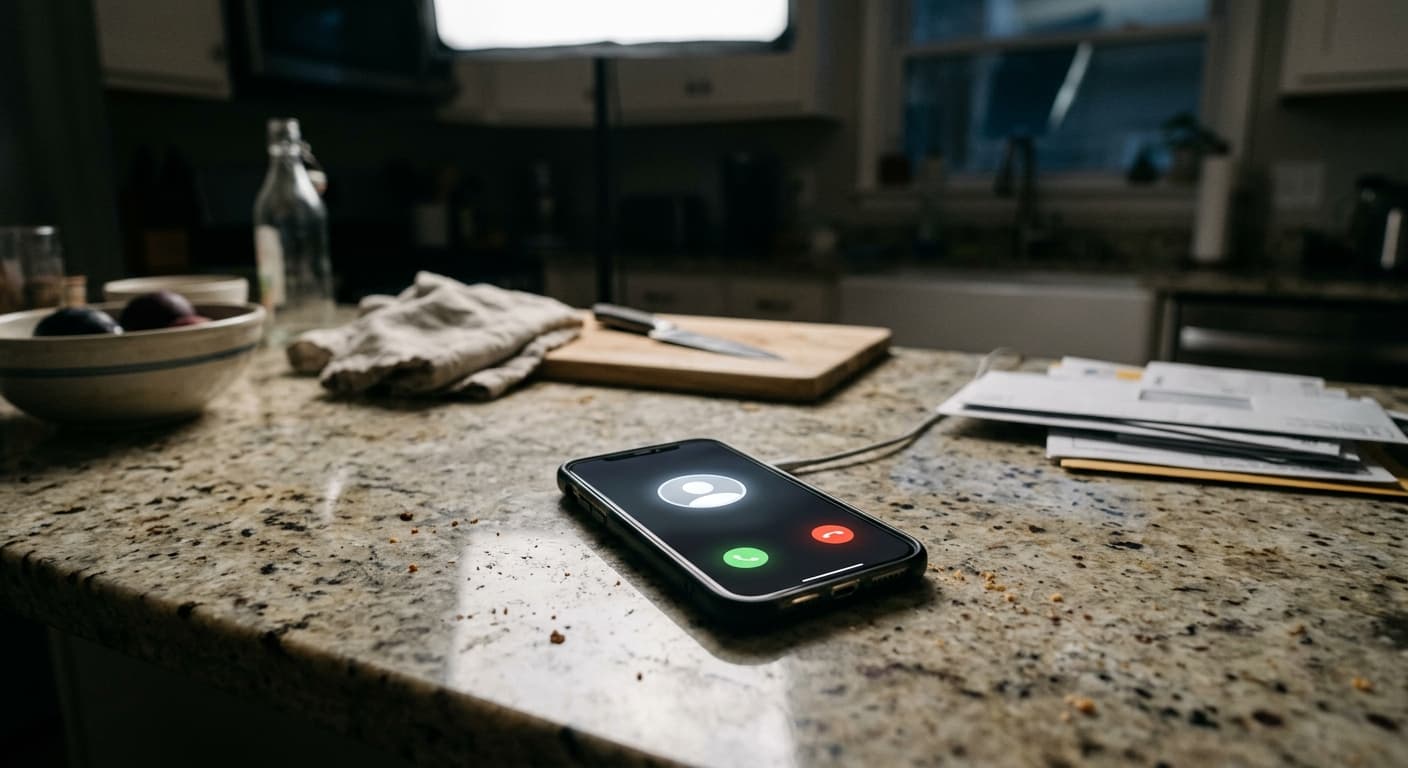
The Federal Trade Commission and multiple U.S. District Courts have issued active, ongoing warnings about a phone scam in which a caller impersonates a sheriff's deputy, court officer, or U.S. Marshal, claims you missed jury duty or have an active warrant, and demands immediate payment by gift card, wire transfer, cryptocurrency, or a payment app to avoid arrest. Scammers can spoof caller ID so the number appears to come from a real courthouse or sheriff's office, and some already have your name and address to sound more convincing.
Real Colorado law enforcement does not call demanding immediate payment to cancel a warrant, and does not text or email you an arrest warrant. If a warrant is genuinely active, contact typically comes in person or by mail. If you get a call like this, hang up, do not call the number back, and independently look up the phone number for your county Sheriff's Office or court clerk yourself to verify.
Paid background-check and people-search websites are generally legal, but unnecessary for checking your own warrant status, and they're a different thing entirely from Colorado's officially referenced court-records vendor described above. In September 2023, the FTC fined two major background-check companies $5.8 million for marketing reports as highly accurate while doing little to verify the underlying data.
What to Do If You Have a Warrant
If you find out you have an active warrant in Colorado, talk to a criminal defense attorney before doing anything else. Walking into a Sheriff's Office or courthouse unrepresented is rarely the best first move.
An attorney can typically file a motion to quash in the court that issued the warrant and appear at the resulting hearing on your behalf. In many misdemeanor cases, you may not need to personally appear at that hearing at all, though this depends on the judge and the underlying case. Judges generally will recall a warrant at that hearing if you don't have a long history of missing court, though a judge can also tighten your release conditions, such as raising bail, as a condition of lifting the warrant.
It's also worth knowing that warrants generally do not expire. A Colorado arrest or bench warrant typically stays active indefinitely until you're arrested, you surrender, or a judge formally quashes or recalls it. Waiting rarely improves the situation and can make it worse, since the warrant can surface unexpectedly, most commonly during a routine traffic stop.

Related articles
Disclaimer
This article is for general informational purposes only and does not constitute legal advice. Laws, fees, and court procedures change, and warrant-search tools and their coverage can change without notice. If you believe you have an active warrant in Colorado, consult a licensed Colorado criminal defense attorney about your specific situation before taking any action.

Last updated: 2026-07-15.
More Colorado Laws
Frequently Asked Questions
Is there a free way to check for a warrant in Colorado?
Not a complete one. The Colorado Judicial Branch's own site states that full record access isn't available directly through its website; instead it points to paid vendors like cocourts.com. The most reliable free route is contacting the Clerk of the district or county court, or the Sheriff's Office, in the county where you had a case.
What is cocourts.com?
It's Colorado's officially referenced court-records search platform, operated by LexisNexis Risk Solutions in coordination with the Colorado Judicial Branch. It charges a combined fee of $10.50 or less for a statewide name or case-number search; as of July 1, 2026 that fee is split into a Denver County component and a rest-of-state component, but the combined total is unchanged.
Does Colorado have a free Docket Search tool?
Yes, at coloradojudicial.gov/dockets. It lets you search by party name for free, but it's built to show scheduled court dockets rather than a full case history or dedicated warrant status, so treat it as a supplement, not a replacement, for a full check.
Can I check for a warrant through my county Sheriff's Office in Colorado?
It depends on the county. Some Sheriff's Offices offer a phone line or in-person check; El Paso County's Sheriff's Office, for example, requires a call or visit to its Records Unit rather than offering an online tool. Contact your specific county to find out what it offers.
Do warrants expire in Colorado?
No. Arrest and bench warrants generally remain active indefinitely until you're arrested, you surrender, or a judge formally quashes or recalls the warrant.
Someone called saying I have a warrant and demanded payment to cancel it. Is that real?
Almost certainly not. This matches a well-documented scam pattern the FTC and federal courts have repeatedly warned about. Real law enforcement does not call demanding immediate payment to cancel a warrant. Hang up and verify independently using a phone number you look up yourself, not one the caller provides.
What should I do first if I find out I have a warrant in Colorado?
Contact a criminal defense attorney before contacting law enforcement or the court yourself. An attorney can typically file a motion to quash the warrant and appear at the hearing, and in many misdemeanor cases you may not need to personally appear.
Can I use this to check if someone else has a warrant?
This guide is written for checking your own warrant status. County Sheriff's Offices and court systems have their own rules about third-party lookups, and using warrant-search tools to screen another person, such as a tenant or employee, raises separate legal considerations under federal background-check law.
Facing a warrant, DUI, or criminal charge in Colorado? Get a free case review
An active warrant or a criminal charge like DUI puts your freedom, license, and record at risk, and deadlines to act, like challenging a license suspension or resolving a warrant before an arrest, can be just days away. Get a free, confidential review from a Colorado criminal defense attorney. Acting quickly protects your options.
Updates
Independently fact-checked against the cited primary sources
Corrected the claim that cocourts.com pricing increased again as of July 1, 2026: the vendor's own pricing page shows the same $10.50 combined statewide total before and after that date (it was restructured into a Denver County component plus a rest-of-state component, not raised). Fixed in KeyTakeaways, body, the Tip callout, and the FAQ.
Sources and References
- Colorado Judicial Branch, Access Guide to Public Records(coloradojudicial.gov).gov
- Colorado Judicial Branch, Docket Search(coloradojudicial.gov).gov
- Colorado Courts Record Search (cocourts.com), operated by LexisNexis Risk Solutions(cocourts.com)
- El Paso County Sheriff's Office, Records & Video Request(epcsheriffsoffice.com)
- FTC Consumer Alert: Ignore calls, texts, and emails threatening to arrest you for missing jury duty(consumer.ftc.gov).gov
- FTC, FTC Says TruthFinder and Instant Checkmate Deceived Users About Background Report Accuracy, Violated FCRA (Sept. 2023)(ftc.gov).gov