South Carolina's New Squatter Law Creates a Fast Ex Parte Removal Process (H.3387)
Independently fact-checked against primary sources (last audited July 6, 2026). · 3 primary sources cited on this page. How we verify our legal content
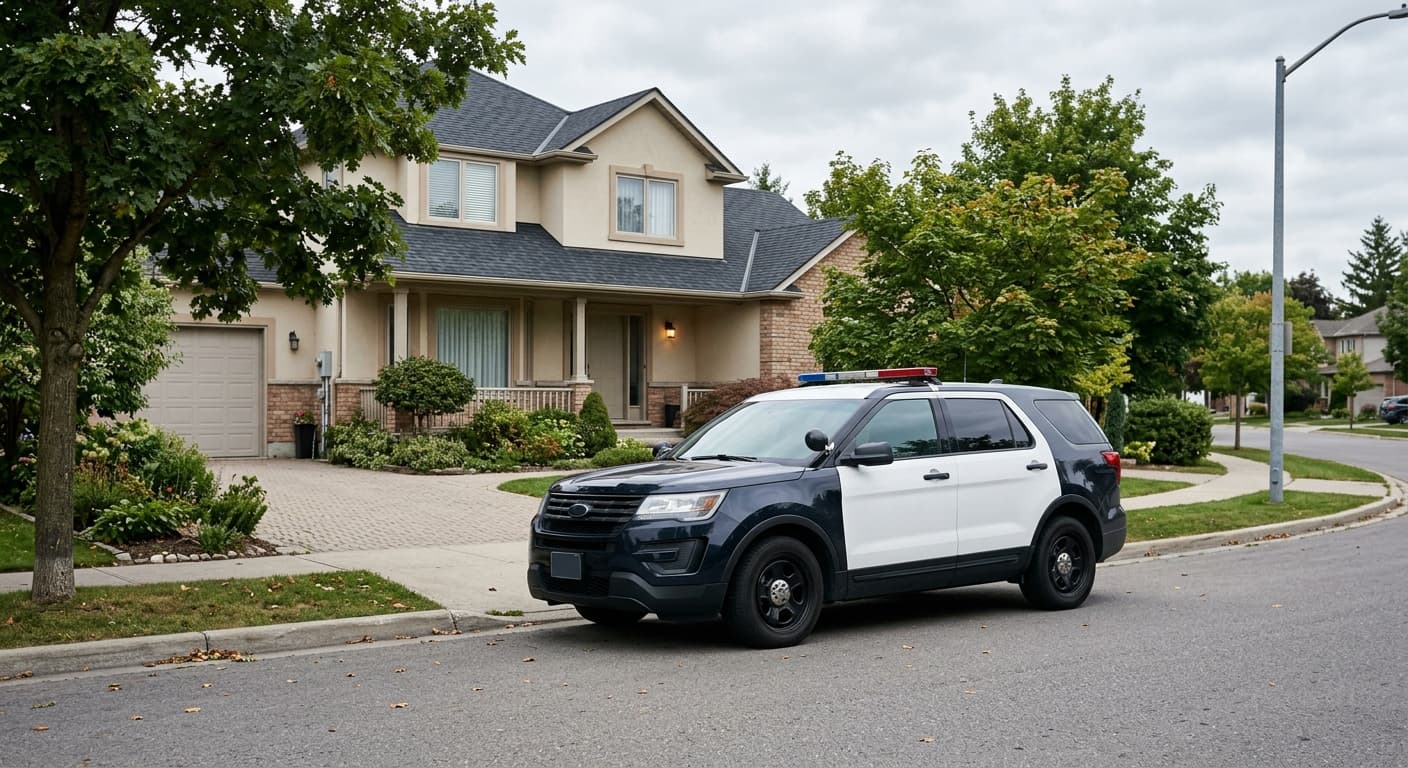
South Carolina's New Squatter Law Creates a Fast Ex Parte Removal Process (H.3387)
South Carolina Gov. Henry McMaster signed H.3387 on June 30, 2026, creating an expedited court process to remove people unlawfully occupying a home. The law lets a property owner obtain an immediate ex parte order directing law enforcement to eject an unlawful occupant, and it makes intentional damage of $1,000 or more a felony. It took effect on approval.
Information last verified on July 6, 2026. This is a developing story; we update it as the record changes.
Status: Signed into law on June 30, 2026 (ratified June 29, 2026) and effective immediately upon the Governor's approval. This is an enacted statute, not a pending bill.
Jurisdiction scope: This article addresses South Carolina H.3387 and its ejectment process for unlawful occupants of residential property. It does not address the state's separate tenant-eviction procedure or adverse-possession doctrine, which are governed by different laws. For that background, see South Carolina squatters rights and adverse possession and South Carolina landlord-tenant laws.
What Happened
The South Carolina General Assembly ratified H.3387 on June 29, 2026, and Gov. Henry McMaster signed it on June 30, 2026. The Act, titled "Unlawful occupants of property," takes effect upon the Governor's approval, so it is already law. It passed both chambers of the 126th General Assembly with broad support before ratification.
H.3387 adds a new Article 3 to Chapter 37 of Title 27 of the South Carolina Code, titled "Ejectment of Unlawful Occupants of a Residential Dwelling," and it recasts the chapter under the heading "Ejectment Proceedings." The law creates a summary judicial remedy separate from the ordinary eviction process. A property owner, or the owner's representative or agent, files a verified petition with the clerk of court or the chief magistrate for the county where the property sits. The statute directs that, upon the filing of a verified petition and for good cause shown, "the court shall immediately issue an ex parte order to remove an unlawful occupant or occupants from property containing a residential dwelling."
The order runs to an authorized enforcement official, which the law defines to include the county sheriff or a county, city, or township constable. After the order is served, the official may stand by to keep the peace while the owner secures the property.
The law draws a firm line around who it reaches. It defines an "unlawful occupant" as a person who detains, occupies, or trespasses on property without the owner's permission, who has no legal right to occupy it, and who is not afforded the protections the law gives tenants. The verified petition must state that the property has not been leased and that the occupants are not current or former tenants under any agreement with the owner. Anyone in a landlord-tenant relationship therefore falls outside the new process and remains subject to the ordinary eviction system.
H.3387 also adds criminal consequences. A person who unlawfully occupies a residential dwelling and intentionally damages it, causing $1,000 or more in damage, is guilty of a felony under the Act. The Act contains additional offenses addressing ignoring an ejectment order, false documents, and false property listings. This article does not state the specific penalty ranges for these offenses, which we could not independently confirm against the enacted text for this report.

What the Law Actually Says
South Carolina, like every state, already had two established legal frameworks that touch people occupying property without a clear right to it. The first is the eviction process under the South Carolina Residential Landlord and Tenant Act, which governs disputes between landlords and tenants and requires notice and a court proceeding before a tenant can be removed. The second is adverse possession, a slow doctrine under which someone who openly and continuously possesses land for a long statutory period can, in narrow circumstances, gain title. Neither framework offered a fast tool for the situation H.3387 targets: a stranger occupying a home who never had a lease and never had the owner's permission.
That gap is what the new Article 3 fills. By creating an ex parte ejectment order, the law lets an owner obtain relief without first serving the occupant and holding a full hearing, which is the feature that makes it faster than eviction. The tradeoff is that the remedy is deliberately narrow. It applies only to residential dwellings, only to occupants who are not tenants, and only on a verified, good-cause showing, and it channels enforcement through the sheriff or a constable rather than self-help by the owner.
Keeping the tenant exclusion clear is central to how the law functions. Tenant protections in the Residential Landlord and Tenant Act exist so that people with a lease cannot be locked out without process. H.3387 preserves that by defining unlawful occupants to exclude current and former tenants and by requiring the petition to affirm that the property was not leased. The result is a two-track system: tenants keep their eviction protections, while owners get a quick remedy against non-tenant occupants. For how squatter and adverse-possession rules work more broadly, see our overview of squatters rights by state, and for a comparison, Texas squatters rights and Florida squatters rights, both states that adopted fast-track removal laws.

Analysis: Why This Matters
The following is analysis from the Recording Law Editorial Team.
The design of H.3387 reflects a choice many states have made in the past two years: build a squatter-specific remedy rather than fold the problem into eviction. The appeal is speed. Eviction is built to protect tenants and moves at a deliberate pace, and applying it to a stranger who never had a lease frustrated owners who saw it as a mismatch. An ex parte ejectment order responds to that by letting an owner act quickly on a verified showing.
The most important feature of the law is the boundary it draws, not the speed it offers. By excluding tenants and requiring the owner to affirm that the property was not leased, the statute tries to keep the fast track away from ordinary landlord-tenant disputes, where notice and a hearing are the point. How well that boundary holds in practice will depend on how clerks and magistrates handle contested cases, because a person served with an ex parte order can dispute whether they are truly a non-tenant occupant. The felony damage provision, meanwhile, adds a criminal deterrent that the civil eviction system does not carry.
South Carolina is not an outlier here. It joins Florida, Texas, and other states that enacted similar measures, and the common structure across them, an owner petition, a rapid order, and law-enforcement removal, suggests a settled template rather than an experiment. This analysis does not predict how any individual removal will be decided, which turns on the specific facts and the paperwork an owner files.
How This Affects You
For property owners in South Carolina, the law adds a remedy that did not exist before, but it comes with conditions. The process requires a verified petition and a good-cause showing, it applies only to non-tenant occupants of residential property, and removal runs through law enforcement rather than self-help. Owners cannot use it to sidestep eviction for someone who has, or once had, a lease.
For occupants, the exclusion of tenants is the key protection. Someone with a genuine landlord-tenant relationship, including a former tenant, is outside the ex parte process and retains the notice and hearing rights the Residential Landlord and Tenant Act provides. Courts generally decide these status questions on the facts, so whether a given person is a tenant or an unlawful occupant is a question the record must answer. This is general information about how the statute is structured, not advice about any specific dispute.
This is general legal information, not legal advice. It covers South Carolina H.3387 and reflects sources verified on July 6, 2026. Laws change and this story is developing; consult a lawyer licensed in South Carolina about your specific situation.
Sources
- South Carolina General Assembly, H.3387 (Unlawful occupants of property), 126th General Assembly, 2025-2026
- South Carolina Code of Laws, Title 27, Chapter 37 (Ejectment Proceedings)
- South Carolina Code of Laws, Title 27, Chapter 40 (Residential Landlord and Tenant Act)
Related articles
- South Carolina squatters rights and adverse possession laws
- South Carolina landlord-tenant laws
- Squatters rights by state: adverse possession laws
- Texas squatters rights and adverse possession laws
- Florida squatters rights and adverse possession laws
Last updated: 2026-07-06. This is a developing story; details verified as of 2026-07-06.
Frequently Asked Questions
When did South Carolina's squatter law take effect?
H.3387 was ratified on June 29, 2026 and signed by Gov. Henry McMaster on June 30, 2026. It takes effect upon the Governor's approval, so it is already in force.
What does H.3387 actually do?
It adds a new Article 3 to Chapter 37, Title 27 of the South Carolina Code creating an ex parte process. A property owner files a verified petition with the clerk of court or chief magistrate, and on good cause the court must immediately order an authorized enforcement official to remove an unlawful occupant.
Does the law apply to tenants who stop paying rent?
No. The law defines an unlawful occupant to exclude current and former tenants, and the petition must state the property was not leased. Landlord-tenant disputes still go through South Carolina's formal eviction process, not this ex parte procedure.
Who removes the occupant under H.3387?
An authorized enforcement official, defined to include the county sheriff or a county, city, or township constable. After serving the order, the official may stand by to keep the peace while the owner secures the property.
What are the criminal penalties?
The Act makes it a felony for a person who unlawfully occupies a residential dwelling to intentionally cause $1,000 or more in damage. It also creates separate offenses tied to ignoring an ejectment order and to false property documents and listings; this article does not state the specific penalty ranges, which we could not independently confirm.
How is this different from adverse possession?
Adverse possession is a slow doctrine that can transfer title after long, open, continuous possession for a statutory period. H.3387 is the opposite: a fast removal remedy for non-tenant occupants that has nothing to do with acquiring ownership.
Updates
Independently fact-checked against the cited primary sources
Sources and References
- South Carolina General Assembly, H.3387 (Unlawful occupants of property), 126th General Assembly, 2025-2026(scstatehouse.gov).gov
- South Carolina Code of Laws, Title 27, Chapter 37 (Ejectment Proceedings)(scstatehouse.gov).gov
- South Carolina Code of Laws, Title 27, Chapter 40 (Residential Landlord and Tenant Act)(scstatehouse.gov).gov