
Washington
Leyes de dashcam de Washington: reglas de montaje, grabación de audio y evidencia (2026)
Verificado de forma independiente contra fuentes primarias (última auditoría: 22 de agosto de 2026). · Revisado por el equipo editorial de RecordingLaw. · Ley verificada como vigente al 22 de agosto de 2026. · 6 fuentes primarias citadas en esta página. Cómo verificamos nuestro contenido legal
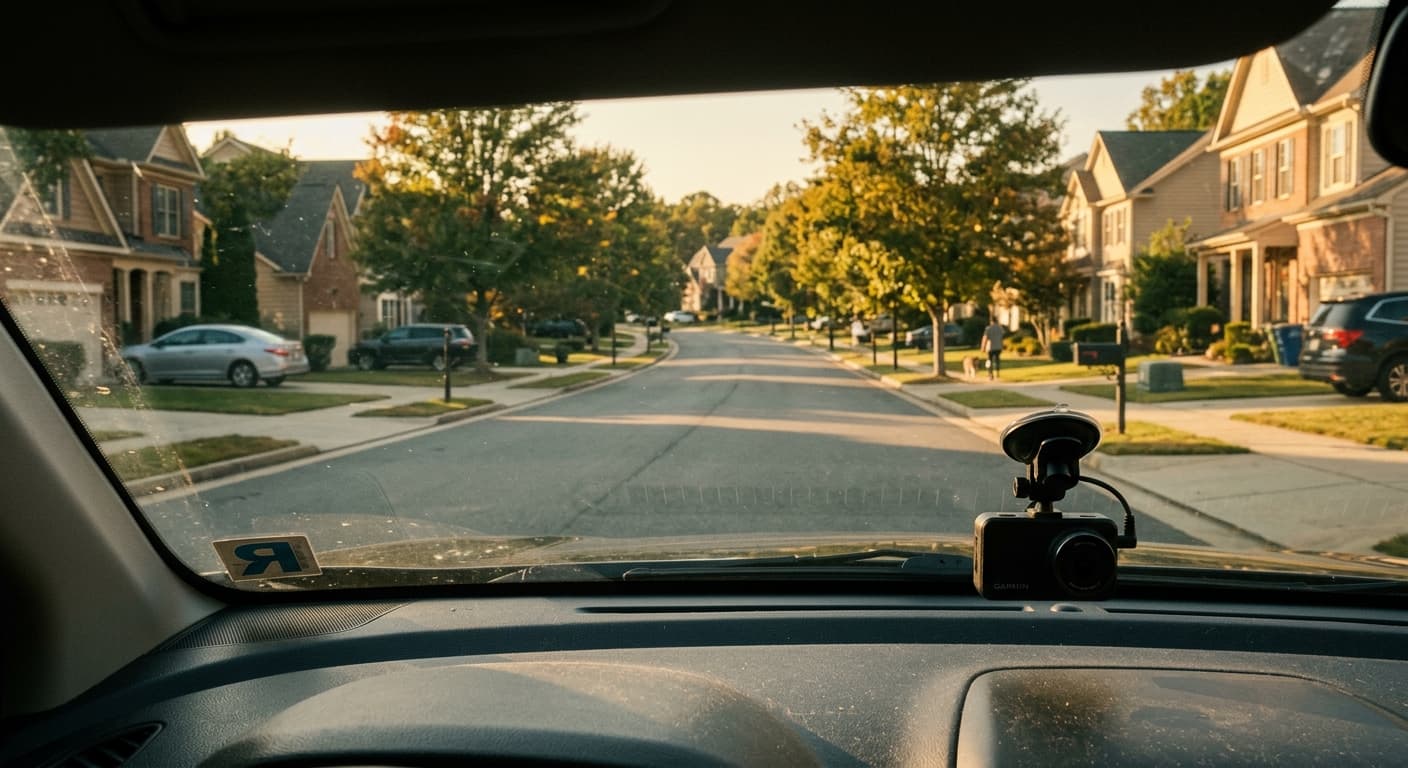
Las cámaras de tablero (dashcams) son legales en Washington. El video silencioso de las vías públicas no requiere consentimiento, pero cualquier dashcam que grabe audio dentro del vehículo activa el requisito de consentimiento de todas las partes según la RCW 9.73.030. Washington también restringe el montaje en el parabrisas según la RCW 46.37.410, por lo que la mayoría de los conductores montan sus cámaras en el tablero en su lugar.
Las dashcams se han vuelto cada vez más populares entre los conductores de Washington para documentar accidentes, incidentes de ira al volante y la conducción cotidiana. La ley de Washington permite las cámaras de tablero, pero se aplican dos consideraciones legales importantes: las reglas de obstrucción del parabrisas, que limitan dónde se pueden montar las cámaras, y los requisitos de consentimiento para la grabación de audio, que restringen lo que la cámara puede captar dentro del vehículo. Comprender ambos conjuntos de reglas garantiza que su dashcam funcione dentro de la ley y produzca un material admisible en un tribunal.
¿Son legales las dashcams en Washington?
Sí. Washington no prohíbe el uso de cámaras de tablero. Usted puede instalar y operar una dashcam en su vehículo personal o comercial. Sin embargo, dos cuerpos legales distintos regulan diferentes aspectos del uso de una dashcam:
- Las leyes de obstrucción del parabrisas (RCW 46.37.410) controlan dónde puede montar la cámara
- Las leyes de grabación de audio (RCW 9.73.030) controlan si la cámara puede grabar conversaciones dentro del vehículo
Reglas de montaje en el parabrisas
RCW 46.37.410: obstrucción del parabrisas
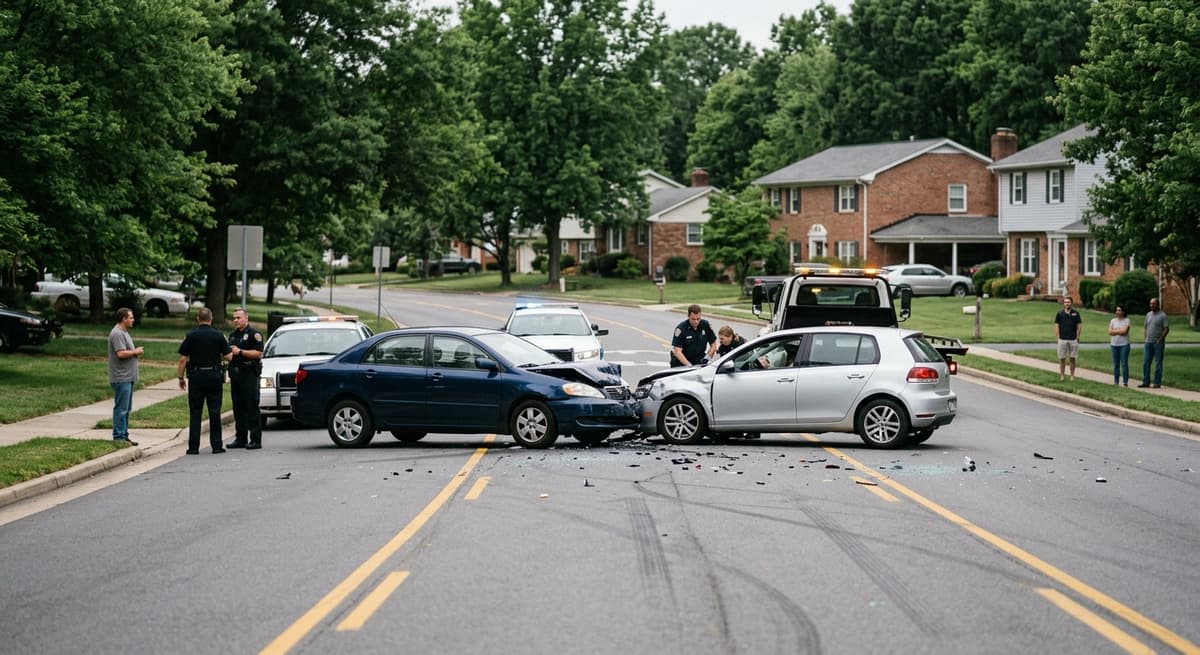
El estatuto de equipamiento vehicular de Washington, la RCW 46.37.410, restringe lo que se puede colocar en el parabrisas de un vehículo. El estatuto establece que ninguna persona puede conducir un vehículo motorizado con ningún letrero, cartel u otro material no transparente en el parabrisas delantero, las ventanillas laterales o las ventanas laterales o traseras del vehículo que obstruya la vista clara del conductor de la carretera o de cualquier carretera intersecante.
Pautas prácticas de montaje
Aunque la ley de Washington no menciona específicamente las dashcams, el estatuto de obstrucción implica que cualquier cámara montada en el parabrisas no debe obstruir la vista del conductor. Las mejores prácticas incluyen:
- Montarla detrás del espejo retrovisor: coloque la cámara directamente detrás del espejo retrovisor, donde es menos probable que obstruya la vista del conductor.
- Usar una cámara pequeña: elija una dashcam compacta que ocupe un espacio mínimo del parabrisas.
- Montaje en el tablero: montar la cámara en el tablero en lugar del parabrisas evita por completo el problema de la obstrucción. Las cámaras montadas en el tablero cumplen con el estatuto sin importar su tamaño.
- Evitar el centro del parabrisas: nunca monte una dashcam en el centro de la línea de visión del conductor.
Aplicación y sanciones
Conducir con un parabrisas obstruido es una infracción de tránsito según la ley de Washington. Aunque la aplicación suele quedar a discreción del agente, tener una dashcam mal ubicada proporciona una base para una parada de tránsito y una citación. La multa por una infracción de obstrucción del parabrisas suele ser modesta, pero puede llevar a un escrutinio adicional del vehículo.
Reglas de grabación de audio para las dashcams
El problema del consentimiento de todas las partes
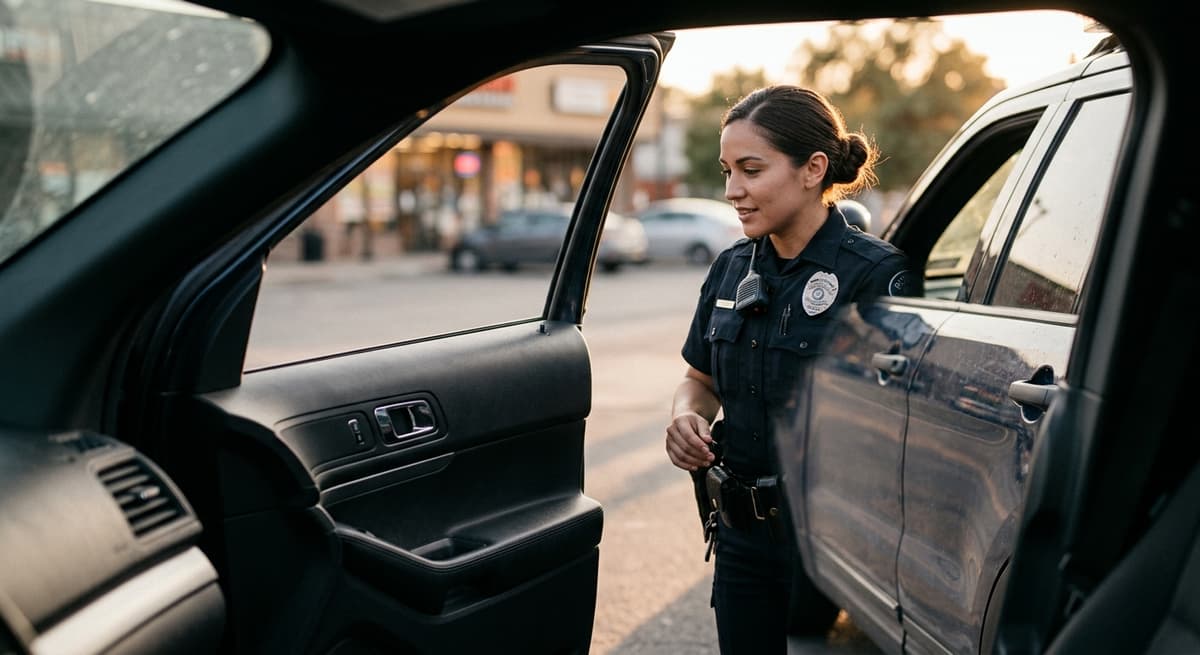
Aquí es donde la ley de dashcams se vuelve complicada en Washington. Muchas dashcams vienen con micrófonos integrados que graban el audio dentro del vehículo. Según la RCW 9.73.030, grabar cualquier conversación privada sin el consentimiento de todas las partes es ilegal.
Cuando su dashcam graba el audio de conversaciones con pasajeros, usted podría estar capturando comunicaciones privadas sujetas al requisito de consentimiento de todas las partes. Esto significa:
- Conducir solo: no hay ningún problema de consentimiento. Usted es la única parte de cualquier conversación.
- Conducir con pasajeros que conocen la dashcam: si informa a los pasajeros que la dashcam graba audio y ellos permanecen en el vehículo, esto probablemente constituye consentimiento implícito.
- Conducir con pasajeros que no conocen la dashcam: grabar sus conversaciones privadas sin divulgación infringe la RCW 9.73.030.
Soluciones para el cumplimiento del audio
Existen varias maneras de cumplir con el requisito de grabación de audio:
Opción 1: desactivar la grabación de audio. La mayoría de las dashcams permiten apagar el micrófono en el menú de configuración. Esto elimina por completo el requisito de consentimiento. El video silencioso del camino por delante no requiere consentimiento.
Opción 2: colocar un aviso visible. Coloque una calcomanía o un letrero claramente visible en su vehículo que indique: "Grabación de audio y video en curso". Los pasajeros que ven el aviso y permanecen en el vehículo arguiblemente han dado su consentimiento implícito al continuar la conversación.
Opción 3: anuncio verbal. Informe verbalmente a los pasajeros cada vez que entren al vehículo que la dashcam graba audio. Este es el método más confiable, pero el menos práctico para conductores de plataformas de viajes compartidos u otras personas que suelen transportar a distintos pasajeros.
Conductores de plataformas de viajes compartidos y taxis
Los conductores de plataformas de viajes compartidos (Uber, Lyft) y de taxis en Washington enfrentan desafíos particulares con el audio de las dashcams:
- Pasajeros nuevos con frecuencia: cada nuevo pasajero es una nueva parte que debe ser informada sobre la grabación de audio.
- Señalización visible: la solución más práctica es un letrero prominente visible para todos los pasajeros, como: "Por motivos de seguridad, este vehículo cuenta con grabación de audio y video".
- Divulgación mediante la aplicación: las plataformas de viajes compartidos pueden incluir avisos de grabación en sus términos de servicio, pero depender únicamente de esto sin un aviso visible dentro del vehículo puede no satisfacer la RCW 9.73.030.
- Reglas de la Comisión de Servicios Públicos y Transporte de Washington: para los servicios de taxi regulados, pueden aplicarse reglas adicionales.
El material de la dashcam como evidencia
Cuándo el material de la dashcam es admisible
El material de la dashcam generalmente es admisible como evidencia en los tribunales de Washington si:
- El material se obtuvo legalmente (sin infracciones de consentimiento para el audio)
- El material es relevante para el caso
- El material no ha sido alterado ni manipulado
- El material está autenticado (usted puede verificar que proviene de su cámara y que la fecha y hora son precisas)
Cuándo el material de la dashcam puede ser excluido
El material puede ser excluido de un proceso judicial si:
- El audio se grabó sin consentimiento: según la RCW 9.73.050, cualquier información obtenida en infracción de la Ley de Privacidad es inadmisible. Si su dashcam grabó conversaciones privadas sin consentimiento, toda la grabación (incluida la parte de video) puede ser impugnada.
- Problemas de cadena de custodia: si el material ha sido editado, los datos originales se corrompieron, o hay vacíos en la línea de tiempo de la grabación.
- Contenido irrelevante o perjudicial: los tribunales pueden excluir material que resulte más perjudicial que probatorio.
Uso del material de la dashcam después de un accidente
Después de un accidente de tránsito, el material de la dashcam puede ser una evidencia valiosa para:
- Reclamos de seguro: el material de la dashcam que muestra la culpa del otro conductor puede respaldar su reclamo. La mayoría de las aseguradoras aceptan material de dashcam.
- Demandas por lesiones personales: el material que demuestra cómo ocurrió el accidente puede ser una evidencia contundente.
- Citaciones de tránsito: el material que muestra que usted seguía las leyes de tránsito puede ayudar a impugnar una citación.
- Identificación de fuga del lugar del accidente: el material puede capturar la placa del otro vehículo.
Entregar el material a las fuerzas del orden
Si su dashcam captura evidencia de un delito (fuga del lugar del accidente, ira al volante, DUI), usted puede entregar voluntariamente el material a las fuerzas del orden. Consideraciones clave:
- No está obligado a entregar el material, pero la cooperación puede ser útil
- Haga una copia del material antes de entregarlo a la policía
- El material pasa a formar parte del expediente policial del caso
- Si se le cita judicialmente, debe presentar el material
Dashcams en vehículos comerciales
Dashcams instaladas por el empleador
Los empleadores de Washington que instalan dashcams en vehículos comerciales deben navegar tanto la Ley de Privacidad como la legislación laboral:
- Grabación de audio: si la dashcam graba el audio de conversaciones entre el conductor y pasajeros o compañeros de trabajo, el empleador debe notificar a todas las partes. Según la RCW 9.73.030, se aplica el requisito de consentimiento de todas las partes.
- Notificación al empleado: los empleadores deben informar a los conductores por escrito que sus vehículos están equipados con dashcams y si las cámaras graban audio.
- Manual del empleado: incluya las políticas sobre dashcams en el manual del empleado y haga que los conductores reconozcan la política por escrito.
- Consideraciones de privacidad: las cámaras no deben apuntar hacia el interior de la cabina de manera que capturen actividades privadas durante los descansos o períodos de reposo.
Cámaras de gestión de flotas
Muchos sistemas de gestión de flotas incluyen cámaras orientadas hacia adelante y hacia el conductor. Para las operaciones de flotas con sede en Washington:
- Las cámaras orientadas hacia adelante que graban el camino generalmente no presentan problemas
- Las cámaras orientadas hacia el conductor generan preocupaciones de privacidad, especialmente durante los descansos obligatorios
- La grabación de audio en la cabina requiere divulgación y consentimiento
- El rastreo por GPS combinado con datos de cámaras debe divulgarse en los acuerdos laborales
Mejores prácticas de dashcam para Washington
Configuración
- Monte la cámara en el tablero o detrás del espejo retrovisor para evitar obstruir el parabrisas
- Desactive la grabación de audio a menos que cuente con un sistema para obtener consentimiento
- Configure la cámara en grabación en bucle para que sobrescriba continuamente el material antiguo y siempre capture los eventos más recientes
- Active las marcas de fecha y hora en el material con fines de autenticación
- Use una dashcam con capacidades de GPS que registre la velocidad y la ubicación
Después de un incidente
- No retire ni apague la dashcam después de un accidente. El material de los momentos posteriores a una colisión puede ser tan importante como la colisión misma.
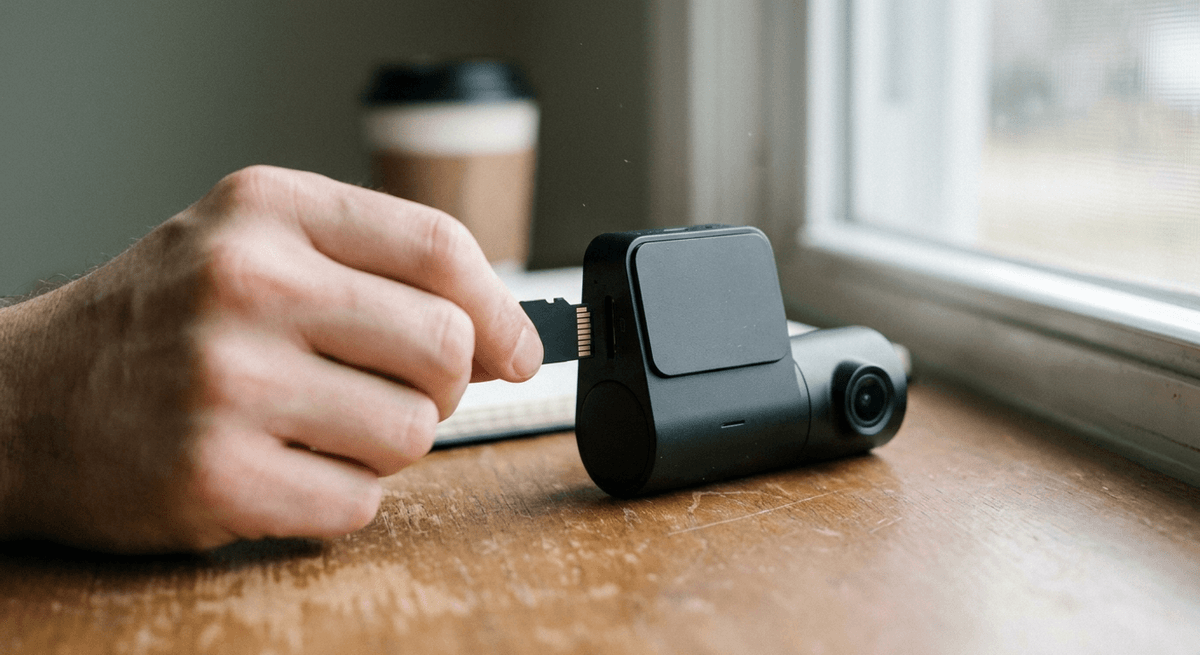
- Guarde el material de inmediato. La mayoría de las dashcams pueden bloquear un archivo para evitar que se sobrescriba. Presione el botón de guardar o retire la tarjeta de memoria después de un incidente.
- Haga una copia de respaldo antes de entregar el material a cualquier persona.
- Anote el nombre del archivo, la fecha y la hora del material relevante.
Mantenimiento
- Revise regularmente que la cámara funcione correctamente
- Limpie el lente para garantizar un material claro
- Actualice el firmware cuando haya actualizaciones disponibles
- Reemplace las tarjetas de memoria periódicamente, ya que las tarjetas SD pueden degradarse con el uso constante
- Revise la estabilidad del montaje, especialmente en temperaturas extremas
Más leyes de Washington
- Leyes de grabación de reuniones con IA de Washington
- Leyes de pensión alimenticia conyugal de Washington
- Leyes de empleo a voluntad de Washington
- Leyes de accidentes de auto de Washington
- Leyes de asientos de auto para niños de Washington
- Leyes de custodia de menores de Washington
- Leyes de manutención infantil de Washington
- Leyes de matrimonio de hecho de Washington
- Leyes de privacidad de datos de Washington
- Leyes sobre deepfakes de Washington
- Leyes de divorcio de Washington
- Leyes sobre mordeduras de perro de Washington
- Leyes de emancipación de Washington
- Leyes de eliminación de antecedentes penales de Washington
- Leyes de fuga del lugar del accidente de Washington
- Leyes de arrendador e inquilino de Washington
Más leyes de grabación de Washington
Grabación de audio | Grabación de video | Voyerismo y cámaras ocultas | Grabación en el lugar de trabajo | Grabación de la policía | Grabación de llamadas telefónicas | Cámaras de seguridad | Grabar en público | Arrendador e inquilino | Leyes de dashcam | Escuelas | Grabación médica
Volver a las leyes de grabación de Washington
Más temas de grabación de Washington
- Leyes de grabación de Washington
- Grabación de audio en Washington
- Grabación de video en Washington
- Grabación médica en Washington
- Grabación en escuelas en Washington
- Grabación en el lugar de trabajo en Washington
- Grabación de la policía en Washington
- Grabación de llamadas telefónicas en Washington
- Grabación con cámaras de seguridad en Washington
- Grabación de voyerismo en Washington
- Grabación de arrendador e inquilino en Washington
- Grabación en público en Washington
- Leyes de privacidad biométrica de Washington
- Leyes de cámaras de vigilancia
Preguntas frecuentes
¿Son legales las dashcams en el estado de Washington?
Sí, las dashcams son legales en Washington. Sin embargo, debe montar la cámara de manera que no obstruya su vista de la carretera, según lo exige la RCW 46.37.410. Si su dashcam graba audio de conversaciones dentro del vehículo, debe cumplir con la ley de consentimiento de todas las partes de Washington (RCW 9.73.030) desactivando el audio o informando a todos los pasajeros.
¿Puedo montar una dashcam en mi parabrisas en Washington?
La ley de obstrucción del parabrisas de Washington (RCW 46.37.410) prohíbe los materiales no transparentes que obstruyan la vista del conductor. Puede montar una dashcam pequeña detrás del espejo retrovisor donde no bloquee su línea de visión. Para garantizar el cumplimiento, monte la cámara en el tablero en lugar del parabrisas.
¿Debo avisarles a los pasajeros sobre mi dashcam en Washington?
Si su dashcam graba audio, sí. La ley de consentimiento de todas las partes de Washington exige que todas las partes de una conversación privada consientan a la grabación. Puede cumplir con esto colocando un letrero visible en su vehículo, haciendo un anuncio verbal o desactivando la función de grabación de audio de su dashcam. El video silencioso no requiere notificación a los pasajeros.
¿Puede usarse el material de una dashcam como evidencia en Washington?
Sí, el material de una dashcam generalmente es admisible en los tribunales de Washington si se obtuvo legalmente y no ha sido alterado. Sin embargo, si el material incluye audio grabado sin consentimiento, puede ser impugnado según la RCW 9.73.050, que hace que las grabaciones obtenidas ilegalmente sean inadmisibles. El material debe incluir marcas de fecha y hora precisas para su autenticación.
¿Puede mi empleador exigir una dashcam en mi vehículo de trabajo en Washington?
Sí, los empleadores pueden instalar dashcams en vehículos de la empresa. Sin embargo, si la cámara graba audio, el empleador debe notificar a los conductores y cumplir con el requisito de consentimiento de todas las partes según la RCW 9.73.030. Los empleadores deben incluir las políticas sobre dashcams en los manuales del empleado y hacer que los conductores reconozcan la política por escrito.
Actualizaciones
Verificado de forma independiente contra las fuentes primarias citadas; ley aplicable revisada en busca de cambios recientes
Ley aplicable revisada en busca de cambios recientes
Revisado y aprobado por un editor
La ley detrás de este artículo
Este artículo se apoya en las disposiciones legales a continuación, conservadas en nuestro propio registro jurídico y obtenidas de la fuente oficial. Toque una sección para leer el texto vigente.
Revised Code of Washington
§ 9.73.030Intercepting, recording, or divulging private communication—Consent required—Exceptions.Vigentecitada en 46 de nuestros artículos
(1) Except as otherwise provided in this chapter, it shall be unlawful for any individual, partnership, corporation, association, or the state of Washington, its agencies, and political subdivisions to intercept, or record any: (a) Private communication transmitted by telephone, telegraph, radio, or other device between two or more individuals between points within or without the state by any device electronic or otherwise designed to record and/or transmit said communication regardless how such device is powered or actuated, without first obtaining the consent of all the participants in the communication; (b) Private conversation, by any device electronic or otherwise designed to record or transmit such conversation regardless how the device is powered or actuated without first obtaining the consent of all the persons engaged in the conversation.
Texto oficial (extracto) · verificado el 2026-09-24 · Lea el texto completo en nuestra biblioteca legal · Verifique en app.leg.wa.gov
Citada en 221 resoluciones judiciales de nuestra colecciónResolución más reciente que la cita en nuestra colección: 2026
En los tribunales (resumen editorial, verificado de forma independiente):Los tribunales de Washington han definido qué cuenta como comunicación privada bajo la Sec. 9.73.030: State v. Gunwall (1986) concluyó que la intercepción mediante un registrador de marcado sí entra en la comunicación privada transmitida por teléfono, mientras que State v. Riley (1993) sostuvo que un rastreador que solo revela el número que llama no graba ninguna.
Resoluciones que citan esta sección en nuestra colección:
- State v. Salinas (Washington Supreme Court 1992, 119 Wash. 2d 192)“…alties for divulging a telegram or opening a sealed letter. RCW 9.73.030-.070, making it unlawful to intercept,…”
- State v. Gunwall (Washington Supreme Court 1986, 106 Wash. 2d 54)✓La policía de Everett obtuvo los registros de llamadas de una presunta traficante de cocaína y le instaló un pen register sin proceso legal válido; el tribunal sostuvo que esa intercepción es una comunicación privada transmitida por teléfono, por lo que solo puede instalarse bajo las leyes de escuchas electrónicas.
- State v. Brown (Washington Supreme Court 1997, 132 Wash. 2d 529)✓Agentes de Palm Springs grabaron en secreto las declaraciones de un sospechoso de asesinato de Washington tras arrestarlo; el tribunal trató la RCW 9.73.090, y no la 9.73.030, como la norma que alcanza las grabaciones de personas arrestadas, y sostuvo que la Ley de Privacidad no exigía suprimir esa grabación hecha en California.
Identificado automáticamente a partir de las opiniones judiciales que citan esta sección; no es un ranking de qué caso prevalece.
También citada en: Grabaciones como prueba: reglas judiciales por estado
§ 46.37.410Windshields required, exception—Must be unobstructed and equipped with wipers.Vigentecitada en 3 de nuestros artículos
(1) All motor vehicles operated on the public highways of this state shall be equipped with a front windshield manufactured of safety glazing materials for use in motor vehicles in accordance with RCW 46.37.430, except, however, on such vehicles not so equipped or where windshields are not in use, the operators of such vehicles shall wear glasses, goggles, or face shields pursuant to RCW 46.37.530(1)(b). (2) No person shall drive any motor vehicle with any sign, poster, or other nontransparent material upon the front windshield, side wings, or side or rear windows of such vehicle which obstructs the driver's clear view of the highway or any intersecting highway. (3) The windshield on every motor vehicle shall be equipped with a device for cleaning rain, snow, or other moisture from the windshield, which device shall be so constructed as to be controlled or operated by the driver of the vehicle.
Texto oficial (extracto) · verificado el 2026-09-08 · Lea el texto completo en nuestra biblioteca legal · Verifique en app.leg.wa.gov
Citada en 3 resoluciones judiciales de nuestra colecciónResolución más reciente que la cita en nuestra colección: 2019
Resoluciones que citan esta sección en nuestra colección:
- State v. Wayman-Burks (Court of Appeals of Washington 2002, 114 Wash. App. 109)“…windshield was not an obstruction upon the windshield under RCW 46.37.410, she moved to suppress the evidence bec…”
- State v. Byrd (Court of Appeals of Washington 2002, 110 Wash. App. 259)“…Wash. App. 608, 610-11 , 949 P.2d 845 (1998). [11] RCW 46.37.410(2); Seattle Municipal Code 11.84.140.…”
- State Of Washington v. Carmen Rose Lee (Court of Appeals of Washington 2019, 435 P.3d 847)“…inoperative brake light, in violation of RCW 46.37.070 and RCW 46.37.410. Detectives lawfully checked Peterson's…”
Identificado automáticamente a partir de las opiniones judiciales que citan esta sección; no es un ranking de qué caso prevalece.
§ 9.73.050Admissibility of intercepted communication in evidence.Vigentecitada en 13 de nuestros artículos
Any information obtained in violation of RCW 9.73.030 or pursuant to any order issued under the provisions of RCW 9.73.040 shall be inadmissible in any civil or criminal case in all courts of general or limited jurisdiction in this state, except with the permission of the person whose rights have been violated in an action brought for damages under the provisions of RCW 9.73.030 through 9.73.080, or in a criminal action in which the defendant is charged with a crime, the commission of which would jeopardize national security.
Texto oficial (extracto) · verificado el 2026-07-29 · Lea el texto completo en nuestra biblioteca legal · Verifique en app.leg.wa.gov
Citada en 116 resoluciones judiciales de nuestra colecciónResolución más reciente que la cita en nuestra colección: 2025
Resoluciones que citan esta sección en nuestra colección:
- State v. Wanrow (Washington Supreme Court 1977, 88 Wash. 2d 221)“…epartment of an emergency telephone call, on the basis that RCW 9.73.050 and RCW 9.73.090 which authorize the re…”
- State v. Rupe (Washington Supreme Court 1984, 101 Wash. 2d 664)“…find that this statement violated the terms of the statute. RCW 9.73.050 provides that information obtained in v…”
- State v. Fjermestad (Washington Supreme Court 1990, 114 Wash. 2d 828)“…At the time RCW 9.73.040 was enacted, the Legislature added RCW 9.73.050 4 which deals with admissibility of *…”
Identificado automáticamente a partir de las opiniones judiciales que citan esta sección; no es un ranking de qué caso prevalece.
§ 9.73.060Violating right of privacy—Civil action—Liability for damages.Vigentecitada en 14 de nuestros artículos
Any person who, directly or by means of a detective agency or any other agent, violates the provisions of this chapter shall be subject to legal action for damages, to be brought by any other person claiming that a violation of this statute has injured his or her business, his or her person, or his or her reputation. A person so injured shall be entitled to actual damages, including mental pain and suffering endured by him or her on account of violation of the provisions of this chapter, or liquidated damages computed at the rate of one hundred dollars a day for each day of violation, not to exceed one thousand dollars, and a reasonable attorney's fee and other costs of litigation.
Texto oficial (extracto) · verificado el 2026-07-29 · Lea el texto completo en nuestra biblioteca legal · Verifique en app.leg.wa.gov
Citada en 36 resoluciones judiciales de nuestra colecciónResolución más reciente que la cita en nuestra colección: 2025
En los tribunales (resumen editorial, verificado de forma independiente):Los tribunales de Washington leen RCW 9.73.060 como fuente de daños civiles solo por la conducta que el capítulo 9.73 sí prohíbe. Kearney v. Kearney (1999) sostuvo que RCW 9.73.050 no crea responsabilidad civil por presentar grabaciones ilegales. Dillon v. Seattle Deposition Reporters, LLC (2014) revocó el fallo sumario sobre llamadas transcritas en secreto.
Resoluciones que citan esta sección en nuestra colección:
- State v. Wanrow (Washington Supreme Court 1977, 88 Wash. 2d 221)“…case under RCW 9.73.050; there is no civil liability under RCW 9.73.060; and, there is no criminal liability un…”
- Kearney v. Kearney (Court of Appeals of Washington 1999, 95 Wash. App. 405)✓Un padre demandó bajo la RCW 9.73.060 a una guardiana ad litem, a una evaluadora y a un abogado por presentar transcripciones de llamadas con sus hijos que su entonces esposa grabó; el tribunal sostuvo que la ley impone responsabilidad solo por grabar o interceptar, no por presentar, y confirmó la desestimación.
- Dillon v. Seattle Deposition Reporters, LLC (Court of Appeals of Washington 2014, 179 Wash. App. 41)“…act is a gross misdemeanor and is also actionable in tort. RCW 9.73.060, .080. “We engage in a four-pronged ana…”
Identificado automáticamente a partir de las opiniones judiciales que citan esta sección; no es un ranking de qué caso prevalece.
§ 9.73.080Penalties.Vigentecitada en 17 de nuestros artículos
(1) Except as otherwise provided in this chapter, any person who violates RCW 9.73.030 is guilty of a gross misdemeanor. (2) Any person who knowingly alters, erases, or wrongfully discloses any recording in violation of RCW 9.73.090(1)(c) is guilty of a gross misdemeanor.
Texto oficial (extracto) · verificado el 2026-07-29 · Lea el texto completo en nuestra biblioteca legal · Verifique en app.leg.wa.gov
Citada en 13 resoluciones judiciales de nuestra colecciónResolución más reciente que la cita en nuestra colección: 2023
Resoluciones que citan esta sección en nuestra colección:
- State v. Wanrow (Washington Supreme Court 1977, 88 Wash. 2d 221)“…9.73.090, which opens with a waiver of RCW 9.73.030 through RCW 9.73.080, [9] i.e., the recording is not unlaw…”
- State v. Williams (Washington Supreme Court 1980, 94 Wash. 2d 531)✓Agentes de la ATF grabaron las conversaciones de un sospechoso con un informante y agentes encubiertos con el consentimiento de una sola parte. La corte asumió sin decidir que la sanción penal de RCW 9.73.080 quizá no alcance a agentes federales, pero sostuvo que las grabaciones seguían siendo inadmisibles en un tribunal estatal.
- State v. Clark (Washington Supreme Court 2007, 916 P.2d 384)“…Violation of RCW 9.73.030 constitutes a gross misdemeanor, RCW 9.73.080, and may also result in civil liability…”
Identificado automáticamente a partir de las opiniones judiciales que citan esta sección; no es un ranking de qué caso prevalece.
Fuentes y referencias
- RCW 46.37.410 - Windshield Obstruction(app.leg.wa.gov).gov
- RCW 9.73.030 - Intercepting, Recording, or Divulging Private Communications(app.leg.wa.gov).gov
- RCW 9.73.050 - Admissibility of Intercepted Communications(app.leg.wa.gov).gov
- RCW 9.73.080 - Criminal Penalties(app.leg.wa.gov).gov
- RCW 9.73.060 - Civil Damages for Privacy Violations(app.leg.wa.gov).gov
- Washington State Legislature - Title 46 Motor Vehicles(app.leg.wa.gov).gov