
Washington
Leyes sobre Mordeduras de Perro en Washington: Responsabilidad y Derechos de las Víctimas
Verificado de forma independiente contra fuentes primarias (última auditoría: 23 de agosto de 2026). · Revisado por el equipo editorial de RecordingLaw. · Ley verificada como vigente al 23 de agosto de 2026. · 11 fuentes primarias citadas en esta página. Cómo verificamos nuestro contenido legal
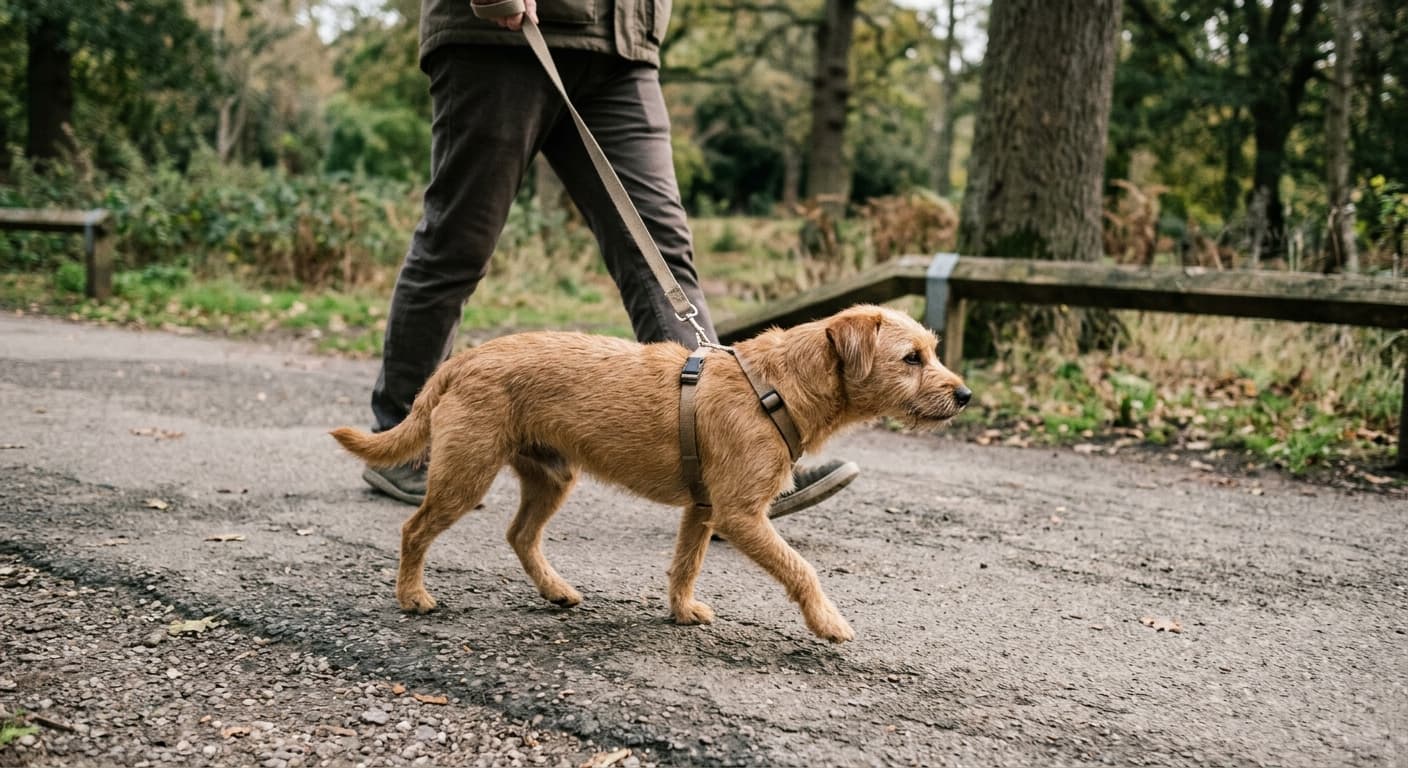
Washington responsabiliza objetivamente a los dueños de perros por las lesiones de mordedura según el RCW 16.08.040. Un dueño es responsable siempre que un perro muerda a alguien en un lugar público o que se encuentre legalmente en propiedad privada, sin importar si el perro había mordido antes o si el dueño conocía alguna tendencia agresiva.
Calcule su reclamo: Use nuestra Calculadora de Indemnización por Mordedura de Perro en Washington gratuita para ver un rango aproximado de indemnización según los gastos médicos, el lugar de la mordedura, la edad de la víctima y la regla de responsabilidad de Washington.
Panorama General de las Leyes sobre Mordeduras de Perro en Washington
El estado de Washington responsabiliza objetivamente a los dueños de perros cuando su perro muerde a alguien. Según el RCW 16.08.040, el dueño de cualquier perro que muerda a una persona mientras esa persona está en un lugar público, o legalmente en propiedad privada (incluida la propiedad del dueño del perro), es responsable por los daños. Esta responsabilidad se aplica sin importar el comportamiento previo del perro o si el dueño tenía algún conocimiento de agresividad.

Este marco de responsabilidad objetiva significa que una víctima de mordedura no necesita probar que el dueño fue negligente o que el perro había mordido antes. El enfoque de Washington difiere de los estados que siguen la llamada "regla de la primera mordida," donde los dueños solo se vuelven responsables después del primer incidente agresivo conocido.
El estatuto cubre específicamente las mordidas. Para las lesiones que no son mordidas causadas por perros (como un perro que derriba a alguien), las víctimas pueden presentar demandas según los principios generales de negligencia en lugar del estatuto de responsabilidad objetiva.
Quién Califica como "Dueño" Según la Ley de Washington
El estatuto de mordedura de perro de Washington se aplica al "dueño" del perro, pero el RCW 16.08.040 no define ese término. La única definición de "dueño" en el capítulo se encuentra en el RCW 16.08.070(7), que abarca a "cualquier persona, empresa, corporación, organización o departamento que posea, albergue, mantenga, tenga un interés en, o tenga control o custodia de un animal." Según su propia oración inicial, esa definición se aplica únicamente a lo largo de los RCW 16.08.070 a 16.08.100, las disposiciones sobre perros peligrosos. El texto del estatuto no establece que esa definición determine quién cuenta como dueño según la sección de responsabilidad objetiva.
Eso deja el alcance de "dueño" en el RCW 16.08.040 por resolverse caso por caso. Si un amigo está cuidando a un perro y el perro muerde a un cartero, una víctima podría argumentar que el amigo estaba albergando o manteniendo al perro, pero si el estatuto de responsabilidad objetiva llega tan lejos es una pregunta para el tribunal y no algo que el texto responda. Las víctimas en esa situación suelen alegar negligencia ordinaria contra la persona que controlaba al perro, junto con un reclamo de responsabilidad objetiva contra el dueño registrado.
Qué Deben Probar las Víctimas
Para recibir una indemnización según el estatuto de responsabilidad objetiva de Washington, una víctima de mordedura de perro necesita establecer tres elementos:
- El demandado era el dueño del perro
- El perro mordió a la víctima
- La víctima estaba en un lugar público o legalmente en propiedad privada en el momento de la mordida
La víctima no necesita demostrar que el dueño sabía que el perro era peligroso, que el dueño no tomó precauciones, o que el perro tenía un historial de agresividad. El estándar de responsabilidad objetiva elimina esas cargas del caso de la víctima.
Presencia Legal en Propiedad Privada
Se considera que una víctima está "legalmente" en propiedad privada cuando tiene permiso expreso o implícito para estar allí. Los ejemplos incluyen:
- Carteros, repartidores y trabajadores de servicios públicos que realizan su trabajo
- Invitados, vecinos y visitantes sociales
- Contratistas, técnicos de reparación y proveedores de servicios
- Niños que entran a un patio sin cercar (los tribunales a menudo tratan a los niños pequeños de manera diferente que a los intrusos adultos)
Indemnización Disponible para las Víctimas de Mordedura de Perro
La ley de Washington no impone un límite a los daños compensatorios por lesiones de mordedura de perro. Las víctimas pueden recibir tanto daños económicos como no económicos.
Daños Económicos
| Categoría | Ejemplos |
|---|---|
| Gastos médicos | Visitas a la sala de emergencias, cirugía, suturas, terapia física, tratamiento de infecciones |
| Costos médicos futuros | Cirugía reconstructiva, revisión de cicatrices, terapia continua |
| Salarios perdidos | Tiempo perdido en el trabajo durante la recuperación |
| Pérdida de capacidad de ingresos | Capacidad reducida para trabajar debido a una lesión permanente |
| Daños a la propiedad | Ropa rota, objetos personales dañados, facturas veterinarias si una mascota también resultó lesionada |
Daños No Económicos
| Categoría | Descripción |
|---|---|
| Dolor y sufrimiento | Dolor físico de la mordida y el tratamiento |
| Angustia emocional | Ansiedad, miedo a los perros, trastorno de estrés postraumático, pesadillas |
| Cicatrices y desfiguración | Marcas permanentes, especialmente en el rostro o las manos |
| Pérdida del disfrute de la vida | Incapacidad para participar en actividades debido a la lesión o el miedo |
Debido a que Washington impone responsabilidad objetiva, las víctimas pueden recibir estos daños sin probar que el dueño actuó descuidadamente o sabía que el perro representaba un riesgo.
Defensas Disponibles para los Dueños de Perros
Incluso bajo la responsabilidad objetiva, la ley de Washington ofrece varias defensas que pueden reducir o eliminar la responsabilidad de un dueño de perro.
Provocación (RCW 16.08.060)
El RCW 16.08.060 establece que la prueba de provocación del ataque por parte de la persona lesionada es una "defensa completa" a una demanda por daños. Esto significa que si el dueño puede demostrar que la víctima provocó al perro, el dueño no debe nada.
La provocación generalmente implica acciones intencionales como golpear, patear, molestar o atormentar al perro. Las acciones accidentales (como pisar la cola de un perro) generalmente no califican como provocación.
Allanamiento
El estatuto de responsabilidad objetiva exige que la víctima esté en un lugar público o "legalmente" en propiedad privada. Si la víctima estaba cometiendo allanamiento en el momento de la mordida, es posible que el dueño no sea objetivamente responsable. Sin embargo, las víctimas que cometen allanamiento aún podrían presentar una demanda por negligencia en algunas circunstancias.
Los tribunales a menudo aplican estándares diferentes a los niños, particularmente a los niños pequeños que pueden no comprender los límites de la propiedad.
Culpa Comparativa (RCW 4.22.005)
Washington sigue un sistema de negligencia comparativa pura según el RCW 4.22.005. Si las propias acciones de la víctima contribuyeron a la mordida, un jurado puede asignar un porcentaje de culpa a la víctima, y la indemnización se reduce según ese porcentaje.
Por ejemplo, si un jurado determina que la víctima tuvo el 25% de la culpa y los daños totales equivalen a $100,000, la víctima recibe $75,000. Bajo el sistema "puro" de Washington, una víctima puede recibir algo de indemnización incluso si se determina que tuvo más del 50% de la culpa, aunque el monto se reduzca en consecuencia.
Nota importante: la ley de Washington sostiene que los niños menores de seis años no pueden ser declarados negligentes.
Excepción para Perros Policiales
El RCW 16.08.040 no se aplica a la aplicación legal de un perro policial según se define en el RCW 4.24.410. Si un perro policial muerde a alguien durante el curso de sus funciones oficiales, el estatuto de responsabilidad objetiva no se aplica.
Leyes de Perros Peligrosos en Washington (RCW 16.08.070 a 16.08.100)
Washington tiene un marco estatutario detallado para clasificar y regular a los perros peligrosos. Estas disposiciones existen junto con el estatuto de responsabilidad objetiva e imponen requisitos adicionales a los dueños de perros que han demostrado comportamiento agresivo.
Perro Potencialmente Peligroso (RCW 16.08.070)
Según el RCW 16.08.070, un "perro potencialmente peligroso" es cualquier perro que, sin provocación:
- Muerde a un humano o animal doméstico en propiedad pública o privada
- Persigue o se aproxima a una persona en terrenos públicos de manera amenazante o con aparente actitud de ataque
- Tiene una propensión o tendencia conocida a atacar sin provocación, causar lesiones o amenazar la seguridad de humanos o animales domésticos
Los perros potencialmente peligrosos están regulados por ordenanzas locales, municipales y del condado según el RCW 16.08.090.
Perro Peligroso (RCW 16.08.070)
Un "perro peligroso" según el mismo estatuto es cualquier perro que:
- Inflige una lesión grave a un humano sin provocación en propiedad pública o privada
- Mata a un animal doméstico sin provocación mientras está fuera de la propiedad del dueño
- Ha sido previamente determinado como potencialmente peligroso (debido a una lesión infligida a un humano), y el dueño recibió la notificación, pero el perro nuevamente muerde, ataca o pone en peligro la seguridad humana de manera agresiva
"Lesión grave" significa cualquier lesión física que resulte en huesos rotos o laceraciones desfigurantes que requieran múltiples suturas o cirugía cosmética.
Requisitos de Registro y Seguro (RCW 16.08.080)
Los dueños de perros declarados peligrosos deben cumplir con requisitos estrictos según el RCW 16.08.080:
| Requisito | Detalles |
|---|---|
| Certificado de registro | Emitido por el control de animales después de que el dueño proporcione prueba de un recinto adecuado |
| Letreros de advertencia | Letreros claramente visibles que adviertan sobre un perro peligroso, incluidos símbolos para informar a los niños |
| Seguro de responsabilidad civil o fianza | Cobertura mínima de $250,000 por lesiones personales infligidas por el perro |
| Recinto adecuado | Confinamiento seguro en el interior o en un corral cerrado con llave diseñado para evitar la fuga y la entrada de niños |
Es ilegal tener un perro peligroso en Washington sin un certificado de registro válido.
Requisitos de Restricción (RCW 16.08.090)
Según el RCW 16.08.090, los dueños de perros peligrosos no pueden permitir que el perro salga de su recinto adecuado a menos que el perro esté:
- Con bozal que evite morder pero que no lesione al perro ni interfiera con su visión o respiración
- Sujeto con una cadena o correa resistente
- Bajo el control físico de una persona responsable
Sanciones por Ataques de Perros Peligrosos (RCW 16.08.100)
El RCW 16.08.100 establece sanciones penales graves para los dueños de perros peligrosos:
- Delito grave Clase C: Si un perro peligroso ataca o muerde a una persona o animal doméstico y el dueño tiene una condena previa según el Capítulo 16.08, el dueño enfrenta un delito grave Clase C. El perro es confiscado, puesto en cuarentena y sacrificado.
- Delito grave Clase C por lesión grave o muerte: El dueño de cualquier perro (haya sido declarado peligroso previamente o no) que ataque de manera agresiva y cause lesión grave o la muerte a un humano enfrenta un delito grave Clase C tras la condena.
- Confiscación por incumplimiento: Un perro peligroso es confiscado de inmediato si no está válidamente registrado o si el dueño carece del seguro requerido. El dueño tiene 20 días para corregir las deficiencias antes de que el perro sea sacrificado.
Defensas Afirmativas Según el RCW 16.08.100
Los dueños acusados según el estatuto de perros peligrosos pueden plantear una defensa afirmativa si pueden probar mediante preponderancia de la evidencia que cumplieron con todos los requisitos de propiedad y que la víctima cometió allanamiento o provocó al perro sin justificación.
Plazo de Prescripción para las Demandas por Mordedura de Perro
Según el RCW 4.16.080, Washington establece un plazo de prescripción de tres años para las demandas por lesiones personales, incluidos los casos de mordedura de perro. El plazo comienza a correr en la fecha de la mordida.
Consideraciones clave sobre el plazo para presentar la demanda:
- Menores de edad: Según el RCW 4.16.190, si la víctima tenía menos de 18 años en el momento de la mordida, el plazo de prescripción puede suspenderse hasta que la víctima cumpla 18 años, momento en el cual comienza el período de tres años
- Demandas gubernamentales: Las demandas contra entidades gubernamentales (como mordidas de perros propiedad del gobierno que no sean perros policiales) agregan un paso procesal en lugar de un plazo más corto. Según el RCW 4.96.020, un reclamo por responsabilidad extracontractual contra un gobierno local debe presentarse en el formulario de reclamo estándar dentro del mismo plazo de prescripción que se aplica a la demanda, y no se puede presentar la demanda hasta que hayan transcurrido 60 días calendario desde la presentación. El plazo de prescripción se suspende durante esos 60 días
- Regla de descubrimiento: En casos poco frecuentes en los que una lesión no es evidente de inmediato, el plazo puede comenzar a correr desde la fecha en que la víctima descubrió o razonablemente debería haber descubierto la lesión
Presentar la demanda después del plazo de tres años generalmente resulta en que el tribunal desestime el caso de forma permanente.
Responsabilidad del Arrendador por Mordeduras de Perro en Washington
Los tribunales de Washington generalmente han protegido a los arrendadores de la responsabilidad por las mordidas del perro de un inquilino. La Corte Suprema de Washington sostuvo en Frobig v. Gordon que los arrendadores no tienen el deber de proteger a terceros de los animales legalmente propiedad de un inquilino pero peligrosos, incluso cuando el arrendador sabe que el animal está presente.
Sin embargo, un arrendador puede enfrentar responsabilidad en circunstancias limitadas:
- Albergar o mantener: Si un arrendador alimenta, pasea o de otro modo cuida al perro de un inquilino, un tribunal puede considerar al arrendador un "albergador" o "custodio" del animal. En ese caso, el arrendador podría ser objetivamente responsable por las mordidas, tal como lo sería el dueño.
- Control sobre áreas comunes: Si un arrendador tiene la capacidad de excluir al perro de las áreas comunes (pasillos, patios, estacionamientos) y no actúa después de saber que el perro es peligroso, puede ser posible una demanda por negligencia.
Los arrendadores que permiten mascotas en propiedades de alquiler deben considerar exigir que los inquilinos tengan un seguro de inquilino con cobertura de responsabilidad civil adecuada e incluir cláusulas específicas sobre el comportamiento de las mascotas en los contratos de arrendamiento.
Legislación Específica por Raza en Washington
El RCW 16.08.110, promulgado en 2019 y vigente desde el 1 de enero de 2020, restringe la regulación de perros basada en la raza. Una ciudad o condado no puede prohibir la posesión de un perro por su raza, imponer requisitos específicos por raza, ni declarar a un perro peligroso o potencialmente peligroso por su raza, a menos que la jurisdicción establezca un proceso de exención por prueba de comportamiento. Para mantener vigente una restricción por raza, la ciudad o el condado debe permitir que cualquier perro quede exento al aprobar la prueba AKC Canine Good Citizen o una prueba de comportamiento equivalente, otorgar esa exención por al menos dos años, y permitir volver a presentar la prueba tanto para mantener la exención como para aprobarla después de un primer intento fallido. El estatuto sigue permitiendo que una ciudad o condado documente la raza o apariencia de un perro con fines de identificación al declararlo peligroso o potencialmente peligroso.
Algunas jurisdicciones locales de Washington han promulgado históricamente ordenanzas específicas por raza dirigidas a razas como los pit bulls. Conforme al RCW 16.08.110, esas ordenanzas siguen siendo legales solo si la jurisdicción ha adoptado el proceso de exención por prueba de comportamiento descrito anteriormente.
Si vive en una ciudad o condado de Washington con restricciones específicas por raza, consulte con la oficina de control de animales de su localidad para confirmar que el proceso de exención esté vigente y cómo solicitar la prueba para su perro.
Cómo Presentar una Demanda por Mordedura de Perro en Washington
Si a usted o a un familiar lo mordió un perro y no sabe qué puede hacer, tomar las medidas correctas después de una mordedura de perro fortalece una posible demanda legal. Este es un proceso recomendado:
- Busque atención médica de inmediato. La atención médica pronta crea documentación de las lesiones y reduce el riesgo de infección. Conserve todos los registros médicos y facturas.
- Informe la mordida al control de animales. Comuníquese con la agencia local de control de animales o con la policía. Un informe oficial crea un registro del incidente y puede activar una investigación sobre el historial del perro.
- Documente la escena y las lesiones. Fotografíe las heridas de la mordida, la ropa rota, el lugar del ataque y el perro (si es seguro hacerlo). Tome fotografías en varias etapas de sanación.
- Reúna la información de los testigos. Recopile nombres, números de teléfono y direcciones de cualquier persona que haya visto la mordida.
- Identifique al perro y al dueño. Obtenga el nombre, la dirección, el número de teléfono y la información del seguro de vivienda o de inquilino del dueño. Pregunte si las vacunas del perro están vigentes.
- Conserve las pruebas físicas. Guarde la ropa rota, los objetos manchados de sangre y cualquier otro objeto involucrado en el incidente.
- Consulte a un abogado de lesiones personales. Un abogado con experiencia en casos de mordedura de perro en Washington puede evaluar la reclamación, identificar a todas las partes potencialmente responsables y manejar las negociaciones con las aseguradoras. Muchos abogados de lesiones personales ofrecen consultas gratuitas y trabajan por honorarios de contingencia.
Responsabilidades del Dueño del Perro en Washington
Más allá de los estatutos de responsabilidad objetiva y de perros peligrosos, los dueños de perros de Washington deben conocer sus responsabilidades generales:
- Leyes de correa: Muchas ciudades y condados de Washington exigen que los perros estén con correa en lugares públicos. Aunque no existe una única ley de correa a nivel estatal, las ordenanzas locales en Seattle, Tacoma, Spokane y la mayoría de los demás municipios imponen requisitos de correa.
- Vacunación contra la rabia: El Código Administrativo de Washington (WAC) y las regulaciones locales exigen que los perros sean vacunados contra la rabia.
- Licencias: La mayoría de los condados y ciudades de Washington exigen licencia y registro anual de los perros.
- Confinamiento: Los dueños deben mantener a sus perros confinados de manera segura en su propiedad o bajo control en público.
Infringir estas ordenanzas locales puede servir como prueba de negligencia en un caso de mordedura de perro, lo que podría fortalecer la reclamación de una víctima más allá del estatuto de responsabilidad objetiva.
Sanciones Penales para los Dueños de Perros
La ley de Washington impone sanciones penales a los dueños de perros en casos graves:
| Escenario | Cargo | Estatuto |
|---|---|---|
| Perro peligroso ataca después de una condena previa del dueño | Delito grave Clase C | RCW 16.08.100(3) |
| Cualquier perro causa lesión grave o muerte a un humano | Delito grave Clase C | RCW 16.08.100(3) |
| Poseer un perro peligroso sin registro | Ilegal; el perro está sujeto a confiscación inmediata | RCW 16.08.080 |
| Infringir los requisitos de restricción de perros peligrosos | Sujeto a sanciones locales | RCW 16.08.090 |
Un delito grave Clase C en Washington conlleva una sanción máxima de cinco años de prisión y una multa de $10,000 según el RCW 9A.20.021. Las sanciones penales son independientes y adicionales a cualquier responsabilidad civil por daños.
Leyes sobre Mordeduras de Perro en Washington de un Vistazo
| Tema | Detalles |
|---|---|
| Estándar de responsabilidad | Responsabilidad objetiva (RCW 16.08.040) |
| Plazo de prescripción | Tres años (RCW 4.16.080) |
| Culpa comparativa | Negligencia comparativa pura (RCW 4.22.005) |
| Defensa de provocación | Defensa completa si se prueba (RCW 16.08.060) |
| Seguro para perro peligroso | Mínimo $250,000 (RCW 16.08.080) |
| Sanción penal por ataques fatales o graves | Delito grave Clase C (RCW 16.08.100) |
| Límite de daños | Ninguno |
| Excepción para perro policial | Sí (RCW 16.08.040) |
Más Leyes de Washington
- Leyes de Grabación de Reuniones con IA de Washington
- Leyes de Pensión Alimenticia de Washington
- Leyes de Empleo a Voluntad de Washington
- Leyes de Accidentes de Auto de Washington
- Leyes de Asientos de Auto de Washington
- Leyes de Custodia de Menores de Washington
- Leyes de Manutención Infantil de Washington
- Leyes de Matrimonio de Hecho de Washington
- Leyes de Privacidad de Datos de Washington
- Leyes sobre Deepfakes de Washington
- Leyes de Divorcio de Washington
- Leyes de Emancipación de Washington
- Leyes de Eliminación de Antecedentes de Washington
- Leyes de Choque y Fuga de Washington
- Leyes de Propietarios e Inquilinos de Washington
- Leyes del Limón de Washington
Preguntas frecuentes
¿Washington sigue la regla de la primera mordida para los casos de mordedura de perro?
No. Washington es un estado de responsabilidad objetiva según el RCW 16.08.040. Los dueños de perros son responsables por las lesiones de mordedura sin importar si el perro había mordido antes o si el dueño sabía que el perro era agresivo. La víctima solo necesita probar que el demandado era dueño del perro, que el perro mordió a la víctima, y que la víctima estaba en un lugar público o legalmente en propiedad privada.
¿Cuánto tiempo tengo para presentar una demanda por mordedura de perro en Washington?
Washington establece un plazo de prescripción de tres años para las demandas por lesiones personales según el RCW 4.16.080. El plazo corre a partir de la fecha de la mordida. Los menores de edad pueden tener el plazo suspendido hasta que cumplan 18 años, momento en el cual comienza el período de tres años. Las demandas contra una entidad gubernamental no tienen un plazo más corto, pero el RCW 4.96.020 exige presentar primero un formulario de reclamo por responsabilidad extracontractual, y no se puede presentar la demanda hasta que hayan transcurrido 60 días calendario desde la presentación, con el plazo de prescripción suspendido durante esa espera.
¿Puedo recibir una indemnización si tuve parte de la culpa de la mordedura de perro?
Sí. Washington sigue un sistema de negligencia comparativa pura según el RCW 4.22.005. Su indemnización se reduce según su porcentaje de culpa, pero puede recibir indemnización incluso si tuvo más del 50% de la culpa. Por ejemplo, si se determina que usted tuvo el 30% de la culpa y los daños totales son $50,000, recibiría $35,000. Sin embargo, si provocó al perro, el RCW 16.08.060 trata eso como una defensa completa, lo cual impediría la indemnización por completo.
¿Qué le sucede a un perro que es declarado peligroso en Washington?
Según el RCW 16.08.080, el dueño debe obtener un certificado de registro, mantener al menos $250,000 en seguro de responsabilidad civil o una fianza, mantener al perro en un recinto seguro, y colocar letreros de advertencia claramente visibles. Fuera del recinto, el perro debe usar bozal, correa, y estar bajo el control físico de una persona responsable (RCW 16.08.090). No cumplir resulta en la confiscación inmediata del perro.
¿Puede un dueño de perro enfrentar cargos penales por una mordedura de perro en Washington?
Sí. Según el RCW 16.08.100, el dueño de cualquier perro que ataque de manera agresiva y cause lesión grave o la muerte a una persona enfrenta un delito grave Clase C, sancionable con hasta cinco años de prisión y una multa de $10,000. Si un perro peligroso ataca y el dueño tiene una condena previa según el Capítulo 16.08, el dueño también enfrenta un delito grave Clase C, y el perro es confiscado y sacrificado.
Actualizaciones
Se corrigieron dos puntos de la ley de Washington: la definición amplia de "dueño" proviene del RCW 16.08.070(7) y, según su propio texto, rige únicamente las secciones sobre perros peligrosos y no el estatuto de responsabilidad objetiva, y un reclamo contra una entidad gubernamental no tiene un plazo de 60 días, sino que debe presentarse dentro del plazo ordinario de tres años, con una espera de 60 días después de la presentación durante la cual se suspende el plazo de prescripción.
Verificado de forma independiente contra las fuentes primarias citadas; ley aplicable revisada en busca de cambios recientes
Ley aplicable revisada en busca de cambios recientes
Ley aplicable revisada en busca de cambios recientes
Revisado y aprobado por un editor
La ley detrás de este artículo
Este artículo se apoya en las disposiciones legales a continuación, conservadas en nuestro propio registro jurídico y obtenidas de la fuente oficial. Toque una sección para leer el texto vigente.
Revised Code of Washington
§ 16.08.040Dog bites—Liability.Vigentecitada en 2 de nuestros artículos
(1) The owner of any dog which shall bite any person while such person is in or on a public place or lawfully in or on a private place including the property of the owner of such dog, shall be liable for such damages as may be suffered by the person bitten, regardless of the former viciousness of such dog or the owner's knowledge of such viciousness. (2) This section does not apply to the lawful application of a police dog, as defined in RCW 4.24.410.
Texto oficial (extracto) · verificado el 2026-08-28 · Lea el texto completo en nuestra biblioteca legal · Verifique en app.leg.wa.gov
Citada en 29 resoluciones judiciales de nuestra colecciónResolución más reciente que la cita en nuestra colección: 2025
En los tribunales (resumen editorial, verificado de forma independiente):Los tribunales de Washington leen RCW 16.08.040 como responsabilidad estricta, en derogación del common law y de interpretación restrictiva. Sligar v. Odell (2010) sostuvo que la demandante debía probar que estaba lícitamente en la propiedad del dueño y que el consentimiento no se presume si la propiedad está cercada. Beeler v. Hickman (1988) sostuvo que "owner" no se limita al comprador.
Resoluciones que citan esta sección en nuestra colección:
- Wright v. Engum (Washington Supreme Court 1994, 124 Wash. 2d 343)“…liable regardless of notice. Specifically, Plaintiff cites RCW 16.08.040 which provides that the dog owner "shal…”
- Sligar v. Odell (Court of Appeals of Washington 2010, 156 Wash. App. 720)✓Una vecina tropezó contra una cerca de tela metálica de seis pies y el perro le mordió el dedo que sobresalía; el tribunal sostuvo que el consentimiento no se presume cuando la propiedad del dueño está cercada, así que ella no estaba allí lícitamente y no aplicó la responsabilidad objetiva de RCW 16.08.040.
- Beeler v. Hickman (Court of Appeals of Washington 1988, 50 Wash. App. 746)✓Unos abuelos tuvieron por tres años a la beagle de su nieta y el perro mordió en la cara a un vecino de dos años; el tribunal sostuvo que el dueño bajo RCW 16.08.040 no se limita a quien compró al perro y dejó al jurado si esos años de posesión los convertían en dueños.
Identificado automáticamente a partir de las opiniones judiciales que citan esta sección; no es un ranking de qué caso prevalece.
§ 16.08.070Dangerous dogs and related definitions.Vigente
Unless the context clearly requires otherwise, the definitions in this section apply throughout RCW 16.08.070 through 16.08.100. (1) "Potentially dangerous dog" means any dog that when unprovoked: (a) Inflicts bites on a human or a domestic animal either on public or private property, or (b) chases or approaches a person upon the streets, sidewalks, or any public grounds in a menacing fashion or apparent attitude of attack, or any dog with a known propensity, tendency, or disposition to attack unprovoked, to cause injury, or to cause injury or otherwise to threaten the safety of humans or domestic animals. (2) "Dangerous dog" means any dog that (a) inflicts severe injury on a human being without provocation on public or private property, (b) kills a domestic animal without provocation while the dog is off the owner's property, or (c) has been previously found to be potentially dangerous because of injury inflicted on a human, the owner having received notice of such and the dog again aggressively bites, attacks, or endangers the safety of humans.
Texto oficial (extracto) · verificado el 2026-07-29 · Lea el texto completo en nuestra biblioteca legal · Verifique en app.leg.wa.gov
Citada en 16 resoluciones judiciales de nuestra colecciónResolución más reciente que la cita en nuestra colección: 2025
Resoluciones que citan esta sección en nuestra colección:
- State v. Bash (Washington Supreme Court 1996, 130 Wash. 2d 594)“…establish criminal liability under several circumstances. RCW 16.08.070(1) defines "Potentially dangerous dog…”
- Rabon v. City of Seattle (Washington Supreme Court 1998, 135 Wash. 2d 278)“…two categories: “potentially dangerous” and “dangerous.” 7 RCW 16.08.070. While the statute expressly allows loc…”
- Clemmons v. Fidler (Court of Appeals of Washington 1990, 58 Wash. App. 32)“…or the purposes of these particular dangerous dog statutes (RCW 16.08.070-100), "owner" is defined as "any person…”
Identificado automáticamente a partir de las opiniones judiciales que citan esta sección; no es un ranking de qué caso prevalece.
§ 16.08.080Dangerous dogs—Notice to owners—Right of appeal—Certificate of registration required—Surety bond—Liability insurance—Restrictions.Vigente
(1) Any city or county that has a notification and appeal procedure with regard to determining a dog within its jurisdiction to be dangerous may continue to utilize or amend its procedure. A city or county animal control authority that does not have a notification and appeal procedure in place as of June 13, 2002, and seeks to declare a dog within its jurisdiction, as defined in subsection (7) of this section, to be dangerous must serve notice upon the dog owner in person or by regular and certified mail, return receipt requested. (2) The notice must state: The statutory basis for the proposed action; the reasons the authority considers the animal dangerous; a statement that the dog is subject to registration and controls required by this chapter, including a recitation of the controls in subsection (6) of this section; and an explanation of the owner's rights and of the proper procedure for appealing a decision finding the dog dangerous.
Texto oficial (extracto) · verificado el 2026-07-29 · Lea el texto completo en nuestra biblioteca legal · Verifique en app.leg.wa.gov
Citada en 9 resoluciones judiciales de nuestra colecciónResolución más reciente que la cita en nuestra colección: 2024
Resoluciones que citan esta sección en nuestra colección:
- State v. Bash (Washington Supreme Court 1996, 130 Wash. 2d 594)“…ple sutures or cosmetic surgery." RCW 16.08.070(3). Under RCW 16.08.080, it is unlawful to have an unregistered…”
- Rabon v. City of Seattle (Washington Supreme Court 1998, 135 Wash. 2d 278)“…ting both the registration and execution of dangerous dogs. RCW 16.08.080; RCW 16.08.100. The statute first req…”
- Clemmons v. Fidler (Court of Appeals of Washington 1990, 58 Wash. App. 32)“…g the owner for any personal injuries inflicted by the dog. RCW 16.08.080 (enacted by *37 Laws of…”
Identificado automáticamente a partir de las opiniones judiciales que citan esta sección; no es un ranking de qué caso prevalece.
§ 16.08.090Dangerous dogs—Requirements for restraint—Potentially dangerous dogs—Dogs not declared dangerous.Vigente
(1) It is unlawful for an owner of a dangerous dog to permit the dog to be outside the proper enclosure unless the dog is muzzled and restrained by a substantial chain or leash and under physical restraint of a responsible person. The muzzle shall be made in a manner that will not cause injury to the dog or interfere with its vision or respiration but shall prevent it from biting any person or animal. (2) Potentially dangerous dogs shall be regulated only by local, municipal, and county ordinances. Nothing in this section limits restrictions local jurisdictions may place on owners of potentially dangerous dogs. (3) Dogs shall not be declared dangerous if the threat, injury, or damage was sustained by a person who, at the time, was committing a wilful trespass or other tort upon the premises occupied by the owner of the dog, or was tormenting, abusing, or assaulting the dog or has, in the past, been observed or reported to have tormented, abused, or assaulted the dog or was committing or attempting to commit a crime.
Texto oficial (extracto) · verificado el 2026-07-29 · Lea el texto completo en nuestra biblioteca legal · Verifique en app.leg.wa.gov
Citada en 9 resoluciones judiciales de nuestra colecciónResolución más reciente que la cita en nuestra colección: 2025
Resoluciones que citan esta sección en nuestra colección:
- State v. Bash (Washington Supreme Court 1996, 130 Wash. 2d 594)“…must be properly restrained and muzzled in accordance with RCW 16.08.090(1) when outside its enclosure. Potentia…”
- Rabon v. City of Seattle (Washington Supreme Court 1998, 135 Wash. 2d 278)“…nquish jurisdiction of dangerous dogs to local authorities. RCW 16.08.090(2). For dogs meeting the detailed sta…”
- Mansour v. King County (Court of Appeals of Washington 2006, 131 Wash. App. 255)“…l notified Mansour that “[a]nimals declared in violation of RCW 16.08.090 and/or King County Code 11.04.230 may b…”
Identificado automáticamente a partir de las opiniones judiciales que citan esta sección; no es un ranking de qué caso prevalece.
§ 16.08.100Dangerous dogs—Confiscation—Conditions—Duties of animal control authority—Penalties and affirmative defenses for owners of dogs that attack.Vigente
(1) Any dangerous dog shall be immediately confiscated by an animal control authority if the: (a) Dog is not validly registered under RCW 16.08.080; (b) owner does not secure the liability insurance coverage required under RCW 16.08.080; (c) dog is not maintained in the proper enclosure; or (d) dog is outside of the dwelling of the owner, or outside of the proper enclosure and not under physical restraint of the responsible person. The owner must pay the costs of confinement and control. The animal control authority must serve notice upon the dog owner in person or by regular and certified mail, return receipt requested, specifying the reason for the confiscation of the dangerous dog, that the owner is responsible for payment of the costs of confinement and control, and that the dog will be destroyed in an expeditious and humane manner if the deficiencies for which the dog was confiscated are not corrected within twenty days. The animal control authority shall destroy the confiscated dangerous dog in an expeditious and humane manner if any deficiencies required by this subsection are not corrected within twenty days of notification.
Texto oficial (extracto) · verificado el 2026-07-29 · Lea el texto completo en nuestra biblioteca legal · Verifique en app.leg.wa.gov
Citada en 14 resoluciones judiciales de nuestra colecciónResolución más reciente que la cita en nuestra colección: 2025
Resoluciones que citan esta sección en nuestra colección:
- State v. Bash (Washington Supreme Court 1996, 130 Wash. 2d 594)“…d Edward D. Bash were charged by information with violating RCW 16.08.100(3), which provides that the owner of a…”
- Rabon v. City of Seattle (Washington Supreme Court 1998, 135 Wash. 2d 278)“…sical restraint the owner is guilty of a gross misdemeanor. RCW 16.08.100(1). In addition, under any of these cir…”
- Spokane County v. Bates (Court of Appeals of Washington 1999, 96 Wash. App. 893)“…ir. The owners of the dogs were charged and convicted under RCW 16.08.100(3) which states: The owner of any dog…”
Identificado automáticamente a partir de las opiniones judiciales que citan esta sección; no es un ranking de qué caso prevalece.
§ 16.08.060Provocation as a defense.Vigente
Proof of provocation of the attack by the injured person shall be a complete defense to an action for damages.
Texto oficial (extracto) · verificado el 2026-07-29 · Lea el texto completo en nuestra biblioteca legal · Verifique en app.leg.wa.gov
§ 4.22.005Effect of contributory fault.Vigentecitada en 7 de nuestros artículos
In an action based on fault seeking to recover damages for injury or death to person or harm to property, any contributory fault chargeable to the claimant diminishes proportionately the amount awarded as compensatory damages for an injury attributable to the claimant's contributory fault, but does not bar recovery. This rule applies whether or not under prior law the claimant's contributory fault constituted a defense or was disregarded under applicable legal doctrines, such as last clear chance.
Texto oficial (extracto) · verificado el 2026-09-15 · Lea el texto completo en nuestra biblioteca legal · Verifique en app.leg.wa.gov
Citada en 95 resoluciones judiciales de nuestra colecciónResolución más reciente que la cita en nuestra colección: 2026
Resoluciones que citan esta sección en nuestra colección:
- Sofie v. Fibreboard Corp. (Washington Supreme Court 1989, 112 Wash. 2d 636)“…ce Dolliver's discussion, on pages 684-85, of the effect of RCW 4.22.005 on Seay v. Chrysler Corp., 93 Wn.2d…”
- Keller v. City of Spokane (Washington Supreme Court 2002, 146 Wash. 2d 237)“…ative fault in 1981. Laws of 1981, ch. 27, § 8 (codified at RCW 4.22.005). RCW 4.22.005 states in part: In an…”
- Davis v. Globe MacHine Manufacturing Co. (Washington Supreme Court 1984, 102 Wash. 2d 68)“…ion of comparative negligence or comparative fault", citing RCW 4.22.005. We reject petitioner's argument for se…”
Identificado automáticamente a partir de las opiniones judiciales que citan esta sección; no es un ranking de qué caso prevalece.
§ 4.16.080Actions limited to three years.Vigentecitada en 10 de nuestros artículos
The following actions shall be commenced within three years: (1) An action for waste or trespass upon real property; (2) An action for taking, detaining, or injuring personal property, including an action for the specific recovery thereof, or for any other injury to the person or rights of another not hereinafter enumerated; (3) Except as provided in RCW 4.16.040(2), an action upon a contract or liability, express or implied, which is not in writing, and does not arise out of any written instrument; (4) An action for relief upon the ground of fraud, the cause of action in such case not to be deemed to have accrued until the discovery by the aggrieved party of the facts constituting the fraud; (5) An action against a sheriff, coroner, or constable upon a liability incurred by the doing of an act in his or her official capacity and by virtue of his or her office, or by the omission of an official duty, including the nonpayment of money collected upon an execution; but this subsection shall not apply to action for an escape; (6) An action against an officer charged with misappropriation or a failure to properly account for public funds intrusted to his or her custody; an action…
Texto oficial (extracto) · verificado el 2026-09-14 · Lea el texto completo en nuestra biblioteca legal · Verifique en app.leg.wa.gov
Citada en 937 resoluciones judiciales de nuestra colecciónResolución más reciente que la cita en nuestra colección: 2026
Resoluciones que citan esta sección en nuestra colección:
- Robinson v. City of Seattle (Washington Supreme Court 1992, 119 Wash. 2d 34)“…ly for the trial court's grant of HPO payment refunds under RCW 4.16.080(3), but also to what extent such consid…”
- Ruth v. Dight (Washington Supreme Court 1969, 75 Wash. 2d 660)“…tatute of limitations (RCW 4.16.010 *664 and RCW 4.16.080(2)); but defendant estate’s motion rest…”
- Tingey v. Haisch (Washington Supreme Court 2007, 159 Wash. 2d 652)“…applicable statute of limitation for Tingey’s action is the RCW 4.16.080(3) three-year limitation for oral contr…”
Identificado automáticamente a partir de las opiniones judiciales que citan esta sección; no es un ranking de qué caso prevalece.
§ 4.16.190Statute tolled by personal disability.Vigentecitada en 2 de nuestros artículos
Unless otherwise provided in this section, if a person entitled to bring an action mentioned in this chapter, except for a penalty or forfeiture, or against a sheriff or other officer, for an escape, be at the time the cause of action accrued either under the age of eighteen years, or incompetent or disabled to such a degree that he or she cannot understand the nature of the proceedings, such incompetency or disability as determined according to chapter 11.130 RCW, or imprisoned on a criminal charge prior to sentencing, the time of such disability shall not be a part of the time limited for the commencement of action.
Texto oficial (extracto) · verificado el 2026-07-29 · Lea el texto completo en nuestra biblioteca legal · Verifique en app.leg.wa.gov
Citada en 108 resoluciones judiciales de nuestra colecciónResolución más reciente que la cita en nuestra colección: 2026
Resoluciones que citan esta sección en nuestra colección:
- Young v. Key Pharmaceuticals, Inc. (Washington Supreme Court 1989, 112 Wash. 2d 216)“…mitations, overriding the tolling statute for such persons, RCW 4.16.190. We hold that it does not and reverse t…”
- Duke v. Boyd (Washington Supreme Court 1997, 133 Wash. 2d 80)“…the state is not considered part of the limitation period); RCW 4.16.190 (time while person is disabled is not p…”
- Rivas v. Overlake Hosp. Medical Center (Washington Supreme Court 2008, 189 P.3d 753)“…ility as determined according to chapter 11.88 RCW." Former RCW 4.16.190 (1993). [1] We must decide what "as de…”
Identificado automáticamente a partir de las opiniones judiciales que citan esta sección; no es un ranking de qué caso prevalece.
§ 4.24.410Police dogs—Immunity.Vigente
(1) As used in this section: (a) "Police dog" means a dog used by a law enforcement agency specially trained for law enforcement work and under the control of a dog handler. (b) "Accelerant detection dog" means a dog used exclusively for accelerant detection by the state fire marshal or a fire department and under the control of the state fire marshal or his or her designee or a fire department handler. (c) "Dog handler" means a law enforcement officer who has successfully completed training as prescribed by the Washington state criminal justice training commission in police dog handling, or in the case of an accelerant detection dog, the state fire marshal's designee or an employee of the fire department authorized by the fire chief to be the dog's handler. (d) "Lawful application of a police dog" means employment or specific use of a police dog as allowed by law. (2) Any dog handler who uses a police dog in the line of duty in good faith is immune from civil action for damages arising out of such use of the police dog or accelerant detection dog.
Texto oficial (extracto) · verificado el 2026-07-29 · Lea el texto completo en nuestra biblioteca legal · Verifique en app.leg.wa.gov
Citada en 11 resoluciones judiciales de nuestra colecciónResolución más reciente que la cita en nuestra colección: 2025
Resoluciones que citan esta sección en nuestra colección:
- State v. Kisor (Court of Appeals of Washington 1993, 68 Wash. App. 610)“…has reason to know to be a police dog, as defined in RCW 4.24.410, whether or not the dog is actually eng…”
- Finch v. Thurston County (Washington Supreme Court 2016, 186 Wash. 2d 744)“…ly to the lawful application of a police dog, as defined in RCW 4.24.410." RCW 16.08.040(2). RCW 4.24.410 define…”
- Sofie v. Fibreboard Corp. (Washington Supreme Court 1989, 112 Wash. 2d 636)“…rden assisting evacuation or attempting to control hazard); RCW 4.24.410 (immunity from liability of dog handler…”
Identificado automáticamente a partir de las opiniones judiciales que citan esta sección; no es un ranking de qué caso prevalece.
§ 16.08.110Breed-based regulations.Vigente
(1) A city or county may not prohibit the possession of a dog based upon its breed, impose requirements specific to possession of a dog based upon its breed, or declare a dog dangerous or potentially dangerous based on its breed unless all of the following conditions are met: (a) The city or county has established and maintains a reasonable process for exempting any dog from breed-based regulations or a breed ban if the dog passes the American kennel club canine good citizen test or a reasonably equivalent canine behavioral test as determined by the city or county; (b) Dogs that pass the American kennel club canine good citizen test or a reasonably equivalent canine behavioral test are exempt from breed-based regulations for a period of at least two years; (c) Dogs that pass the American kennel club canine good citizen test or a reasonably equivalent canine behavioral test are given the opportunity to retest to maintain their exemption from breed-based regulations; and (d) Dogs that fail the American kennel club canine good citizen test or a reasonably equivalent canine behavioral test are given the opportunity to retest within a reasonable period of time, as determined by the…
Texto oficial (extracto) · verificado el 2026-07-29 · Lea el texto completo en nuestra biblioteca legal · Verifique en app.leg.wa.gov
§ 9A.20.021Maximum sentences for crimes committed July 1, 1984, and after.Vigentecitada en 6 de nuestros artículos
(1) Felony. Unless a different maximum sentence for a classified felony is specifically established by a statute of this state, no person convicted of a classified felony shall be punished by confinement or fine exceeding the following: (a) For a class A felony, by confinement in a state correctional institution for a term of life imprisonment, or by a fine in an amount fixed by the court of fifty thousand dollars, or by both such confinement and fine; (b) For a class B felony, by confinement in a state correctional institution for a term of ten years, or by a fine in an amount fixed by the court of twenty thousand dollars, or by both such confinement and fine; (c) For a class C felony, by confinement in a state correctional institution for five years, or by a fine in an amount fixed by the court of ten thousand dollars, or by both such confinement and fine. (2) Gross misdemeanor.
Texto oficial (extracto) · verificado el 2026-07-29 · Lea el texto completo en nuestra biblioteca legal · Verifique en app.leg.wa.gov
Citada en 505 resoluciones judiciales de nuestra colecciónResolución más reciente que la cita en nuestra colección: 2026
Resoluciones que citan esta sección en nuestra colección:
- State v. Manussier (Washington Supreme Court 1996, 129 Wash. 2d 652)“…93 violates this constitutional provision because it amends RCW 9A.20.021, the section of the criminal code provi…”
- State v. Ritchie (Washington Supreme Court 1995, 126 Wash. 2d 388)“…tence for this class A felony offense is life imprisonment. RCW 9A.20.021(1)(a). The trial court imposed an excep…”
- State v. Anderson (Washington Supreme Court 2000, 141 Wash. 2d 357)“…t a *1252 maximum term of five years' imprisonment ( see RCW 9A.20.021) is clearly a factor that weighs in fav…”
Identificado automáticamente a partir de las opiniones judiciales que citan esta sección; no es un ranking de qué caso prevalece.
§ 4.96.020Tortious conduct of local governmental entities and their agents—Claims—Presentment and filing—Contents.Vigentecitada en 3 de nuestros artículos
(1) The provisions of this section apply to claims for damages against all local governmental entities and their officers, employees, or volunteers, acting in such capacity. (2) The governing body of each local governmental entity shall appoint an agent to receive any claim for damages made under this chapter. The identity of the agent and the address where he or she may be reached during the normal business hours of the local governmental entity are public records and shall be recorded with the auditor of the county in which the entity is located. All claims for damages against a local governmental entity, or against any local governmental entity's officers, employees, or volunteers, acting in such capacity, shall be presented to the agent within the applicable period of limitations within which an action must be commenced. A claim is deemed presented when the claim form is delivered in person or is received by the agent by regular mail, registered mail, or certified mail, with return receipt requested, to the agent or other person designated to accept delivery at the agent's office.
Texto oficial (extracto) · verificado el 2026-07-29 · Lea el texto completo en nuestra biblioteca legal · Verifique en app.leg.wa.gov
Citada en 182 resoluciones judiciales de nuestra colecciónResolución más reciente que la cita en nuestra colección: 2026
Resoluciones que citan esta sección en nuestra colección:
- Hunter v. North Mason School Dist. (Washington Supreme Court 1975, 85 Wash. 2d 810)“…formal notice of his claim within 120 days, as required by RCW 4.96.020. [1] The dismissal was reversed by the…”
- Medina v. Public Utility District No. 1 (Washington Supreme Court 2002, 147 Wash. 2d 303)“…stice Chambers, but only to the extent that he asserts that RCW 4.96.020 is unconstitutional as applied to the f…”
- Jenkins v. State (Washington Supreme Court 1975, 85 Wash. 2d 883)“…cluding tort' actions, by its own terms and by the terms of RCW 4.96.020, which provides in part:' (1) Ch…”
Identificado automáticamente a partir de las opiniones judiciales que citan esta sección; no es un ranking de qué caso prevalece.
Explore la ley
Este artículo también se apoya en estas leyes y capítulos (abriendo en su primera sección): Revised Code of Washington § 16.08.010 (Liability for injury to stock by dogs.)
Leyes relacionadas para lectura adicional; no forman parte de las citas de este artículo.
Fuentes y referencias
- RCW 16.08.040: Mordidas de Perro - Responsabilidad(app.leg.wa.gov).gov
- RCW 16.08.060: Provocación como Defensa(app.leg.wa.gov).gov
- RCW 16.08.070: Perros Peligrosos y Definiciones Relacionadas(app.leg.wa.gov).gov
- RCW 16.08.080: Perros Peligrosos - Registro, Seguro, Restricciones(app.leg.wa.gov).gov
- RCW 16.08.090: Perros Peligrosos - Requisitos de Restricción(app.leg.wa.gov).gov
- RCW 16.08.100: Perros Peligrosos - Confiscación, Sanciones, Defensas Afirmativas(app.leg.wa.gov).gov
- RCW 16.08.110: Regulaciones Basadas en la Raza(app.leg.wa.gov).gov
- RCW 4.16.080: Acciones Limitadas a Tres Años(app.leg.wa.gov).gov
- RCW 4.22.005: Efecto de la Culpa Contributiva(app.leg.wa.gov).gov
- RCW 9A.20.021: Sanciones Máximas para Delitos Graves(app.leg.wa.gov).gov
- Capítulo 16.08 RCW: Perros(app.leg.wa.gov).gov
- RCW 4.96.020: Conducta Extracontractual de Entidades Gubernamentales Locales - Presentación de Reclamos(app.leg.wa.gov)
Referencia pagada a abogados. RecordingLaw puede recibir compensación cuando usted usa un enlace de ayuda legal. RecordingLaw no es un bufete de abogados. Enviar una solicitud no garantiza que un abogado acepte su caso y no crea una relación abogado-cliente.