
Washington
Washington Dashcam Laws: Mounting Rules, Audio Recording, and Evidence (2026)
Independently fact-checked against primary sources (last audited August 22, 2026). · Reviewed by the RecordingLaw editorial team. · Law checked current as of August 22, 2026. · 6 primary sources cited on this page. How we verify our legal content
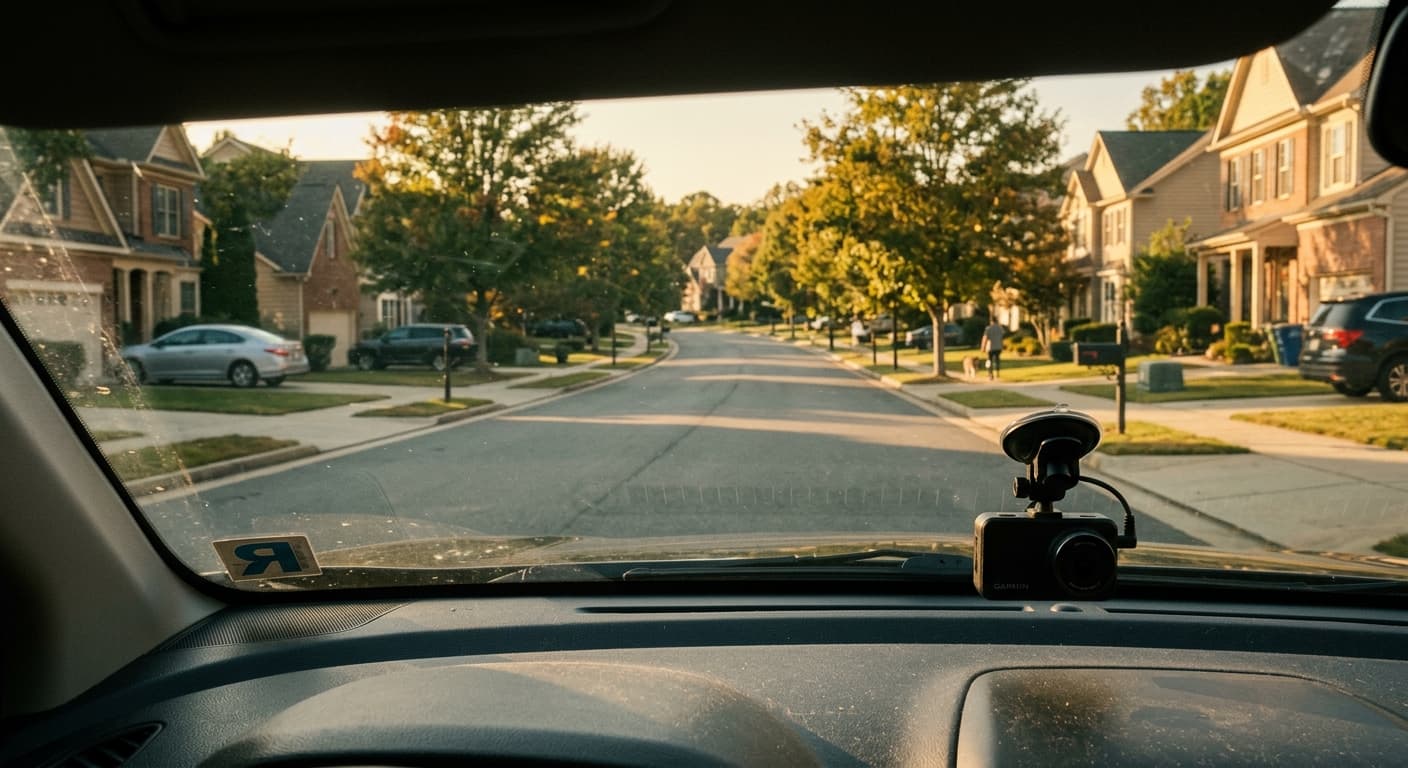
Dashcams are legal in Washington. Silent video of public roads requires no consent, but any dashcam that records in-car audio triggers all-party consent under RCW 9.73.030. Washington also restricts windshield mounting under RCW 46.37.410, so most drivers mount cameras on the dashboard instead.
Dashcams have become increasingly popular among Washington drivers for documenting accidents, road rage incidents, and everyday driving. Washington law permits dashboard cameras, but two important legal considerations apply: windshield obstruction rules that limit where cameras can be mounted, and audio recording consent requirements that restrict what the camera can capture inside the vehicle. Understanding both sets of rules ensures your dashcam operates within the law and produces footage that is admissible in court.
Are Dashcams Legal in Washington?
Yes. Washington does not prohibit the use of dashboard cameras. You may install and operate a dashcam in your personal or commercial vehicle. However, two separate bodies of law regulate different aspects of dashcam use:
- Windshield obstruction laws (RCW 46.37.410) control where you can mount the camera
- Audio recording laws (RCW 9.73.030) control whether the camera can record conversations inside the vehicle
Windshield Mounting Rules
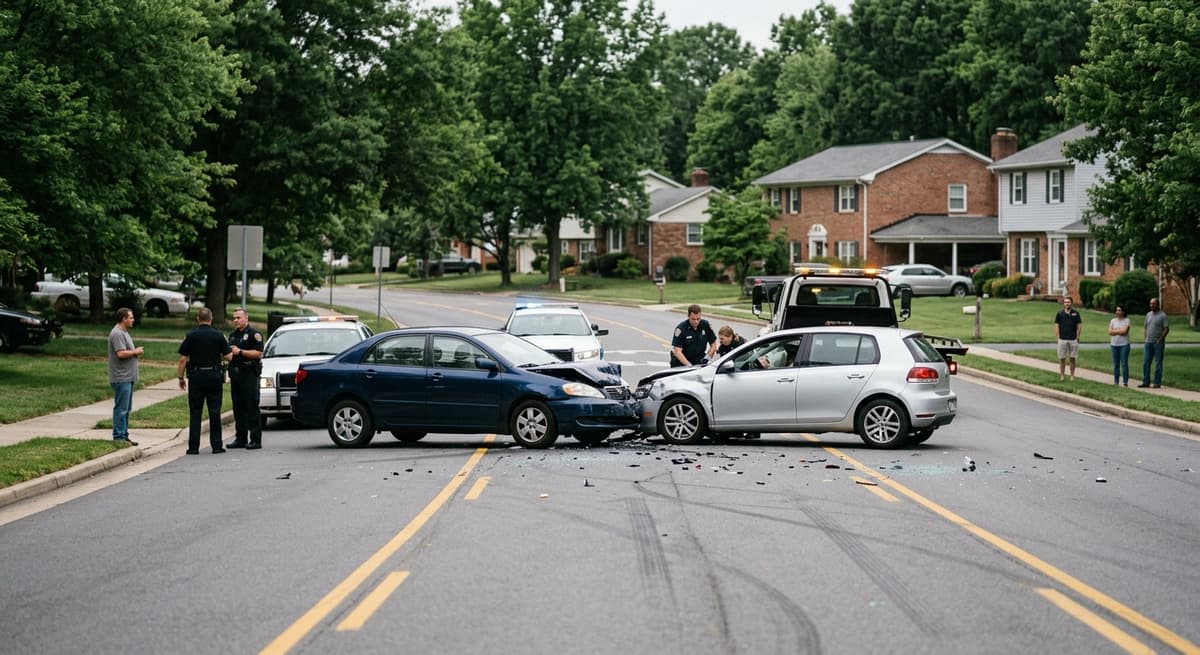
RCW 46.37.410: Windshield Obstruction
Washington's vehicle equipment statute, RCW 46.37.410, restricts what can be placed on a vehicle's windshield. The statute provides that no person shall drive any motor vehicle with any sign, poster, or other nontransparent material upon the front windshield, side wings, or side or rear windows of the vehicle that obstructs the driver's clear view of the highway or any intersecting highway.
Practical Mounting Guidelines
While Washington law does not specifically mention dashcams, the obstruction statute means that any camera mounted on the windshield must not obstruct the driver's view. Best practices include:
- Mount behind the rearview mirror: Position the camera directly behind the rearview mirror, where it is least likely to obstruct the driver's view.
- Use a small camera: Choose a compact dashcam that occupies minimal windshield space.
- Dashboard mounting: Mounting the camera on the dashboard rather than the windshield avoids the obstruction issue entirely. Dashboard-mounted cameras comply with the statute regardless of size.
- Avoid the center of the windshield: Never mount a dashcam in the center of the driver's sightline.
Enforcement and Penalties
Driving with an obstructed windshield is a traffic infraction under Washington law. While enforcement is typically at the officer's discretion, having a poorly placed dashcam provides a basis for a traffic stop and citation. The fine for a windshield obstruction violation is typically modest, but it can lead to additional scrutiny of the vehicle.
Audio Recording Rules for Dashcams
The Two-Party Consent Problem
This is where dashcam law gets complicated in Washington. Many dashcams come with built-in microphones that record audio inside the vehicle. Under RCW 9.73.030, recording any private conversation without the consent of all parties is illegal.
When your dashcam records audio of conversations with passengers, you are potentially capturing private communications subject to the all-party consent requirement. This means:
- Driving alone: No consent issue. You are the only party to any conversation.
- Driving with passengers who know about the dashcam: If you inform passengers that the dashcam records audio and they remain in the vehicle, this likely constitutes implied consent.
- Driving with passengers who do not know about the dashcam: Recording their private conversations without disclosure violates RCW 9.73.030.
Solutions for Audio Compliance
There are several ways to comply with the audio recording requirement:
Option 1: Disable audio recording. Most dashcams allow you to turn off the microphone in the settings menu. This eliminates the consent requirement entirely. Silent video of the road ahead does not require consent.
Option 2: Post a visible notice. Place a clearly visible sticker or sign in your vehicle stating: "Audio and video recording in progress." Passengers who see the notice and remain in the vehicle have arguably given implied consent by continuing the conversation.
Option 3: Verbal announcement. Inform passengers verbally each time they enter the vehicle that the dashcam records audio. This is the most reliable method but the least practical for rideshare drivers or others who regularly carry different passengers.
Rideshare and Taxi Drivers
Rideshare drivers (Uber, Lyft) and taxi drivers in Washington face particular challenges with dashcam audio:
- Frequent new passengers: Each new passenger is a new party who must be informed about audio recording.
- Visible signage: The most practical solution is a prominent sign visible to all passengers, such as: "For safety purposes, this vehicle is equipped with audio and video recording."
- App-based disclosure: Rideshare platforms may include recording disclosures in their terms of service, but relying solely on this without a visible notice in the vehicle may not satisfy RCW 9.73.030.
- Washington Utilities and Transportation Commission rules: For regulated taxi services, additional rules may apply.
Dashcam Footage as Evidence
When Dashcam Footage Is Admissible
Dashcam footage is generally admissible as evidence in Washington courts if:
- The footage was obtained legally (no consent violations for audio)
- The footage is relevant to the case
- The footage has not been altered or tampered with
- The footage is authenticated (you can verify it came from your camera and the date/time are accurate)
When Dashcam Footage May Be Excluded
Footage may be excluded from court proceedings if:
- Audio was recorded without consent: Under RCW 9.73.050, any information obtained in violation of the Privacy Act is inadmissible. If your dashcam recorded private conversations without consent, the entire recording (including the video portion) may be challenged.
- Chain of custody issues: If the footage has been edited, the original data has been corrupted, or there are gaps in the recording timeline.
- Irrelevant or prejudicial content: Courts may exclude footage that is more prejudicial than probative.
Using Dashcam Footage After an Accident
After a traffic accident, dashcam footage can be valuable evidence for:
- Insurance claims: Dashcam footage showing the other driver's fault can support your claim. Most insurance companies accept dashcam footage.
- Personal injury lawsuits: Footage demonstrating how the accident occurred can be powerful evidence.
- Traffic citations: Footage showing that you were following traffic laws can help contest a citation.
- Hit-and-run identification: Footage may capture the other vehicle's license plate.
Providing Footage to Law Enforcement
If your dashcam captures evidence of a crime (hit and run, road rage, DUI), you can voluntarily provide the footage to law enforcement. Key considerations:
- You are not required to provide footage, but cooperation can be helpful
- Make a copy of the footage before providing it to police
- The footage becomes part of the police case file
- If subpoenaed, you must produce the footage
Commercial Vehicle Dashcams
Employer-Installed Dashcams
Washington employers who install dashcams in commercial vehicles must navigate both the Privacy Act and employment law:
- Audio recording: If the dashcam records audio of conversations between the driver and passengers or coworkers, the employer must notify all parties. Under RCW 9.73.030, the all-party consent requirement applies.
- Employee notification: Employers should inform drivers in writing that their vehicles are equipped with dashcams and whether the cameras record audio.
- Employee handbook: Include dashcam policies in the employee handbook and have drivers acknowledge the policy in writing.
- Privacy considerations: Cameras should not be aimed inside the cab in a way that captures private activities during breaks or rest periods.
Fleet Management Cameras
Many fleet management systems include forward-facing and driver-facing cameras. For Washington-based fleet operations:
- Forward-facing cameras recording the road are generally unproblematic
- Driver-facing cameras raise privacy concerns, especially during mandated rest breaks
- Audio recording in the cab requires disclosure and consent
- GPS tracking combined with camera data should be disclosed in employment agreements
Dashcam Best Practices for Washington
Setup
- Mount the camera on the dashboard or behind the rearview mirror to avoid windshield obstruction
- Disable audio recording unless you have a system in place to obtain consent
- Set the camera to loop recording so it continuously overwrites old footage and always captures the most recent events
- Enable date and time stamps on the footage for authentication purposes
- Use a dashcam with GPS capabilities that records speed and location data
After an Incident
- Do not remove or turn off the dashcam after an accident. The footage from the moments after a collision can be just as important as the collision itself.
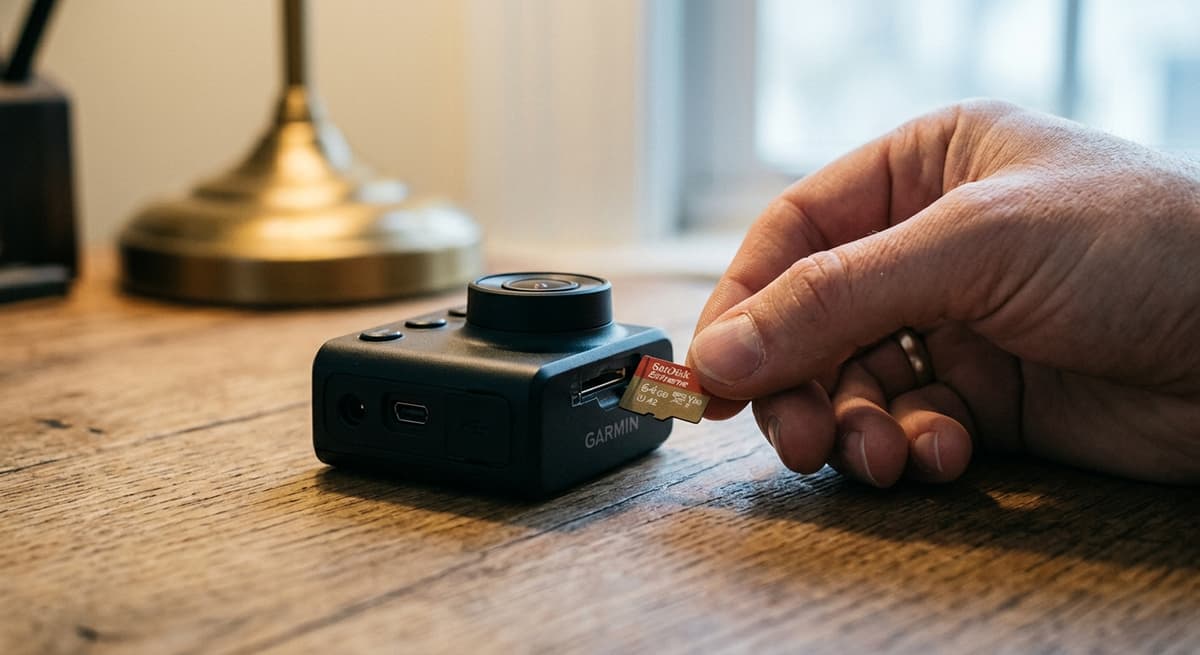
- Save the footage immediately. Most dashcams can lock a file to prevent overwriting. Press the save button or remove the memory card after an incident.
- Make a backup copy before providing footage to anyone.
- Note the file name, date, and time of the relevant footage.
Maintenance
- Regularly check that the camera is functioning properly
- Clean the lens to ensure clear footage
- Update firmware when updates are available
- Replace memory cards periodically, as SD cards can degrade with constant use
- Check mounting stability, especially in extreme temperatures
More Washington Recording Laws
Audio Recording | Video Recording | Voyeurism & Hidden Cameras | Workplace Recording | Recording Police | Phone Call Recording | Security Cameras | Recording in Public | Landlord-Tenant | Dashcam Laws | Schools | Medical Recording
Back to Washington Recording Laws
More Washington Recording Topics
More Washington Laws
Frequently Asked Questions
Are dashcams legal in Washington state?
Yes, dashcams are legal in Washington. However, you must mount the camera in a way that does not obstruct your view of the road, as required by RCW 46.37.410. If your dashcam records audio of conversations inside the vehicle, you must comply with Washington's all-party consent law (RCW 9.73.030) by disabling audio or informing all passengers.
Can I mount a dashcam on my windshield in Washington?
Washington's windshield obstruction law (RCW 46.37.410) prohibits nontransparent materials that obstruct the driver's view. You can mount a small dashcam behind the rearview mirror where it does not block your sightline. For guaranteed compliance, mount the camera on the dashboard instead of the windshield.
Do I need to tell passengers about my dashcam in Washington?
If your dashcam records audio, yes. Washington's all-party consent law requires that all parties to a private conversation consent to recording. You can satisfy this by posting a visible sign in your vehicle, making a verbal announcement, or disabling the audio recording feature on your dashcam. Silent video does not require passenger notification.
Can dashcam footage be used as evidence in Washington?
Yes, dashcam footage is generally admissible in Washington courts if it was obtained legally and has not been altered. However, if the footage includes audio recorded without consent, it may be challenged under RCW 9.73.050, which makes illegally obtained recordings inadmissible. Footage should include accurate date and time stamps for authentication.
Can my employer require a dashcam in my work vehicle in Washington?
Yes, employers can install dashcams in company vehicles. However, if the camera records audio, the employer must notify drivers and comply with the all-party consent requirement under RCW 9.73.030. Employers should include dashcam policies in employee handbooks and have drivers acknowledge the policy in writing.
Updates
Independently fact-checked against the cited primary sources; governing law re-checked for recent changes
Governing law re-checked for recent changes
Reviewed and approved by an editor
The Law Behind This Article
This article rests on the statutory provisions below, held in our own legal record and retrieved from the official source. Tap a section to read the operative text.
Revised Code of Washington
§ 9.73.030Intercepting, recording, or divulging private communication—Consent required—Exceptions.In forcecited in 41 of our articles
(1) Except as otherwise provided in this chapter, it shall be unlawful for any individual, partnership, corporation, association, or the state of Washington, its agencies, and political subdivisions to intercept, or record any: (a) Private communication transmitted by telephone, telegraph, radio, or other device between two or more individuals between points within or without the state by any device electronic or otherwise designed to record and/or transmit said communication regardless how such device is powered or actuated, without first obtaining the consent of all the participants in the communication; (b) Private conversation, by any device electronic or otherwise designed to record or transmit such conversation regardless how the device is powered or actuated without first obtaining the consent of all the persons engaged in the conversation.
Official text (excerpt) · last checked 2026-08-31 · Read the full text in our law library · Verify at app.leg.wa.gov
Cited in 221 court opinions in our collectionLatest citing opinion in our collection: 2026
In the courts (editorial summary, independently checked):Washington courts have policed what counts as a private communication under Sec. 9.73.030: State v. Gunwall (1986) concluded a pen register intercept comes within a private communication transmitted by telephone, while State v. Riley (1993) held a line trap that reveals only the calling number does not record one.
Opinions citing this section in our collection:
- State v. Salinas (Washington Supreme Court 1992, 119 Wash. 2d 192)“…alties for divulging a telegram or opening a sealed letter. RCW 9.73.030-.070, making it unlawful to intercept,…”
- State v. Gunwall (Washington Supreme Court 1986, 106 Wash. 2d 54)✓Everett police pulled a suspected cocaine dealer's toll records and put a pen register on her line without valid legal process; the court held a pen register intercept is a private communication transmitted by telephone, installable only under the eavesdropping statutes.
- State v. Brown (Washington Supreme Court 1997, 132 Wash. 2d 529)✓Palm Springs officers secretly recorded a Washington murder suspect's statements after his arrest; the court treated RCW 9.73.090, not 9.73.030, as the provision reaching recordings of arrested persons, and held the Privacy Act did not require suppressing that recording.
Identified automatically from the court opinions citing this section — not a ranking of which case controls.
Also relied on in: US Recording Laws by State (2026): All 50 States Explained, Washington Recording Laws (2026): All-Party Consent Rules, Federal Wiretap Act and ECPA: The Complete Guide (2026)
§ 46.37.410Windshields required, exception—Must be unobstructed and equipped with wipers.In forcecited in 2 of our articles
(1) All motor vehicles operated on the public highways of this state shall be equipped with a front windshield manufactured of safety glazing materials for use in motor vehicles in accordance with RCW 46.37.430, except, however, on such vehicles not so equipped or where windshields are not in use, the operators of such vehicles shall wear glasses, goggles, or face shields pursuant to RCW 46.37.530(1)(b). (2) No person shall drive any motor vehicle with any sign, poster, or other nontransparent material upon the front windshield, side wings, or side or rear windows of such vehicle which obstructs the driver's clear view of the highway or any intersecting highway. (3) The windshield on every motor vehicle shall be equipped with a device for cleaning rain, snow, or other moisture from the windshield, which device shall be so constructed as to be controlled or operated by the driver of the vehicle.
Official text (excerpt) · last checked 2026-09-08 · Read the full text in our law library · Verify at app.leg.wa.gov
Cited in 3 court opinions in our collectionLatest citing opinion in our collection: 2019
Opinions citing this section in our collection:
- State v. Wayman-Burks (Court of Appeals of Washington 2002, 114 Wash. App. 109)“…windshield was not an obstruction upon the windshield under RCW 46.37.410, she moved to suppress the evidence bec…”
- State v. Byrd (Court of Appeals of Washington 2002, 110 Wash. App. 259)“…Wash. App. 608, 610-11 , 949 P.2d 845 (1998). [11] RCW 46.37.410(2); Seattle Municipal Code 11.84.140.…”
- State Of Washington v. Carmen Rose Lee (Court of Appeals of Washington 2019, 435 P.3d 847)“…inoperative brake light, in violation of RCW 46.37.070 and RCW 46.37.410. Detectives lawfully checked Peterson's…”
Identified automatically from the court opinions citing this section — not a ranking of which case controls.
Also relied on in: Washington Windshield Mounting Laws (2026 Guide)
§ 9.73.050Admissibility of intercepted communication in evidence.In forcecited in 11 of our articles
Any information obtained in violation of RCW 9.73.030 or pursuant to any order issued under the provisions of RCW 9.73.040 shall be inadmissible in any civil or criminal case in all courts of general or limited jurisdiction in this state, except with the permission of the person whose rights have been violated in an action brought for damages under the provisions of RCW 9.73.030 through 9.73.080, or in a criminal action in which the defendant is charged with a crime, the commission of which would jeopardize national security.
Official text (excerpt) · last checked 2026-07-29 · Read the full text in our law library · Verify at app.leg.wa.gov
Cited in 116 court opinions in our collectionLatest citing opinion in our collection: 2025
Opinions citing this section in our collection:
- State v. Wanrow (Washington Supreme Court 1977, 88 Wash. 2d 221)“…epartment of an emergency telephone call, on the basis that RCW 9.73.050 and RCW 9.73.090 which authorize the re…”
- State v. Rupe (Washington Supreme Court 1984, 101 Wash. 2d 664)“…find that this statement violated the terms of the statute. RCW 9.73.050 provides that information obtained in v…”
- State v. Fjermestad (Washington Supreme Court 1990, 114 Wash. 2d 828)“…At the time RCW 9.73.040 was enacted, the Legislature added RCW 9.73.050 4 which deals with admissibility of *…”
Identified automatically from the court opinions citing this section — not a ranking of which case controls.
Also relied on in: Washington Audio Recording Laws: Two-Party Consent Rules and Penalties (2026), Washington Medical Recording Laws: Recording Doctors, Hospitals, and Telehealth (2026), Washington Phone Call Recording Laws: Consent Rules and Exceptions (2026)
§ 9.73.060Violating right of privacy—Civil action—Liability for damages.In forcecited in 14 of our articles
Any person who, directly or by means of a detective agency or any other agent, violates the provisions of this chapter shall be subject to legal action for damages, to be brought by any other person claiming that a violation of this statute has injured his or her business, his or her person, or his or her reputation. A person so injured shall be entitled to actual damages, including mental pain and suffering endured by him or her on account of violation of the provisions of this chapter, or liquidated damages computed at the rate of one hundred dollars a day for each day of violation, not to exceed one thousand dollars, and a reasonable attorney's fee and other costs of litigation.
Official text (excerpt) · last checked 2026-07-29 · Read the full text in our law library · Verify at app.leg.wa.gov
Cited in 36 court opinions in our collectionLatest citing opinion in our collection: 2025
In the courts (editorial summary, independently checked):Washington courts read RCW 9.73.060 as supplying civil damages only for conduct chapter 9.73 prohibits. Kearney v. Kearney (1999) held RCW 9.73.050 creates no civil liability for filing illegally recorded material. Dillon v. Seattle Deposition Reporters, LLC (2014) reversed summary judgment on secretly transcribed calls.
Opinions citing this section in our collection:
- State v. Wanrow (Washington Supreme Court 1977, 88 Wash. 2d 221)“…case under RCW 9.73.050; there is no civil liability under RCW 9.73.060; and, there is no criminal liability un…”
- Kearney v. Kearney (Court of Appeals of Washington 1999, 95 Wash. App. 405)✓A father sued a guardian ad litem, an evaluator and an attorney under RCW 9.73.060 for filing transcripts of calls with his children that his estranged wife taped; the court held the act creates liability only for recording or intercepting, not filing, and affirmed dismissal.
- Dillon v. Seattle Deposition Reporters, LLC (Court of Appeals of Washington 2014, 179 Wash. App. 41)“…act is a gross misdemeanor and is also actionable in tort. RCW 9.73.060, .080. “We engage in a four-pronged ana…”
Identified automatically from the court opinions citing this section — not a ranking of which case controls.
Also relied on in: Washington Landlord-Tenant Recording and Surveillance Laws (2026), Washington Laws on Recording in Public: What Is Legal and What Is Not (2026), Washington Video Recording Laws: Filming, Surveillance, and Consent Rules (2026)
§ 9.73.080Penalties.In forcecited in 16 of our articles
(1) Except as otherwise provided in this chapter, any person who violates RCW 9.73.030 is guilty of a gross misdemeanor. (2) Any person who knowingly alters, erases, or wrongfully discloses any recording in violation of RCW 9.73.090(1)(c) is guilty of a gross misdemeanor.
Official text (excerpt) · last checked 2026-07-29 · Read the full text in our law library · Verify at app.leg.wa.gov
Cited in 13 court opinions in our collectionLatest citing opinion in our collection: 2023
Opinions citing this section in our collection:
- State v. Wanrow (Washington Supreme Court 1977, 88 Wash. 2d 221)“…9.73.090, which opens with a waiver of RCW 9.73.030 through RCW 9.73.080, [9] i.e., the recording is not unlaw…”
- State v. Williams (Washington Supreme Court 1980, 94 Wash. 2d 531)✓ATF agents recorded a suspect's conversations with an informant and undercover agents with only one party's consent. The court assumed without deciding that the RCW 9.73.080 criminal penalty may not reach federal agents, but held the tapes were still inadmissible in state court.
- State v. Clark (Washington Supreme Court 2007, 916 P.2d 384)“…Violation of RCW 9.73.030 constitutes a gross misdemeanor, RCW 9.73.080, and may also result in civil liability…”
Identified automatically from the court opinions citing this section — not a ranking of which case controls.
Also relied on in: Washington Security Camera Laws: Rules for Home and Business Surveillance (2026), Washington Workplace Recording Laws: Employee Rights and Employer Rules (2026), Washington Smart Glasses Recording Laws (2026)
Search our full record of US law — 2.1 million sections, every state + federal →
Sources and References
- RCW 46.37.410 - Windshield Obstruction(app.leg.wa.gov).gov
- RCW 9.73.030 - Intercepting, Recording, or Divulging Private Communications(app.leg.wa.gov).gov
- RCW 9.73.050 - Admissibility of Intercepted Communications(app.leg.wa.gov).gov
- RCW 9.73.080 - Criminal Penalties(app.leg.wa.gov).gov
- RCW 9.73.060 - Civil Damages for Privacy Violations(app.leg.wa.gov).gov
- Washington State Legislature - Title 46 Motor Vehicles(app.leg.wa.gov).gov