
Arizona
¿Cuánto Dura una Cadena Perpetua en Arizona? (Guía 2026)
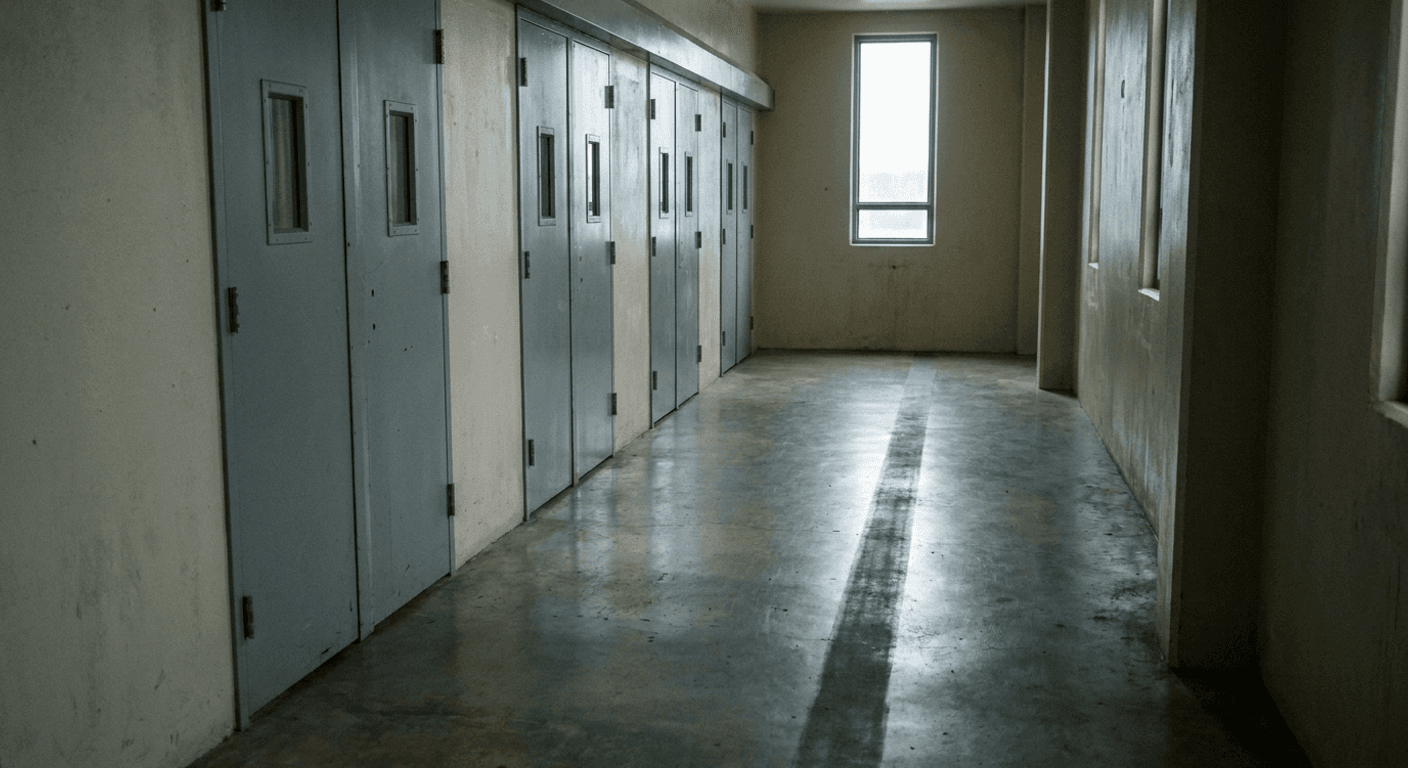
En Arizona, un adulto condenado por homicidio en primer grado premeditado bajo A.R.S. § 13-1105(A)(1), o por matar a un oficial de la ley bajo § 13-1105(A)(3), que no es sentenciado a muerte debe recibir cadena perpetua natural, una cadena perpetua sin posibilidad de salida en libertad. Una sentencia de "cadena perpetua" con elegibilidad para salida en libertad (salida después de 25 años, o 35 años si la víctima era menor de 15 años o un no nacido) solo está disponible para homicidio por delito grave bajo § 13-1105(A)(2) o para un acusado que era menor de 18 años al momento del delito. Para los adultos, esa salida en libertad no es libertad condicional, porque Arizona abolió la libertad condicional para los delitos cometidos el 1 de enero de 1994 o después; para los menores de edad, A.R.S. § 13-716 los hace elegibles para libertad condicional después de cumplir el término mínimo. Una cadena perpetua natural se cumple hasta la muerte.
Este artículo fue revisado y actualizado por última vez el 17 de marzo de 2026. Todos los estatutos, la jurisprudencia y los datos de sentencia han sido verificados con fuentes gubernamentales actuales de Arizona.
En Arizona, una cadena perpetua no siempre significa lo mismo. El estado establece una distinción clara entre una sentencia estándar de "cadena perpetua" (que conlleva elegibilidad para salida en libertad después de 25 a 35 años, no libertad condicional) y una sentencia de "cadena perpetua natural", que significa que la persona pasará el resto de su vida natural en prisión sin posibilidad de salida en libertad.
Esta distinción es fundamental en el sistema de justicia penal de Arizona. Las condenas por homicidio en primer grado pueden resultar en una cadena perpetua con eventual elegibilidad para salida en libertad, una cadena perpetua natural sin salida, o la pena de muerte. Qué opciones están disponibles depende del tipo de homicidio en primer grado, la edad del acusado y si la fiscalía busca la pena de muerte: bajo A.R.S. § 13-752(A), un adulto condenado por homicidio premeditado o por matar a un oficial de la ley que no es sentenciado a muerte debe recibir cadena perpetua natural, mientras que el tribunal elige entre cadena perpetua y cadena perpetua natural para el homicidio por delito grave y para los acusados menores de 18 años.
Arizona encarcela a más de 33,000 personas en su sistema penitenciario estatal. Entre ellas, un número significativo cumple cadena perpetua o cadena perpetua natural por homicidio en primer grado y otros delitos graves.
Estatutos de Cadena Perpetua en Arizona
El código penal de Arizona define el homicidio y sus penas en varios estatutos clave.
Homicidio en Primer Grado (A.R.S. § 13-1105): Una persona comete homicidio en primer grado al causar la muerte de otra persona con premeditación, o al causar la muerte durante la comisión de ciertos delitos graves (homicidio por delito grave). El homicidio en primer grado es un delito grave Clase 1, la clasificación más seria en la ley de Arizona. Las posibles sentencias son pena de muerte, cadena perpetua natural, o cadena perpetua con elegibilidad para salida en libertad después de 25 años, pero no todas las opciones están disponibles en todos los casos. Para un adulto condenado por homicidio premeditado (§ 13-1105(A)(1)) o por matar a un oficial de la ley (§ 13-1105(A)(3)), las únicas sentencias son pena de muerte o cadena perpetua natural (A.R.S. § 13-752). La cadena perpetua con elegibilidad para salida en libertad aplica al homicidio por delito grave (§ 13-1105(A)(2)) y a los acusados que eran menores de 18 años.
Cuando se impone una cadena perpetua y la víctima era menor de 15 años o un no nacido, la elegibilidad para salida en libertad llega después de 35 años en lugar de 25.
Homicidio en Segundo Grado (A.R.S. § 13-1104): Una persona comete homicidio en segundo grado al causar intencionalmente la muerte de otra persona sin premeditación, o al realizar una conducta que la persona sabe que causará la muerte o lesiones físicas graves. El homicidio en segundo grado es un delito grave Clase 1, pero conlleva sentencias considerablemente más cortas que el homicidio en primer grado.
Sentencia por Homicidio en Segundo Grado (A.R.S. § 13-710): El rango de sentencia para el homicidio en segundo grado es de 10 a 25 años, con un término presuntivo de 16 años. No es una cadena perpetua, aunque las sentencias consecutivas por múltiples cargos pueden resultar en periodos de prisión extremadamente largos.
Homicidio Involuntario (A.R.S. § 13-1103): Un delito grave Clase 2 que conlleva un término presuntivo de 5 años, con un rango de 3 a 12.5 años.
Elegibilidad para Salida en Libertad (No Libertad Condicional)
El sistema de libertad condicional de Arizona ha cambiado drásticamente a lo largo de las décadas. Comprender la elegibilidad actual para salida en libertad requiere saber cuándo se cometió el delito, y si el caso es anterior a la abolición de la libertad condicional en 1994.

Cadena perpetua (homicidio en primer grado): Elegibilidad para salida en libertad después de cumplir 25 años calendario según A.R.S. § 13-751. Para un adulto esto no es libertad condicional, ya que Arizona abolió la libertad condicional para los delitos cometidos el 1 de enero de 1994 o después. Una cadena perpetua (en lugar de cadena perpetua natural) solo está disponible para el homicidio por delito grave o para un acusado que era menor de 18 años al momento del delito.
Cadena perpetua (víctima menor de 15 años o un no nacido): Elegibilidad para salida en libertad después de cumplir 35 años calendario.
Menores de edad: Bajo A.R.S. § 13-716, una persona que cumple una cadena perpetua con elegibilidad para salida en libertad por un delito cometido antes de los 18 años es elegible para libertad condicional después de completar el término mínimo, sin importar si el delito se cometió el 1 de enero de 1994 o después. Si se concede, la libertad condicional dura el resto de la vida de la persona.
Cadena perpetua natural: Sin posibilidad de salida en libertad. Bajo A.R.S. § 13-751(A), una persona sentenciada a cadena perpetua natural no es elegible para conmutación, libertad condicional, permiso de trabajo (work furlough), salida laboral (work release) ni salida de la reclusión bajo ninguna base.
Arizona Board of Executive Clemency
La Arizona Board of Executive Clemency administra las audiencias de salida en libertad para los reclusos elegibles con cadena perpetua (y, para el grupo cada vez más reducido de delitos anteriores a 1994, verdaderas audiencias de libertad condicional). La junta de cinco miembros, designada por el gobernador, tiene la autoridad para conceder o negar la salida en libertad, establecer condiciones de salida y revocar el estatus de salida en libertad por violaciones.
Para los reclusos con cadena perpetua que alcanzan su fecha de elegibilidad para salida en libertad, la junta lleva a cabo una audiencia que considera la naturaleza y las circunstancias del delito, el comportamiento institucional del recluso, los resultados de la evaluación de riesgo, las declaraciones de impacto de las víctimas y el plan de salida propuesto.
Arizona abolió la libertad condicional para los delitos cometidos el 1 de enero de 1994 o después, bajo reformas de "verdad en la sentencia" (truth in sentencing) (A.R.S. § 41-1604.09 rige el grupo restante de delitos anteriores a 1994 elegibles para libertad condicional). Para los reclusos adultos, las cadenas perpetuas por homicidio en primer grado no son una excepción a esa abolición: en cambio, se vuelven elegibles para salida en libertad, no libertad condicional, después del mínimo obligatorio de 25 o 35 años, según A.R.S. § 13-751. Los acusados que eran menores de 18 años son la excepción estatutaria, ya que A.R.S. § 13-716 los hace elegibles para libertad condicional después de cumplir el término mínimo.
Si la junta niega la salida en libertad, el recluso puede solicitar otra audiencia, aunque las fechas de audiencias posteriores pueden fijarse con años de diferencia.
Cadena Perpetua Natural vs. Cadena Perpetua
Esta es la distinción más importante en el marco de sentencia de Arizona, y a menudo se malinterpreta.

Una sentencia de "cadena perpetua" en Arizona significa que la persona cumplirá un mínimo de 25 años (o 35 años si la víctima era menor de 15 años) antes de ser elegible para una audiencia de salida en libertad ante la Board of Executive Clemency. Para un adulto esto no es una audiencia de libertad condicional, ya que Arizona abolió la libertad condicional para los delitos cometidos el 1 de enero de 1994 o después; una persona que era menor de 18 años al momento del delito es elegible para libertad condicional bajo A.R.S. § 13-716. Si se concede la salida en libertad, la persona es liberada bajo supervisión. Si se niega, permanece en prisión y puede solicitarla nuevamente en una fecha futura.
Una sentencia de "cadena perpetua natural" significa que la persona nunca será elegible para libertad condicional, conmutación de sentencia o salida de la reclusión bajo ninguna base (A.R.S. § 13-751(A)). La ley de Arizona establece explícitamente que una cadena perpetua natural se cumple hasta que la persona muere en prisión. Es funcionalmente idéntica a la cadena perpetua sin libertad condicional (LWOP) en otros estados.
La cadena perpetua natural no es una mejora poco común en Arizona. Bajo A.R.S. § 13-752(A), es la sentencia obligatoria siempre que un adulto sea condenado por homicidio en primer grado premeditado o por matar a un oficial de la ley y no sea sentenciado a muerte, incluidos los casos en que la fiscalía nunca buscó la pena de muerte. Para el homicidio por delito grave, y para cualquier acusado que fuera menor de 18 años, el tribunal decide entre cadena perpetua y cadena perpetua natural después de sopesar las circunstancias agravantes y atenuantes.
La distinción importa enormemente: una persona sentenciada a "cadena perpetua" tiene un camino realista hacia una eventual salida en libertad tras décadas. Una persona sentenciada a "cadena perpetua natural" prácticamente no tiene ningún camino hacia la libertad.
Homicidio Capital y la Pena de Muerte
Arizona mantiene la pena de muerte y sigue siendo un estado activo en cuanto al castigo capital. El estado reanudó las ejecuciones en 2022 tras una pausa de ocho años que comenzó después de la prolongada ejecución de Joseph Wood en julio de 2014, que tomó casi dos horas.
Factores Agravantes
Bajo A.R.S. § 13-751, la fiscalía debe probar al menos un factor agravante más allá de toda duda razonable para buscar la pena de muerte. Los factores agravantes estatutarios de Arizona incluyen:
- Una condena previa por un delito para el cual era posible una sentencia de cadena perpetua o pena de muerte bajo la ley de Arizona
- Una condena previa por un delito grave serio
- Homicidio cometido por pago, o procurado mediante pago, de cualquier cosa de valor pecuniario
- Homicidio cometido de manera especialmente atroz, cruel o depravada
- Homicidio cometido mientras el acusado estaba bajo custodia de, o en libertad tras salir de, el Departamento de Correccionales, una agencia de la ley o una cárcel, o mientras estaba en libertad condicional (probation) por un delito grave
- Condena por uno o más homicidios adicionales cometidos durante el delito
- El acusado era adulto (o fue juzgado como adulto) y la víctima era menor de 15 años, un no nacido, o tenía 70 años o más
- La víctima era un oficial de la ley en servicio activo asesinado mientras desempeñaba funciones oficiales, y el acusado sabía o debería haber sabido que la víctima era un oficial de la ley
- Homicidio cometido para promover o asistir a una pandilla callejera criminal o un sindicato criminal, o para unirse a uno
- Homicidio cometido para impedir la cooperación de una persona con las fuerzas del orden o su testimonio en un tribunal, o en represalia por ello
Procedimiento de la Pena de Muerte Tras Ring v. Arizona
En el caso histórico Ring v. Arizona (2002), la Corte Suprema de Estados Unidos determinó que la práctica de Arizona de permitir que un juez, por sí solo, determinara los factores agravantes necesarios para una sentencia de muerte violaba el derecho de la Sexta Enmienda a un juicio con jurado. La Corte dictaminó que, dado que los factores agravantes efectivamente aumentan el castigo máximo de cadena perpetua a pena de muerte, funcionan como elementos del delito y deben ser determinados por un jurado más allá de toda duda razonable.
Esta decisión reformó los procedimientos de sentencia capital a nivel nacional y llevó a Arizona a reestructurar su proceso de pena de muerte. Hoy en día, un jurado debe encontrar unánimemente al menos un factor agravante antes de que se pueda imponer una sentencia de muerte. Si el jurado de la fase de sentencia no puede llegar a un veredicto, se convoca un nuevo jurado; si el segundo jurado tampoco puede llegar a un veredicto unánime, el tribunal impone cadena perpetua o cadena perpetua natural (A.R.S. § 13-752(K)). Para un adulto condenado por homicidio premeditado o por matar a un oficial de la ley, § 13-752(A) hace que la cadena perpetua natural sea la sentencia requerida siempre que no se imponga la pena de muerte.
Ejecuciones Recientes
Arizona reanudó la ejecución de sentencias de muerte en 2022, la primera desde 2014. Para conocer la lista actual de ejecuciones, consulte el Arizona Department of Corrections, Rehabilitation and Reentry.
Hasta principios de 2026, Arizona tiene más de 100 reclusos en el corredor de la muerte en el Arizona State Prison Complex en Florence.
Casos Destacados de Cadena Perpetua en Arizona
Jodi Arias: Cadena Perpetua Natural por Homicidio Premeditado (2015)

Jodi Arias fue condenada por homicidio premeditado en primer grado por el asesinato en 2008 de Travis Alexander en Mesa, Arizona. El caso atrajo una intensa cobertura mediática nacional. Después de que el primer jurado no llegara a un acuerdo sobre la sentencia, un segundo jurado tampoco pudo llegar a una decisión unánime sobre la pena de muerte. Bajo la ley de Arizona, el juez entonces sentenció a Arias a cadena perpetua natural sin posibilidad de libertad condicional. Está encarcelada en el Arizona State Prison Complex en Perryville.
Lori Vallow Daybell: Cadena Perpetua Sin Libertad Condicional Consecutiva (2023)
En 2023, Lori Vallow Daybell fue condenada en Idaho por los homicidios de sus dos hijos, Joshua "JJ" Vallow, de 7 años, y Tylee Ryan, de 16 años. Recibió sentencias consecutivas de cadena perpetua sin libertad condicional. Aunque su juicio se llevó a cabo en Idaho, el caso tuvo profundas conexiones con Arizona: los niños desaparecieron de su casa en Chandler, Arizona, y varias muertes relacionadas ocurrieron en Arizona. El caso también llevó a cargos contra su esposo, Chad Daybell, quien fue condenado y sentenciado a muerte en Idaho en 2024.
Lynch v. Arizona: Fallo de la Corte Suprema sobre Instrucciones al Jurado (2016)
En Lynch v. Arizona (2016), la Corte Suprema de Estados Unidos revocó la confirmación de una sentencia de muerte por parte de la Corte Suprema de Arizona, determinando que, conforme a Simmons, el debido proceso le daba a Lynch el derecho a informar al jurado que era inelegible para la libertad condicional. La Corte determinó que, cuando la peligrosidad futura está en cuestión, el acusado tiene derecho a informar al jurado que es inelegible para la libertad condicional. Esta decisión reforzó el principio establecido en Simmons v. South Carolina (1994) y afectó directamente la forma en que los tribunales de Arizona instruyen a los jurados en casos de sentencia capital.
Ring v. Arizona: Decisión Histórica sobre Derechos del Jurado (2002)
Timothy Ring fue condenado por homicidio por delito grave durante un robo a un camión blindado. El juez del juicio, actuando solo, encontró dos factores agravantes, pago pecuniario y una manera especialmente atroz, cruel o depravada, y sentenció a Ring a muerte; la Corte Suprema de Arizona sostuvo después que la evidencia era insuficiente para respaldar el factor de depravación, pero confirmó el hallazgo de pago pecuniario. La Corte Suprema anuló este procedimiento, determinando que un jurado debe encontrar los factores agravantes. La decisión afectó los procedimientos de pena de muerte en varios estados, y el voto disidente de la jueza O'Connor predijo que los reclusos del corredor de la muerte en esos estados impugnarían sus sentencias.
Cambios Legislativos Recientes
| Año | Cambio |
|---|---|
| 2022 | Arizona reanudó las ejecuciones tras una pausa de ocho años |
| 2021 | El fiscal general Mark Brnovich impulsó el reinicio de las ejecuciones; obtuvo órdenes de ejecución |
| 2002 | Ring v. Arizona: la Corte Suprema exigió que el jurado determinara los factores agravantes para la pena de muerte |
Los estatutos principales que rigen las sentencias de cadena perpetua y cadena perpetua natural por homicidio en primer grado son A.R.S. §§ 13-751 y 13-752, y la elegibilidad para libertad condicional de los menores de edad que cumplen cadenas perpetuas con elegibilidad para salida en libertad se rige por A.R.S. § 13-716. Consulte el texto actual de esos estatutos en el sitio web de la Legislatura de Arizona para conocer enmiendas posteriores.
Cadenas Perpetuas para Menores de Edad
Arizona no ha prohibido explícitamente por estatuto la cadena perpetua sin libertad condicional para menores (JLWOP). Sin embargo, los fallos de la Corte Suprema de Estados Unidos en Miller v. Alabama (2012) y Montgomery v. Louisiana (2016) prohíben la LWOP obligatoria para menores de edad y requieren que las decisiones se apliquen retroactivamente.
Bajo Miller, un tribunal de sentencia debe considerar la edad de un menor delincuente y sus características asociadas, incluyendo la inmadurez, la vulnerabilidad ante la presión de grupo y la capacidad de rehabilitación, antes de imponer una cadena perpetua. Las sentencias obligatorias de cadena perpetua natural para menores son inconstitucionales.
El fallo de la Corte Suprema en Jones v. Mississippi (2021) aclaró que no se requiere que quien dicta la sentencia haga una determinación separada de "incorregibilidad permanente" antes de imponer la JLWOP. La JLWOP discrecional sigue siendo permitida siempre que el tribunal considere la edad del acusado.
La ley de Arizona también trata a los menores de manera diferente en la sentencia y la salida en libertad. Bajo A.R.S. § 13-752(A), un acusado que era menor de 18 años al momento del delito nunca está sujeto a la cadena perpetua natural obligatoria; el tribunal elige entre cadena perpetua y cadena perpetua natural. Y bajo A.R.S. § 13-716, un menor de edad sentenciado a cadena perpetua con posibilidad de salida en libertad es elegible para libertad condicional después de completar el término mínimo, sin importar si el delito se cometió el 1 de enero de 1994 o después. Si se concede, esa libertad condicional dura el resto de la vida de la persona.
Los tribunales de Arizona han llevado a cabo audiencias de nueva sentencia para menores delincuentes originalmente sentenciados a cadena perpetua natural obligatoria. Algunos han recibido sentencias reducidas, mientras que a otros se les ha reimpuesto la cadena perpetua natural tras audiencias individualizadas.
Arizona procesa a ciertos menores como adultos bajo A.R.S. § 13-501, que requiere el procesamiento automático como adulto para menores de 15 años o más acusados de homicidio en primer grado, entre otros delitos graves.
Contexto Histórico
La historia de justicia penal de Arizona incluye varios acontecimientos significativos que han moldeado la cadena perpetua en el estado.
Moratoria y reanudación de la pena de muerte: Tras la ejecución fallida de Joseph Wood en julio de 2014, durante la cual testigos reportaron que Wood jadeó durante casi dos horas antes de morir, Arizona impuso una moratoria no oficial sobre las ejecuciones. El gobernador Doug Ducey reanudó las ejecuciones en 2022 después de que el estado revisara sus protocolos de inyección letal.
Verdad en la sentencia: Arizona adoptó leyes de "verdad en la sentencia" en la década de 1990 que eliminaron la libertad condicional para los delitos cometidos el 1 de enero de 1994 o después. Para los reclusos adultos, las cadenas perpetuas por homicidio en primer grado no quedaron exentas de esa abolición: en cambio, conllevan un mecanismo distinto de elegibilidad para salida en libertad (25 o 35 años según A.R.S. § 13-751) administrado por la Board of Executive Clemency, que legalmente no es libertad condicional. Los menores de edad que cumplen cadenas perpetuas con elegibilidad para salida en libertad son elegibles para libertad condicional bajo A.R.S. § 13-716.
Impacto nacional de Ring v. Arizona: La decisión de la Corte Suprema de 2002 en Ring v. Arizona afectó la sentencia capital en Arizona y otros cuatro estados (Colorado, Idaho, Montana y Nebraska) que confiaban por completo a los jueces la determinación de los hechos para la sentencia capital. Sigue siendo una de las decisiones de procedimiento penal más significativas del siglo XXI.
Crecimiento de la población carcelaria: La población carcelaria de Arizona creció significativamente desde la década de 1990 hasta la de 2010, impulsada en parte por leyes de sentencia obligatoria, disposiciones de verdad en la sentencia y el enfoque del estado hacia los delitos de drogas. El estado ha enfrentado litigios continuos sobre las condiciones carcelarias, incluyendo el caso Parsons v. Ryan, que abordó la atención médica inadecuada en las prisiones de Arizona.
Cadena Perpetua en Arizona de un Vistazo
| Categoría | Detalles |
|---|---|
| Mínimo para cadena perpetua con salida en libertad (homicidio por delito grave o acusado menor de 18 años; no libertad condicional para adultos) | 25 años (35 años si la víctima era menor de 15 o un no nacido) |
| Homicidio premeditado o de un oficial de la ley por un adulto, sin pena de muerte | Cadena perpetua natural (obligatoria, A.R.S. § 13-752(A)) |
| Menores de edad que cumplen cadena perpetua con elegibilidad para salida en libertad | Elegibles para libertad condicional tras el término mínimo (A.R.S. § 13-716) |
| Cadena perpetua natural (LWOP) disponible | Sí |
| Pena de muerte | Sí (activa, reanudada en 2022) |
| Método de ejecución | Inyección letal (principal) |
| Rango para homicidio en segundo grado | 10 a 25 años, 16 presuntivo |
| Estatuto de sentencia clave | A.R.S. § 13-1105 |
| Estatuto de factores agravantes | A.R.S. § 13-751 |
| JLWOP prohibida | No (discrecional aún permitida) |
| Junta de salida en libertad/clemencia | Board of Executive Clemency (5 miembros) |
| Población del corredor de la muerte | Más de 100 (a principios de 2026) |
Páginas Relacionadas
- ¿Cuánto Dura una Cadena Perpetua? Guía Estado por Estado
- Pautas de Sentencia por Homicidio para Cada Estado
- ¿Qué Es el Homicidio Capital?
Preguntas frecuentes
¿Cuánto dura una cadena perpetua en Arizona?
Depende del tipo de homicidio en primer grado y la edad del acusado. Un adulto condenado por homicidio premeditado o por matar a un oficial de la ley que no es sentenciado a muerte debe recibir cadena perpetua natural, lo que significa que no hay posibilidad de salida en libertad (A.R.S. § 13-752(A)). Para el homicidio por delito grave, o para un acusado menor de 18 años, el tribunal puede en su lugar imponer cadena perpetua con elegibilidad para salida en libertad después de 25 años calendario, o 35 años si la víctima era menor de 15 años o un no nacido (A.R.S. § 13-751). Para los adultos, esa salida en libertad no es libertad condicional, porque Arizona abolió la libertad condicional para los delitos cometidos el 1 de enero de 1994 o después; los menores de edad son elegibles para libertad condicional después del término mínimo bajo A.R.S. § 13-716.
¿Cuál es la diferencia entre «cadena perpetua» y «cadena perpetua natural» en Arizona?
Una sentencia de «cadena perpetua» en Arizona incluye elegibilidad para salida en libertad después de 25 a 35 años. Para los adultos esto no es libertad condicional, la cual Arizona abolió para los delitos cometidos el 1 de enero de 1994 o después, pero los menores de edad son elegibles para libertad condicional bajo A.R.S. § 13-716. Una sentencia de «cadena perpetua natural» significa que la persona nunca será elegible para salida en libertad, conmutación o cualquier forma de salida anticipada; cumplirá la sentencia hasta que muera en prisión. La cadena perpetua natural es el equivalente en Arizona de la cadena perpetua sin libertad condicional (LWOP).
¿Arizona tiene pena de muerte?
Sí. Arizona tiene una pena de muerte activa. El estado reanudó las ejecuciones en 2022 tras una moratoria de ocho años. Arizona tiene más de 100 reclusos en el corredor de la muerte a principios de 2026. Los factores agravantes bajo A.R.S. § 13-751 deben ser determinados por un jurado antes de que se pueda imponer una sentencia de muerte.
¿Cuál es la sentencia por homicidio en segundo grado en Arizona?
El homicidio en segundo grado en Arizona conlleva un rango de sentencia de 10 a 25 años de prisión, con un término presuntivo de 16 años bajo A.R.S. § 13-710. No es una cadena perpetua, aunque las sentencias consecutivas por múltiples cargos pueden resultar en periodos de prisión muy largos.
¿Puede un menor de edad recibir cadena perpetua sin libertad condicional en Arizona?
La JLWOP obligatoria es inconstitucional según el fallo de la Corte Suprema de Estados Unidos en Miller v. Alabama (2012). Arizona no ha prohibido por estatuto la JLWOP discrecional. Un tribunal de sentencia debe considerar la edad y la capacidad de rehabilitación del menor antes de imponer una cadena perpetua natural, pero sigue siendo una opción legalmente disponible tras una audiencia individualizada. Un menor que en cambio recibe una cadena perpetua con elegibilidad para salida en libertad es elegible para libertad condicional después del término mínimo bajo A.R.S. § 13-716.
Actualizaciones
Se corrigieron las descripciones de Ring v. Arizona (los factores agravantes hallados y los estados afectados) y de Lynch v. Arizona (el derecho de inelegibilidad para libertad condicional reconocido por la Corte) para que coincidan con las opiniones judiciales.
Se corrigió cuándo es obligatoria la cadena perpetua natural en Arizona (homicidio premeditado o de un oficial de la ley por un adulto, bajo A.R.S. § 13-752), se agregó la elegibilidad para libertad condicional de los menores de edad bajo A.R.S. § 13-716, se reemplazó la lista de factores agravantes por los factores reales del estatuto, y se eliminaron fechas de ejecuciones no verificadas.
La ley detrás de este artículo
Este artículo se apoya en las disposiciones legales a continuación, conservadas en nuestro propio registro jurídico y obtenidas de la fuente oficial. Toque una sección para leer el texto vigente.
Arizona Revised Statutes, Title 13 (Criminal Code), Chapter 7.1 (CAPITAL SENTENCING)
§ 13-751Sentence of death or life imprisonment; aggravating and mitigating circumstances; definitionVigentecitada en 2 de nuestros artículos
A. If the state has filed a notice of intent to seek the death penalty and the defendant is: 1. Convicted of first degree murder pursuant to section 13-1105, subsection A, paragraph 1 or 3 and was at least eighteen years of age at the time of the commission of the offense, the defendant shall be sentenced to death or imprisonment in the custody of the state department of corrections for natural life as determined and in accordance with the procedures provided in section 13-752. A defendant who is sentenced to natural life is not eligible for commutation, parole, work furlough, work release or release from confinement on any basis. 2. Convicted of first degree murder pursuant to section 13-1105 and was under eighteen years of age at the time of the commission of the offense, the defendant shall be sentenced to imprisonment in the custody of the state department of corrections for life or natural life, as determined and in accordance with the procedures provided in section 13-752. A defendant who is sentenced to natural life is not eligible for commutation, parole, work furlough, work release or release from confinement on any basis.
Texto oficial (extracto) · verificado el 2026-09-23 · Lea el texto completo en nuestra biblioteca legal · Verifique en azleg.gov
Citada en 131 resoluciones judiciales de nuestra colecciónResolución más reciente que la cita en nuestra colección: 2026
Resoluciones que citan esta sección en nuestra colección:
- State of Arizona v. Christopher Mathew Payne (Arizona Supreme Court 2013, 233 Ariz. 484)“…ating factors: especial cruelty, heinousness, or depravity, A.R.S. § 13-751(F)(6); multiple homicides, id. § 13-7…”
- State v. Dann (Arizona Supreme Court 2009, 220 Ariz. 351)“…dered in determining whether to impose a sentence of death. A.R.S. § 13-751.F.6.…”
- State of Arizona v. Mark Goudeau (Arizona Supreme Court 2016, 239 Ariz. 421)“…convicted of a life imprisonment or death-eligible offense, A.R.S. § 13-751(F)(1), of a serious offense, A.R.S. § 1…”
Identificado automáticamente a partir de las opiniones judiciales que citan esta sección; no es un ranking de qué caso prevalece.
§ 13-752Sentences of death, life imprisonment or natural life; imposition; sentencing proceedings; definitionsVigente
A. If the state has filed a notice of intent to seek the death penalty and the defendant is convicted of first degree murder, the trier of fact at the sentencing proceeding shall determine whether to impose a sentence of death in accordance with the procedures provided in this section. If the trier of fact determines that a sentence of death is not appropriate, or if the state has not filed a notice of intent to seek the death penalty, and the defendant is convicted of first degree murder pursuant to section 13-1105, subsection A, paragraph 1 or 3 and was at least eighteen years of age at the time of the commission of the offense, the court shall impose a sentence of natural life. If the defendant was under eighteen years of age at the time of the commission of the offense or if the defendant is convicted of first degree murder pursuant to section 13-1105, subsection A, paragraph 2, the court shall determine whether to impose a sentence of life or natural life. B. Before trial, the prosecution shall notice one or more of the aggravating circumstances under section 13-751, subsection F. C.
Texto oficial (extracto) · verificado el 2026-08-04 · Lea el texto completo en nuestra biblioteca legal · Verifique en azleg.gov
Citada en 70 resoluciones judiciales de nuestra colecciónResolución más reciente que la cita en nuestra colección: 2026
Resoluciones que citan esta sección en nuestra colección:
- State v. Dann (Arizona Supreme Court 2009, 220 Ariz. 351)“…According to A.R.S. § 13-752.L, “the jury impaneled in the aggravat…”
- State of Arizona v. Shawna Forde (Arizona Supreme Court 2014, 233 Ariz. 543)“…with Aggravating Circumstances ¶88 Consistent with A.R.S. § 13-752(P), the jury made its Enmund/Tison find…”
- State v. Prince (Arizona Supreme Court 2011, 226 Ariz. 516)“…ate sentence. ¶5 In accordance with A.R.S. § 13-752(K), a second penalty-phase jury…”
Identificado automáticamente a partir de las opiniones judiciales que citan esta sección; no es un ranking de qué caso prevalece.
Arizona Revised Statutes, Title 13 (Criminal Code), Chapter 11 (HOMICIDE)
§ 13-1105First degree murder; classificationVigente
A. A person commits first degree murder if: 1. Intending or knowing that the person's conduct will cause death, the person causes the death of another person, including an unborn child, with premeditation or, as a result of causing the death of another person with premeditation, causes the death of an unborn child. 2. Acting either alone or with one or more other persons the person commits or attempts to commit sexual conduct with a minor under section 13-1405, sexual assault under section 13-1406, molestation of a child under section 13-1410, terrorism under section 13-2308.01, marijuana offenses under section 13-3405, subsection A, paragraph 4, dangerous drug offenses under section 13-3407, subsection A, paragraphs 4 and 7, narcotics offenses under section 13-3408, subsection A, paragraph 7 that equal or exceed the statutory threshold amount for each offense or combination of offenses, involving or using minors in drug offenses under section 13-3409, drive by shooting under section 13-1209, kidnapping under section 13-1304, burglary under section 13-1506, 13-1507 or 13-1508, arson under section 13-1703 or 13-1704, robbery under section 13-1902, 13-1903 or 13-1904, escape under…
Texto oficial (extracto) · verificado el 2026-08-04 · Lea el texto completo en nuestra biblioteca legal · Verifique en azleg.gov
Citada en 355 resoluciones judiciales de nuestra colecciónResolución más reciente que la cita en nuestra colección: 2026
Resoluciones que citan esta sección en nuestra colección:
- State v. Atwood (Arizona Supreme Court 1992, 171 Ariz. 576)“…dicted defendant for first degree felony murder pursuant to A.R.S. § 13-1105. The kidnapping and murder charges were…”
- State v. Ring (Arizona Supreme Court 2003, 204 Ariz. 534)“…ndant committed first degree or felony murder as defined by A.R.S. section 13-1105. If the jury finds the defendant guilty…”
- State v. Anderson (Arizona Supreme Court 2005, 210 Ariz. 327)“…st conclude that the defendant intended to kill the victim. A.R.S. § 13-1105(A)(1) (Supp.1996). Given the three prem…”
Identificado automáticamente a partir de las opiniones judiciales que citan esta sección; no es un ranking de qué caso prevalece.
§ 13-1104Second degree murder; classificationVigente
A. A person commits second degree murder if without premeditation: 1. The person intentionally causes the death of another person, including an unborn child or, as a result of intentionally causing the death of another person, causes the death of an unborn child; or 2. Knowing that the person's conduct will cause death or serious physical injury, the person causes the death of another person, including an unborn child or, as a result of knowingly causing the death of another person, causes the death of an unborn child; or 3. Under circumstances manifesting extreme indifference to human life, the person recklessly engages in conduct that creates a grave risk of death and thereby causes the death of another person, including an unborn child or, as a result of recklessly causing the death of another person, causes the death of an unborn child. B. An offense under this section applies to an unborn child in the womb at any stage of its development. A person may not be prosecuted under this section if any of the following applies: 1.
Texto oficial (extracto) · verificado el 2026-08-04 · Lea el texto completo en nuestra biblioteca legal · Verifique en azleg.gov
Citada en 126 resoluciones judiciales de nuestra colecciónResolución más reciente que la cita en nuestra colección: 2026
Resoluciones que citan esta sección en nuestra colección:
- State v. Comer (Arizona Supreme Court 1990, 165 Ariz. 413)“…on intentional and knowing second degree murder pursuant to A.R.S. § 13-1104(A)(1) and (A)(2). The trial court refus…”
- State v. McKinney (Arizona Supreme Court 1996, 185 Ariz. 567)“…of death and thereby causes the death of another person. A.R.S. § 13-1104(A) (emphasis added). Hedlund's jury ret…”
- State v. Eagle (Arizona Supreme Court 2000, 196 Ariz. 188)“…elony. "Degrees" of kidnapping are nowhere mentioned. Cf. A.R.S. §§ 13-1104, 13-1105 (setting forth second degree m…”
Identificado automáticamente a partir de las opiniones judiciales que citan esta sección; no es un ranking de qué caso prevalece.
§ 13-1103Manslaughter; classificationVigente
A. A person commits manslaughter by doing any of the following: 1. Recklessly causing the death of another person. 2. Committing second degree murder as prescribed in section 13-1104, subsection A on a sudden quarrel or heat of passion resulting from adequate provocation by the victim. 3. Intentionally providing the physical means that another person uses to die by suicide, with the knowledge that the person intends to die by suicide. 4. Committing second degree murder as prescribed in section 13-1104, subsection A, paragraph 3, while being coerced to do so by the use or threatened immediate use of unlawful deadly physical force on the person or a third person that a reasonable person in his situation would have been unable to resist. 5. Knowingly or recklessly causing the death of an unborn child by any physical injury to the mother. B. A person who is at least eighteen years of age commits manslaughter by intentionally providing advice or encouragement that a minor uses to die by suicide with the knowledge that the minor intends to die by suicide. C.
Texto oficial (extracto) · verificado el 2026-08-04 · Lea el texto completo en nuestra biblioteca legal · Verifique en azleg.gov
Citada en 126 resoluciones judiciales de nuestra colecciónResolución más reciente que la cita en nuestra colección: 2026
Resoluciones que citan esta sección en nuestra colección:
- State v. Amaya-Ruiz (Arizona Supreme Court 1990, 166 Ariz. 152)“…intent Defendant was charged with manslaughter under A.R.S. § 13-1103(A)(5), which proscribes “[kjnowingly or…”
- State v. Brewer (Arizona Supreme Court 1992, 170 Ariz. 486)“…arge of first-degree murder of the unborn fetus: 14. Does A.R.S. § 13-1103(A)(5) preclude the State from prosecuti…”
- Vo v. Superior Court (Court of Appeals of Arizona 1992, 172 Ariz. 195)“…r things, two counts of first degree murder in violation of A.R.S. § 13-1103. On July 17, 1991, Vo moved to dismiss,…”
Identificado automáticamente a partir de las opiniones judiciales que citan esta sección; no es un ranking de qué caso prevalece.
Arizona Revised Statutes, Title 13 (Criminal Code), Chapter 7 (SENTENCING AND IMPRISONMENT)
§ 13-716Juvenile offenders sentenced to life imprisonment; parole eligibilityVigente
Notwithstanding any other law, a person who is sentenced to life imprisonment with the possibility of release after serving a minimum number of calendar years for an offense that was committed before the person attained eighteen years of age is eligible for parole on completion of service of the minimum sentence, regardless of whether the offense was committed on or after January 1, 1994. If granted parole, the person shall remain on parole for the remainder of the person's life except that the person's parole may be revoked pursuant to section 31-415.
Texto oficial (extracto) · verificado el 2026-08-04 · Lea el texto completo en nuestra biblioteca legal · Verifique en azleg.gov
Citada en 27 resoluciones judiciales de nuestra colecciónResolución más reciente que la cita en nuestra colección: 2026
Resoluciones que citan esta sección en nuestra colección:
- State of Arizona v. valencia/healer (Arizona Supreme Court 2016)“…eceived life sentences with the opportunity of release. See A.R.S. §§ 13-716, 41-1604.09; 2014 Ariz. Sess. Laws, ch.…”
- State v. Randles (Court of Appeals of Arizona 2014, 235 Ariz. 547)“…st Leg., 2nd Reg. Sess. (Ariz. 2014). That legislation adds A.R.S. § 13-716, which provides in relevant part:…”
- State v. Healer (Court of Appeals of Arizona 2019, 246 Ariz. 441)“…hen Healer committed his offenses. Specifically, he asserts A.R.S. § 13-716 is an ex post facto law in violation of…”
Identificado automáticamente a partir de las opiniones judiciales que citan esta sección; no es un ranking de qué caso prevalece.
§ 13-710Sentence for second degree murderVigente
A. Except as provided in section 13-705 or section 13-706, subsection A, a person who is convicted of second degree murder as defined by section 13-1104 shall be sentenced as follows: Minimum Presumptive Maximum 10 calendar years 16 calendar years 25 calendar years B. Except as provided in section 13-704 or section 13-706, subsection A, a person who is convicted of second degree murder as defined by section 13-1104 and who has previously been convicted of second degree murder or a class 2 or 3 felony involving a dangerous offense shall be sentenced as follows: Minimum Presumptive Maximum 15 calendar years 20 calendar years 29 calendar years C. The presumptive term imposed pursuant to subsections A and B of this section may be mitigated or aggravated pursuant to section 13-701, subsections D and E.
Texto oficial (extracto) · verificado el 2026-08-04 · Lea el texto completo en nuestra biblioteca legal · Verifique en azleg.gov
Citada en 28 resoluciones judiciales de nuestra colecciónResolución más reciente que la cita en nuestra colección: 2026
Resoluciones que citan esta sección en nuestra colección:
- State v. Rodriguez (Arizona Supreme Court 1987, 153 Ariz. 182)“…if the court found aggravating or mitigating circumstances. A.R.S. § 13-710 (Supp.1985). The plea agreement stipula…”
- State v. Kuck (Court of Appeals of Arizona 2006, 212 Ariz. 232)“…ntences for second degree murder are primarily addressed in A.R.S. § 13-710 (2001). A person convicted of second de…”
- State v. Griffin (Arizona Supreme Court 1987, 154 Ariz. 483)“…ce of 20 calendar years for completed second degree murder. A.R.S. § 13-710. The Court of Appeals held that any par…”
Identificado automáticamente a partir de las opiniones judiciales que citan esta sección; no es un ranking de qué caso prevalece.
Arizona Revised Statutes, Title 13 (Criminal Code), Chapter 5 (RESPONSIBILITY)
§ 13-501Persons under eighteen years of age; felony charging; definitionsVigente
A. The county attorney shall bring a criminal prosecution against a juvenile in the same manner as an adult if the juvenile is fifteen, sixteen or seventeen years of age at the time the alleged offense is committed and the juvenile is accused of any of the following offenses: 1. First degree murder in violation of section 13-1105. 2. Second degree murder in violation of section 13-1104. 3. Forcible sexual assault in violation of section 13-1406. 4. Armed robbery in violation of section 13-1904. 5. Any other violent felony offense. 6. Any felony offense committed by a chronic felony offender. 7. Any offense that is properly joined to an offense listed in this subsection. B. Except as provided in subsection A of this section, the county attorney may bring a criminal prosecution against a juvenile in the same manner as an adult if the juvenile is at least fourteen years of age at the time the alleged offense is committed and the juvenile is accused of any of the following offenses: 1. A class 1 felony. 2. A class 2 felony. 3. A class 3 felony in violation of any offense in chapters 10 through 17 or chapter 19 or 23 of this title. 4.
Texto oficial (extracto) · verificado el 2026-08-04 · Lea el texto completo en nuestra biblioteca legal · Verifique en azleg.gov
Citada en 39 resoluciones judiciales de nuestra colecciónResolución más reciente que la cita en nuestra colección: 2024
Resoluciones que citan esta sección en nuestra colección:
- State v. Davolt (Arizona Supreme Court 2004, 207 Ariz. 191)“…procedure mandated by Arizona’s Automatic Filing Statute, A.R.S. § 13-501 (2001), violate the Eighth Amendm…”
- State v. Rodriguez (Court of Appeals of Arizona 2003, 205 Ariz. 392)“…file a notice of his “chronic felony offender” status under A.R.S. § 13-501(D) and to prove he was such an offender…”
- In Re Timothy M. (Court of Appeals of Arizona 2000, 197 Ariz. 394)“…in order to prosecute the juvenile as an adult pursuant to A.R.S. section 13-501? DISCUSSION ¶ 9 We will n…”
Identificado automáticamente a partir de las opiniones judiciales que citan esta sección; no es un ranking de qué caso prevalece.
Arizona Revised Statutes, Title 41 (State Government), Chapter 11 (STATE DEPARTMENT OF CORRECTIONS), Article 1 (Organization of State Department of Corrections)
§ 41-1604.09Parole eligibility certification; classifications; appeal; recertification; applicability; definitionVigente
A. The director shall develop and maintain a parole eligibility classification system. Within the system, the director shall establish two classes of parole eligibility, class one and class two, to be given effect as provided for in this section, one class of parole noneligibility for dangerous psychiatric offenders and as many other classes of noneligibility as the director deems necessary or desirable. Each person committed to the state department of corrections shall be classified pursuant to the parole eligibility system established by the director. B. The director shall establish rules pursuant to chapter 6 of this title for the classification and certification of prisoners for purposes of parole. Reclassification and certification shall be based on factors related to a prisoner's record while in the custody of the department, including work performance, compliance with all rules of the department, progress in any appropriate training or treatment programs and the performance of any assignments of confidence or trust.
Texto oficial (extracto) · verificado el 2026-08-04 · Lea el texto completo en nuestra biblioteca legal · Verifique en azleg.gov
Citada en 51 resoluciones judiciales de nuestra colecciónResolución más reciente que la cita en nuestra colección: 2025
Resoluciones que citan esta sección en nuestra colección:
- State of Arizona v. valencia/healer (Arizona Supreme Court 2016)“…prison. See 1993 Ariz. Sess. Laws, ch. 255, § 86; see also A.R.S. § 41-1604.09(I). The system of earned release credit…”
- True v. Stewart (Arizona Supreme Court 2001, 199 Ariz. 396)“…nly to persons who commit felonies before January 1, 1994." A.R.S. §§ 41-1604.09 I, 41-1604.10 E. ¶ 7 The interaction…”
- State v. Randles (Court of Appeals of Arizona 2014, 235 Ariz. 547)“…efore, did not provide a mechanism for imposing parole. See A.R.S. § 41-1604.09(I) (2011) (stating that parole is only…”
Identificado automáticamente a partir de las opiniones judiciales que citan esta sección; no es un ranking de qué caso prevalece.
Fuentes y referencias
- A.R.S. § 13-1105(azleg.gov).gov
- A.R.S. § 13-1104(azleg.gov).gov
- A.R.S. § 13-710(azleg.gov).gov
- A.R.S. § 13-1103(azleg.gov).gov
- Arizona Board of Executive Clemency(boec.az.gov).gov
- A.R.S. § 13-751(azleg.gov).gov
- *Ring v. Arizona*(supremecourt.gov).gov
- *Lynch v. Arizona*(supremecourt.gov).gov
- *Miller v. Alabama*(law.cornell.edu).gov
- A.R.S. § 13-501(azleg.gov).gov
- A.R.S. § 13-752 (sentencias de muerte, cadena perpetua o cadena perpetua natural)(azleg.gov)
- A.R.S. § 13-716 (menores de edad sentenciados a cadena perpetua; elegibilidad para libertad condicional)(azleg.gov)