New Brunswick E-Scooter Laws: A Regulatory Gap Explained (2026)
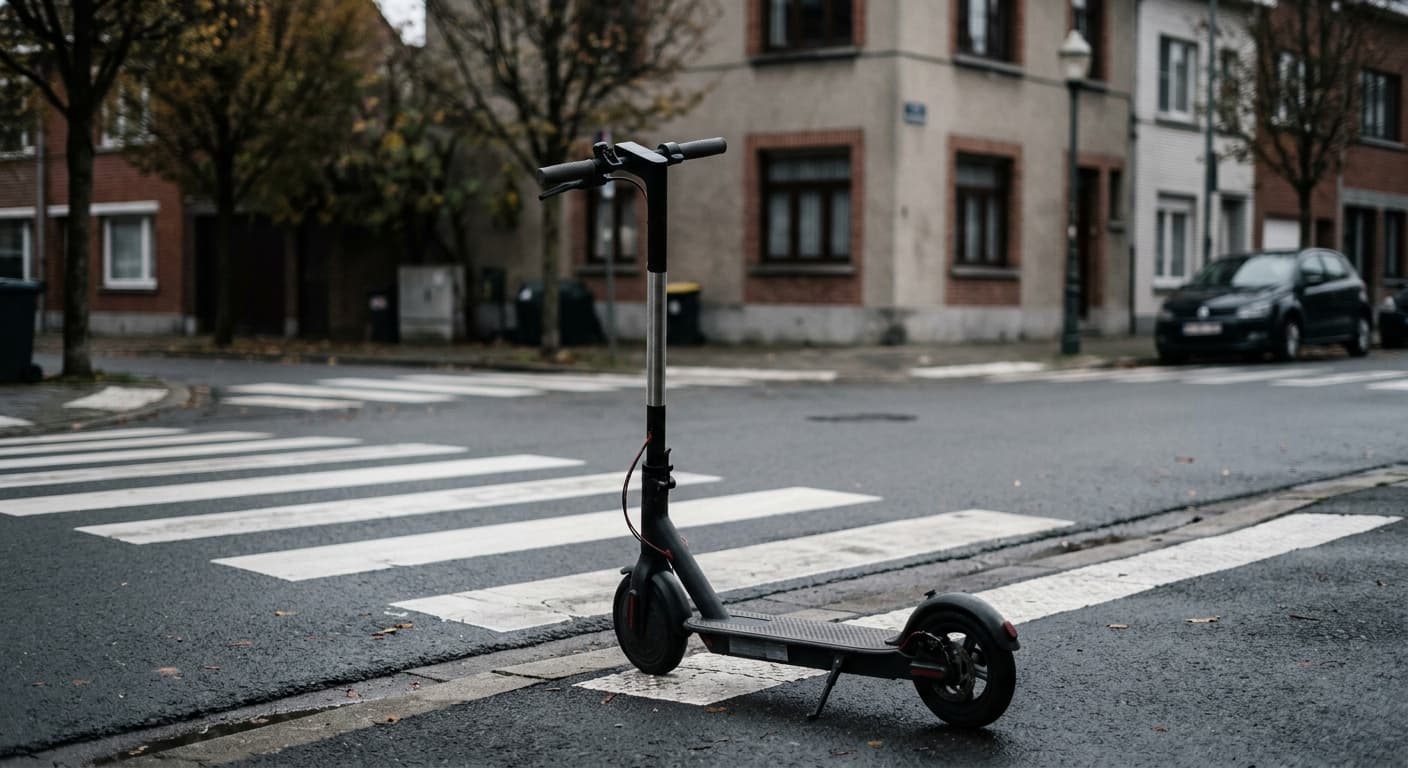
New Brunswick has no e-scooter definition in its Motor Vehicle Act, only a broad motor vehicle definition that may capture one. Fredericton, Moncton and Saint John rules explained.
Browse our full library of legal guides, state law breakdowns, and practical legal information.
13519 articles
Browse by Category →
New Brunswick has no e-scooter definition in its Motor Vehicle Act, only a broad motor vehicle definition that may capture one. Fredericton, Moncton and Saint John rules explained.

Newfoundland and Labrador's Highway Traffic Act does not define e-scooters, only a broad motor vehicle definition. A public consultation on regulating them is underway but not concluded.

Nova Scotia's e-scooter rules under the Motor Vehicle Act and Halifax's own bylaw: minimum age 14, mandatory helmets, where riding is allowed, and what enforcement data actually shows.

Ontario's e-scooter pilot expires 2029. See which cities allow riding, why Toronto bans it, plus helmet, insurance, and penalty rules.

PEI's Electric Kick-Scooters Regulations: minimum age 16, mandatory helmets, an explicit sidewalk ban, fines from $200 to $2,000, and what enforcement data actually shows.

Quebec's e-scooter pilot was extended to July 2028 just weeks before it would have expired. Age, helmet, no-fault insurance gap and enforcement, explained.

Saskatchewan's e-scooter regulation only takes effect where a municipality passes its own bylaw. See the provincial rules, Saskatoon and Regina's local rules, penalties, and insurance exposure.

No Canadian territory, Yukon, NWT, or Nunavut, has an e-scooter law. Kick scooters fall outside every pedal-cycle exemption and default to the general motor vehicle definition instead.

El derecho de publicidad explicado: estados con ley escrita frente a los de derecho consuetudinario, la duración póstuma por estado, y cómo las leyes sobre réplicas digitales de IA cambiaron el panorama.

Leyes de cámaras en hogares de ancianos por estado: los 18 estados con una ley de «cámara de la abuela», normas de consentimiento y aviso, y por qué Nueva Jersey y Arizona no figuran entre ellos.

La mayoría de los casos de robo de identidad fiscal no necesitan el Formulario 14039, dice el IRS. Cuándo presentarlo, cuándo seguir una carta, y el IP PIN.

Qué es el fraude de identidad sintética, por qué apuntan a los SSN de niños y adultos mayores, y el esquema ilegal de CPN vendido como solución.