
Massachusetts
Leyes de Massachusetts Sobre la Grabación de la Policía
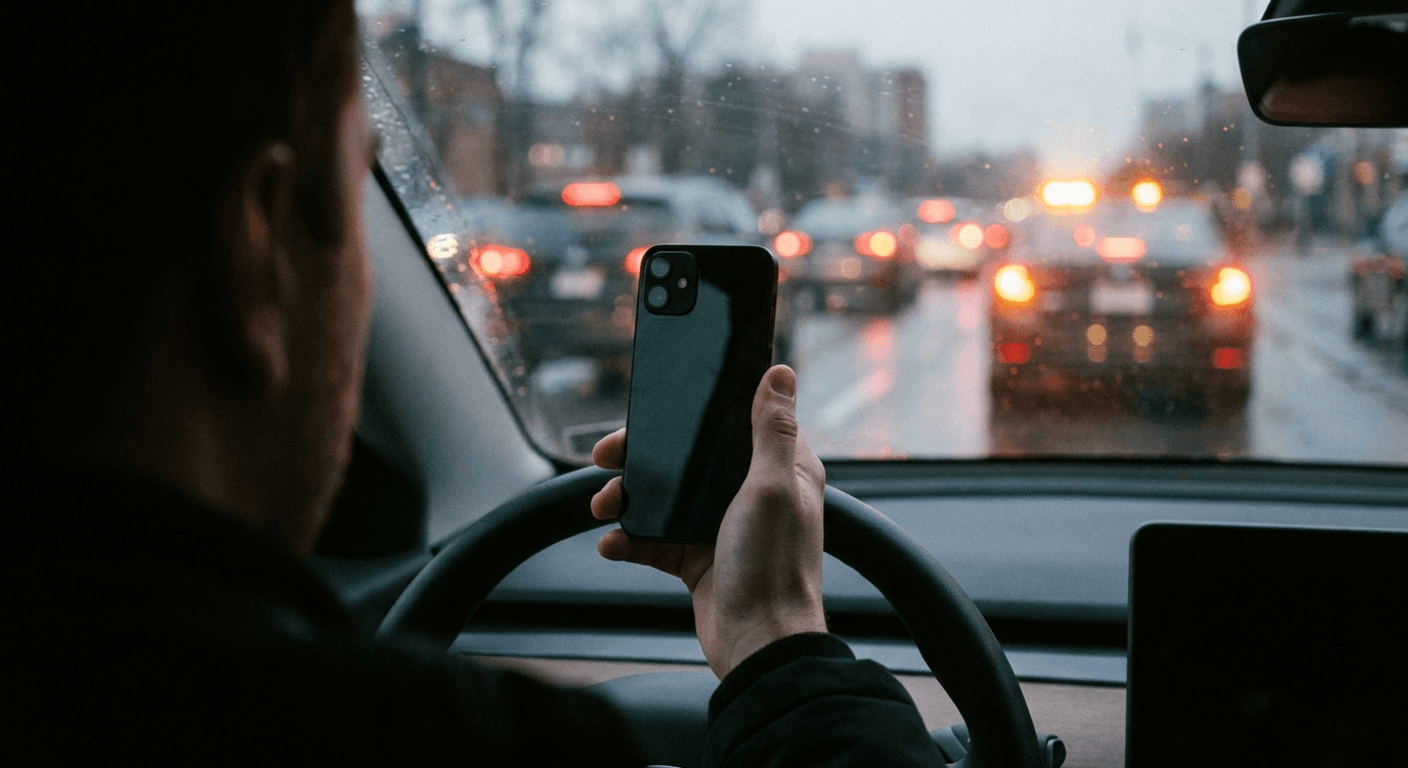
Los residentes de Massachusetts pueden grabar abierta o secretamente a los agentes de policía mientras desempeñan sus funciones en público. Basándose en Glik v. Cunniffe (2011), que reconoció un derecho de la Primera Enmienda a grabar a la policía en el desempeño de sus funciones en público, el Primer Circuito resolvió en Project Veritas Action Fund v. Rollins (2020) que aplicar Mass. Gen. Laws ch. 272, Section 99 para prohibir la grabación secreta y no consensuada de audio de los agentes de policía en el desempeño de sus funciones oficiales en espacios públicos viola la Primera Enmienda. Conforme a la jurisprudencia del Primer Circuito, un agente puede ordenarle que deje de grabar a la policía en el desempeño de sus funciones en público solo si el agente puede concluir razonablemente que la grabación en sí está interfiriendo, o está a punto de interferir, con sus funciones.
Los residentes de Massachusetts tienen un claro derecho constitucional a grabar a los agentes de policía mientras desempeñan sus funciones en público. La Corte de Apelaciones de los Estados Unidos para el Primer Circuito confirmó este derecho en Project Veritas Action Fund v. Rollins, 982 F.3d 813 (1st Cir. 2020), al resolver que el estatuto de escuchas telefónicas de Massachusetts es inconstitucional tal como se aplica a las grabaciones secretas de la policía en público. Esta es una excepción significativa en un estado donde cualquier otra infracción de escuchas telefónicas es un delito grave.
Esta guía explica su derecho a grabar a la policía en Massachusetts, los límites legales de ese derecho, las reglas sobre cámaras corporales, y cómo se aplica el estatuto de escuchas telefónicas a la vigilancia de las fuerzas del orden.
El Derecho a Grabar a la Policía en Massachusetts
Project Veritas v. Rollins (2020)
En diciembre de 2020, el Primer Circuito emitió su fallo histórico en Project Veritas Action Fund v. Rollins. El caso impugnó la prohibición del estatuto de escuchas telefónicas de Massachusetts sobre la grabación secreta tal como se aplicaba a la grabación de funcionarios gubernamentales, incluidos los agentes de policía, en el desempeño de sus funciones en público.
El Primer Circuito determinó que:
- La Primera Enmienda protege el derecho a grabar en secreto a los agentes de policía mientras desempeñan sus funciones en espacios públicos
- Aplicar Mass. Gen. Laws ch. 272, Section 99 para prohibir la grabación secreta de la policía en público es inconstitucional
- El público tiene un interés significativo en supervisar la conducta policial, y la grabación secreta sirve a ese interés
- Aplicando escrutinio intermedio, la corte resolvió que la Section 99 no está diseñada de forma estrechamente adaptada para promover los intereses del gobierno en evitar la interferencia con las actividades policiales y proteger la privacidad individual, aunque esos intereses son importantes
Junto con Glik v. Cunniffe (2011), que protege la grabación abierta de la policía en público, este fallo significa que en Massachusetts, usted puede grabar a los agentes de policía abierta o secretamente cuando desempeñan funciones oficiales en un lugar público. No está obligado a anunciar que está grabando.
Qué Cubre Este Derecho
El derecho de la Primera Enmienda a grabar a la policía en Massachusetts incluye:
- Detenciones de tránsito: grabar a los agentes durante una detención de tránsito en una vía pública
- Arrestos: grabar a los agentes haciendo arrestos en público
- Protestas y manifestaciones: grabar la actividad policial en reuniones públicas
- Interacciones en la calle: grabar a los agentes interactuando con el público en aceras y calles
- Reuniones públicas: grabar a los agentes de policía asistiendo o hablando en foros públicos
- Escenas de accidentes: grabar a los agentes respondiendo a incidentes en áreas públicas
El derecho se aplica a la grabación con cualquier dispositivo, incluidos teléfonos inteligentes, cámaras, cámaras corporales y dispositivos portátiles. Puede usar video, audio, o ambos.
Qué No Cubre Este Derecho
El derecho de la Primera Enmienda a grabar a la policía tiene límites:
- Entornos privados: el fallo se aplica a la policía en el desempeño de funciones en público. Grabar a los agentes dentro de una vivienda privada durante un cateo, por ejemplo, puede implicar consideraciones legales diferentes.
- Interferencia con las funciones policiales: usted no puede obstruir físicamente a los agentes mientras graba. Grabar desde una distancia razonable está protegido; interponerse en el camino de un agente no lo está.
- Áreas restringidas: las escenas del crimen, instalaciones seguras y áreas donde el acceso público está legalmente restringido pueden limitar su capacidad de grabar.
- Conversaciones privadas entre agentes: el fallo abordó específicamente la grabación de la conducta policial oficial. Grabar conversaciones privadas fuera de servicio entre agentes puede seguir activando la Section 99.
Sus Derechos Durante un Encuentro con la Policía
Qué Pueden y No Pueden Hacer los Agentes
Los agentes NO PUEDEN:
- Ordenarle que deje de grabar sus funciones públicas, a menos que el agente pueda concluir razonablemente que la grabación en sí está interfiriendo, o está a punto de interferir, con sus funciones
- Confiscar su teléfono o dispositivo de grabación porque usted está grabando
- Arrestarlo únicamente por grabar la actividad policial
- Borrar grabaciones de su dispositivo
- Exigirle que les muestre su grabación o desbloquee su teléfono
- Tomar represalias en su contra por ejercer su derecho a grabar
Los agentes SÍ PUEDEN:
- Pedirle que se traslade a un lugar seguro si usted está en peligro u obstruyendo su trabajo
- Establecer un perímetro razonable alrededor de una escena del crimen activa
- Realizar un registro legal de su dispositivo solo con una orden judicial (bajo Riley v. California, 573 U.S. 373 (2014))
Consejos Prácticos para Grabar a la Policía
Si decide grabar a la policía en Massachusetts:
- Manténgase a una distancia segura. Tiene derecho a grabar, pero no debe interferir físicamente con las operaciones policiales.
- No extienda las manos hacia los agentes ni haga movimientos que puedan percibirse como amenazantes.
- Mantenga las manos visibles cuando sea posible, especialmente si un agente se le acerca.
- Manténgase calmado e identifíquese si se lo piden, pero no está obligado a explicar por qué está grabando.
- No se resista si un agente le ordena ilegalmente que deje de grabar. Obedezca, anote el número de placa del agente, y presente una queja después.
- Respalde su grabación en almacenamiento en la nube tan pronto como sea posible. Si le confiscan el teléfono, la copia en la nube preserva la evidencia.
- Conozca sus derechos. Si su grabación es confiscada o borrada, contacte a la ACLU de Massachusetts o a un abogado de derechos civiles.
Presentar una Queja
Si un agente de policía viola su derecho a grabar:
- Presente una queja ante la división de asuntos internos del departamento del agente
- Contacte a la Oficina del Procurador General de Massachusetts
- Presente una queja ante la Comisión de Estándares y Capacitación de Agentes de Paz de Massachusetts (POST), que supervisa la certificación y disciplina de los agentes
- Considere presentar una demanda federal de derechos civiles bajo 42 U.S.C. Section 1983 por violación de sus derechos de la Primera Enmienda
Cámaras Corporales Policiales en Massachusetts
Estado Actual del Despliegue de Cámaras Corporales
Massachusetts no tiene un mandato estatal que exija que todos los agentes de policía usen cámaras corporales. La adopción de cámaras corporales varía según el departamento:
- El Departamento de Policía de Boston ha ampliado significativamente su programa de cámaras corporales desde 2016, con un despliegue en todo el departamento que avanzó durante 2024 y 2025
- La Policía Estatal de Massachusetts ha implementado cámaras corporales para las unidades de patrulla
- Muchos departamentos municipales han adoptado cámaras corporales de forma independiente, mientras que otros no lo han hecho
La Ley de Reforma Policial de 2020 y el Marco de Cámaras Corporales
En diciembre de 2020, Massachusetts promulgó una ley integral de reforma policial, St. 2020, ch. 253, que:
- Creó la Comisión de Estándares y Capacitación de Agentes de Paz (POST) para certificar y descertificar agentes
- Estableció estándares para el uso de la fuerza
- Limitó la inmunidad calificada para los agentes
- No exigió cámaras corporales a nivel estatal, pero fomentó su adopción
La ley de reforma también creó el Mass. Gen. Laws c. 6E, Section 18, que otorga a la Comisión POST la autoridad para promulgar reglamentos que rijan los programas de cámaras corporales, incluidos los estándares de activación, retención y acceso público a las imágenes. La Comisión POST ha usado esta autoridad para emitir orientación a los departamentos que operan programas de cámaras corporales, aunque el despliegue obligatorio a nivel estatal todavía no se ha exigido.
Acceso a las Imágenes de Cámaras Corporales
Cuando los departamentos usan cámaras corporales, el acceso público a las imágenes se rige por la ley de registros públicos de Massachusetts. Bajo Mass. Gen. Laws ch. 66, Section 10, las imágenes de cámaras corporales generalmente son un registro público, pero varias excepciones pueden limitar el acceso:
- Imágenes captadas dentro de una residencia privada
- Imágenes que forman parte de una investigación en curso
- Imágenes que identifican a testigos, víctimas o informantes confidenciales
- Imágenes que muestran a menores
Las solicitudes de imágenes de cámaras corporales deben dirigirse al departamento que las grabó, citando la Ley de Registros Públicos de Massachusetts.
Vigilancia Policial Mediante Escuchas Telefónicas
Requisitos de Orden Judicial Bajo la Section 99
Cuando las fuerzas del orden quieren realizar vigilancia mediante escuchas telefónicas, deben seguir procedimientos estrictos bajo la Section 99 del estatuto de escuchas telefónicas de Massachusetts. Los requisitos incluyen:
- Obtener autorización de un juez designado (juez de la Corte Superior o juez del Tribunal Judicial Supremo)
- Demostrar causa probable de que el objetivo está cometiendo o ha cometido un delito designado
- Demostrar que los procedimientos de investigación normales han fallado o es razonablemente improbable que tengan éxito
- Especificar las comunicaciones particulares que se van a interceptar
- Limitar la duración de la escucha telefónica (típicamente 30 días, con renovación disponible)
Commonwealth v. Du (2024)
El Tribunal Judicial Supremo de Massachusetts (SJC) reforzó el requisito de orden judicial en Commonwealth v. Du, 495 Mass. 103 (2024). En este caso, los agentes usaron un teléfono celular para grabar video y audio durante una compra encubierta de drogas sin obtener una orden de escuchas telefónicas.
El tribunal resolvió que:
- La grabación violó la Section 99 porque se realizó sin una orden judicial adecuada
- Tanto el componente de video como el de audio de la grabación debían suprimirse
- Incluso los agentes de las fuerzas del orden deben cumplir con los requisitos de orden judicial de la Section 99
- El elemento "secreto" de la grabación activó el estatuto sin importar el propósito de las fuerzas del orden
Este fallo reforzó que Massachusetts toma en serio su estatuto de escuchas telefónicas incluso cuando se aplica a investigaciones policiales. Los agentes no pueden eludir el requisito de orden judicial simplemente porque crean que grabar es necesario para la investigación.
Commonwealth v. Grimaldi (2026): la grabación abierta no es una interceptación "intencional"
En Commonwealth v. Grimaldi, SJC-13842 (2 de junio de 2026), el SJC abordó el escenario opuesto al de Du: agentes estatales grabaron a un conductor en un retén de control de sobriedad usando cámaras corporales abiertamente visibles a la altura del pecho, respaldadas por un gran letrero junto a la carretera que anunciaba la grabación audiovisual. El SJC resolvió que esto no fue una interceptación intencional bajo la Section 99, porque la intencionalidad requiere la intención de grabar a alguien en secreto, sin su conocimiento. Leídos en conjunto, Du y Grimaldi muestran que la intención de grabar en secreto, y no el hecho de que sean las fuerzas del orden quienes graban, es lo que determina el análisis: la policía debe obtener una orden judicial para grabar en secreto, pero en Grimaldi, las cámaras corporales exhibidas abiertamente y un letrero de advertencia visible mostraron que no había intención de grabar en secreto, por lo que no hubo una interceptación intencional.
Delitos Designados para Órdenes de Escuchas Telefónicas
La Section 99 limita las órdenes de escuchas telefónicas a categorías específicas de delitos graves, incluyendo:
- Homicidio, secuestro y robo a mano armada
- Delitos de tráfico de drogas
- Crimen organizado y extorsión (racketeering)
- Delitos de armas
- Soborno y corrupción de funcionarios públicos
- Delitos relacionados con el terrorismo
La policía no puede obtener una orden de escuchas telefónicas para delitos menores o investigaciones que no involucren delitos designados.
Supervisión Ciudadana y Rendición de Cuentas
La Comisión POST
La Comisión de Estándares y Capacitación de Agentes de Paz (POST) fue creada por la ley de reforma de 2020 para supervisar la certificación, capacitación y disciplina de los agentes de policía. La comisión tiene la facultad de:
- Certificar y descertificar a los agentes de policía
- Investigar quejas de conducta indebida
- Establecer estándares de capacitación
- Mantener una base de datos pública de los registros disciplinarios de los agentes
Las grabaciones ciudadanas de encuentros con la policía pueden servir como evidencia en los procedimientos de la Comisión POST y son una herramienta importante para la rendición de cuentas policial.
El Papel de la Grabación Ciudadana en la Rendición de Cuentas
El fallo Project Veritas del Primer Circuito reconoció que la grabación ciudadana de la policía cumple una función vital de rendición de cuentas. El tribunal señaló que la capacidad de grabar en secreto a la policía es especialmente importante porque los agentes podrían alterar su comportamiento cuando saben que están siendo grabados. La grabación secreta capta la conducta sin vigilancia que podría revelar una mala conducta.
Los residentes de Massachusetts deben entender que sus grabaciones de la policía pueden:
- Servir como evidencia en investigaciones de asuntos internos
- Respaldar demandas federales de derechos civiles bajo 42 U.S.C. Section 1983
- Ser presentadas a la Comisión POST
- Ayudar a establecer patrones de mala conducta
- Proteger tanto a los ciudadanos como a los agentes al proporcionar un registro objetivo de los hechos
Leyes de Grabación de Massachusetts por Tema
Grabación de Llamadas Telefónicas | Grabación de Audio | Grabación de Video | Grabación en el Trabajo | Grabación de la Policía | Cámaras de Seguridad | Grabación en Público | Arrendador e Inquilino | Leyes de Dashcam | Escuelas | Grabación Médica | Voyeurismo y Cámaras Ocultas
Volver a las Leyes de Grabación de Massachusetts
Commonwealth v. Grimaldi (2026): cámaras corporales en un retén
El Tribunal Judicial Supremo de Massachusetts (SJC) decidió Commonwealth v. Grimaldi, SJC-13842 el 2 de junio de 2026. Los agentes estatales usaron cámaras corporales abiertamente visibles, montadas en el pecho, y un gran letrero reflectante junto a la carretera que advertía sobre la grabación audiovisual en un retén de control de sobriedad. El SJC resolvió que los agentes no cometieron una interceptación intencional bajo la Section 99, porque la intencionalidad requiere la intención de grabar a alguien sin su conocimiento, y revocó una orden del tribunal inferior que suprimía las imágenes. La exhibición abierta de las cámaras y el letrero de advertencia visible mostraron que los agentes no tenían la intención de grabar en secreto, lo cual anuló el elemento de intencionalidad; el tribunal no resolvió si la grabación fue secreta bajo el estatuto. La resolución se basa en los hechos del caso: los agentes no cometieron una interceptación intencional aunque nunca se le informó verbalmente al acusado que estaba siendo grabado.
Más Leyes de Massachusetts
- Leyes de Grabación de Reuniones con IA en Massachusetts
- Leyes de Pensión Alimenticia de Massachusetts
- Leyes de Empleo a Voluntad de Massachusetts
- Leyes de Accidentes de Auto de Massachusetts
- Leyes de Asientos de Auto para Niños de Massachusetts
- Leyes de Custodia de Menores de Massachusetts
- Leyes de Manutención de Menores de Massachusetts
- Leyes de Matrimonio de Hecho de Massachusetts
- Leyes de Privacidad de Datos de Massachusetts
- Leyes de Deepfake de Massachusetts
- Leyes de Divorcio de Massachusetts
- Leyes de Mordeduras de Perro de Massachusetts
- Leyes de Emancipación de Massachusetts
- Leyes de Eliminación de Antecedentes de Massachusetts
- Leyes de Choque y Fuga de Massachusetts
- Leyes de Arrendador e Inquilino de Massachusetts
Más Temas de Grabación de Massachusetts
- Leyes de Grabación de Massachusetts
- Grabación de Audio en Massachusetts
- Grabación de Video en Massachusetts
- Grabación Médica en Massachusetts
- Grabación en Escuelas de Massachusetts
- Grabación en el Trabajo en Massachusetts
- Grabación de Llamadas Telefónicas en Massachusetts
- Grabación con Cámaras de Seguridad en Massachusetts
- Grabación de Voyeurismo en Massachusetts
- Grabación entre Arrendador e Inquilino en Massachusetts
- Grabación con Cámaras de Tablero en Massachusetts
- Grabación en Público en Massachusetts
- Leyes de Privacidad Biométrica de Massachusetts
- Leyes de Cámaras de Vigilancia
Preguntas frecuentes
¿Puedo grabar a la policía en Massachusetts?
Sí. El Primer Circuito reconoció un derecho de la Primera Enmienda a grabar a la policía en el desempeño de sus funciones en público en Glik v. Cunniffe (2011), y en Project Veritas v. Rollins (2020) resolvió que la Section 99 viola la Primera Enmienda al prohibir la grabación secreta y no consensuada de audio de los agentes de policía en el desempeño de sus funciones oficiales en espacios públicos. Puede grabar abierta o secretamente. Conforme a la jurisprudencia del Primer Circuito, un agente puede ordenarle que deje de grabar a la policía en el desempeño de sus funciones en público solo si el agente puede concluir razonablemente que la grabación en sí está interfiriendo, o está a punto de interferir, con sus funciones.
¿Tengo que decirle a la policía que la estoy grabando?
No. El Primer Circuito resolvió específicamente que la grabación secreta de la policía en público está constitucionalmente protegida. A diferencia del estatuto general de escuchas telefónicas de Massachusetts, que exige que todas las partes sepan sobre la grabación, esta excepción significa que no necesita revelar que está grabando a la policía.
¿Puede la policía confiscar mi teléfono si los estoy grabando?
No. Los agentes no pueden confiscar su dispositivo de grabación simplemente porque usted está filmando. Bajo Riley v. California (2014), la policía necesita una orden judicial para registrar un teléfono celular. Si un agente confisca ilegalmente su dispositivo, presente una queja ante asuntos internos y contacte a un abogado de derechos civiles.
¿La policía de Massachusetts usa cámaras corporales?
No existe un mandato estatal de cámaras corporales. Algunos departamentos, incluidos la Policía de Boston y la Policía Estatal de Massachusetts, han implementado cámaras corporales. La adopción varía según el departamento. La ley de reforma policial de 2020 creó mecanismos de supervisión, pero no exigió el uso universal de cámaras corporales.
¿Puede la policía grabarme en secreto sin una orden judicial en Massachusetts?
No. Bajo Mass. Gen. Laws ch. 272, Section 99, la policía debe obtener una orden judicial de un juez designado antes de realizar vigilancia mediante escuchas telefónicas. El Tribunal Judicial Supremo reforzó esto en Commonwealth v. Du (2024), al resolver que las grabaciones policiales hechas sin una orden judicial violan el estatuto y deben suprimirse.
Actualizaciones
Se corrigió la descripción de Project Veritas v. Rollins: el Primer Circuito aplicó escrutinio intermedio, no una prueba de interés apremiante, y resolvió que la Section 99 no está diseñada de forma estrictamente ajustada a los intereses del gobierno.
Se corrigieron las descripciones de Project Veritas Action Fund v. Rollins y Commonwealth v. Grimaldi para reflejar exactamente lo que resolvieron los tribunales, incluyendo cuándo un agente puede ordenarle que deje de grabar.
La ley detrás de este artículo
Este artículo se apoya en las disposiciones legales a continuación, conservadas en nuestro propio registro jurídico y obtenidas de la fuente oficial. Toque una sección para leer el texto vigente.
Massachusetts General Laws, Chapter 272
§ 99Interception of wire and oral communicationsVigentecitada en 24 de nuestros artículos
Section 99. Interception of wire and oral communications.— A. Preamble. The general court finds that organized crime exists within the commonwealth and that the increasing activities of organized crime constitute a grave danger to the public welfare and safety. Organized crime, as it exists in the commonwealth today, consists of a continuing conspiracy among highly organized and disciplined groups to engage in supplying illegal goods and services. In supplying these goods and services organized crime commits unlawful acts and employs brutal and violent tactics. Organized crime is infiltrating legitimate business activities and depriving honest businessmen of the right to make a living. The general court further finds that because organized crime carries on its activities through layers of insulation and behind a wall of secrecy, government has been unsuccessful in curtailing and eliminating it. Normal investigative procedures are not effective in the investigation of illegal acts committed by organized crime.
Texto oficial (extracto) · verificado el 2026-09-23 · Lea el texto completo en nuestra biblioteca legal · Verifique en malegislature.gov
Citada en 271 resoluciones judiciales de nuestra colecciónResolución más reciente que la cita en nuestra colección: 2026
En los tribunales (resumen editorial, verificado de forma independiente):Commonwealth v. Blood (1987) interpretó la Sección 99 como una prohibición general de grabar en secreto comunicaciones orales sin el consentimiento de todas las partes, y suprimió bajo el art. 14 una grabación policial sin orden judicial hecha con el consentimiento de una sola parte. Commonwealth v. Vitello (1975) sostuvo que la Sección 99 cumple sustancialmente con el Título III federal.
Resoluciones que citan esta sección en nuestra colección:
- Commonwealth v. Vitello (Massachusetts Supreme Judicial Court 1975, 367 Mass. 224)✓En una causa por juegos de azar basada en llamadas telefónicas interceptadas, el SJC hizo la primera revisión completa del capítulo 272 sección 99 y sostuvo que la ley estatal de interceptación cumple sustancialmente con el Title III federal y que las órdenes cumplían ambos estándares.
- Commonwealth v. Blood (Massachusetts Supreme Judicial Court 1987, 400 Mass. 61)✓La policía equipó a un informante que grabó conversaciones en casas particulares sobre un robo planeado; el SJC sostuvo que las grabaciones caían dentro de la excepción de consentimiento de una sola parte de la sección 99, pero que el artículo 14 igualmente exigía una orden, y revocó las condenas.
- Commonwealth v. D'Amour (Massachusetts Supreme Judicial Court 1999, 428 Mass. 725)✓El SJC confirmó una interceptación bajo la sección 99 de los teléfonos de una viuda sospechosa de arreglar el asesinato de su esposo por el dinero del seguro, y sostuvo que la designación escrita de un asistente por la fiscal de distrito cumplió con Vitello y que había causa probable de conexión con el crimen organizado.
Identificado automáticamente a partir de las opiniones judiciales que citan esta sección; no es un ranking de qué caso prevalece.
También citada en: Grabaciones como prueba: reglas judiciales por estado
United States Code Title 42
§ 1983Civil action for deprivation of rightsVigentecitada en 52 de nuestros artículos
Every person who, under color of any statute, ordinance, regulation, custom, or usage, of any State or Territory or the District of Columbia, subjects, or causes to be subjected, any citizen of the United States or other person within the jurisdiction thereof to the deprivation of any rights, privileges, or immunities secured by the Constitution and laws, shall be liable to the party injured in an action at law, suit in equity, or other proper proceeding for redress, except that in any action brought against a judicial officer for an act or omission taken in such officer’s judicial capacity, injunctive relief shall not be granted unless a declaratory decree was violated or declaratory relief was unavailable. For the purposes of this section, any Act of Congress applicable exclusively to the District of Columbia shall be considered to be a statute of the District of Columbia.
Texto oficial (extracto) · verificado el 2026-09-16 · Lea el texto completo en nuestra biblioteca legal · Verifique en uscode.house.gov
Citada en 282,365 resoluciones judiciales de nuestra colecciónResolución más reciente que la cita en nuestra colección: 2026
Resoluciones que citan esta sección en nuestra colección:
- Ashcroft v. Iqbal (Supreme Court of the United States 2009, 556 U.S. 662)“…its brought against state officials under Rev. Stat. §1979, 42 U. S. C. §1983.” Hartman, 547 U. S., at 254, n. 2. Cf.…”
- Celotex Corp. v. Catrett, Administratrix of the Estate of Catrett (Supreme Court of the United States 1986, 477 U.S. 317)“…policeman as she left. Petitioner brought an action under 42 U. S. C. § 1983 claiming that the refusal of service a…”
- Monell v. New York City Dept. of Social Servs. (Supreme Court of the United States 1978, 436 U.S. 658)“…decided less than two decades ago. Focusing new light on 42 U. S. C. § 1983 , that decision widened access to the f…”
Identificado automáticamente a partir de las opiniones judiciales que citan esta sección; no es un ranking de qué caso prevalece.
Fuentes y referencias
- Mass. Gen. Laws ch. 272, Section 99 - Estatuto de Escuchas Telefónicas(malegislature.gov).gov
- Project Veritas Action Fund v. Rollins, 982 F.3d 813 (1st Cir. 2020)(law.justia.com)
- Ley de Massachusetts Sobre la Conducta Policial y la Grabación de la Policía(mass.gov).gov
- Comisión de Estándares y Capacitación de Agentes de Paz (POST)(mass.gov).gov
- St. 2020, ch. 253 - Ley de Reforma Policial(malegislature.gov).gov
- 42 U.S.C. Section 1983 - Estatuto de Derechos Civiles(law.cornell.edu)
- Mass. Gen. Laws c. 6E, Section 18 - Autoridad de la Comisión POST Sobre Cámaras Corporales(malegislature.gov).gov
- Project Veritas Action Fund v. Rollins, 982 F.3d 813 (1st Cir. 2020), opinión (slip opinion)(media.ca1.uscourts.gov).gov