
Delaware
Leyes de Delaware sobre la Grabación de la Policía: Sus Derechos, Cámaras Corporales y Protecciones Legales (2026)
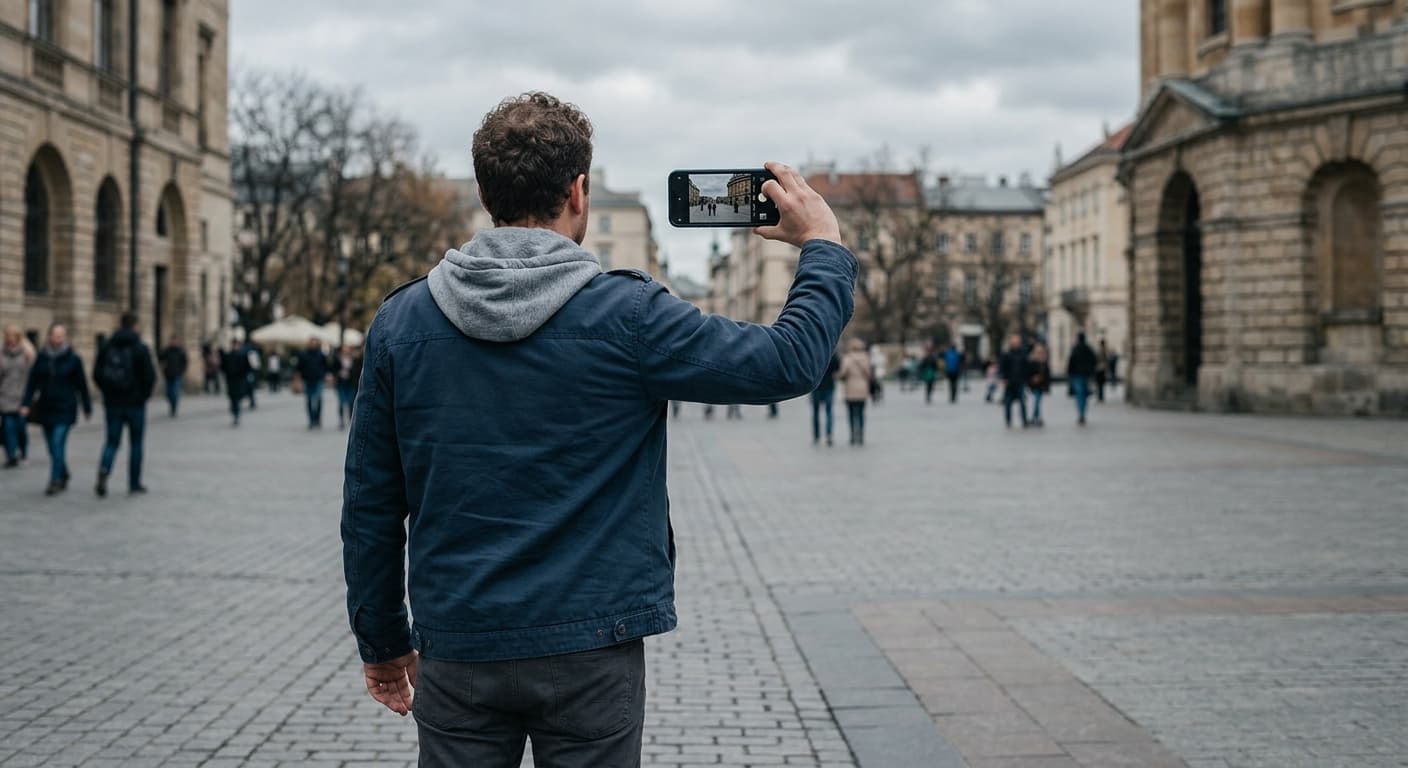
En Delaware, la Primera Enmienda protege su derecho a grabar a los oficiales de policía en servicio en lugares públicos; el Tercer Circuito confirmó esto en Fields v. City of Philadelphia (2017).
Grabar a los oficiales de policía es una actividad constitucionalmente protegida en Estados Unidos, y los residentes de Delaware tienen una autoridad legal clara para ejercer este derecho. La Primera Enmienda de la Constitución de EE. UU. protege el derecho a grabar a los oficiales de las fuerzas del orden mientras desempeñan sus funciones en espacios públicos. Delaware ha fortalecido aún más la rendición de cuentas policial al promulgar legislación sobre cámaras corporales que exige a los oficiales grabar sus interacciones con el público.
Esta guía explica sus derechos al grabar a la policía en Delaware, el marco legal que rige las cámaras corporales, cómo acceder a las grabaciones policiales mediante solicitudes de registros públicos, y qué hacer si se violan sus derechos de grabación.
Su Derecho Constitucional a Grabar a la Policía
Protecciones de la Primera Enmienda
La Primera Enmienda de la Constitución de EE. UU. protege el derecho a recopilar información sobre funcionarios del gobierno, incluidos los oficiales de policía, mientras desempeñan sus funciones públicas. Múltiples tribunales federales de apelaciones han confirmado que este derecho se extiende a grabar a la policía con cámaras, teléfonos inteligentes y otros dispositivos.
Aunque la Corte Suprema de EE. UU. no ha emitido un fallo definitivo específicamente sobre el derecho a grabar a la policía, la Corte de Apelaciones del Tercer Circuito (que cubre a Delaware) abordó el tema en Fields v. City of Philadelphia (862 F.3d 353, 3d Cir. 2017). El Tercer Circuito sostuvo que la Primera Enmienda protege el acto de grabar a los oficiales de policía mientras cumplen sus funciones oficiales en público.
Esto significa que los residentes de Delaware tienen un derecho constitucional claramente establecido para:
- Filmar o fotografiar a los oficiales de policía durante paradas de tráfico, arrestos y otras actividades de aplicación de la ley en público
- Grabar desde cualquier lugar en el que tenga derecho legal a estar
- Usar cualquier dispositivo de grabación, incluidos teléfonos inteligentes, cámaras, cámaras corporales y dispositivos vestibles
- Transmitir en vivo encuentros con la policía en tiempo real
Cuándo Puede Grabar a la Policía en Delaware
Puede grabar legalmente a la policía en Delaware cuando:
- Los oficiales están desempeñando sus funciones en espacios públicos (calles, aceras, parques, edificios gubernamentales)
- Usted se encuentra en un lugar donde tiene derecho legal a estar
- No está interfiriendo físicamente con las operaciones policiales
- Mantiene una distancia segura y razonable del encuentro
- No está invadiendo propiedad privada para grabar
Limitaciones para Grabar a la Policía
Su derecho a grabar a la policía no es absoluto. La grabación se vuelve legalmente problemática cuando:
- Interferencia física: Si su actividad de grabación obstruye físicamente a los oficiales en el desempeño de sus funciones, podría enfrentar cargos por obstrucción o interferencia. Interponerse en un arresto, meter la mano en un vehículo policial o cruzar el perímetro de la escena de un crimen constituyen interferencia.
- Órdenes legales: Los oficiales pueden emitir órdenes legales para que usted retroceda de una escena peligrosa por razones de seguridad. Debe cumplir con estas órdenes, incluso mientras continúa grabando desde una distancia mayor.
- Áreas seguras: La grabación puede estar restringida en ciertas áreas seguras, como el interior de las estaciones de policía, las áreas de registro o los lugares con amenazas de seguridad activas.
- Propiedad privada: Si se encuentra en propiedad privada y el dueño de la propiedad o la policía le piden que se retire, debe cumplir. Su derecho a grabar no anula las leyes contra la invasión de propiedad.
Ley de Cámaras Corporales de Delaware

Título 11, Sección 8402A: Requisitos y Disposiciones
Delaware promulgó una legislación integral sobre cámaras corporales a través del Proyecto de Ley de la Cámara 195, codificada en el Título 11, Sección 8402A. Esta ley establece requisitos obligatorios para las agencias policiales de todo el estado.
Las disposiciones clave incluyen:
Uso obligatorio: Los oficiales deben activar las cámaras corporales al interactuar con miembros del público mientras desempeñan sus funciones policiales. Esto incluye paradas de tráfico, arrestos, registros, interrogatorios y cualquier encuentro en el que el oficial ejerza su autoridad.
Sin manipulación: El reglamento de implementación, 1 Del. Admin. Code 801-26.0, prohíbe estrictamente a los oficiales editar, alterar o borrar las grabaciones de las cámaras corporales. Cualquier intento de manipular las imágenes puede resultar en medidas disciplinarias y posibles cargos penales.
Políticas de la agencia: Cada agencia policial debe establecer políticas escritas que regulen:
- Cuándo deben activarse y desactivarse las cámaras
- Cómo se almacenan las imágenes y por cuánto tiempo
- Quién puede acceder a las imágenes grabadas
- Los procedimientos para revisar las imágenes en relación con quejas o investigaciones
- Las consecuencias por no activar las cámaras o por manipular las imágenes
Notificación: Ni 11 Del. C. Section 8402A ni 1 Del. Admin. Code 801-26.0 exigen que los oficiales le digan a las personas que están siendo grabadas. El reglamento sí dispone que, cuando sea factible, un oficial que deje de grabar para hablar con un testigo o un miembro del público declare su intención de dejar de grabar y, al reactivar la cámara, indique que se reinició (subsección 26.13.7.5).
Programa de Cámaras Corporales de la Policía Estatal de Delaware
La Policía Estatal de Delaware ha implementado cámaras corporales en todas sus divisiones de patrullaje. El programa incluye:
- Cámaras corporales de dotación estándar para todos los oficiales uniformados
- Cámaras de tablero en los vehículos de patrulla que funcionan junto con las cámaras corporales
- Sistemas de gestión de evidencia digital para almacenar y catalogar las imágenes
- Políticas que rigen la retención, el acceso y la divulgación de las imágenes
Programas de Cámaras Corporales de la Policía Municipal
Los departamentos de policía municipal individuales en todo Delaware han adoptado sus propias políticas de cámaras corporales, en cumplimiento con la ley estatal. Los departamentos de Wilmington, Dover, Newark y otros municipios mantienen programas de cámaras corporales con procedimientos específicos variables para la activación, el almacenamiento y el acceso público.
Acceso a las Grabaciones Policiales a Través de la FOIA

Ley de Libertad de Información de Delaware
La Ley de Libertad de Información de Delaware (Título 29, Capítulo 100) proporciona el marco para el acceso público a los registros gubernamentales, incluidas las imágenes de las cámaras corporales de la policía y otras grabaciones policiales.
Bajo el Título 29, Sección 10003, todos los registros públicos están abiertos a la inspección y copia por parte de cualquier ciudadano, a menos que estén específicamente exentos por ley. Este principio general de apertura se aplica a las imágenes de cámaras corporales, las grabaciones de cámaras de tablero y otras grabaciones de video y audio de la policía.
Cómo Solicitar Grabaciones Policiales
Para solicitar las imágenes de cámaras corporales de la policía u otras grabaciones en Delaware:
- Identifique la agencia: Determine qué agencia policial tiene la grabación (Policía Estatal de Delaware, policía municipal local, etc.)
- Presente una solicitud FOIA por escrito: Envíe una solicitud por escrito al coordinador de FOIA de la agencia, especificando la grabación que busca, incluyendo la fecha, la hora, el lugar y los oficiales involucrados, si los conoce
- Especifique el formato: Solicite la grabación en un formato digital específico (MP4, AVI, etc.) para asegurarse de recibir una copia utilizable
- Permita tiempo de procesamiento: Las agencias tienen 15 días hábiles para responder a las solicitudes FOIA bajo la ley de Delaware
- Pague las tarifas aplicables: Las agencias pueden cobrar tarifas razonables por copiar y producir los registros
Excepciones Que Pueden Limitar el Acceso
Ciertas excepciones bajo la FOIA pueden restringir el acceso a las grabaciones policiales:
- Investigaciones activas: Las imágenes relacionadas con investigaciones penales en curso pueden retenerse hasta que la investigación concluya
- Privacidad personal: Las grabaciones que contienen información de identificación personal sobre víctimas, testigos o terceros no involucrados pueden ser redactadas
- Menores de edad: Las imágenes que muestran a menores de edad pueden ser restringidas o redactadas
- Residencias privadas: Las imágenes captadas dentro de hogares privados durante encuentros con la policía pueden recibir protecciones de privacidad adicionales
- Informantes confidenciales: Las grabaciones que podrían revelar la identidad de informantes confidenciales pueden ser retenidas
Cómo Apelar una Denegación de la FOIA
Si se deniega su solicitud FOIA de grabaciones policiales, puede apelar ante el coordinador de FOIA de la Fiscalía General de Delaware. Si la apelación no tiene éxito, puede presentar una demanda ante la Corte Superior de Delaware para exigir la divulgación, conforme al Título 29 del Código de Delaware, Sección 10005.
Qué Hacer al Grabar a la Policía en Delaware
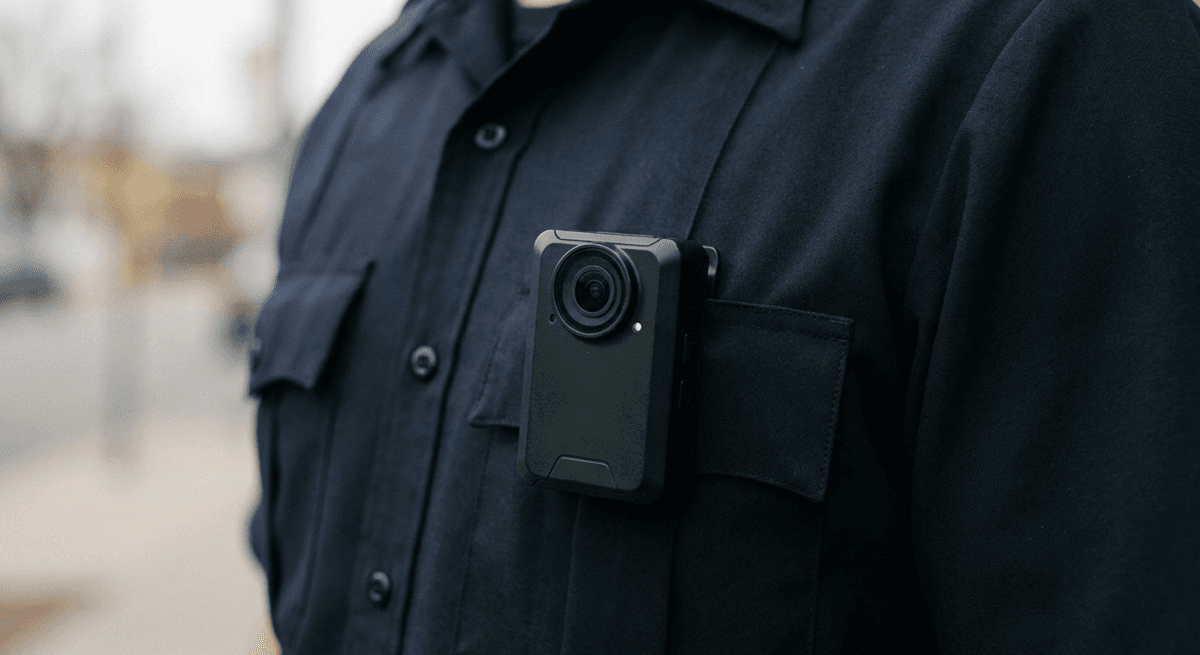
Pautas Prácticas
Al grabar un encuentro con la policía en Delaware:
- Mantenga la calma y sea cortés: Mantenga una actitud respetuosa mientras afirma su derecho a grabar
- Mantenga la distancia: Párese lo suficientemente lejos como para no ser acusado de interferir, pero lo bastante cerca para que su grabación capte imágenes útiles
- Mantenga las manos visibles: Sostenga su dispositivo de grabación de manera que los oficiales puedan ver que es un teléfono o una cámara, no un arma
- No haga movimientos bruscos: Los movimientos repentinos pueden percibirse como amenazantes
- Anuncie que está grabando: Aunque no es un requisito legal, anunciar su grabación puede ayudar a establecer su intención y podría prevenir confrontaciones
- No cruce cintas o barreras policiales: Los perímetros de la escena de un crimen y las barreras policiales son límites legales
- Continúe grabando incluso si le piden que se detenga: Si un oficial le dice que deje de grabar en un espacio público, puede afirmar con calma que está ejerciendo su derecho de la Primera Enmienda. Sin embargo, siempre priorice su seguridad personal
Si la Policía le Ordena Dejar de Grabar
Si un oficial de policía le ordena dejar de grabar en un espacio público:
- Afirme sus derechos con calma: Diga algo como: "Estoy ejerciendo mi derecho de la Primera Enmienda a grabar. No estoy interfiriendo con sus funciones".
- No resista físicamente: Si el oficial escala la situación, cumpla físicamente mientras continúa afirmando sus derechos verbalmente
- No borre las imágenes: Nunca está obligado a borrar las grabaciones. Si le ordenan borrarlas, puede negarse manteniendo la calma
- Anote el nombre y número de placa del oficial: Esta información será importante si decide presentar una queja o una demanda
- Presente una queja después: Reporte el incidente a la división de asuntos internos del departamento de policía y considere consultar a un abogado
Si la Policía Confisca Su Dispositivo de Grabación
Si un oficial toma su teléfono o cámara:
- Generalmente, el oficial necesita una orden judicial para registrar o acceder al contenido de su dispositivo, según el fallo de la Corte Suprema de EE. UU. en Riley v. California (573 U.S. 373, 2014)
- La confiscación de su dispositivo únicamente para impedir la grabación puede constituir una violación de la Primera Enmienda
- Documente la confiscación, incluyendo el nombre del oficial, el número de placa y las circunstancias
- Comuníquese con un abogado sobre cómo recuperar su dispositivo y buscar remedios legales
Remedios Legales por Violaciones de Sus Derechos de Grabación
Demandas de Derechos Civiles Bajo el 42 U.S.C. Sección 1983
Si un oficial de policía viola su derecho a grabar en Delaware, podría tener fundamentos para una demanda federal de derechos civiles bajo el 42 U.S.C. Sección 1983. Este estatuto permite a las personas demandar a los funcionarios gubernamentales que violan sus derechos constitucionales mientras actúan bajo la autoridad de la ley estatal.
Los remedios disponibles incluyen:
- Daños compensatorios por cualquier lesión física, daño a la propiedad o angustia emocional
- Daños punitivos si la conducta del oficial fue particularmente grave
- Honorarios de abogado bajo el 42 U.S.C. Sección 1988
- Medidas cautelares que ordenen al departamento de policía cambiar sus políticas
Presentar una Queja ante el Departamento de Policía
Puede presentar una queja de asuntos internos ante el departamento de policía correspondiente. La mayoría de las agencias policiales de Delaware cuentan con procedimientos formales de quejas para investigar acusaciones de mala conducta de los oficiales.
Comunicarse con la ACLU de Delaware
La ACLU de Delaware brinda asistencia legal en casos que involucran violaciones de los derechos de grabación y otras libertades civiles. Puede representarlo o referirlo a un abogado que maneje casos de rendición de cuentas policial.
Grabación en Reuniones Gubernamentales y Procedimientos Públicos
Requisitos de Reuniones Abiertas
La Ley de Libertad de Información de Delaware exige que las reuniones de los organismos públicos estén abiertas al público, bajo el Título 29, Sección 10004. Puede grabar estas reuniones, incluyendo:
- Reuniones del consejo municipal
- Reuniones del consejo del condado
- Reuniones de la junta escolar
- Sesiones legislativas estatales
- Audiencias de planificación y zonificación
- Audiencias públicas sobre regulaciones propuestas
Los organismos públicos compuestos íntegramente por miembros electos deben poner las grabaciones a disposición para revisión pública dentro de un plazo razonable después de que concluya la reunión.
Grabación en la Sala del Tribunal
Grabar en las salas de los tribunales de Delaware está sujeto a reglas específicas establecidas por los jueces individuales y los tribunales de Delaware. En general:
- La fotografía y la grabación en las salas de los tribunales requieren permiso previo del juez que preside
- Algunos procedimientos pueden transmitirse en vivo o ser grabados por medios de comunicación aprobados por el tribunal
- Tribunales de apelación: La Corte Suprema de Delaware y la Corte de Cancillería tienen reglas específicas que rigen la grabación y transmisión de los procedimientos
- La grabación no autorizada en el tribunal sin permiso puede resultar en cargos por desacato al tribunal
Grabaciones Policiales como Evidencia
Uso de Su Grabación en Procedimientos Legales
Si graba un encuentro con la policía y la grabación se vuelve relevante para un caso legal (ya sea el suyo o el de otra persona), la grabación puede ser admisible como evidencia si:
- Se realizó legalmente (desde un lugar donde tenía derecho a estar, sin interferir con la policía)
- No ha sido alterada ni editada
- Puede ser autenticada (usted puede testificar cuándo, dónde y cómo se realizó)
- Es relevante para los asuntos del caso
Preservación de Su Grabación
Para preservar el valor probatorio de su grabación policial:
- No edite ni altere la grabación original
- Haga copias de seguridad inmediatamente después de la grabación
- Suba la grabación a un almacenamiento en la nube para evitar pérdidas si su dispositivo es confiscado o dañado
- Anote las circunstancias: Escriba la fecha, la hora, el lugar y lo que presenció tan pronto como sea posible
- Consulte a un abogado si cree que la grabación captura mala conducta policial o evidencia relevante para un procedimiento legal
Más Leyes de Delaware
- Leyes de Grabación de Reuniones con IA en Delaware
- Leyes de Pensión Alimenticia en Delaware
- Leyes de Empleo a Voluntad en Delaware
- Leyes de Accidentes Automovilísticos en Delaware
- Leyes de Asientos de Auto para Niños en Delaware
- Leyes de Custodia de Menores en Delaware
- Leyes de Manutención Infantil en Delaware
- Leyes de Matrimonio de Hecho en Delaware
- Leyes de Privacidad de Datos en Delaware
- Leyes de Deepfake en Delaware
- Leyes de Divorcio en Delaware
- Leyes sobre Mordeduras de Perro en Delaware
- Leyes de Emancipación en Delaware
- Leyes de Expungement en Delaware
- Leyes de Fuga tras Accidente en Delaware
- Leyes de Arrendador e Inquilino en Delaware
Más Leyes de Delaware sobre Grabación
Grabación de Audio | Grabación de Video | Voyeurismo y Cámaras Ocultas | Grabación en el Trabajo | Grabación de la Policía | Grabación de Llamadas Telefónicas | Cámaras de Seguridad | Grabación en Público | Arrendador e Inquilino | Leyes de Cámaras de Tablero (Dashcam) | Escuelas | Grabación Médica
← Volver a las Leyes de Grabación de Delaware
Más Temas de Grabación de Delaware
- Leyes de Grabación de Delaware
- Grabación de Audio en Delaware
- Grabación de Video en Delaware
- Grabación Médica en Delaware
- Grabación en Escuelas de Delaware
- Grabación en el Trabajo en Delaware
- Grabación de Llamadas Telefónicas en Delaware
- Grabación con Cámaras de Seguridad en Delaware
- Grabación de Voyeurismo en Delaware
- Grabación entre Arrendador e Inquilino en Delaware
- Grabación con Cámaras de Tablero en Delaware
- Grabación en Público en Delaware
- Leyes de Privacidad Biométrica de Delaware
- Leyes de Cámaras de Vigilancia
Preguntas frecuentes
¿Puedo grabar a los oficiales de policía en Delaware?
Sí. La Primera Enmienda protege su derecho a grabar a los oficiales de policía mientras desempeñan sus funciones públicas. La Corte de Apelaciones del Tercer Circuito, que cubre a Delaware, confirmó este derecho en Fields v. City of Philadelphia (2017). Generalmente puede grabar a la policía en lugares públicos, sujeto a restricciones razonables de tiempo, lugar y forma; el Tercer Circuito señaló que una grabación que interfiera con la actividad policial (por ejemplo, grabar una conversación de la policía con un informante confidencial) podría no estar protegida.
¿Los oficiales de policía de Delaware deben usar cámaras corporales?
Sí. Bajo el Título 11, Sección 8402A, los oficiales de las fuerzas del orden de Delaware están obligados a usar cámaras corporales al interactuar con el público mientras están en servicio. El reglamento de implementación, 1 Del. Admin. Code 801-26.0, prohíbe a los oficiales editar, alterar o borrar las imágenes de las cámaras corporales.
¿Puedo solicitar las imágenes de las cámaras corporales de la policía de Delaware?
Sí. Las imágenes de las cámaras corporales generalmente son accesibles a través de la Ley de Libertad de Información de Delaware (Título 29, Capítulo 100). Presente una solicitud FOIA por escrito a la agencia policial correspondiente. Las agencias tienen 15 días hábiles para responder, aunque ciertas excepciones pueden limitar el acceso en investigaciones activas o contenido sensible.
¿Qué debo hacer si un oficial de policía me dice que deje de grabar en Delaware?
Afirme con calma su derecho de la Primera Enmienda a grabar mientras continúa filmando desde una distancia segura. No resista físicamente ni escale la situación. Anote el nombre y número de placa del oficial, y presente una queja ante la división de asuntos internos del departamento después. También puede consultar a un abogado sobre presentar una demanda de derechos civiles bajo el 42 U.S.C. Sección 1983.
¿Puede la policía registrar mi teléfono si lo confisca mientras estoy grabando en Delaware?
Generalmente, no. La Corte Suprema de EE. UU. dictaminó en Riley v. California (2014) que la policía necesita una orden judicial para registrar el contenido de un teléfono celular. Confiscar su teléfono únicamente para impedirle grabar podría violar sus derechos de la Primera Enmienda y podría servir de base para un reclamo de derechos civiles.
Actualizaciones
Se corrigió la sección de cámaras corporales: la ley y el reglamento de Delaware no exigen que los oficiales informen a las personas que están siendo grabadas.
Se corrigió la descripción de Fields v. City of Philadelphia para reflejar lo que realmente resolvió el Tercer Circuito: un derecho de la Primera Enmienda a grabar a la policía en público, sujeto a restricciones razonables de tiempo, lugar y forma.
Se corrigió el origen de la regla de no manipulación de las cámaras corporales de Delaware: la prohibición de editar, alterar o borrar las imágenes proviene del reglamento de implementación (1 Del. Admin. Code 801-26.0), no de la Sección 8402A del Título 11 en sí, en concordancia con la corrección ya realizada en la página central de leyes de grabación de Delaware.
Auditoría de propagación de contenido derivado. Se confirmó que no hay citas incorrectas al Título 19 del Código de Delaware, Sección 1335 (el título correcto es el Título 11). Todas las citas usan las URL canónicas de delcode.delaware.gov. Se verificó la presencia del conflicto entre dos estatutos (Título 11, Sección 2402, consentimiento de una sola parte, frente a la Sección 1335, consentimiento de todas las partes). No se encontraron violaciones de uso de guion largo.
La ley detrás de este artículo
Este artículo se apoya en las disposiciones legales a continuación, conservadas en nuestro propio registro jurídico y obtenidas de la fuente oficial. Toque una sección para leer el texto vigente.
Delaware Code, Title 11 (Crimes and Criminal Procedure), Chapter 024 (WIRETAPPING, ELECTRONIC SURVEILLANCE AND INTERCEPTION OF COMMUNICATIONS)
§ 2402Interception of communications generally; divulging contents of communications, violations of chapter.Vigentecitada en 20 de nuestros artículos
(a) Prohibited acts. — Except as specifically provided in this chapter or elsewhere in this Code no person shall: (1) Intentionally intercept, endeavor to intercept, or procure any other person to intercept or endeavor to intercept any wire, oral or electronic communication; (2) Intentionally disclose or endeavor to disclose to any other person the contents of any wire, oral or electronic communication, knowing or having reason to know that the information was obtained through the interception of a wire, oral or electronic communication in violation of this chapter; or (3) Intentionally use or endeavor to use the contents of any wire, oral or electronic communication, knowing or having reason to know that the information was obtained through the interception of a wire, oral or electronic communication in violation of this chapter. (b) Penalties for violation of subsection (a) of this section. — Any person who violates subsection (a) of this section shall be guilty of a class E felony and be fined not more than $10,000. (c) Lawful acts.
Texto oficial (extracto) · verificado el 2026-08-28 · Lea el texto completo en nuestra biblioteca legal · Verifique en delcode.delaware.gov
Citada en 4 resoluciones judiciales de nuestra colecciónResolución más reciente que la cita en nuestra colección: 2023
En los tribunales (resumen editorial, verificado de forma independiente):Dayton v. Collison (2020) aplicó 11 Del. C. 2402(a)(1) y concluyó que unos vecinos interceptaron conversaciones del patio trasero de un propietario con una cámara de video activada por movimiento, una intrusión a la intimidad. State v. Hunt (2023) indicó en subsidio que el acceso policial al teléfono de un dueño que dio permiso, de ser interceptación, era lícito bajo 2402(c)(3).
Resoluciones que citan esta sección en nuestra colección:
- Dayton v. Collison (Superior Court of Delaware 2020)✓Unos vecinos apuntaron una cámara con audio y video activada por movimiento al patio trasero de un hombre y grabaron sus conversaciones; tras el juicio el tribunal concluyó que interceptaron intencionalmente comunicaciones orales en violación de la sección 2402(a) y que ello fue una intrusión en su intimidad.
- Everett v. State (Supreme Court of Delaware 2018, 186 A.3d 1224)“…d or a location was bugged, and a host of other details.”); 11 Del. C. § 2402(c)(3) (authorizing government wiretappi…”
- State v. Hunt (Superior Court of Delaware 2023)✓La policía leyó y respondió mensajes de texto en el teléfono de un testigo cooperante con su permiso; al rechazar un reclamo posterior a la condena, el tribunal concluyó que no hubo interceptación y razonó de forma alternativa que cualquier interceptación en la investigación de drogas era lícita bajo la sección 2402(c)(3).
Identificado automáticamente a partir de las opiniones judiciales que citan esta sección; no es un ranking de qué caso prevalece.
También citada en: Grabaciones como prueba: reglas judiciales por estado
Delaware Code, Title 11 (Crimes and Criminal Procedure), Chapter 005 (SPECIFIC OFFENSES)
§ 1335Violation of privacy; class A misdemeanor; class G felony.Vigentecitada en 21 de nuestros artículos
(a) A person is guilty of violation of privacy when, except as authorized by law, the person: (1) Trespasses on property intending to subject anyone to eavesdropping or other surveillance in a private place; or (2) Installs in any private place, without consent of the person or persons entitled to privacy there, any device for observing, photographing, recording, amplifying or broadcasting sounds or events in that place; or (3) Installs or uses outside a private place any device for hearing, recording, amplifying or broadcasting sounds originating in that place which would not ordinarily be audible or comprehensible outside, without the consent of the person or persons entitled to privacy there; or (4) Intercepts without the consent of all parties thereto a message by telephone, telegraph, letter or other means of communicating privately, including private conversation; or (5) Divulges without the consent of the sender and the receiver the existence or contents of any message by telephone, telegraph, letter or other means of communicating privately if the accused knows that the message was unlawfully intercepted or if the accused learned of the message in the course of…
Texto oficial (extracto) · verificado el 2026-09-23 · Lea el texto completo en nuestra biblioteca legal · Verifique en delcode.delaware.gov
Citada en 15 resoluciones judiciales de nuestra colecciónResolución más reciente que la cita en nuestra colección: 2026
En los tribunales (resumen editorial, verificado de forma independiente):State v. Pulgini (1976) sostuvo que 11 Del. C. 1335 no alcanza los actos policiales cubiertos por las secciones 1336 y 1431, por lo que una interceptación policial hecha con el consentimiento de una de las partes fue lícita. State of Delaware v. Steven Wu (2026) interpretó 1335(a)(9)(b) como protección de confidencialidad frente a terceros aunque la relación haya terminado.
Resoluciones que citan esta sección en nuestra colección:
- State v. Pulgini (Superior Court of Delaware 1976, 366 A.2d 1198)✓La policía grabó una llamada entre el acusado y un informante con el consentimiento del informante pero sin orden judicial. La corte sostuvo que la sección 1335 no aplica a actos policiales previstos en las secciones 1336 y 1431, y que el consentimiento de una parte hizo lícita la intercepción.
- State of Delaware v. Steven Wu (Delaware Court of Common Pleas 2026)✓Acusado por dejar fotos íntimas impresas de una relación pasada en el buzón que la mujer compartía, un hombre pidió una decisión previa al juicio sobre la sección 1335(a)(9)(b). Con hechos no controvertidos, la corte leyó beyond that relationship como difusión fuera de la relación privada, terminada o no.
- Duffy v. State (Supreme Court of Delaware 2019)“…er 2017, Duffy was indicted for Violation of Privacy under 11 Del. C. § 1335(a)(7). The charges arose from Duffy tak…”
Identificado automáticamente a partir de las opiniones judiciales que citan esta sección; no es un ranking de qué caso prevalece.
Delaware Code, Title 11 (Crimes and Criminal Procedure), Chapter 084a (Body-Worn Cameras for Law-Enforcement Officers)
§ 8402ABody-worn camera requirements.Vigentecitada en 3 de nuestros artículos
(a) In accordance with the regulations established in §§ 8404, 4321, and 9003 of this title, a police officer, a probation and parole officer of the Department of Correction assigned to a law-enforcement task force, and a juvenile probation and parole officer of the Department of Services for Children, Youth, and Their Families shall wear a body-worn camera while on duty in a role that is likely to result in interactions with the public. (b) A police officer, a probation and parole officer of the Department of Correction assigned to a law-enforcement task force, and a juvenile probation and parole officer of the Department of Services for Children, Youth, and Their Families required to wear a body-worn camera under subsection (a) of this section shall use the body-worn camera to record interactions with the public while on duty in accordance with the regulations established in §§ 8404, 4321, and 9003 of this title.
Texto oficial (extracto) · verificado el 2026-08-31 · Lea el texto completo en nuestra biblioteca legal · Verifique en delcode.delaware.gov
Delaware Code, Title 29 (State Government), Chapter 100 (FREEDOM OF INFORMATION ACT)
§ 10003Examination and copying of public records.Vigentecitada en 3 de nuestros artículos
(a) All public records shall be open to inspection and copying during regular business hours by the custodian of the records for the appropriate public body. Reasonable access to and reasonable facilities for copying of these records shall not be denied to any citizen. (b) All state agencies and public bodies shall implement and promulgate a policy for addressing requests made under the Freedom of Information Act. (c) All state agencies and public bodies shall develop a web portal for receiving FOIA requests through the internet. Such portals shall utilize the standard request form promulgated by the Attorney General. (d) (1) All state agencies and public bodies are to provide reasonable assistance to the public in identifying and locating public records to which they are entitled access, and all records held by the agency are “public records” to which the public should have access unless they fall within the scope of enumerated exceptions in § 10002 of this title.
Texto oficial (extracto) · verificado el 2026-09-02 · Lea el texto completo en nuestra biblioteca legal · Verifique en delcode.delaware.gov
Citada en 15 resoluciones judiciales de nuestra colecciónResolución más reciente que la cita en nuestra colección: 2026
En los tribunales (resumen editorial, verificado de forma independiente):La Superior Court de Delaware ha aplicado la mecánica de la sección 10003. Flowers, Jr. v. Office of the Governor (2017) sostuvo que la subsección (h)(2) exige dar razones de una denegación pero no un índice documento por documento, y Reyek v. Albence (2023) trató la sección 10003, no la sección de política, como la norma que una demanda de FOIA debe invocar.
Resoluciones que citan esta sección en nuestra colección:
- Flowers, Jr. v. Office of the Governor (Superior Court of Delaware 2017, 167 A.3d 530)✓Unos solicitantes pidieron correos de la oficina del gobernador que mencionaran a un extesorero estatal; al aplicar la sección 10003(h)(2), que solo exige razones y no un índice de documentos, el tribunal sostuvo que una declaración jurada más un escrito detallado de razones puede satisfacer la carga del organismo.
- Vanella v. Duran (Superior Court of Delaware 2024)✓Un medio de noticias pidió a la policía estatal de Delaware los nombres, rangos y salarios de sus agentes; el tribunal sostuvo que remitir a un sitio web privado de salarios no cumplía la carga del organismo cuando la sección 10003(j)(1) le exigía solicitar los registros en poder de otra agencia, y ordenó su entrega.
- Reyek v. Albence (Superior Court of Delaware 2023)“…ublic officials. Rather, the operative provision of FOIA is 29 Del. C. § 10003, which provides the mechanics for submi…”
Identificado automáticamente a partir de las opiniones judiciales que citan esta sección; no es un ranking de qué caso prevalece.
United States Code Title 42
§ 1983Civil action for deprivation of rightsVigentecitada en 52 de nuestros artículos
Every person who, under color of any statute, ordinance, regulation, custom, or usage, of any State or Territory or the District of Columbia, subjects, or causes to be subjected, any citizen of the United States or other person within the jurisdiction thereof to the deprivation of any rights, privileges, or immunities secured by the Constitution and laws, shall be liable to the party injured in an action at law, suit in equity, or other proper proceeding for redress, except that in any action brought against a judicial officer for an act or omission taken in such officer’s judicial capacity, injunctive relief shall not be granted unless a declaratory decree was violated or declaratory relief was unavailable. For the purposes of this section, any Act of Congress applicable exclusively to the District of Columbia shall be considered to be a statute of the District of Columbia.
Texto oficial (extracto) · verificado el 2026-09-16 · Lea el texto completo en nuestra biblioteca legal · Verifique en uscode.house.gov
Citada en 282,365 resoluciones judiciales de nuestra colecciónResolución más reciente que la cita en nuestra colección: 2026
Resoluciones que citan esta sección en nuestra colección:
- Ashcroft v. Iqbal (Supreme Court of the United States 2009, 556 U.S. 662)“…its brought against state officials under Rev. Stat. §1979, 42 U. S. C. §1983.” Hartman, 547 U. S., at 254, n. 2. Cf.…”
- Celotex Corp. v. Catrett, Administratrix of the Estate of Catrett (Supreme Court of the United States 1986, 477 U.S. 317)“…policeman as she left. Petitioner brought an action under 42 U. S. C. § 1983 claiming that the refusal of service a…”
- Monell v. New York City Dept. of Social Servs. (Supreme Court of the United States 1978, 436 U.S. 658)“…decided less than two decades ago. Focusing new light on 42 U. S. C. § 1983 , that decision widened access to the f…”
Identificado automáticamente a partir de las opiniones judiciales que citan esta sección; no es un ranking de qué caso prevalece.
Fuentes y referencias
- Título 11, Sección 8402A - Cámaras Corporales(delcode.delaware.gov).gov
- Título 29, Capítulo 100 - Ley de Libertad de Información (FOIA)(delcode.delaware.gov).gov
- Título 29, Sección 10003 - Registros Públicos(delcode.delaware.gov).gov
- Título 11, Sección 1335 - Violación de la Privacidad(delcode.delaware.gov).gov
- 42 U.S.C. Sección 1983(law.cornell.edu)
- Fields v. City of Philadelphia (3d Cir. 2017)(law.justia.com)
- Riley v. California, 573 U.S. 373 (2014)(supreme.justia.com)
- 1 Del. Admin. Code 801-26.0, Normas obligatorias para el uso de cámaras corporales(law.cornell.edu)