
Massachusetts
Leyes de Massachusetts Sobre la Grabación en Escuelas
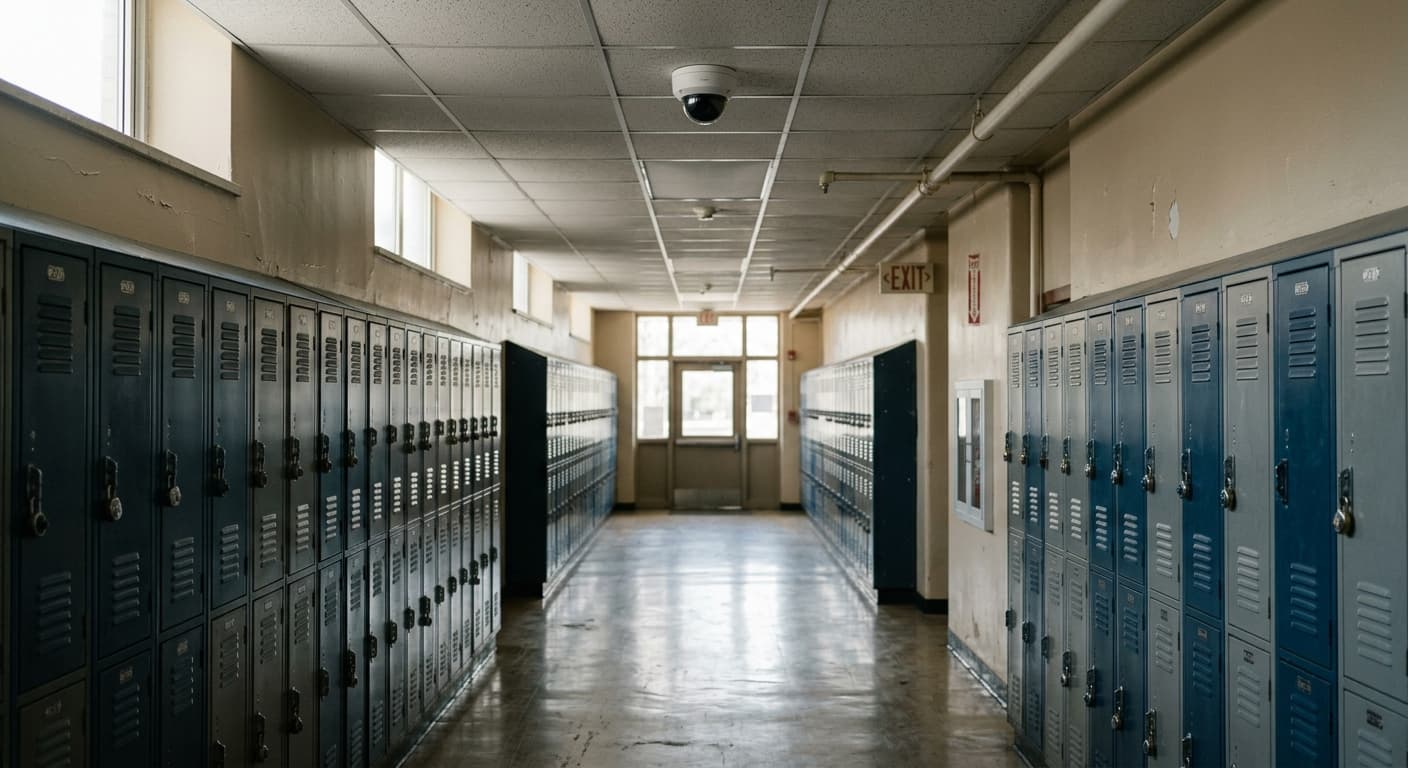
Massachusetts exige el consentimiento de todas las partes para las grabaciones de audio bajo Mass. Gen. Laws ch. 272, Section 99, y esa regla se aplica dentro de los edificios escolares sin excepción. Grabar en secreto una conversación en la escuela es un delito grave. FERPA rige por separado cómo las escuelas almacenan y comparten los registros educativos de los estudiantes, incluida cualquier grabación mantenida como parte del expediente de un estudiante.
La grabación en las escuelas de Massachusetts plantea preguntas legales particulares porque los estudiantes, padres, maestros y administradores tienen distintos intereses en juego. La regla fundamental sigue siendo la misma: bajo Mass. Gen. Laws ch. 272, Section 99, grabar en secreto cualquier conversación en una escuela es un delito grave que conlleva hasta 5 años en prisión estatal y una multa de $10,000. Massachusetts no ofrece una alternativa de delito menor, y la ley se aplica por igual a adultos y a menores con edad suficiente para ser acusados.
Esta guía cubre las reglas de grabación para padres, estudiantes y educadores, las consideraciones especiales para las reuniones de IEP, las políticas de cámaras de seguridad escolares, y las protecciones de privacidad estudiantil.
El Estatuto de Escuchas Telefónicas en las Escuelas
Cómo Se Aplica la Section 99 en las Escuelas
El estatuto de escuchas telefónicas de Massachusetts no contiene una excepción específica para escuelas. Las mismas reglas que se aplican en lugares de trabajo, hogares y espacios públicos se aplican dentro de los edificios escolares y en los terrenos escolares:
- La grabación secreta de audio de cualquier conversación es un delito grave
- Todas las partes deben saber que se está grabando para que sea legal
- La ubicación no importa. Un pasillo escolar se trata igual que una oficina privada.
- La identidad de quien graba no importa. Los padres, maestros, administradores y estudiantes están todos sujetos a la ley.
Escenarios Comunes de Grabación Escolar
Legal: Un padre asiste a una reunión escolar y dice "voy a grabar esta reunión" antes de que comience la conversación. Todos los participantes están informados.
Ilegal: Un padre esconde un teléfono en su bolso para grabar en secreto una reunión con el maestro de su hijo. Esto es un delito grave incluso si el propósito del padre es documentar inquietudes sobre la educación de su hijo.
Legal: Una escuela instala cámaras de seguridad visibles con señalización publicada en pasillos y áreas comunes (sin grabación de audio).
Ilegal: Un maestro graba en secreto una conversación con un colega sobre el comportamiento de un estudiante. Incluso entre profesionales, la grabación secreta es un delito grave.
Derechos de Grabación de los Padres
Grabación de Reuniones Escolares
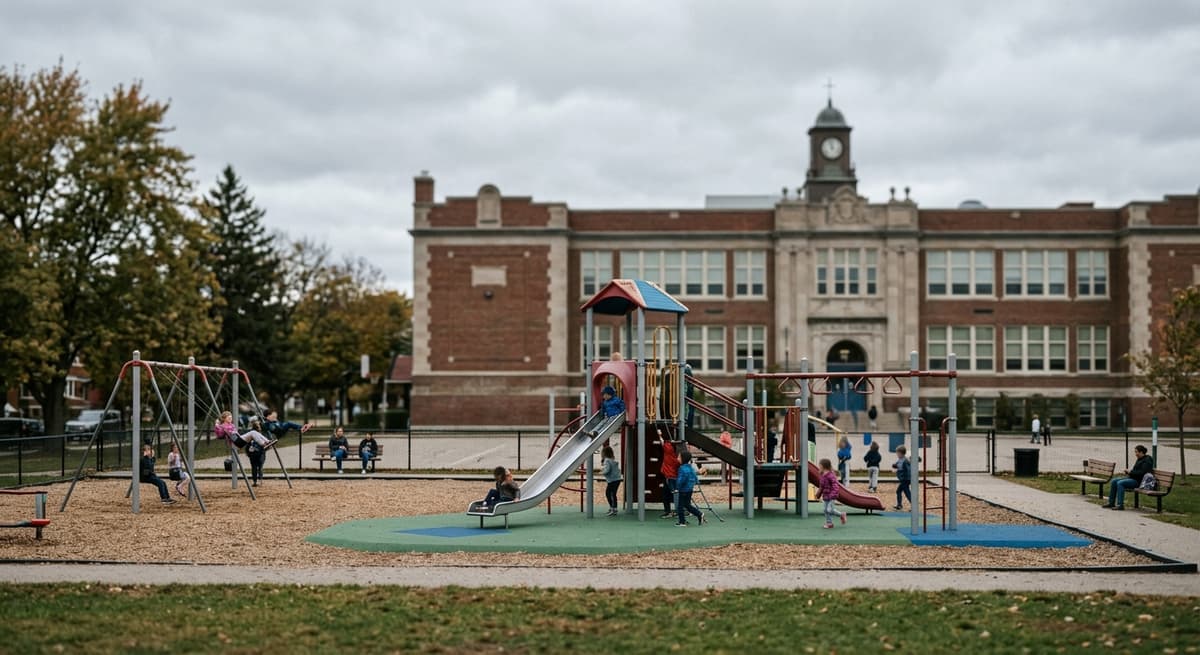
Los padres en Massachusetts tienen derecho a grabar reuniones con maestros, administradores y otro personal escolar, pero deben seguir el requisito de divulgación:
- Anuncie la grabación al inicio de cada reunión
- Indique claramente que está grabando, por ejemplo: "me gustaría grabar esta reunión para mis registros"
- Dé a los participantes la oportunidad de reconocer la grabación antes de proceder
- Comience a grabar solo después de la divulgación
La escuela no tiene la autoridad para prohibir que un padre grabe abiertamente una reunión. Aunque una escuela puede tener una política interna sobre grabación, esa política no puede anular el derecho del padre a hacer una grabación abierta y divulgada. El estatuto de escuchas telefónicas solo prohíbe la grabación secreta, no la grabación abierta a pesar de la objeción de alguien.
Reuniones de IEP y Educación Especial
Los padres de estudiantes con Programas Educativos Individualizados (IEP) a menudo desean grabar reuniones para garantizar la documentación precisa de lo que se habló y acordó. La ley federal bajo la Ley de Educación para Individuos con Discapacidades (IDEA) no aborda específicamente la grabación de reuniones de IEP, pero el Departamento de Educación Primaria y Secundaria de Massachusetts (DESE) sí lo ha abordado.
Bajo la práctica de Massachusetts:
- Los padres pueden grabar reuniones de IEP siempre que notifiquen a la escuela con anticipación
- Las escuelas también pueden grabar la reunión con aviso previo a los padres
- La escuela no puede negarse a realizar la reunión de IEP simplemente porque el padre quiera grabar
- Ambas partes deben saber sobre la grabación para que cumpla con la Section 99
- La grabación debe captar toda la reunión, no partes seleccionadas
La Oficina Federal de Programas de Educación Especial (OSEP) ha señalado que se deben seguir las leyes estatales sobre grabación, y en Massachusetts, esto significa que se aplica el requisito de divulgación.
Grabación de Llamadas Telefónicas con el Personal Escolar
Los padres que llaman a la escuela para hablar sobre la educación de su hijo, problemas disciplinarios u otros asuntos deben seguir las mismas reglas que cualquier otra llamada telefónica en Massachusetts:
- Anuncie que está grabando antes de que comience la conversación
- El empleado escolar no necesita dar su consentimiento, pero debe estar informado
- Si el empleado se opone y cuelga, haga el seguimiento por escrito en su lugar
Grabación por Parte de Estudiantes

Derechos y Restricciones de los Estudiantes
Los estudiantes de Massachusetts enfrentan las mismas restricciones del estatuto de escuchas telefónicas que los adultos. Un estudiante que graba en secreto a un maestro, compañero o administrador comete un delito grave bajo la Section 99.
Los estudiantes deben entender que:
- Grabar en secreto las clases sin el conocimiento del maestro viola la Section 99
- Grabar el acoso escolar (bullying) escondiendo un teléfono sigue siendo un delito grave, incluso si la grabación documenta una mala conducta real
- Grabar peleas o altercados en la escuela puede ser legal si la grabación es abierta y evidente (como sostener un teléfono visiblemente para grabar), pero la grabación secreta no lo es
- Compartir grabaciones de otros estudiantes también puede involucrar leyes de privacidad y códigos disciplinarios escolares
Estudiantes con Discapacidades
Los estudiantes con discapacidades documentadas que necesitan grabar clases como una adaptación académica deben pasar por los servicios de discapacidad de su escuela o el equipo de 504/IEP. El proceso de adaptación debe:
- Documentar la necesidad de grabación del estudiante como parte de su plan educativo
- Proporcionar notificación por escrito a los maestros de que se realizará la grabación
- Establecer lineamientos sobre cómo se usarán y almacenarán las grabaciones
- Garantizar el cumplimiento de la Section 99 mediante divulgación formal en lugar de grabación secreta
Grabación por Parte de Maestros y Personal
Grabación de Estudiantes por Parte de Maestros
Los maestros que desean grabar actividades del aula, clases o interacciones deben informar a los estudiantes (y, en el caso de estudiantes más jóvenes, a sus padres) que se está realizando la grabación. Los maestros no pueden:
- Grabar en secreto conversaciones con estudiantes
- Grabar en secreto reuniones con padres
- Grabar en secreto conversaciones con colegas o administradores
- Usar dispositivos de grabación ocultos en las aulas
Grabación de Reuniones por Parte de Maestros
Los maestros involucrados en disputas laborales, procedimientos disciplinarios o negociaciones sindicales pueden querer grabar interacciones con administradores. Se aplican las mismas reglas:
- La grabación debe divulgarse abiertamente antes de comenzar
- El administrador no necesita dar su consentimiento, pero debe estar informado
- El representante sindical del maestro debe ser informado del plan de grabación
- Las reuniones relacionadas con el sindicato pueden tener consideraciones adicionales de grabación bajo la Ley Nacional de Relaciones Laborales
Cámaras de Seguridad Escolares
Instalación de Cámaras en las Escuelas
Las escuelas de Massachusetts comúnmente instalan cámaras de seguridad por razones de seguridad. Las reglas para las cámaras escolares siguen el marco general de Massachusetts:
- Las cámaras de video silenciosas en pasillos, entradas, estacionamientos y áreas comunes generalmente están permitidas
- Las cámaras con capacidad de audio deben cumplir con la Section 99. Los estudiantes, el personal y los visitantes deben saber sobre la grabación de audio.
- Las cámaras en las aulas son cada vez más comunes con fines de seguridad. Las cámaras silenciosas generalmente son permisibles con notificación a estudiantes y padres. Las cámaras con capacidad de audio requieren el cumplimiento total del estatuto de escuchas telefónicas.
- Las cámaras en baños, vestidores y áreas de cambio siempre están prohibidas
Requisitos de Aviso
Las escuelas deben:
- Colocar señalización visible en todas las entradas y áreas monitoreadas indicando que hay vigilancia por video en curso
- Incluir las políticas de cámaras en los manuales de estudiantes y padres
- Notificar al personal sobre las ubicaciones y capacidades de las cámaras en los materiales de empleo
- Abordar específicamente la capacidad de grabación de audio si las cámaras tienen micrófonos
Aprendizaje Remoto y Grabación de Aulas
La expansión del aprendizaje remoto e híbrido ha aumentado la grabación en las aulas. Las escuelas que graban lecciones para estudiantes remotos o para revisión posterior deben:
- Informar a todos los estudiantes y padres que se realiza la grabación del aula
- Abordar la grabación en la política de uso aceptable de tecnología de la escuela
- Garantizar que las sesiones grabadas se almacenen de forma segura y se accedan solo con fines educativos
- Cumplir con las protecciones de privacidad estudiantil cuando las grabaciones contengan información identificable de estudiantes
Protecciones de Privacidad Estudiantil
FERPA
La Ley de Derechos Educativos y Privacidad Familiar (FERPA) es una ley federal que protege la privacidad de los registros educativos de los estudiantes. FERPA se aplica a todas las escuelas que reciben fondos federales. Bajo FERPA:
- Las grabaciones de audio y video que contienen información identificable de estudiantes se consideran registros educativos cuando la escuela las mantiene
- Las escuelas generalmente no pueden divulgar grabaciones que contengan información de estudiantes sin el consentimiento de los padres
- Los padres tienen derecho a inspeccionar las grabaciones que forman parte del expediente educativo de su hijo
- Los derechos de FERPA se transfieren al estudiante a los 18 años
Regulaciones de Registros Estudiantiles de Massachusetts
Las Regulaciones de Registros Estudiantiles de Massachusetts (603 CMR 23.00) brindan protecciones de privacidad adicionales más allá de FERPA:
- Los registros estudiantiles, incluidas las grabaciones, deben mantenerse de forma segura
- El acceso a los registros estudiantiles está limitado al personal autorizado
- Los padres y estudiantes elegibles tienen derecho a inspeccionar y modificar los registros
- Las escuelas deben tener políticas escritas para la retención y destrucción de registros
- Las escuelas no pueden compartir grabaciones de estudiantes con terceros sin la autorización adecuada
Redes Sociales y Grabaciones Estudiantiles
Cuando las grabaciones hechas en las escuelas terminan en redes sociales, convergen varios problemas legales:
- Infracciones de la Section 99 si la grabación se hizo en secreto
- Infracciones de FERPA si la escuela divulgó información identificable de estudiantes
- Ciberacoso si la grabación se usa para acosar o humillar a un estudiante
- La ley de Massachusetts contra el acoso escolar (Mass. Gen. Laws ch. 71, Section 37O) exige que las escuelas aborden el ciberacoso que afecta el entorno escolar
Oficiales de Recursos Escolares
Grabación de Oficiales de Recursos Escolares (SRO)
Los Oficiales de Recursos Escolares (SRO) son agentes de las fuerzas del orden asignados a las escuelas. Bajo el fallo del Primer Circuito en Project Veritas v. Rollins (2020), grabar a la policía en el desempeño de sus funciones oficiales en público está protegido por la Primera Enmienda. El fallo no abordó las escuelas. Protege la grabación de la policía en «espacios públicos», que el tribunal describió como foros públicos tradicionales, tales como parques públicos, paradas de tráfico en la vía pública y otros lugares inevitablemente públicos.
Sin embargo, el entorno escolar agrega complejidad:
- El fallo no indica si un pasillo escolar u otra área de una escuela cuenta como un espacio público
- Grabar a un SRO durante una reunión privada con un estudiante o padre puede involucrar consideraciones diferentes
- Las escuelas pueden tener políticas que restringen la grabación en el campus, aplicables al acto de grabar, independientemente del estatuto de escuchas telefónicas
- Los intereses de privacidad estudiantil pueden limitar la capacidad de grabar interacciones que involucran a otros estudiantes
Leyes de Grabación de Massachusetts por Tema
Grabación de Llamadas Telefónicas | Grabación de Audio | Grabación de Video | Grabación en el Trabajo | Grabación de la Policía | Cámaras de Seguridad | Grabación en Público | Arrendador e Inquilino | Leyes de Dashcam | Escuelas | Grabación Médica | Voyeurismo y Cámaras Ocultas
Volver a las Leyes de Grabación de Massachusetts
Más Leyes de Massachusetts
- Leyes de Grabación de Reuniones con IA en Massachusetts
- Leyes de Pensión Alimenticia de Massachusetts
- Leyes de Empleo a Voluntad de Massachusetts
- Leyes de Accidentes de Auto de Massachusetts
- Leyes de Asientos de Auto para Niños de Massachusetts
- Leyes de Custodia de Menores de Massachusetts
- Leyes de Manutención de Menores de Massachusetts
- Leyes de Matrimonio de Hecho de Massachusetts
- Leyes de Privacidad de Datos de Massachusetts
- Leyes de Deepfake de Massachusetts
- Leyes de Divorcio de Massachusetts
- Leyes de Mordeduras de Perro de Massachusetts
- Leyes de Emancipación de Massachusetts
- Leyes de Eliminación de Antecedentes de Massachusetts
- Leyes de Choque y Fuga de Massachusetts
- Leyes de Arrendador e Inquilino de Massachusetts
Más Temas de Grabación de Massachusetts
- Leyes de Grabación de Massachusetts
- Grabación de Audio en Massachusetts
- Grabación de Video en Massachusetts
- Grabación Médica en Massachusetts
- Grabación en el Trabajo en Massachusetts
- Grabación de la Policía en Massachusetts
- Grabación de Llamadas Telefónicas en Massachusetts
- Grabación con Cámaras de Seguridad en Massachusetts
- Grabación de Voyeurismo en Massachusetts
- Grabación entre Arrendador e Inquilino en Massachusetts
- Grabación con Cámaras de Tablero en Massachusetts
- Grabación en Público en Massachusetts
- Leyes de Privacidad Biométrica de Massachusetts
- Leyes de Cámaras de Vigilancia
Preguntas frecuentes
¿Puedo grabar la reunión de IEP de mi hijo en Massachusetts?
Sí, pero debe informar a la escuela con anticipación que tiene la intención de grabar. La ley de Massachusetts exige que todas las partes sepan sobre la grabación. La escuela no puede negarse a realizar la reunión de IEP porque usted quiera grabar, pero debe dar aviso previo para que la grabación no sea secreta.
¿Puede un estudiante grabar una clase en Massachusetts?
Solo con el conocimiento del maestro. Grabar en secreto una clase viola Mass. Gen. Laws ch. 272, Section 99 y es un delito grave. Los estudiantes que necesitan grabar clases como adaptación por discapacidad deben trabajar con el equipo de 504 o IEP de su escuela para establecer una adaptación formal que incluya la notificación al maestro.
¿Pueden las escuelas tener cámaras de seguridad en Massachusetts?
Sí. Las escuelas pueden instalar cámaras de video silenciosas en pasillos, entradas y áreas comunes con señalización publicada. Las cámaras en baños, vestidores y áreas de cambio siempre están prohibidas. Si las cámaras tienen capacidad de audio, la escuela debe cumplir con el estatuto de escuchas telefónicas asegurándose de que todas las personas sepan sobre la grabación.
¿Puede un padre grabar en secreto a un maestro en Massachusetts?
No. Grabar en secreto a un maestro es un delito grave que conlleva hasta 5 años en prisión estatal y una multa de $10,000. No existe excepción para padres preocupados por la educación de su hijo. Puede grabar al maestro abiertamente anunciando la grabación antes de que comience la conversación.
¿Puede un estudiante grabar el acoso escolar (bullying)?
Un estudiante puede grabar un incidente abierta y visiblemente, como sostener un teléfono para filmar. Sin embargo, grabar en secreto conversaciones, incluso para documentar el acoso escolar, viola el estatuto de escuchas telefónicas de Massachusetts y es un delito grave. Los estudiantes que sufren acoso deben reportarlo a los administradores escolares o usar los procedimientos escolares contra el acoso.
Actualizaciones
Se corrigió la descripción del caso Project Veritas Action Fund v. Rollins: el fallo protege la grabación de la policía en espacios públicos, pero no abordó las escuelas ni a los oficiales de recursos escolares.
La ley detrás de este artículo
Este artículo se apoya en las disposiciones legales a continuación, conservadas en nuestro propio registro jurídico y obtenidas de la fuente oficial. Toque una sección para leer el texto vigente.
Massachusetts General Laws, Chapter 272
§ 99Interception of wire and oral communicationsVigentecitada en 24 de nuestros artículos
Section 99. Interception of wire and oral communications.— A. Preamble. The general court finds that organized crime exists within the commonwealth and that the increasing activities of organized crime constitute a grave danger to the public welfare and safety. Organized crime, as it exists in the commonwealth today, consists of a continuing conspiracy among highly organized and disciplined groups to engage in supplying illegal goods and services. In supplying these goods and services organized crime commits unlawful acts and employs brutal and violent tactics. Organized crime is infiltrating legitimate business activities and depriving honest businessmen of the right to make a living. The general court further finds that because organized crime carries on its activities through layers of insulation and behind a wall of secrecy, government has been unsuccessful in curtailing and eliminating it. Normal investigative procedures are not effective in the investigation of illegal acts committed by organized crime.
Texto oficial (extracto) · verificado el 2026-09-23 · Lea el texto completo en nuestra biblioteca legal · Verifique en malegislature.gov
Citada en 271 resoluciones judiciales de nuestra colecciónResolución más reciente que la cita en nuestra colección: 2026
En los tribunales (resumen editorial, verificado de forma independiente):Commonwealth v. Blood (1987) interpretó la Sección 99 como una prohibición general de grabar en secreto comunicaciones orales sin el consentimiento de todas las partes, y suprimió bajo el art. 14 una grabación policial sin orden judicial hecha con el consentimiento de una sola parte. Commonwealth v. Vitello (1975) sostuvo que la Sección 99 cumple sustancialmente con el Título III federal.
Resoluciones que citan esta sección en nuestra colección:
- Commonwealth v. Vitello (Massachusetts Supreme Judicial Court 1975, 367 Mass. 224)✓En una causa por juegos de azar basada en llamadas telefónicas interceptadas, el SJC hizo la primera revisión completa del capítulo 272 sección 99 y sostuvo que la ley estatal de interceptación cumple sustancialmente con el Title III federal y que las órdenes cumplían ambos estándares.
- Commonwealth v. Blood (Massachusetts Supreme Judicial Court 1987, 400 Mass. 61)✓La policía equipó a un informante que grabó conversaciones en casas particulares sobre un robo planeado; el SJC sostuvo que las grabaciones caían dentro de la excepción de consentimiento de una sola parte de la sección 99, pero que el artículo 14 igualmente exigía una orden, y revocó las condenas.
- Commonwealth v. D'Amour (Massachusetts Supreme Judicial Court 1999, 428 Mass. 725)✓El SJC confirmó una interceptación bajo la sección 99 de los teléfonos de una viuda sospechosa de arreglar el asesinato de su esposo por el dinero del seguro, y sostuvo que la designación escrita de un asistente por la fiscal de distrito cumplió con Vitello y que había causa probable de conexión con el crimen organizado.
Identificado automáticamente a partir de las opiniones judiciales que citan esta sección; no es un ranking de qué caso prevalece.
También citada en: Grabaciones como prueba: reglas judiciales por estado
Massachusetts General Laws, Chapter 71
§ 37OSchool bullying prohibited; bullying prevention and intervention plans; reporting of bullying incident dateVigente
Section 37O. (a) As used in this section the following words shall, unless the context clearly requires otherwise, have the following meaning:- ''Approved private day or residential school'', a school that accepts, through agreement with a school committee, a child requiring special education pursuant to section 10 of chapter 71B. ''Bullying'', the repeated use by one or more students or by a member of a school staff including, but not limited to, an educator, administrator, school nurse, cafeteria worker, custodian, bus driver, athletic coach, advisor to an extracurricular activity or paraprofessional of a written, verbal or electronic expression or a physical act or gesture or any combination thereof, directed at a victim that: (i) causes physical or emotional harm to the victim or damage to the victim's property; (ii) places the victim in reasonable fear of harm to himself or of damage to his property; (iii) creates a hostile environment at school for the victim; (iv) infringes on the rights of the victim at school; or (v) materially and substantially disrupts the education process or the orderly operation of a school.
Texto oficial (extracto) · verificado el 2026-07-29 · Lea el texto completo en nuestra biblioteca legal · Verifique en malegislature.gov
Citada en 9 resoluciones judiciales de nuestra colecciónResolución más reciente que la cita en nuestra colección: 2024
Resoluciones que citan esta sección en nuestra colección:
- Cormier v. City of Lynn (Massachusetts Supreme Judicial Court 2018, 479 Mass. 35)“…tibullying statute was enacted in 2010 and amended in 2014. G. L. c. 71, § 37O, inserted by St. 2010, c. 92, § 5, and…”
- L. M. v. Town of Middleborough, Massachusetts (Court of Appeals for the First Circuit 2024, 103 F.4th 854)“…Bostock v. Clayton Cnty., Ga., 590 U.S. 644 (2020); Mass. G.L. ch. 71, § 37O; Mass. G.L. ch. 76, § 5. No…”
- Doe v. Hopkinton Public Schools (Court of Appeals for the First Circuit 2021)“…They further argued that the "emotional harm" prong of Mass. Gen. Laws ch. 71, § 37O is unconstitutional. They also…”
Identificado automáticamente a partir de las opiniones judiciales que citan esta sección; no es un ranking de qué caso prevalece.
Fuentes y referencias
- Mass. Gen. Laws ch. 272, Section 99 - Estatuto de Escuchas Telefónicas(malegislature.gov).gov
- Departamento de Educación Primaria y Secundaria de Massachusetts (DESE)(doe.mass.edu).gov
- Regulaciones de Registros Estudiantiles de Massachusetts - 603 CMR 23.00(doe.mass.edu).gov
- Ley de Derechos Educativos y Privacidad Familiar (FERPA)(www2.ed.gov).gov
- Ley de Educación para Individuos con Discapacidades (IDEA)(sites.ed.gov).gov
- Mass. Gen. Laws ch. 71, Section 37O - Ley Contra el Acoso Escolar(malegislature.gov).gov