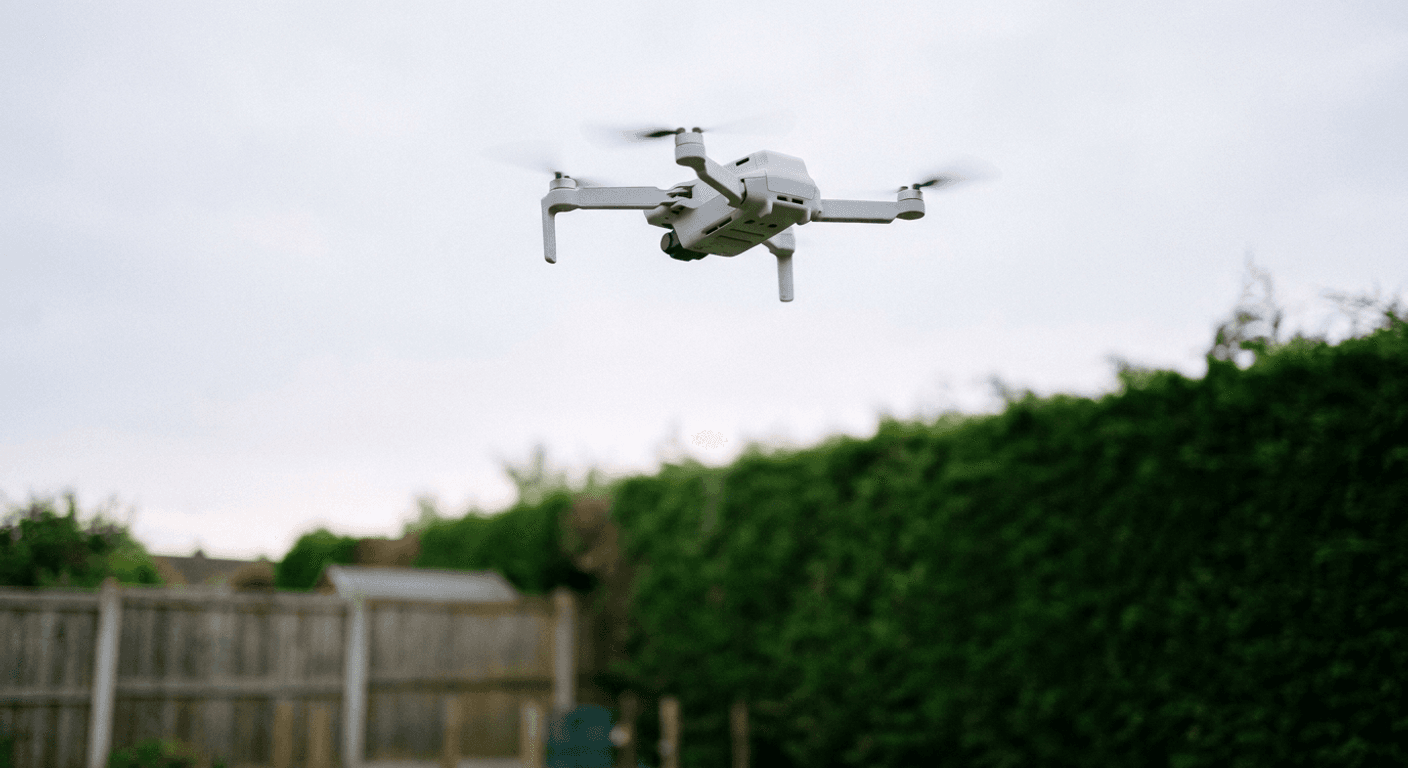
Alabama Drone Laws (2026): Privacy, Prisons & Police Warrants
Alabama has no drone privacy law or police warrant statute. See how general surveillance and trespass law apply, plus prison, event, and shoot-down rules.
9 min read
51 articles
Alabama has no drone privacy law or police warrant statute. See how general surveillance and trespass law apply, plus prison, event, and shoot-down rules.

Alaska requires a warrant for police drone use and bans drones for hunting, but has no civilian privacy statute. See the laws, cases, and shoot-down rules.

Arizona has no civilian drone privacy law, but bans drones near critical facilities, preempts local ordinances, and lets police disable drones near the border.
Arkansas drone law explained: the 2025 Arkansas Privacy Act, the drone voyeurism statute, hunting-scout bans, and why shooting down a drone is a federal felony.
California's anti-paparazzi law, Civil Code Section 1708.8, lets you sue over a drone flown into your airspace to record a private moment.
Colorado has no drone-specific privacy statute, so a claim relies on trespass, nuisance, and the 1937 airspace-ownership law, Colo. Rev. Stat. Section 41-1-107.
Connecticut has no drone-specific privacy law, but voyeurism, 2025 critical-infrastructure, and weaponization statutes all reach drone use in the state.

Delaware bars drones over events, critical infrastructure, and emergencies, exempts police, and makes prison-contraband delivery by drone a felony.

Florida rewrote its drone privacy law effective October 1, 2025. See what Fla. Stat. Section 934.50 requires, the police-warrant rule, and the penalties for violating it.
Georgia has no drone-specific privacy statute, so drone surveillance is prosecuted under the general invasion-of-privacy law, O.C.G.A. Section 16-11-62.
Hawaii bans flying a drone within 50 feet of a home to harass someone under HRS Section 711-1125 (renumbered from 711-1114), and criminalizes drone surveillance of private places.
Idaho Code 21-213 lets you sue anyone, including police, for filming you with a drone for publication without consent. Warrant, hunting, and shoot-down rules.
Illinois requires police to get a warrant before using a drone, under the Freedom from Drone Surveillance Act. Civilian privacy and hunting rules explained.
Indiana Code 35-33-5-9 requires police to get a warrant before drone surveillance of private property. See the voyeurism law, hunting ban, and shoot-down rules.
Iowa Code chapter 715E bars drone intrusion and surveillance over homes and farms. See warrant rules under section 808.15, penalties, and injunctions.
Kansas has no dedicated drone-privacy law. Drone surveillance falls under the stalking act, K.S.A. 60-31a02, plus a 2025 foreign-drone procurement ban.
Kentucky requires a police drone warrant and, since June 2025, bars civilian drone surveillance under KRS 500.130(12), with a civil suit under KRS 411.067.
Louisiana's video voyeurism law, La. R.S. 14:283, covers drone cameras and requires sex offender registration on conviction for violators.
Maine requires police to get a warrant, often with Attorney General sign-off, before flying a drone under 25 M.R.S. Section 4501. See the warrant rule and its exceptions.
Maryland has no civilian drone-privacy statute, so disputes rely on common-law claims like Furman v. Sheppard and general trespass law.
Massachusetts has no drone-specific privacy statute. Learn how trespass, the all-party wiretap law, harassment law, and pending 2026 legislation govern drones.
Michigan bars drone harassment and privacy invasion under MCL 259.322, preempts local drone ordinances, and limits warrant protection per Long Lake Township v.
Minnesota requires a warrant for police drone use under Minn. Stat. 626.19 and bans facial recognition or protest surveillance without one.
Mississippi has no general drone-privacy statute, but its 2021 law bans unconsented drone surveillance of prisons and critical infrastructure.
Missouri has no drone-privacy statute or warrant requirement, but Mo. Rev. Stat. Section 577.800 bans flying a drone over open-air venues, correctional centers, and critical infrastructure.
Montana bars using drone-gathered evidence against you without a warrant, and its 2025 law makes low-altitude drone flights over private land a trespass.
Nebraska has no dedicated drone-privacy statute, but drone surveillance is a crime under Neb. Rev. Stat. 28-521 and 28-311.08. See warrant and hunting rules.
Nevada drone law under NRS 493: civil trespass for low overflights, a police warrant requirement, critical-facility buffers, and a weaponized-drone felony.
New Hampshire's new drone statute, RSA 644:23, took effect Jan. 1, 2026. Learn how it, RSA 644:9 privacy law, and hunting rules govern drones in the state.
New Jersey criminalizes drone surveillance of correctional facilities and drone-based voyeurism under N.J.S.A. 2C:40-27 through 2C:40-30, but sets no police warrant rule.
New Mexico has no enacted drone privacy statute, four bills have failed since 2013, but its voyeurism statute, NMSA 30-9-20, can still reach a drone-mounted camera.
New York drone law explained: why the state has no single drone statute, NYC's strict permit regime, the prison-contraband problem, and shoot-down rules.
North Carolina bars drone surveillance without consent under G.S. 15A-300.1, generally requires a police warrant, and bans drone flights near prisons.
North Dakota requires a police drone warrant under N.D.C.C. 29-29.4, with 4 exceptions, and bans lethal drone weapons while allowing less-lethal ones.
Ohio requires a police drone warrant under new HB 251 (signed July 2026); ORC 4561.51 already bars drone flights near prisons, plants, and hospitals.
Oklahoma bans drone surveillance under 21 O.S. Section 1743, adds felony trespass tiers near critical infrastructure, and treats shoot-downs as a federal crime.
Oregon bans warrantless police drone surveillance under ORS 837.310 and bars weaponized drones under ORS 837.365, with civil remedies for repeat drone trespass.
Pennsylvania bans drone surveillance and threats under 18 Pa.C.S. Section 3505 and makes prison contraband delivery by drone a second-degree felony.
Rhode Island has no drone-specific privacy law. Drone spying is charged as video voyeurism or trespass. See warrant, preemption, and shoot-down rules.
South Carolina's Drone Regulation and Public Safety Act, signed May 2026 and effective January 1, 2027, sets a 1,500-foot prison buffer with new felonies.
South Dakota bans drone spying, landing on private land without consent, and flying over prisons under SDCL 50-15. See warrant, hunting, and felony rules.
Tenn. Code Ann. Section 39-13-609 requires police to get a warrant before using a drone to gather evidence. See the exceptions and evidence-deletion rule.
Texas Chapter 423 makes it a crime to capture surveillance images by drone, and the Fifth Circuit upheld the law in National Press Photographers Association v. McCraw.
Utah Code Section 72-10-802 requires police to get a warrant before using drone-collected data as evidence in most circumstances.
Vermont bars drones below 100 feet over private land without consent and requires a police warrant for drone investigations under 20 V.S.A. sections 4622, 4626.
Virginia requires a police drone warrant under Va. Code 19.2-60.1 and criminalizes drone trespass and critical-infrastructure flights under section 18.2-121.3.
Washington DC sits in a federal no-fly zone and has no drone-specific privacy statute. See how DC's flight restrictions and general laws apply.
Washington has no drone-privacy statute or warrant law; RCW 9A.44.115 voyeurism and WAC 220-413-070 wildlife rules fill the gap after two bills failed.
West Virginia has banned drone spying since 2018, expanded in 2023, under W. Va. Code Section 61-16-2. See the penalties and felony provisions.
Wisconsin bans spying with a drone, requires a police warrant before drone evidence, and as of April 2026 restricts flights over schools and utilities.
Wyoming's 2025 law, W.S. 19-13-503, added felony penalties for flying drones over critical infrastructure and a new low-altitude interference penalty.