
Connecticut
Leyes de Grabación de Video en Connecticut: Consentimiento, Vigilancia y Reglas de Privacidad (2026)
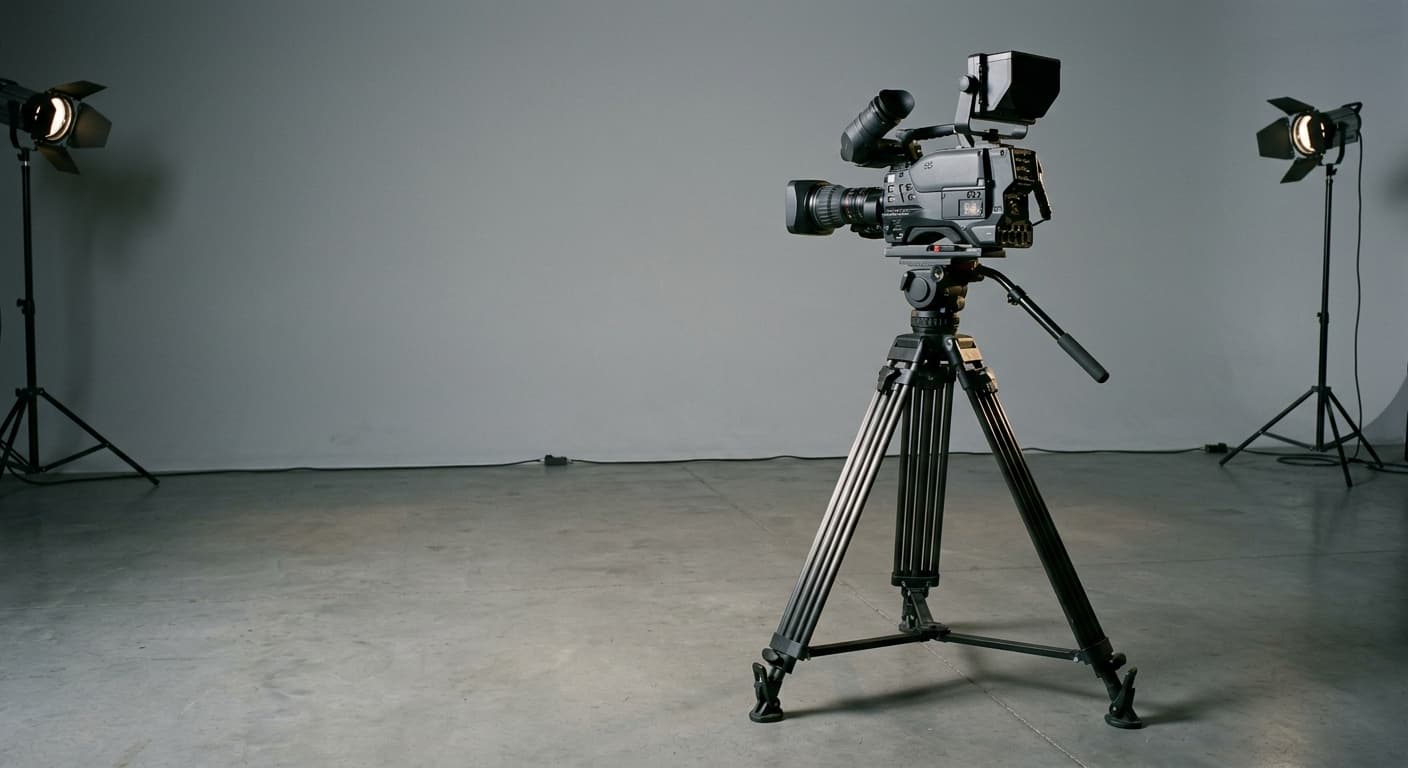
Connecticut permite la grabación de video silenciosa en espacios públicos y áreas sin expectativa razonable de privacidad. Agregar audio activa la ley de escuchas ilegales de Connecticut para grabaciones en persona, la CGS 53a-189 (basada en las definiciones de la CGS 53a-187), mientras que las llamadas telefónicas están sujetas a la CGS 52-570d (lo más prudente es tratar las videollamadas de la misma manera, aunque el estatuto no las menciona), la cual se cumple con el consentimiento de todas las partes, un aviso verbal grabado al inicio de la llamada, o una señal audible repetitiva de advertencia. Grabar en espacios privados sin consentimiento viola la ley de voyeurismo CGS 53a-189a.
Connecticut no cuenta con un estatuto único dedicado exclusivamente a la grabación de video. En cambio, la legalidad de la grabación de video depende de varios factores: si la grabación captura audio, dónde se realiza la grabación y si las personas grabadas tienen una expectativa razonable de privacidad. Comprender cómo interactúan estos factores es esencial para cualquier persona que use cámaras de video, sistemas de seguridad, cámaras corporales o video de teléfono inteligente en el estado.
Esta guía cubre el marco legal de grabación de video de Connecticut a partir de 2026, incluyendo las reglas de video silencioso, el video con audio habilitado, las leyes de voyeurismo, los requisitos de vigilancia en el lugar de trabajo y sus derechos para grabar en espacios públicos.
Grabación de Video Silenciosa en Connecticut
Regla General: Sin Prohibición Específica
Los estatutos de grabación de Connecticut, la infracción de escuchas ilegales en la CGS 53a-189 y las definiciones en la CGS 53a-187, se dirigen principalmente a las grabaciones de audio. Las definiciones de "interceptación de comunicaciones" (wiretapping) y "escucha mecánica de una conversación" se refieren ambas a escuchar o grabar comunicaciones, es decir, palabras habladas. La grabación de video pura, sin ninguna captura de audio, queda fuera del alcance de estos estatutos de espionaje enfocados en el audio.
Esto significa que grabar video sin audio generalmente está permitido en Connecticut, siempre que la grabación ocurra en un lugar donde los sujetos no tengan una expectativa razonable de privacidad.
Dónde el Video Silencioso Es Legal
- Calles, aceras y parques públicos: No existe expectativa de privacidad en estas áreas abiertas
- Establecimientos comerciales abiertos al público: Tiendas, restaurantes y otros negocios de cara al público
- Su propia propiedad: Puede instalar cámaras de video en su hogar y sus alrededores
- Áreas comunes de edificios comerciales: Vestíbulos, pasillos y áreas de estacionamiento
Dónde el Video Silencioso Está Restringido
Incluso sin audio, la grabación de video viola la ley de Connecticut cuando invade la expectativa razonable de privacidad de una persona. Esto incluye:
- Baños y vestidores: Grabar en estas áreas constituye voyeurismo según la CGS 53a-189a
- Dormitorios privados y habitaciones de hotel: Áreas donde las expectativas de privacidad son más altas
- Vestidores con casilleros: Protegidos tanto por los estatutos de voyeurismo como por las leyes de monitoreo laboral
- Cualquier lugar donde una persona esperaría razonablemente no ser observada
Grabación de Video con Audio: Consentimiento de una Sola Parte y de Todas las Partes

Cuándo el Audio Lo Cambia Todo
En el momento en que una grabación de video captura el audio de una conversación, se aplican las reglas de consentimiento de Connecticut. Esta distinción es fundamental porque la mayoría de los dispositivos modernos de grabación de video, incluidos los teléfonos inteligentes, las cámaras de seguridad, las cámaras corporales y los lentes inteligentes, graban audio de forma predeterminada.
Para las grabaciones de video en persona que capturan audio, se aplica la ley de escuchas ilegales de Connecticut: la CGS 53a-189 solo alcanza la "escucha mecánica de una conversación", que la CGS 53a-187 define como grabar sin el consentimiento de al menos una de las partes Y por una persona que no está presente. Si usted es participante de la conversación que se está grabando, tanto su presencia como su consentimiento sacan la grabación de esa definición.
Para las grabaciones de conversaciones telefónicas, se aplica la regla de consentimiento de todas las partes según la CGS 52-570d. El estatuto cubre una «comunicación telefónica oral privada» sin definir ese término, por lo que su texto no resuelve si alcanza las videollamadas; tratarlas de la misma manera es el enfoque prudente. Todas las personas en la llamada deben dar su consentimiento a la grabación, recibir una notificación verbal grabada al inicio de la llamada, o escuchar un tono automático que se repite aproximadamente cada 15 segundos mientras el dispositivo de grabación esté en uso.
Impacto Práctico
Esto significa que una cámara de seguridad que graba solo video está sujeta a un análisis legal diferente al de la misma cámara con el micrófono activado. Un propietario que instala un timbre con video que capta el audio de conversaciones en su porche debe considerar las implicaciones de la grabación de audio, no solo el componente de video.
Ley de Voyeurismo de Connecticut: CGS 53a-189a
Qué Prohíbe el Estatuto
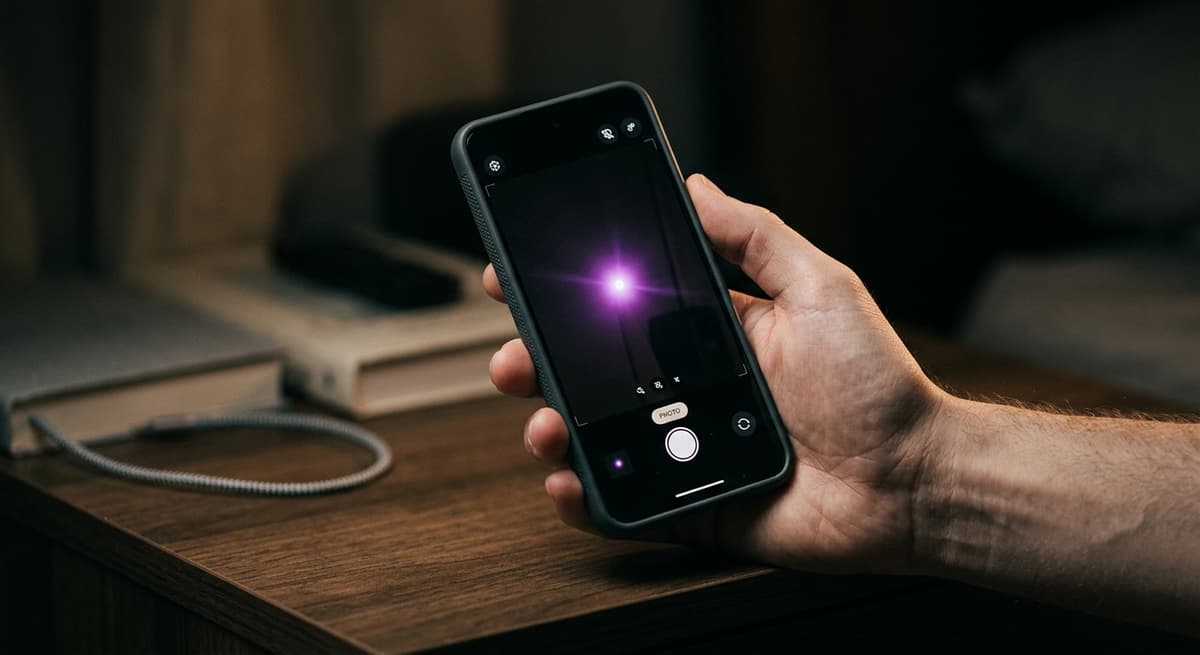
La CGS 53a-189a tipifica específicamente el voyeurismo como delito en Connecticut. El estatuto prohíbe grabar a sabiendas a otra persona sin su conocimiento o consentimiento en un lugar donde tenga una expectativa razonable de privacidad. Esto abarca:
- Usar cámaras ocultas en baños, dormitorios, vestidores o casilleros
- Grabar imágenes íntimas de una persona sin su consentimiento
- Distribuir imágenes íntimas que fueron grabadas sin consentimiento
- Cualquier grabación de video que capture a una persona en estado de desnudez en un entorno privado
Penas por Voyeurismo
Connecticut impone penas severas por delitos de voyeurismo:
| Infracción | Clasificación | Prisión Máxima | Multa Máxima |
|---|---|---|---|
| Primera infracción | Delito grave Clase D | 5 años | $5,000 |
| Infracción posterior | Delito grave Clase C | 10 años | $10,000 |
| Primera infracción que involucra a un menor de 16 años | Delito grave Clase C | 10 años | $10,000 |
El aumento a un delito grave de Clase C para las infracciones reincidentes y los casos que involucran a menores refleja la seriedad con la que Connecticut trata estas violaciones. Una persona condenada por voyeurismo también podría enfrentar requisitos de registro como delincuente sexual, dependiendo de las circunstancias.
Cámaras Ocultas
Instalar una cámara oculta en un lugar donde alguien tiene una expectativa razonable de privacidad es ilegal, sin importar si la cámara graba audio o no. Esto se aplica a los arrendadores que colocan cámaras ocultas en propiedades de alquiler, a los empleadores que instalan vigilancia encubierta en áreas privadas, y a las personas que usan cámaras ocultas para grabar a parejas íntimas u otras personas sin su consentimiento.
Vigilancia por Video en el Lugar de Trabajo
Requisitos de Aviso del Empleador Según la CGS 31-48d
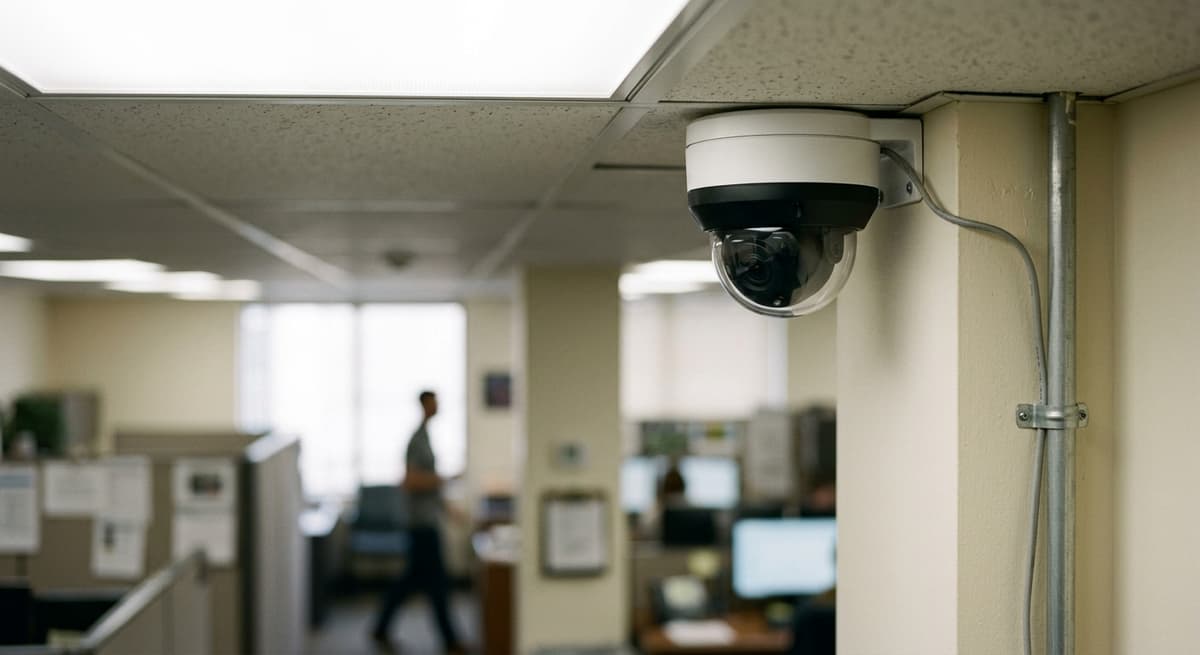
Connecticut es uno de los pocos estados con un estatuto específico que exige a los empleadores notificar a los empleados sobre el monitoreo electrónico, incluida la vigilancia por video. Según la CGS 31-48d, los empleadores deben:
- Proporcionar aviso previo por escrito a cada empleado antes de realizar cualquier forma de monitoreo electrónico, incluida la vigilancia por video
- Publicar un aviso en un lugar visible para todos los empleados afectados, describiendo los tipos de monitoreo que pueden ocurrir
El estatuto no vincula este aviso a la fecha de contratación del empleado, solo exige que preceda al monitoreo, y su propio texto establece que un aviso publicado de forma visible constituye el aviso escrito requerido.
Áreas de Monitoreo Prohibidas Según la CGS 31-48b
La CGS 31-48b prohíbe a los empleadores realizar cualquier forma de monitoreo electrónico en áreas designadas para la salud o la comodidad personal de los empleados. Esto incluye:
- Baños
- Vestidores con casilleros
- Salas de descanso designadas para la comodidad personal
El estatuto independiente de Connecticut sobre lactancia en el lugar de trabajo, la CGS 31-40w, protege por separado un espacio privado de lactancia. Las cámaras de video están absolutamente prohibidas en las áreas que cubre la 31-48b, independientemente de si el empleador ha proporcionado aviso u obtenido consentimiento.
Penas por Monitoreo del Empleador
Los empleadores que violen los requisitos de aviso de monitoreo de la CGS 31-48d enfrentan multas crecientes:
| Infracción | Multa |
|---|---|
| Primera infracción | $500 |
| Segunda infracción | $1,000 |
| Cada infracción posterior | $3,000 |
Colocar una cámara en un área prohibida por la CGS 31-48b conlleva una pena separada y más severa: $500 por una primera infracción, $1,000 por una segunda, y $1,000 más 30 días de prisión por una tercera infracción o posterior.
Excepción para la Investigación de Conductas Indebidas
La CGS 31-48d incluye una excepción que permite a los empleadores realizar monitoreo sin aviso previo por escrito cuando el empleador tiene motivos razonables para creer que los empleados están involucrados en una conducta que viola la ley, viola los derechos legales del empleador u otro empleado, o crea un ambiente de trabajo hostil. Esta excepción es limitada y requiere una base documentada y de buena fe para la investigación.
Audio en las Cámaras del Lugar de Trabajo
Si las cámaras de seguridad del lugar de trabajo tienen capacidad de grabación de audio, activar ese audio genera requisitos legales adicionales. Las conversaciones en persona captadas por las cámaras del lugar de trabajo se rigen por la regla de consentimiento de una sola parte, pero dado que es poco probable que algún participante de la conversación consienta la captura de audio de la cámara, esto podría constituir una escucha mecánica ilegal. Los empleadores deben desactivar el audio en las cámaras de vigilancia del lugar de trabajo o asegurarse de contar con los procedimientos adecuados de aviso y consentimiento.
Grabación en Espacios Públicos
Protecciones de la Primera Enmienda
La Primera Enmienda protege el derecho a grabar en espacios públicos donde no existe una expectativa razonable de privacidad. Este derecho se extiende a la grabación de video en aceras públicas, parques, eventos públicos y otras áreas abiertas al público en general.
Connecticut no cuenta con un estatuto específico que aborde la grabación de video en público, pero los tribunales han reconocido de manera constante el derecho de la Primera Enmienda a grabar asuntos de interés público en lugares públicos.
Eventos y Reuniones Públicas
La Ley de Libertad de Información (FOIA) de Connecticut garantiza el derecho del público a asistir y grabar las reuniones abiertas de los organismos gubernamentales. Esto incluye las reuniones del concejo municipal, las sesiones de la junta de educación, las audiencias de planificación y zonificación, y otros procedimientos oficiales. Se permite la grabación de video de estas reuniones públicas.
Propiedad Privada Abierta al Público
Las empresas y organizaciones que abren sus instalaciones al público pueden establecer sus propias reglas sobre la grabación de video. El dueño de una tienda puede prohibir que los clientes graben dentro del establecimiento. Un teatro puede prohibir la grabación de video durante las funciones. Estas son reglas de propiedad privada, no leyes de grabación estatales, y la sanción por incumplirlas suele ser que le pidan retirarse o que lo acusen de allanamiento si se niega a hacerlo.
Sistemas de Video de Seguridad para el Hogar
Grabar Su Propia Propiedad
Los propietarios de vivienda en Connecticut tienen amplios derechos para instalar vigilancia por video en su propia propiedad. Puede colocar cámaras en su casa, apuntando hacia su entrada de vehículos, patio, puerta principal y otras áreas de su propiedad. Estas cámaras también pueden captar áreas públicas como aceras y calles visibles desde su propiedad.
Apuntar Cámaras hacia los Vecinos
Aunque puede grabar áreas visibles desde su propia propiedad, apuntar deliberadamente las cámaras para grabar áreas privadas de un vecino, como las ventanas de un dormitorio o patios traseros cercados, puede constituir una invasión de la privacidad. Los tribunales de Connecticut aplican un estándar de razonabilidad: las cámaras que captan vistas incidentales de la propiedad vecina generalmente son aceptables, mientras que las cámaras dirigidas deliberadamente a espacios privados pueden dar lugar a una demanda.
Audio en las Cámaras de Seguridad del Hogar
Muchas cámaras de seguridad para el hogar y timbres con video graban audio de forma predeterminada. Cuando estos dispositivos captan conversaciones, se aplican las reglas de grabación de audio. Para las conversaciones en persona captadas por el dispositivo, se aplica el consentimiento de una sola parte, pero dado que el propietario podría no estar participando en cada conversación captada, existe el riesgo de grabar sin el consentimiento de ninguna de las partes. Considere desactivar el audio en las cámaras exteriores o colocar un letrero visible que indique que se está realizando una grabación de audio y video.
Grabación de Video y Drones
Regulaciones de la FAA
Los operadores de drones en Connecticut deben cumplir con las regulaciones de la Administración Federal de Aviación (FAA), que exigen el registro de los drones que pesen más de 0.55 libras y el cumplimiento de las restricciones de espacio aéreo. La FAA establece las reglas básicas sobre dónde y cómo pueden volar los drones.
Privacidad de Drones en Connecticut
Usar un dron equipado con una cámara para grabar video de personas en áreas donde tienen una expectativa razonable de privacidad puede violar las leyes de voyeurismo y privacidad de Connecticut. Volar un dron para espiar a través de ventanas, grabar a personas en patios traseros cercados o captar imágenes de personas en entornos privados no está protegido simplemente porque la grabación se realice desde el aire.
Regulaciones Municipales
Varios municipios de Connecticut han adoptado sus propias regulaciones sobre drones, que pueden imponer restricciones adicionales a la grabación de video aéreo. Los operadores deben verificar las ordenanzas locales antes de volar drones con cámaras en áreas residenciales.
Llamadas de Video y Reuniones Virtuales
Grabación de Zoom, Teams y Otras Plataformas
Las llamadas de video realizadas a través de Zoom, Microsoft Teams, Google Meet, FaceTime y plataformas similares se tratan más prudentemente como sujetas a las reglas de grabación telefónica de Connecticut según la CGS 52-570d. El estatuto se aplica a cualquier «comunicación telefónica oral privada», pero no define ese término ni menciona las plataformas de video por internet, por lo que su aplicación a las videollamadas no está claramente resuelta. Lo prudente es que la parte que graba obtenga el consentimiento de cada participante, dé una notificación verbal grabada al inicio de la llamada, o use un dispositivo que emita un tono automático aproximadamente cada 15 segundos durante la grabación.
La mayoría de las plataformas ofrecen notificaciones integradas de grabación que alertan a los participantes cuando alguien comienza a grabar. Aunque estas notificaciones son útiles, la práctica más segura es anunciar verbalmente la grabación y confirmar que todos los participantes dan su consentimiento.
Grabación de Pantalla
Las herramientas de grabación de pantalla que captan video de una reunión o llamada deben tratarse igualmente, por prudencia, como sujetas a los requisitos de consentimiento, aviso o señal de tono de la CGS 52-570d cuando captan audio. Una grabación de pantalla que solo captura contenido visual sin audio se trata de manera diferente, pero la mayoría de las grabaciones de pantalla de llamadas de video incluyen audio.
Cámaras Corporales y Dispositivos de Video Portátiles
Ciudadanos Particulares
Los residentes de Connecticut que usan cámaras corporales o dispositivos de video portátiles en público pueden hacerlo legalmente, ya que no existe una prohibición general sobre la grabación de video en espacios públicos. Sin embargo, si el dispositivo capta audio, se aplica la regla de consentimiento de una sola parte a las interacciones en persona. La persona que lleva el dispositivo debe ser participante de cualquier conversación que este grabe.
Cámaras Corporales de las Fuerzas del Orden
Los departamentos de policía de Connecticut han adoptado cada vez más el uso de cámaras corporales bajo la Ley de Responsabilidad Policial de Connecticut (P.A. 20-1, Sesión Especial). Los programas de cámaras corporales están codificados en el Conn. Gen. Stat. § 29-6d, que establece los requisitos sobre cuándo deben activarse las cámaras, cómo se almacenan las grabaciones y cuándo el público puede acceder a ellas mediante solicitudes de la FOIA.
Dispositivos Portátiles Proporcionados por el Empleador
Los empleadores que proporcionan dispositivos de video portátiles a los empleados deben cumplir con los requisitos de aviso de la CGS 31-48d. Se debe proporcionar un aviso por escrito antes de que los empleados comiencen a usar los dispositivos, y el aviso debe describir los tipos de monitoreo involucrados.
Más Leyes de Connecticut
- Leyes de Grabación con IA en Reuniones de Connecticut
- Leyes de Pensión Alimenticia de Connecticut
- Leyes de Empleo a Voluntad de Connecticut
- Leyes de Accidentes de Auto de Connecticut
- Leyes de Asientos de Auto para Niños de Connecticut
- Leyes de Custodia de Menores de Connecticut
- Leyes de Manutención Infantil de Connecticut
- Leyes de Matrimonio de Hecho de Connecticut
- Leyes de Privacidad de Datos de Connecticut
- Leyes de Deepfakes de Connecticut
- Leyes de Divorcio de Connecticut
- Leyes de Mordeduras de Perro de Connecticut
- Leyes de Emancipación de Connecticut
- Leyes de Eliminación de Antecedentes Penales de Connecticut
- Leyes de Atropello y Fuga de Connecticut
- Leyes de Propietarios e Inquilinos de Connecticut
Más Leyes de Grabación de Connecticut
Grabación de Audio | Grabación de Video | Voyeurismo y Cámaras Ocultas | Grabación en el Lugar de Trabajo | Grabación a la Policía | Grabación de Llamadas Telefónicas | Cámaras de Seguridad | Grabación en Público | Propietarios e Inquilinos | Leyes de Dashcam | Escuelas | Grabación Médica
Volver a las Leyes de Grabación de Connecticut
Más Temas de Grabación de Connecticut
- Leyes de Grabación de Connecticut
- Grabación de Audio de Connecticut
- Grabación Médica de Connecticut
- Grabación en Escuelas de Connecticut
- Grabación en el Lugar de Trabajo de Connecticut
- Grabación a la Policía de Connecticut
- Grabación de Llamadas Telefónicas de Connecticut
- Grabación con Cámaras de Seguridad de Connecticut
- Grabación de Voyeurismo de Connecticut
- Grabación de Propietarios e Inquilinos de Connecticut
- Grabación con Dashcam de Connecticut
- Grabación en Público de Connecticut
- Leyes de Privacidad Biométrica de Connecticut
- Leyes de Cámaras de Vigilancia
Preguntas frecuentes
¿Es legal grabar video en Connecticut sin el consentimiento de alguien?
Depende de las circunstancias. La grabación de video silenciosa (sin audio) generalmente es legal en áreas donde el sujeto no tiene una expectativa razonable de privacidad, como calles públicas, parques y negocios. Sin embargo, grabar video en áreas privadas como baños, vestidores o dormitorios sin consentimiento es voyeurismo ilegal según la CGS 53a-189a, un delito grave de Clase D. Si el video capta audio, también se aplican las reglas de consentimiento de grabación de Connecticut.
¿Necesito consentimiento para tener cámaras de seguridad en mi negocio en Connecticut?
No necesita el consentimiento de los empleados para instalar cámaras de seguridad de solo video en áreas comunes de trabajo, pero debe proporcionar un aviso previo por escrito a los empleados según la CGS 31-48d (un aviso publicado de forma visible cumple con este requisito) antes de que comience el monitoreo. Las cámaras están prohibidas en baños, vestidores y salas de descanso según la CGS 31-48b, con penas crecientes de hasta una multa más 30 días de prisión por infracciones reincidentes; los espacios de lactancia también están protegidos por separado según la CGS 31-40w. Si las cámaras captan audio, se aplican requisitos de consentimiento adicionales según los estatutos de espionaje de comunicaciones.
¿Cuáles son las penas por cámaras ocultas en Connecticut?
Instalar cámaras ocultas en áreas donde alguien tiene una expectativa razonable de privacidad constituye voyeurismo según la CGS 53a-189a. Una primera infracción es un delito grave de Clase D, sancionable con hasta 5 años de prisión y una multa de $5,000. Una infracción posterior es un delito grave de Clase C, con hasta 10 años de prisión y una multa de $10,000. Si la víctima es menor de 16 años, incluso la primera infracción es un delito grave de Clase C.
¿Puedo grabar video en una reunión municipal de Connecticut?
Sí. La Ley de Libertad de Información de Connecticut garantiza el derecho del público a asistir y grabar las reuniones abiertas de los organismos gubernamentales. Esto incluye la grabación en video de las reuniones del concejo municipal, las sesiones de la junta de educación y otros procedimientos públicos oficiales. Puede usar su teléfono inteligente o cámara para grabar estas reuniones.
¿Mi timbre con video cumple con la ley de Connecticut?
Un timbre con video que solo graba video de su propiedad y áreas públicas generalmente es legal. Sin embargo, la mayoría de los timbres con video también graban audio. Cuando el dispositivo capta el audio de conversaciones, se aplican las leyes de grabación de Connecticut. Dado que podría no estar participando en cada conversación que graba su timbre, considere colocar un letrero visible que indique que se está realizando una grabación de audio y video, o desactive la función de audio.
Actualizaciones
Aclaramos que la ley de Connecticut sobre grabación de llamadas, la CGS 52-570d, no menciona expresamente las videollamadas, por lo que aplicarla a Zoom, Teams y plataformas similares es el enfoque prudente y no una regla resuelta.
Se corrigió la descripción del estatuto de grabación de llamadas telefónicas/video de Connecticut (CGS 52-570d): la ley ofrece un aviso verbal grabado o un tono audible periódico como alternativas a obtener el consentimiento real de cada participante, no el consentimiento puro de todas las partes.
La ley detrás de este artículo
Este artículo se apoya en las disposiciones legales a continuación, conservadas en nuestro propio registro jurídico y obtenidas de la fuente oficial. Toque una sección para leer el texto vigente.
Connecticut General Statutes, Title 53a (Penal Code), Chapter 952
§ 53a-189aVoyeurism: Class D or C felony.Vigentecitada en 14 de nuestros artículos
(a) A person is guilty of voyeurism when, (1) with malice, such person knowingly photographs, films, videotapes or otherwise records the image of another person (A) without the knowledge and consent of such other person, (B) while such other person is not in plain view, and (C) under circumstances where such other person has a reasonable expectation of privacy, (2) with intent to arouse or satisfy the sexual desire of such person or any other person, such person knowingly photographs, films, videotapes or otherwise records the image of another person (A) without the knowledge and consent of such other person, (B) while such other person is not in plain view, and (C) under circumstances where such other person has a reasonable expectation of privacy, (3) with the intent to arouse or satisfy the sexual desire of such person, commits simple trespass, as provided in section 53a-110a, and observes, in other than a casual or cursory manner, another person (A) without the knowledge or consent of such other person, (B) while such other person is inside a dwelling, as defined in section 53a-100, and not in plain view, and (C) under circumstances where such other person has a reasonable…
Texto oficial (extracto) · verificado el 2026-08-31 · Lea el texto completo en nuestra biblioteca legal · Verifique en cga.ct.gov
Citada en 6 resoluciones judiciales de nuestra colecciónResolución más reciente que la cita en nuestra colección: 2026
En los tribunales (resumen editorial, verificado de forma independiente):En State v. Panek (2018) la Corte Suprema de Connecticut sostuvo que el elemento 'not in plain view' de la sección 53a-189a se refiere a la vista del público en general, no a la de quien graba, y que la ley alcanza una grabación no consentida hecha en presencia inmediata de la víctima. Rechazó un planteo de vaguedad.
Resoluciones que citan esta sección en nuestra colección:
- State v. Panek (Supreme Court of Connecticut 2018, 328 Conn. 219)✓Un hombre grabó en secreto a mujeres durante encuentros sexuales en su propia casa y alegó que estaban a su plena vista, por lo que el estatuto de voyerismo no lo alcanzaba; la Corte Suprema de Connecticut sostuvo que el elemento 'no a plena vista' se refiere a la vista del público y revocó la desestimación.
- Middlesex Insurance v. Mara (District Court, D. Connecticut 2010, 699 F. Supp. 2d 439)✓Unos vecinos demandaron a un propietario por una campaña de hostigamiento, que incluía un cargo de voyerismo bajo el estatuto por grabar en video a una mujer; el tribunal federal concluyó que todos los cargos alegaban actos intencionales excluidos de su póliza de hogar y declaró que la aseguradora no tenía el deber de defenderlo.
- Project Veritas v. Michael Schmidt (Court of Appeals for the Ninth Circuit 2023, 72 F.4th 1043)“…ev. Stat. Ann. §§ 18-9-301(8), 18-9- 304(1)(a) Connecticut: Conn. Gen. Stat. Ann. § 53a-189a(a)(1); Connecticut v. Panek, 177 A.3d 1…”
Identificado automáticamente a partir de las opiniones judiciales que citan esta sección; no es un ranking de qué caso prevalece.
§ 53a-187Definitions. Applicability.Vigentecitada en 22 de nuestros artículos
(a) The following definitions are applicable to sections 53a-188 and 53a-189: (1) “Wiretapping” means the intentional overhearing or recording of a telephonic or telegraphic communication or a communication made by cellular radio telephone by a person other than a sender or receiver thereof, without the consent of either the sender or receiver, by means of any instrument, device or equipment. The normal operation of a telephone or telegraph corporation and the normal use of the services and facilities furnished by such corporation pursuant to its tariffs shall not be deemed “wiretapping”. (2) “Mechanical overhearing of a conversation” means the intentional overhearing or recording of a conversation or discussion, without the consent of at least one party thereto, by a person not present thereat, by means of any instrument, device or equipment. (3) “Unlawfully” means not specifically authorized by law. For purposes of this section, “cellular radio telephone” means a wireless telephone authorized by the Federal Communications Commission to operate in the frequency bandwidth reserved for cellular radio telephones.
Texto oficial (extracto) · verificado el 2026-07-29 · Lea el texto completo en nuestra biblioteca legal · Verifique en cga.ct.gov
Citada en 12 resoluciones judiciales de nuestra colecciónResolución más reciente que la cita en nuestra colección: 2021
En los tribunales (resumen editorial, verificado de forma independiente):Los tribunales de Connecticut han interpretado las definiciones de la sección 53a-187 como limitadas al monitoreo subrepticio y sin consentimiento. State v. Grullon (1989) la aplicó para dejar las grabaciones con consentimiento de una parte fuera de esas normas, y Washington v. Meachum (1996) sostuvo que solo se violan cuando ninguna de las partes sabe que la llamada se monitorea.
Resoluciones que citan esta sección en nuestra colección:
- State v. Grullon (Supreme Court of Connecticut 1989, 212 Conn. 195)✓La policía grabó las llamadas del acusado con su hermano, quien dio su consentimiento; el tribunal sostuvo que sustituir la antigua ley penal de escuchas por la sección 53a-187, que solo alcanza grabaciones hechas sin el consentimiento de ninguna parte, no justificaba excluir las transcripciones.
- Washington v. Meachum (Supreme Court of Connecticut 1996, 238 Conn. 692)✓Reclusos impugnaron reglamentos que permitían monitorear llamadas no privilegiadas tras letreros, formularios firmados y un tono periódico; al leer las definiciones de consentimiento de la sección 53a-187, el tribunal sostuvo que los delitos de escuchas solo se violan cuando ninguna parte sabe del monitoreo.
- State v. McVeigh (Supreme Court of Connecticut 1993, 224 Conn. 593)✓La policía usó un escáner en el apartamento de un vecino para grabar las llamadas de una pareja por teléfono inalámbrico; el tribunal rechazó el argumento del Estado de que la reforma de 1989 a la definición de wiretapping de la sección 53a-187 dejaba esas llamadas sin protección, y ordenó suprimir la prueba.
Identificado automáticamente a partir de las opiniones judiciales que citan esta sección; no es un ranking de qué caso prevalece.
§ 53a-189Eavesdropping: Class D felony.Vigentecitada en 18 de nuestros artículos
(a) A person is guilty of eavesdropping when he unlawfully engages in wiretapping or mechanical overhearing of a conversation. (b) Eavesdropping is a class D felony.
Texto oficial (extracto) · verificado el 2026-09-23 · Lea el texto completo en nuestra biblioteca legal · Verifique en cga.ct.gov
Citada en 14 resoluciones judiciales de nuestra colecciónResolución más reciente que la cita en nuestra colección: 2020
En los tribunales (resumen editorial, verificado de forma independiente):Washington v. Meachum (1996) sostuvo que las leyes de escucha, entre ellas la sección 53a-189, solo se violan cuando ninguna de las partes de la llamada sabe que está siendo monitoreada. State v. McLoughlin (1998), fallo de primera instancia sobre una interceptación con escáner, interpretó que la 53a-189 cubre las llamadas inalámbricas, algo que ningún tribunal de apelación había resuelto.
Resoluciones que citan esta sección en nuestra colección:
- State v. McLoughlin (Connecticut Superior Court 1998, 45 Conn. Super. Ct. 497)“…on. Subsequently, the defendant was charged in violation of General Statutes § 53a-189, eavesdropping, which is a class D felo…”
- Rado v. Board of Education of the Borough of Naugatuck (Supreme Court of Connecticut 1990, 216 Conn. 541)✓Un maestro con permanencia, absuelto de escuchas ilegales, fue despedido tras determinarse que manipuló el sistema telefónico escolar para oír llamadas del personal; el tribunal trató esa conducta como prohibida por la sección 53a-189 y confirmó la conclusión de mala conducta moral.
- Washington v. Meachum (Supreme Court of Connecticut 1996, 238 Conn. 692)✓Reclusos impugnaron reglamentos carcelarios que permitían monitorear y grabar sus llamadas telefónicas; la Corte Suprema de Connecticut sostuvo que los estatutos de escuchas solo se violan cuando ninguna de las partes sabe que la llamada está siendo monitoreada, por lo que la grabación con aviso fue lícita.
Identificado automáticamente a partir de las opiniones judiciales que citan esta sección; no es un ranking de qué caso prevalece.
Connecticut General Statutes, Title 29 (Public Safety and State Police), Chapter 529
§ 29-6dUse of body-worn recording equipment and dashboard cameras. When recording prohibited. Retention of data.Vigentecitada en 5 de nuestros artículos
(a) For purposes of this section and section 7-277b: (1) “Law enforcement unit” has the same meaning as provided in section 7-294a; (2) “Police officer” means a sworn member of a law enforcement unit or any member of a law enforcement unit who performs police duties; (3) “Body-worn recording equipment” means an electronic recording device that is capable of recording audio and video; (4) “Dashboard camera” means a dashboard camera with a remote recorder, as defined in section 7-277b; (5) “Digital data storage device or service” means a device or service that retains the data from the recordings made by body-worn recording equipment using computer data storage; and (6) “Police patrol vehicle” means any state or local police vehicle other than an administrative vehicle in which an occupant is wearing body-worn camera equipment, a bicycle, a motor scooter, an all-terrain vehicle, an electric personal assistive mobility device, as defined in subsection (a) of section 14-289h, or an animal control vehicle.
Texto oficial (extracto) · verificado el 2026-08-31 · Lea el texto completo en nuestra biblioteca legal · Verifique en cga.ct.gov
Citada en 1 resoluciones judiciales de nuestra colecciónResolución más reciente que la cita en nuestra colección: 2021
Resoluciones que citan esta sección en nuestra colección:
- State v. Bouvier (Connecticut Appellate Court 2021, 209 Conn. App. 9)“…royed it must be preexisting. 16 We are aware that General Statutes § 29-6d contains various provisions discussing…”
Identificado automáticamente a partir de las opiniones judiciales que citan esta sección; no es un ranking de qué caso prevalece.
Connecticut General Statutes, Title 31 (Labor), Chapter 557
§ 31-40wBreastfeeding in the workplace.Vigentecitada en 3 de nuestros artículos
(a) Any employee may, at her discretion, express breast milk or breastfeed on site at her workplace during her meal or break period. (b) An employer shall make reasonable efforts to provide a room or other location, in close proximity to the work area, other than a toilet stall, where the employee can express her milk in private, and provided there is no undue hardship, such room or other location shall (1) be free from intrusion and shielded from the public while such employee expresses breast milk, (2) include or be situated near a refrigerator or employee-provided portable cold storage device in which the employee can store her breast milk, and (3) include access to an electrical outlet. (c) An employer shall not discriminate against, discipline or take any adverse employment action against any employee because such employee has elected to exercise her rights under subsection (a) of this section.
Texto oficial (extracto) · verificado el 2026-07-29 · Lea el texto completo en nuestra biblioteca legal · Verifique en cga.ct.gov
Citada en 1 resoluciones judiciales de nuestra colecciónResolución más reciente que la cita en nuestra colección: 2015
Resoluciones que citan esta sección en nuestra colección:
- Katherine Frederick v. NH (District Court, D. New Hampshire 2015, 2015 DNH 187)“…me to employees who need “to breastfeed or express milk”); Conn. Gen. Stat. § 31-40w (providing that an “employee may . . .…”
Identificado automáticamente a partir de las opiniones judiciales que citan esta sección; no es un ranking de qué caso prevalece.
§ 31-48bUse of electronic surveillance devices by employers limited. Prohibition on recording negotiations between employers and employees.Vigentecitada en 8 de nuestros artículos
(a) For purposes of this section, “employer” means the owner or owners in the case of an unincorporated business, the partners in the case of a partnership, the officers in the case of a corporation or in the case of the state, any town, city or borough, or district, local or regional board of education, or housing authority or district department of health, the chief executive officer thereof. (b) No employer or agent or representative of an employer shall operate any electronic surveillance device or system, including but not limited to the recording of sound or voice or a closed circuit television system, or any combination thereof, for the purpose of recording or monitoring the activities of his employees in areas designed for the health or personal comfort of the employees or for safeguarding of their possessions, such as rest rooms, locker rooms or lounges. (c) Any employer who violates any provision of subsection (b) of this section shall, for the first offense, be fined five hundred dollars, for the second offense, be fined one thousand dollars and, for the third and any subsequent offense, be fined one thousand dollars and imprisoned thirty days.
Texto oficial (extracto) · verificado el 2026-07-29 · Lea el texto completo en nuestra biblioteca legal · Verifique en cga.ct.gov
Citada en 5 resoluciones judiciales de nuestra colecciónResolución más reciente que la cita en nuestra colección: 2010
Resoluciones que citan esta sección en nuestra colección:
- Cotto v. United Technologies Corp. (Supreme Court of Connecticut 1999, 251 Conn. 1)“…g information about toxic substances used at the workplace; General Statutes § 31-48b, which provides criminal sanctions agai…”
- Gerardi v. City of Bridgeport (Supreme Court of Connecticut 2010, 294 Conn. 461)“…he plaintiffs also alleged that the defendants had violated General Statutes § 31-48b (b) regarding the prohibition of monito…”
- Saloomey v. a Child's Garden, Inc., No. 324092 (Apr. 24, 1996) (Connecticut Superior Court 1996, 1996 Conn. Super. Ct. 3220)“…s §§ 31-71c , 31-76k (wage statutes), and a violation of General Statutes § 31-48b (d) (electronic surveillance). 1 T…”
Identificado automáticamente a partir de las opiniones judiciales que citan esta sección; no es un ranking de qué caso prevalece.
También citada en: Leyes estatales sobre letreros de cámaras de seguridad
§ 31-48dEmployers engaged in electronic monitoring required to give prior notice to employees. Exceptions. Civil penalty.Vigentecitada en 26 de nuestros artículos
(a) As used in this section: (1) “Employer” means any person, firm or corporation, including the state and any political subdivision of the state which has employees; (2) “Employee” means any person who performs services for an employer in a business of the employer, if the employer has the right to control and direct the person as to (A) the result to be accomplished by the services, and (B) the details and means by which such result is accomplished; and (3) “Electronic monitoring” means the collection of information on an employer's premises concerning employees' activities or communications by any means other than direct observation, including the use of a computer, telephone, wire, radio, camera, electromagnetic, photoelectronic or photo-optical systems, but not including the collection of information (A) for security purposes in common areas of the employer's premises which are held out for use by the public, or (B) which is prohibited under state or federal law.
Texto oficial (extracto) · verificado el 2026-08-31 · Lea el texto completo en nuestra biblioteca legal · Verifique en cga.ct.gov
Citada en 4 resoluciones judiciales de nuestra colecciónResolución más reciente que la cita en nuestra colección: 2021
En los tribunales (resumen editorial, verificado de forma independiente):Gerardi v. City of Bridgeport (2010) sostuvo que la sección 31-48d no crea una acción privada, y leyó el inciso (c) como una delegación de toda la aplicación del deber de aviso sobre monitoreo electrónico al comisionado laboral. J.P. Alexandre, LLC v. Egbuna (2012) citó esa lectura al rechazar una acción implícita bajo una ley tributaria.
Resoluciones que citan esta sección en nuestra colección:
- Gerardi v. City of Bridgeport (Supreme Court of Connecticut 2010, 294 Conn. 461)✓Bridgeport instaló unidades de GPS en los vehículos municipales de los inspectores de bomberos sin avisarles y luego los disciplinó; la Corte Suprema de Connecticut sostuvo que la sección 31-48d no crea una acción privada porque el inciso (c) deja la aplicación al comisionado laboral.
- Borelli v. Renaldi (Supreme Court of Connecticut 2020, 336 Conn. 1)“…(2010) (comparing electronic monitoring statute, General Statutes § 31-48d, to other employment statutes…”
- J.P. Alexandre, LLC v. Egbuna (Connecticut Appellate Court 2012, 137 Conn. App. 340)“…idgeport, supra, 294 Conn. 472 (rejecting claim that General Statutes § 31-48d [c] provided private right of action wh…”
Identificado automáticamente a partir de las opiniones judiciales que citan esta sección; no es un ranking de qué caso prevalece.
También citada en: Leyes sobre Cámaras de Vigilancia por Estado (Guía 2026), Leyes de Cámaras en el Trabajo: Guía para Empleados
Connecticut General Statutes, Title 52 (Civil Actions), Chapter 925
§ 52-570dAction for illegal recording of private telephonic communications.Vigentecitada en 56 de nuestros artículos
(a) No person shall use any instrument, device or equipment to record an oral private telephonic communication unless the use of such instrument, device or equipment (1) is preceded by consent of all parties to the communication and such prior consent either is obtained in writing or is part of, and obtained at the start of, the recording, or (2) is preceded by verbal notification which is recorded at the beginning and is part of the communication by the recording party, or (3) is accompanied by an automatic tone warning device which automatically produces a distinct signal that is repeated at intervals of approximately fifteen seconds during the communication while such instrument, device or equipment is in use.
Texto oficial (extracto) · verificado el 2026-08-28 · Lea el texto completo en nuestra biblioteca legal · Verifique en cga.ct.gov
Citada en 22 resoluciones judiciales de nuestra colecciónResolución más reciente que la cita en nuestra colección: 2024
En los tribunales (resumen editorial, verificado de forma independiente):Holler v. Buckley Broadcasting Corp. (1998) sostuvo que la sección 52-570d crea una acción desconocida en el common law, de interpretación estricta, y que no alcanza la regrabación por un tercero de una cinta ya ilegal. Jezouit v. Malloy (2019) sostuvo que la ley no renuncia a la inmunidad soberana del estado frente a demandas.
Resoluciones que citan esta sección en nuestra colección:
- Holler v. Buckley Broadcasting Corp. (Connecticut Appellate Court 1998, 47 Conn. App. 764)✓Una novia grabó en secreto la llamada de un empleado de radio, y un compañero volvió a grabar esa cinta y la usó para que lo despidieran. El tribunal sostuvo que la sección 52-570d, interpretada estrictamente, prohíbe grabar una llamada privada pero no que un tercero regrabe una cinta ya ilegal.
- Jezouit v. Malloy (Connecticut Appellate Court 2019, 193 Conn. App. 576)“…his complaint because (1) he brought his claim pursuant to General Statutes § 52-570d, which he contends waives sovereign imm…”
- State v. Skok (Supreme Court of Connecticut 2015)“…on without the consent of all parties to the communication. General Statutes § 52-570d (a) prohibits the use of ‘‘any instrume…”
Identificado automáticamente a partir de las opiniones judiciales que citan esta sección; no es un ranking de qué caso prevalece.
También citada en: Leyes de Grabación de Luisiana (2026): Reglas de Consentimiento de Una Sola Parte, Leyes de grabación de llamadas telefónicas en Luisiana: lo que debe saber, Leyes de grabación de llamadas telefónicas de Nuevo Mexico: guía de consentimiento de una sola parte (2026)
Fuentes y referencias
- Estatutos Generales de Connecticut 53a-187 - Definiciones de Espionaje de Comunicaciones(cga.ct.gov).gov
- Estatutos Generales de Connecticut 53a-189a - Voyeurismo(cga.ct.gov).gov
- Estatutos Generales de Connecticut 52-570d - Grabación de Comunicaciones Telefónicas(cga.ct.gov).gov
- Estatutos Generales de Connecticut 31-48d - Monitoreo Electrónico del Empleador(cga.ct.gov).gov
- Estatutos Generales de Connecticut 31-48b - Restricciones al Monitoreo del Empleador(cga.ct.gov).gov
- FAA - Sistemas de Aeronaves No Tripuladas(faa.gov).gov
- Estatutos Generales de Connecticut 29-6d - Cámaras Corporales(cga.ct.gov).gov
- Comisión de Libertad de Información de Connecticut(portal.ct.gov).gov
- Estatutos Generales de Connecticut 53a-189 - Espionaje de Comunicaciones: Delito Grave Clase D(cga.ct.gov).gov
- Estatutos Generales de Connecticut 31-40w - Lactancia en el Lugar de Trabajo(cga.ct.gov).gov