
Maine
Leyes de Grabación de Llamadas Telefónicas en Maine: Reglas de Consentimiento para Celular, Línea Fija y VoIP (2026)
Verificado de forma independiente contra fuentes primarias (última auditoría: 15 de agosto de 2026). · Revisado por el equipo editorial de RecordingLaw. · Ley verificada como vigente al 15 de agosto de 2026. · 5 fuentes primarias citadas en esta página. Cómo verificamos nuestro contenido legal
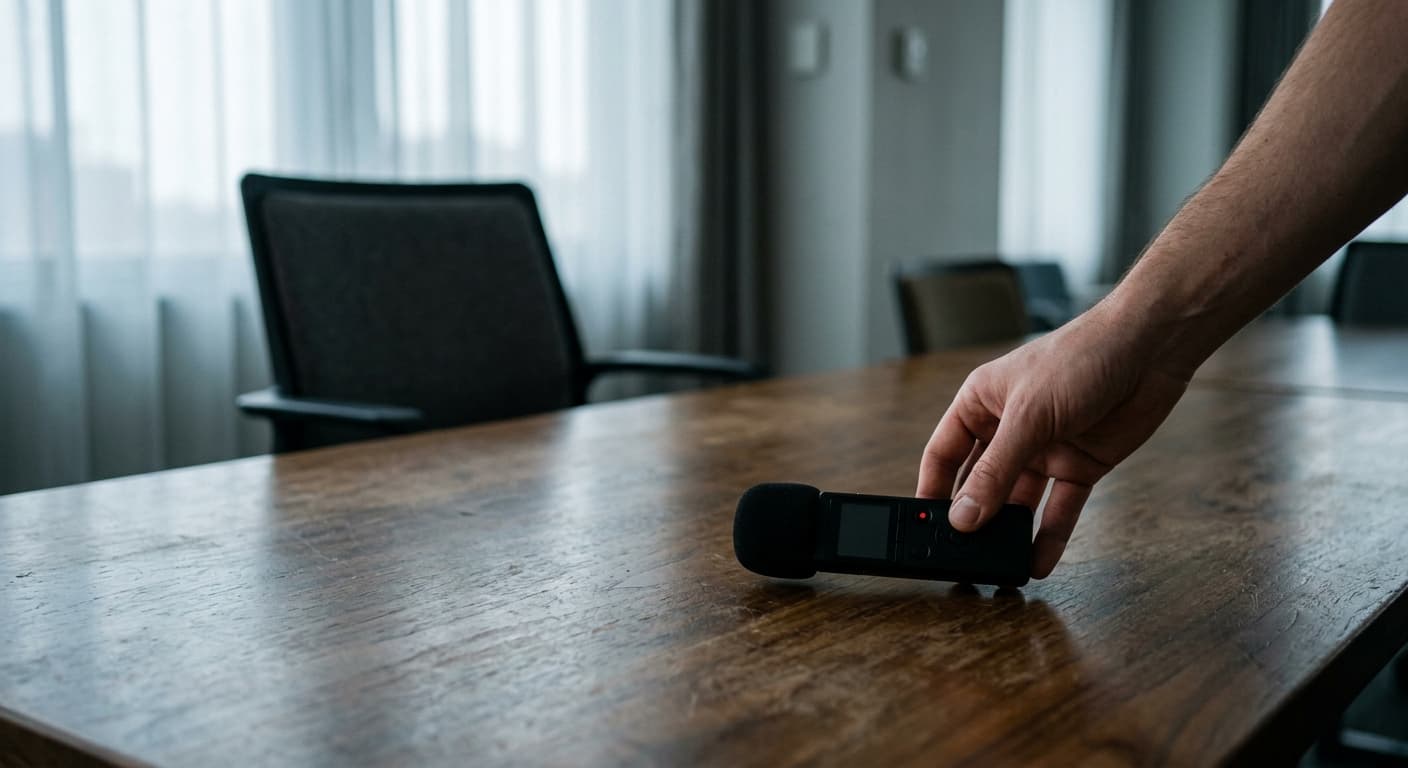
Maine es un estado de consentimiento de una sola parte porque la sección 709 de 15 M.R.S.A. excluye a una parte de la comunicación de la definición de "interceptar", por lo que usted puede grabar legalmente cualquier llamada telefónica en la que participa sin avisar a la otra parte. Si llama a alguien en un estado de consentimiento de ambas partes como Massachusetts o New Hampshire, pueden aplicarse las reglas de consentimiento más estrictas de ese estado.
Maine le permite grabar sus propias llamadas telefónicas bajo un marco de consentimiento de una sola parte. Bajo 15 M.R.S.A. sección 710, la interceptación no autorizada es un delito, pero la sección 709 define "interceptar" de manera que excluye a una persona que es parte de la comunicación, por lo que usted puede grabar legalmente cualquier conversación telefónica de la que sea parte sin informar ni obtener el consentimiento de los demás participantes. Esta guía cubre los estatutos específicos que rigen la grabación de llamadas telefónicas en Maine, las sanciones penales y civiles por violaciones, las reglas para llamadas entre estados y orientación práctica para situaciones comunes de grabación.
Consentimiento de una sola parte de Maine para llamadas telefónicas
Los estatutos principales
Las leyes de grabación de llamadas telefónicas de Maine se encuentran en el Título 15, Capítulo 102 de los Estatutos Revisados de Maine:
- 15 M.R.S.A. sección 710 establece sanciones penales por la interceptación no autorizada de comunicaciones por cable y orales
- 15 M.R.S.A. sección 709 define "interceptar" de manera que excluye a una persona que es parte de la comunicación, o que cuenta con la autorización previa del remitente o del receptor, lo cual es el origen de la regla de consentimiento de una sola parte de Maine
- 15 M.R.S.A. sección 711 crea una causa de acción civil para las víctimas de interceptación ilegal
Bajo la sección 709, "interceptar" no incluye la obtención de una comunicación cuando usted es parte de ella o cuando una de las partes ha dado autorización previa. Debido a que su participación en la llamada telefónica significa que usted no está "interceptando" según la definición del estatuto, no se requiere un consentimiento separado de la otra parte.
Qué significa el consentimiento de una sola parte para las llamadas telefónicas
Bajo el marco de consentimiento de una sola parte de Maine:
- Puede grabar cualquier llamada telefónica de la que forme parte sin avisar a la otra persona
- Puede usar una aplicación de grabación de llamadas, una grabadora externa o funciones integradas del teléfono
- Un tercero puede grabar una llamada si al menos un participante le ha dado consentimiento a ese tercero
- Su propio conocimiento de la grabación constituye consentimiento suficiente
La ley traza una línea clara: grabar las llamadas en las que participa es legal; grabar en secreto llamadas entre otras personas de las que usted no forma parte es ilegal.
Tipos de llamadas telefónicas cubiertas
La ley de grabación de Maine se aplica a todos los tipos de comunicaciones telefónicas:
- Llamadas de línea fija entre conexiones telefónicas tradicionales
- Llamadas de teléfono celular en redes móviles
- Llamadas VoIP a través de plataformas como Zoom, Microsoft Teams, Google Meet y Skype
- Videollamadas que incluyen componentes de audio
- Llamadas en conferencia en las que usted es participante
- Llamadas de servicio al cliente en las que usted es una de las partes
Sanciones penales por grabación ilegal de llamadas telefónicas

Clasificación
La interceptación no autorizada de llamadas telefónicas en Maine es un delito Clase C bajo 15 M.R.S.A. sección 710. Las sanciones incluyen:
- Hasta 5 años de prisión
- Una multa de hasta $5,000
Venta de dispositivos de interceptación
Fabricar, distribuir, poseer o anunciar dispositivos diseñados para la interceptación es un delito Clase B bajo el mismo estatuto, que conlleva:
- Hasta 10 años de prisión
- Una multa de hasta $20,000
Divulgación de comunicaciones interceptadas
Divulgar intencionalmente el contenido de llamadas telefónicas que fueron interceptadas ilegalmente también es un delito bajo la sección 710. Compartir o usar información obtenida mediante escuchas telefónicas ilegales conlleva las mismas sanciones Clase C.
Resumen de sanciones
| Delito | Clasificación | Sanción máxima |
|---|---|---|
| Interceptación ilegal de llamadas telefónicas | Delito Clase C | 5 años de prisión, multa de $5,000 |
| Divulgar llamadas interceptadas ilegalmente | Delito Clase C | 5 años de prisión, multa de $5,000 |
| Poseer dispositivos de interceptación | Delito Clase C | 5 años de prisión, multa de $5,000 |
| Vender dispositivos de interceptación | Delito Clase B | 10 años de prisión, multa de $20,000 |
Responsabilidad civil por grabación ilegal de llamadas telefónicas
Recursos civiles legales
Bajo 15 M.R.S.A. sección 711, las víctimas de interceptación ilegal de llamadas telefónicas pueden buscar recursos civiles que incluyen:
- Daños reales, pero no menos que los daños liquidados calculados a $100 por día por cada día de violación
- Honorarios razonables de abogados y costos de litigio
La sección 711 no contempla daños punitivos ni medidas cautelares.
Plazo de prescripción
Las acciones civiles por interceptación ilegal en Maine deben presentarse dentro del periodo de prescripción aplicable. El plazo general de prescripción para las acciones por agravios en Maine es de 6 años bajo 14 M.R.S.A. sección 752.
Las grabaciones de llamadas telefónicas como prueba en los tribunales de Maine
Admisibilidad general
Las grabaciones de llamadas telefónicas realizadas legalmente bajo el consentimiento de una sola parte de Maine son, por lo general, admisibles en los tribunales. Para admitir una grabación, la parte que la presenta debe establecer:
- Autenticación: La grabación es genuina y no ha sido alterada
- Relevancia: La grabación se relaciona con un asunto en cuestión en el caso
- Identificación del hablante: Las voces en la grabación pueden identificarse
- Integridad: Los tribunales pueden exigir la grabación completa, no solo partes seleccionadas
Casos penales
Las grabaciones de llamadas telefónicas obtenidas ilegalmente son, por lo general, inadmisibles en los procesos penales. Los tribunales suprimiran las grabaciones realizadas en violación de 15 M.R.S.A. sección 710 cuando se presente una moción adecuada.
Casos civiles
En los litigios civiles, los tribunales de Maine aplican los mismos estándares de autenticación y relevancia. El tribunal conserva la discreción de excluir pruebas cuando su valor probatorio se ve sustancialmente superado por un perjuicio injusto.
Procesos en tribunales de familia
Las grabaciones de llamadas telefónicas se presentan con frecuencia en casos de derecho de familia en Maine, incluidos divorcios, custodia y procesos de órdenes de protección. Los usos comunes incluyen:
- Documentar acuerdos verbales sobre la custodia de menores o bienes
- Probar acoso, amenazas o abuso doméstico
- Grabar conversaciones sobre finanzas durante un divorcio
- Capturar pruebas de alienación parental o violaciones de órdenes de custodia
Ley federal y la grabación de llamadas telefónicas en Maine
La Ley Federal de Escuchas Telefónicas
La Ley Federal de Escuchas Telefónicas (18 U.S.C. 2511) sigue el consentimiento de una sola parte, alineándose con el enfoque de Maine. Las grabaciones legales bajo la ley de Maine satisfacen los requisitos federales. Las sanciones federales por escuchas telefónicas ilegales incluyen hasta 5 años de prisión y multas de hasta $250,000.
La Ley de Comunicaciones Almacenadas
La Ley Federal de Comunicaciones Almacenadas (18 U.S.C. 2701) prohíbe el acceso no autorizado a correos de voz almacenados y archivos de audio guardados.
Grabar llamadas telefónicas entre estados
Estados vecinos
| Estado | Requisito de consentimiento | Consideración clave |
|---|---|---|
| New Hampshire | Consentimiento de ambas partes | Debe informar y obtener el consentimiento de todas las partes |
| Massachusetts | Consentimiento de ambas partes | Debe informar y obtener el consentimiento de todas las partes |
| Vermont | Consentimiento de una sola parte (solo derecho jurisprudencial, sin estatuto de escuchas telefónicas) | Resultado práctico similar a Maine, sobre una base legal diferente |
Como Maine limita con dos estados de consentimiento de ambas partes (New Hampshire y Massachusetts), las llamadas entre estados son una preocupación importante.
Llamadas a estados de consentimiento de ambas partes
Al llamar a alguien en un estado de consentimiento de ambas partes, puede aplicarse la ley más estricta. Para protegerse:
- Determine donde se encuentra la otra parte antes de grabar
- Si la otra parte esta en un estado de consentimiento de ambas partes, informele sobre la grabación
- Obtenga el consentimiento verbal explícito al inicio de la llamada
- El enfoque más seguro es siempre anunciar la grabación cuando se cruzan líneas estatales
Exenciones bajo la ley de Maine
Excepción para las fuerzas del orden
Los agentes del orden en Maine pueden grabar llamadas telefónicas cuando actúan bajo órdenes judiciales válidas emitidas conforme a 15 M.R.S.A. sección 713.
Excepción para los proveedores de servicios
Los proveedores de servicios telefónicos y de internet están exentos cuando actúan en el curso normal de sus funciones, incluido el monitoreo de la red para mantenimiento y control de calidad.
Excepción de emergencia
La ley de Maine ofrece una excepción para grabar cuando una situación de emergencia amenaza la vida o la seguridad, aunque esta excepción se interpreta de manera estricta.
Situaciones comunes de grabación de llamadas telefónicas
¿Puedo grabar llamadas de servicio al cliente?
Sí. Como participante en la llamada, tiene derecho a grabar. Cuando un negocio reproduce un mensaje automatizado que indica que la llamada puede ser grabada, eso es el negocio ejerciendo sus derechos de consentimiento. Usted tiene los mismos derechos de grabación que la otra parte.
¿Puedo grabar llamadas con mi abogado?
Sí. Puede grabar llamadas telefónicas con su abogado bajo el consentimiento de una sola parte. El privilegio abogado-cliente protege el contenido independientemente de si la llamada se graba.
¿Puedo grabar llamadas con agencias gubernamentales?
Sí. Puede grabar llamadas telefónicas con agencias gubernamentales estatales y federales. No hay una excepción especial para las llamadas gubernamentales.
¿Puede mi empleador grabar mis llamadas telefónicas de trabajo?
Los empleadores en Maine pueden grabar llamadas de negocios cuando al menos una parte consiente o cuando hay un propósito comercial legítimo y los empleados han sido notificados. Algunos empleadores incluyen divulgaciones de grabación en los manuales del empleado o en los acuerdos de empleo.
Herramientas de grabación y transcripción con IA
Situación legal en Maine
Como Maine sigue el consentimiento de una sola parte, puede usar servicios de transcripción con IA y aplicaciones de grabación para las llamadas telefónicas en las que participa, incluidos:
- Asistentes de reuniones con IA como Otter.ai y Fireflies
- Aplicaciones de grabación de llamadas para teléfonos inteligentes
- Funciones de transcripción integradas en Zoom y Teams
- Grabadoras de voz portátiles con IA
Consideraciones prácticas
- Revise las transcripciones para verificar su precisión. La transcripción con IA no es perfecta, y los errores podrían ser problemáticos si se usan como prueba.
- La seguridad de los datos importa. Comprenda donde se almacenan sus grabaciones y quien tiene acceso.
- Considere el aviso. Aunque no es obligatorio, informar a la otra parte sobre la grabación con IA puede mantener las relaciones profesionales.
Más leyes de Maine
- Leyes de Grabación de Reuniones con IA en Maine
- Leyes de Pensión Alimenticia en Maine
- Leyes de Empleo a Voluntad en Maine
- Leyes de Accidentes de Auto en Maine
- Leyes de Asientos de Auto en Maine
- Leyes de Custodia de Menores en Maine
- Leyes de Manutención Infantil en Maine
- Leyes de Matrimonio de Hecho en Maine
- Leyes de Privacidad de Datos en Maine
- Leyes de Deepfake en Maine
- Leyes de Divorcio en Maine
- Leyes de Mordeduras de Perro en Maine
- Leyes de Emancipación en Maine
- Leyes de Eliminación de Antecedentes en Maine
- Leyes de Atropello y Fuga en Maine
- Leyes de Propietario e Inquilino en Maine
Más leyes de grabación de Maine
Grabación de Audio | Grabación de Video | Leyes de Voyerismo | Grabación en el Trabajo | Grabar a la Policía | Grabación de Llamadas Telefónicas | Cámaras de Seguridad | Grabación en Público | Grabación Propietario-Inquilino | Leyes de Cámara de Tablero | Grabación en Escuelas | Grabación Médica
Volver a Leyes de Grabación de Maine
Más temas de grabación de Maine
- Leyes de Grabación de Maine
- Grabación de Audio en Maine
- Grabación de Video en Maine
- Grabación Médica en Maine
- Grabación en Escuelas en Maine
- Grabación en el Trabajo en Maine
- Grabación de la Policía en Maine
- Grabación con Cámaras de Seguridad en Maine
- Grabación de Voyerismo en Maine
- Grabación Propietario-Inquilino en Maine
- Grabación con Cámara de Tablero en Maine
- Grabación en Público en Maine
- Leyes de Privacidad Biométrica en Maine
- Leyes de Cámaras de Vigilancia
Preguntas frecuentes
¿Es ilegal grabar una llamada telefónica en Maine sin avisar a la otra persona?
No es ilegal. Maine es un estado de consentimiento de una sola parte bajo 15 M.R.S.A. secciones 710 y 709. Como participante en la llamada, su propio conocimiento de la grabación es consentimiento suficiente porque la definición de 'interceptar' de la sección 709 excluye a una parte de la comunicación. No necesita informar ni obtener permiso de la otra persona.
¿Cuáles son las sanciones por grabar ilegalmente una llamada telefónica en Maine?
La interceptación ilegal de llamadas telefónicas es un delito Clase C bajo 15 M.R.S.A. sección 710, que conlleva hasta 5 años de prisión y una multa de $5,000. Las víctimas también pueden buscar daños civiles bajo la sección 711, incluidos daños reales (o daños liquidados de $100 por día, lo que sea mayor) y honorarios de abogados. La sección 711 no contempla daños punitivos.
¿Puedo grabar una llamada telefónica con alguien en Massachusetts o New Hampshire desde Maine?
Tanto Massachusetts como New Hampshire son estados de consentimiento de ambas partes. Al llamar a alguien en cualquiera de esos estados, puede aplicarse la ley más estricta. El enfoque más seguro es informar a la otra parte y obtener su consentimiento antes de grabar cuando se encuentra en un estado de consentimiento de ambas partes.
¿Puedo usar la grabación de una llamada telefónica como prueba en un tribunal de Maine?
Sí, si la grabación se realizó legalmente bajo el consentimiento de una sola parte. Debe autenticar la grabación demostrando que es genuina, sin alteraciones y relevante. Las grabaciones obtenidas ilegalmente son, por lo general, inadmisibles.
¿Puedo usar una aplicación para grabar automáticamente todas mis llamadas telefónicas en Maine?
Sí. Como Maine sigue el consentimiento de una sola parte, puede usar aplicaciones de grabación de llamadas para capturar las llamadas en las que participa. Su participación satisface el requisito de consentimiento. Tenga en cuenta que las llamadas a estados de consentimiento de ambas partes pueden requerir informar a la otra parte.
Actualizaciones
Verificado de forma independiente contra las fuentes primarias citadas; ley aplicable revisada en busca de cambios recientes
Ley aplicable revisada en busca de cambios recientes
Se corrigió la cita de la regla de consentimiento de una sola parte de Maine: deriva de la definición de "interceptar" de la sección 709 de 15 M.R.S.A. (que excluye a una parte de la comunicación), no de la sección 712, cuyas cuatro excepciones cubren solo a operadores, fuerzas del orden y funcionarios penitenciarios. También se eliminaron los daños punitivos y las medidas cautelares, que la sección 711 no autoriza, de cada mención de los recursos civiles.
Ley aplicable revisada en busca de cambios recientes
Verificación de exactitud entre páginas: grabación de llamadas telefónicas bajo la sección 709(4) de 15 M.R.S. (una sola parte) confirmada como vigente; esta entrada citaba originalmente la sección 712 por error y se corrigió en agosto de 2026. No se encontraron referencias obsoletas a la FCC. Análisis de doble consentimiento para llamadas interestatales (Maine + estado vecino más estricto) confirmado como preciso.
Revisado y aprobado por un editor
La ley detrás de este artículo
Este artículo se apoya en las disposiciones legales a continuación, conservadas en nuestro propio registro jurídico y obtenidas de la fuente oficial. Toque una sección para leer el texto vigente.
Maine Revised Statutes, Title 15: COURT PROCEDURE -- CRIMINAL, Part 2: PROCEEDINGS BEFORE TRIAL, Chapter 102: INTERCEPTION OF WIRE AND ORAL COMMUNICATIONS
§ 710OffensesVigentecitada en 17 de nuestros artículos
1. Interception, oral communications prohibited. Any person, other than an employee of a communication common carrier, a law enforcement officer, an investigative officer, another employee of the Department of Corrections authorized to exercise law enforcement powers as described in Title 34‑A, section 3011 or a jail investigative officer or a jail employee acting at the direction of a jail investigative officer, carrying out practices otherwise permitted by this chapter, who intentionally or knowingly intercepts, attempts to intercept or procures any other person to intercept or attempt to intercept any wire or oral communication is guilty of a Class C crime. 2. Editing of tape recordings in judicial proceedings prohibited. Any person who knowingly or intentionally edits, alters or tampers with any tape, transcription or other sound recording, or knows of such editing, altering or tampering, and presents that recording in any judicial proceeding or proceeding under oath, without fully indicating the nature of the changes made and the original state of the recording, is guilty of a Class C crime. 3. Disclosure or use of wire or oral communications prohibited.
Texto oficial (extracto) · verificado el 2026-09-23 · Lea el texto completo en nuestra biblioteca legal · Verifique en legislature.maine.gov
Citada en 5 resoluciones judiciales de nuestra colecciónResolución más reciente que la cita en nuestra colección: 2022
En los tribunales (resumen editorial, verificado de forma independiente):Williams v. Poulos (1993) confirmó responsabilidad bajo la sección 710(1) por interceptar llamadas de empleados y sostuvo que las secciones 710(3)(A) y (B) solo exigen saber que la información provino de una interceptación. Glenn A. Griffin v. Cristie J. Griffin (2014) admitió el consentimiento vicario de un padre por su hija menor solo con una creencia de buena fe sobre su mejor interés.
Resoluciones que citan esta sección en nuestra colección:
- Glenn A. Griffin v. Cristie J. Griffin (Supreme Judicial Court of Maine 2014, 92 A.3d 1144)✓Un padre grabó las llamadas nocturnas de su hija de seis años con la madre tras escuchar comentarios abusivos; la corte sostuvo que un padre con una creencia de buena fe y objetivamente razonable sobre el interés superior del menor puede consentir de forma vicaria bajo la sección 709(4)(C), por lo que no se violó la sección 710.
- Archer v. Androscoggin County (Superior Court of Maine 2022)✓Un abogado pidió las grabaciones de las llamadas carcelarias de otro recluso bajo la ley de acceso a registros públicos de Maine; la corte aplicó el capítulo de escuchas que penaliza la interceptación en la sección 710 y sostuvo que un defensor asignado por la corte no entra en la excepción de divulgación de la sección 712(4).
- Williams v. Poulos (Court of Appeals for the First Circuit 1993)✓Los dueños de una empresa grabaron en secreto llamadas de empleados con pinzas conectadas a una videograbadora, y sus abogados usaron las cintas; el Primer Circuito confirmó la responsabilidad bajo la sección 710 y sostuvo que la subsección 3 solo exige saber que el material provino de una interceptación.
Identificado automáticamente a partir de las opiniones judiciales que citan esta sección; no es un ranking de qué caso prevalece.
§ 709DefinitionsVigentecitada en 10 de nuestros artículos
The following words and phrases as used in this chapter, unless the context otherwise indicates, shall have the following meanings. [PL 1973, c. 561 (NEW).] 1. Communication common carrier. "Communication common carrier" means any telephone or telegraph company. 1-A. Administration of criminal justice. 1-B. Administration of juvenile criminal justice. 1-C. Administration of juvenile justice. "Administration of juvenile justice" has the same meaning as in section 3003, subsection 1‑A. 2. Contents. "Contents," when used with respect to any wire or oral communication, means any information concerning the identity of the parties to such communication or the existence, contents, substance, purport or meaning of that communication. 3. Intercepting device. "Intercepting device" means any device or apparatus which can be used to intercept a wire or oral communication other than: A. Any telephone or telegraph instrument, equipment or facility or any component thereof being used by a communication common carrier in the ordinary course of its business or extension telephones used by a subscriber to telephone service; or [PL 1973, c. 561 (NEW).] B.
Texto oficial (extracto) · verificado el 2026-07-30 · Lea el texto completo en nuestra biblioteca legal · Verifique en legislature.maine.gov
Citada en 8 resoluciones judiciales de nuestra colecciónResolución más reciente que la cita en nuestra colección: 2021
Resoluciones que citan esta sección en nuestra colección:
- Glenn A. Griffin v. Cristie J. Griffin (Supreme Judicial Court of Maine 2014, 92 A.3d 1144)“…nterception of Wire and Oral Communications Act (the Act), 15 M.R.S. §§ 709-713 (2012),1 and (2) whether the court…”
- State v. Kehling (Supreme Judicial Court of Maine 1991, 601 A.2d 620)“…e Maine’s Interception of Wire and Oral Communications Act, 15 M.R.S.A. §§ 709-713 (Supp.1991). As to the sentence, we…”
- State v. Cyran (Supreme Judicial Court of Maine 1991, 586 A.2d 1238)“…versations. Nevertheless, both Maine’s wiretap regulations, 15 M.R.S.A. §§ 709-712, and the applicable federal provisi…”
Identificado automáticamente a partir de las opiniones judiciales que citan esta sección; no es un ranking de qué caso prevalece.
§ 711Civil remedyVigentecitada en 8 de nuestros artículos
Any party to a conversation intercepted, disclosed or used in violation of this chapter shall have a civil cause of action against any person who intercepts, discloses or uses such communications and shall be entitled to recover from any such persons: [PL 1973, c. 561 (NEW).] 1. Damages. Actual damages, but not less than liquidated damages, computed at the rate of $100 per day for each day of violation; and 2. Attorney's fee. A reasonable attorney's fee and other litigation disbursements reasonably incurred.
Texto oficial (extracto) · verificado el 2026-07-30 · Lea el texto completo en nuestra biblioteca legal · Verifique en legislature.maine.gov
Citada en 1 resoluciones judiciales de nuestra colecciónResolución más reciente que la cita en nuestra colección: 2009
Resoluciones que citan esta sección en nuestra colección:
- Simpson v. Cumberland County (Superior Court of Maine 2009)“…additional claims, including: (1) an alleged violation of 15 M.R.S. § 711 - which provides a civil damages remedy…”
Identificado automáticamente a partir de las opiniones judiciales que citan esta sección; no es un ranking de qué caso prevalece.
§ 712ExceptionsVigentecitada en 8 de nuestros artículos
1. Switchboard operators, communication common carrier agent. It is not a violation of this chapter for an operator of a switchboard or an officer, employee or agent of any communication common carrier, as defined in this chapter, to intercept, disclose or use that communication in the normal course of employment while engaged in any activity which is a necessary incident to the rendition of service or to the protection of the rights or property of the carrier of the communication, provided that the communication common carriers shall not utilize service for observing or random monitoring, except for mechanical or service quality control checks, nor shall any such officer, employee or agent use or disclose to another the contents as defined in this chapter of the communication so intercepted. 2. Investigative officers.
Texto oficial (extracto) · verificado el 2026-07-30 · Lea el texto completo en nuestra biblioteca legal · Verifique en legislature.maine.gov
Citada en 4 resoluciones judiciales de nuestra colecciónResolución más reciente que la cita en nuestra colección: 2014
Resoluciones que citan esta sección en nuestra colección:
- State v. Desjardins (Supreme Judicial Court of Maine 1979, 401 A.2d 165)“…nd under the circumstances was subject to the provisions of 15 M.R.S.A. § 712, which specifically proscribe the use o…”
- Glenn A. Griffin v. Cristie J. Griffin (Supreme Judicial Court of Maine 2014, 92 A.3d 1144)“…sent of either party to the call, and that no exception to 15 M.R.S. § 712 applied to allow Glenn to consent vica…”
- State v. Cyran (Supreme Judicial Court of Maine 1991, 586 A.2d 1238)“…federal guidelines apply here, he specifically argues that 15 M.R.S.A. § 712 (Supp.1990) should be interpreted as pr…”
Identificado automáticamente a partir de las opiniones judiciales que citan esta sección; no es un ranking de qué caso prevalece.
§ 713EvidenceVigente
The contents of an interception are not admissible in court, except that: [PL 2011, c. 507, §7 (RPR).] 1. Contents obtained under the laws of another jurisdiction. The contents of an interception of any oral communication or wire communication that has been legally obtained under the laws of another jurisdiction in which the interception occurred are admissible in the courts of this State, subject to the Maine Rules of Evidence; and 2. Contents obtained under this chapter. The contents of an interception of any oral communication or wire communication that has been legally obtained pursuant to section 712, subsection 2 or 3 are admissible in the courts of this State, subject to the Maine Rules of Evidence, if related to the administration of criminal justice as defined in Title 16, section 703, subsection 1 for the purposes of the Criminal History Record Information Act or as defined in Title 16, section 803, subsection 2 for the purposes of the Intelligence and Investigative Record Information Act; the administration of juvenile justice; or the statutory functions of a state agency.
Texto oficial (extracto) · verificado el 2026-07-30 · Lea el texto completo en nuestra biblioteca legal · Verifique en legislature.maine.gov
Citada en 3 resoluciones judiciales de nuestra colecciónResolución más reciente que la cita en nuestra colección: 2014
Resoluciones que citan esta sección en nuestra colección:
- Glenn A. Griffin v. Cristie J. Griffin (Supreme Judicial Court of Maine 2014, 92 A.3d 1144)“…ecordings were therefore inadmissible at trial pursuant to 15 M.R.S. § 713 and that the court erred when it denied…”
- State v. Kehling (Supreme Judicial Court of Maine 1991, 601 A.2d 620)“…g was played to the jury at his trial. By state law, 15 M.R.S.A. § 713, the contents of an “intercepted” wire…”
- State of Maine v. Simpson (Superior Court of Maine 2002)“…ress based on a lack of probable cause to arrest.* 2. Does 15 M.R.S.A. § 713 require the suppression of any tape-rec…”
Identificado automáticamente a partir de las opiniones judiciales que citan esta sección; no es un ranking de qué caso prevalece.
United States Code Title 18
§ 2511Interception and disclosure of wire, oral, or electronic communications prohibitedVigentecitada en 422 de nuestros artículos
Except as otherwise specifically provided in this chapter any person who— intentionally intercepts, endeavors to intercept, or procures any other person to intercept or endeavor to intercept, any wire, oral, or electronic communication; intentionally uses, endeavors to use, or procures any other person to use or endeavor to use any electronic, mechanical, or other device to intercept any oral communication when— such device is affixed to, or otherwise transmits a signal through, a wire, cable, or other like connection used in wire communication; or such device transmits communications by radio, or interferes with the transmission of such communication; or such person knows, or has reason to know, that such device or any component thereof has been sent through the mail or transported in interstate or foreign commerce; or such use or endeavor to use (A) takes place on the premises of any business or other commercial establishment the operations of which affect interstate or foreign commerce; or (B) obtains or is for the purpose of obtaining information relating to the operations of any business or other commercial establishment the operations of which affect interstate or foreign…
Texto oficial (extracto) · verificado el 2026-09-17 · Lea el texto completo en nuestra biblioteca legal · Verifique en uscode.house.gov
Citada en 2,045 resoluciones judiciales de nuestra colecciónResolución más reciente que la cita en nuestra colección: 2026
En los tribunales (resumen editorial, verificado de forma independiente):Griggs-Ryan v. Smith (1990) aplicó la excepción de consentimiento previo de la Sección 2511(2)(d) y consideró que un inquilino advertido repetidamente de que se grababan todas las llamadas entrantes había consentido de forma implícita. United States v. United States District Court (1972) leyó la entonces vigente Sección 2511(3) como una norma que no confería al presidente poder de vigilancia.
Resoluciones que citan esta sección en nuestra colección:
- Mitchell v. Forsyth (Supreme Court of the United States 1985, 472 U.S. 511)✓El Procurador General autorizó en 1970 una escucha telefónica sin orden judicial por seguridad nacional que captó las llamadas del demandante; la Corte sostuvo que la exención ya derogada de la Sección 2511(3) dejaba la escucha lícita bajo el Título III y reconoció inmunidad calificada a Mitchell.
- United States v. United States District Court for the Eastern District of Michigan (Supreme Court of the United States 1972, 407 U.S. 297)✓El Procurador General aprobó escuchas sin orden judicial a miembros de un grupo estadounidense acusado de dinamitar una oficina de la CIA; la Corte interpretó la Sección 2511(3) como una renuncia del Congreso que no confiere poder de vigilancia y sostuvo que la Cuarta Enmienda exigía aprobación judicial previa.
- Forsyth v. Barr (Court of Appeals for the Fifth Circuit 1994, 19 F.3d 1527)✓La policía de Dallas usó, en una investigación de asuntos internos sobre una agente, llamadas que unos particulares habrían interceptado ilegalmente; suponiendo que fuera ilícito, el Quinto Circuito sostuvo que la Sección 2517(1) y (2) permitía esa divulgación y ese uso, derrotando los reclamos bajo la Sección 2511(1)(c) y (d).
Identificado automáticamente a partir de las opiniones judiciales que citan esta sección; no es un ranking de qué caso prevalece.
También citada en: Leyes sobre Cámaras de Vigilancia por Estado (Guía 2026)
§ 2701Unlawful access to stored communicationsVigentecitada en 19 de nuestros artículos
Except as provided in subsection (c) of this section whoever— intentionally accesses without authorization a facility through which an electronic communication service is provided; or intentionally exceeds an authorization to access that facility; and thereby obtains, alters, or prevents authorized access to a wire or electronic communication while it is in electronic storage in such system shall be punished as provided in subsection (b) of this section. The punishment for an offense under subsection (a) of this section is— if the offense is committed for purposes of commercial advantage, malicious destruction or damage, or private commercial gain, or in furtherance of any criminal or tortious act in violation of the Constitution or laws of the United States or any State— a fine under this title or imprisonment for not more than 5 years, or both, in the case of a first offense under this subparagraph; and a fine under this title or imprisonment for not more than 10 years, or both, for any subsequent offense under this subparagraph; and in any other case— a fine under this title or imprisonment for not more than 1 year or both, in the case of a first offense under this paragraph;…
Texto oficial (extracto) · verificado el 2026-09-16 · Lea el texto completo en nuestra biblioteca legal · Verifique en uscode.house.gov
Citada en 724 resoluciones judiciales de nuestra colecciónResolución más reciente que la cita en nuestra colección: 2026
Resoluciones que citan esta sección en nuestra colección:
- United States v. Warshak (Court of Appeals for the Sixth Circuit 2010, 631 F.3d 266)“…ied in good faith on the Stored Communications Act (“SCA”), 18 U.S.C. §§ 2701 et seq., a statute that allows the gove…”
- Guest v. Leis (Court of Appeals for the Sixth Circuit 2001, 255 F.3d 325)“…7 *340 In their brief, plaintiffs mention in passing 18 U.S.C. § 2701 , which prohibits intentional unlawful…”
- City of Ontario v. Quon (Supreme Court of the United States 2010, 560 U.S. 746)“…Raising claims under Rev. Stat. §1979, 42 U. S. C. §1983; 18 U. S. C. §2701 et seq., popularly known as the Stored…”
Identificado automáticamente a partir de las opiniones judiciales que citan esta sección; no es un ranking de qué caso prevalece.
Fuentes y referencias
- 15 M.R.S.A. sección 710 - Interceptación de Comunicaciones (Legislatura de Maine)(legislature.maine.gov).gov
- 15 M.R.S.A. sección 712 - Excepciones (Operadores de Comunicaciones y Oficiales de Investigación) (Legislatura de Maine)(legislature.maine.gov).gov
- 15 M.R.S.A. sección 711 - Recursos Civiles (Legislatura de Maine)(legislature.maine.gov).gov
- 18 U.S.C. 2511 - Ley Federal de Escuchas Telefónicas(law.cornell.edu)
- 15 M.R.S.A. sección 713 - Órdenes Judiciales para Interceptación (Legislatura de Maine)(legislature.maine.gov).gov
- 15 M.R.S.A. sección 709 - Definiciones (Consentimiento de una Sola Parte) (Legislatura de Maine)(legislature.maine.gov).gov