Otter.ai Faces Consolidated Wiretap Class Action Over Its AI Meeting Notetaker and All-Party Consent
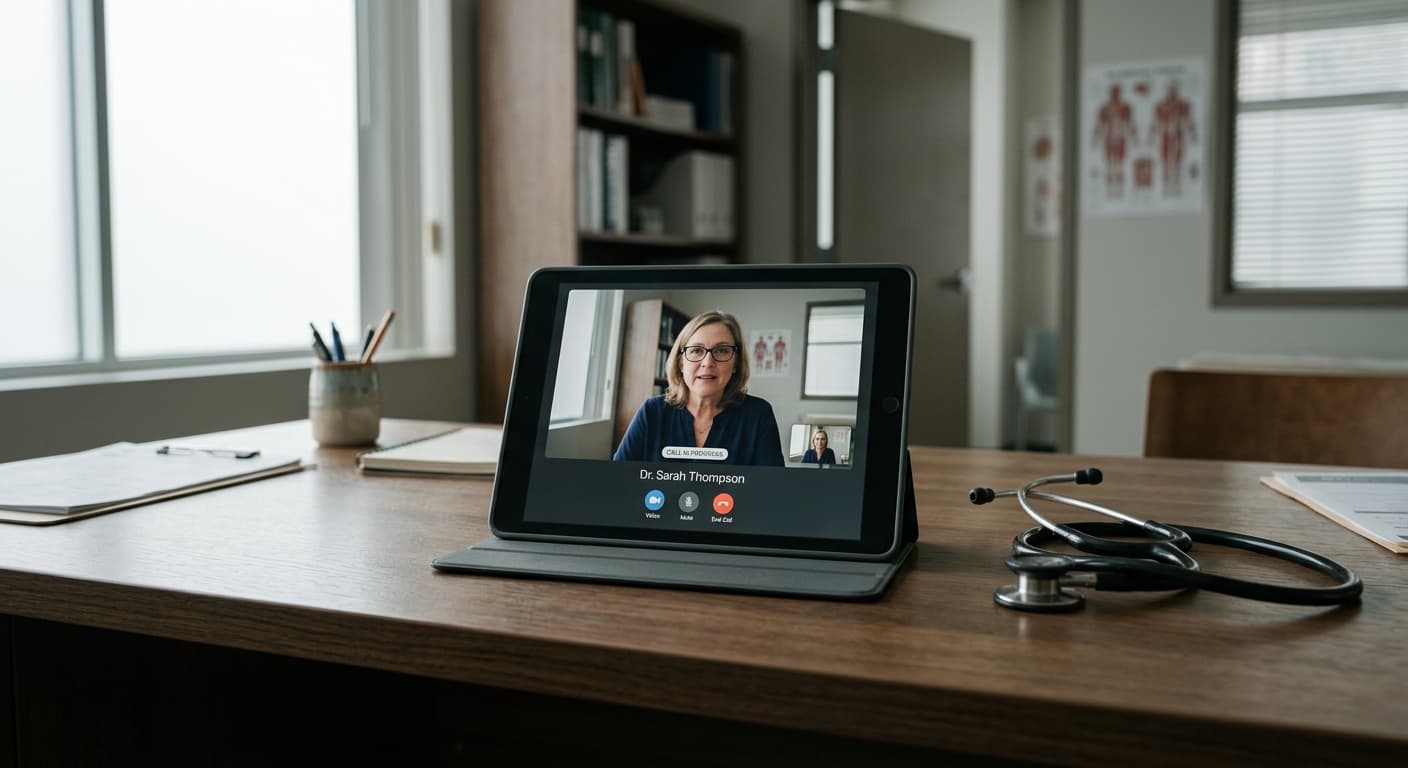
A consolidated class action in federal court is testing one of the central legal questions facing the AI meeting-assistant industry: whether an automatic notetaker that joins a video call and transcribes it can do so without the consent of every participant. The case targets Otter.ai, maker of the widely used Otter Notetaker and OtterPilot transcription tools.
The lead complaint, Brewer v. Otter.ai, Inc., was filed in the U.S. District Court for the Northern District of California on August 15, 2025. Three more nearly identical suits followed within weeks, and the court has grouped them as In re Otter.AI Privacy Litigation, No. 5:25-cv-06911. The plaintiffs allege that Otter records meeting participants who never agreed to be recorded, in violation of federal and California wiretap law.
Information last verified on June 20, 2026.
Status: This case is still developing. The lead complaint was filed on August 15, 2025, and three related suits were consolidated under In re Otter.AI Privacy Litigation, No. 5:25-cv-06911 (N.D. Cal.), before Judge Eumi K. Lee. As of June 20, 2026, the litigation is at the pleadings stage. No court has ruled on the merits, certified a class, or found that Otter broke any law. Nothing below predicts how the case will come out.
What the Lawsuit Claims
Otter.ai sells an AI meeting assistant that, according to the complaint, performs real-time transcription of Google Meet, Zoom, and Microsoft Teams meetings for Otter account-holders and other users. The product can join a meeting automatically and capture everything said.
The lawsuit's central allegation is about the people who did not sign up. The complaint says that when an Otter user enables the notetaker, Otter records, accesses, reads, and learns the contents of conversations involving meeting participants who do not subscribe to Otter and who never agreed to be recorded.
According to the complaint, Otter "does not obtain prior consent, express or otherwise," from those non-users before recording and transcribing them. The plaintiffs say this is not a one-off glitch but a built-in feature of how the service works.
The complaint adds a second layer of objection. It alleges that Otter uses the recorded conversations to train its automatic speech recognition, referred to as ASR, and its machine-learning models, and that this use is never disclosed to the people being recorded. Readers who want the underlying framework can review our overview of AI meeting recording laws by state, which explains how consent rules apply to automated transcription tools.
The Wiretap Theory
The legal heart of the case is a pair of statutes that long predate AI notetakers but that the plaintiffs say plainly cover them.
The first is the federal Wiretap Act, part of the Electronic Communications Privacy Act of 1986. The complaint cites 18 U.S.C. Section 2511, which prohibits the intentional interception of the contents of any wire, oral, or electronic communication through the use of a device, and 18 U.S.C. Section 2520, which gives an intercepted person the right to sue. The plaintiffs allege that Otter's capture of conversations on Google Meet, Zoom, and Microsoft Teams calls was intentional and contemporaneous, the classic definition of an unlawful interception.
The second is the California Invasion of Privacy Act, or CIPA, codified at Cal. Penal Code Sections 630 to 638. The complaint relies specifically on Section 631, which targets unauthorized reading or learning of a communication in transit, and Section 632, which makes it an offense to use a recording device to capture a confidential communication "without the consent of all parties." That all-party-consent language is the crux. California is an all-party-consent state, meaning everyone in a confidential conversation must agree before it can be recorded.
The complaint frames the alleged violation directly, asserting that Otter "willfully and intentionally intercepted these communications without consent from all parties to the communications." The gap the plaintiffs describe is structural: an AI notetaker is usually switched on by a single host, yet the law these claims rest on requires consent from every participant. Our state guides, including Nevada's all-party-consent rules for AI meeting recording, walk through how that requirement plays out where it applies.
The Other Claims
Beyond the wiretap counts, the complaint stacks several additional theories.
It brings claims under the federal Computer Fraud and Abuse Act, 18 U.S.C. Section 1030, and California's Comprehensive Computer Data and Access Fraud Act, or CDAFA, Cal. Penal Code Section 502, both of which address unauthorized access to computer systems and data. The complaint alleges Otter knowingly accessed conversational data without permission.
The complaint also pleads two California common-law torts, intrusion upon seclusion and conversion, and a claim under California's Unfair Competition Law, Cal. Bus. & Prof. Code Section 17200. The plaintiffs seek statutory damages, including the per-violation penalties available under CIPA through Cal. Penal Code Section 637.2, along with injunctive relief.
For context on how consent obligations differ from one jurisdiction to the next, our guide to Nebraska's AI meeting recording consent rules illustrates a one-party-consent approach, which contrasts sharply with California's all-party standard at issue in this suit.
What Happens Next
Because the case is at the pleadings stage, several steps remain before any binding outcome.

The four related suits, filed by plaintiffs Brewer, Walker, Theus, and Winston between August and September 2025, have been consolidated as In re Otter.AI Privacy Litigation before Judge Eumi K. Lee. The typical next phase is motion practice, in which Otter is expected to challenge whether the complaint states a valid legal claim. A court could dismiss some counts, allow others to proceed, or let the case move into discovery.
If the case survives early motions, the plaintiffs would need to persuade the court to certify a class. None of that has happened. As of June 20, 2026, no judge has ruled on the merits, no class has been certified, and Otter has not been found liable for anything. The allegations remain allegations.
The outcome, whenever it arrives, will not automatically settle the law nationwide. A district court decision binds only the parties, and the consent questions at issue can be answered differently from state to state. Anyone with a concrete concern about recording a meeting should check the rules in their own jurisdiction as of the current date, because they can change.
Analysis: Why This Matters
The following analysis reflects the views of the Recording Law Editorial Team.

The Otter litigation matters because it is one of the first serious tests of how decades-old wiretap statutes apply to a now-ordinary office tool. AI notetakers have spread quickly, often enabled by default or switched on by a single organizer, and the technology has outrun most people's habits around consent. The complaint frames a tension that the entire category will eventually have to confront: a tool designed to make recording effortless runs straight into laws built on the premise that recording requires everyone's agreement.
The all-party-consent problem is the part we find most consequential. In states like California, the law does not ask whether a recording was useful or well-intentioned. It asks whether every participant in a confidential conversation consented. An AI assistant that joins automatically and transcribes silently does not obviously satisfy that standard, and a host who flips it on cannot consent on behalf of the other people in the room. That structural mismatch is what makes this case bigger than one company.
The training-data allegation adds a modern wrinkle that older wiretap cases never had to address. The complaint does not just object to the act of recording; it objects to the downstream use of the captured speech to improve a commercial product. Whether or not that theory ultimately holds up, it signals that AI privacy disputes will increasingly be about what happens to data after capture, not only the capture itself.
There are real limits to what this case can decide. It is one suit, in one district, against one vendor, and it may be resolved on procedural grounds long before any sweeping rule emerges. It will not directly govern the dozens of competing notetaker products, nor will it rewrite the consent laws of any state. What it can do is push companies, and the people who use these tools at work, to take the consent question seriously before pressing record.
The practical takeaway is restraint, not alarm. If you use an AI notetaker, the safest course is to get clear, affirmative agreement from everyone on the call, especially in an all-party-consent state, and to disclose how the recording will be used. This article is information, not legal advice, and anyone facing a specific situation should consult a licensed attorney in their jurisdiction.
Frequently Asked Questions
Has a court ruled that Otter.ai broke wiretap law?
No. As of June 20, 2026, there is no ruling on the merits. The lead complaint, Brewer v. Otter.ai, was filed on August 15, 2025, and is consolidated with three related suits as In re Otter.AI Privacy Litigation, No. 5:25-cv-06911 in the Northern District of California. The case is at the pleadings stage, no class has been certified, and the allegations have not been proven.
What does the lawsuit accuse Otter.ai of doing?
The complaint alleges that Otter Notetaker and OtterPilot join Google Meet, Zoom, and Microsoft Teams meetings and record, transcribe, and learn the contents of conversations without the consent of all participants, especially people who do not have Otter accounts. It also alleges Otter uses those recordings to train its speech-recognition and machine-learning models without disclosing that to the people recorded.
What laws does the complaint rely on?
The complaint cites the federal Wiretap Act (18 U.S.C. Section 2511) and the California Invasion of Privacy Act, Cal. Penal Code Sections 631 and 632, both of which it reads to require all-party consent for recording. It also brings claims under the federal Computer Fraud and Abuse Act, California's Comprehensive Computer Data and Access Fraud Act (Cal. Penal Code Section 502), intrusion upon seclusion, conversion, and California's Unfair Competition Law.
What is all-party consent and why does it matter here?
All-party consent means every participant in a confidential conversation must agree before it can be recorded. California is an all-party-consent state. The case matters because AI notetakers are typically enabled by one host, but the laws the plaintiffs cite require consent from everyone on the call, creating a potential mismatch the lawsuit is testing.
Does this case make AI notetakers illegal?
No. The case does not ban AI notetakers, and no court has found the technology unlawful. It is a single pending lawsuit against one company. Consent rules for recording vary by state, and whether a particular use is lawful depends on the jurisdiction and the facts. Anyone unsure should check their state's rules and, if needed, consult a licensed attorney.
How can I use an AI meeting recorder more safely?
The most cautious approach is to get clear, affirmative consent from everyone on a call before an AI notetaker records, particularly in all-party-consent states, and to disclose how the recording and transcript will be used. This is general information, not legal advice, and recording laws differ by state and can change.
Sources and References
- In re Otter.AI Privacy Litigation, No. 5:25-cv-06911 (N.D. Cal.), consolidated putative class action (lead case Brewer v. Otter.ai, Inc., filed Aug. 15, 2025); CourtListener docket showing consolidation of the related Brewer, Walker, Theus, and Winston suits before Judge Eumi K. Lee(courtlistener.com)
- 18 U.S.C. Section 2511 - federal Wiretap Act prohibition on the intentional interception of wire, oral, or electronic communications; Legal Information Institute, Cornell Law School (cited in the complaint as the basis for the federal wiretap claim)(law.cornell.edu)
- Cal. Penal Code Section 632 - California Invasion of Privacy Act provision barring use of a recording device to record a confidential communication 'without the consent of all parties'; official California Legislative Information(leginfo.legislature.ca.gov).gov
- Cal. Penal Code Section 631 - CIPA provision against willfully and without the consent of all parties reading or learning the contents of a communication in transit; official California Legislative Information(leginfo.legislature.ca.gov).gov
- 18 U.S.C. Section 2520 - private right of action allowing a person whose communication is intercepted to recover civil damages; Legal Information Institute, Cornell Law School(law.cornell.edu)