Poland Recording Laws: One-Party Consent, GDPR, and Deepfake Rules (2026)
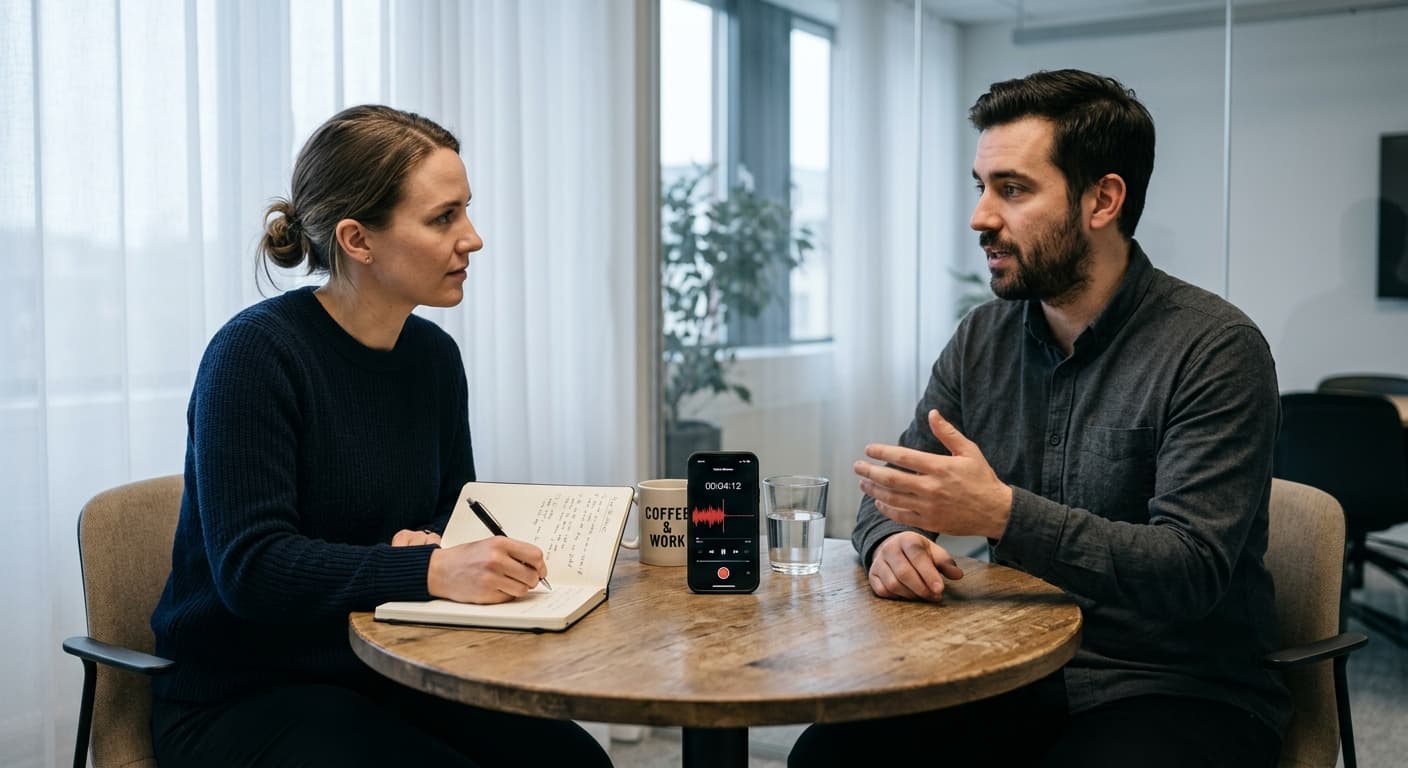
Poland uses a participant rule for recording: you may record any conversation you take part in. Art. 267 KK, GDPR, EU AI Act, and 2024 deepfake legislation explained.
Loading...
901 articles · page 12 of 16

Poland uses a participant rule for recording: you may record any conversation you take part in. Art. 267 KK, GDPR, EU AI Act, and 2024 deepfake legislation explained.

Portugal is an all-party consent country. Article 199 Código Penal criminalizes unauthorized recording. Updated 2025: Article 192-194, GDPR, EU AI Act, deepfake law, CNPD enforcement.

Qatar enforces all-party consent for all recordings. Penal Code Art. 333, Cybercrime Law Art. 8(bis), PDPL Law 13/2016, QFC regime, and 2025 penalties explained.

Quebec uses Canada's one-party consent rule. The Civil Code (arts. 35-41), Quebec Charter s. 5, and Law 25 add the broadest civil privacy layer in Canada.

Queensland's Invasion of Privacy Act 1971 only prohibits recording a private conversation you are not part of, so a participant is outside the offence. No general video law exists. Penalties, publishing rules, and the 2025 federal tort explained.

South Australia has no dedicated workplace surveillance Act. Recording a colleague or manager is governed by the Surveillance Devices Act 2016 (SA) s.4, the Fair Work Act, and the federal employee-records exemption.

Tasmania has no dedicated workplace surveillance Act. Recording a colleague or manager is governed by the Listening Devices Act 1991 (Tas) s.5, the Fair Work Act, and the federal employee-records exemption.

The ACT's Workplace Privacy Act 2011 requires 14 days notice before optical, tracking or data surveillance at work and a Magistrates Court authority for covert surveillance. Workplace audio stays under the Listening Devices Act 1992.

The Northern Territory has no dedicated workplace surveillance Act. Because a participant is outside the Surveillance Devices Act 2007 (NT) s.11 entirely, employees may generally record their own workplace conversations freely.

Western Australia has no dedicated workplace surveillance Act. Recording a colleague or manager is governed by the Surveillance Devices Act 1998 (WA) s.5, the Fair Work Act, and the federal employee-records exemption.

Covertly recording grievance and disciplinary meetings in the UK: tribunal admissibility (Gosain, Vaughan), misconduct risk and ICO monitoring rules.

When you can record your own phone call in New South Wales under the Surveillance Devices Act 2007, how the federal interception law fits in, and the separate risk of sharing a recorded call.

Why recording your own phone call is outside Queensland's listening device offence entirely, how the federal interception law fits in, and the separate risk of publishing a call.

Recording your own phone call in South Australia needs consent, a lawful interest, or the public-interest exception under the Surveillance Devices Act 2016 s.4. Federal interception law rarely applies to your own call.

Recording your own phone call in Tasmania is governed by the Listening Devices Act 1991 s.5, not federal wiretapping law. A broad personal-use exception covers most private recording that is never shared.

Recording your own phone call in the ACT is governed by the Listening Devices Act 1992 s.4, not federal wiretapping law. Section 5 separately restricts sharing a recorded call, even a lawful one.

Recording your own phone call in the Northern Territory is generally lawful. The Surveillance Devices Act 2007 s.11 only catches recording a call you are not part of; publishing it afterward is separately restricted.

Recording phone calls in the UK: lawful for personal use, but business recording, sharing, and intercepting others' calls all carry separate legal duties.

Why recording your own phone call is outside Victoria's surveillance offence entirely, how the federal interception law fits in, and the separate risk of publishing a recorded call.

Recording your own phone call in Western Australia needs consent or a lawful-interests justification under the Surveillance Devices Act 1998 s.5. Federal interception law rarely applies to your own call.

Learn Rhode Island audio recording laws under R.I. Gen. Laws § 11-35-21. One-party consent for calls and conversations. Felony penalties up to 5 years. Civil damages.

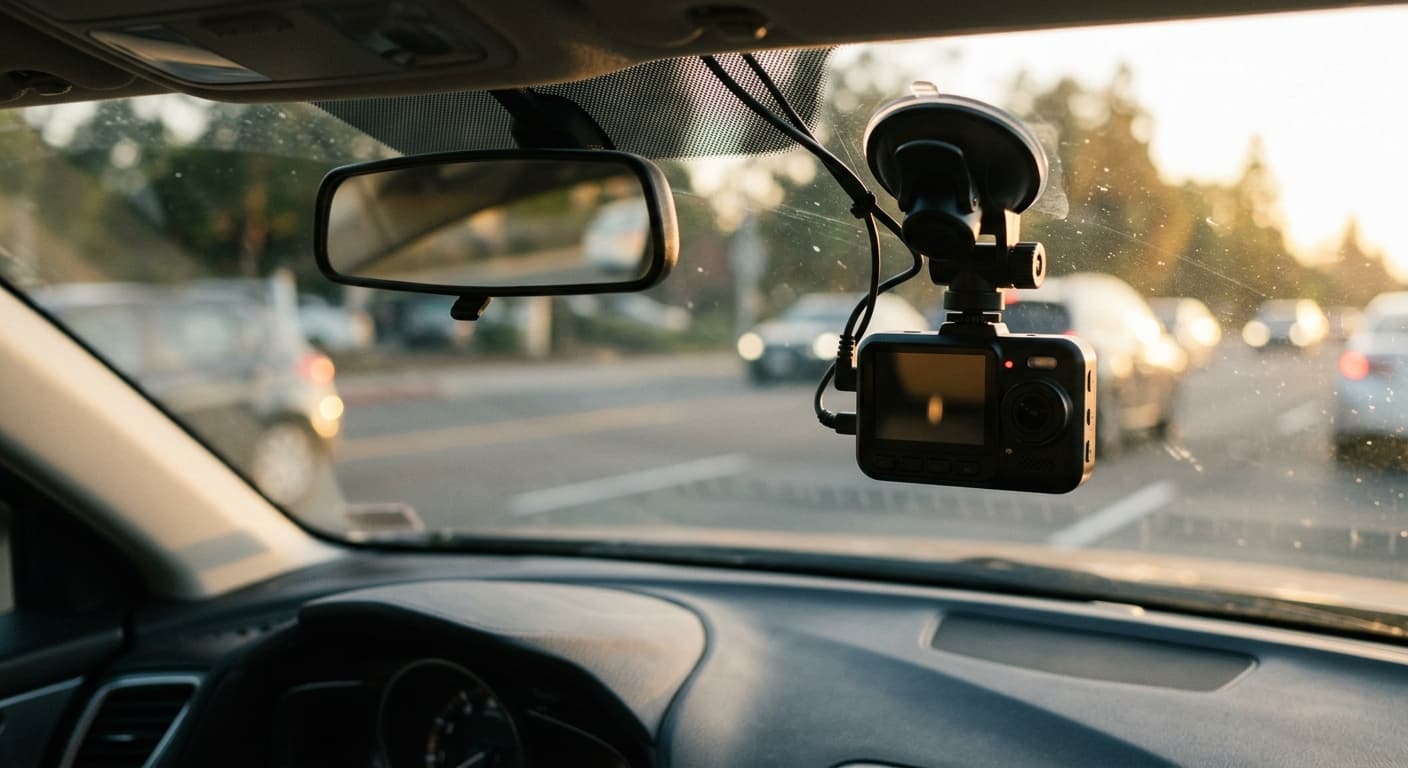
Learn Rhode Island dashcam laws. Legal with no specific restrictions. Audio follows one-party consent. Using dashcam footage as evidence in court and for insurance claims.

Rhode Island signed three AI laws on June 22, 2026 requiring AI-scribe patient notice, written consent for AI in therapy, and chatbot self-harm safeguards.

Learn Rhode Island landlord-tenant recording laws. Tenants can record under one-party consent. Landlord camera rules, security deposit evidence, and hidden camera protections.

Learn your rights to record police in Rhode Island. First Circuit affirms First Amendment right to film officers. Body camera policies, legal remedies, and safe recording tips.

Learn Rhode Island medical recording laws. Patients can record appointments under one-party consent. HIPAA rules, telemedicine recording, hospital cameras, and evidence use.

Learn Rhode Island phone call recording laws under R.I. Gen. Laws § 11-35-21. Record calls legally. Interstate rules with Massachusetts and Connecticut. Felony penalties.

Learn your rights to record in public in Rhode Island. First Amendment protections, Open Meetings Act, government buildings, and public event recording rules.

Rhode Island is a one-party consent state under R.I. Gen. Laws 11-35-21. Learn the consent rule, felony penalties, civil remedy under 12-5.1-13, and 2025 deepfake updates.

Learn Rhode Island school recording laws. One-party consent for students and parents. School surveillance, IEP meetings, FERPA, and classroom recording policies.

Learn Rhode Island security camera laws. No permits required. Voyeurism restrictions, neighbor privacy, audio recording rules, and smart camera technology.

Rhode Island is a one-party consent state under § 11-35-21. Record with smart glasses legally if you're a conversation participant. Penalties, voyeurism law, and tips.

Learn Rhode Island video recording laws. Public filming rights, video voyeurism under § 11-64-2, 2025 AI deepfake update, revenge porn penalties, and workplace surveillance.

Learn Rhode Island voyeurism laws under R.I. Gen. Laws § 11-64-2. Hidden camera penalties, revenge porn rules, 2025 AI deepfake law, and victim remedies.

Learn Rhode Island workplace recording laws. One-party consent for employees. Employer surveillance rules, NLRA protections, at-will employment limits, and evidence use.

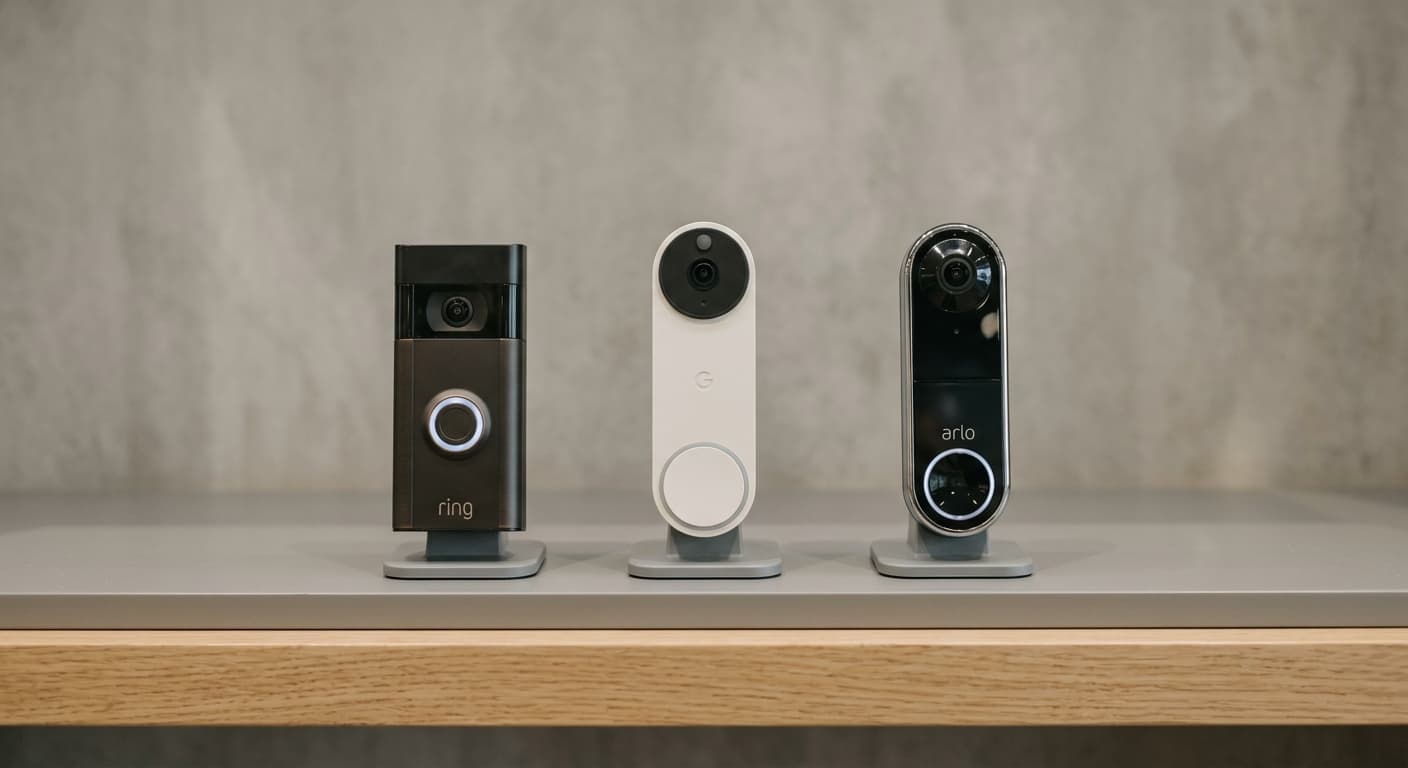
Ring doorbell camera laws vary by state. Learn which states require all-party consent for audio, HOA rules, landlord rights, and how to use Ring legally in your state.

Romania leans all-party: Penal Code Art. 226 requires a legitimate interest to record your own conversation. Covers Art. 226, Art. 302, GDPR, workplace rules.

Russia is a one-party consent jurisdiction: recording your own conversation is not a crime under Criminal Code Articles 137-138. Learn what the 2016 Supreme Court ruling actually held, SORM surveillance, wartime censorship laws (Art. 207.3), and penalties up to 15 years.

Rwanda requires all-party consent for recording. Law 60/2013, Penal Code 68/2018, and Law 60/2018 criminalize unauthorized interception. Penalties: 1-5 years. NCSA enforces data protection.

Saskatchewan follows Canada's one-party consent rule under Criminal Code s. 184(2)(a). Learn what you can record, how the Saskatchewan Privacy Act creates civil liability, and when PIPEDA applies.

Saudi Arabia requires all-party consent to record under the Anti-Cybercrime Law (Art. 3): up to 1 year prison and SAR 500,000 fine. PDPL fully enforced since Sept 2024. Updated May 2026.

How the Surveillance Devices Act 2007 (NSW) treats home security cameras: the s 8 trespass test for video, and why the camera's microphone is judged by a completely different rule.

Queensland has no video surveillance law at all, so a home security camera's footage sits almost entirely outside the Invasion of Privacy Act. The microphone is a different story.

How the Surveillance Devices Act 1999 (Vic) treats home security cameras: the s 7 private-activity test for video, and why the microphone is judged separately under s 6.

Senegal is an all-party consent country. Recording any private conversation without every participant's consent violates Penal Code Art. 363 bis. Penalties reach 7 years. Learn the full framework.

Singapore recording laws: no wiretap statute, so a participant may record their own conversation, plus PDPA duties, voyeurism penalties and evidence rules.

Slovakia requires consent to record under Civil Code s.12(1). Recording without consent, then disclosing it, is a crime under Criminal Code s.377, up to 5 years.

Slovenia allows one-party consent to record conversations, but recording to misuse a confidential statement is a crime under Criminal Code Art. 137(2). Learn the penalties, GDPR rules, and workplace recording laws.

South Africa is one party consent under RICA. See sections 4 to 6, the R2 million/10 year penalty, the POPIA overlay, and the 2026 AmaBhungane reform update.

South Australia requires consent, a lawful-interests justification, or a public-interest justification to record a private conversation under the Surveillance Devices Act 2016 s.4. There is no personal-use exception.

South Carolina audio recording laws allow one-party consent under S.C. Code 17-30-30. Learn the rules for recording conversations, penalties for violations, and key exceptions.

Dashcams are legal in South Carolina. Learn the mounting rules, the one-party consent law for in-vehicle audio, and how dashcam footage can be used as evidence.

South Carolina landlord-tenant recording laws allow tenants to record conversations with landlords under one-party consent. Learn the rules for surveillance, hidden cameras, and rental disputes.

South Carolina allows recording in public spaces under the First Amendment with no permit required. Learn the rules for filming in public, photography rights, and when restrictions apply.

You can legally record police officers in South Carolina in public spaces. Learn your First Amendment rights, body camera laws, and what to do if police tell you to stop recording.

Learn South Carolina medical recording laws. Patients can record doctor visits under one-party consent (§ 17-30-30). Covers HIPAA, telehealth, facility policies, and evidence use.

South Carolina allows recording phone calls with one-party consent under S.C. Code 17-30-30. Learn the rules for personal calls, business calls, interstate calls, and VoIP recordings.

South Carolina is a one-party consent state under § 17-30-30(C). Illegal recording is a felony; civil victims can sue for at least $25,000. Updated 2026.

In South Carolina, one-party consent lets students and parents record school conversations. Learn student, parent, and teacher rights and how FERPA applies.

South Carolina security camera laws allow surveillance on your own property with restrictions on private areas and audio. Learn the rules for home cameras, business CCTV, neighbor disputes, and HOAs.