Ohio Laws on Recording in Public: Rights, Limits, and Privacy
Learn Ohio laws on recording in public places. Understand your First Amendment rights, privacy expectations, audio recording rules, and when public filming is legal.
9 min read
906 articles · page 11 of 16
Learn Ohio laws on recording in public places. Understand your First Amendment rights, privacy expectations, audio recording rules, and when public filming is legal.
Learn your rights to record police in Ohio. Understand First Amendment protections, traffic stop recording rules, body camera laws, and what officers cannot do.

Learn Ohio medical recording laws for patients and providers. Understand your right to record doctor appointments, HIPAA rules, and healthcare privacy protections.

Learn Ohio phone call recording laws under ORC 2933.52. Ohio is a one-party consent state. Understand legal requirements, penalties, and business compliance.
Ohio is a one-party consent state under ORC 2933.52(B)(4). Recording without consent is a fourth-degree felony. Learn the penalties, civil remedies, and hidden-camera rules.

Understand Ohio school recording laws for classrooms, IEP meetings, and surveillance cameras. Learn about FERPA, student privacy, and parent recording rights.
Learn Ohio security camera laws for homes and businesses. Understand privacy restrictions, audio recording rules, neighbor camera disputes, and HOA policies.
Ohio is a one-party consent state under ORC § 2933.52. Record conversations you join without notice. Voyeurism and injurious-purpose rules still apply.
Learn Ohio video recording laws for public spaces, private property, and hidden cameras. Understand voyeurism penalties under ORC 2907.08 and your filming rights.
Understand Ohio voyeurism and hidden camera laws under ORC 2907.08. Learn about penalties for secret recording, upskirting, revenge porn, and sex offender registration.

Learn Ohio workplace recording laws for employees and employers. Understand one-party consent rules, employer surveillance limits, NLRA protections, and penalties.
Oklahoma audio recording laws follow one-party consent under 13 Okl. St. Section 176.4. Learn the rules for recording calls, conversations, and penalties.
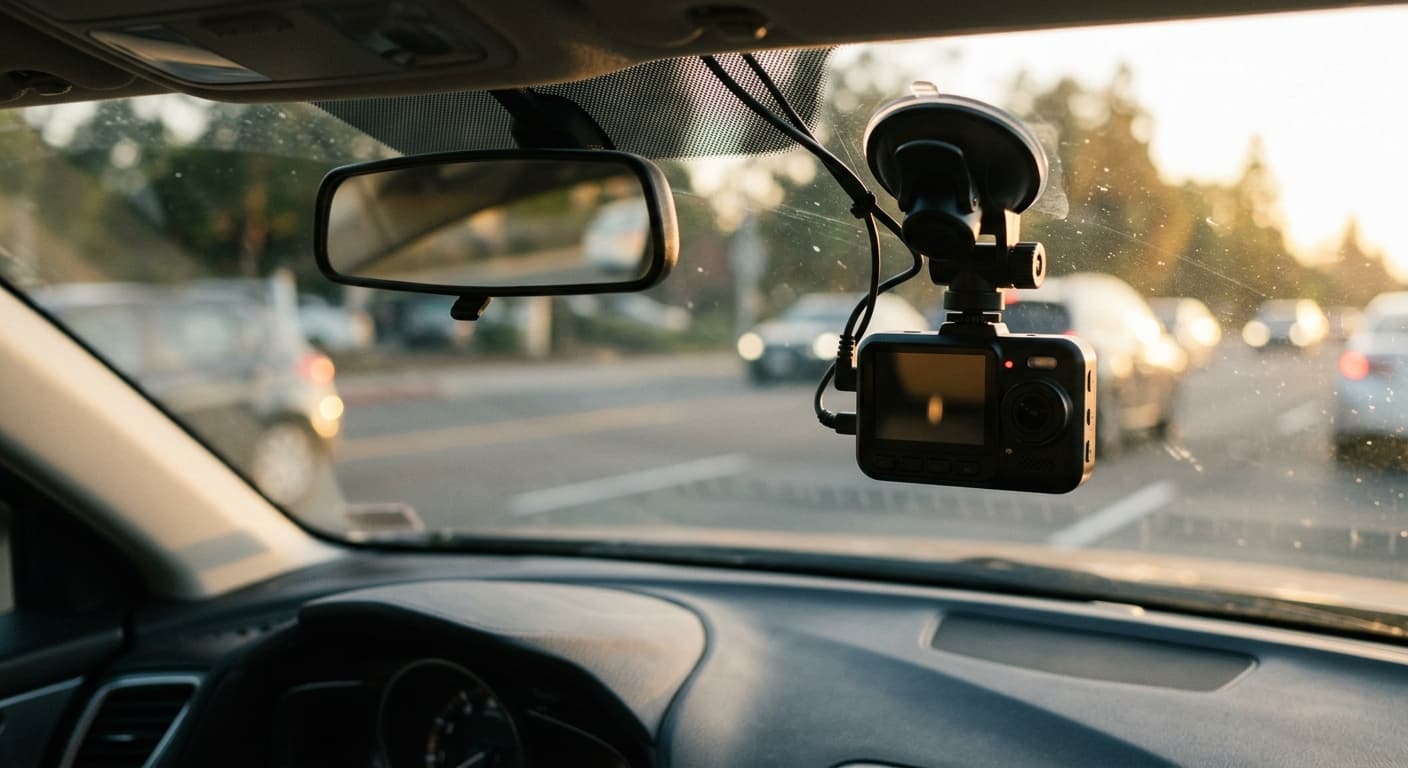
Oklahoma dashcam laws allow dashboard cameras with no specific restrictions. Learn mounting rules, audio recording consent, and using dashcam footage as evidence.
Oklahoma landlord-tenant recording laws let tenants record conversations with landlords under one-party consent. Learn surveillance rules for rental properties.
Oklahoma laws allow recording in public spaces without consent. Learn your rights to film on streets, at events, and in government buildings.
Oklahoma law protects your right to record police officers in public. Learn when you can film police, your limitations, and what to do if an officer objects.
Learn Oklahoma medical recording laws. Patients can record doctor visits under one-party consent (Okla. Stat. tit. 13, 176.4). Covers HIPAA, telehealth, mental health, and evidence.
Oklahoma phone call recording laws allow one-party consent under 13 Okl. St. Section 176.4. Learn rules for personal calls, business calls, and interstate calls.
Oklahoma is a one-party consent state under 13 O.S. section 176.4(5). Learn the consent rule, felony penalties, civil remedies, and your right to record police.
Oklahoma's one-party consent law lets students and parents record school conversations they join. Learn student, parent, and teacher rights and FERPA limits.
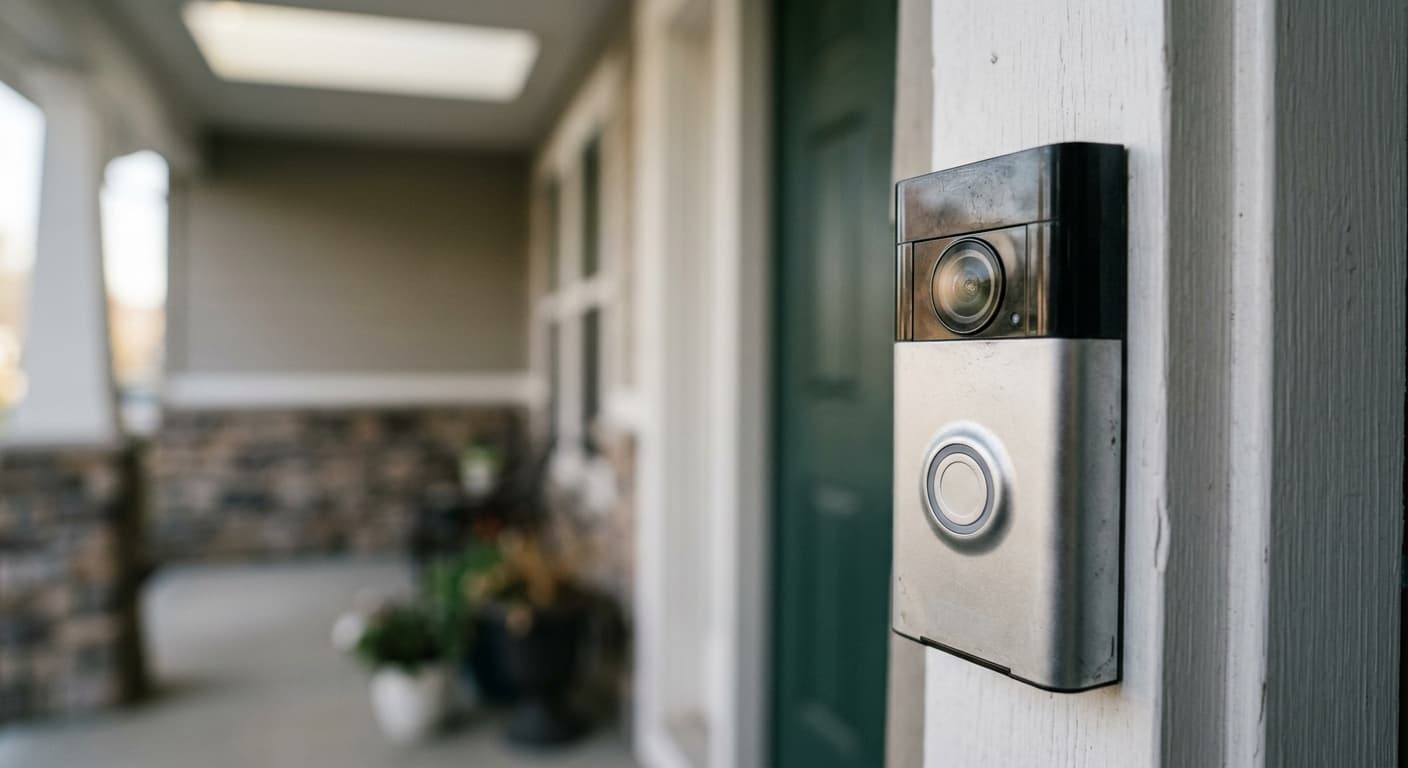
Oklahoma security camera laws allow surveillance on your own property with no permit required. Learn rules for homes, businesses, HOAs, and audio recording.
Oklahoma is a one-party consent state: you may record conversations you are part of with smart glasses. Video in public is lawful. Restrooms and private areas are off-limits under 21 O.S. § 1171.
Oklahoma video recording laws allow filming in public without consent. Learn the rules for public spaces, private property, and when audio changes everything.
Oklahoma voyeurism laws under 21 Okl. St. Section 1171 prohibit hidden cameras in private areas. Learn Peeping Tom penalties and hidden camera rules.
Oklahoma workplace recording laws allow employees to record conversations they participate in. Learn employer surveillance rules and employee rights.
Oman requires all-party consent to record. Cybercrime Law Art. 16 sets 1-3 year prison terms; the PDPL is fully enforceable since February 2026. Learn what is and is not allowed.
38 states plus DC allow you to record conversations you participate in. See the full list, per-state quick answers, federal law, and mixed-rule states like Oregon.

Ontario follows Canada's one-party consent rule: you can legally record any conversation you are part of. Learn the Criminal Code rules, Jones v. Tsige civil tort, PIPEDA, voyeurism limits, and workplace recording risks.
Oregon audio recording laws explained. Split consent: one-party for phone calls, all-party notification for in-person under ORS 165.540. Penalties and exceptions.
Oregon dashcam laws explained. Mounting rules under ORS 815.270, audio recording consent, evidence use, and commercial vehicle requirements.
Oregon landlord-tenant recording laws under ORS 165.540 and ORS 90. Security cameras, tenant privacy, phone call recording, and eviction documentation.
Oregon laws on recording in public spaces. Split consent rules, all-party notification for audio, unconcealed device exception, and First Amendment rights.
Oregon laws on recording police explained. First Amendment rights, split consent rules under ORS 165.540, body cameras, protest recording, and penalties.

Oregon medical recording laws for patients and providers. HIPAA rules, doctor appointment recording, telehealth consent, and ORS 165.540 requirements.
Learn Oregon phone call recording laws under ORS 165.540. One-party consent for calls, all-party rules for in-person, penalties, and interstate guidelines.
Oregon uses a hybrid rule: phone calls are one-party consent under ORS 165.540(1)(a); in-person conversations require all-party notice under ORS 165.540(1)(c). Violations are a Class A misdemeanor.
Oregon school recording laws for students, parents, and teachers. Classroom recording, IEP meetings, security cameras, FERPA, and ORS 165.540 consent rules.
Oregon security camera laws explained. Video-only rules, audio consent under ORS 165.540, privacy limits under ORS 163.700, and installation guidelines.
Oregon requires all participants in an in-person conversation to be specifically informed before recording (ORS 165.540). Learn the rules, penalties, and tips for smart glasses users in Oregon.
Oregon video recording laws explained. Silent video rules, audio consent requirements under ORS 165.540, privacy statutes ORS 163.700-701, and penalties.

Oregon voyeurism and hidden camera laws under ORS 163.700 and 163.701. Penalties, sex offender registration, victim protections, and privacy rights.
Oregon workplace recording laws under ORS 165.540. Split consent rules for employee calls, meetings, surveillance, HR recording, and employer monitoring.

A federal judge ruled Aug. 13, 2026 that the Otter.ai class action’s core claims proceed: federal wiretap, California CIPA, and Illinois BIPA. What the order held and what happens next.
Pakistan requires all-party consent to record calls and conversations under PECA 2016 and a landmark March 2026 Supreme Court ruling. Learn penalties, PECA 2025 changes, and workplace rules.
Panama requires all-party consent to record private conversations under Constitution Art. 29 and Código Penal Art. 165. Penalties up to 2-4 years. Ley 478 (2025) adds NCII offense. Full compliance guide.
Paraguay requires all-party consent to record private conversations. Codigo Penal Art. 144 carries up to 2 years prison. Learn penalties, police recording rules, and Ley 7593/2025 compliance.
Prince Edward Island follows Canada's federal one-party consent rule under Criminal Code s. 184. Learn what you can legally record, PEI's limited civil privacy layer, and PIPEDA rules.
Learn Pennsylvania audio recording laws under 18 Pa.C.S. 5703. All-party consent required. Third-degree felony penalties of up to 7 years and $15,000 fine.
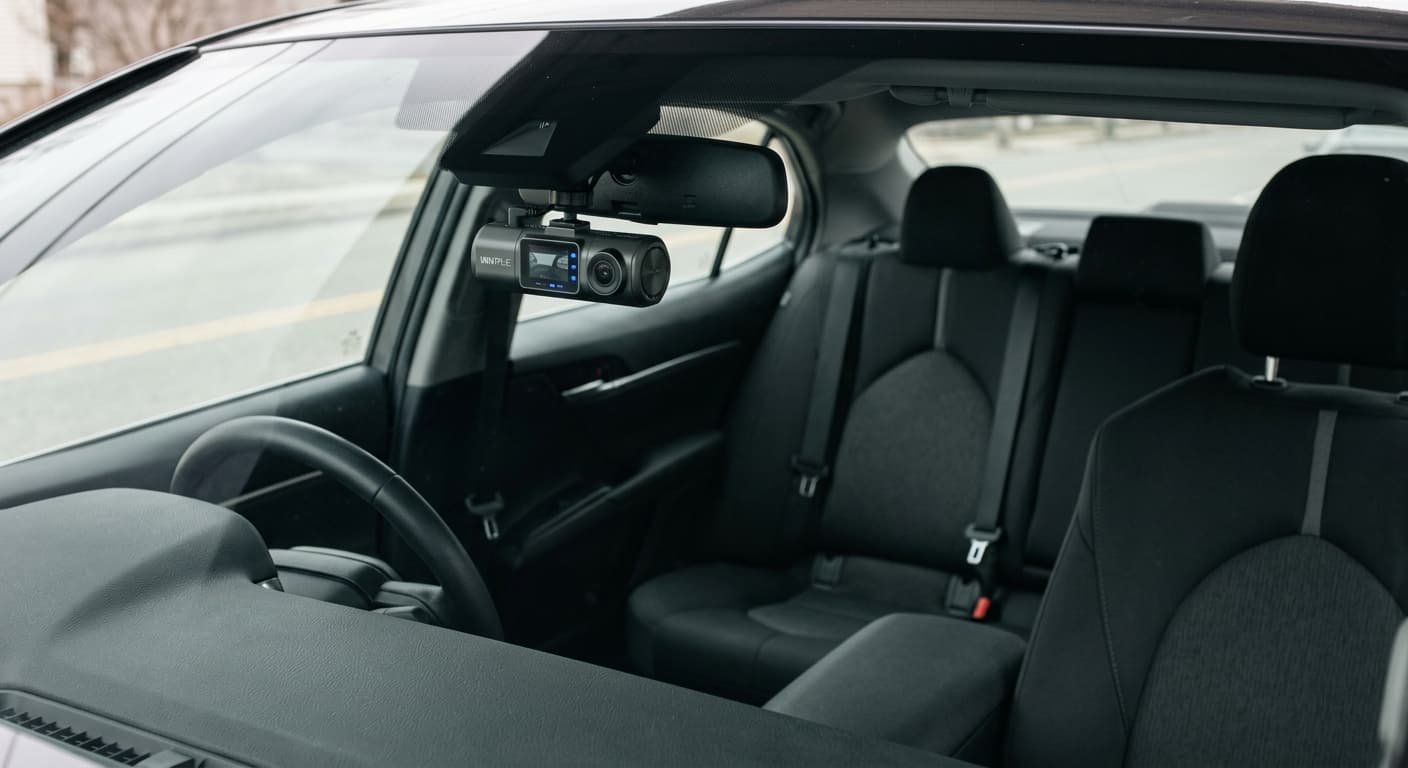
Learn Pennsylvania dashcam laws. Windshield mounting rules under 75 Pa.C.S. 4524, audio recording consent requirements, and how to use dashcam footage as evidence.
Learn Pennsylvania landlord-tenant recording laws. Tenant privacy rights, landlord surveillance limits, security camera rules, and hidden camera criminal penalties.

Learn Pennsylvania medical recording laws. All-party consent required for recording doctors. HIPAA, patient rights, telehealth recording, and hospital surveillance rules.
Learn Pennsylvania public recording laws. Silent video in public is legal, audio requires context. Sunshine Act rights, filming police, and public event recording explained.
Learn your rights to record police in Pennsylvania. First Amendment protections under Fields v. City of Philadelphia, body camera laws, and Sunshine Act rules.
Learn Pennsylvania phone call recording laws under 18 Pa.C.S. 5703, all-party consent rules, telemarketer exceptions, interstate call rules, and felony penalties.
Pennsylvania requires all-party consent to record under 18 Pa.C.S. § 5703. Illegal recording is a third-degree felony (up to 7 years). Learn the rules, exceptions, and penalties.

Learn Pennsylvania school recording laws. Student and teacher recording rights, FERPA privacy rules, classroom recording policies, and school surveillance requirements.
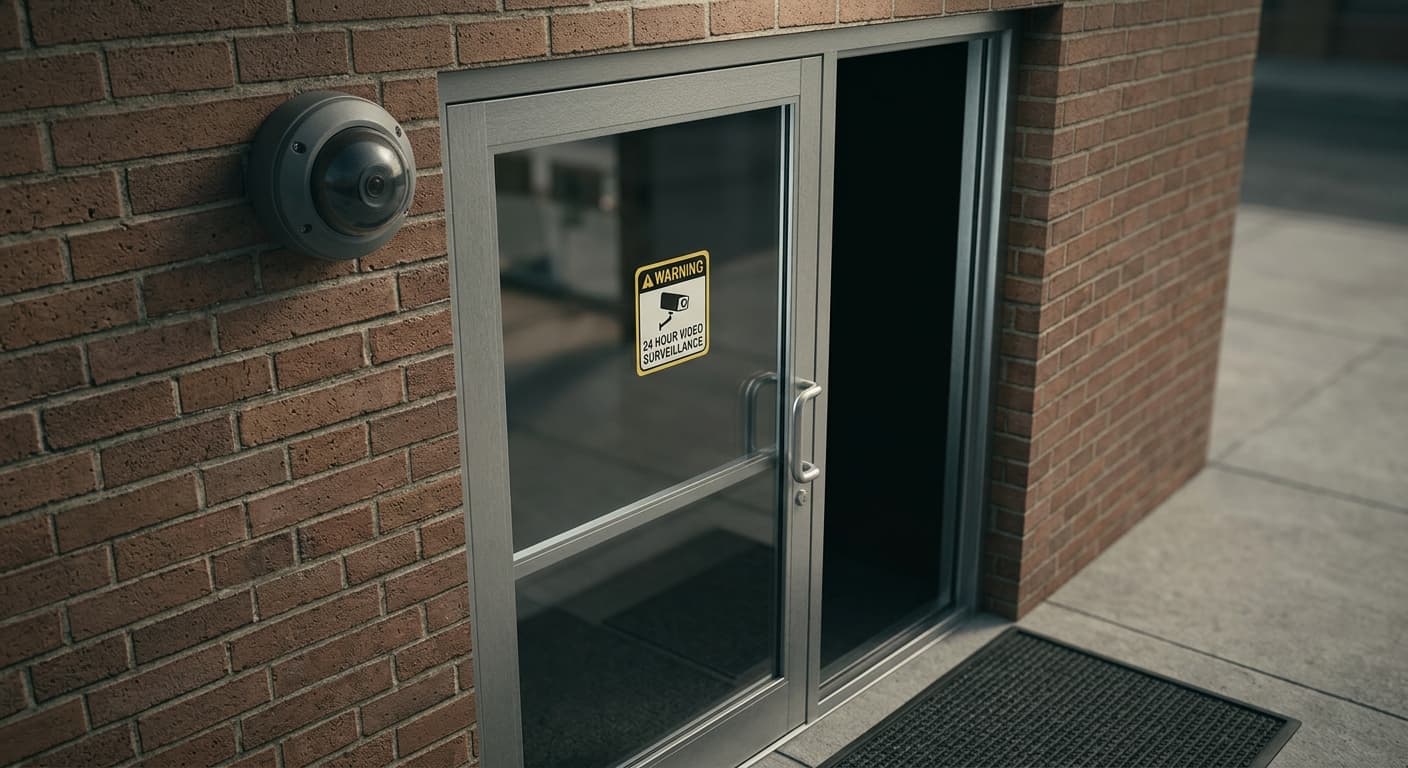
Learn Pennsylvania security camera laws for homes and businesses. Silent video permitted, audio recording requires all-party consent. Placement restrictions explained.
Pennsylvania requires all-party consent to record audio under 18 Pa.C.S. § 5703, a third-degree felony. Learn what smart glasses can legally record in PA.
Learn Pennsylvania video recording laws. Silent video is generally legal, but video with audio requires all-party consent. Understand surveillance and filming rules.

Learn Pennsylvania voyeurism and hidden camera laws under 18 Pa.C.S. 7507.1. Sex offender registration, invasion of privacy penalties, and victim protections.