
Australia
Recording Phone Calls in South Australia: What the Law Requires
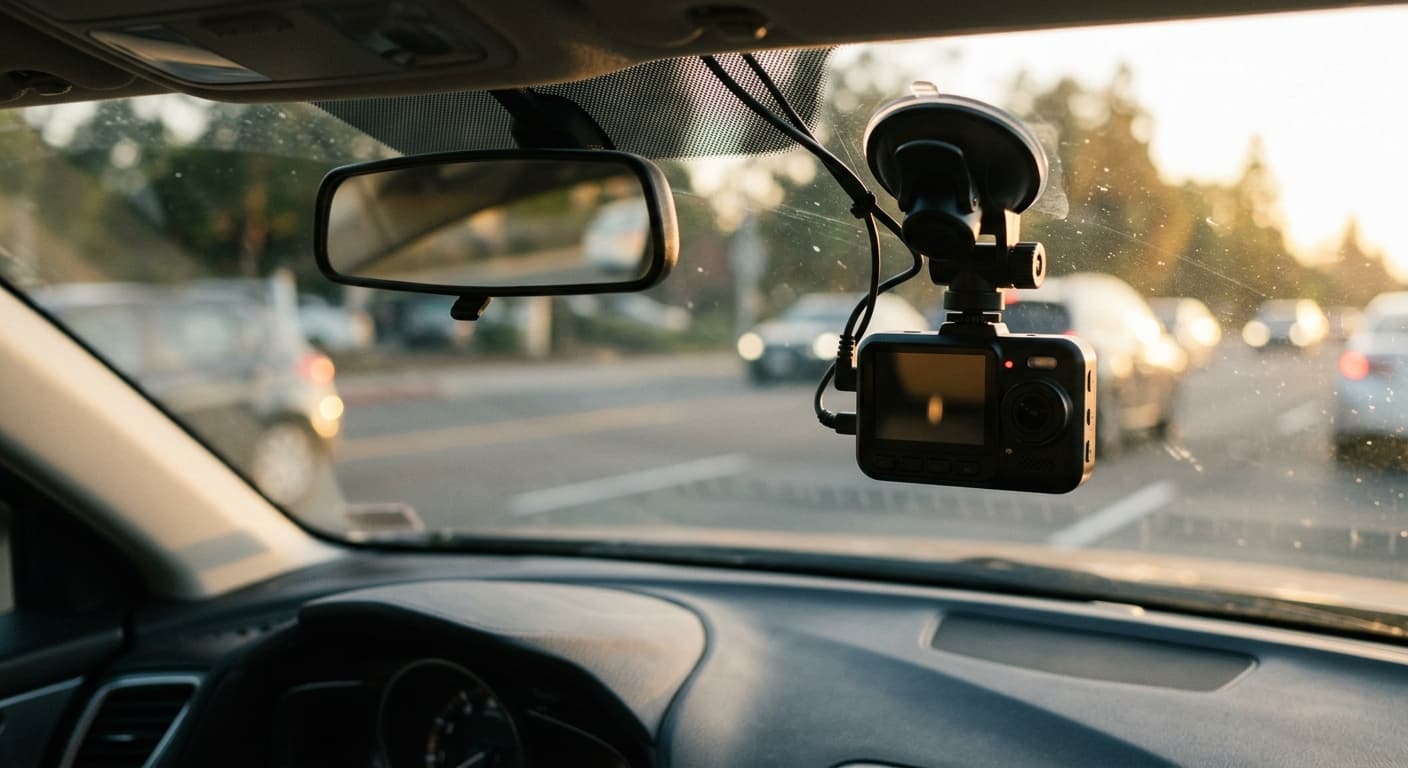
Recording your own phone call in South Australia is governed by state law, not the federal wiretapping statute most people assume applies. Section 4 of the Surveillance Devices Act 2016 (SA) requires the consent of everyone on the call, a lawful-interests justification, or the state's public-interest exception, before you can lawfully record a conversation you are part of.
Can You Record Your Own Phone Call in South Australia?
Only with consent, a lawful interest, or the public interest, the same three routes that apply to any other private conversation in South Australia. Section 4(1)(b) of the Surveillance Devices Act 2016 (SA) prohibits recording a private conversation you are a party to, and a phone call ordinarily meets the Act's definition of a private conversation. Unless every principal party consents, the recording must be reasonably necessary to protect your own lawful interests under s.4(2)(a)(ii), or fall within the separate public-interest exception at s.6, to be lawful.
Jurisdiction scope: This article addresses phone call recording law in South Australia under the Surveillance Devices Act 2016 (SA) and the federal Telecommunications (Interception and Access) Act 1979 (Cth). It does not address the phone recording rules of other Australian states or territories; for a national comparison, see recording a phone call in Australia. For South Australia's general recording rules, see South Australia recording laws.
The Federal Layer: Why the TIA Act Usually Doesn't Apply to Your Own Call
The Telecommunications (Interception and Access) Act 1979 (Cth) makes it a serious federal offence to intercept a communication passing over a telecommunications system. Section 7 of that Act prohibits interception, and interception is defined around listening to or recording a communication in its passage over the system, without the knowledge of the person making it. A participant on a call has knowledge of their own communication, and recording at the handset happens at the point of receipt, not while the call is in transit across the network. That distinction matters: it is generally the state Act, not the federal TIA Act, that governs whether you can record your own phone call. The federal Act becomes the operative framework when someone other than a party to the call taps the line itself, for example intercepting a call in transit over the network, which is a different and more serious kind of conduct addressed elsewhere in the TIA Act.
The State Layer: Section 4 of the Surveillance Devices Act 2016 (SA)
Once the TIA Act is set aside, South Australia's own Act governs. Section 4(1) prohibits both listening to a conversation you are not part of and recording one you are part of. For your own call, the exceptions in s.4(2) apply: consent of every party, express or impliedly given, or the lawful-interests exception in s.4(2)(a)(ii), which excuses a recording that is reasonably necessary to protect your own lawful interests. Courts have accepted a lawful interest where a person had a genuine, objectively assessable safety concern, for example receiving calls in breach of an intervention order: Groom v Police [2015] SASC 101 (decided under the predecessor Act, on materially similar wording). Courts have rejected a lawful interest where the recording was made simply to gain an advantage in a dispute, or as a general precaution with no specific threat behind it.
South Australia's separate public-interest exception at s.6 is not limited to a participant protecting their own interest. It can excuse a recording, by a party to the call or a non-party, where the use of the device is genuinely in the public interest, though the Act does not define that term beyond the general concept of exposing serious wrongdoing or addressing a genuine threat to public safety.
Notifying the Other Person: What Counts as Consent
Consent under s.4(2)(a)(i) can be express or implied. Express consent means the other party clearly agrees, in words, to being recorded. Implied consent arises where a person was genuinely aware that recording was occurring and chose to continue the call regardless.
For personal calls: tell the other person plainly, at the start of the call, that you intend to record it, and get their agreement before you proceed. Continuing the call after being told is usually treated as implied consent, but a clear verbal confirmation is the safer practice given the criminal penalties involved.
For businesses recording customer calls: an automated message stating that the call is being recorded, played before the customer discusses their matter, is the standard approach. If the customer continues after hearing the notice, that generally establishes implied consent under s.4(2)(a)(i). If a customer objects, the recording should stop.
Sharing a Recorded Call Is a Separate Offence
Making a lawful recording of a phone call does not automatically mean you can share it. The Act treats publication as a distinct offence, and which section applies depends on which exception justified the original recording. Section 9 governs material obtained under the lawful-interests exception: it may be shared only to a party to the call, with everyone's consent, to an investigating agency, in specified proceedings, or to a media organisation, with a maximum penalty of $10,000 for an individual and $50,000 for a corporation, no imprisonment component. Section 10 governs material obtained under the public-interest exception and generally requires a judge's order before publication, unless disclosed to or by a media organisation, at the same maximum penalty. A person who lawfully records a threatening call under the lawful-interests exception and then forwards the audio to a friend or posts it online, without meeting one of the s.9 grounds, commits a fresh offence even though the original recording broke no law.
Publishing or Sharing Recorded Calls: The Doxxing Overlay
Since 11 December 2024, the Criminal Code (Cth) has included doxxing offences at sections 474.17C and 474.17D, targeting the use of a carriage service to publish someone's personal data in a way reasonable persons would regard as menacing or harassing. Where sharing a recorded call also involves publishing the other party's personal information in a menacing or harassing way, this federal offence can apply on top of South Australia's own publication restrictions under ss.9, 10 and 12.
Cross-Border and Interstate Calls
If you are calling someone interstate, your own conduct in South Australia is still governed by South Australian law, and the other party's conduct is governed by the law of wherever they are. A South Australian resident cannot rely on a more permissive rule that might apply to the other party in, for example, Victoria or Queensland. The safest approach for a call involving a South Australian participant is to assume South Australia's narrower rule applies to that end of the conversation.
Disclaimer: This article presents general legal information about phone call recording law in South Australia. It does not constitute legal advice. The information covers the Surveillance Devices Act 2016 (SA) and the Telecommunications (Interception and Access) Act 1979 (Cth) as in force as of 2026-07-22. Laws can change. If you have a specific legal situation, consult a legal practitioner admitted in South Australia or the relevant Australian state or territory.
For South Australia's general consent rules, see South Australia recording laws. For recording conversations at work in South Australia, see workplace recording in South Australia. For security cameras and CCTV in South Australia, see security camera laws in South Australia. For the national picture on phone recording, see recording a phone call in Australia.
Last updated: 2026-07-22. Statutes cited reflect their in-force versions as of 2026-07-22.
Frequently Asked Questions
Is it legal to record a phone call in South Australia without telling the other person?
Generally no. Section 4(1)(b) of the Surveillance Devices Act 2016 (SA) requires the consent of every party to the call, unless the recording is reasonably necessary to protect your own lawful interests under s.4(2)(a)(ii), or the separate public-interest exception in s.6 applies. Recording without consent or a qualifying exception is a criminal offence punishable by up to $15,000 or 3 years imprisonment for an individual.
Does the federal wiretapping law apply if I record my own call in South Australia?
Usually not. The Telecommunications (Interception and Access) Act 1979 (Cth) targets interception of a communication in transit over a telecommunications system by someone without knowledge of the sender. A participant recording their own call at their own handset generally has knowledge of the communication and is recording at the point of receipt, not in transit, so the South Australian state Act, not the federal interception offence, governs the question.
Can I record a threatening phone call for evidence in South Australia?
Potentially, under the lawful-interests exception in s.4(2)(a)(ii) of the Surveillance Devices Act 2016 (SA). South Australian courts have accepted a lawful interest where a person had a genuine, objectively assessable safety concern, such as calls made in breach of an intervention order: Groom v Police [2015] SASC 101. A precautionary recording with no specific, identifiable threat is less likely to qualify.
If I lawfully record a phone call, can I send it to someone else?
Not freely. Sharing a recording made under the lawful-interests exception is separately restricted by section 9 of the Surveillance Devices Act 2016 (SA), which limits disclosure to a party to the call, an investigating agency, specified proceedings, a media organisation, or with the consent of every party. A recording made under the public-interest exception is instead governed by section 10, which generally requires a judge's order before publication.
Can a business record customer service calls in South Australia?
Yes, generally, if the business plays an automated notice at the start of the call before the customer discusses their matter, and the customer continues the call after hearing it. This typically establishes implied consent under s.4(2)(a)(i) of the Surveillance Devices Act 2016 (SA). If a customer objects to being recorded, the recording should stop.
The Law Behind This Article
This article rests on the statutory provisions below, held in our own legal record and retrieved from the official source. Tap a section to read the operative text.
Surveillance Devices Act 2016 (SA)
s 10Communication or publication of information or material—public interestIn forcecited in 2 of our articles
(1) A person must not knowingly use, communicate or publish information or material derived from the use of a listening device or an optical surveillance device in circumstances where the device was used in the public interest except in accordance with an order of a judge under this Division. Maximum penalty: (a) in the case of a body corporate—$50 000; (b) in the case of a natural person—$10 000. (2) Subsection (1) does not apply to the use, communication or publication of information or material derived from the use of a listening device or an optical surveillance device in circumstances where the device was used in the public interest if— (a) the use, communication or publication of the information or material is made to a media organisation; or (b) the use, communication or publication of the information or material is made by a media organisation and the information or material is in the public interest.
Official text (excerpt) · last checked 2026-08-14 · Read the full text in our law library · Verify at legislation.sa.gov.au
Cited in 1 court opinions in our collectionLatest citing opinion in our collection: 2022
Opinions citing this section in our collection:
- Farm Transparency International Ltd v New South Wales (High Court of Australia 2022, [2022] HCA 23)
Identified automatically from the court opinions citing this section — not a ranking of which case controls.
Also relied on in: South Australia Recording Laws: Consent, Lawful Interests and the Public-Interest Exception
s 4Listening devicesIn forcecited in 11 of our articles
(1) Subject to this section and section 6, a person must not knowingly install, use or cause to be used, or maintain, a listening device— (a) to overhear, record, monitor or listen to a private conversation to which the person is not a party; or (b) to record a private conversation to which the person is a party. Maximum penalty: (a) in the case of a body corporate—$75 000; (b) in the case of a natural person—$15 000 or imprisonment for 3 years. (2) Subsection (1) does not apply— (a) to the use of a listening device by a party to a private conversation to record the conversation if— (i) all principal parties to the conversation consent, expressly or impliedly, to the device being so used; or (ii) the use of the device is reasonably necessary for the protection of the lawful interests of that person; or (b) to the installation, use or maintenance of a listening device if— (i) the installation, use or maintenance is authorised under this Act or any other Act or a corresponding law; or (ii) the installation, use or maintenance is authorised under the Telecommunications (Interception and Access) Act 1979, or another law, of the Commonwealth, or (iii) the device is installed
Official text (excerpt) · last checked 2026-08-14 · Read the full text in our law library · Verify at legislation.sa.gov.au
Cited in 2 court opinions in our collectionLatest citing opinion in our collection: 2022
Opinions citing this section in our collection:
- Farm Transparency International Ltd v New South Wales (High Court of Australia 2022, [2022] HCA 23)
- RRG Nominees Pty Ltd v Visible Temporary Fencing Australia Pty Ltd (No 3) (Federal Court of Australia 2018, [2018] FCA 404)
Identified automatically from the court opinions citing this section — not a ranking of which case controls.
Also relied on in: CCTV and Home Security Camera Laws in Australia (2026), Dash Cam Laws in Australia: What's Legal to Record, Is It Illegal to Record Someone Without Consent in Australia?
s 6Listening devices and optical surveillance devices—public interest exceptionIn forcecited in 4 of our articles
(1) Section 4 does not apply— (a) to the use of a listening device to overhear, record, monitor or listen to a private conversation if the use of the device is in the public interest; or (b) to the installation, use or maintenance of a listening device under subsection (2)(b)(iv) or (v) of that section if the use of the device is in the public interest. (2) Section 5 does not apply— (a) to the use of an optical surveillance device to record visually or observe the carrying on of a private activity if the use of the device is in the public interest; or (b) to the installation, use or maintenance of an optical surveillance device under subsection (4)(a)(iv) or (v), or subsection (4)(b), of that section if the use of the device is in the public interest.
Official text (excerpt) · last checked 2026-08-14 · Read the full text in our law library · Verify at legislation.sa.gov.au
Cited in 1 court opinions in our collectionLatest citing opinion in our collection: 2022
Opinions citing this section in our collection:
- Farm Transparency International Ltd v New South Wales (High Court of Australia 2022, [2022] HCA 23)
Identified automatically from the court opinions citing this section — not a ranking of which case controls.
Also relied on in: Home Security Cameras and CCTV Law in South Australia
s 9Communication or publication of information or material—lawful interestIn forcecited in 3 of our articles
(1) A person must not knowingly use, communicate or publish information or material derived from the use of a listening device or an optical surveillance device in circumstances where the device was used to protect the lawful interests of that person except— (a) to a person who was a party to the conversation or activity to which the information or material relates; or (b) with the consent of each party to the conversation or activity to which the information or material relates; or (c) to an officer of an investigating agency for the purposes of a relevant investigation or relevant action or proceeding; or (d) in the course, or for the purposes, of a relevant action or proceedings; or (e) in relation to a situation where— (i) a person is being subjected to violence; or (ii) there is an imminent threat of violence to a person; or (f) to a media organisation; or (g) in accordance with an order of a judge under this Division; or (h) otherwise in the course of duty or as required or authorised by law. Maximum penalty: (a) in the case of a body corporate—$50 000; (b) in the case of a natural person—$10 000.
Official text (excerpt) · last checked 2026-08-14 · Read the full text in our law library · Verify at legislation.sa.gov.au
Search our full record of US law — 2.1 million sections, every state + federal →
Sources and References
- Surveillance Devices Act 2016 (SA), South Australian Legislation(legislation.sa.gov.au).gov
- Surveillance Devices Act 2016 (SA), s.4, listening devices, AustLII(www5.austlii.edu.au)
- Surveillance Devices Act 2016 (SA), s.6, public-interest exception, AustLII(www5.austlii.edu.au)
- Surveillance Devices Act 2016 (SA), s.9, publication, lawful interest, AustLII(www5.austlii.edu.au)
- Surveillance Devices Act 2016 (SA), s.10, publication, public interest, AustLII(www5.austlii.edu.au)
- Telecommunications (Interception and Access) Act 1979 (Cth)(legislation.gov.au).gov
- Groom v Police [2015] SASC 101, (2015) 252 A Crim R 332(jade.io)
- Criminal Code Act 1995 (Cth), Federal Register of Legislation(legislation.gov.au).gov
- OAIC, Statutory Tort for Serious Invasions of Privacy (commenced 10 June 2025)(oaic.gov.au).gov