Minnesota School Recording Laws: Classrooms, IEP Meetings, and Campus Surveillance
Minnesota school recording laws cover classroom recording, IEP meetings, campus security cameras, and student privacy under FERPA and state law.
9 min read
906 articles · page 8 of 16
Minnesota school recording laws cover classroom recording, IEP meetings, campus security cameras, and student privacy under FERPA and state law.
Minnesota security camera laws cover home and business surveillance. Learn where cameras are legal, privacy restrictions, and audio recording rules.
Minnesota is a one-party consent state. Smart glasses audio recording is lawful for participants under Minn. Stat. 626A.02. Learn the voyeurism and privacy limits.
Minnesota video recording laws cover public filming, privacy protections, and surveillance. Learn what is legal for video recording under state law.
Minnesota voyeurism laws under Minn. Stat. 609.746 prohibit hidden cameras and surreptitious surveillance. Learn about offenses, penalties, and victim rights.
Minnesota workplace recording laws allow employees to record conversations they participate in. Learn employer surveillance rules and employee rights.
Learn Mississippi audio recording laws under Miss. Code Ann. section 41-29-531. One-party consent allows recording your own calls and conversations legally.
Learn your rights to record in public in Mississippi. First Amendment protections, public meeting recording rights, and limits on filming in public spaces explained.
Learn your rights to record police in Mississippi. The First Amendment and Fifth Circuit case law protect filming officers in public. Know the rules and limits.
Learn Mississippi medical recording laws. Patients can record doctor visits under one-party consent (Miss. Code Ann. 41-29-531). HIPAA, telehealth, evidence.
Learn Mississippi phone call recording laws. One-party consent under section 41-29-531 allows recording your own calls. Interstate call rules and penalties explained.
Mississippi is a one-party consent state under Miss. Code Ann. section 41-29-531(e). Learn the consent rules, criminal penalties, civil damages, and hidden-camera law.
In Mississippi, one-party consent lets students and parents record school conversations. Learn student, parent, and teacher rights and how FERPA applies.
Learn Mississippi security camera laws for homes and businesses. Placement rules, audio recording limits, neighbor disputes, and hidden camera restrictions explained.
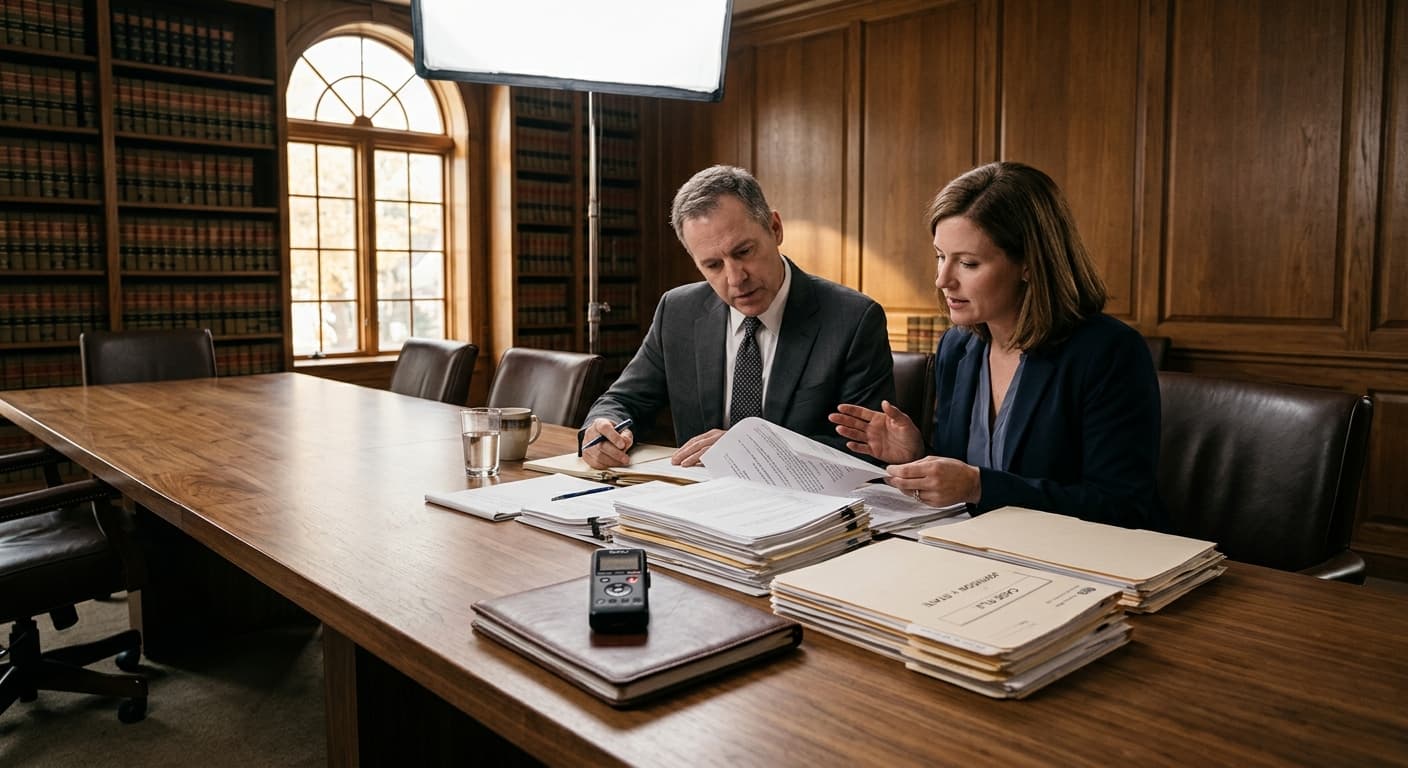
Mississippi is a one-party consent state under Miss. Code Ann. § 41-29-531(e). Learn what smart glasses recording is legal in Mississippi and where it is prohibited.
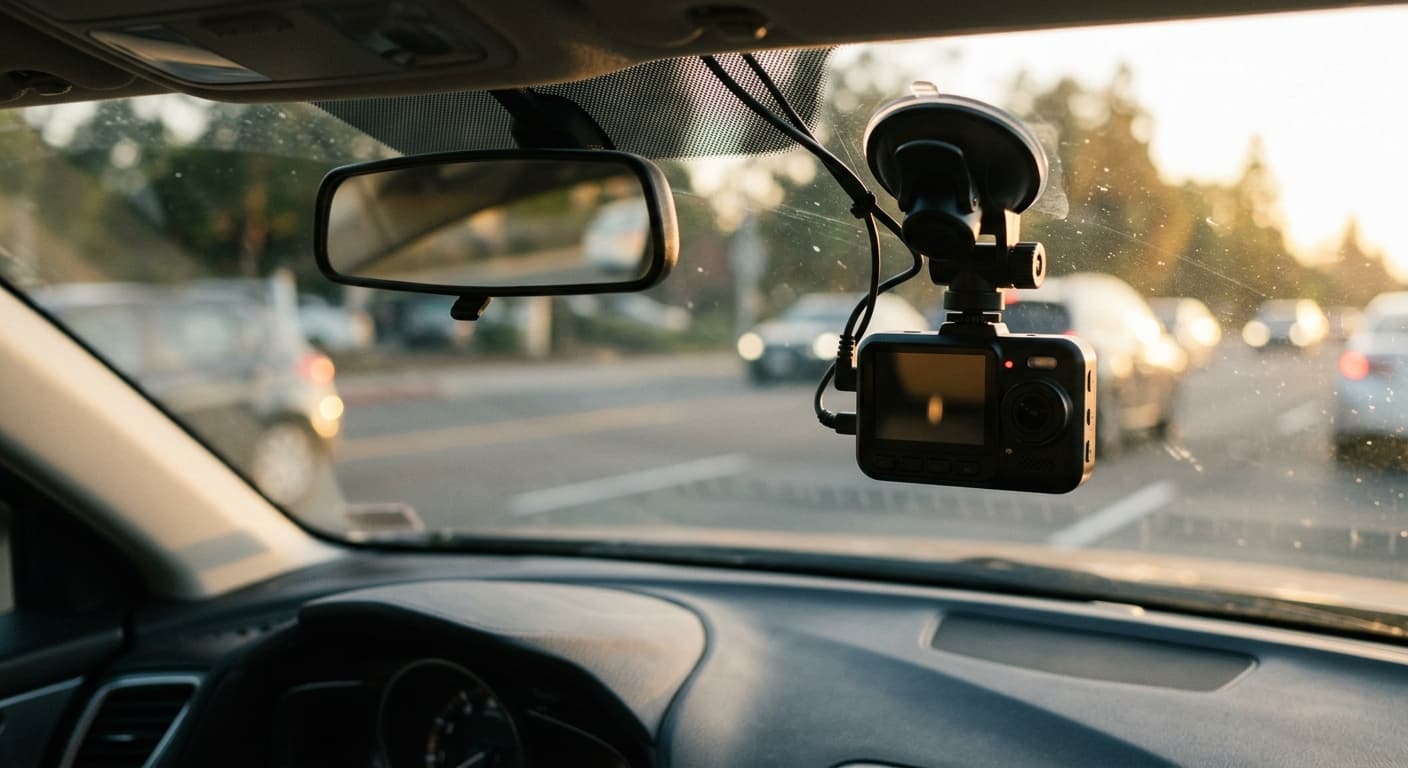
Learn Mississippi video recording laws including public filming rights, hidden camera restrictions under section 97-29-63, and surveillance consent rules.
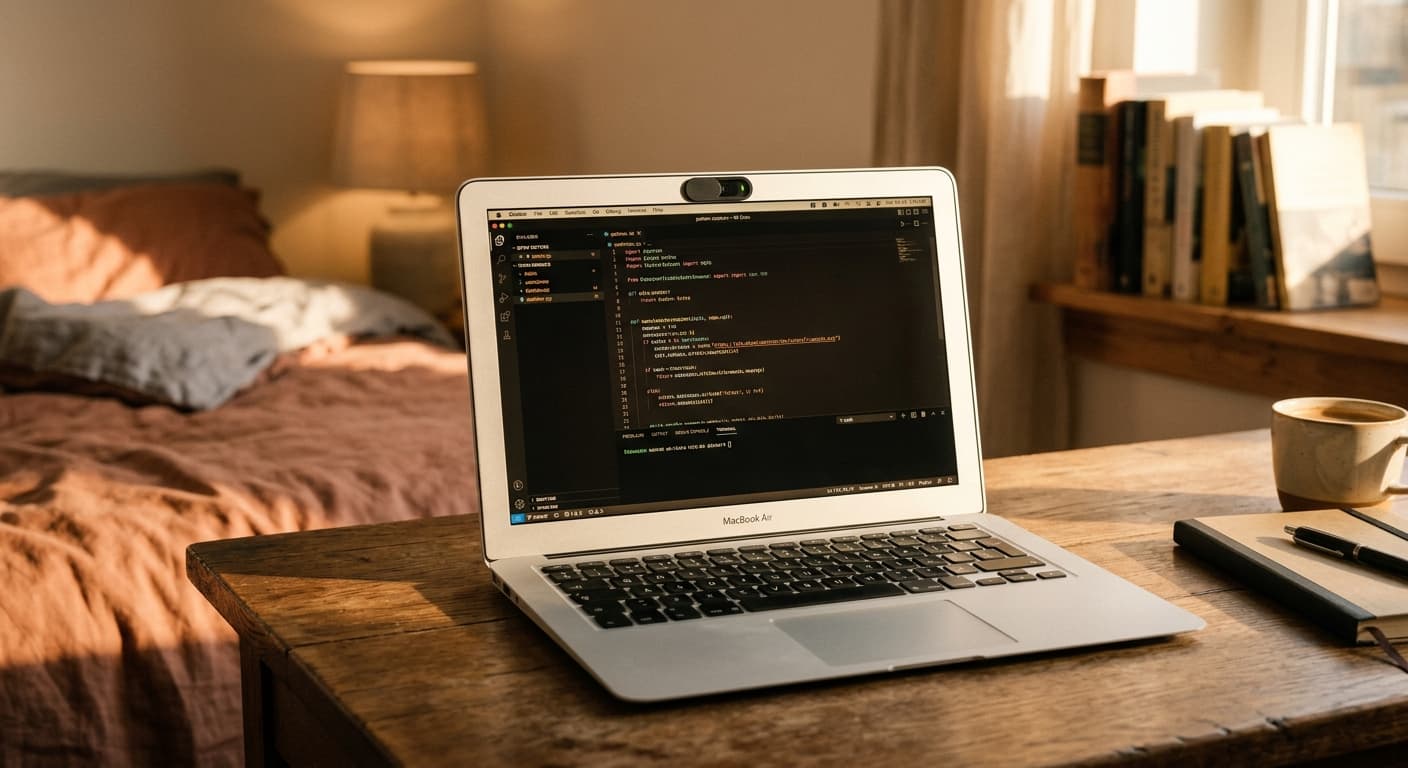
Learn Mississippi voyeurism laws under Miss. Code Ann. section 97-29-63. Hidden cameras in private places are a felony with up to 10 years in prison.
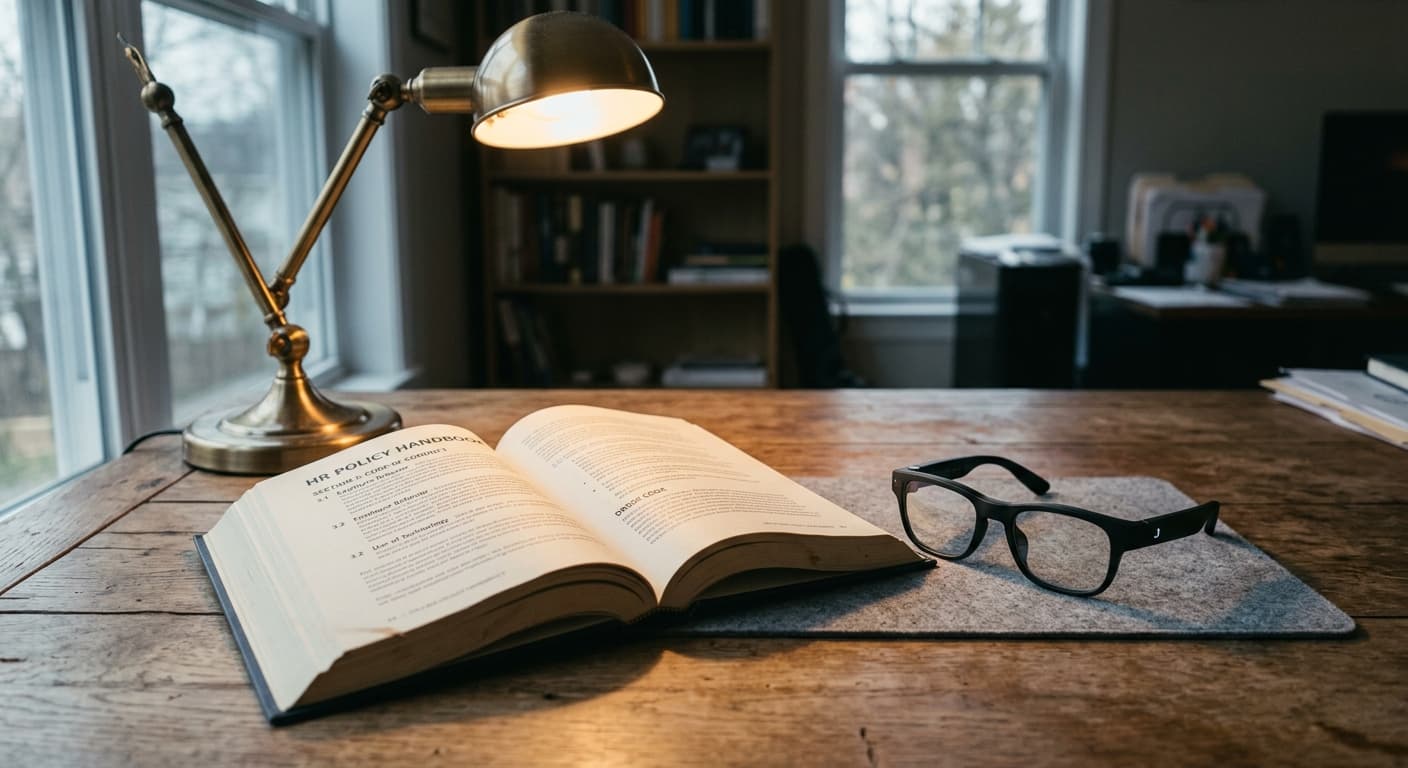
Learn Mississippi workplace recording laws. Employees can record conversations under one-party consent. Employer surveillance rules and NLRB protections explained.
Missouri audio recording laws allow one-party consent under Mo. Rev. Stat. 542.402. Learn when you can legally record conversations, penalties for violations, and key exceptions.
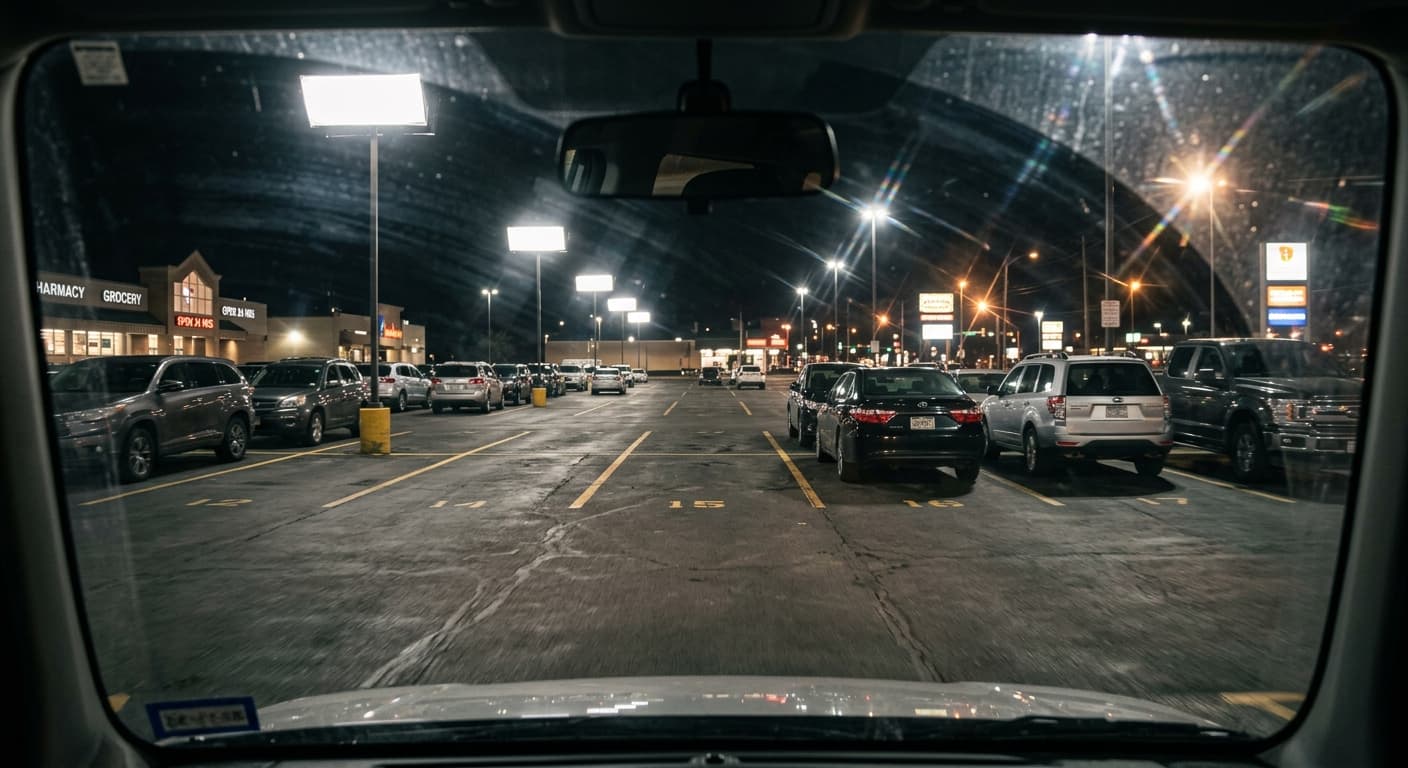
Dashcams are legal in Missouri. Learn the windshield mounting rules, the one-party consent law for in-car audio, and how dashcam footage can be used as evidence.
Missouri landlord-tenant recording laws protect tenant privacy inside rental units. Learn where landlords can place cameras, tenant recording rights, and legal remedies for violations.
Missouri allows recording in public spaces under the First Amendment. Learn your rights to film on streets, at protests, in businesses, and the limits on public recording.
You can legally record police officers in Missouri during public duties. Learn your First Amendment rights, Eighth Circuit rulings, Sunshine Law protections, and practical limits.
Learn Missouri medical recording laws. Patients can record doctor visits under one-party consent (Mo. Rev. Stat. 542.402). Covers HIPAA, telehealth, mental health, and evidence rules.
Missouri phone call recording laws follow one-party consent under Mo. Rev. Stat. 542.402. Learn when you can record calls, interstate rules, business compliance, and penalties.
Missouri is a one-party consent state under Mo. Rev. Stat. 542.402. Illegal recording is a Class E felony with a $10,000 civil minimum. Learn the rules for phone calls, in-person recording, and police.
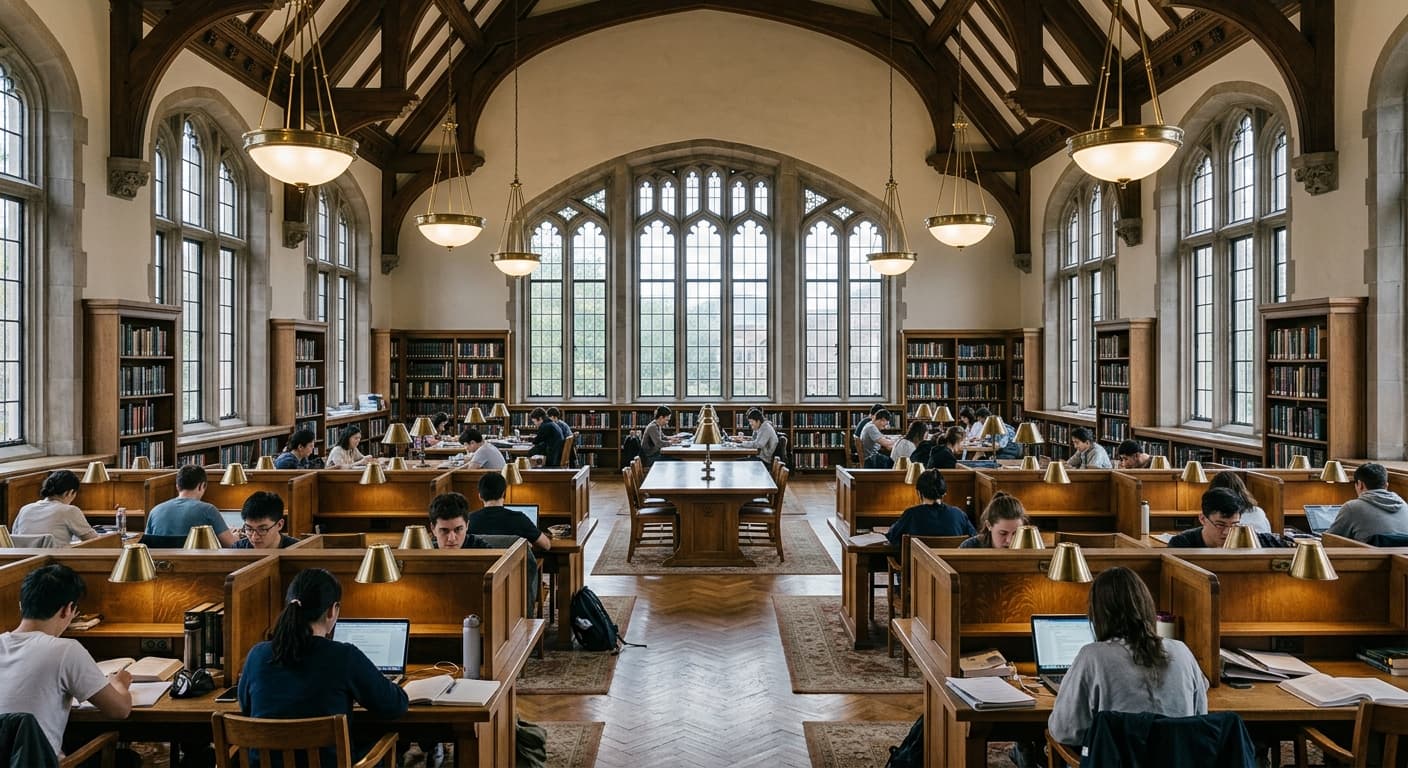
In Missouri, one-party consent lets students and parents record school conversations they join. Learn student, parent, and teacher rights and how FERPA applies.
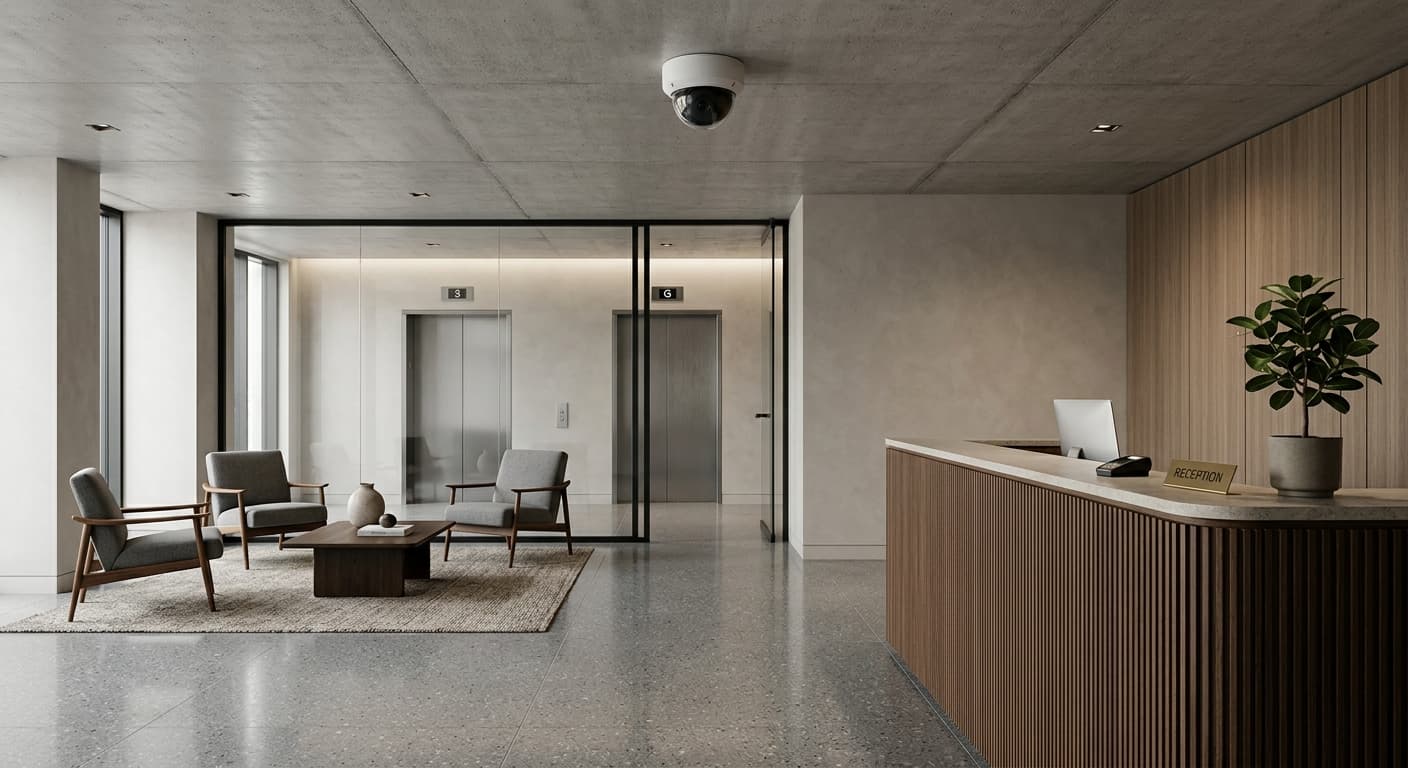
Missouri security camera laws allow surveillance on your own property with few restrictions. Learn audio consent rules, neighbor privacy limits, HOA regulations, and workplace camera laws.
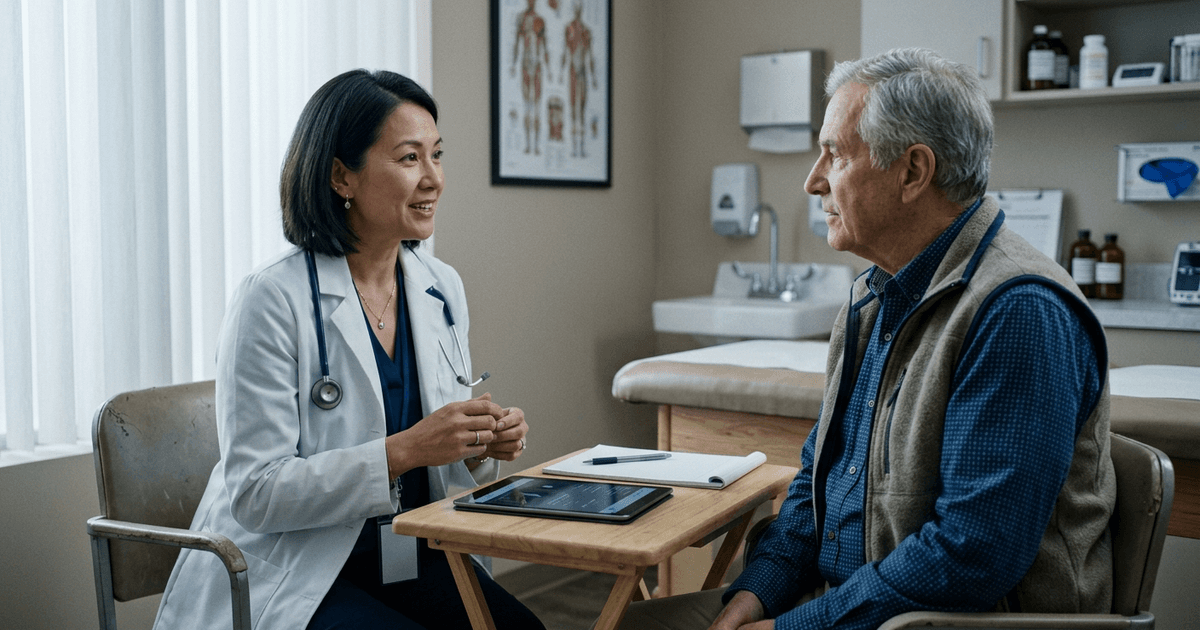
Missouri is a one-party consent state. Under Mo. Rev. Stat. § 542.402, you can record audio of your own conversations with smart glasses. Learn what's legal.
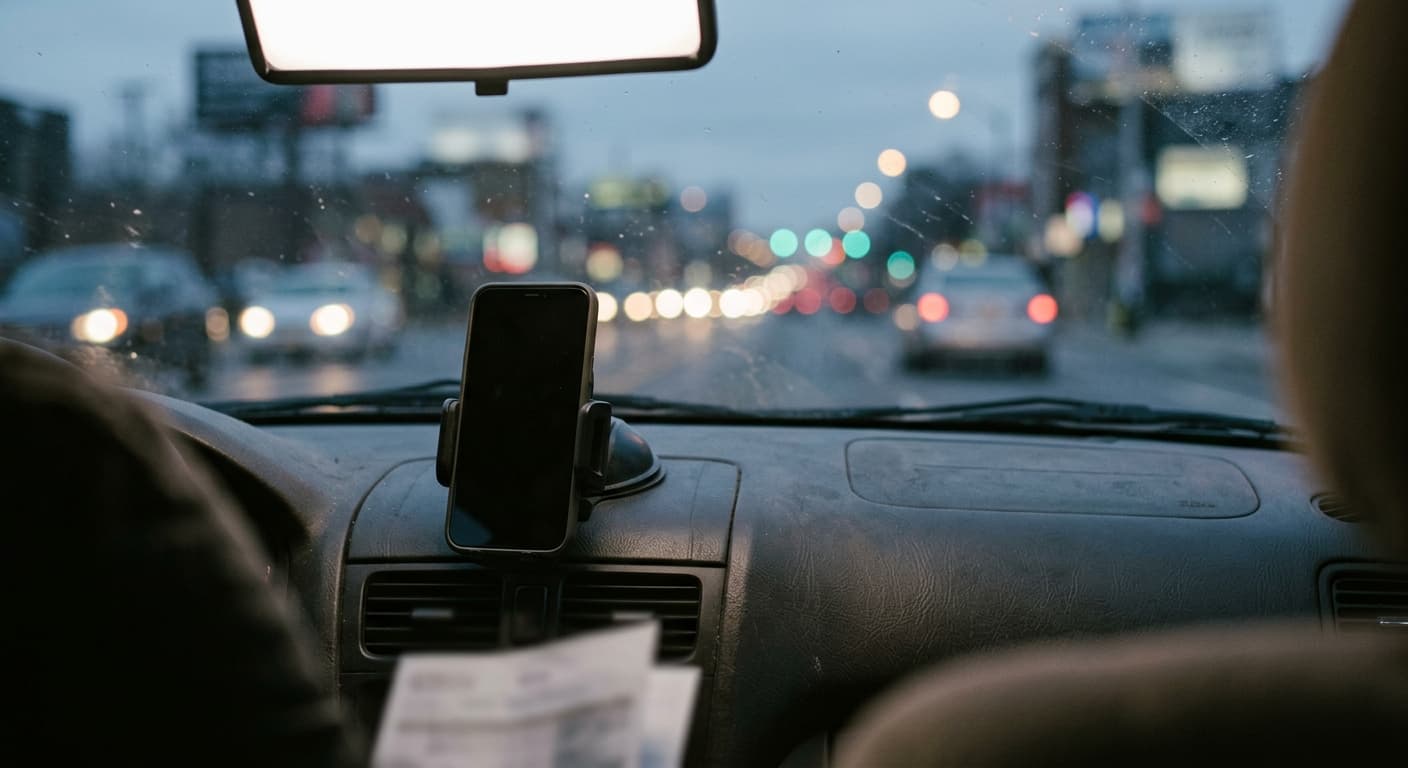
Missouri video recording laws permit filming in public spaces with no special restrictions. Learn the rules for private property, hidden cameras, and when audio consent applies.
Missouri voyeurism laws criminalize hidden cameras and secret recording where someone expects privacy. Learn about Mo. Rev. Stat. 565.252, 565.253, penalties, and your rights.
Missouri workplace recording laws allow employees to record conversations they participate in under one-party consent. Learn employer surveillance rules, NLRA protections, and limits.
Montana audio recording laws require all-party knowledge under MCA 45-8-213. Learn the warning exception, graduated penalties, and how to record legally.
Montana dashcam laws allow video recording on public roads, but audio from hidden devices requires all-party knowledge under MCA 45-8-213. Learn mounting rules and penalties.
Montana landlord-tenant recording laws cover security cameras, hidden cameras in rentals, and tenant privacy rights under MCA 45-5-223 and MCA 45-8-213.
Montana public recording laws protect your right to record in public spaces. Learn when audio triggers MCA 45-8-213, public meeting rules, and your rights.
Montana law explicitly permits recording police officers performing official duties without consent or warning under MCA 45-8-213(2)(a). Learn your rights.
Montana medical recording laws require all-party knowledge for hidden devices under MCA 45-8-213. Learn patient rights, the warning exception, HIPAA rules, and telehealth recording.
Montana phone call recording laws require a warning before recording under MCA 45-8-213. Learn the rules for personal calls, business calls, and interstate calls.
Montana requires all parties know a conversation is being recorded. Any party can satisfy MCA 45-8-213 by announcing audibly. Penalties, exceptions, and 2025 changes explained.
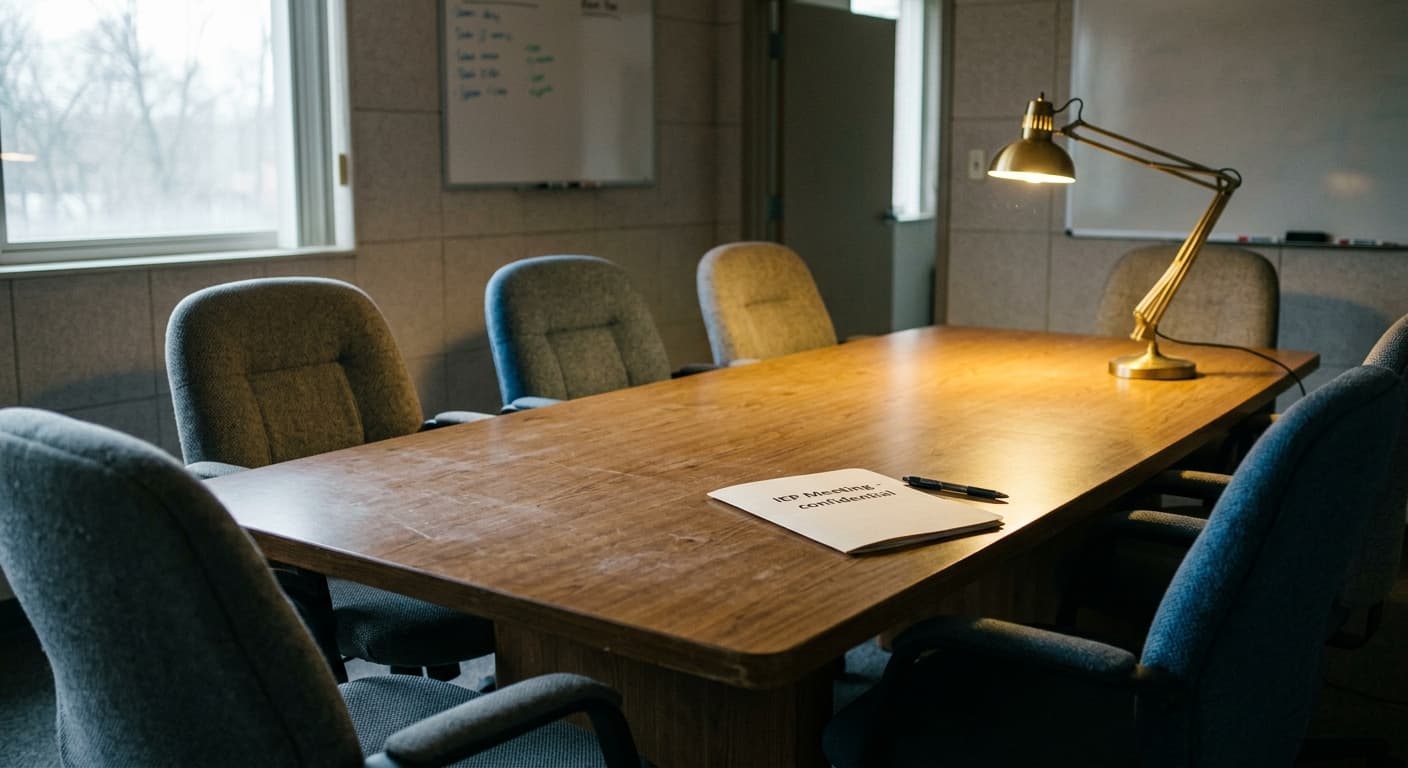
Montana school recording laws require all-party knowledge for hidden devices under MCA 45-8-213. Learn FERPA protections, the warning exception, and student privacy rules.
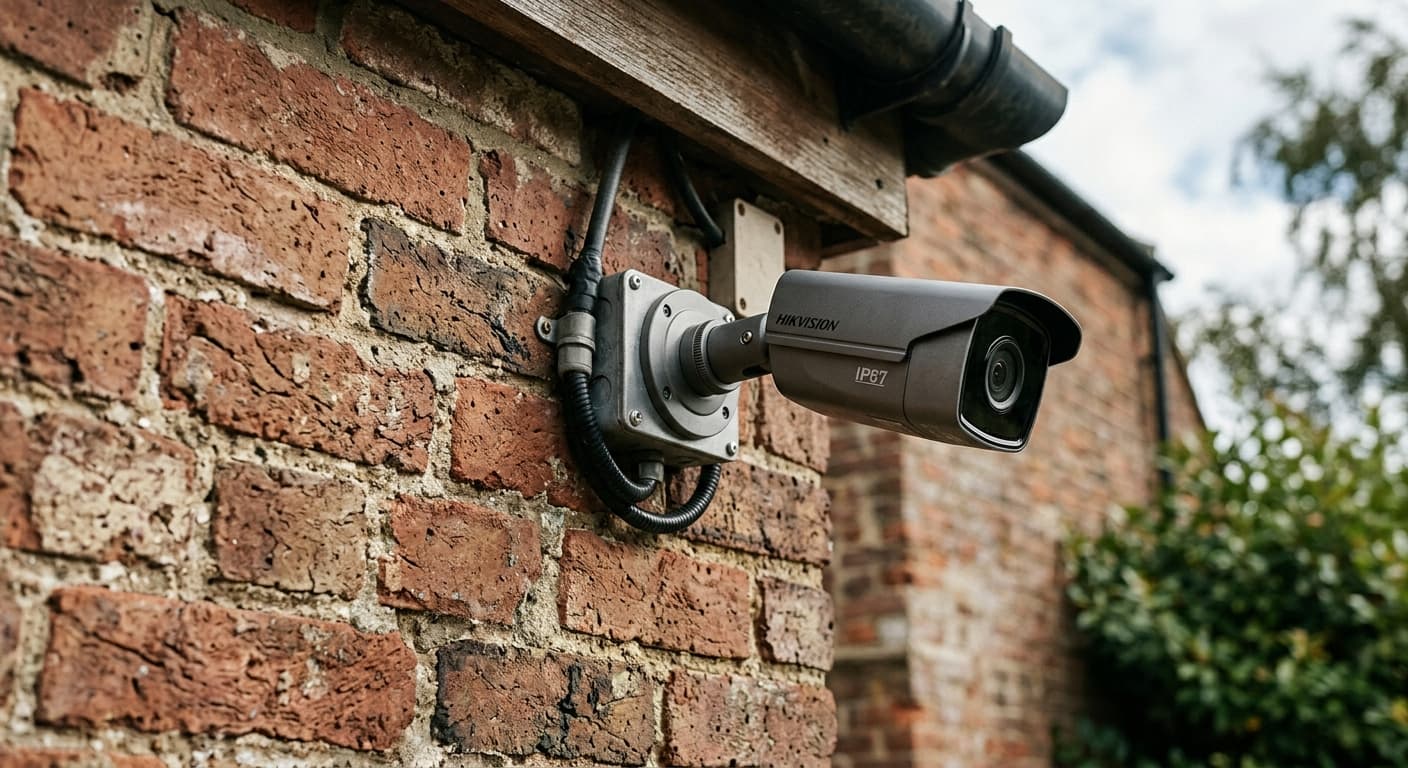
Montana security camera laws for homes and businesses. Learn placement rules, audio restrictions under MCA 45-8-213, and privacy limits under MCA 45-5-223.
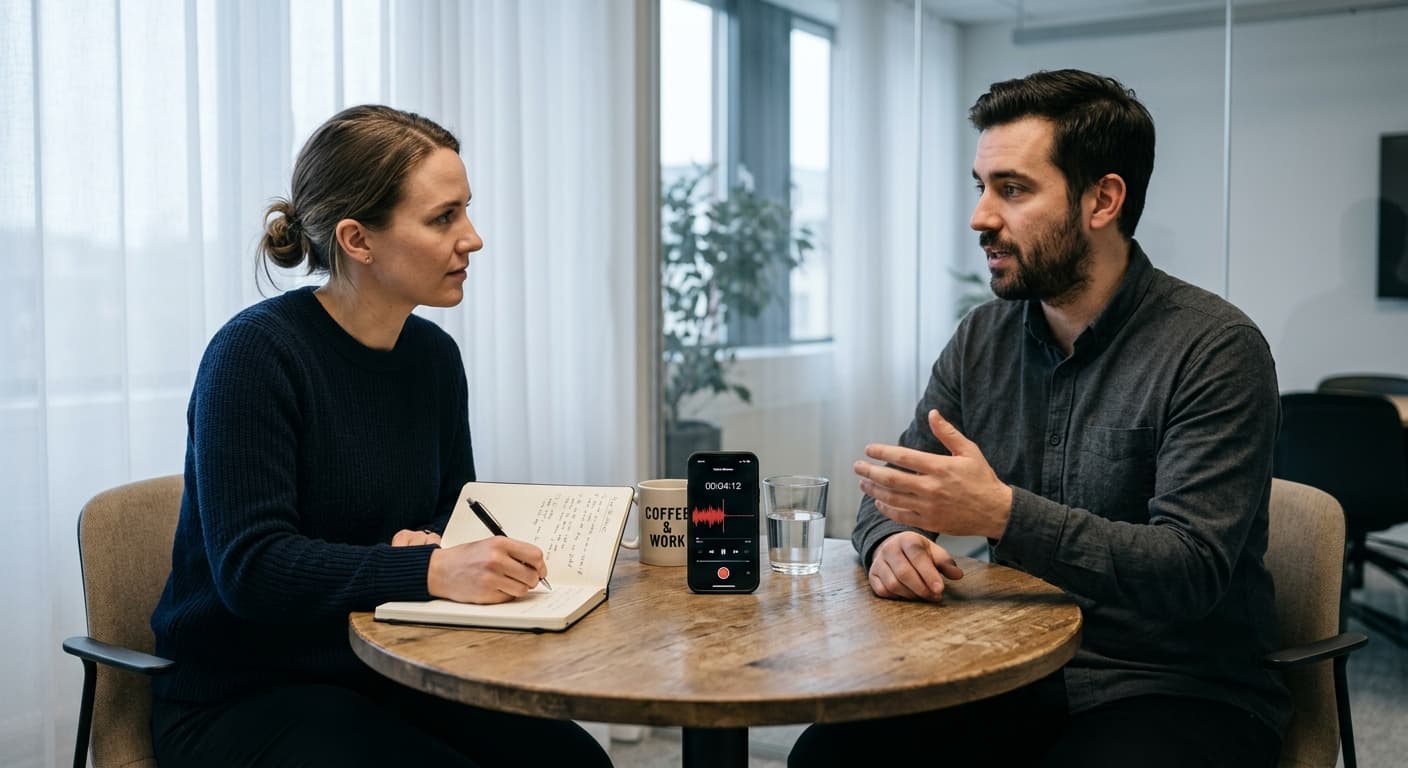
Montana requires all parties to have knowledge of audio recordings under MCA 45-8-213. An audible announcement satisfies the notice rule. Learn the full smart glasses law.
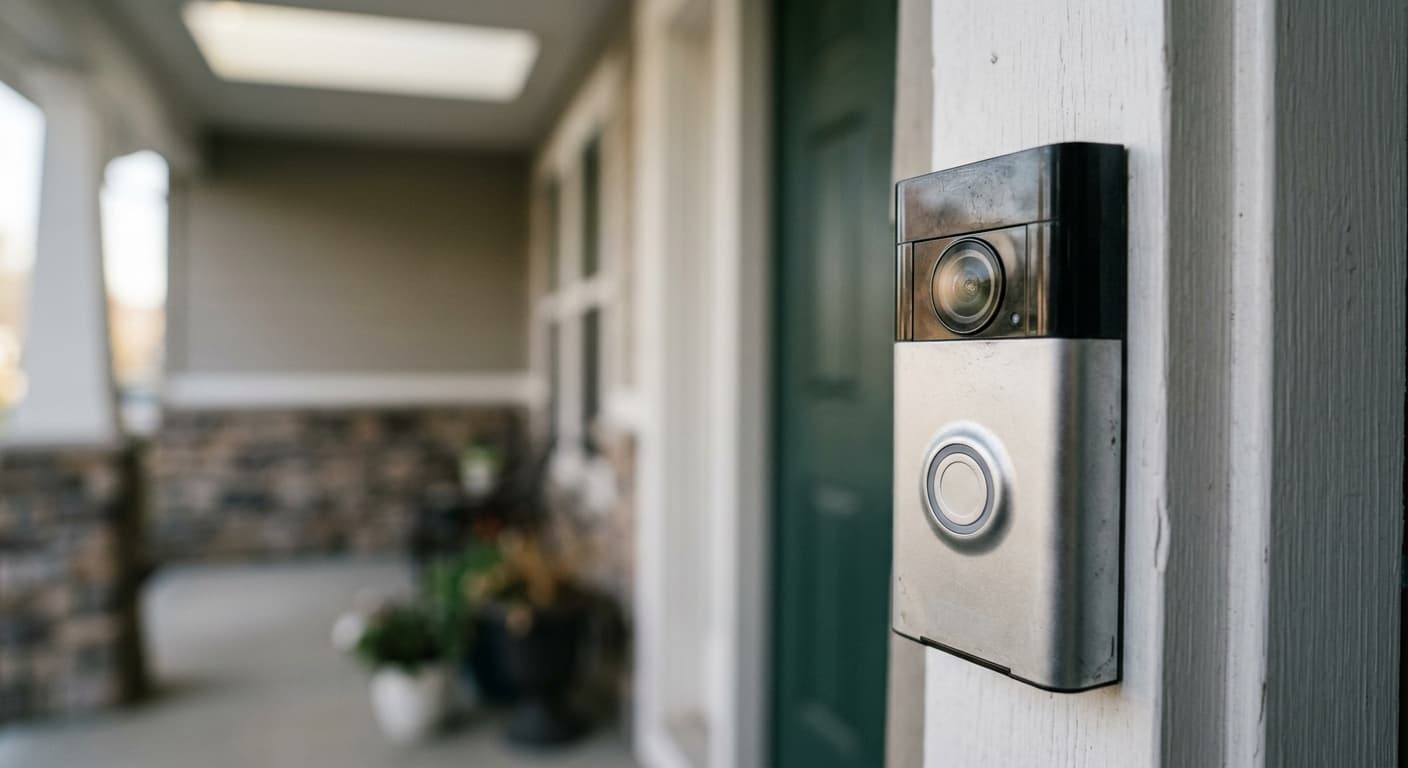
Montana video recording laws cover hidden cameras, surveillance, and audio capture under MCA 45-8-213 and MCA 45-5-223. Learn what is legal and the penalties.
Montana voyeurism laws under MCA 45-5-223 criminalize secret filming in private settings. Learn about hidden camera laws, penalties, and the 2025 deepfake amendment.
Montana workplace recording laws under MCA 45-8-213 and the WDEA. Learn employee recording rights, employer monitoring rules, and why Montana is unique.
Morocco requires all-party consent to record conversations. Learn about Penal Code penalties, Law 09-08, CNDP enforcement, and workplace rules.
Mozambique requires all-party consent to record conversations under the Penal Code (Lei 24/2019). New Cybercrime and Cybersecurity Acts passed April 2026. Learn the rules, penalties, and press freedom risks.
Myanmar has no recording-consent law. See the state's warrant-free interception powers and the real risk: what happens after you share a recording.
Nebraska audio recording laws allow one-party consent under Neb. Rev. Stat. 86-290. Learn the rules for recording conversations, penalties, and the new Biometric Autonomy Liberty Law.
Nebraska law protects your right to record police officers in public. Learn the First Amendment rules, when recording is legal, and what limits apply under state law.
Learn Nebraska medical recording laws. Patients can record doctor visits under one-party consent (Neb. Rev. Stat. 86-290). Covers HIPAA, telehealth, mental health, and evidence rules.
Nebraska phone call recording laws follow one-party consent under Neb. Rev. Stat. 86-290. Learn the rules for cell phones, landlines, VoIP, business calls, and interstate calls.
Nebraska law protects your right to record in public spaces and government meetings. Learn the rules under the First Amendment, Open Meetings Act, and state privacy limits.
Nebraska is a one-party consent state: you can record a conversation you're part of. Rules for phone calls, hidden cameras, penalties, and recording police.
Nebraska is a one-party consent state, so students and parents can record school conversations they join. Learn student, parent, and teacher rights and FERPA rules.